11 Road Trip Essentials for a Stress-Free Drive
I knew the road trip was going sideways the second my phone signal disappeared in the middle of nowhere.
No GPS. No downloaded map. Barely any gas stations around me. Just an empty stretch of highway and that sinking feeling that I should’ve prepared better before leaving.
What should’ve been a calm scenic drive turned into 40 minutes of stress I could’ve avoided with five minutes of planning the night before.
And honestly, that’s how most road trip problems happen.
Not through huge disasters.
Through tiny things piling up slowly.
A dead charger.
Bad snacks that leave everyone hungry an hour later.
Water bottles buried in the trunk when you actually need them.
A messy car that somehow starts feeling smaller every hour.
One wrong turn that throws everybody into a bad mood.
I’ve done enough long drives now to realize the best road trips aren’t about packing more stuff. They’re about packing the right things in the right places so the drive actually feels easy.
Because when your setup works, everything changes.
You stop feeling rushed.
Stops feel smoother.
The car stays calmer.
Even long driving days feel lighter.
A few small changes honestly made my road trips feel completely different, and most of them cost almost nothing to fix.
Here’s what I never skip anymore.
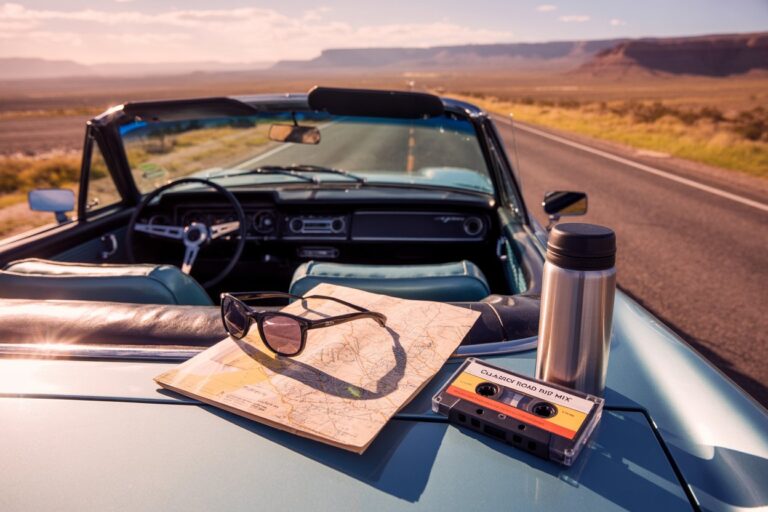
1. A Navigation Backup That Works Without Signal
I used to trust live GPS way too much.
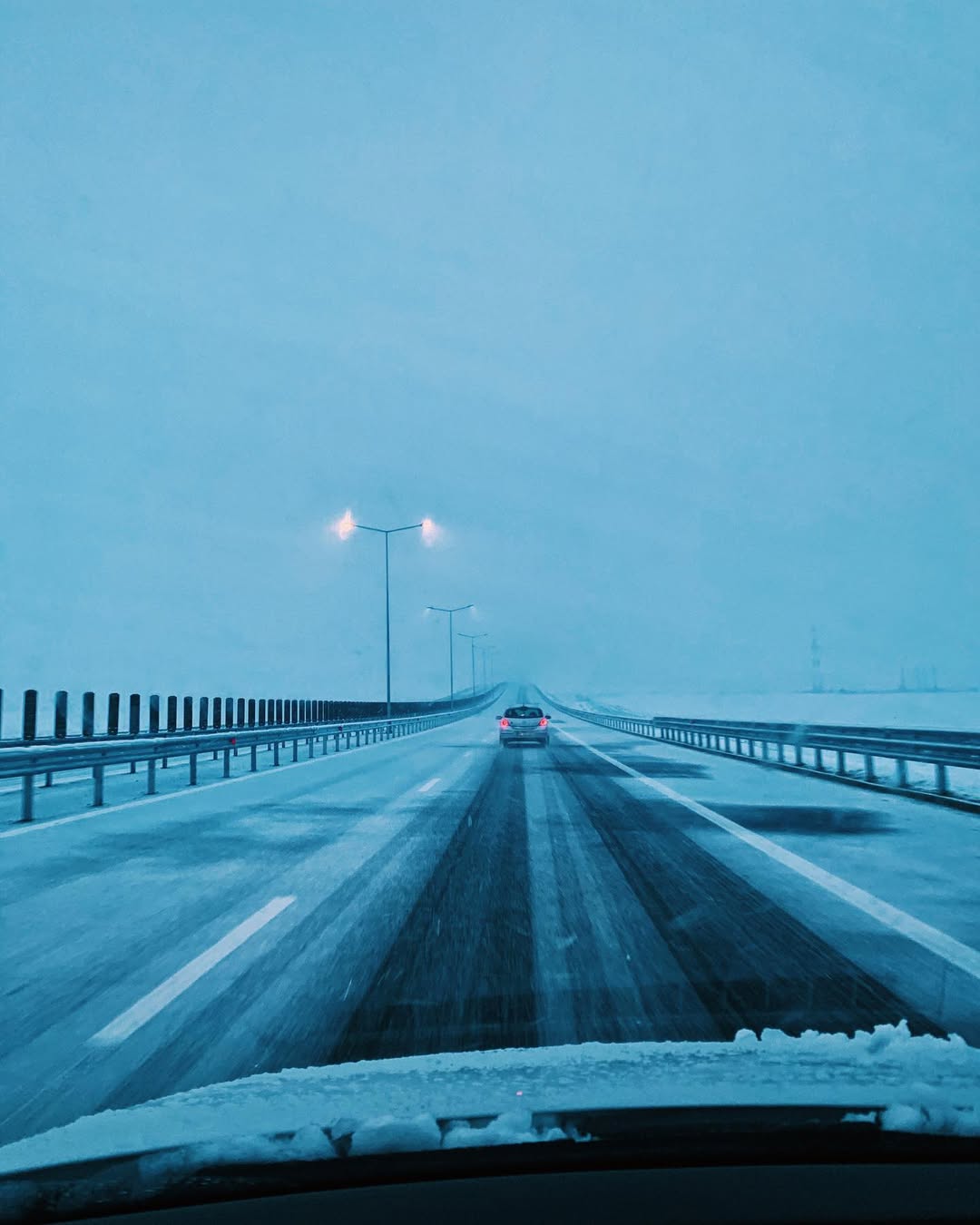
Then I drove through a mountain stretch where my map suddenly froze for nearly an hour. No signal. No rerouting. No clue where the next fuel stop was. Just winding roads, fading daylight, and that uncomfortable feeling that I should’ve prepared better before leaving.
That drive changed how I road trip.
Now I download offline maps before every trip. Always.
It takes maybe two minutes, and it removes a huge layer of stress before the drive even starts.
This matters even more in remote areas. National Geographic points out that long-distance road trips can have limited phone reception between towns, especially on remote routes where fuel and services are spread far apart.
And honestly, once you lose signal in the middle of nowhere even once, you stop assuming your phone will save you every time.
Before leaving, I usually:
- download offline maps
- screenshot hotel addresses
- save fuel stops ahead of time
- pin nearby emergency locations
- keep one paper address written down just in case
That last one sounds old-school until your battery dies.
Small step. Huge difference.
Because the fastest way to ruin a calm drive is feeling lost when you’re already tired.
And once directions are handled, the next thing that changes the mood inside the car fast is food.
2. A “Grab Fast” Snack Setup Instead of Random Gas Station Stops
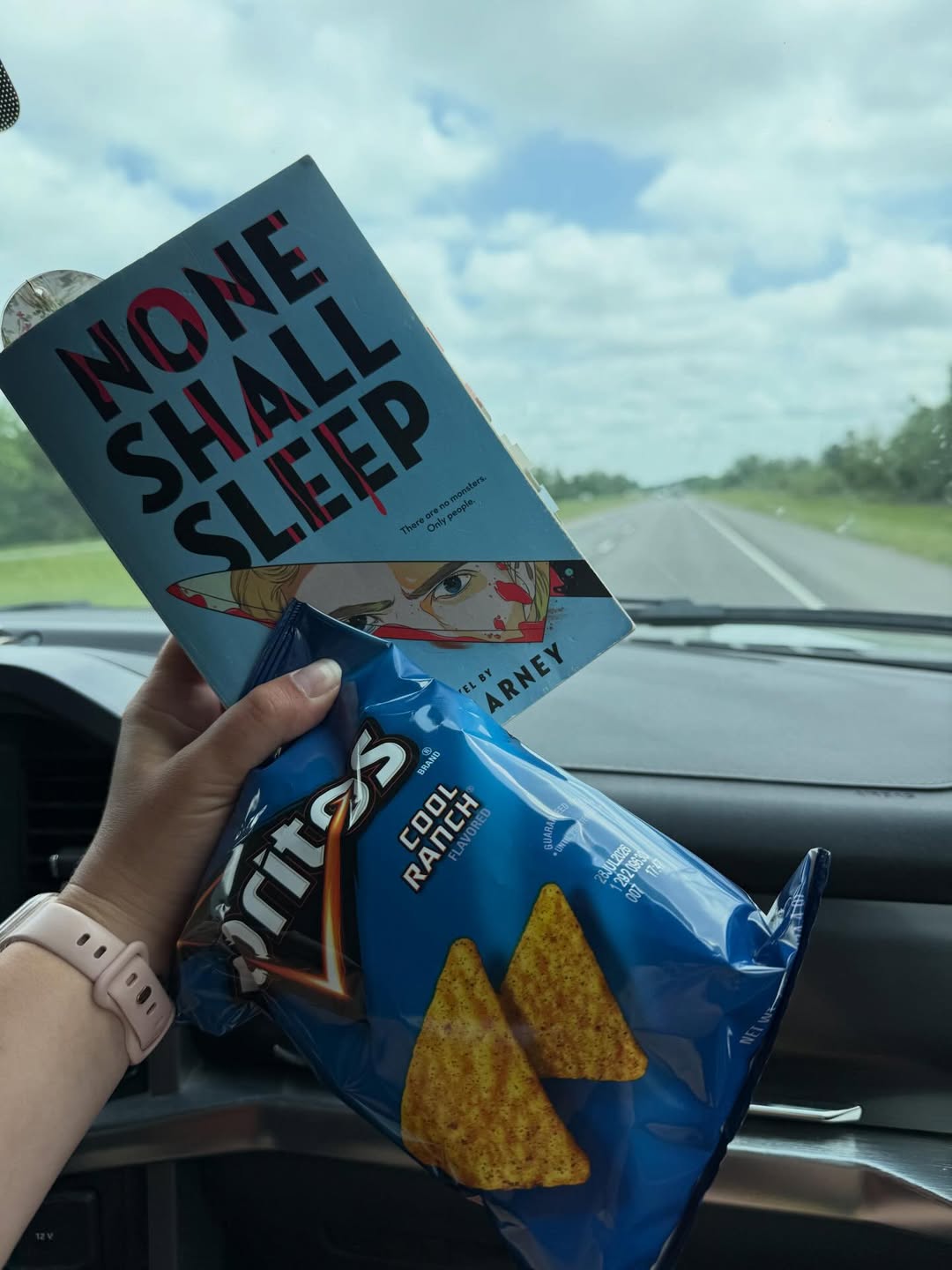
Road trip hunger feels completely different from regular hunger.
Nobody notices it at first.
Then suddenly everybody’s quiet, irritated, tired, and somehow willing to spend $14 on stale chips and a questionable gas station sandwich.
I learned this after throwing all my snacks into the trunk during a long coastal drive. Every snack stop turned into a full parking-lot unpacking session while cars kept pulling in beside me and the wind blew napkins everywhere.
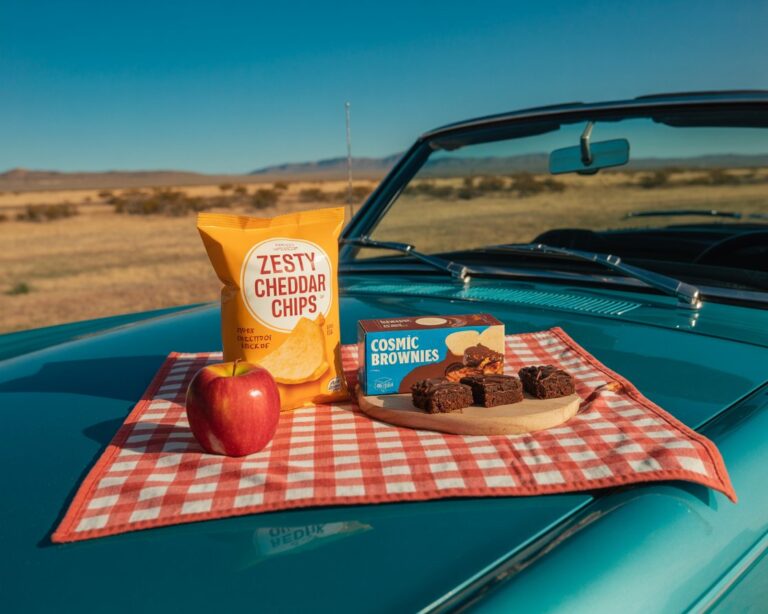
Now I keep a small tote beside the seat with easy grab options:
- protein bars
- trail mix
- fruit
- crackers
- gum
- electrolyte packets
And honestly, the setup matters more than the snacks themselves.
If food is annoying to reach, people wait too long to eat. Then the mood inside the car slowly crashes.
I also stopped bringing messy food after one container of sauce leaked across the passenger floor during a hot afternoon drive. The smell stayed in the car for days.
Now I stick to clean, quick snacks that don’t create extra stress.
Travel + Leisure recommends keeping essentials like snacks, wipes, water, and trash bags within reach during road trips, and honestly, that single habit makes the car feel calmer almost immediately.
Especially on long driving days when nobody wants to keep digging through bags every hour.
Because once the car starts feeling chaotic, everything else starts feeling harder too.
3. A Car Charger Setup That Powers Everything at Once
I once brought one charging cable for a five-day road trip.
One.
By day two, my phone battery was dying, my power bank was empty, and my camera battery was sitting at 3% while I was trying to navigate through an unfamiliar town.
That low-battery panic hits fast on road trips.
Now I pack:
- a multi-port car charger
- backup cables
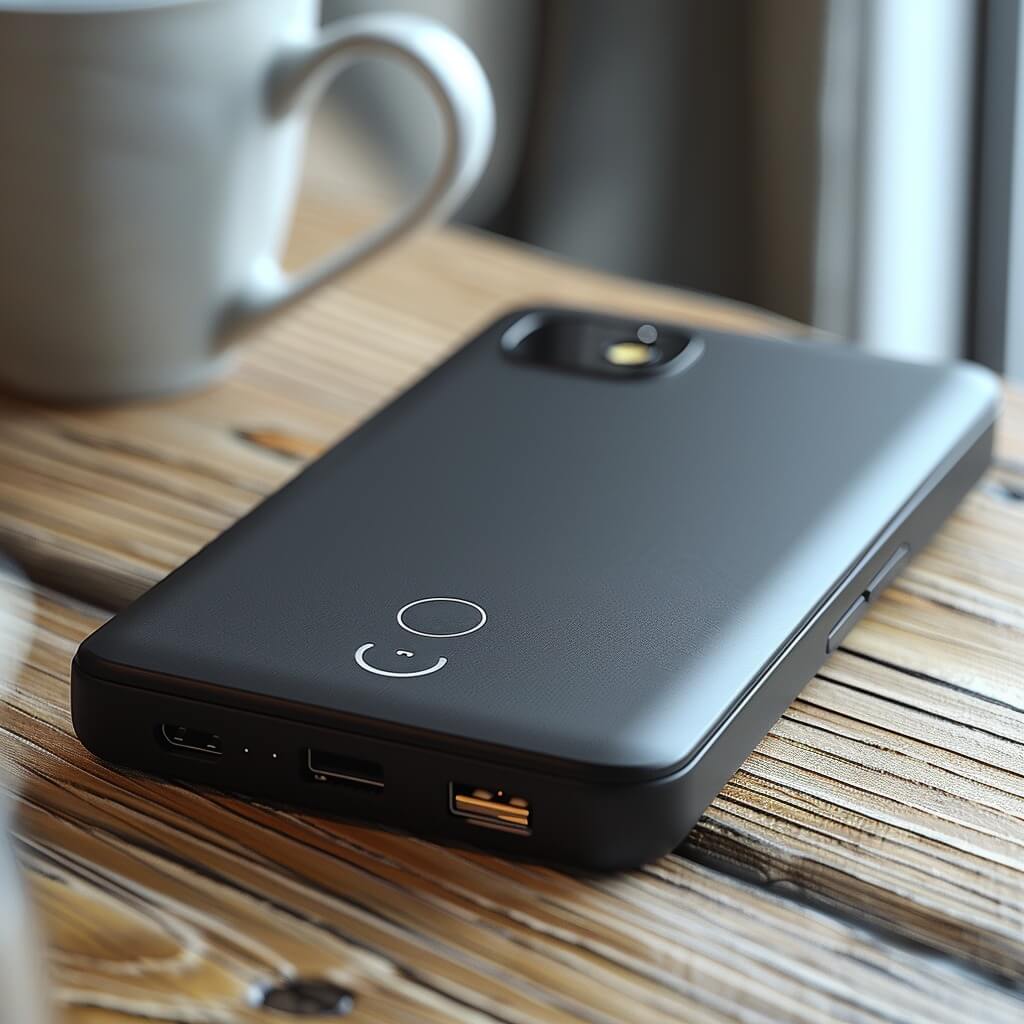
- a power bank
- an extra charging brick
And I keep everything inside one small zip pouch so cords aren’t tangled under seats or shoved into random bags.
That tiny bit of organization matters more than people think.
Because road trips already create enough small messes on their own.
The stress from low battery percentages adds up quickly when your phone controls maps, playlists, hotel check-ins, messages, and travel photos all at once.
A charging setup sounds boring right up until your phone hits 2% in unfamiliar territory.
That’s usually the moment people realize how much they rely on their devices during a drive.
Now I charge things whenever I stop for fuel instead of waiting until batteries get low. That habit alone has saved me more stress than almost anything else on the road.
And honestly, once chargers, cords, snacks, and bags start spreading across the car, clutter becomes the next problem fast.
4. A Small Emergency Kit You Hope You Never Need
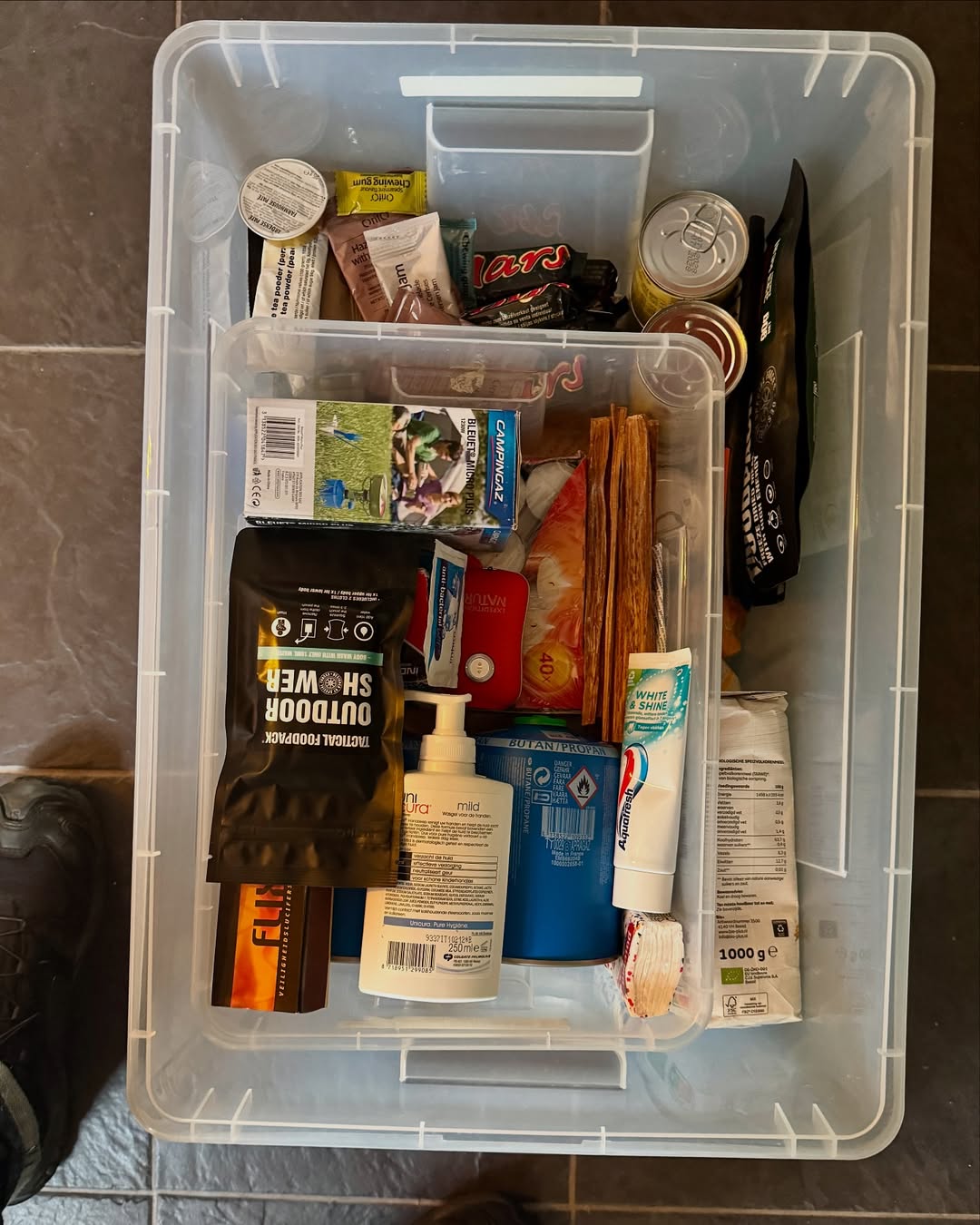
I’m not talking about extreme survival gear packed for the apocalypse.
I mean normal road trip problems that show up when you least expect them.
Headaches after eight hours in the car.
Flat tires on dark roads.
Sudden rainstorms.
Spilled coffee.
Dead batteries.
Tiny problems that somehow feel ten times bigger when you’re far from home.
I started carrying a compact emergency kit after getting stranded during a late-night drive with no flashlight in the car. I still remember standing outside near the shoulder of the road using my nearly dead phone screen for light while cars kept flying past.
That feeling stayed with me.
Now I keep a small emergency kit in the trunk every single trip.
Mine usually includes:
- first aid basics
- jumper cables
- flashlight
- tire pressure gauge
- gloves
- blanket
- bottled water
- pain reliever
- wet wipes
Nothing dramatic.
Just practical things that make bad moments feel manageable instead of overwhelming.
AAA recommends many of the same items in a basic car safety kit, especially chargers, flashlights, water, blankets, and emergency tools.
And honestly, most people never think about emergency supplies until they suddenly need them.
The best part about carrying a kit isn’t even the gear itself.
It’s the peace of mind.
The drive feels calmer when you know small problems won’t completely ruin the day.
And once the practical stuff is handled, the next thing that quietly affects your mood on the road is the space around you.
5. A Trash System That Keeps the Car From Feeling Overwhelming
A cluttered car changes the entire energy of a road trip.
I never fully noticed it until I spent almost eight hours driving with empty water bottles rolling under the seats, snack wrappers piled near my feet, and random receipts somehow ending up everywhere.
By the end of the drive, the car felt exhausting to sit in.
Now I keep a small trash bag hanging behind the center console.
That’s it.
Tiny change. Completely different feeling inside the car.
I also started doing quick “two-minute resets” during fuel stops:
- throw trash away
- wipe cup holders
- reorganize loose items
- restock snacks and water
- untangle charging cords
Those little resets stop the mess from slowly taking over the car.
And honestly, cleaner cars somehow make long drives feel mentally lighter too.
Especially during multi-day trips where the car starts feeling like a temporary living space.
I also stopped overpacking the front seats. When bags, jackets, snacks, and chargers all pile together, the car starts feeling cramped fast.
A little empty space makes a bigger difference than people expect.
And once the car itself feels more comfortable, clothing becomes the next thing that quietly changes the mood of the drive.
6. Comfortable Layers for Changing Temperatures
Road trip temperatures never stay consistent for long.
The car feels freezing because somebody cranked the AC too high. Then you stop for gas somewhere sunny and suddenly feel overheated the second you step outside.
By nighttime, you’re cold again.
I learned this during a desert drive where I wore the wrong clothes all day and stayed uncomfortable for hours. I remember stopping at a roadside store mostly because I desperately needed a hoodie.
Now I always keep:
- a lightweight hoodie
- extra socks
- a rain layer
- a loose shirt
- comfortable walking shoes
And I never pack those things deep inside luggage anymore.
They stay within reach.
Because comfort matters more on long drives than people realize.
Scenic America recommends packing weather-ready clothing and proper travel layers during road trips since temperatures and conditions can shift throughout the day.
And honestly, being physically uncomfortable for hours slowly affects everything else.
People get quieter.
Patience drops.
Small annoyances suddenly feel bigger.
Now I dress for road trips completely differently than I used to. Soft layers, comfortable shoes, and clothes I can sit in for hours without thinking about them.
That alone makes long driving days feel easier.
7. A Playlist and Downloaded Entertainment Backup
Silence hits differently six hours into a drive.
Especially when streaming suddenly stops working right as you lose signal somewhere in the middle of nowhere.
I learned this during a long stretch of highway where the music cut out completely and the car suddenly felt ten times more tired. No playlist. No podcast. Just road noise and everybody slowly getting quieter.
Now I download playlists, podcasts, and audiobooks before every road trip instead of depending on signal.
And honestly, some of my favorite travel memories happened because of things I downloaded at the last minute.
Random podcasts during rainy drives.
Albums that somehow became attached to specific places forever.
One audiobook I still associate with a sunset drive through the mountains.
Road trip audio becomes part of the memory more than people expect.
I also like changing the energy throughout the day:
- upbeat music in the morning
- podcasts during long highways
- calmer playlists during sunset drives
- quieter audio later at night
It keeps the drive from feeling repetitive.
Especially during long stretches where every highway exit starts looking the same.
I also keep one downloaded playlist specifically for bad moods or low-energy moments during the trip. That sounds dramatic until everybody gets tired at the same time.
Because when the mood inside the car stays good, the drive feels shorter too.
And once the entertainment side feels handled, the next thing that quietly affects energy levels is water.
8. Water That Is Easy to Reach While Driving
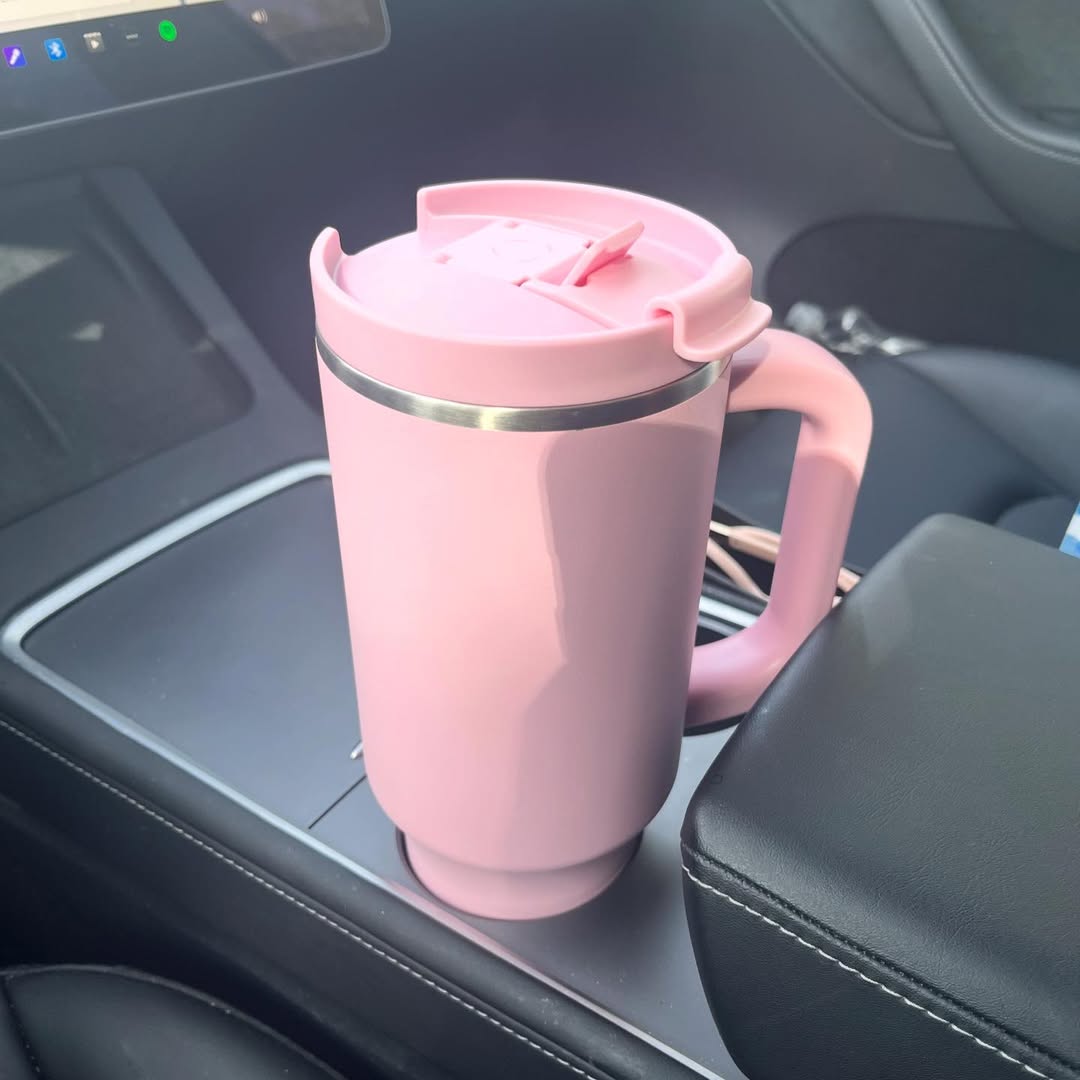
I used to pack water badly.
Too much of it buried deep in the trunk. Not enough actually within reach while driving.
So I’d end up drinking less during the trip simply because stopping felt annoying.
Now I keep one refillable bottle in the cup holder at all times and extra water stocked nearby where I can grab it quickly during stops.
Simple habit. Huge difference.
NHTSA recommends carrying drinking water and nonperishable food during road trips, especially during warmer weather and longer drives.
And honestly, dehydration sneaks up on people during road trips more than they realize.
First it’s dry lips.
Then headaches.
Then everybody starts feeling tired and irritated for no obvious reason.
I notice this most during summer drives when the AC is running constantly and hours pass without anyone thinking about water.
Now I drink small amounts regularly instead of waiting until I already feel exhausted.
That one habit alone makes long driving days feel noticeably easier.
And once hydration improves, rest stops stop feeling so rushed too.
9. A Simple Plan for Rest Stops Before the Drive Starts
I don’t fully schedule road trips anymore.
Trying to control every hour usually makes the drive feel stressful before it even starts.
But I do loosely plan fuel stops, bathroom breaks, and meal windows ahead of time now.
Because random stopping sounds fun until everybody’s hungry, tired, low on gas, and arguing about where to stop next.
I usually check:
- long stretches without fuel
- major rest areas
- coffee stops
- scenic break points
- late-night gas station options
This became important after one drive where I pushed fuel way too far and ended up searching for an open station late at night with the warning light already on.
Not an experience I want to repeat.
Now I stop before I desperately need to stop.
That small mindset shift makes the drive feel smoother almost immediately.
I also noticed that planned breaks keep everybody’s mood more stable during longer drives. People stretch, reset mentally, grab snacks, and come back to the car feeling better.
Sometimes a 10-minute stop changes the entire energy of the trip.
And once breaks feel easier, physical comfort becomes easier too.
10. A Pillow or Neck Support That Makes a Bigger Difference Than Expected

This sounds small until you experience neck pain halfway through a trip.
I used to think travel pillows were unnecessary too.
Then I spent an entire drive waking up every 20 minutes as a passenger because my neck kept snapping sideways every time I tried to fall asleep.
By the end of the trip, I felt more tired than rested.
Now I never road trip without:
- a compact neck pillow
- lumbar support cushion
- light blanket
- eye mask for passengers
Those little comfort items completely change long drives.
Especially during multi-day trips where your body starts feeling every extra hour in the car.
I also learned that passengers rest better when the car feels calmer overall. Lower lighting at night, quieter playlists, fewer loose items everywhere. Tiny details make a big difference after hours on the road.
And honestly, good rest changes the mood of the next driving day more than people expect.
Because exhaustion turns small inconveniences into major frustrations fast.
Which is why flexibility became one of the biggest road trip lessons I’ve learned.
11. A Flexible Mindset When the Drive Does Not Go as Planned
Some of my favorite road trip memories came from things going wrong.
Unexpected detours.
Rainstorms that forced me into tiny roadside towns.
Random diners I never planned to stop at.
Scenic overlooks I found by accident because I missed a turn.
The stressful trips were usually the ones where I tried controlling every hour too tightly.
I wanted perfect timing.
Perfect routes.
Perfect schedules.
And honestly, road trips rarely work that way.
Now I leave room for delays.
Room for weather changes.
Room for random stops that look interesting from the highway.
Because some of the best travel moments happen when you stop rushing long enough to notice them.
One of my favorite road trip memories still came from pulling over at a tiny roadside bakery I found completely by accident during a rainstorm.
I never would’ve found it if the day had gone according to plan.
And that’s the strange thing about road trips.
Sometimes the parts that feel inconvenient in the moment become the stories you remember most later.
Conclusion
The best road trips don’t feel rushed, chaotic, or exhausting.
They feel easy.
Not because everything goes perfectly, but because small problems stop turning into bigger ones.
A downloaded map.
Better snacks.
A clean car.
Water within reach.
A charger that actually works when you need it.
Tiny things individually.
But together, they completely change how the drive feels hour after hour.
And honestly, once you experience one calm, organized road trip where everything simply works, it’s hard to go back to winging it again.
Also read:
How to Dress for Road Trips Without Sacrificing Comfort or Confidence
Smart Road Trip Snacks That Keep You Full and Happy Miles Later