Oregon Coast Outfit Ideas That Keep You Warm and Stylish
The first time I visited the Oregon Coast, I packed completely wrong.
I thought “coastal weather” meant light sweaters, sneakers, and those effortlessly layered outfits I kept saving on Pinterest.
Instead, I ended up standing on a freezing beach in Cannon Beach with numb fingers, damp jeans, and wind so sharp it cut straight through my sweatshirt within minutes.
The strange part was that it did not even look that cold outside.
The sky was bright. People were walking their dogs. A few tourists were carrying iced coffees like it was summer.
Meanwhile, I was already wondering if I’d need to cut the day short just to warm up again.
By the second morning, I stopped dressing for photos and started dressing for the coast itself.
Ironically, that’s when my outfits started looking better too.
Because the Oregon coast has its own rhythm. Mornings can feel icy and foggy. Afternoons suddenly turn sunny. Then the wind picks up again right before sunset and everything changes for the third time that day.
If you pack the wrong fabrics, the cold settles in fast.
If you pack smart layers, though, the entire trip feels different. You stay longer at scenic overlooks. You enjoy beach walks instead of rushing back to the car. You stop worrying about the weather and start noticing everything else instead. The cliffs, the sea stacks, the smell of salt in the air, the tiny coffee shops glowing on rainy afternoons.
That’s the balance you want on the Oregon coast.
Warm enough to stay outside comfortably. Stylish enough to still feel good in every photo.
Here’s what actually works.
Why the Oregon Coast Feels Colder Than People Expect

The biggest mistake people make on the Oregon coast is checking the temperature and thinking that tells the whole story.
It doesn’t.
I’ve had 62-degree days on the coast feel colder than winter mornings back home.
The wind changes everything here. It sneaks through layers, stings your ears, and somehow makes your hands cold almost immediately once you get near the water.
I noticed this hardest in Cannon Beach.
Earlier that morning inland, I felt perfectly comfortable wearing a light sweater. By the time I reached the shoreline, I was digging through my backpack for another layer while pretending I was “totally fine.”
Meanwhile, locals walked past me wearing fleece pullovers, waterproof jackets, and beanies like they already knew what was coming.
Turns out, they did.
According to Travel Oregon, visitors should prepare for changing coastal conditions with quick-dry clothing, fleece layers, waterproof footwear, and rain protection. After spending time there myself, that advice makes complete sense.
The Oregon coast rarely stays the same for long.
A sunny parking lot can turn into freezing wind the second you step onto the beach. Calm mornings become foggy afternoons. Even sunset walks can shift from comfortable to icy in less than twenty minutes.
That’s why layering matters so much here.
Not because it looks stylish.
Because it lets you stay outside long enough to actually enjoy the coast.
And once you figure that out, packing becomes much easier.
The 3-Layer Rule That Makes Oregon Coast Packing Easier
After a few Oregon coast trips, I stopped packing “outfits” and started packing systems instead.
That single shift made everything easier.
Before that, my suitcase was full of random sweaters, jackets I barely wore, and clothes that only worked in one specific temperature range. I always ended up carrying extra layers in my backpack because I never trusted my outfit choices once the weather changed.
Now I build almost every coastal outfit around three simple layers.
It keeps me warm without overpacking. It also makes getting dressed in the morning much faster when the forecast changes every few hours.
Start With a Light Base Layer
Your first layer should feel comfortable both indoors and outside.
That matters more than people think because Oregon coast days usually involve constant transitions. One minute you’re walking through cold ocean wind. The next you’re warming up inside a coffee shop with the heater blasting.
I usually pack:
- fitted long-sleeve tops
- ribbed basics
- lightweight thermals
- moisture-wicking athletic tops
One thing I learned quickly is that thick cotton can become uncomfortable fast near the coast. Even when it isn’t raining, the air often feels damp enough to make heavy fabric cling to your skin once temperatures drop.
A lighter fitted layer works much better because you can build warmth on top of it without feeling bulky or stiff.
That becomes even more useful once the wind picks up later in the day.
Add a Warm Middle Layer
This is the layer that usually saves the trip.
My middle layer is almost always the piece I end up wearing the longest during beach walks, scenic stops, and chilly mornings near the water.
The pieces I reach for most are:
- oversized fleeces
- chunky knit sweaters
- half-zip pullovers
- relaxed shackets
One morning near Newport, I left my hotel thinking I barely needed a jacket at all. The parking lot felt calm. The sun was out. It honestly looked warmer than it was.
Then I reached the cliffside trail.
Within minutes, the wind started slamming straight across the ocean, and suddenly everyone around me was pulling jackets tighter and stuffing their hands into pockets.
That middle layer became the difference between enjoying the walk and rushing back to the car early.
The best part is that cozy layers naturally fit the Oregon coast aesthetic anyway. The slightly oversized sweaters, textured fleeces, and earthy colors all look right at home against foggy beaches and rugged cliffs.
And then comes the layer most visitors underestimate.
Finish With a Windproof Outer Layer
This part matters far more than people expect.
A basic hoodie usually is not enough on the Oregon coast because ocean wind cuts straight through soft fabric surprisingly fast.
I learned that lesson during a sunset walk when I wore an oversized sweatshirt that looked great in photos but did almost nothing once temperatures dropped near the shoreline.
By the end of the walk, my hands were freezing and I was counting the minutes until we got back to the car heater.
Now I always bring:
- lightweight rain jackets
- water-resistant puffers
- windproof shell jackets
- long trench-style raincoats
The best outer layers trap warmth without making you feel oversized or uncomfortable while walking.
That balance changes the whole mood of the trip.
You stop thinking about how cold you are.
You stay longer at overlooks. You take slower walks. You wait for sunset instead of leaving early. You enjoy the coastline instead of trying to escape the weather.
Outfit Ideas for Cold Morning Beach Walks
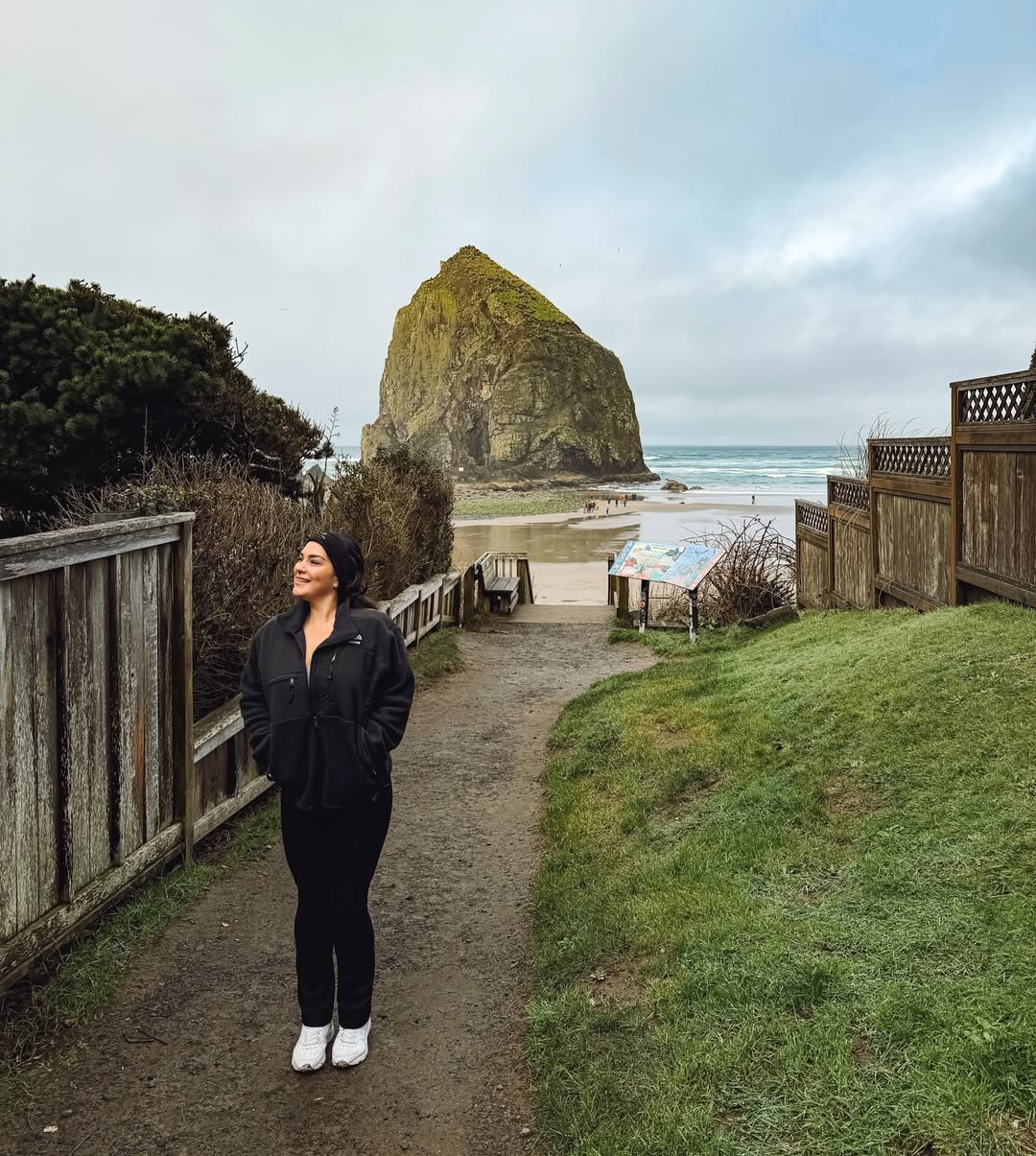
Morning beach walks on the Oregon Coast almost always feel colder than people expect.
Especially before 10 a.m., when the fog still hangs low over the water and the wind coming off the ocean feels sharp enough to wake you up instantly.
The strange part is that mornings often look peaceful from a distance.
You see soft light over the shoreline, empty beaches, and waves rolling in slowly. It looks calm. Then you step out of the car and immediately wish you brought another layer.
After a few trips, I stopped trying to build “cute beach outfits” and started dressing for how the coast actually feels at sunrise.
The outfit formula I keep going back to is:
- black leggings
- wool socks
- waterproof sneakers
- oversized fleece
- long waterproof jacket
- knit beanie
That combination has survived freezing wind in Cannon Beach, foggy mornings near Newport, and early coffee runs before road trips down Highway 101.
The biggest difference came from changing my fabrics.
Once I swapped stiff denim and thin fashion jackets for softer layers that actually trapped warmth, morning walks became something I looked forward to instead of something I rushed through.
Simple outfits also work surprisingly well on the Oregon coast because the scenery already does most of the visual work for you.
Fog, cliffs, driftwood, crashing waves, and moody skies create so much texture naturally that overly styled outfits can actually feel out of place there.
I noticed neutral tones almost always photograph best against the coastline.
Cream, charcoal, olive, faded denim, soft beige, and muted brown tones look especially good during cloudy mornings when the beaches feel moody and cinematic.
One small trick that helped me instantly was sizing my outer layer slightly bigger than normal.
Not oversized enough to feel bulky.
Just roomy enough to layer underneath comfortably without feeling stiff while walking along the shoreline or climbing over rocks near viewpoints.
That extra comfort matters more than people think once you spend full days outside on the coast.
Because the warmer and more comfortable you feel, the longer you stay.
And honestly, some of the best Oregon coast moments happen when you stop trying to hurry back inside.
What to Wear During Windy Coastal Town Days
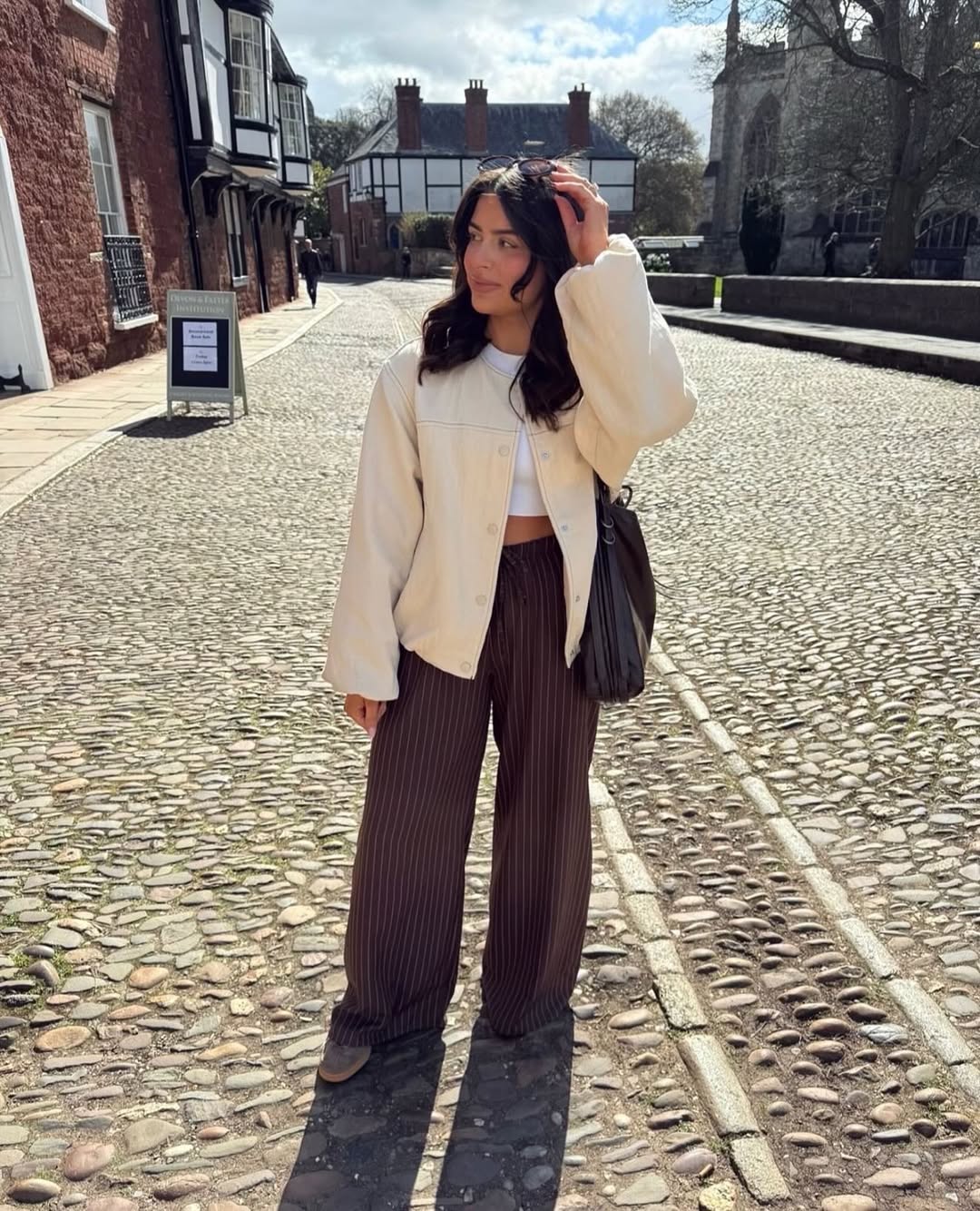
Some of my favorite moments on the Oregon Coast had nothing to do with the beach itself.
They happened inside tiny bookstores that smelled like old paper and coffee. In quiet coastal cafés where everyone walked in wearing damp jackets from the rain outside. In little downtown streets lined with art galleries, saltwater taffy shops, and fogged-up windows glowing yellow in the afternoon.
That’s where your outfit starts to matter in a different way.
You still need warmth, but you also want clothes that feel comfortable enough to wear all day while moving between windy sidewalks, restaurants, scenic pull-offs, and random roadside stops you didn’t plan for.
My favorite coastal town outfit usually looks like this:
- straight-leg jeans
- fitted thermal top
- oversized sweater
- long coat
- Chelsea boots
- crossbody bag
This combination works because it handles temperature swings well without feeling overly outdoorsy.
One thing I noticed quickly was how annoying tote bags became near the water. Every strong gust of wind sent mine sliding off my shoulder while I tried to hold coffee or pull my jacket tighter.
Switching to a crossbody bag instantly made walking through coastal towns easier.
Small details like that end up mattering a lot on trips like this.
I also started carrying sunglasses even when the forecast looked cloudy.
Ocean glare reflects harder than people expect, especially near open viewpoints where light bounces off the water for hours. I learned that after squinting through half a scenic drive because I assumed cloudy weather meant I wouldn’t need them.
And once the rain starts moving in, your outfit has to work even harder.
Because on the Oregon coast, rain rarely feels like a quick inconvenience.
It becomes part of the atmosphere.
Oregon Coast Outfit Ideas for Rainy Days
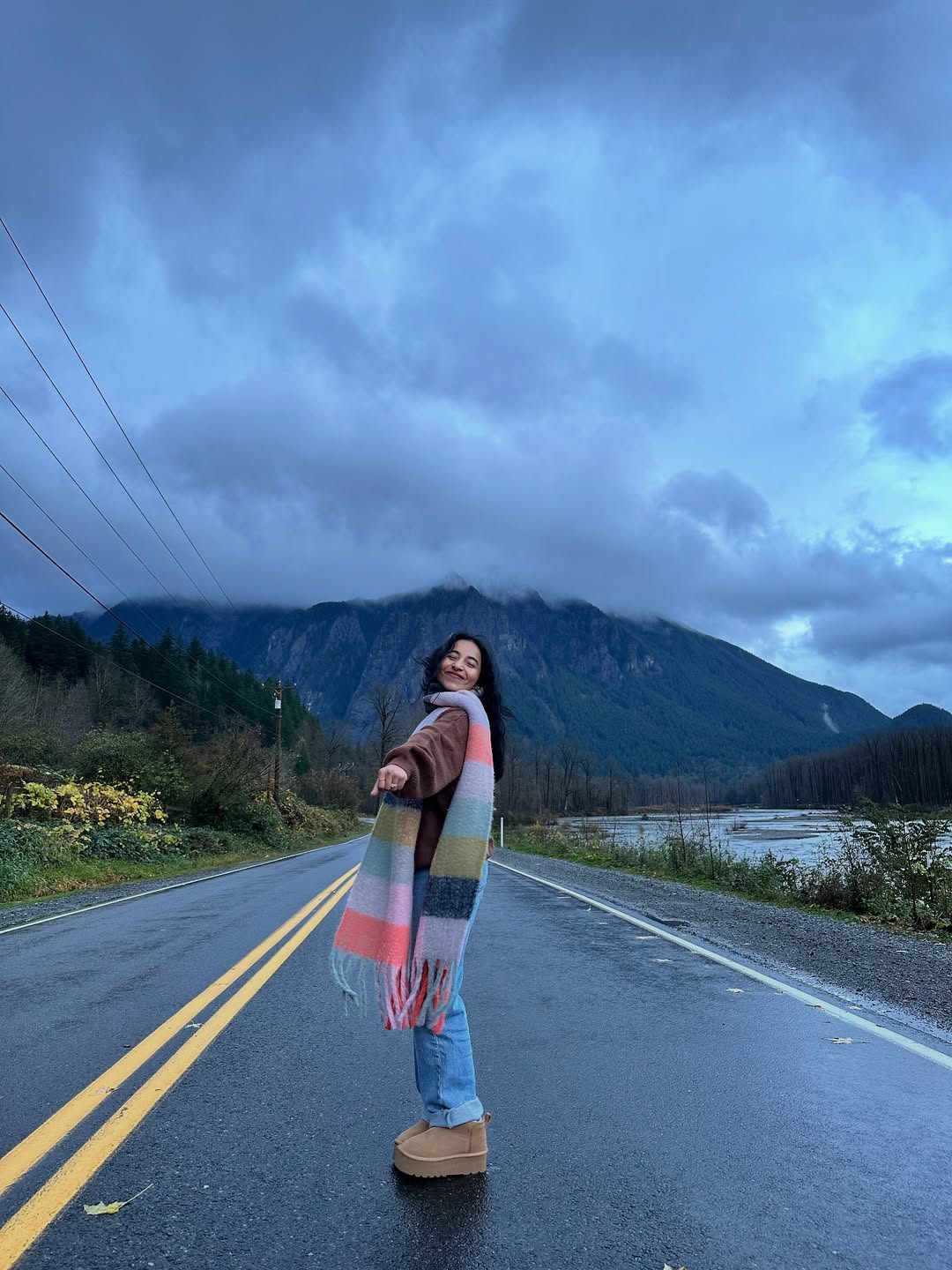
Rain on the Oregon coast feels different from regular rain.
It’s softer. Slower. Almost constant sometimes.
The air turns misty, sidewalks stay damp for hours, and your jacket slowly collects tiny droplets even when it barely feels like it’s raining at all.
That’s what tricks most visitors.
You step outside thinking you probably do not need rain gear, then spend the next three hours slightly cold and slightly damp without ever fully drying off.
According to the Oregon Coast Visitors Association, visitors should bring waterproof boots, warm layers, hats, gloves, and rain gear because coastal conditions can shift quickly near the ocean.
After a few rainy trips there myself, that advice feels very real.
One mistake I kept making was wearing wide-leg pants during damp weather.
The bottoms soaked up water from sidewalks, muddy viewpoints, and beach paths almost immediately. By lunchtime, the fabric usually felt heavy and cold around my ankles.
Now I stick with:
- slim straight jeans
- leggings
- tapered hiking pants
- waterproof ankle boots
Those pieces stay comfortable longer and dry much faster once you head indoors.
Rain jackets have also come a long way recently.
A longer neutral-colored raincoat looks polished enough for restaurants and coastal towns while still keeping you warm during windy walks near the beach.
That balance matters because Oregon coast days rarely follow one plan.
You might start the morning in heavy fog, spend the afternoon walking through town, then suddenly catch a clear weather window that makes you want to head straight for the trails.
And that’s where packing the right layers really pays off.
What to Wear for Oregon Coast Hiking Trails
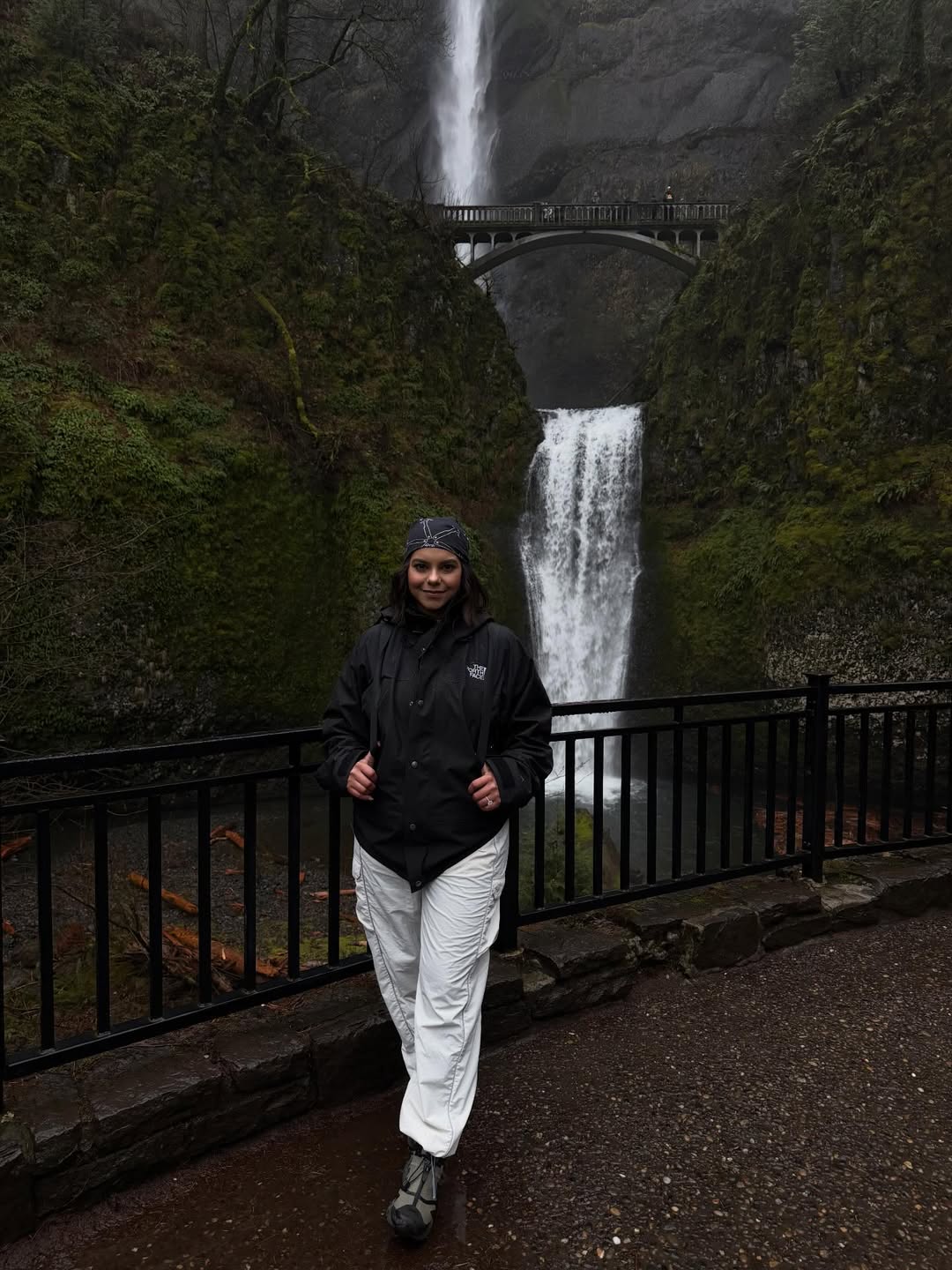
Coastal hikes feel completely different from mountain hikes.
The terrain changes fast.
One minute you’re walking through damp forest lined with moss-covered trees. Ten minutes later, you’re standing near a cliff edge with cold ocean wind hitting hard enough to make you zip your jacket all the way up.
Your outfit needs to handle both without becoming uncomfortable halfway through the hike.
I learned quickly that regular fashion sneakers struggle badly on coastal trails.
Especially after rain.
Mud gets slick, wooden viewpoints stay wet, and uneven terrain near the cliffs can feel surprisingly slippery if your shoes do not have enough grip.
Now I almost always pack:
- trail shoes or hiking boots
- wool socks
- weather-resistant jacket
- athletic leggings or hiking pants
- compact backpack for extra layers
Wool socks honestly made one of the biggest differences for me.
Cold feet can ruin a beautiful hike faster than almost anything else. Once your shoes get slightly damp, regular socks stop feeling warm very quickly near the coast.
The nice thing about Oregon coastal style is that practical outdoor clothing never feels out of place there.
Nobody expects perfectly polished outfits on muddy cliff trails or windy beach overlooks. Most people are dressed for comfort first because the weather changes constantly throughout the day.
And honestly, those outfits usually look better in photos anyway.
The relaxed layers, textured jackets, hiking boots, and neutral colors fit naturally into the scenery instead of competing with it.
That’s part of what makes the Oregon coast feel so different from other beach destinations.
You do not need to dress perfectly.
You just need to dress like you actually want to stay outside awhile.
Cute Oregon Coast Outfit Ideas for Photos
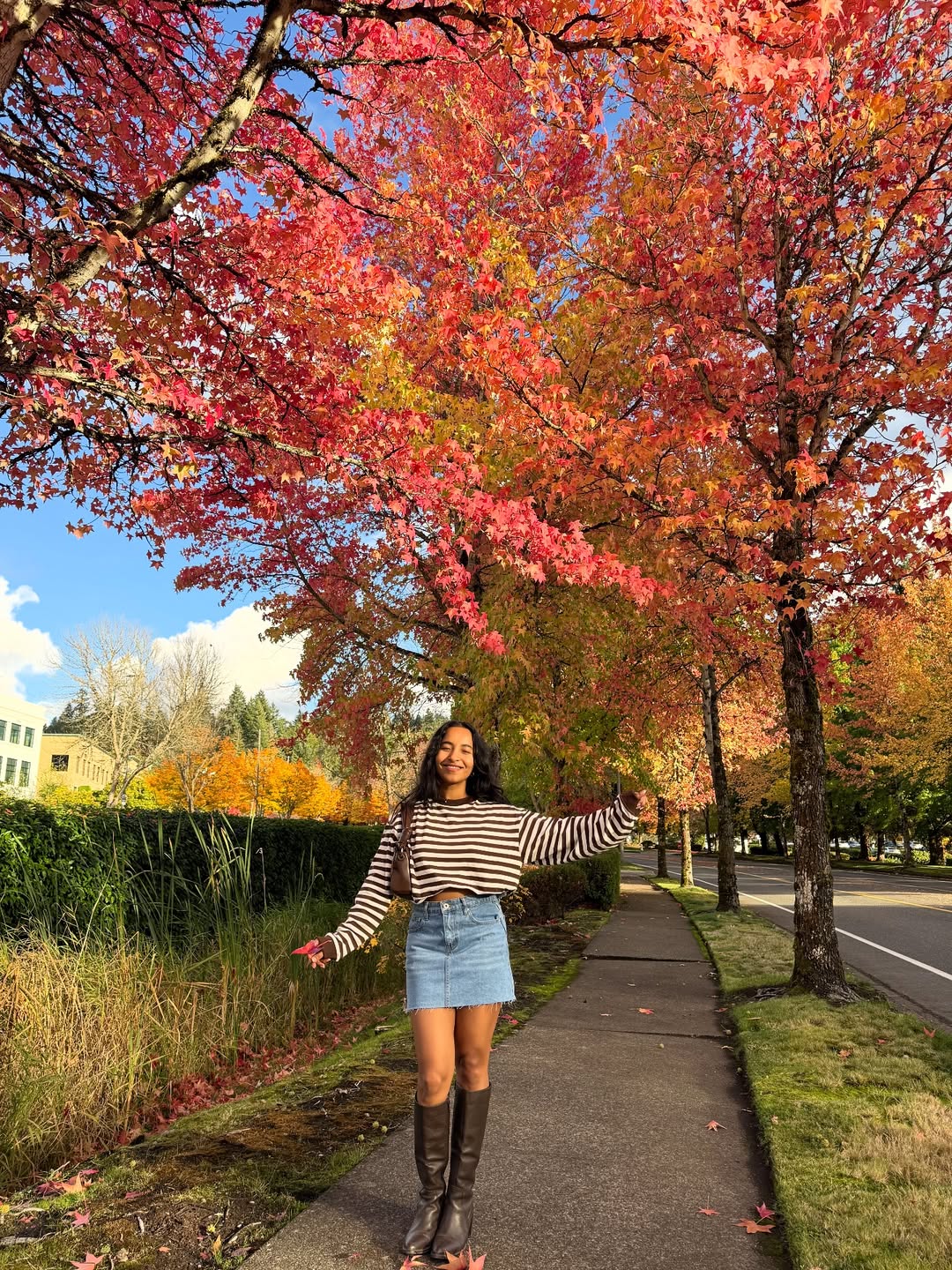
Some destinations almost beg for bright vacation outfits and perfectly styled resort wear.
The Oregon Coast feels completely different.
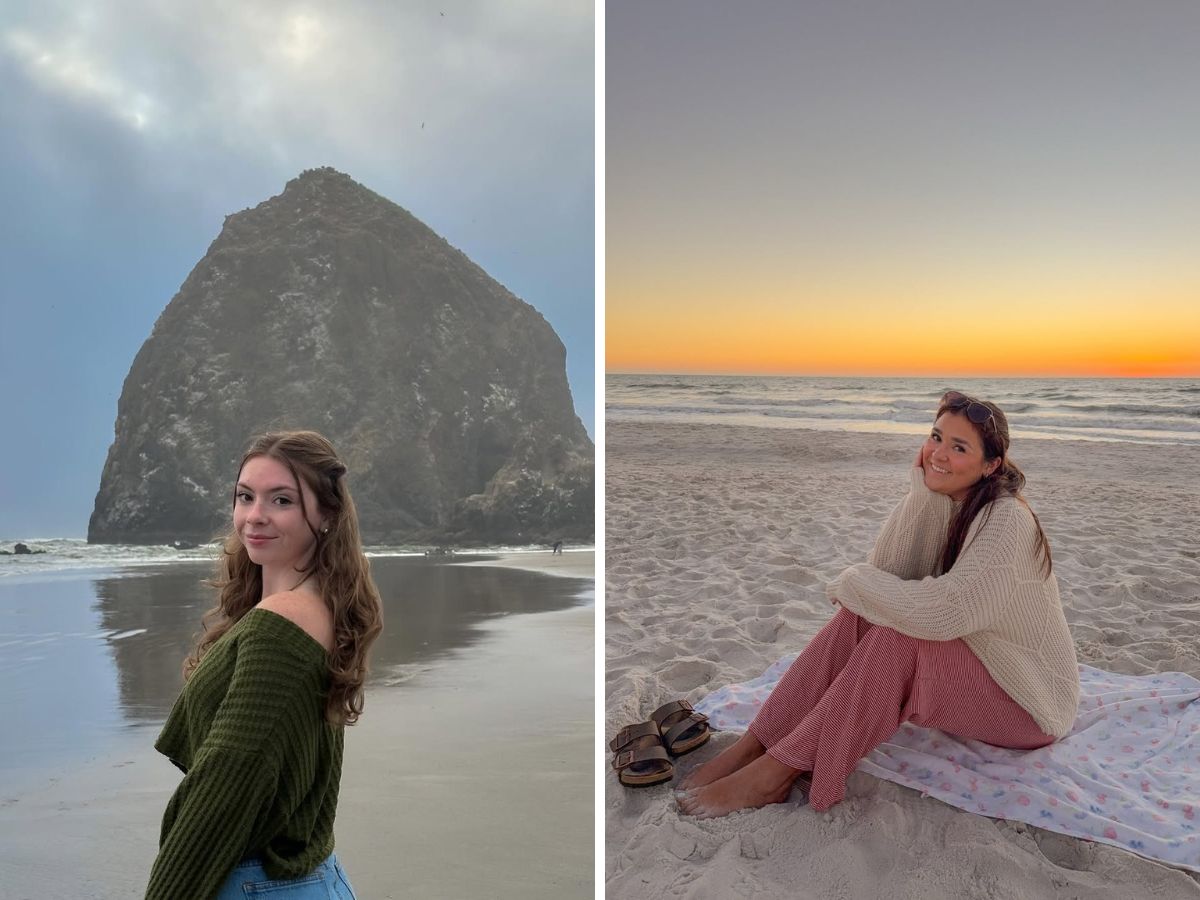
The scenery already carries so much mood on its own that softer, muted outfits almost always look better in photos there.
Fog rolling over the cliffs. Dark rocky beaches. Weathered driftwood. Gray-blue water stretching into the distance. Even the tiny coastal towns feel filled with earthy colors and softer light.
Once I realized that, getting dressed became much easier.
The outfit combinations I kept loving most in photos were:
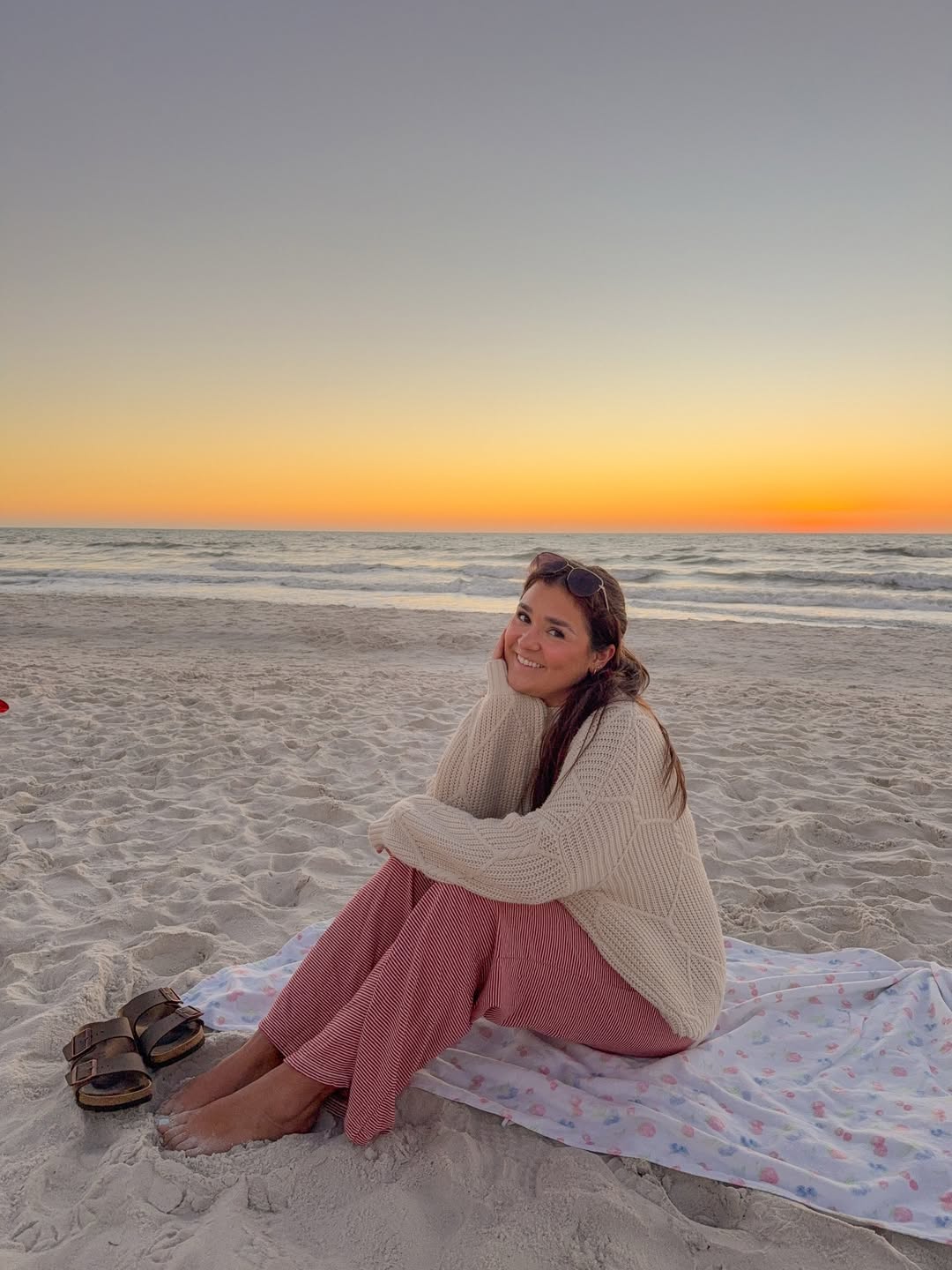
- cream sweaters with light denim
- charcoal jackets with black leggings
- sage green layers with brown boots
- rust-colored knits with dark jeans
Those colors blend naturally into the coastline instead of competing with it.
One thing I learned quickly is that movement matters too.
Flowy pieces can look beautiful near the ocean, but structure matters more than people expect once the wind picks up.
I wore a loose oversized dress during one windy overlook stop and spent half the time trying to keep the fabric under control while everyone else comfortably explored the viewpoint.
The photos looked chaotic because I felt chaotic.
Now I lean toward pieces that move slightly in the wind instead of flying everywhere. Sweaters with weight to them. Relaxed jackets. Layered fabrics that still hold shape while walking.
That small shift made my photos feel much more natural.
And honestly, it made the experience itself feel calmer too.
Because when you are not constantly fixing your outfit, you actually start paying attention to the coastline around you.
The crashing waves. The cold air. The smell of saltwater drifting through the wind.
That’s usually the part people remember most anyway.
And shoes end up playing a much bigger role in that experience than most travelers expect.
What Shoes Actually Work on the Oregon Coast

Shoes can completely change your experience on the Oregon coast.
Not just because of comfort.
Because the coastline constantly pulls you into places you didn’t plan to explore.
You stop for one quick viewpoint and suddenly end up climbing across wet rocks near the beach. You park for coffee and notice a hidden trail nearby. You walk down one sandy path “just for a minute” and come back with damp shoes and freezing toes.
The coast does that to people.
That’s why the shoes I reach for most are:
- waterproof sneakers
- leather ankle boots
- trail runners
- lug-sole Chelsea boots
They work across beaches, bookstores, scenic overlooks, restaurants, and rainy sidewalks without needing multiple outfit changes throughout the day.
According to Lonely Planet, the Oregon coast is packed with scenic pull-offs, beach towns, and dramatic viewpoints along the drive. After traveling there myself, that feels incredibly accurate because you end up hopping in and out of the car constantly.
Comfort starts mattering fast when every stop turns into unexpected walking.
The shoes I regret bringing most?
- white canvas sneakers
- thin sandals
- heeled boots
Wet sand destroys them quickly.
I learned that after trying to wear white sneakers during a foggy beach morning and spending the rest of the day staring at muddy saltwater stains that never fully came out.
Now I think about Oregon coast shoes differently.
If I hesitate before stepping onto wet sand or muddy trails, the shoes probably were not the right choice for the trip in the first place.
And the smaller accessories matter just as much once temperatures start changing throughout the day.
Accessories That Make a Bigger Difference Than You Think
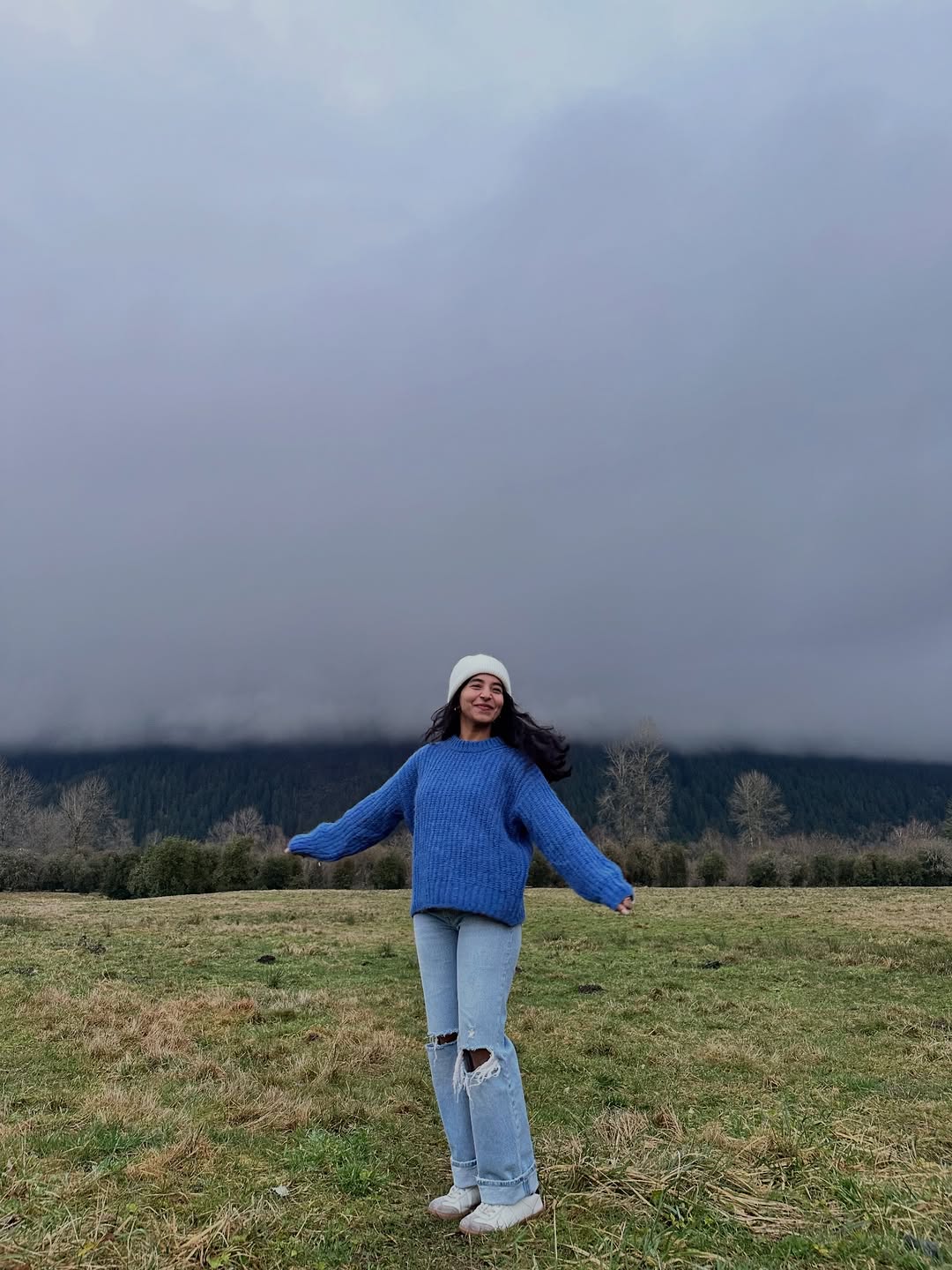
The smallest items usually end up saving the trip.
Not the big statement pieces.
Not the expensive jackets.
Just the simple things you almost forget to pack.
I never realized how much warmer and more comfortable I’d feel on the coast just by adding:
- a knit beanie
- thicker socks
- a compact scarf
- lightweight gloves
- a packable rain shell
Those little additions completely change how long you actually want to stay outside.
One sunset stop near the coast taught me that lesson quickly.
The afternoon had felt comfortable the entire drive, so I left my heavier jacket in the car. Then the wind picked up right before sunset, temperatures dropped fast, and suddenly I was layering two thin sweaters together trying not to freeze while pretending I still wanted to stay outside.
A single extra layer would have fixed the whole problem.
Now I always keep backup layers in the car.
That habit alone has saved multiple coastal trips for me.
Especially because Oregon coast weather rarely changes gradually. It shifts suddenly. One moment feels calm and mild. Twenty minutes later, everyone around you is zipping jackets and pulling beanies over their ears.
The more prepared you are for those little shifts, the more relaxed the entire trip feels.
And every season brings its own version of that experience.
Seasonal Oregon Coast Outfit Tips
Every season on the Oregon coast feels like a completely different personality.
Spring usually feels damp, windy, and unpredictable. Trails stay muddy longer than expected, and mornings often start colder than the forecast suggests.
Summer surprises almost everyone the first time.
People imagine warm beach weather, then arrive to fog, cold wind, and temperatures that still feel chilly near the shoreline. Inland Oregon might feel hot enough for tank tops while the coast still calls for sweaters and jackets.
That contrast catches a lot of travelers off guard.
Fall honestly feels like the Oregon coast at its best.
The layers feel cozy instead of heavy. The beaches become quieter. Earthy colors suddenly match everything around you, from the cliffs to the driftwood to the cloudy skies rolling across the ocean.
Then winter turns the entire coastline dramatic.
Storm watching season brings huge waves, cold rain, strong wind, and cozy little coastal towns filled with people warming up inside cafés afterward.
According to Oregon State Parks, coastal weather can quickly become cold, rainy, and windy year-round, which is why layered clothing matters in every season.
That advice sounds repetitive until you spend a full day there yourself.
Then it suddenly becomes obvious why locals never leave home without another layer nearby.
And once you experience the coast a few times, you start noticing the same packing mistakes over and over again.
Common Oregon Coast Packing Mistakes
The biggest packing mistake people make is dressing only for photos.
The Oregon coast may look effortless in pictures, but the weather has a way of exposing uncomfortable outfits very quickly.
I’ve made most of the common mistakes myself:
- packing too many thin jackets
- bringing heavy coats that felt annoying indoors
- forgetting waterproof shoes
- wearing fabrics that stayed damp all day
- underestimating coastal wind completely
One trip, I packed multiple “cute layering pieces” instead of one truly warm waterproof jacket.
By the second rainy afternoon, every outfit felt slightly damp, slightly cold, and slightly uncomfortable no matter how much I layered.
That experience completely changed how I pack now.
One reliable jacket beats three uncertain outfit choices every single time.
Especially on the coast, where comfort affects the entire rhythm of the day.
Because once you stop thinking about the weather constantly, you finally start enjoying where you are.
My Go-To Oregon Coast Outfit Formula
At this point, my Oregon coast packing formula barely changes anymore.
I pack:
- 2 warm sweaters
- 2 base layers
- 1 waterproof jacket
- dark jeans
- leggings
- waterproof boots
- one neutral beanie
That combination handles almost everything the coast throws at me.
Coffee shops with fogged-up windows. Windy beach walks. Scenic drives along Highway 101. Rainy mornings. Coastal hikes. Sunset overlooks where temperatures suddenly drop the second the sun disappears.
The biggest difference is that my clothes finally work with the environment instead of fighting against it.
That changes the mood of the trip more than people realize.
You stay longer at viewpoints. You stop rushing back to the car heater. You take slower walks. You enjoy the weather instead of feeling annoyed by it.
And honestly, that’s when the Oregon coast starts feeling unforgettable.
Final Thoughts
You do not need a completely new wardrobe for the Oregon coast.
You just need clothing that handles wind, moisture, and changing temperatures without making you uncomfortable halfway through the day.
That’s really the balance that matters here.
Once you figure out layering, weather-friendly fabrics, and comfortable shoes, the entire trip starts feeling easier. You spend more time outside. You enjoy spontaneous stops instead of avoiding them. You stop worrying about being cold and start noticing everything around you instead.
The sound of waves crashing below the cliffs.
The smell of rain drifting through the air.
The warmth of a coffee shop after a windy beach walk.
Those little moments end up becoming the memories people carry home from the Oregon coast.
And the right outfit lets you stay outside long enough to actually experience them.
Also read:
Why the Oregon Coast Feels Like Another World: Exploring Its Most Scenic Spots
Why Fall Might Be the Most Beautiful Time to Visit the Oregon Coast