Mountain Outfit Ideas for Women Who Want Comfort and Style
I used to think mountain outfits were mostly about looking cute in photos.
Then I spent an afternoon freezing beside a lake because I wore the wrong jacket.
The frustrating part was that the outfit actually looked good. Beige sweater. Black leggings. Trendy boots. I thought I had everything figured out until the wind picked up and my feet started hurting halfway through the walk.
By the end of the day, I wasn’t even enjoying the view anymore. I was just thinking about getting back to the car and warming up.
That trip completely changed how I pack for the mountains now.
Because once you spend enough time in mountain towns, hiking trails, scenic overlooks, and chilly morning coffee runs, you realize something fast. The best mountain outfits are not the ones that look perfect standing still.
They’re the ones that still feel good three hours later.
That balance matters more than people expect. Especially when mountain weather changes every hour and you end up walking far more than planned.
Now, before every mountain trip, I pack very differently. I think about layering first. Comfortable shoes second. Then I build outfits around pieces that can handle cold mornings, warmer afternoons, sudden wind, unexpected rain, and long outdoor days without feeling bulky or overdone.
And honestly, that approach made my mountain trips so much better.
Not just for photos.
For the actual experience too.
Why Mountain Outfits Usually Fail
Most mountain outfit mistakes start before the trip even begins.
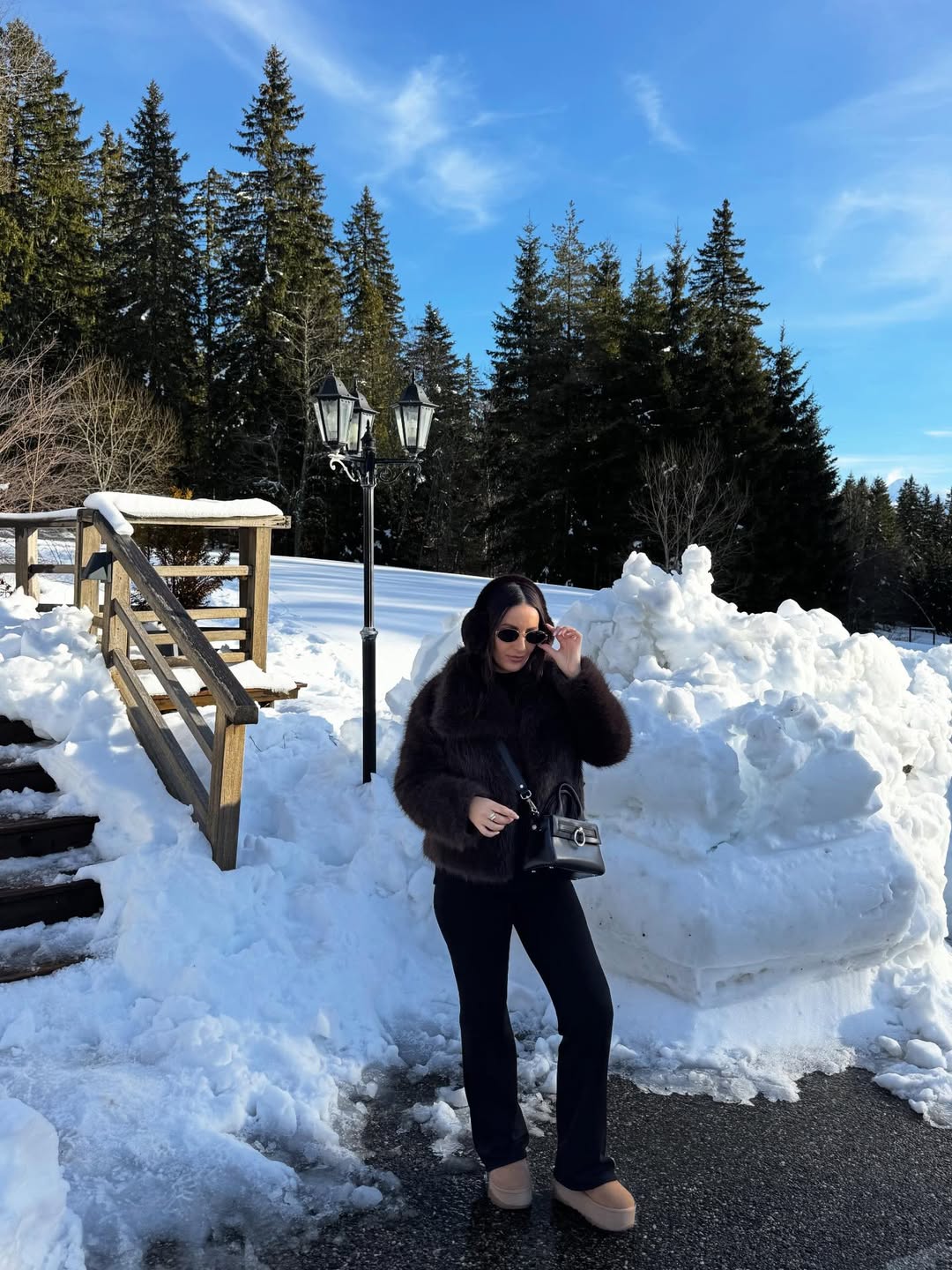
People pack for the photos instead of the weather.
I’ve done this myself. I once packed thick sweaters because I assumed mountain weather would stay cold all day. By noon, I was sweating while carrying half my layers in my arms and wishing I had packed lighter clothes instead.
The worst part was how uncomfortable it made the entire day feel.
I stopped paying attention to the scenery because I was too busy adjusting my clothes every few minutes.
That’s the thing about mountain weather. It changes constantly.
One overlook feels warm in direct sunlight. Ten minutes later, the wind cuts straight through your jacket once you reach a shaded trail or higher elevation.
Even Banff & Lake Louise Tourism mentions that temperatures can shift quickly between elevations, which is exactly why layering works better than relying on one heavy outfit.
I notice this most during early mornings in mountain towns. You walk outside holding a hot coffee with cold air hitting your face, convinced you need thick layers all day. Then the sun comes out and suddenly your jacket feels way too heavy.
That’s why mountain outfits work best when they can adjust with you.
Not against you.
And honestly, once I started dressing for changing conditions instead of photos alone, mountain trips became much more enjoyable.
The Golden Rule That Makes Mountain Outfits Easier
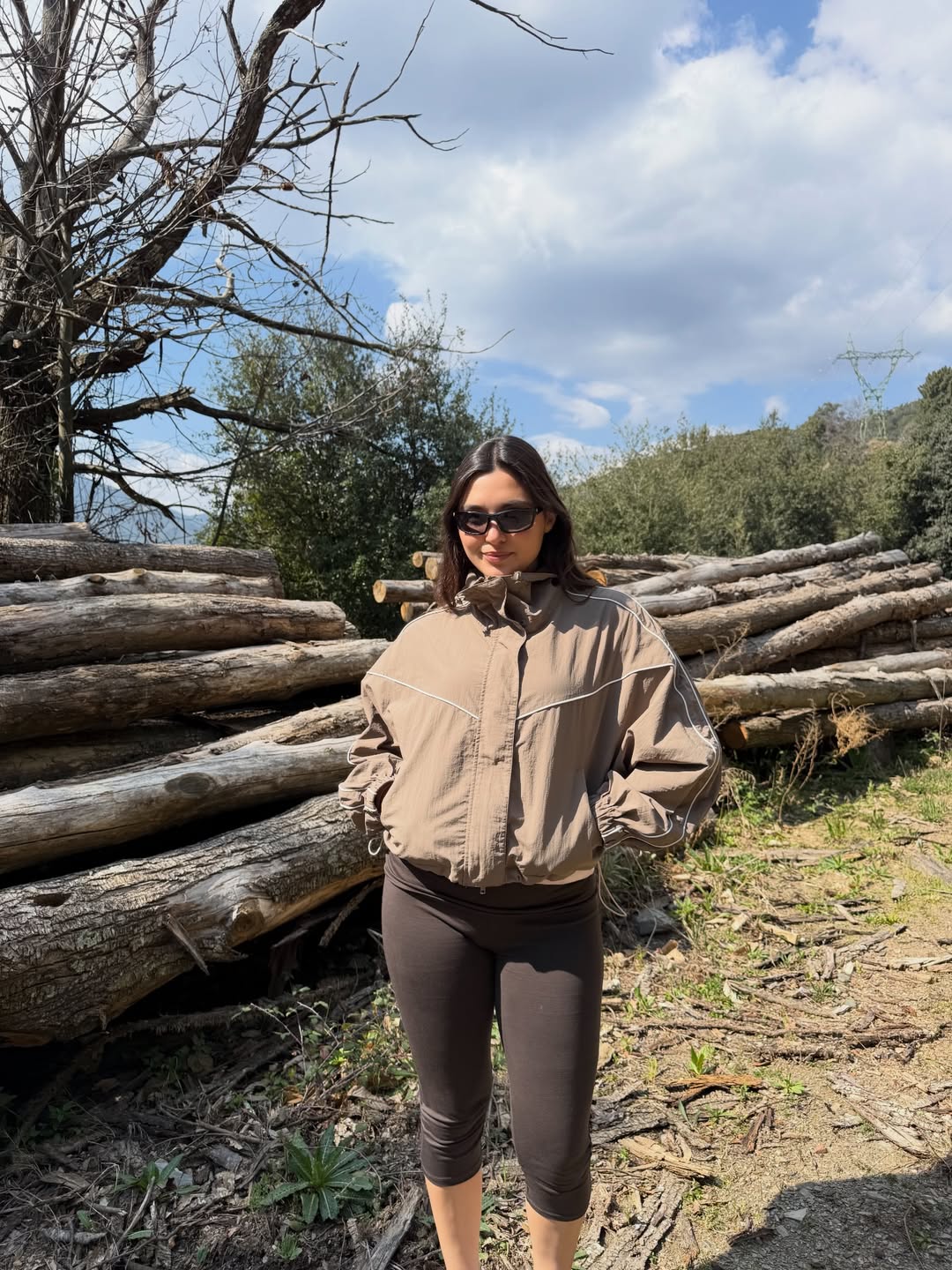
I stopped building mountain outfits around one “perfect” look.
Now I build around layers instead.
That small change made packing easier almost immediately.
Usually, I start with a breathable base layer that feels comfortable on its own. Then I add something lighter like a fleece, oversized flannel, or zip-up jacket. After that, I keep one outer layer ready for wind or rain.
The goal is simple.
You should be able to remove a layer at any point without your outfit suddenly feeling incomplete.
That matters more than people expect because mountain trips involve constant movement. You walk farther than planned. Sit outside longer than expected. Move between sunny overlooks, cold trails, cozy cafes, and windy parking areas all in the same afternoon.
Clothes that trap sweat or feel stiff become frustrating fast.
That’s also why I stopped packing thick cotton hoodies for longer mountain days. According to REI Co-op, fabrics like polyester, nylon, and merino wool dry faster and handle moisture better than cotton during outdoor activities.
After learning that the hard way, I switched to lighter moisture-wicking layers that still felt soft and comfortable enough for casual mountain towns.
That one change saved suitcase space too.
Now I pack fewer clothes, but every piece works harder.
The Mountain Outfit I Wear Most Often
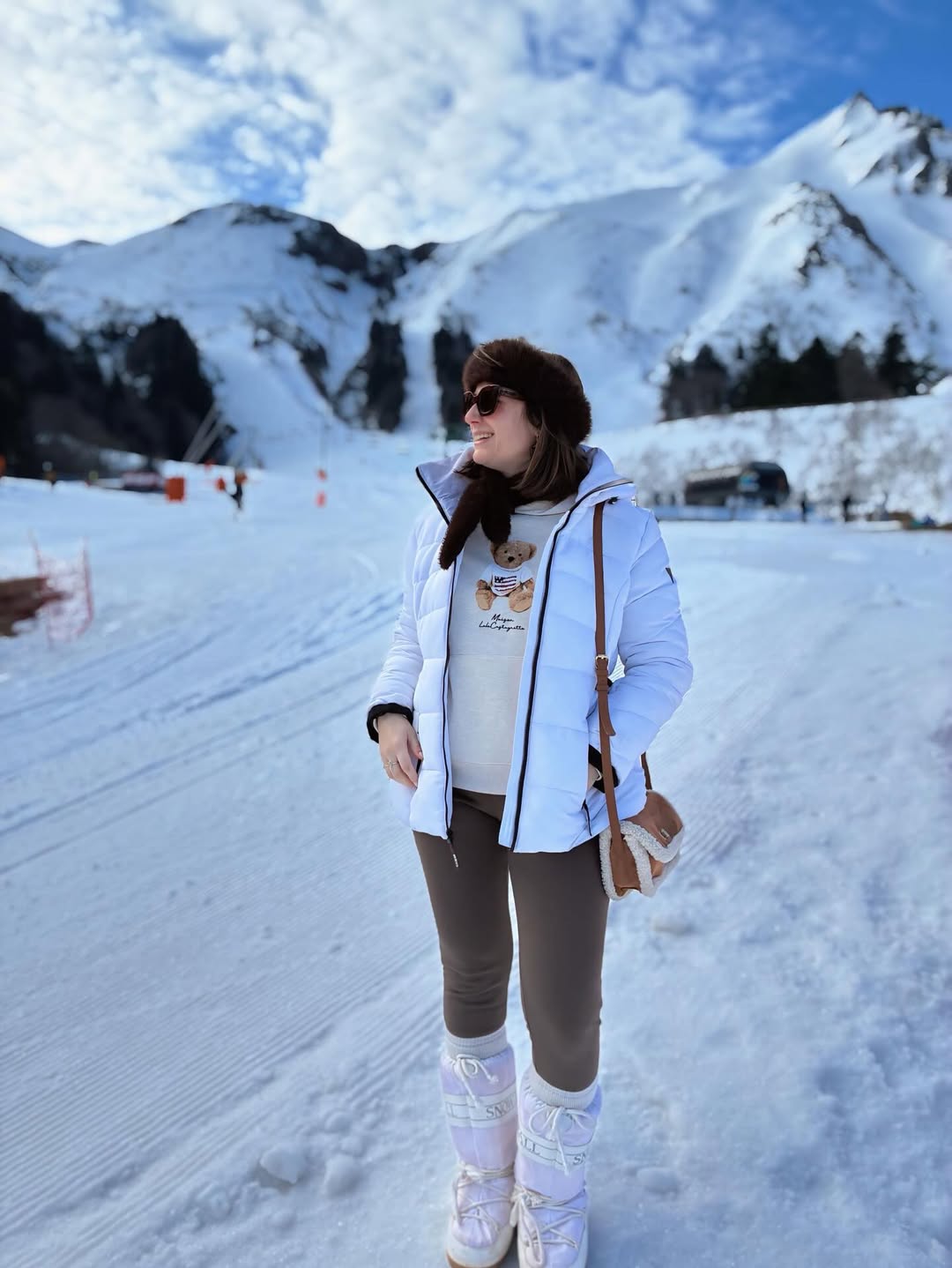
The mountain outfit I repeat most is surprisingly simple.
High-waisted leggings. Fitted moisture-wicking top. Lightweight fleece. Small backpack. Trail sneakers.
That combination works almost everywhere.
I’ve worn versions of it during sunrise walks beside lakes, easy hiking trails, long scenic drives, outdoor breakfasts, and random roadside stops where I suddenly wanted to get out and explore.
It never feels overly styled, but it still looks clean and put together in photos.
More importantly, it stays comfortable for hours.
That’s the real difference.
You can move easily. Sit comfortably during long drives. Add or remove layers quickly when temperatures shift. And you never spend the entire day adjusting uncomfortable clothes.
If you want an easy starting point, this formula works almost every time:
- Black or dark neutral leggings
- Neutral fitted top
- Lightweight fleece or zip-up layer
- Comfortable trail shoes
- Small backpack or crossbody bag that fits water and extra layers
That’s it.
Simple outfits usually look better in the mountains because the scenery already does most of the work.
And honestly, the women whose outfits always look the best outdoors usually are not wearing anything complicated.
They just look comfortable, warm enough, and relaxed.
Cold Morning, Warm Afternoon Outfit Ideas
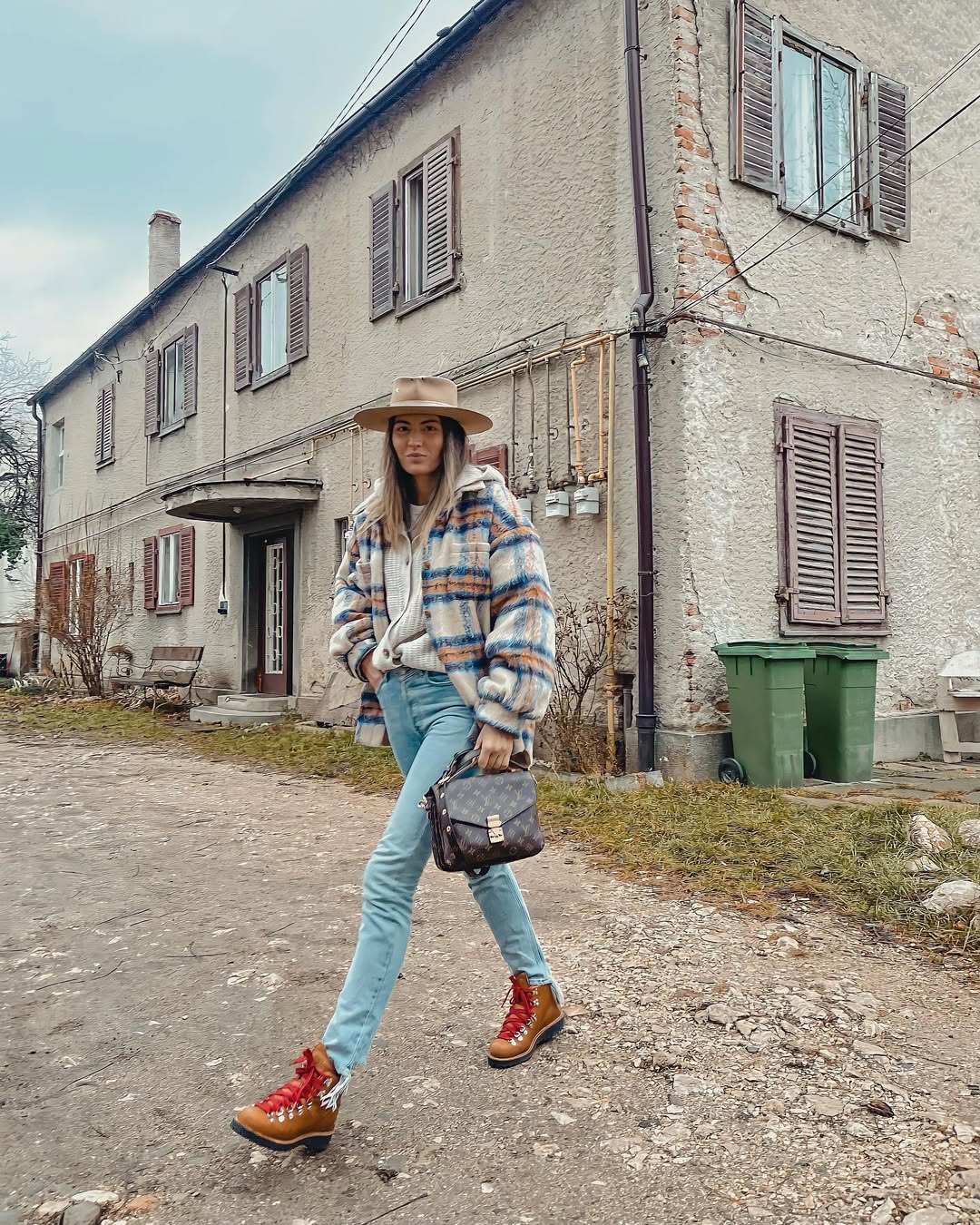
This is probably the most common mountain weather situation.
Cold mornings trick people into overdressing all the time.
I used to leave the cabin wearing thick jackets because the air felt freezing at sunrise. Then by lunchtime, I’d be carrying half my outfit in my hands while walking around wishing I had packed lighter layers instead.
Mountain temperatures rarely stay consistent for long.
Early mornings feel crisp and cold. By midday, direct sunlight suddenly makes everything feel much warmer. Then evening temperatures drop all over again once the sun disappears behind the mountains.
That’s why I stopped dressing for the coldest part of the day alone.
Now I dress for the temperature swings.
One outfit setup that works really well for this kind of weather is:
- fitted tank top or breathable tee
- light long-sleeve layer
- oversized flannel or lightweight zip-up
- leggings or hiking pants
The biggest trick is making sure every layer still looks good on its own.
That way, when you take something off halfway through the day, your outfit still feels comfortable and complete instead of awkward or unfinished.
I also stopped bringing heavy jackets unless temperatures stay cold all day long. They become annoying surprisingly fast once you start walking more, stopping at overlooks, or moving between trails and restaurants.
Lighter layers almost always feel better for mountain trips where you stay active.
Especially during long days outside.
Cute But Functional Mountain Town Outfits
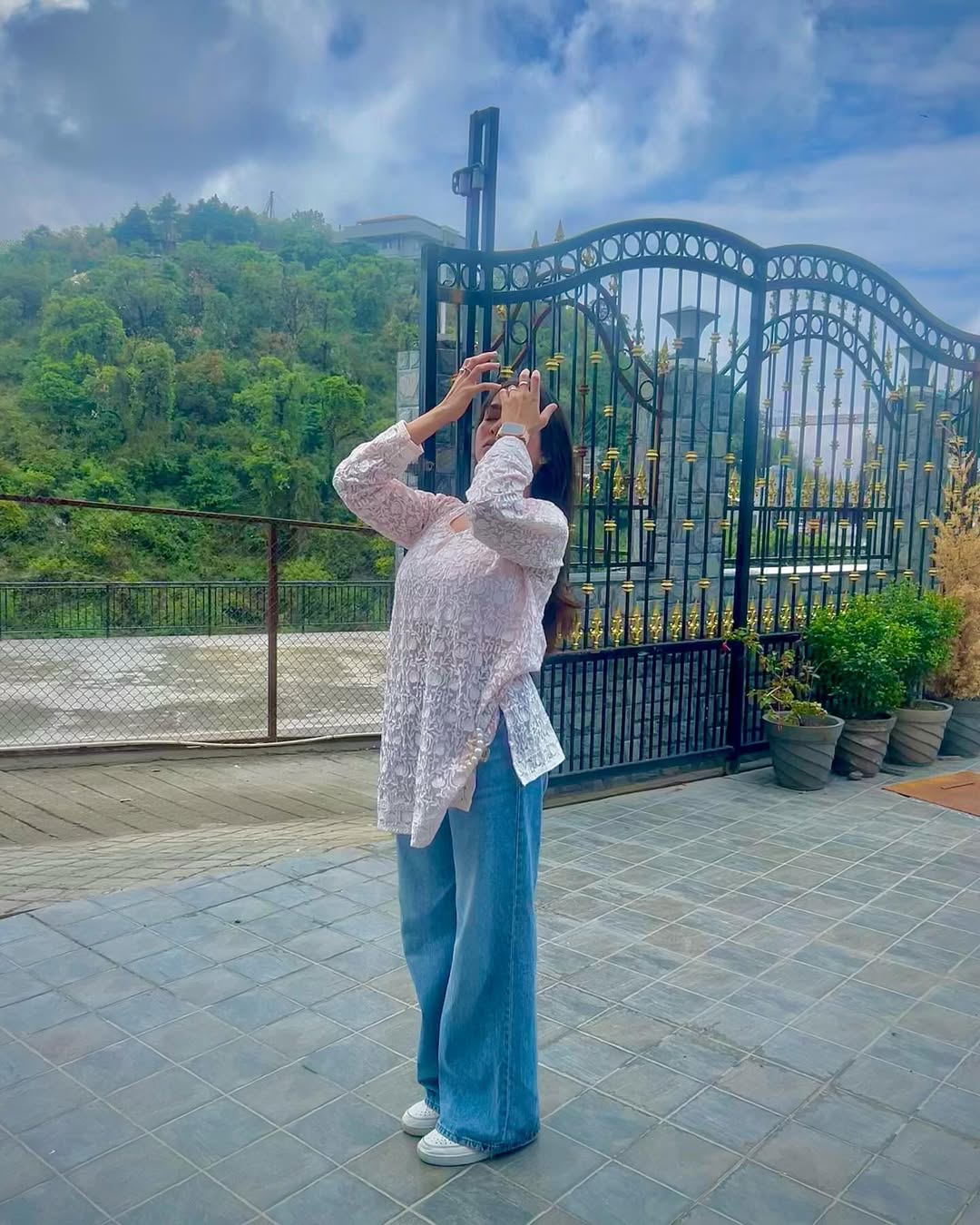
Not every mountain trip revolves around hiking.
Some of my favorite mountain days have actually been the slower ones.
Walking through small mountain towns early in the morning. Sitting inside coffee shops while people wander in wearing boots and oversized sweaters. Taking scenic drives with random roadside stops that turn into half-hour walks because the views are too good to ignore.
That’s where comfortable outfits still matter, but you can lean slightly more relaxed and styled.
One combination I keep coming back to is:
- knit sweater
- straight-leg jeans or fleece-lined leggings
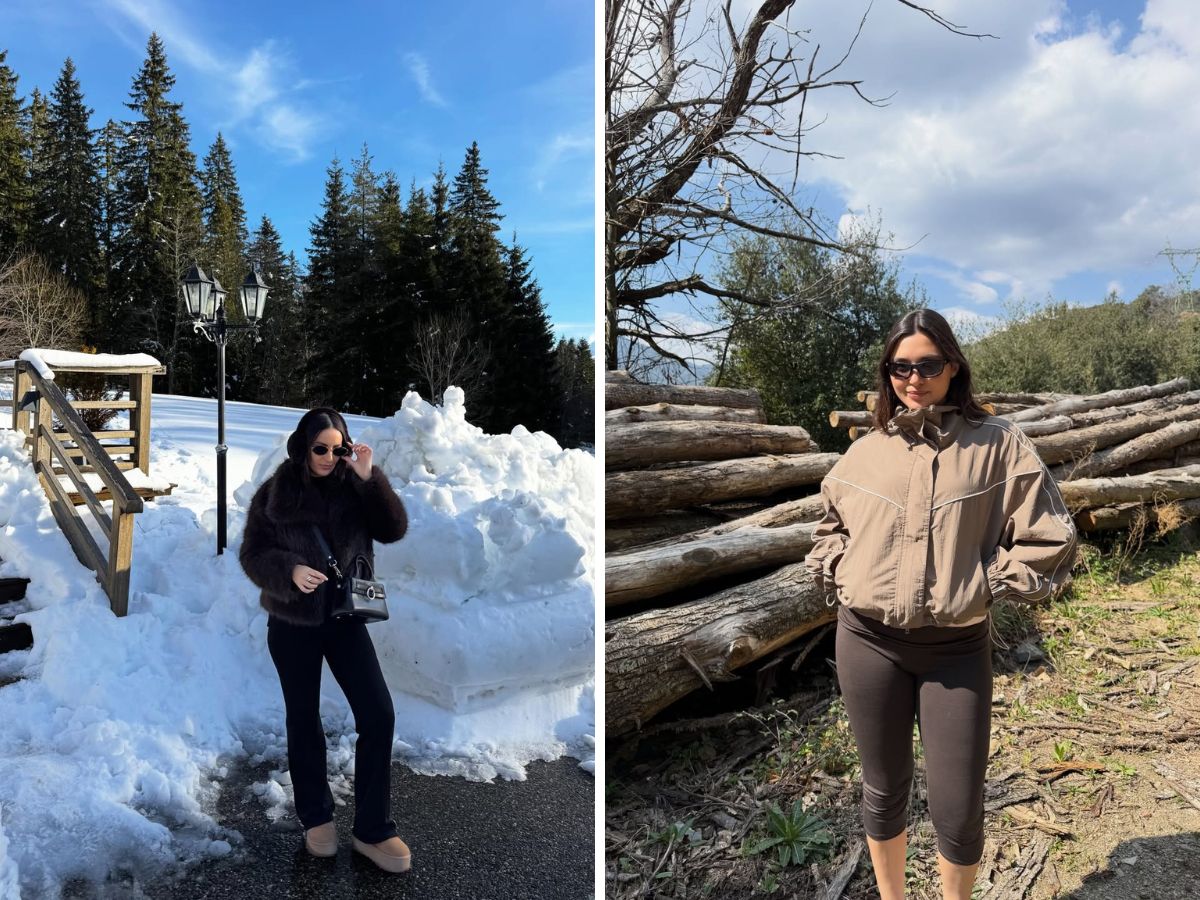
- waterproof ankle boots
- sunglasses or a beanie
Simple outfits usually look best in mountain towns because the scenery already adds so much texture around you.
Especially during fall when trees, cabins, coffee shops, and layered outfits naturally work together visually.
I’ve also noticed earthy tones almost always photograph better outdoors. Cream, olive, rust, brown, black, and forest green blend naturally with mountain landscapes without feeling too matched or forced.
And honestly, neutral outfits usually age better in photos too.
Trendy colors can sometimes make older travel photos feel dated quickly. Simple mountain outfits rarely have that problem.
What to Wear During Rainy Mountain Weather
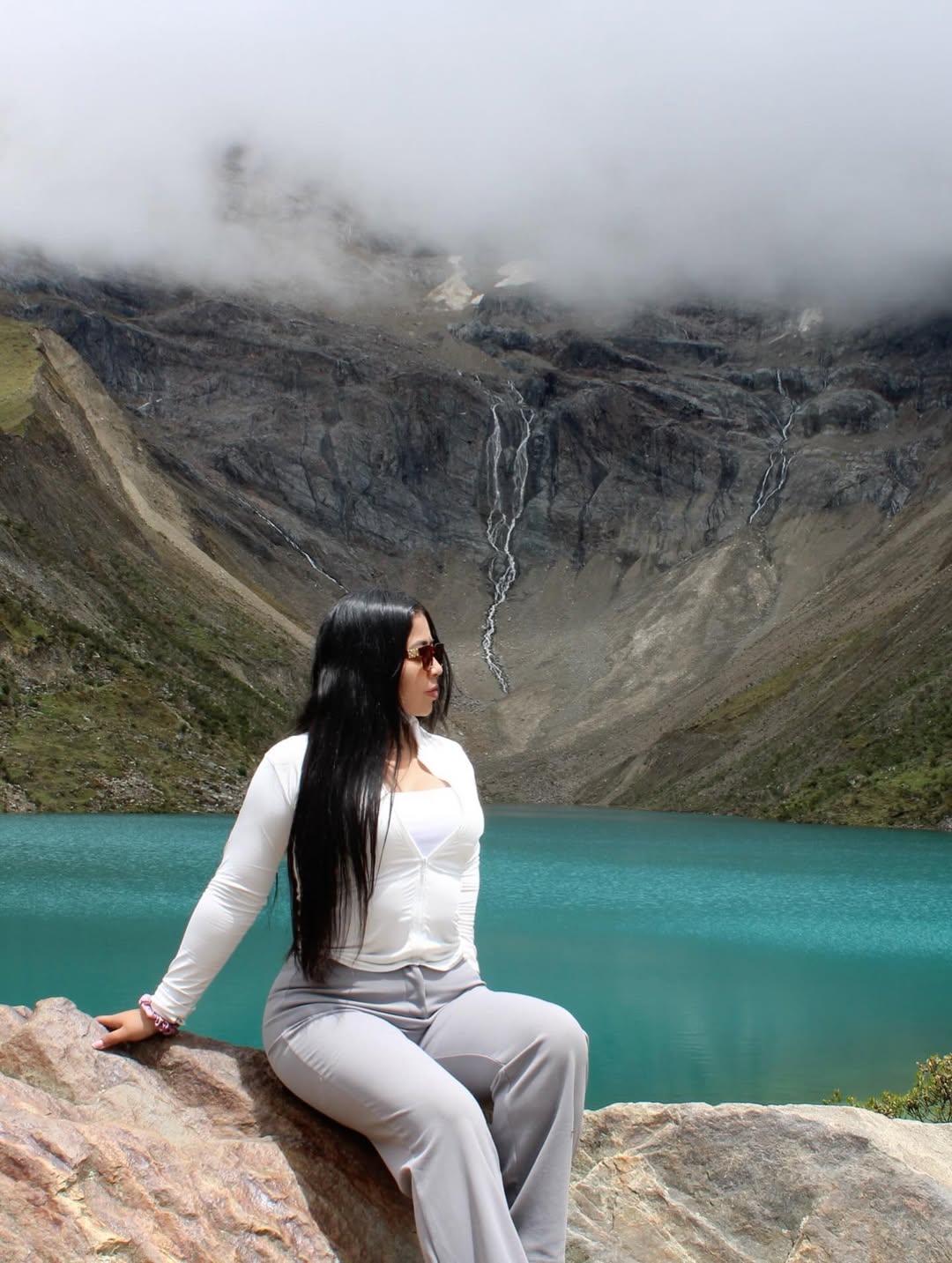
Rain changes mountain trips fast.
Even light rain feels different in the mountains because you spend so much more time outside walking, exploring, stopping for views, or moving between places on foot.
The mistake most people make is assuming slightly wet clothes won’t matter much.
They do.
Wet shoes alone can ruin your mood for the rest of the day.
I learned that during one mountain weekend where my sneakers stayed soaked for hours after a short rainy walk near a lake. By dinner, my feet still felt cold and uncomfortable.
After that trip, waterproof shoes became one of the first things I packed anytime rain showed up in the forecast.
Now I usually wear:
- waterproof shell jacket
- quick-dry leggings or hiking pants
- waterproof hiking shoes or boots
- baseball cap underneath the hood
The baseball cap trick helps more than people expect. It keeps rain from hitting your face directly, especially during windy weather or longer walks.
And avoid thick sweatpants or heavy denim if rain is expected.
They stay wet forever and start feeling heavy once soaked.
I also try to keep one extra pair of dry socks inside my bag now.
That tiny backup can completely save the second half of the day if the weather suddenly changes.
Summer Mountain Outfit Ideas
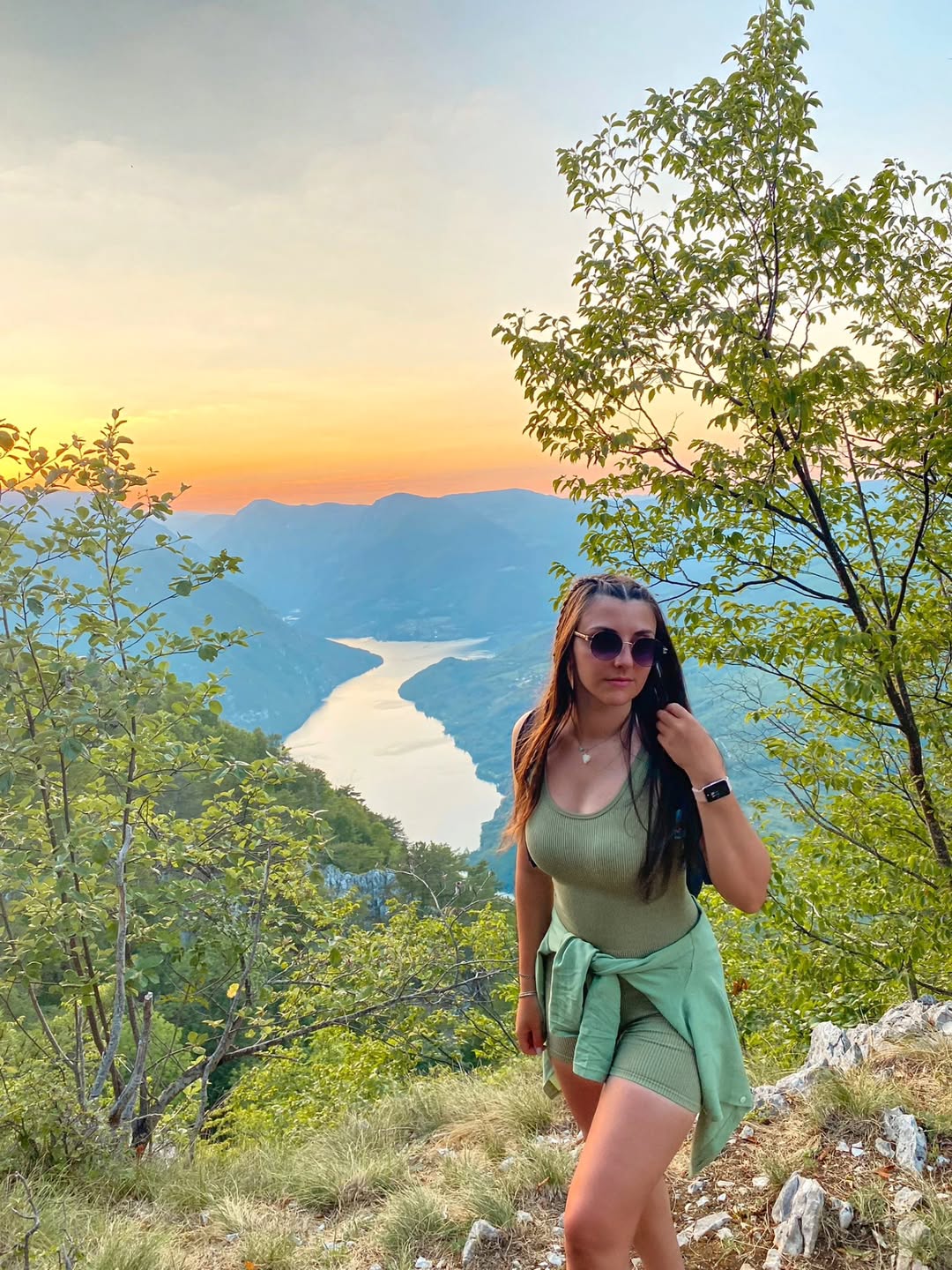
A lot of people assume mountains stay cool all summer.
Not always.
Some of the hottest afternoons I’ve experienced during trips were actually in mountain towns with direct sunlight and very little shade. The air may feel cooler in the morning, but once the sun gets higher, exposed trails and scenic overlooks can feel surprisingly intense.
Especially during midday hikes.
That’s why breathable clothing matters so much in summer mountain weather.
I learned pretty quickly that heavy fabrics become uncomfortable fast once you start walking uphill or spending long hours outside.
Now one outfit setup I keep repeating is:
- biker shorts or hiking shorts
- breathable tank or cropped tee
- oversized button-up shirt
- lightweight trail shoes
The oversized shirt ends up doing almost everything.
Sun protection during hikes. Light wind layer in the evening. Extra warmth inside chilly coffee shops. Quick coverage during temperature drops.
I even use mine as a light layer during scenic drives when mountain air suddenly cools down after sunset.
That kind of flexibility makes packing easier too because one piece works across multiple situations.
And honestly, summer mountain outfits almost always look better when they feel relaxed instead of overly styled.
The scenery already adds enough drama on its own.
Fall Mountain Outfit Ideas Always Feel Better
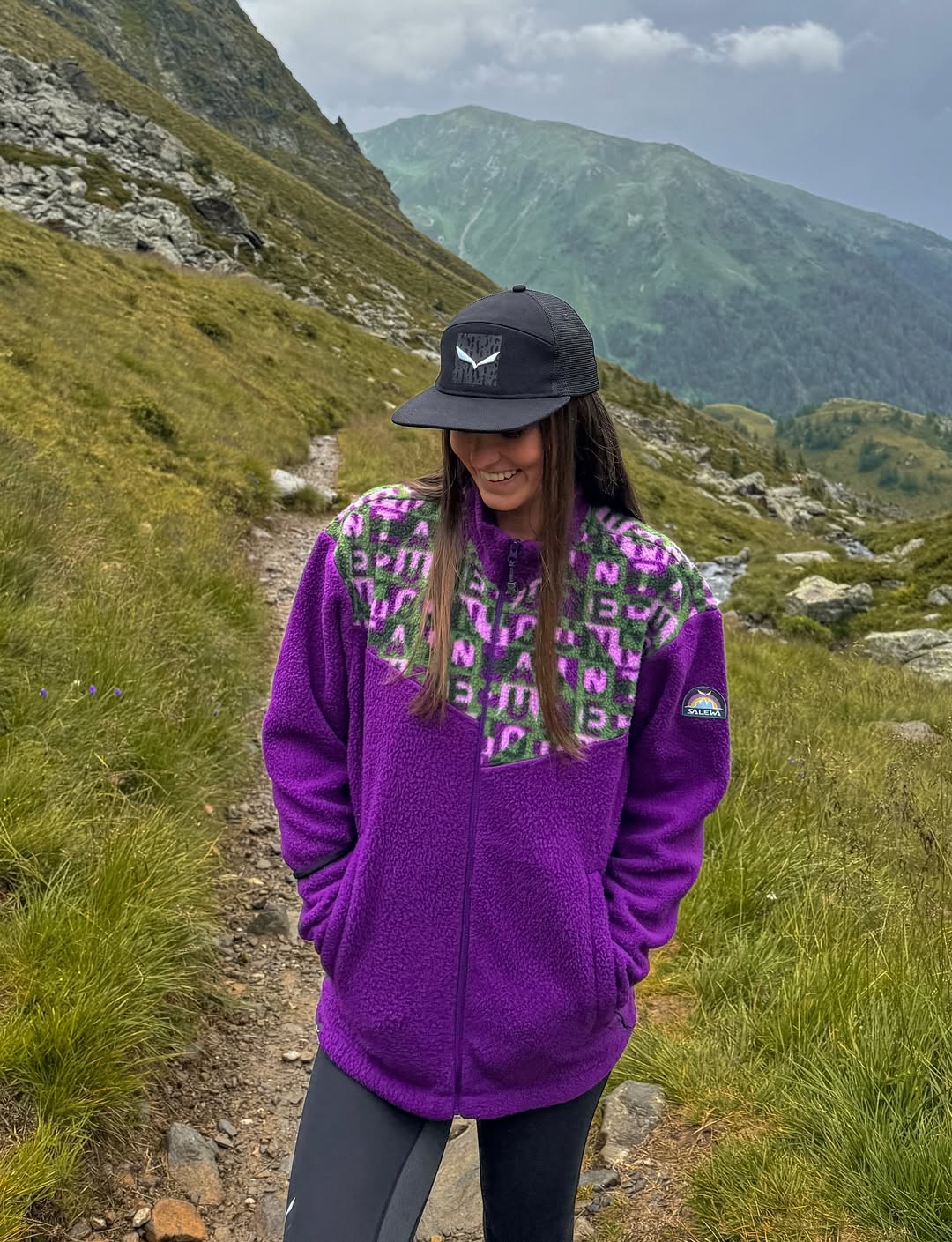
There’s something about fall mountain outfits that always feels different.
The textures. The colder air. The layered colors against forests and cabins.
Everything feels calmer somehow.
Fall is usually when mountain style looks the most natural because the weather finally matches the cozy outfits people actually want to wear.
This is usually what I pack:
- dark leggings or cargo pants
- fleece jacket or shacket
- hiking boots or Chelsea boots
- thicker socks
- earth-tone layers
And honestly, fall is probably the easiest season to look put together without trying very hard.
The layers naturally create more depth in photos, especially around forests, lakes, cabins, and mountain towns filled with wood textures and warmer colors.
I also notice that people tend to feel physically more comfortable during fall trips compared to hotter summer days.
You’re not sweating through layers.
You’re not constantly removing jackets.
You can actually stay cozy outside longer.
That changes the entire mood of a mountain trip.
Especially during slower mornings with coffee, colder evenings outside, and long scenic drives through changing leaves.
Shoes Can Make or Break the Whole Trip
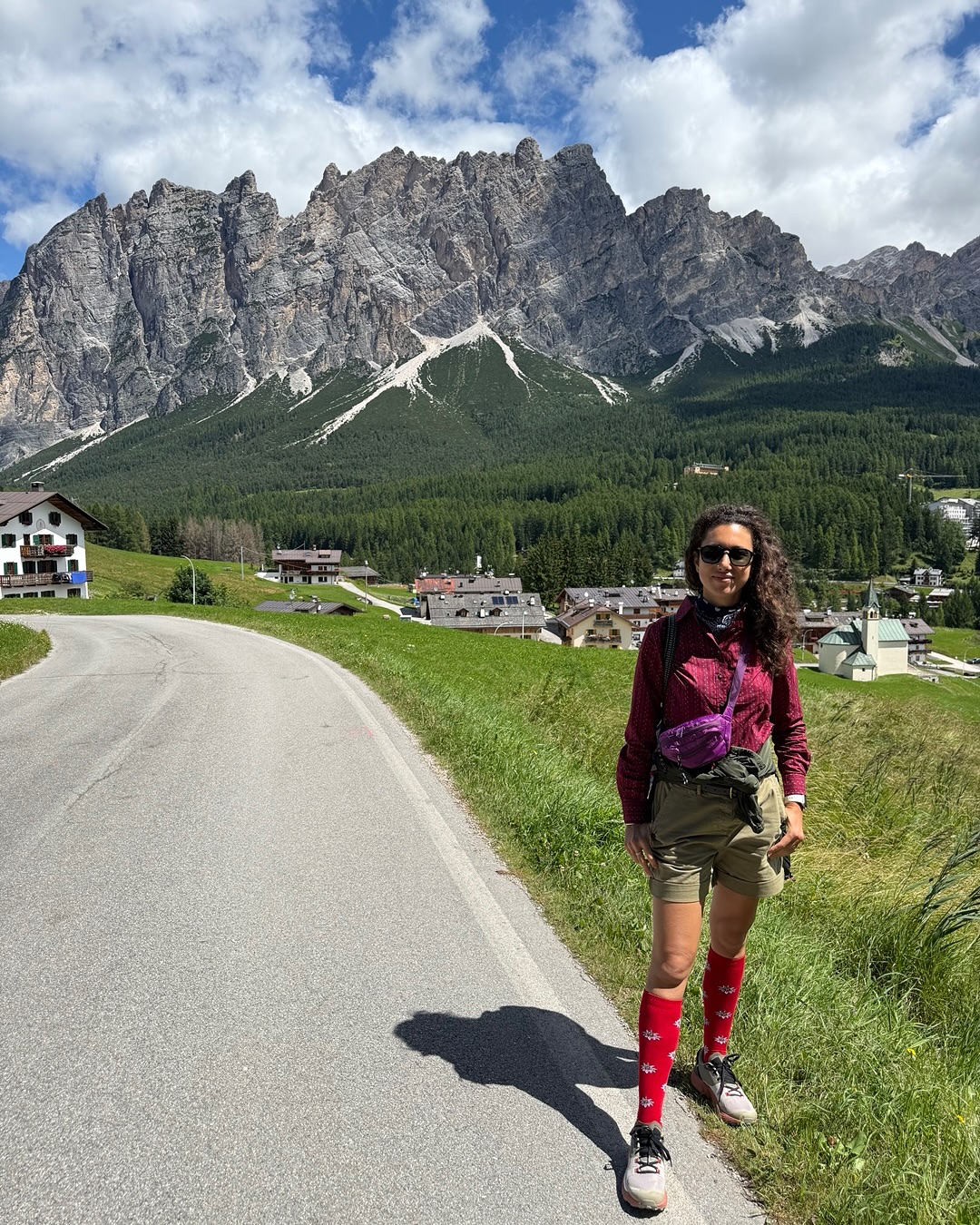
I ignored proper shoes for way too long.
Big mistake.
Once your feet start hurting, even beautiful places become harder to enjoy.
You stop walking slower trails.
You skip viewpoints.
You start thinking about sitting down instead of exploring.
That’s why I stopped packing shoes based only on appearance.
Now I match shoes to the actual plan for the day instead of forcing one pair to work for everything.
For scenic walks and easy viewpoints, trail sneakers usually work perfectly.
For longer hikes or uneven terrain, hiking boots with grip matter much more than style.
And for casual mountain towns, waterproof ankle boots are usually the safest choice because weather changes so quickly outdoors.
I also stopped bringing flat fashion boots and slippery sneakers after realizing how uncomfortable they become on gravel paths, wet overlooks, or uneven trails.
Even Travel + Leisure includes waterproof hiking footwear among the most useful items for hiking trips, especially when conditions shift unexpectedly.
Honestly, good shoes change your entire mood during a mountain trip.
When your feet feel comfortable, you stay outside longer without even noticing.
And those extra unplanned moments usually become the best part of the trip anyway.
The Packing Trick That Stops Overpacking
I used to pack way too many “just in case” outfits.
Extra sweaters.
Extra shoes.
Extra jackets I never touched.
By the second day, my suitcase felt more stressful than helpful.
Now I keep things much simpler.
Two bottoms. Three tops. One fleece. One jacket. Two pairs of shoes maximum.
That’s usually enough for a weekend mountain trip.
The biggest thing that helped was sticking to one color palette.
Once everything started matching everything else, I stopped wasting space on random outfit combinations that only worked once.
Now every piece mixes together easily.
I also try to pack clothes that work across multiple parts of the trip.
A fleece that works during hikes should still look good at dinner afterward.
Leggings should work for travel days, scenic walks, and coffee stops too.
That approach keeps packing lighter and mornings much easier because you spend less time thinking about outfits once you arrive.
And honestly, lighter bags make mountain trips feel more relaxing from the beginning.
Comfort Actually Looks Better in the Mountains
This took me a while to understand.
The mountain outfits that look best usually are not the trendiest ones.
They’re the outfits where people look genuinely comfortable.
Relaxed layers. Easy movement. Neutral colors. Shoes that actually work outdoors.
That combination almost always feels more stylish than outfits that look overly planned.
I started noticing this while spending time in mountain towns where locals dressed for weather and comfort first. Nobody looked stiff or uncomfortable trying to protect an outfit.
Everything felt effortless.
And honestly, that energy photographs better too.
At this point, my mountain packing rule is simple.
If I can walk, sit, layer, explore, stop for coffee, and stay outside comfortably for hours in it, it comes with me.
If not, it stays home.