5 Camping Meal Hacks That Make Every Trip Less Stressful
There’s something about cooking outdoors that always sounds easier than it turns out to be. You picture a quiet campsite, a campfire, and a great meal under the stars. Then reality kicks in. You’re digging through the cooler looking for cheese, the seasoning is buried at the bottom of a storage bin, and you’re washing dishes with a headlamp because dinner took longer than expected.
I’ve been there more than once.
The good news is that camping meals don’t have to feel like a second job. After a few trips, I realized the biggest difference wasn’t buying fancy gear or learning complicated camp recipes. It was changing a few small habits before I even left home.
These are the five meal hacks that have made the biggest difference for me. They’re simple, easy to put into practice, and they’ll give you more time to enjoy your campsite instead of working in it.
Prep Complete Meal Packs Instead of Packing Individual Ingredients
One of the biggest mistakes I made on my first camping trips was packing ingredients instead of meals.
I’d toss meat into the cooler, throw vegetables into another bag, and pack seasonings wherever they fit. Every dinner became a scavenger hunt.
Now I pack one meal at a time.
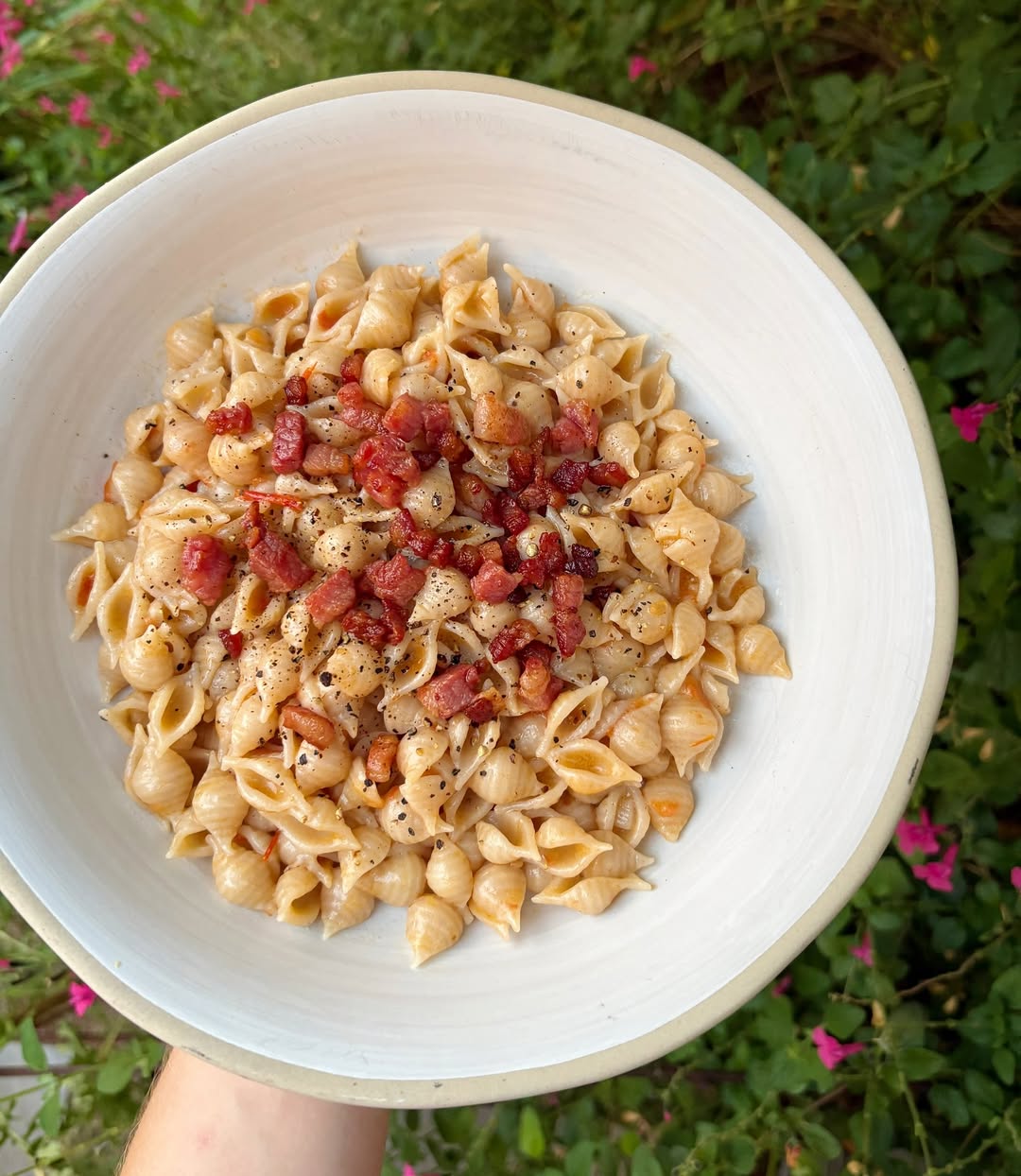
If taco night is on the menu, everything for those tacos goes into one labeled bag or container. The tortillas, shredded cheese, chopped onions, seasoning, salsa, and cooked or marinated meat stay together. When dinner comes around, I grab one package and start cooking.
It sounds simple because it is.
This habit cuts down on searching, forgotten ingredients, and extra cleanup. If you’re camping with family or friends, someone else can even start dinner without asking where everything is.
I also like slipping a small sticky note inside each meal pack with quick cooking instructions. It isn’t something you’ll need forever, but it helps when everyone is tired after a full day outside.
Think in complete meals instead of individual ingredients. You’ll spend less time digging through your cooler and more time enjoying your evening around the fire.
Next, let’s make that cooler work even harder for you.
Freeze What You Can Before You Leave
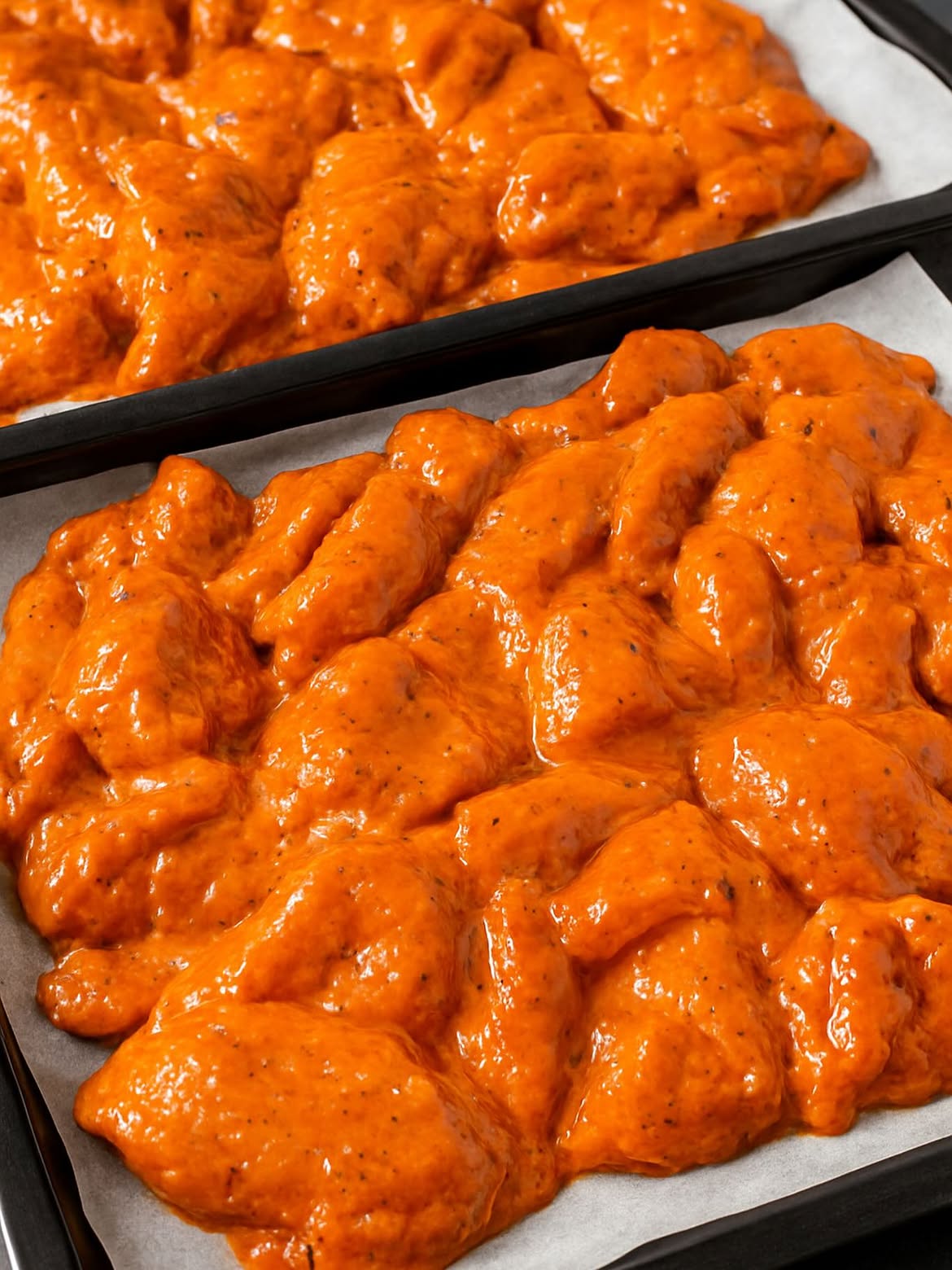
One trick that surprised me was how much easier camp cooking became once I started freezing food ahead of time.
I’ll freeze marinated chicken, chili, pasta sauce, and even cooked taco meat. By the time I’m ready to cook, the food has thawed enough to use while still helping keep everything else cold.
I also freeze large water bottles instead of filling my cooler with bags of ice. As they melt, I end up with cold drinking water instead of a cooler full of messy ice water.
The U.S. Department of Agriculture’s camping food safety guide recommends starting with food that is already cold or frozen. The agency also notes that block ice lasts longer than loose ice cubes, which helps food stay at safe temperatures for longer.
This works especially well on weekend camping trips because your frozen meals gradually thaw in the order you’ll need them.
It’s one of those changes that doesn’t cost anything but makes the entire cooler easier to manage.
Once your cooler is organized, the next step is making every ingredient earn its place.
Choose Ingredients That Work in More Than One Meal
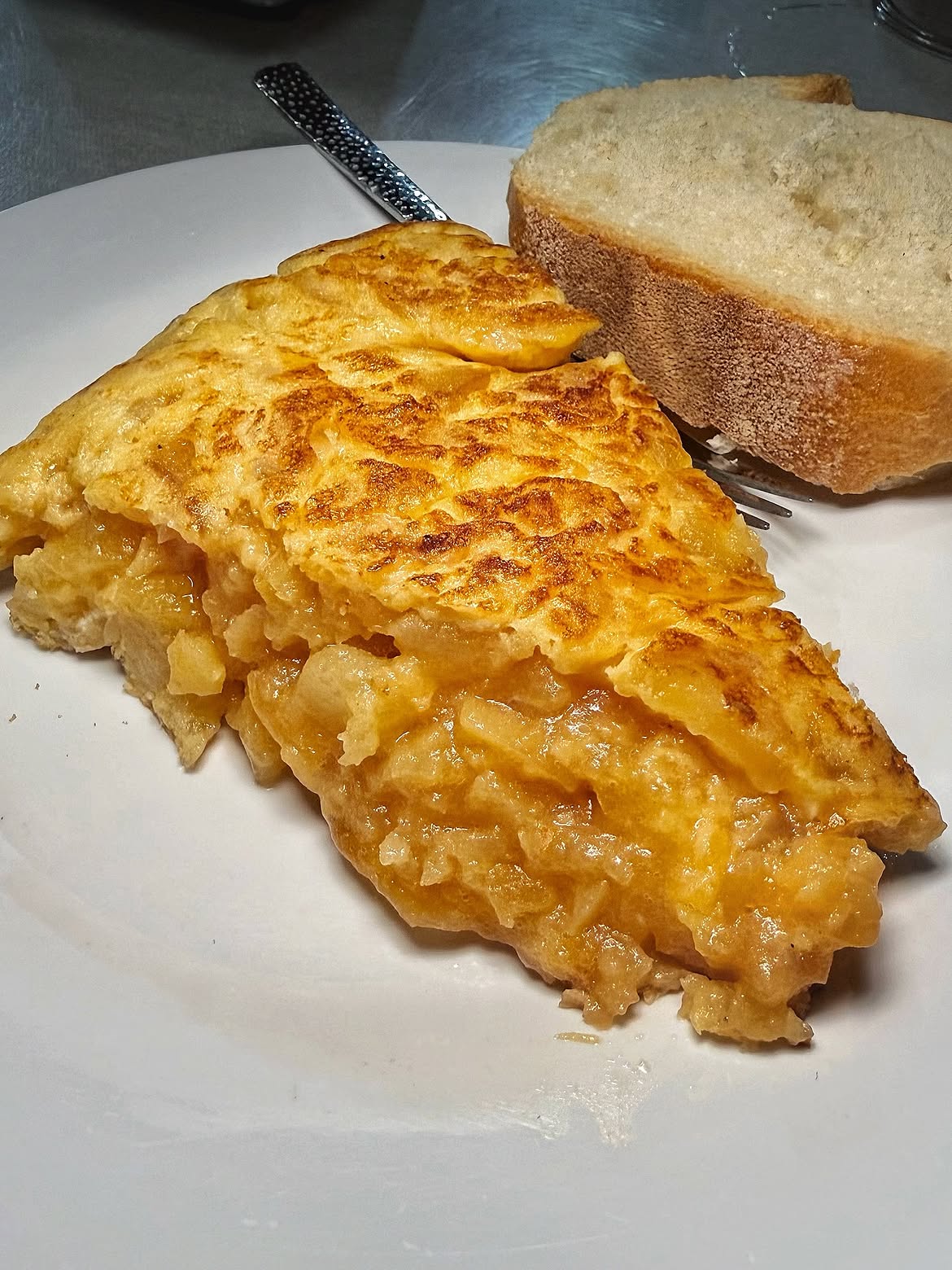
Cooler space disappears faster than most people expect.
I’ve learned that packing fewer unique ingredients actually gives me more meal choices.
Instead of bringing five different breads, I’ll pack tortillas. They become breakfast wraps in the morning, chicken wraps for lunch, and tacos or campfire pizzas at dinner.
The same goes for shredded cheese, bell peppers, cooked chicken, onions, and potatoes. One ingredient can show up in several meals without feeling repetitive.
That also means fewer leftovers at the end of the trip.
When I first started camping, I’d come home with half-used containers of ingredients that eventually ended up in the trash. Planning meals around shared ingredients fixed that problem almost overnight.
The KOA beginner’s camping guide recommends choosing recipes that share ingredients because it reduces packing space and makes meal planning much easier.
A smaller grocery list usually means less waste, less cooler space, and fewer decisions once you’re at camp.
Now that the food is organized, it’s time to organize the place where you’ll cook it.
Create a Simple Camp Kitchen Before You Light the Stove
I’ve noticed something interesting over the years.
Most camping meal stress doesn’t come from cooking.
It comes from looking for things.
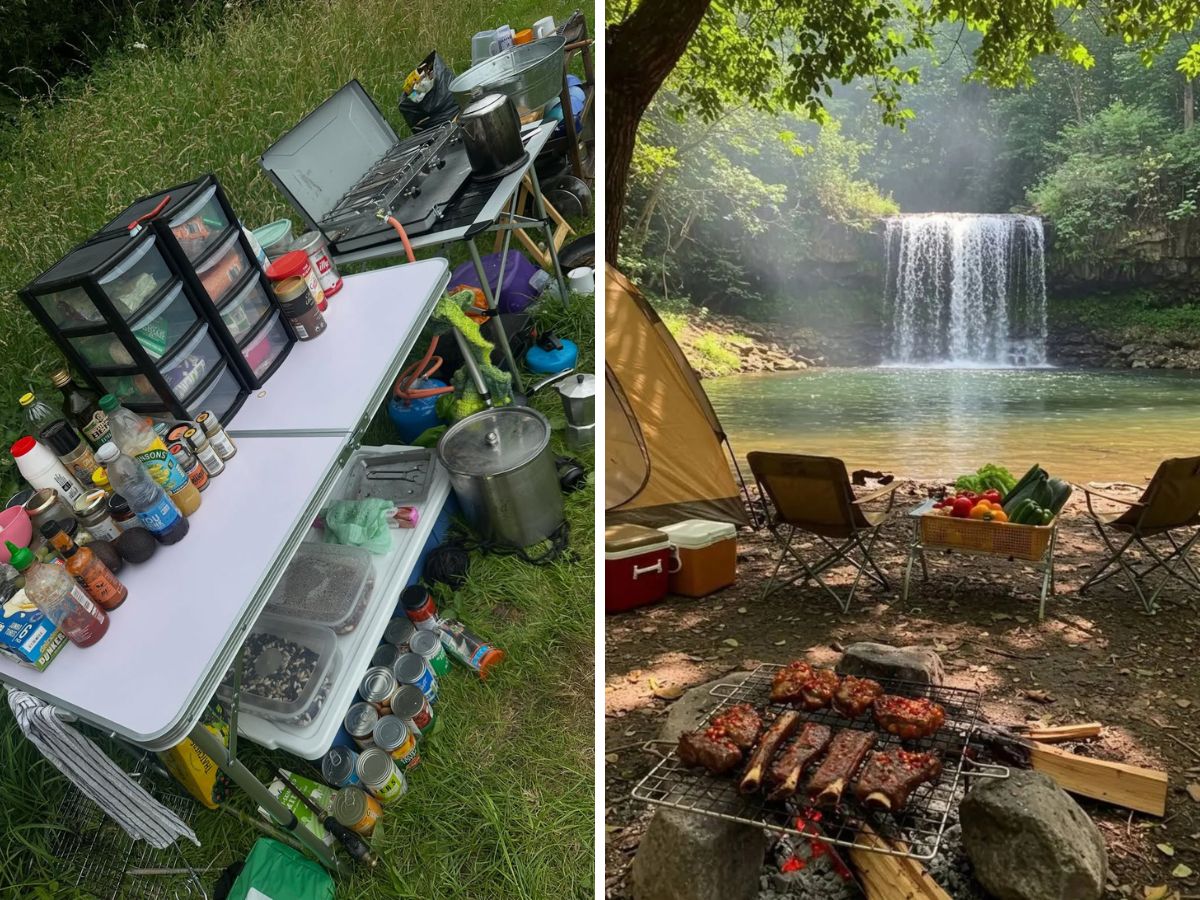
The spatula disappears. The knife is still in the storage bin. The trash bag is somewhere in the car. Before you know it, dinner feels chaotic.
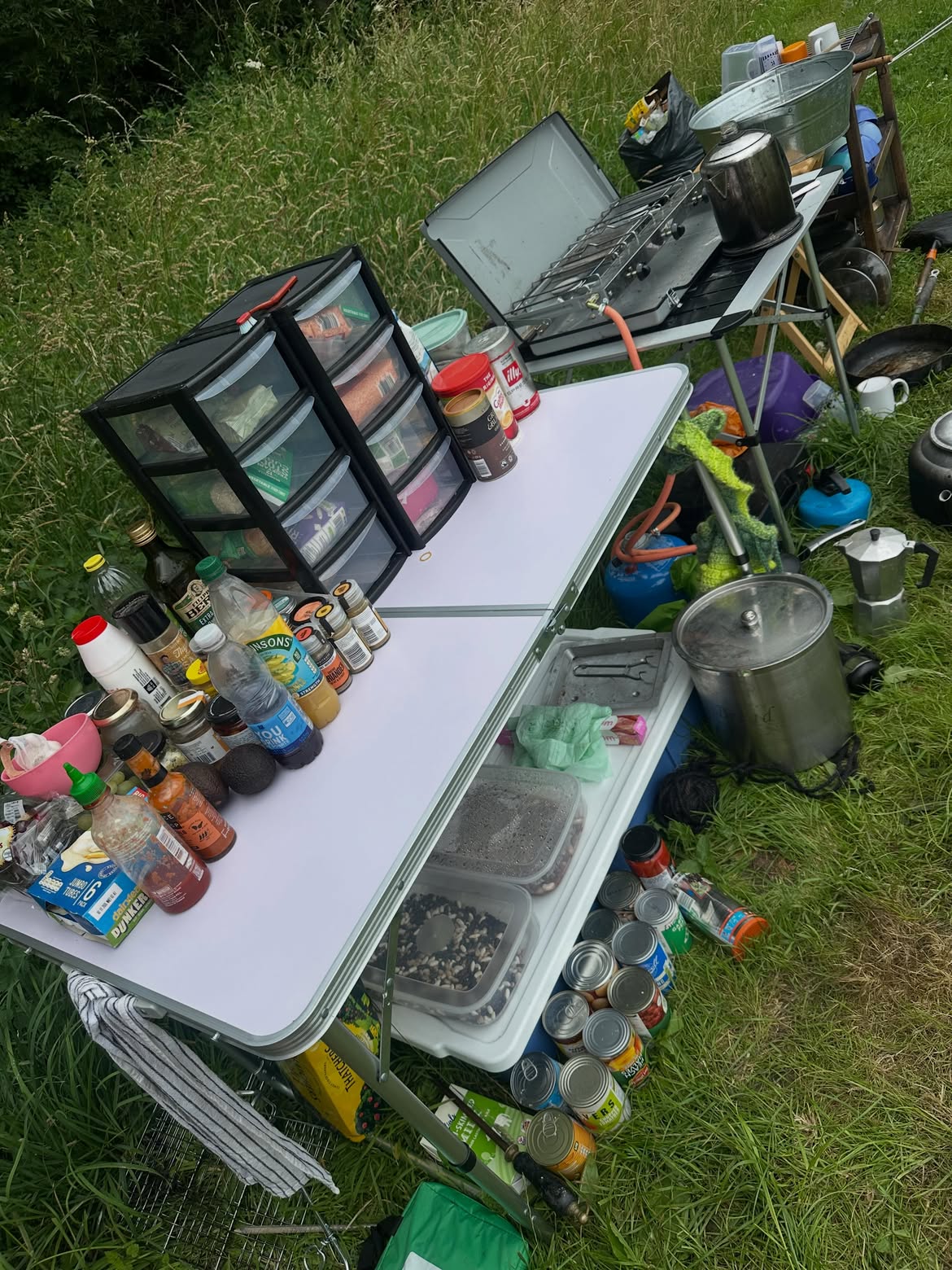
Now I spend about five minutes setting up a basic camp kitchen before cooking.
One spot becomes the prep area. Another holds the stove. I keep the cooler nearby, place the trash bag within arm’s reach, and put my cooking tools together where I can grab them without thinking.
That short setup saves me time during every meal.
The REI camp kitchen guide recommends preparing ingredients at home and organizing separate cooking, cleaning, and waste areas before you begin. That simple setup keeps the cooking process much smoother from start to finish.
If you’re camping in a small site, don’t worry about creating a fancy outdoor kitchen. A folding table and a simple system work just as well.
Once everything has a place, cooking starts to feel surprisingly relaxed.
There’s just one last habit that makes packing up after dinner much easier.
Clean As You Cook Instead of Waiting Until Dinner Is Over
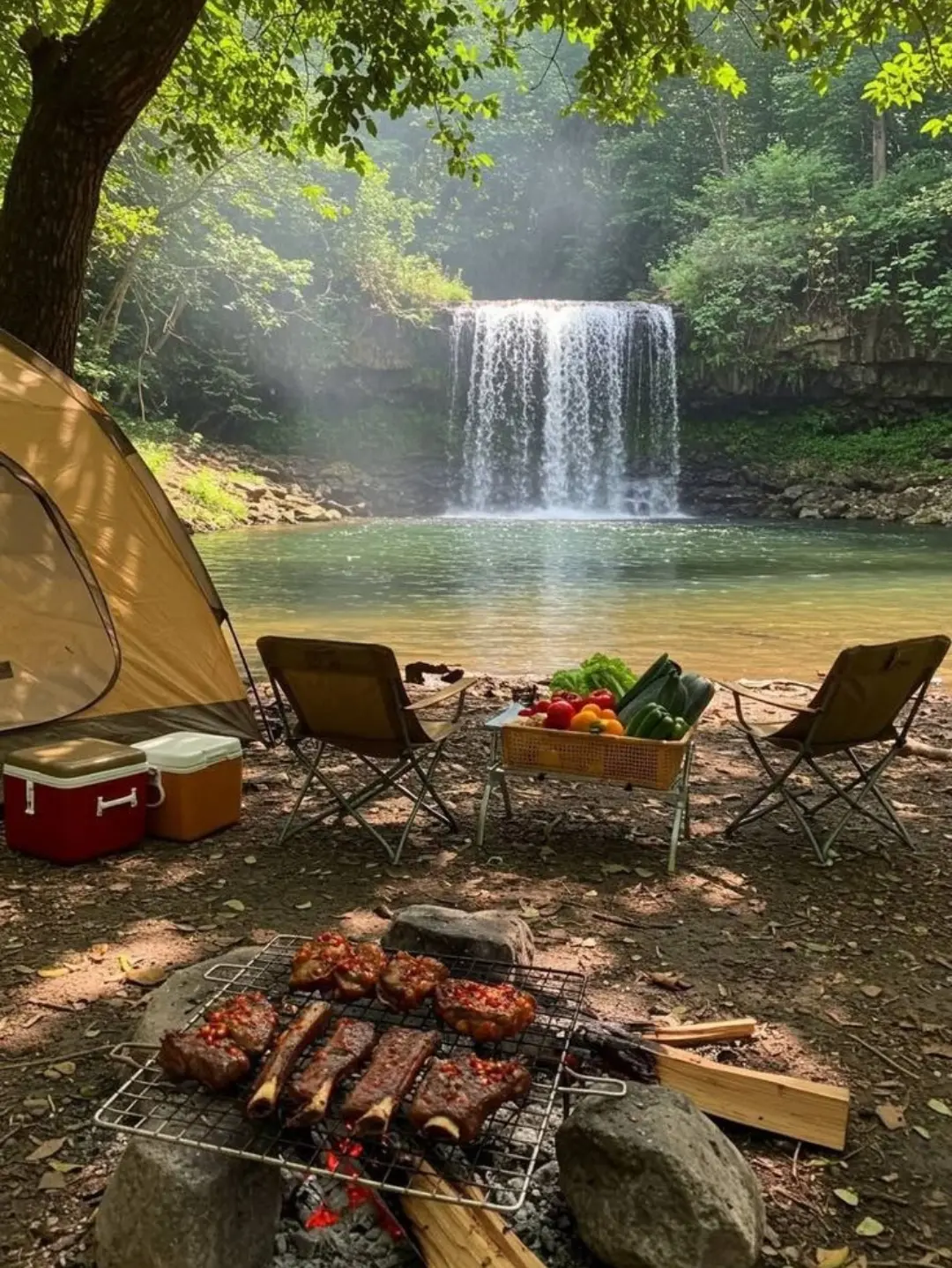
This might be the hardest habit to build, but it’s probably the one I appreciate most.
After a long day outside, the last thing I want is a mountain of dirty dishes sitting in the dark.
Now I clean throughout the cooking process.
While water boils, I’ll rinse the cutting board. While dinner simmers, I’ll wipe down the table. Ingredients go back into the cooler as soon as I’m finished using them instead of piling up on every available surface.
One trick I swear by is heating extra water before we eat. By the time dinner is finished, there’s already warm water ready for washing dishes.
Cleanup takes minutes instead of feeling like another chore.
Even better, I wake up to a clean campsite instead of yesterday’s mess waiting for me first thing in the morning.
It’s a small habit that changes how the entire camping experience feels.
Final Thoughts
Camping meals become stressful when every step feels disorganized. A little preparation changes everything.
Packing complete meal kits, freezing food ahead of time, choosing ingredients that work across several meals, setting up a simple camp kitchen, and cleaning as you cook have made every one of my trips easier.
You don’t have to adopt all five at once.
Try one or two on your next camping trip. Chances are you’ll spend less time searching for ingredients, washing dishes, or wondering what to cook next. That’s more time for the campfire, the fresh air, and the moments you came outside to enjoy in the first place.
Also read: