Festival Camping Setup Hacks I Wish I Knew Earlier
I thought festival camping would feel like a fun little side quest before the music started.
Instead, my first night felt like survival.
I arrived later than planned, threw my tent together in fading light, and realized almost immediately that I picked the worst possible spot. The ground slanted just enough to make sleeping uncomfortable. Heat stayed trapped inside the tent long after sunset. Somewhere nearby, a portable speaker blasted music until nearly sunrise.
Then things got worse.
My phone battery died before midnight. I couldn’t find my hoodie in the dark. Someone tripped over my tent ropes at 2 a.m. and nearly collapsed straight into my campsite while carrying a plate of greasy festival fries and two drinks.
By morning, I looked less like a festival traveler and more like I had just completed a military training exercise.
And honestly, that’s the part nobody really tells you before your first festival camping trip.
Festival camping is completely different from regular camping. You are dealing with crowds, noise, dust, heat, exhaustion, long walks, and very little personal space. Tiny setup mistakes become huge problems after day one. A badly placed tent can ruin your sleep. Forgetting backup lighting suddenly feels disastrous. Even something as small as dry shoes starts feeling like luxury after hours of walking through mud or dust.
The good news is most of those problems are preventable once you know what actually matters at a festival campsite.
Not expensive gear. Not Instagram-perfect setups.
Just smarter decisions before the weekend even starts.
These are the festival camping setup hacks I genuinely wish I knew earlier because they would have saved me stress, money, sleep, and a shocking amount of frustration.
Why Festival Camping Feels Harder Than Regular Camping
Regular camping usually gives you quiet mornings, open space, and time to slow down a little.
Festival camping feels completely different.
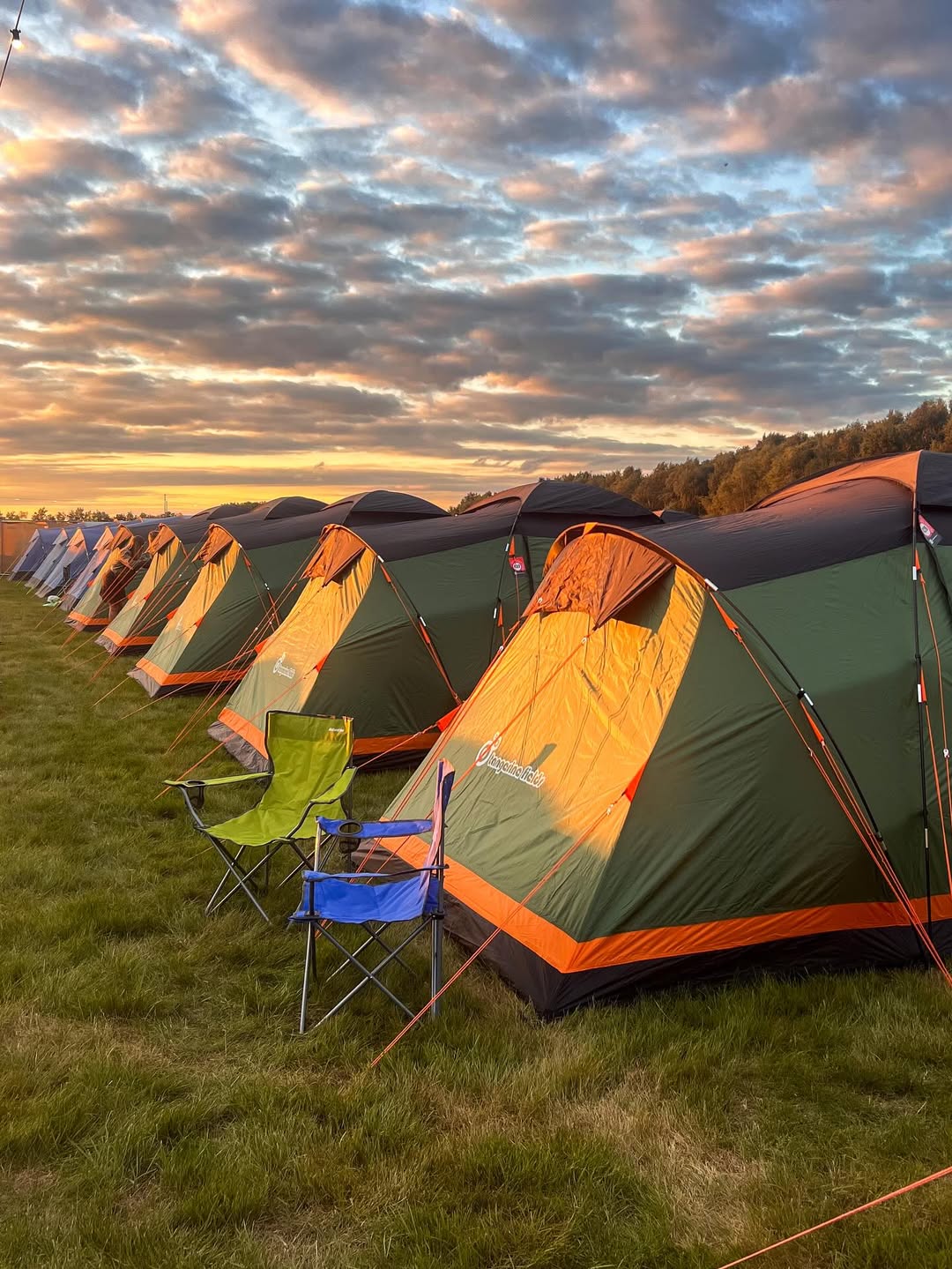
You wake up to generators humming outside the tent, people dragging coolers down gravel paths, and someone yelling “WHERE’S MY PHONE?” before the sun fully comes up. By mid-morning, the inside of your tent already feels warm and stuffy. Your legs hurt from walking all day. Dust somehow ends up inside everything you packed.
That’s why comfort matters so much more than people expect.
After hours of standing in crowds, even tiny things start feeling weirdly emotional. Dry socks feel amazing. Shade feels priceless. Sitting down for ten uninterrupted minutes suddenly becomes the best part of your afternoon.
I noticed pretty quickly that the people enjoying festivals the most were not always the ones carrying expensive gear or giant campsite setups.
Usually, they were the people who thought ahead.
They knew where to place their tent. They packed for recovery, not just aesthetics. They made small decisions that kept simple problems from turning into exhausting ones later.
And honestly, that starts before your tent even touches the ground.
Pick Your Tent Spot Before You Unpack Anything
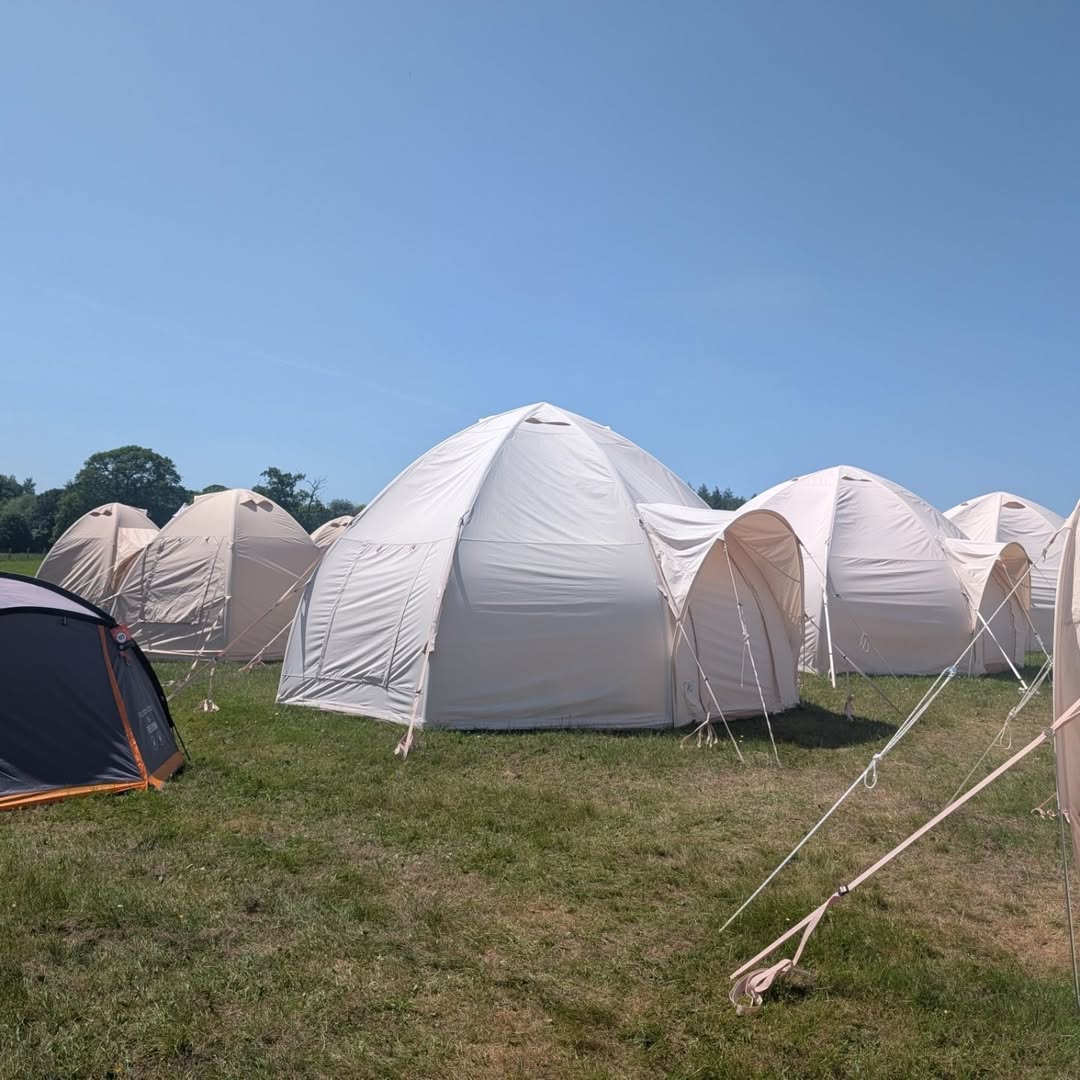
The first time I camped at a festival, I saw an empty patch of grass close to the entrance and claimed it immediately without thinking twice.
Huge mistake.
At first, it looked perfect. Short walk to the stages. Flat enough. Plenty of nearby campers.
Then the problems slowly showed up.
People kept cutting through the area all night because my tent sat near a busy walkway. Portable toilets were closer than I realized. Then around 4 a.m., rain rolled through and water started sliding downhill directly underneath my tent.
I still remember waking up half asleep and feeling dampness underneath my sleeping bag.
That moment changed how I pick campsites forever.
Now I always walk around the camping area before unpacking anything. Even if I’m tired. Even if everyone else already starts setting up.
A better spot can completely change your weekend.
I usually look for:
- slightly elevated ground
- natural morning shade
- distance from portable toilets
- space away from major walking paths
- campsites that feel calmer at night
Shade matters much more than most first-time campers expect. Morning sun turns tents into ovens incredibly fast, especially after a late night.
The outdoor team at Public Lands also recommends checking for level ground and paying attention to sun exposure before setting up camp. That advice sounds small until you wake up sweating inside a tent that already feels unbearable by 8 a.m.
One smart campsite decision can save your sleep, your mood, and honestly your patience too.
And once your location is locked in, your ground setup becomes the next thing that matters.
Bring a Tarp Bigger Than Your Tent
I used to think tarps were one of those “extra camping items” people packed just to look prepared.
Then I watched an entire row of festival tents turn muddy after one quick rainstorm.
Shoes got soaked. Bags ended up sitting in wet grass. People tracked mud everywhere because they had nowhere dry to stand before entering their tents.
Meanwhile, one nearby campsite stayed surprisingly clean because they extended a tarp several feet beyond the tent entrance.
That tiny detail completely changed how their whole setup functioned.
Now I never go to a festival without bringing a tarp slightly larger than my tent footprint.
It creates:
- a dry space for shoes
- cleaner storage areas
- protection from wet grass
- a small sitting area outside the tent
- less dirt getting dragged inside
And honestly, this matters during dry festivals too.
Dust becomes brutal at some events. By day two, campsites can feel coated in dirt no matter how careful you are. Having a cleaner transition area outside the tent helps more than people expect.
One trick I started using is folding one edge of the tarp upward near the tent entrance almost like a tiny barrier. It helps stop dirt, mud, and random trash from getting pushed directly inside every time someone walks in.
Small setup details like that start paying off fast once exhaustion kicks in later in the weekend.
And after your campsite stays cleaner, the next thing you notice is how much easier nighttime becomes too.
Use Pool Noodles on Tent Ropes
This sounds ridiculous until you watch someone nearly launch themselves face-first into your campsite at 1 a.m.
Festival campsites get unbelievably dark after the main stages shut down. Not quiet. Just dark.
People wander back exhausted, dehydrated, distracted, carrying food trays, drinks, hoodies, or trying to guide friends through rows of identical tents using barely charged phones for light. And tent ropes suddenly become invisible tripwires.
I learned this after hearing a loud crash outside my tent one night followed by somebody yelling, “I’m okay!” in complete embarrassment.
Now I slide cheap pool noodles over my tent ropes before staking them down.
It instantly makes the lines easier to see at night, softer to bump into, and much harder for tired festival crowds to miss while walking past your setup.
Bright colors help even more.
And honestly, this tiny trick changes the feel of your campsite more than people expect. Your area becomes easier to navigate after dark, especially when everyone’s energy starts crashing late at night.
Small safety fixes like this matter a lot more after several long festival days.
And once nighttime fully hits, lighting becomes the next thing you suddenly care about very deeply.
Bring More Lighting Than You Think You Need
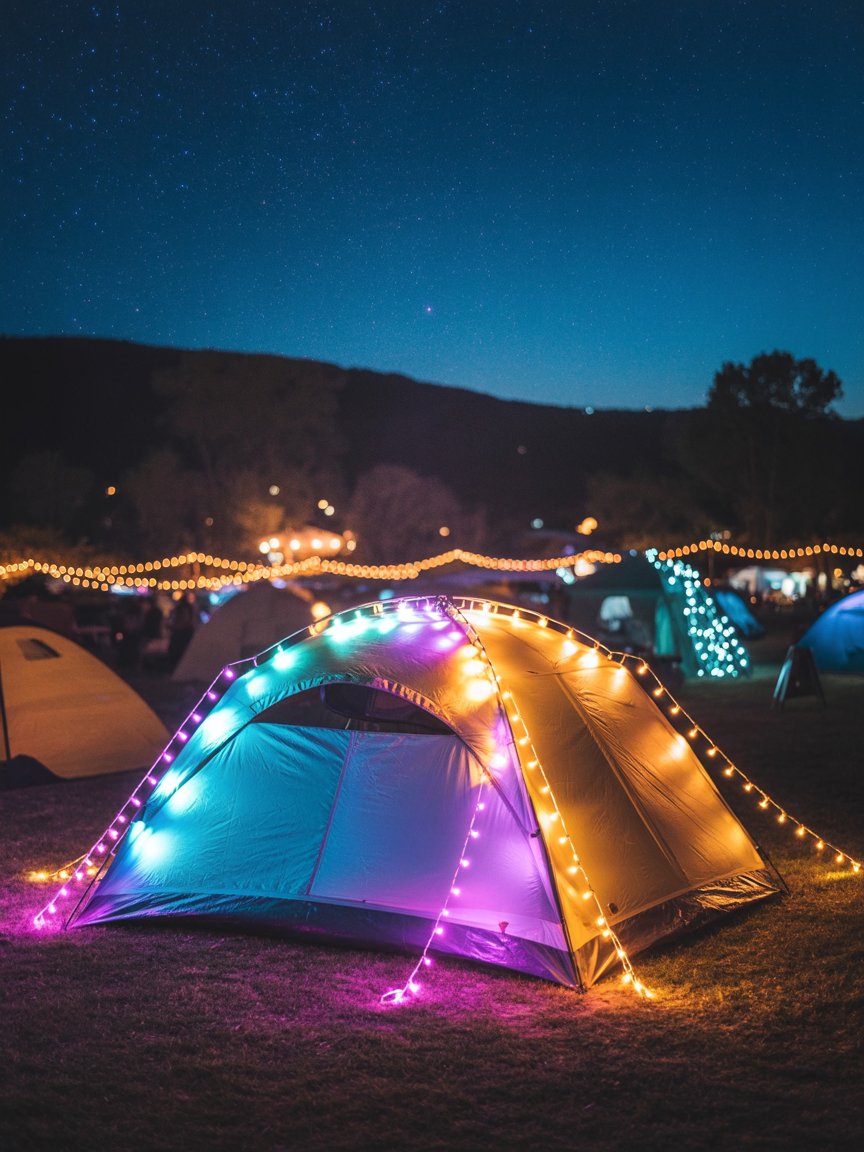
The first festival I attended, I packed exactly one flashlight.
That flashlight died during the second night.
I still remember sitting cross-legged inside my tent trying to find socks using the weak glow from my phone screen while sweating through the entire process because the tent still held heat from the day.
Meanwhile, people outside were laughing, music played somewhere in the distance, and I was one dead battery away from complete campsite failure.
Now I massively overprepare for lighting.
I bring:
- a headlamp
- battery-powered string lights
- one lantern
- backup batteries
- a small backup flashlight inside my backpack
And honestly, battery-powered string lights ended up becoming one of my favorite festival upgrades.
Not because they look pretty.
Because they make life easier.
Friends can spot your campsite faster. You stop fumbling around in darkness trying to unzip the correct tent. Late-night bathroom trips feel less miserable. Even your mood feels calmer when your campsite has soft lighting instead of total darkness.
The team behind Bonnaroo’s official packing guide also recommends lanterns and extra lighting because campsites become surprisingly difficult to navigate after dark.
And honestly, once you solve your nighttime setup, the next thing you start caring about is sleep quality.
Because terrible sleep ruins festival weekends fast.
Don’t Sleep Directly on an Air Mattress
I learned this lesson during a summer festival where temperatures dropped hard overnight.
At first, my air mattress felt amazing compared to sleeping directly on the ground.
Then around 3 a.m., I woke up freezing.
The mattress felt cold underneath me, almost like sleeping on refrigerated plastic. Every time I rolled over, more cold air seemed to creep through the material.
I barely slept the rest of the night.
Now I always place something between myself and the mattress:
- a blanket
- foam pad
- sleeping bag liner
- extra comforter
That extra layer traps warmth and makes a shocking difference once temperatures drop overnight.
The camping team at REI’s festival camping checklist also recommends proper sleeping pads and sleep systems because recovery becomes a huge part of surviving multi-day festivals comfortably.
And honestly, recovery becomes the hidden difference between people who leave festivals energized and people who leave feeling destroyed.
Good sleep changes everything:
- patience
- mood
- energy
- soreness
- heat tolerance
The people having the best time by day three are usually the people getting actual rest at night.
Create a Tiny Recovery Corner
This became one of the biggest changes I ever made to my festival setup.
At first, I treated my campsite like a storage locker with a sleeping tent attached to it.
Now I treat it like a recovery space.
Nothing complicated either.
Usually just:
- one folding chair
- shade
- cold water nearby
- snacks
- cooling towel
- easy access to chargers and wipes
That small setup completely changed how my festival weekends felt.
Instead of dragging myself through the day exhausted, I finally had a place to reset between sets. I could sit down for fifteen minutes, cool off, drink water, and recharge before heading back into crowds again.
And honestly, those short recovery breaks started becoming some of my favorite moments of the entire weekend.
Especially during massive festivals where you walk miles every day without realizing it.
By afternoon, your body feels it.
Your feet ache. Your shoulders tighten. Even standing still starts sounding appealing.
Having one comfortable space waiting for you back at camp suddenly feels unbelievably valuable after hours in heat, crowds, and noise.
That’s the part many first-time festival campers underestimate.
Comfort is not extra at festivals.
Comfort keeps the entire weekend from falling apart.
Freeze Water Bottles Instead of Packing Loose Ice
I really wish someone told me this before I ruined an entire cooler full of food.
Loose ice sounds fine at first.
Then two days later everything is floating in freezing water, sandwich bread feels damp, and your cooler smells like a swamp every time you open it.
Frozen water bottles work so much better.
They keep food cold longer, create almost no mess, and slowly turn into cold drinking water once they thaw. That last part matters more than people expect during hot festival afternoons when water suddenly starts tasting amazing.
The food safety team at the U.S. Department of Agriculture also recommends frozen containers and frozen packs to help coolers stay colder longer.
Now I freeze several large bottles before every festival trip.
And honestly, opening a cooler on day three and still finding cold water inside feels weirdly satisfying after hours of heat and walking.
Small comfort. Huge mood boost.
And once you stop digging through soggy cooler water every few hours, you start realizing organization matters everywhere else too.
Put Your Clothes Into Full Outfits Before Leaving Home
Festival mornings are chaos.
You wake up sweaty, dehydrated, slightly confused about what time it is, and somehow already running late before fully opening your eyes.
That’s exactly why I stopped packing random clothes separately.
Now I pack complete outfits ahead of time.
Shirt, shorts, socks, sunglasses, bandana. Everything stays together inside one packing cube or zip bag.
This sounds simple until you experience the difference firsthand.
Instead of throwing half your tent onto the floor searching for clean socks, you grab one bag and get dressed in minutes. Your campsite stays cleaner. Your brain works less. Your mornings immediately feel calmer.
This also helps when weather changes suddenly, which happens constantly at festivals.
Hot afternoons turn into cold nights fast. Rain shows up unexpectedly. Dust storms roll through without warning.
Having outfits already planned keeps small problems from turning into stressful ones while everyone else scrambles through piles of clothing around you.
And honestly, less chaos inside the tent changes your entire mood faster than people expect.
Pack for Dust, Not Just Rain
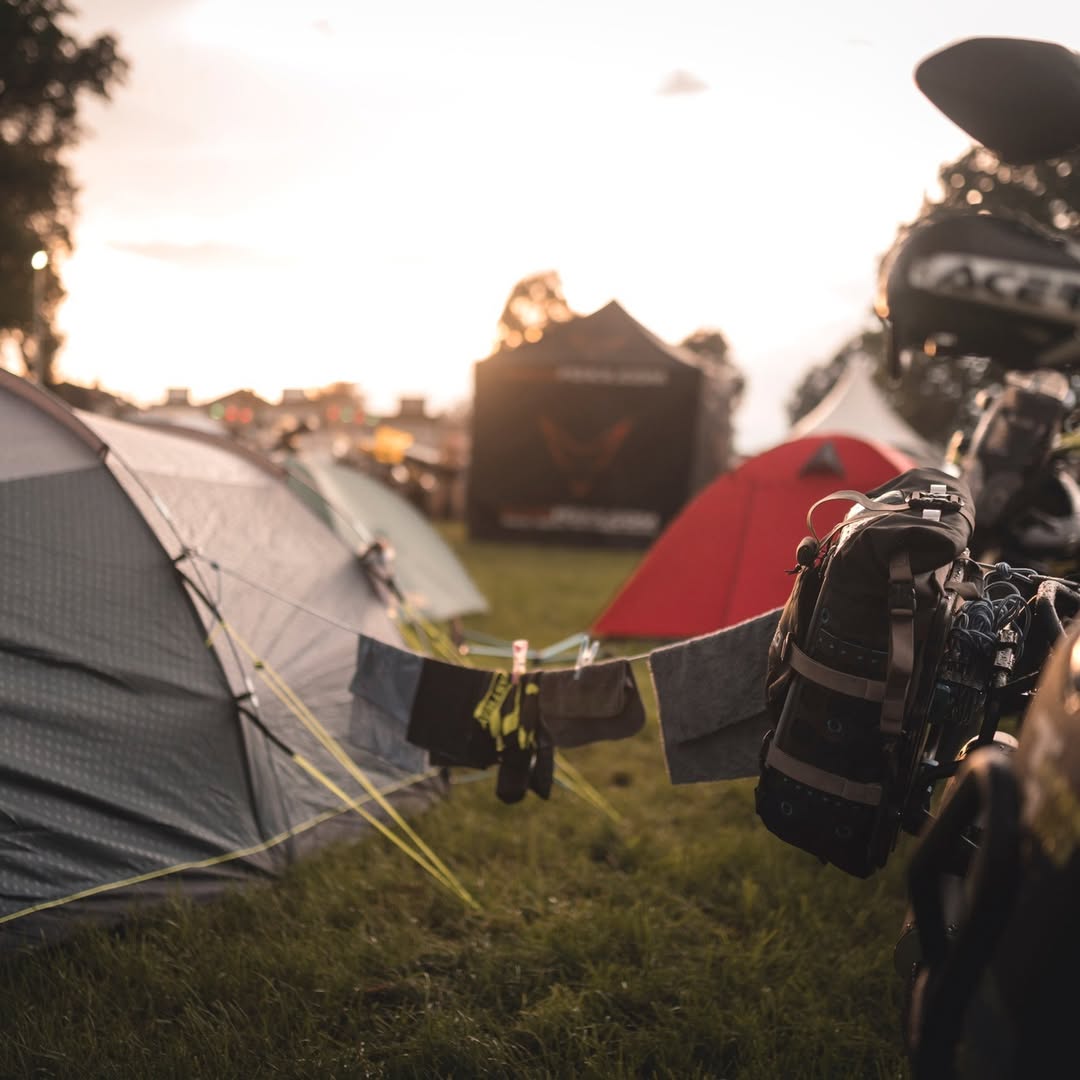
Most first-time festival campers prepare for rain.
Very few prepare for dust.
Then day two arrives and suddenly everything feels dirty.
Your shoes feel gritty. Your blanket somehow collects dirt overnight. Dust settles onto chargers, bags, coolers, and even the inside of your tent no matter how careful you try to be.
At one festival, I watched huge clouds of dust roll across the campground every time crowds moved between stages. By sunset, everyone looked sunburned, exhausted, and coated in dirt.
That weekend permanently changed how I pack.
Now I always bring:
- zipper storage bags
- extra socks
- sealed containers for electronics
- microfiber cloths
- bandanas for walking between crowded areas
The team behind Glastonbury Festival’s packing advice also encourages people to think realistically about campsite conditions before arriving instead of assuming perfect weather.
And honestly, once your tent stays cleaner, your entire campsite starts feeling less stressful too.
Because clutter feels ten times worse when you’re already tired and overheated.
Use a Hanging Organizer Inside the Tent
This became one of those festival hacks I underestimated until I finally tried it.
The floor of your tent turns chaotic unbelievably fast.
Phone chargers disappear into blankets. Earplugs vanish. Flashlights somehow hide themselves exactly when you need them most. And after long festival days, your brain stops wanting to search through bags for basic things.
That’s why I started hanging a small organizer near the entrance of my tent.
Now it holds:
- toiletries
- power banks
- medications
- wipes
- snacks
- chargers
- lip balm
- sunscreen
Everything stays visible.
And honestly, visibility matters more than storage space during festivals.
Especially late at night when you’re exhausted, overheated, and trying to function using about three remaining brain cells.
One small organizer saves surprising amounts of frustration over an entire weekend.
And speaking of things people underestimate badly at festivals, sleep becomes one of the biggest ones.
Earplugs Matter More Than Fancy Gear
You can own the perfect tent setup and still sleep terribly.
Because festival noise never fully stops.
Someone always talks too loudly at 3 a.m. A nearby speaker keeps playing music. Generators hum constantly. People stumble back through campsites laughing long after you finally close your eyes.
The first few festivals I attended, I ignored earplugs because I assumed they would feel uncomfortable or block too much sound.
Now they are one of the first things I pack.
Because terrible sleep changes everything the next day.
Your patience disappears faster. Heat feels worse. Walking feels harder. Tiny inconveniences suddenly feel massive once exhaustion kicks in.
One proper night of sleep can completely change how day three feels at a festival.
Honestly, good earplugs ended up helping me more than several expensive camping items combined.
Keep Wet Wipes Everywhere
Not one pack.
Several packs.
I keep wet wipes:
- inside the tent
- in my backpack
- near the cooler
- inside the car
- tucked into jacket pockets
At festivals, they become useful constantly.
Cleaning dusty hands before eating. Wiping sweat off your face after standing in crowds. Cleaning spilled drinks. Freshening up before bed. Emergency cleanup situations nobody plans for.
You stop noticing how often you reach for them until the one festival where you forget them completely.
I made that mistake once.
Never again.
By the second day, wet wipes start feeling less like a convenience item and more like emotional support.
Especially during hot weekends where showers feel impossibly far away.
Don’t Overdecorate Your Campsite
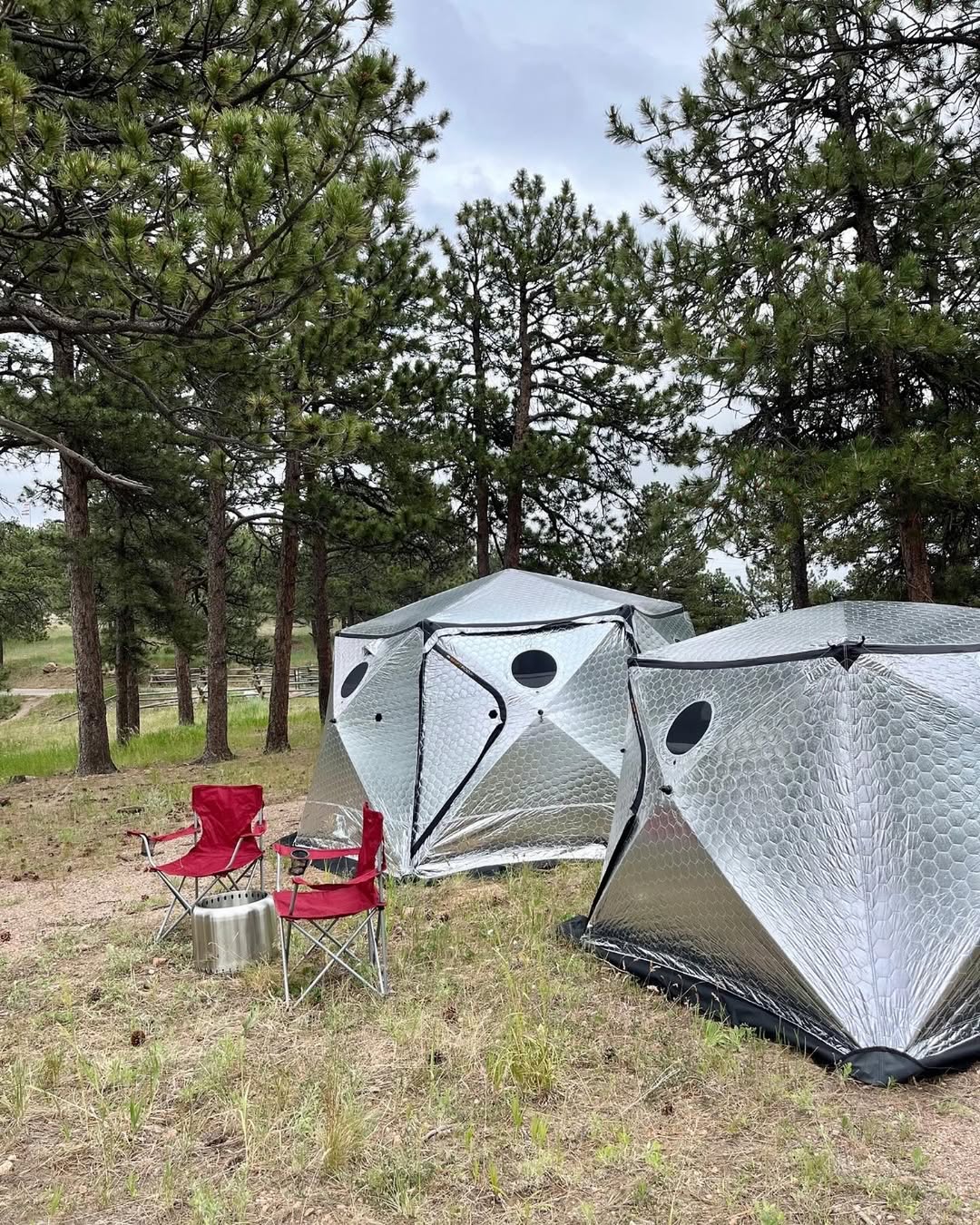
I completely understand the temptation to build an aesthetic festival campsite.
Online photos make elaborate setups look incredible.
Then reality shows up.
You arrive tired, sweaty, carrying too much gear, and suddenly that extra decorative setup starts feeling less exciting and more exhausting.
After enough festival weekends, I realized complicated campsites usually create extra stress:
- longer setup time
- frustrating cleanup
- cluttered walking space
- more damaged gear
- less room to actually relax
Now I focus on comfort first.
Shade. Lighting. Seating. Sleep quality. Easy storage.
Those things improve the weekend far more than decorations ever will.
And honestly, the best festival campsites usually are not the fanciest ones anyway.
They’re the ones where people actually feel comfortable sitting down and relaxing for a while.
What I’d Pack Differently Next Time
Every festival teaches me something new.
Usually after I already needed the thing I forgot.
A few items I underestimated badly:
- extra socks
- cooling towels
- backup charging cables
- slip-on camp shoes
- electrolyte packets
- zip bags for dirty clothes
I also wish I started packing a dedicated “night box” much earlier.
Now I keep essentials together in one small container:
- flashlight
- pain relievers
- wipes
- power bank
- snacks
- hoodie
- earplugs
Because nothing feels worse than desperately searching for a charger or flashlight at 2 a.m. while your tent looks like a tornado passed through it.
The funny thing is the smallest comfort items usually become the things you appreciate most by the end of the weekend.
The Biggest Festival Camping Mistake Most People Make
Most people arrive at festivals thinking the camping part will feel relaxing.
That mindset disappears fast.
Festival camping is really about protecting your energy.
You are trying to sleep well enough, recover well enough, stay hydrated enough, and stay organized enough to actually enjoy the event itself.
That’s why tiny setup decisions matter so much.
A better tent location changes your sleep. Better lighting reduces stress. Dry shoes improve your mood more than people expect after walking all day.
And honestly, the people having the best festival weekends usually are not carrying the fanciest gear.
They just prepared for real campsite problems before arriving.
That difference shows up fast by the second or third day.
Final Thoughts
Looking back, festival camping only became genuinely fun once my setup stopped fighting against me.
That was the turning point.
When my tent stayed cooler. When my gear stayed organized. When I stopped waking up exhausted every morning because small problems kept stacking on top of each other.
Everything started feeling lighter after that.
The walks felt easier. The crowds felt less draining. Even returning to camp late at night felt calmer once I knew everything had its place.
And honestly, those tiny campsite upgrades ended up shaping the entire festival memory more than I expected.
Because once stress, discomfort, and exhaustion stop controlling the weekend, you finally get to focus on the part you came for in the first place.
The music. The people. The late-night conversations. The moments that somehow feel chaotic and unforgettable at the exact same time.
Also read: