Hidden Gems in Japan That Most Tourists Never Find
Japan has a way of making you feel like you’ve seen everything before you’ve even arrived. The photos are familiar. The temples, neon streets, bamboo forests, and cherry blossoms fill social media feeds year after year.
Then you get there.
You realize the biggest crowds are often standing in the same places, taking the same photos, and following the same schedules. Meanwhile, some of Japan’s most memorable places sit just a few hours away, almost untouched by international tourism.
Those are the places I always find myself thinking about.
They’re the villages where locals still wave as you walk past. They’re the mountain valleys where the loudest sound is a river flowing through the trees. They’re the fishing towns where life still moves with the tide instead of a tour bus schedule.
The best part is that visiting these places doesn’t mean sacrificing comfort. You can still reach them by train, bus, or ferry with a little planning. You just need to know where to look.
If you’re planning a trip and want memories that feel like your own instead of a copy of someone else’s itinerary, these five hidden gems deserve a spot on your list.
Let’s start with one that feels like stepping hundreds of years into Japan’s past.
Ouchi-juku, Fukushima
The Edo-period village that somehow escaped the crowds
The first time I discovered Ouchi-juku, I wondered why almost nobody talks about it.
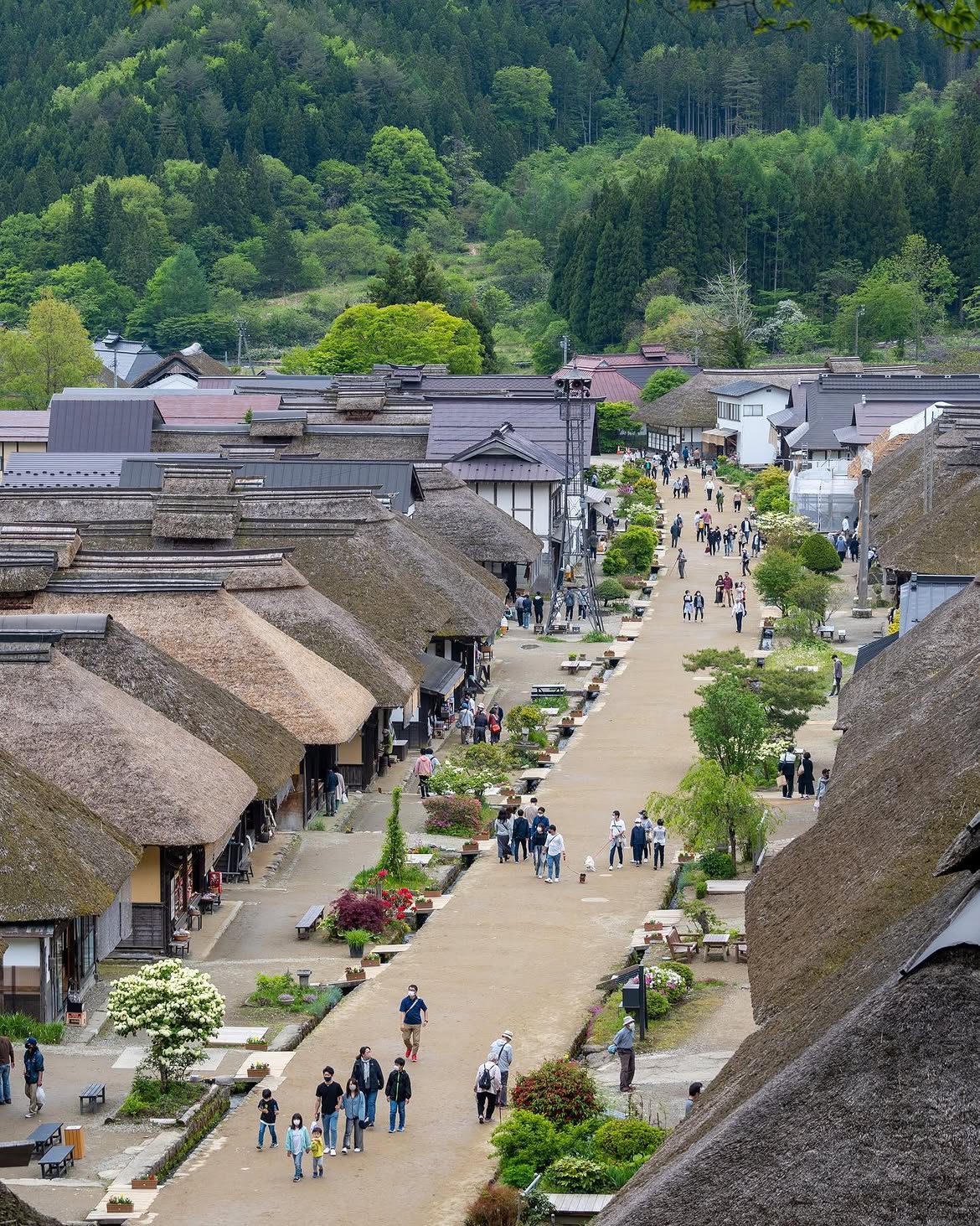
Imagine walking down a wide dirt road lined with traditional thatched-roof homes. There are no towering hotels. No flashing billboards. No busy intersections. Just wooden buildings that have looked much the same for centuries.
It doesn’t feel like an attraction built for tourists.
It feels like a village that simply kept living while the rest of Japan raced ahead.
During the Edo period, Ouchi-juku served as a post town where travelers rested along an important trade route connecting Aizu with Nikko. Today, many of those historic buildings have become family-run restaurants, craft shops, and small inns while keeping the village’s original character.
The slower pace is what makes this place special.
Instead of rushing between landmarks, you’ll probably find yourself wandering into tiny souvenir shops, watching smoke drift from old chimneys, or chatting with shop owners who genuinely seem happy you’ve made the trip.
Don’t just visit for an hour
One mistake many visitors make is treating Ouchi-juku as a quick stop between larger destinations.
I wouldn’t.
The village changes throughout the day. Early mornings feel peaceful before tour buses arrive. Late afternoons become quieter again as day-trippers head back toward the cities.
If your schedule allows, stay overnight nearby.
You’ll experience a side of rural Japan that most travelers never see. Local restaurants become less crowded, the streets grow quiet, and the historic buildings look even more beautiful as evening settles over the valley.
Sometimes the best travel memories happen after everyone else has gone home.
Try the soba the traditional way
One meal here surprises almost every visitor.
Instead of eating soba noodles with chopsticks, many restaurants serve negi soba, where a long green onion doubles as your eating utensil.
Yes, you’re expected to use the onion.
It’s a little awkward at first, but that’s part of the fun. You can even take bites of the onion as you eat, adding a fresh, slightly spicy flavor to every mouthful.
It isn’t about eating perfectly.
It’s about trying something you probably won’t find anywhere else.
Easy ways to make your visit better
A few small choices can completely change your experience.
Arrive before mid-morning if you’re visiting during spring or autumn.
Wear comfortable shoes because you’ll spend more time walking than you expect.
Bring some cash for snacks and handmade souvenirs from local shops.
If you’re visiting during winter, pack shoes with good grip. Heavy snowfall transforms the village into one of Japan’s most beautiful winter scenes, but icy streets are common.
Most travelers remember the photos.
You’ll remember how peaceful the place felt.
That feeling stays with you long after you’ve left Fukushima.
From an old mountain village, let’s head somewhere completely different. This next destination replaces quiet streets with crystal-clear rivers, towering peaks, and some of the freshest mountain air I’ve ever imagined experiencing.
Kamikochi, Nagano
Japan’s mountain escape that deserves more than a day trip
When people picture Japan, towering mountains usually aren’t the first thing that comes to mind.
They should be.
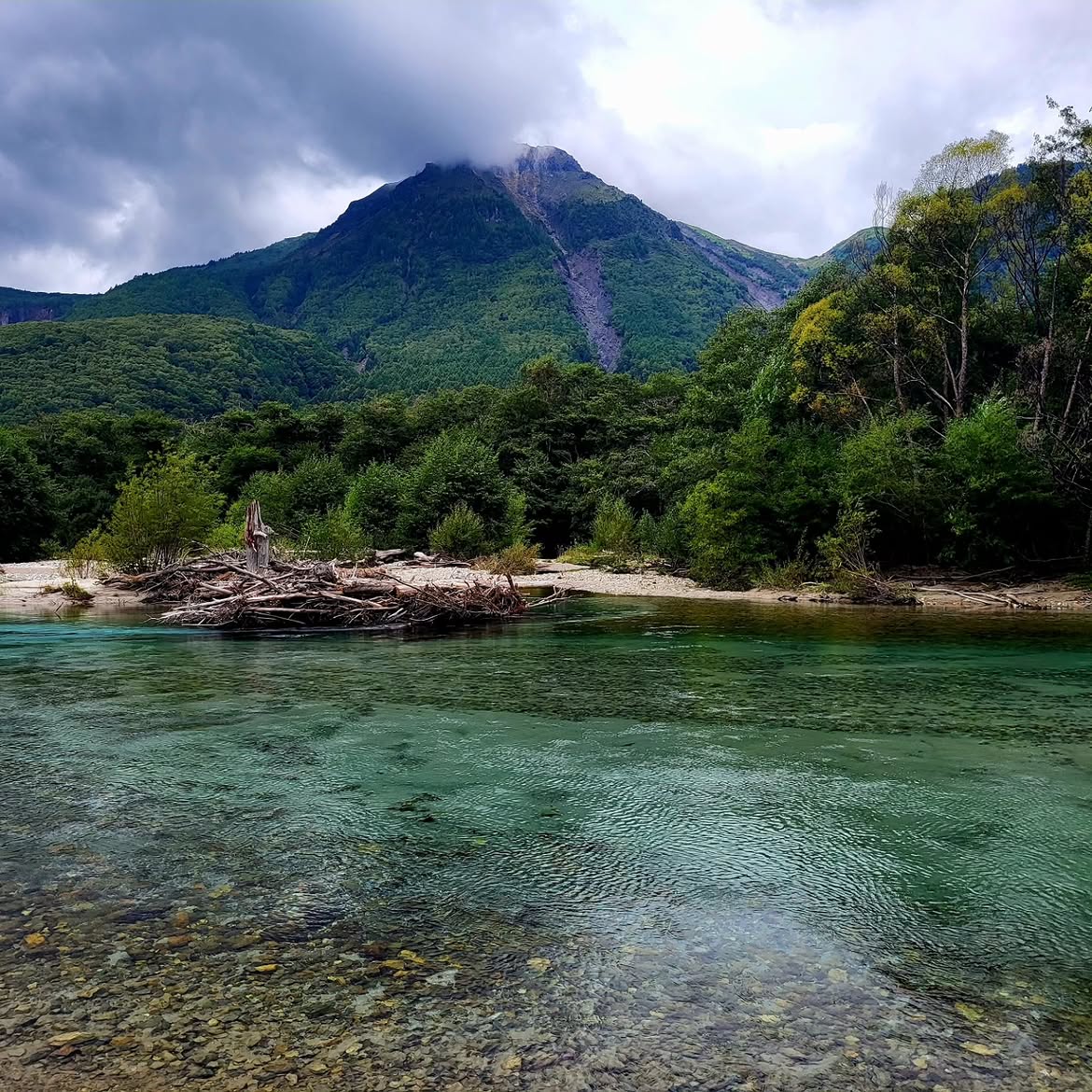
Hidden inside the Japanese Alps, Kamikochi feels like an entirely different country. Snow-capped peaks surround clear rivers that almost look unreal. Wooden suspension bridges stretch across turquoise water. Well-maintained walking trails wind through forests without requiring you to be an experienced hiker.
This is one of those places where slowing down actually becomes easy.
You stop checking your phone.
You start noticing birds, flowing water, and mountain reflections instead.
You don’t need to be a serious hiker
That’s one of the biggest surprises.
Many visitors assume Kamikochi is only for experienced trekkers carrying backpacks full of climbing gear.
It isn’t.
Some of the valley’s most beautiful walks are relatively flat and easy to follow. You can spend hours exploring riverside paths, stopping for photos, crossing wooden bridges, and enjoying mountain scenery without tackling difficult trails.
That makes Kamikochi a great choice even if you’re traveling with family or simply want a relaxing day outdoors.
Plan around the seasons
Timing matters here.
Unlike many destinations in Japan, Kamikochi isn’t open year-round. Heavy snowfall closes the area during winter, and access returns only after the seasonal reopening.
According to the Kamikochi Official Website, the valley is generally open from mid-April through mid-November. Before booking hotels or transportation, check the current operating schedule since weather can affect opening dates.
That small step can save you from changing an entire itinerary later.
Leave the car behind
One thing I really like about Kamikochi is that private vehicles aren’t allowed inside the valley.
At first, that might sound inconvenient.
Once you arrive, it makes perfect sense.
Without traffic, the area feels calmer. You hear rushing water instead of engines. Walking along the trails becomes part of the experience instead of something squeezed between parking lots.
You’ll reach Kamikochi by bus or taxi from designated transport hubs, then spend the day exploring on foot.
It slows everyone down in the best possible way.
Pack for changing mountain weather
Mountain weather has a habit of changing when you least expect it.
Even during warmer months, mornings can feel cool. By afternoon, the sun may be strong enough that you’ll want lighter layers.
I would always carry a lightweight jacket, refillable water bottle, sunscreen, and comfortable walking shoes.
You’ll appreciate having them far more than carrying extra clothes you never wear.
If you can, spend the night in the area instead of rushing back to the city.
Watching the valley wake up before the day visitors arrive is the kind of moment that rarely makes it onto Instagram, yet it often becomes the memory you talk about the most.
After quiet mountain trails, let’s trade alpine scenery for the sea.
The next place feels like stepping into a postcard where fishing boats still shape everyday life.
Ine, Kyoto Prefecture
The fishing village where the ocean is part of every home
Most people visiting Kyoto never realize one of Japan’s most charming coastal villages sits just a couple of hours away.
That’s a shame.
Ine doesn’t compete with Kyoto’s temples or Osaka’s nightlife.
It offers something entirely different.
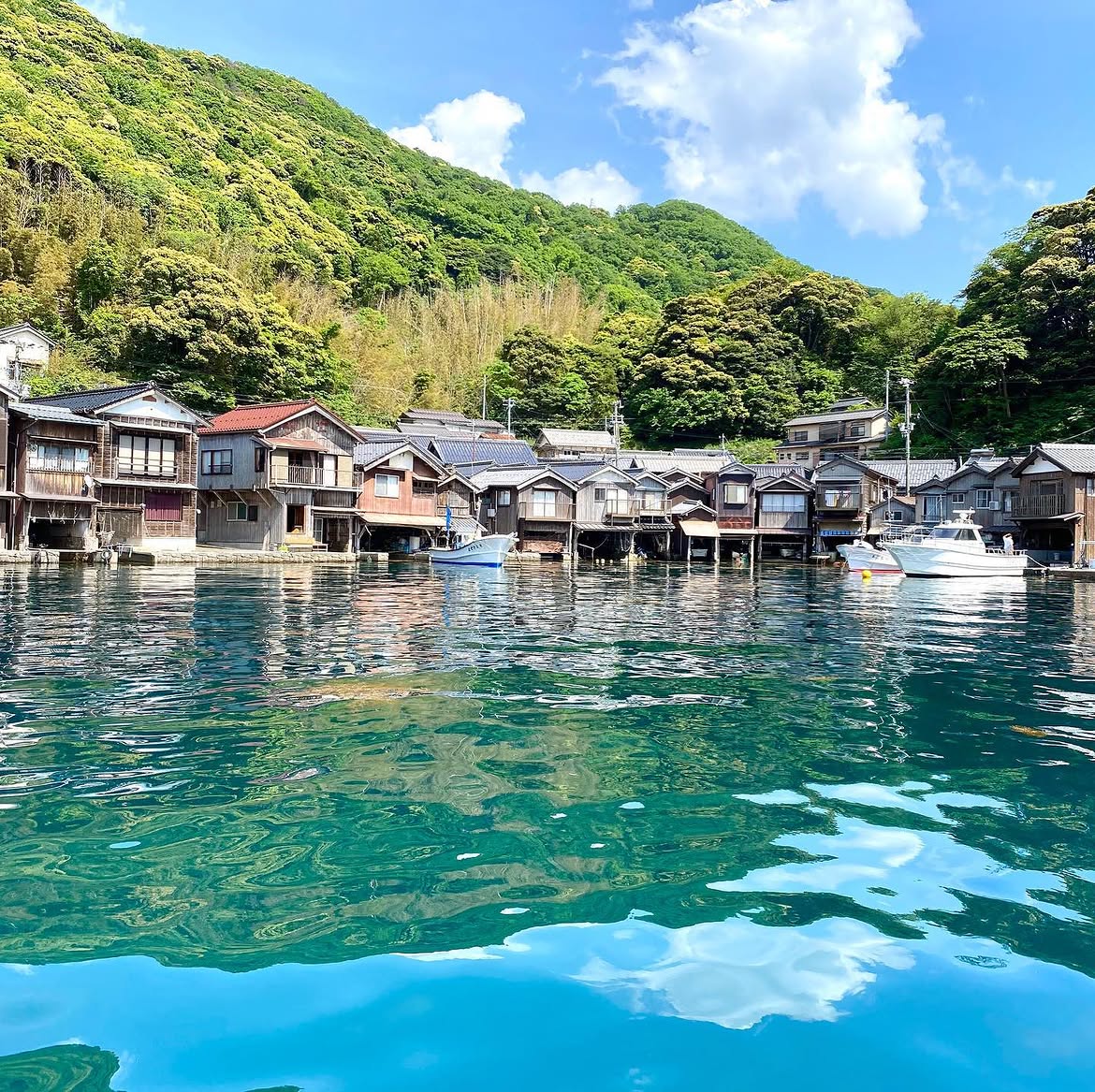
The village stretches along a peaceful bay where traditional wooden boat houses, known as funaya, sit directly beside the water. Many families still use the lower level to store fishing boats while living upstairs.
It’s a way of life that has survived for generations.
Instead of crowds lining the streets, you’ll hear fishing boats returning to the harbor, seagulls circling above the bay, and waves gently hitting the shoreline.
The slower pace is impossible to ignore.
Stay longer than a photo stop
Many travelers visit Ine for an hour, take a few pictures, and leave.
I think that’s the biggest mistake you can make.
The village reveals itself slowly.
Spend time wandering the waterfront. Watch local fishermen head out to sea. Sit with a coffee overlooking the harbor instead of rushing to the next destination.
When you slow your schedule, Ine starts to feel less like a sightseeing stop and more like a place you’ll genuinely remember.
If your budget allows, book a night inside one of the renovated funaya.
Waking up beside the water is a completely different experience than arriving on a packed day tour.
Rent a bicycle instead of rushing
One of the easiest ways to experience Ine is on two wheels.
The roads are quiet, the distances are short, and cycling lets you stop whenever something catches your eye.
You might find a tiny seafood restaurant without a line outside.
You might discover a peaceful harbor where nobody else is standing with a camera.
Sometimes those unexpected moments become the highlight of the day.
The Kyoto Prefecture Tourism Association also recommends exploring the village by bicycle and reminds visitors that many of the historic funaya remain private homes. That makes it even more rewarding to slow down, stay on public paths, and enjoy the village respectfully.
Eat what came off the boat that morning
If there’s one place to forget your usual restaurant list, it’s Ine.
Ask what’s fresh.
The answer changes with the season.
You’ll often find incredibly fresh sashimi, grilled fish, local shellfish, and rice bowls prepared with seafood caught nearby.
Those simple meals often become the ones you remember long after returning home.
Not because they’re expensive.
Because they’re fresh enough that very little needs to be done to them.
Leave room for dessert, too.
Several small cafés overlook the bay, making them perfect places to relax before heading back.
By now, you’ve visited an old mountain village, walked through the Japanese Alps, and explored a quiet fishing community.
The final two hidden gems take the scenery in completely different directions.
One is famous for a dramatic gorge carved by nature.
The other is an island that many international travelers overlook completely.
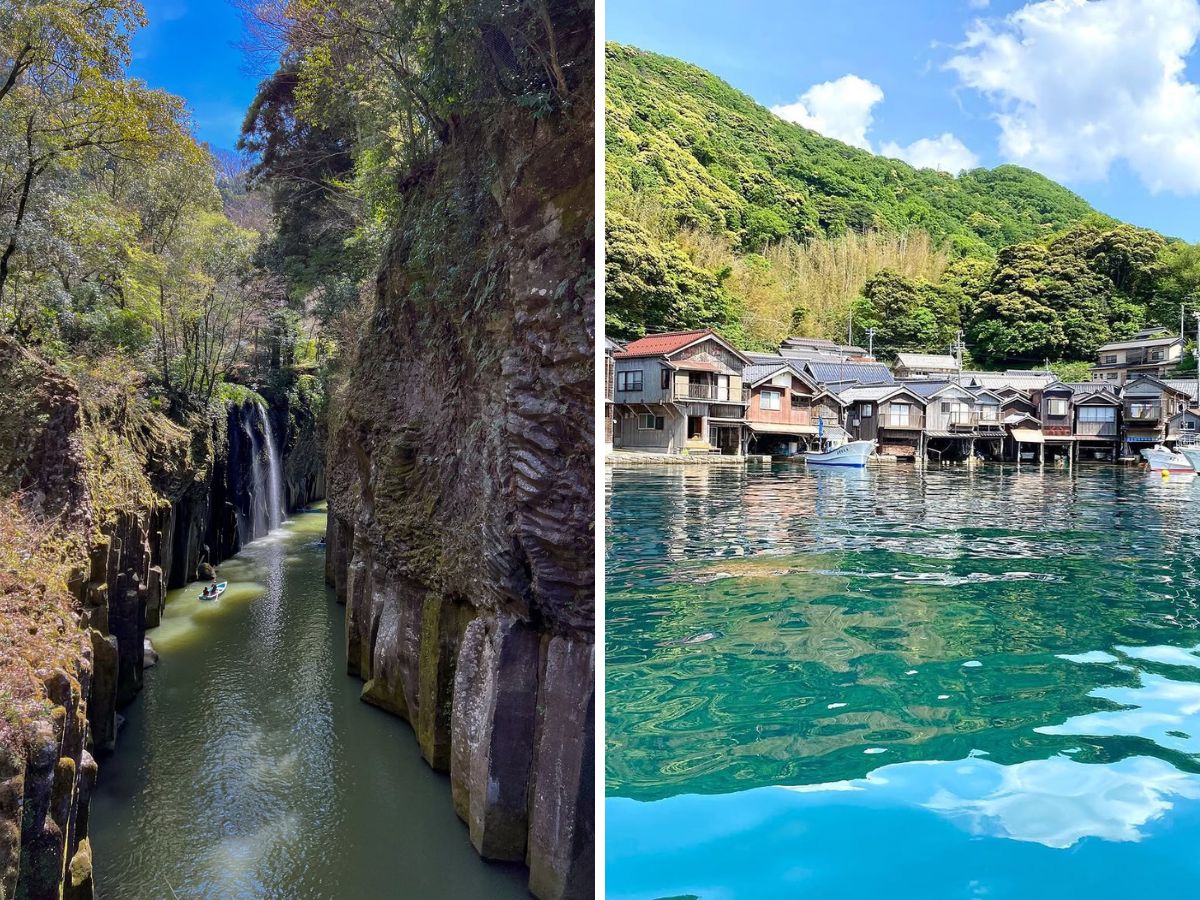
Takachiho Gorge, Miyazaki
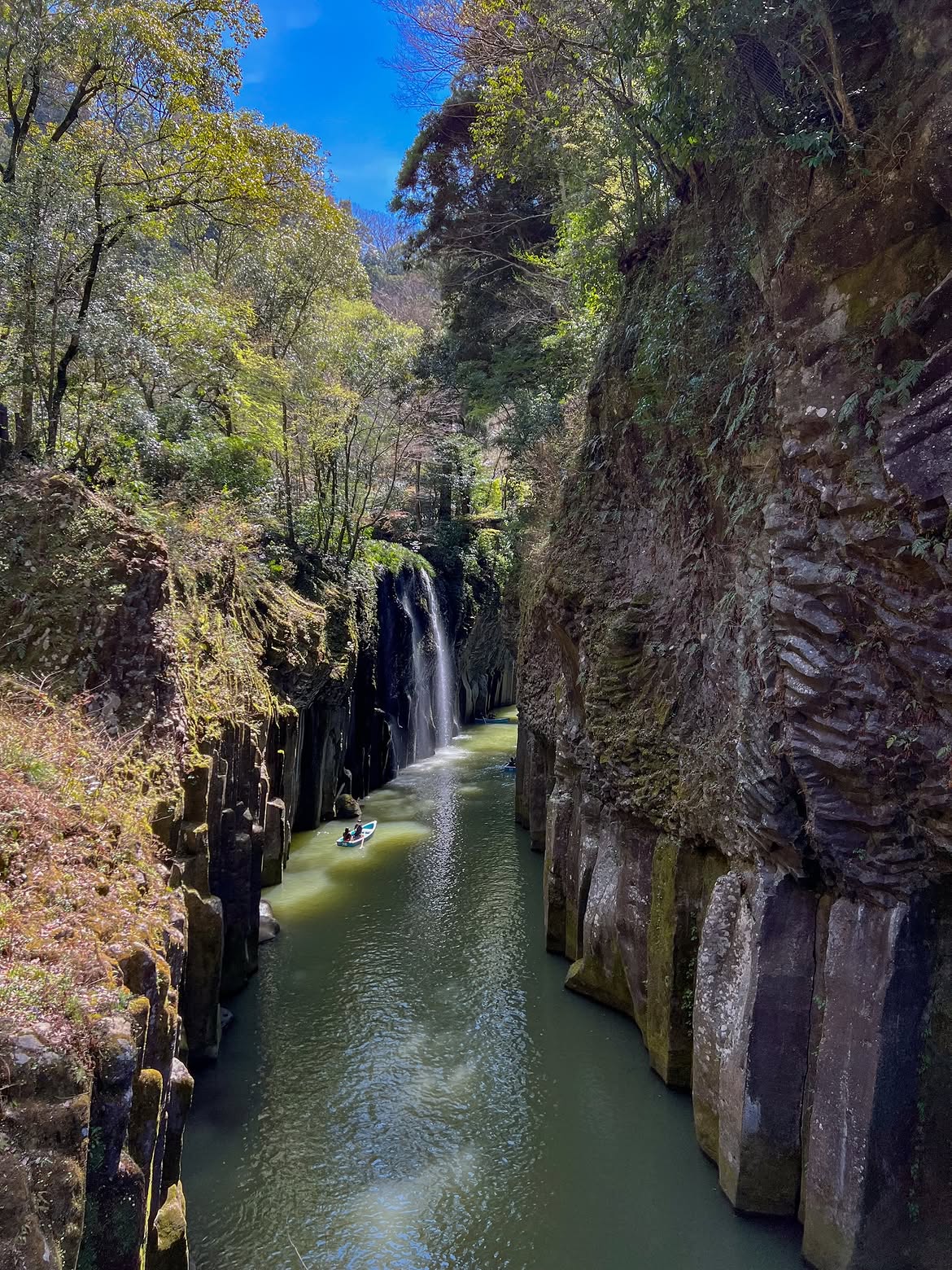
One of Japan’s most beautiful river landscapes
Some places look almost too perfect to be real.
Takachiho Gorge is one of them.
Steep volcanic cliffs rise on both sides of a narrow river. Emerald water winds through the canyon. Then, almost without warning, a waterfall pours straight into the gorge, creating one of the most photographed scenes in Japan.
The photos are stunning.
Seeing it in person is even better.
The cliffs make everything feel quieter. Even with other visitors around, the sound of flowing water takes over.
Don’t wait until you arrive to book a boat
If you’ve seen photos of Takachiho Gorge, chances are they were taken from the water.
Rowing beneath the waterfall is easily the most memorable way to experience the gorge.
It also happens to be the activity that fills up the fastest.
The Takachiho Tourism Association manages the official rental boats and recommends checking availability before your visit since reservations often fill during busy periods.
That simple bit of planning can save a lot of disappointment.
If boats are fully booked, don’t worry.
The walking trail above the river offers incredible viewpoints that many people rush past while focusing only on the boats.
Slow down on the walking trail
The path isn’t long.
That’s exactly why you shouldn’t rush it.
Pause at each viewpoint. Watch the changing colors of the water as sunlight moves across the gorge. Listen instead of immediately reaching for your camera.
Some of my favorite travel moments have happened after putting the phone away for a few minutes.
This is one of those places where the experience matters more than collecting another photo.
Pair it with nearby shrines
If you’re making the trip to Takachiho, don’t leave right after the gorge.
The surrounding area has several historic shrines connected to Japanese mythology, giving the visit much more meaning than simply seeing a beautiful landscape.
Combining nature with local history makes the drive feel worthwhile, especially if you’re already exploring Kyushu.
One destination remains.
It’s quiet, coastal, and unlike anywhere else on this list.
Shodoshima, Kagawa
」。島の西に位置する高台に建.jpg)
The island that surprises almost everyone
When people think about Japanese islands, places like Okinawa usually steal the spotlight.
Shodoshima quietly goes about its own business.
That’s one reason I love recommending it.
Located in the Seto Inland Sea, the island blends coastal scenery, mountain roads, small fishing villages, olive groves, and peaceful beaches into one easy trip.
It feels relaxed from the moment you arrive.
Instead of racing between attractions, you’ll naturally spend more time enjoying the drive, stopping at scenic overlooks, and wandering through quiet towns.
Rent a car if you can
Public transportation reaches many parts of the island.
A rental car gives you much more freedom.
You can stop whenever a viewpoint catches your attention. Pull into a tiny café that wasn’t on your itinerary. Spend extra time at a beach without worrying about the next bus.
Those unplanned moments often become the stories you’ll tell later.
If driving isn’t an option, buses still connect the island’s most popular attractions. You’ll just want to leave yourself extra time between stops.
Time your visit to Angel Road
One of Shodoshima’s most famous sights disappears twice each day.
Angel Road is a sandbar that appears only during low tide, allowing visitors to walk across to a small island.
Miss the tide, and the path disappears beneath the sea.
Check tide times before you go.
It’s one of those experiences that’s completely dependent on timing, and it’s well worth planning around.
Don’t skip the local food
Shodoshima has earned a reputation for its olive products, but that’s only part of the story.
Fresh seafood is easy to find, especially at family-run restaurants near the ports.
You’ll also come across handmade soy sauce, local noodles, and olive-fed specialties that aren’t nearly as common elsewhere in Japan.
Instead of searching for the highest-rated restaurant online, try asking your hotel or guesthouse where they eat.
Those recommendations rarely disappoint.
Before You Go
These five destinations have something in common.
They reward travelers who slow down.
Here are a few simple habits that can make every stop even better.
Stay at least one night when you can
The atmosphere changes once the day visitors leave.
Quieter streets, calmer viewpoints, and relaxed evenings often become the best part of the trip.
Start your day early
You’ll enjoy cooler temperatures, softer light for photos, and fewer people.
That alone can completely change how a place feels.
Learn a few simple Japanese phrases
You don’t need to be fluent.
A polite greeting, a thank you, and a simple question can lead to friendlier conversations and memorable interactions in smaller towns.
Carry some cash
Japan has become much more card-friendly over the years.
Small cafés, family-run shops, and rural businesses may still prefer cash, so having some yen with you is always a good idea.
Leave room for surprises
Don’t schedule every minute.
Some of the best travel memories happen because you took a different street, stopped at a local bakery, or accepted a recommendation from someone who lives there.
Those moments rarely appear in guidebooks.
Final Thoughts
The places I remember most in Japan aren’t always the ones with the biggest crowds.
They’re the quiet villages where I found myself walking without looking at a map. The mountain trails where I stayed longer than planned because the scenery kept changing. The fishing harbors where I sat for an hour simply watching boats come and go.
That’s what these hidden gems offer.
They remind you that travel isn’t about checking famous landmarks off a list. It’s about finding places that slow you down enough to notice the little things.
If your Japan itinerary has room for just one detour, make it one of these five destinations.
You’ll come home with more than beautiful photos.
You’ll come home with stories that feel like they’re yours alone.
Also read: