Easy One-Pot Camping Meals Even Beginners Can Make
There is something satisfying about cooking outdoors after a long day of hiking, kayaking, or simply relaxing around camp. Then reality kicks in. You unpack a pile of cookware, spend more time cleaning than eating, and wonder why dinner felt harder than the adventure itself.
I learned early that camping meals don’t have to be complicated to be memorable. Some of my favorite evenings ended with everyone gathered around a single pot, passing bowls, sharing stories, and watching the fire burn down while cleanup took only a few minutes.
If you’re new to camping, one-pot meals are one of the easiest ways to build confidence. You don’t need fancy cooking skills or a camp kitchen packed with gadgets. A handful of simple ingredients and one reliable pot are enough to make breakfasts, lunches, and dinners you’ll actually look forward to.
In this guide, I’ll show you the meals that work, the mistakes worth avoiding, and the little habits that make camp cooking feel surprisingly easy.
Let’s start with why one-pot cooking deserves a spot on every beginner’s camping checklist.
Why One-Pot Meals Make Camping So Much Easier
When most people picture camp cooking, they imagine balancing several pots over a fire, juggling ingredients, and hoping nothing burns. That works for experienced campers, but it isn’t the easiest place to begin.
One-pot cooking strips away that stress.
Instead of managing several dishes at once, you’re focused on one meal from start to finish. That means fewer chances to overcook ingredients, fewer utensils scattered around camp, and far less time spent scrubbing dishes after dinner.
That extra time matters more than you might expect.
After spending the day outdoors, the last thing most campers want is another hour standing over a stove. A simple one-pot meal lets you eat sooner and get back to what made the trip worth taking in the first place. Maybe that’s watching the sunset, making s’mores with friends, or sitting quietly beside the fire while the stars come out.
There’s another bonus many beginners don’t think about until they’re packing.
Every extra pan, lid, bowl, and cooking tool takes up room in your vehicle or backpack. Keeping your cooking setup simple makes packing easier and helps you stay organized once you reach camp. REI also points out that one-pot cooking can reduce the amount of cookware and stove fuel you need, making meals lighter and easier to manage on camping trips.
One-pot meals also waste less food.
Instead of opening several packages for one dinner, you’ll often use ingredients that work across multiple meals. A single onion can go into breakfast hash, chili mac, and pasta the next evening. The same bag of shredded cheese can top tacos one night and finish a creamy rice dish the next.
That kind of planning saves money and leaves less food sitting in the cooler at the end of your trip.
Cleanup is another place where beginners notice a huge difference.
One pot, one stirring spoon, and a few bowls are usually all you need. Even if you’re camping somewhere with limited water, washing one pot is much easier than tackling an entire sink full of dishes.
If you’re still wondering whether simple meals can actually taste good, the answer is yes.
Many classic comfort foods naturally fit into one-pot cooking. Chili, pasta, rice bowls, breakfast hash, curry, soups, and hearty stews all develop rich flavor because everything cooks together. The ingredients share the same broth, spices, and seasonings, creating meals that taste like they took much more effort than they actually did.
That’s good news for beginners because great camping food isn’t about complicated recipes. It’s about using simple ingredients well.
Now that you know why one-pot cooking works so well, let’s build a camp kitchen that makes every meal even easier.
Build Your Camp Kitchen Before You Cook
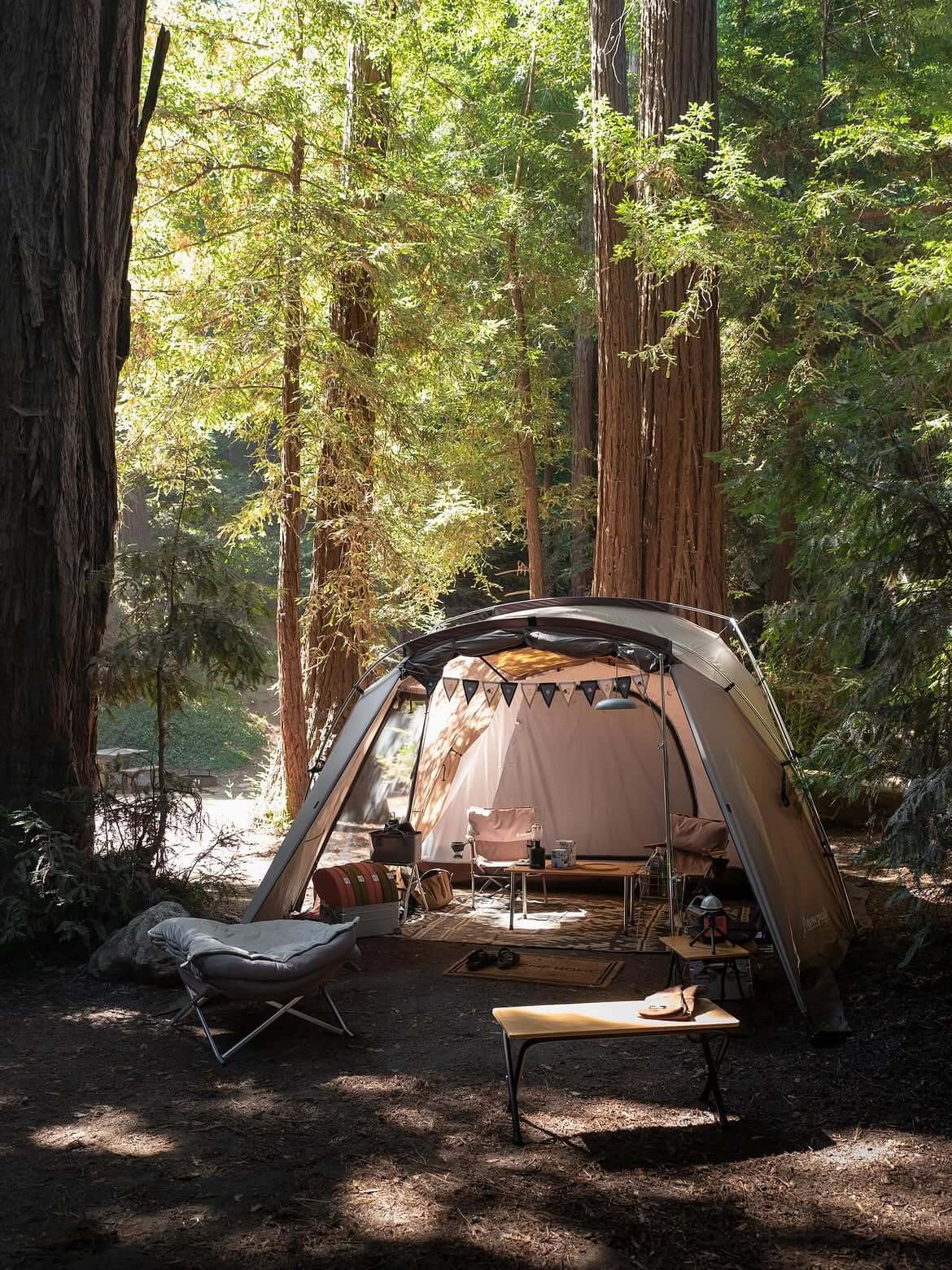
A good camping meal starts long before you light the stove.
Most beginner mistakes happen because people focus on recipes first and packing second. They throw random ingredients into a cooler, forget a cooking utensil, or realize halfway through dinner they never packed oil or salt.
A little planning at home changes everything.
The goal isn’t to pack more gear. It’s to pack smarter. Once you have a simple setup, almost every one-pot meal becomes easier to cook.
Choose the Right Pot
You don’t need a cabinet full of camping cookware.
One dependable pot can handle almost every meal in this guide.
If you’re camping at a developed campground or driving to your site, a Dutch oven is hard to beat. It holds heat well, cooks evenly, and works for everything from chili to pasta and hearty stews.
If you’re backpacking or trying to save space, a lightweight camping pot is the better choice. Aluminum and titanium pots heat quickly, weigh very little, and pack easily inside your backpack.
A deep skillet is another smart option for campers who enjoy breakfasts. It handles scrambled eggs, breakfast hash, fried rice, and skillet dinners while still being deep enough for many one-pot recipes.
As for size, here is a simple rule I follow.
A 2 to 3-quart pot works well for one or two people. A 4 to 5-quart pot comfortably feeds three or four campers. If you’re cooking for a larger family, moving up to a 6-quart pot gives you enough room without ingredients bubbling over the edge.
If you’re only buying one piece of cookware, buy one that’s slightly larger than you think you’ll need. It’s much easier to cook a small meal in a large pot than squeeze a large meal into one that’s too small.
Five Pantry Staples That Work in Almost Every Meal
You don’t need dozens of ingredients to eat well outdoors.
I like packing foods that can appear in several meals because they save space and make meal planning much easier.
These five staples earn a place on almost every camping trip:
- Rice for rice bowls, curries, soups, and breakfast skillets.
- Pasta for creamy dinners, chili mac, and quick comfort meals.
- Chicken or vegetable broth to build flavor without carrying extra ingredients.
- Olive oil for cooking vegetables, meat, and preventing food from sticking.
- A simple seasoning mix with salt, black pepper, garlic powder, paprika, and Italian herbs.
Once these basics are packed, building meals becomes surprisingly simple. You can mix and match ingredients instead of following recipes word for word.
That flexibility is what makes camping feel less stressful.
Fresh Ingredients That Last Several Days
Fresh food doesn’t have to disappear after the first night.
If your cooler is packed properly, many ingredients stay in great shape for several days.
Some of my favorites include:
- Bell peppers
- Onions
- Carrots
- Baby potatoes
- Smoked sausage
- Eggs
- Hard cheeses like cheddar or Parmesan
These ingredients appear in dozens of one-pot meals, so almost nothing goes to waste.
One trick I always recommend is prepping everything before leaving home.
Dice onions. Slice peppers. Wash potatoes. Grate cheese. Measure seasonings into small containers or reusable bags.
When it’s time to cook, you’re simply opening containers and adding ingredients instead of juggling a cutting board on a picnic table after dark.
I also like grouping ingredients by meal inside the cooler.
One bag holds everything for breakfast hash. Another contains the ingredients for chili mac. Dinner becomes almost automatic because you’re not digging through the cooler looking for one missing item.
Fresh Off The Grid recommends doing as much prep work at home as possible, including chopping vegetables, measuring spices, and organizing ingredients before your trip. It cuts down campsite work and makes cooking much more relaxed. Their guide is full of practical ideas that follow the same approach.
Once your camp kitchen is organized, cooking feels surprisingly simple.
Now comes the fun part. Let’s look at the one-pot meals that even first-time campers can make with confidence.
10 Easy One-Pot Camping Meals Beginners Can Make
This is where one-pot cooking really shines.
You don’t need chef-level skills to make satisfying meals outdoors. Most of these recipes follow the same pattern. Cook the protein first if needed, add vegetables, stir in your grains or pasta, pour in liquid, and let everything cook together.
Once you make a couple of these, you’ll start creating your own combinations without even thinking about it.
1. One-Pot Chili Mac
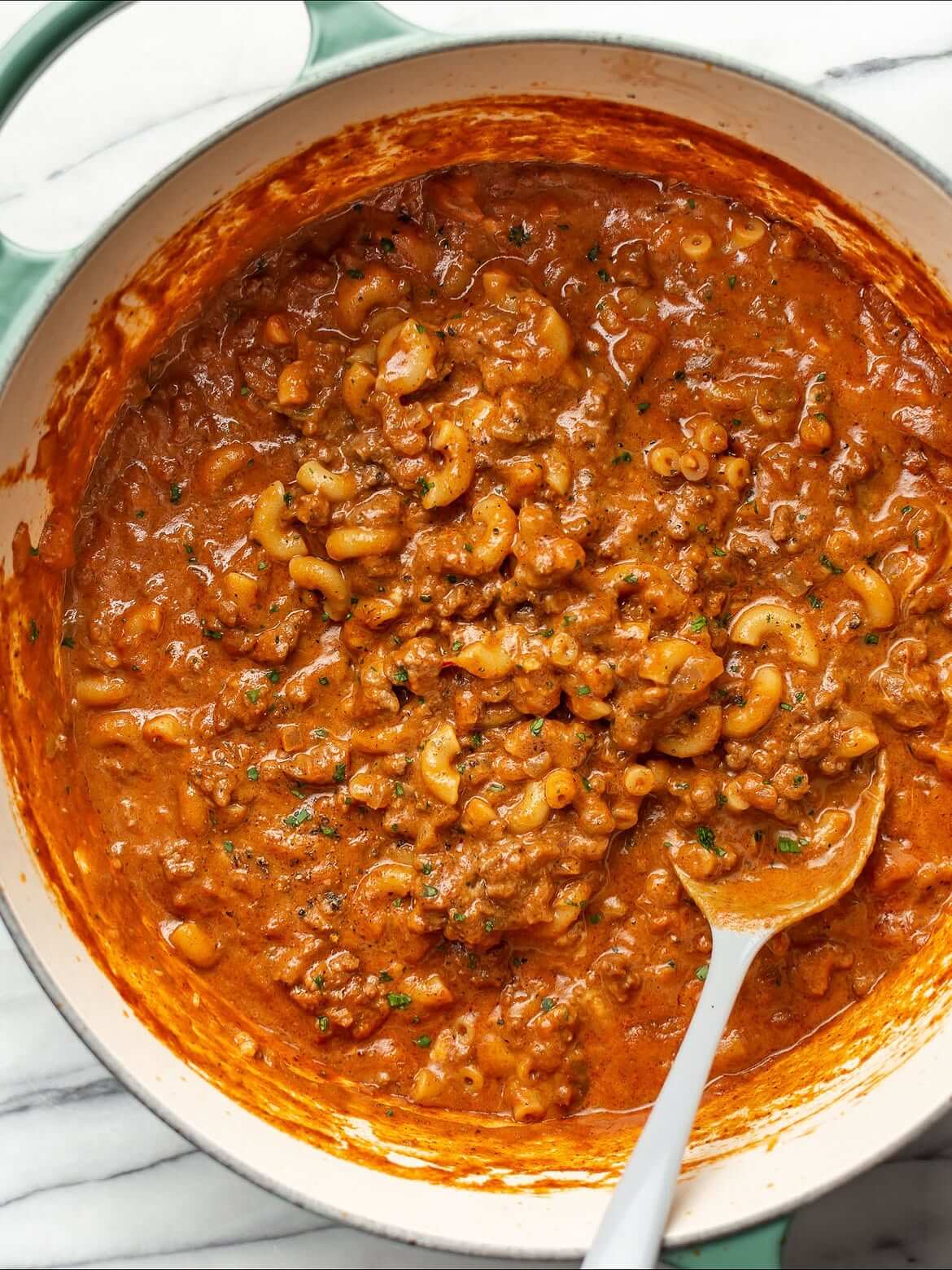
If you’re only trying one camping meal, make it this one.
It’s filling, forgiving, and almost impossible to mess up.
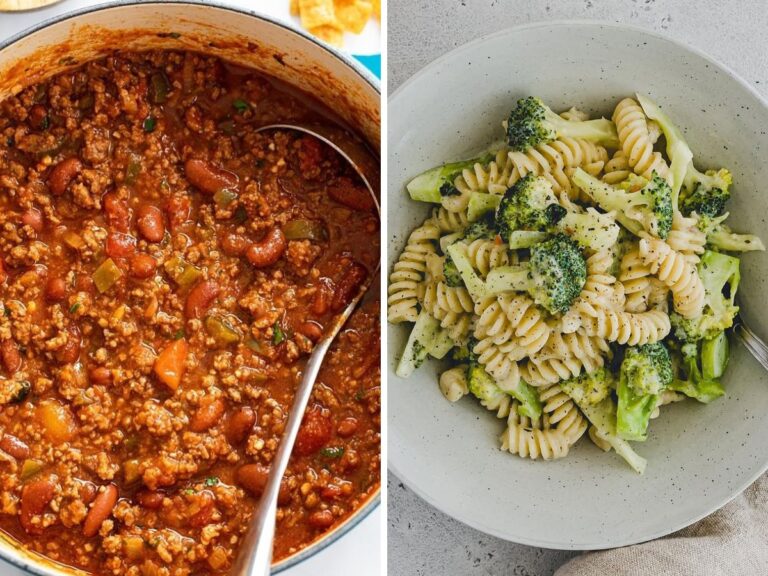
Brown ground beef or turkey with diced onion, then stir in garlic, canned tomatoes, broth, macaroni, chili seasoning, and beans. Let everything simmer until the pasta is tender, then finish with shredded cheddar cheese.
Beginner tip: If the pasta absorbs liquid too quickly, don’t panic. Just add a splash of broth or water and keep stirring.
2. Creamy Chicken and Rice
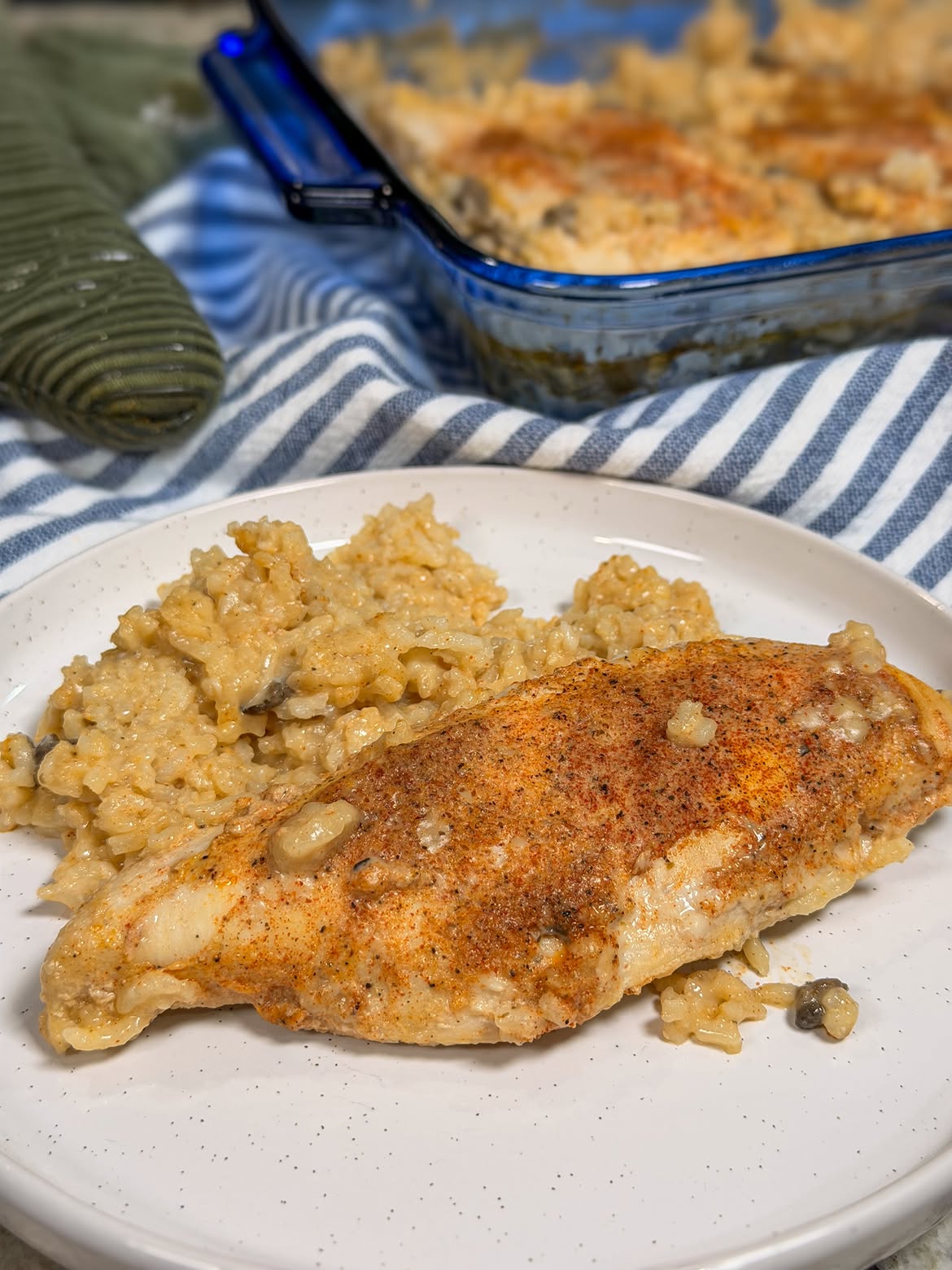
This is one of those meals that feels much fancier than the effort it takes.
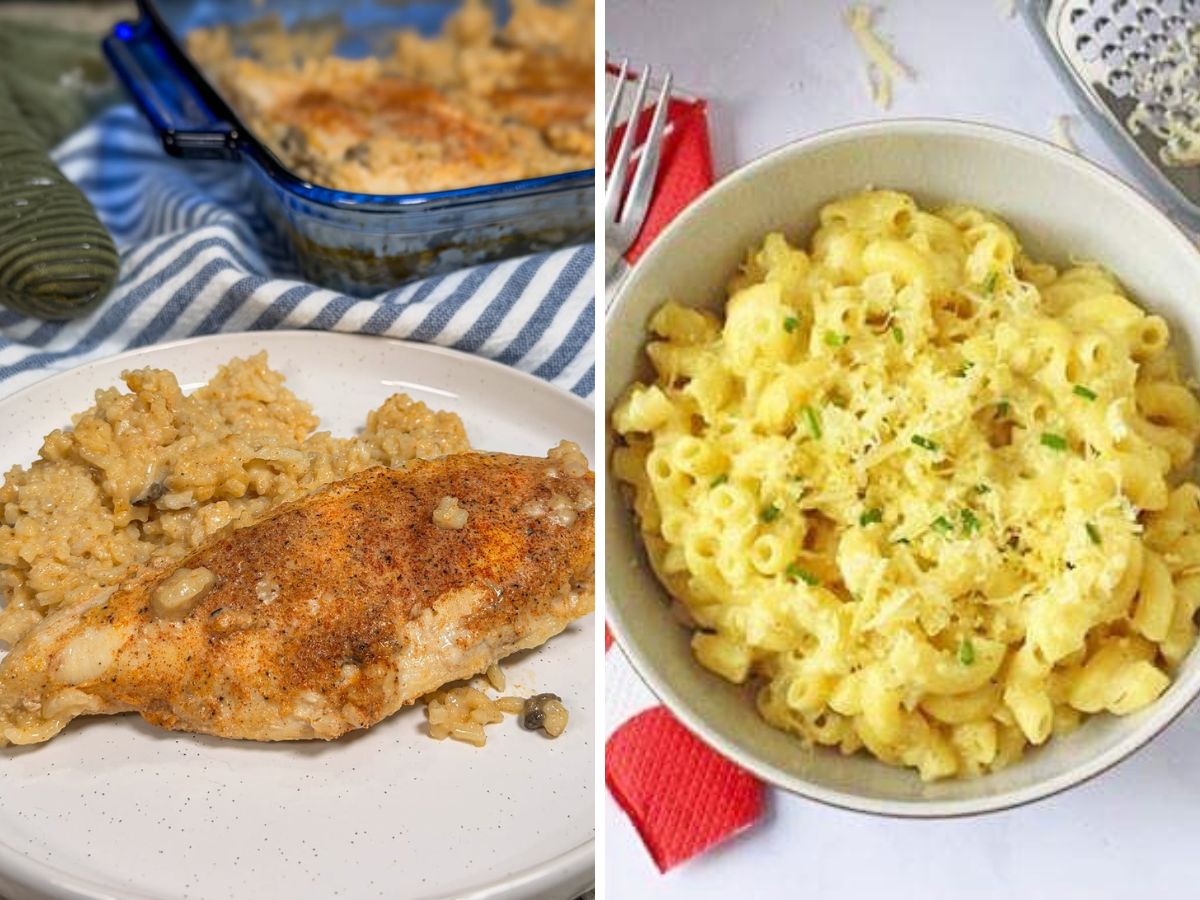
Cook bite-sized chicken pieces until lightly browned. Add onion, garlic, uncooked rice, broth, and your favorite vegetables. Frozen peas work especially well because they thaw quickly.
Right before serving, stir in a little cream cheese or shredded cheese for a rich, creamy finish.
Easy swap: Rotisserie chicken from home saves even more time.
3. Campfire Sausage and Potato Skillet
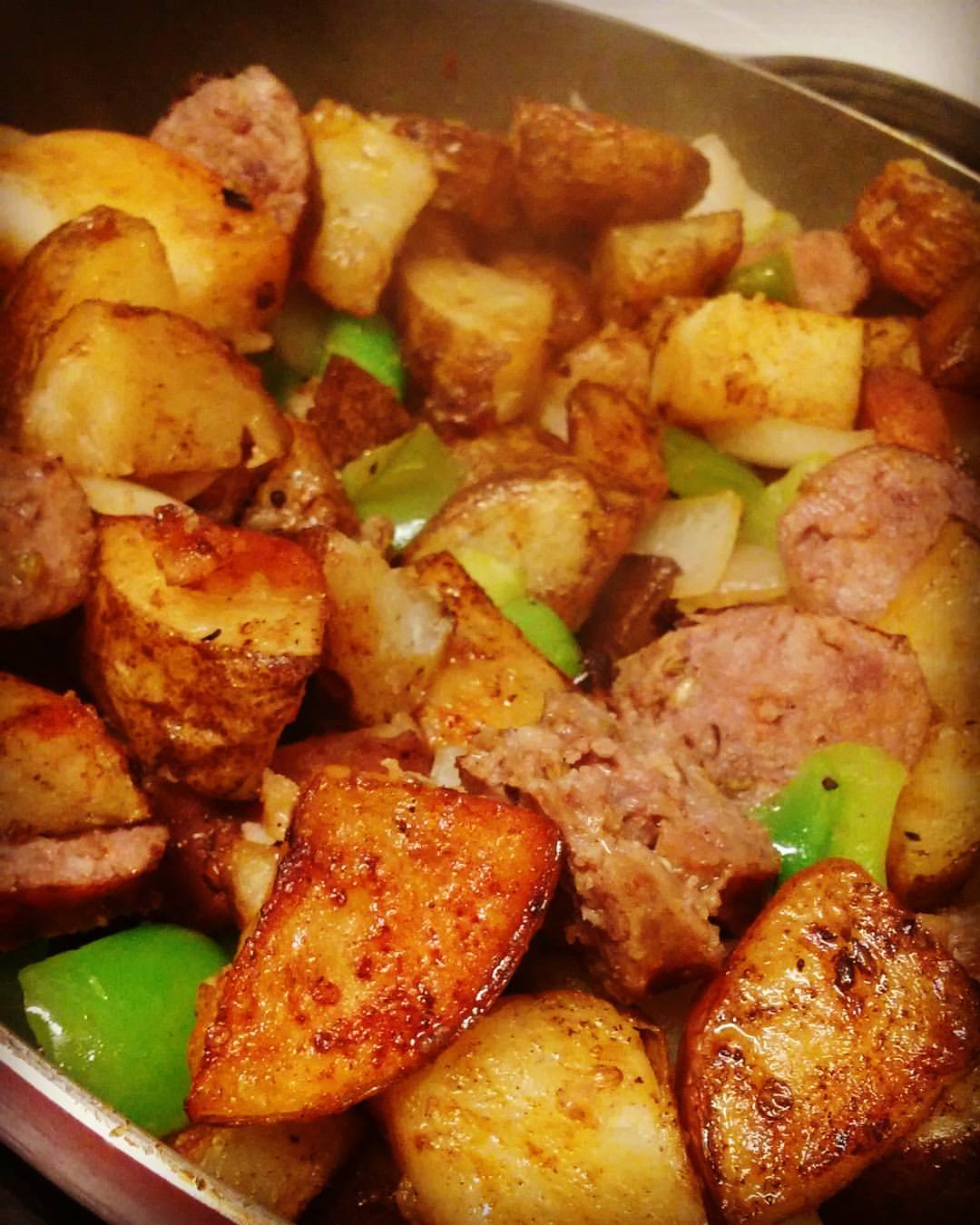
Some camping meals become favorites because they’re simple.
This is one of them.
Slice smoked sausage into rounds and cook until lightly browned. Add diced potatoes, onions, and bell peppers with a little oil. Cover the pot so the potatoes soften faster, then season with smoked paprika, garlic powder, salt, and pepper.
The sausage adds plenty of flavor, so you don’t need a long ingredient list.
Pro tip: Cut potatoes into small cubes before leaving home. They’ll cook much faster at camp.
4. Taco Rice Bowls
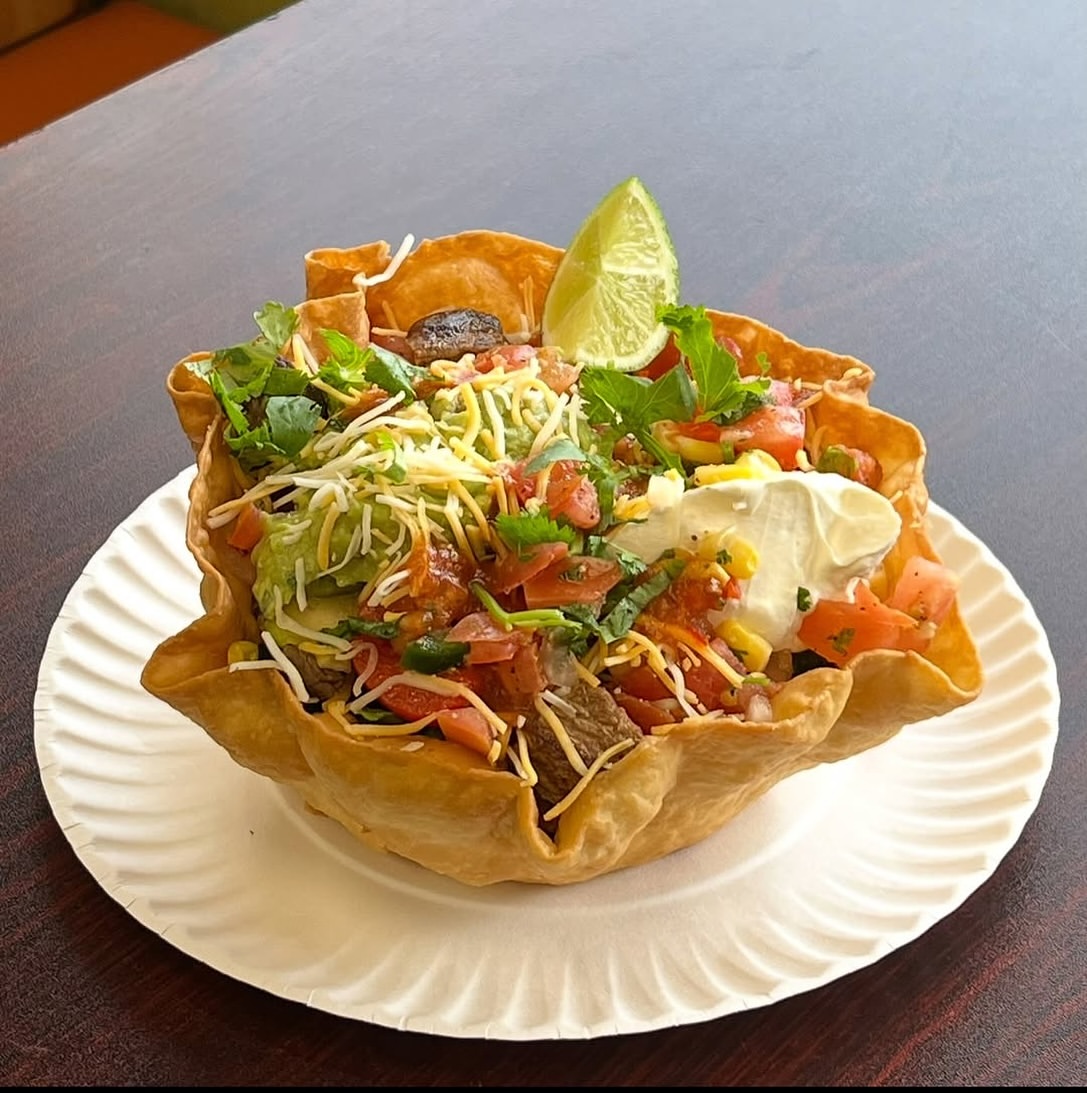
This meal comes together so quickly that it often becomes the first-night dinner on my trips.
Brown ground beef or turkey with taco seasoning. Stir in uncooked rice, broth, black beans, corn, and salsa. Once the rice is tender, top everything with shredded cheese and crushed tortilla chips for a little crunch.
Everyone can customize their own bowl with hot sauce, avocado, or sour cream.
It’s an easy way to keep everyone happy without making separate meals.
5. One-Pot Mac and Cheese with Broccoli
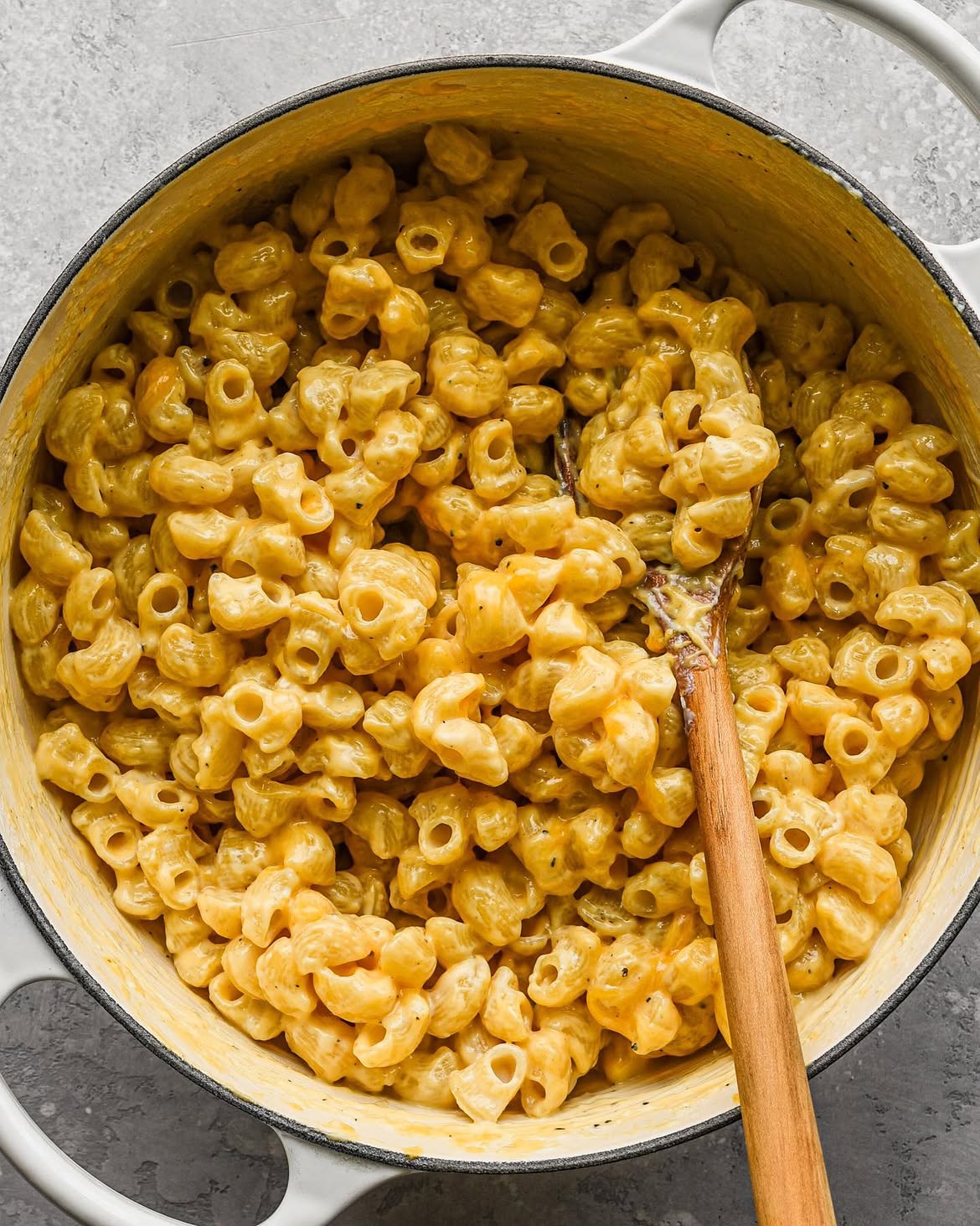
Comfort food always tastes better outside.
Cook macaroni directly in milk and broth until nearly tender. Stir in shredded cheddar and small broccoli florets during the last few minutes.
The broccoli softens just enough while keeping a little bite.
Extra flavor: Sprinkle crispy bacon pieces on top if you have them.
6. Vegetable Coconut Curry
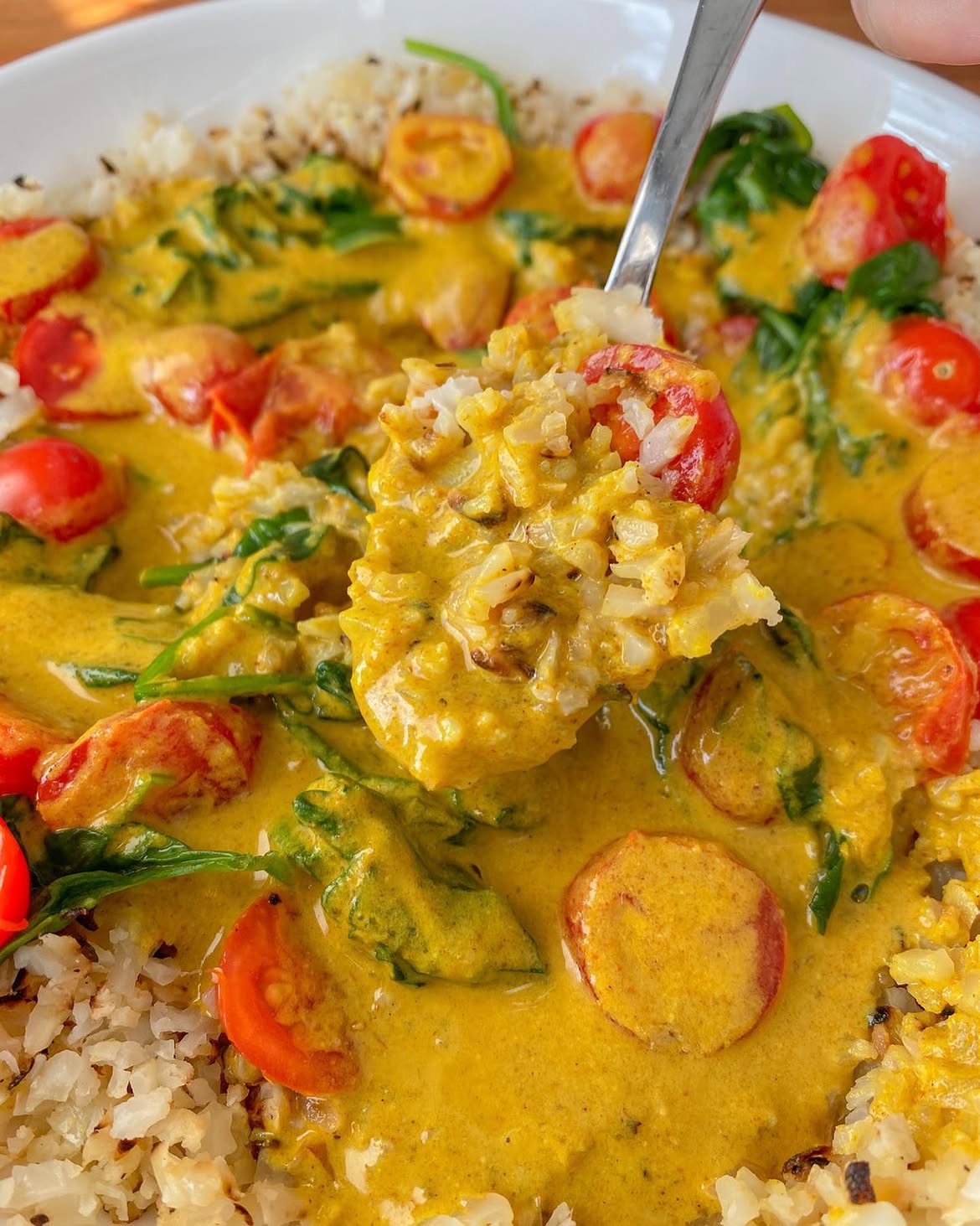
Not every camping dinner needs meat.
This curry is warm, filling, and packed with vegetables.
Cook onion first, then add garlic, carrots, bell peppers, chickpeas, curry powder, coconut milk, and a little broth. Simmer until the vegetables soften, then serve over cooked rice or stir rice directly into the pot if there’s enough liquid.
It’s one of those meals that feels comforting after a cool evening hike.
7. Shortcut Campfire Jambalaya
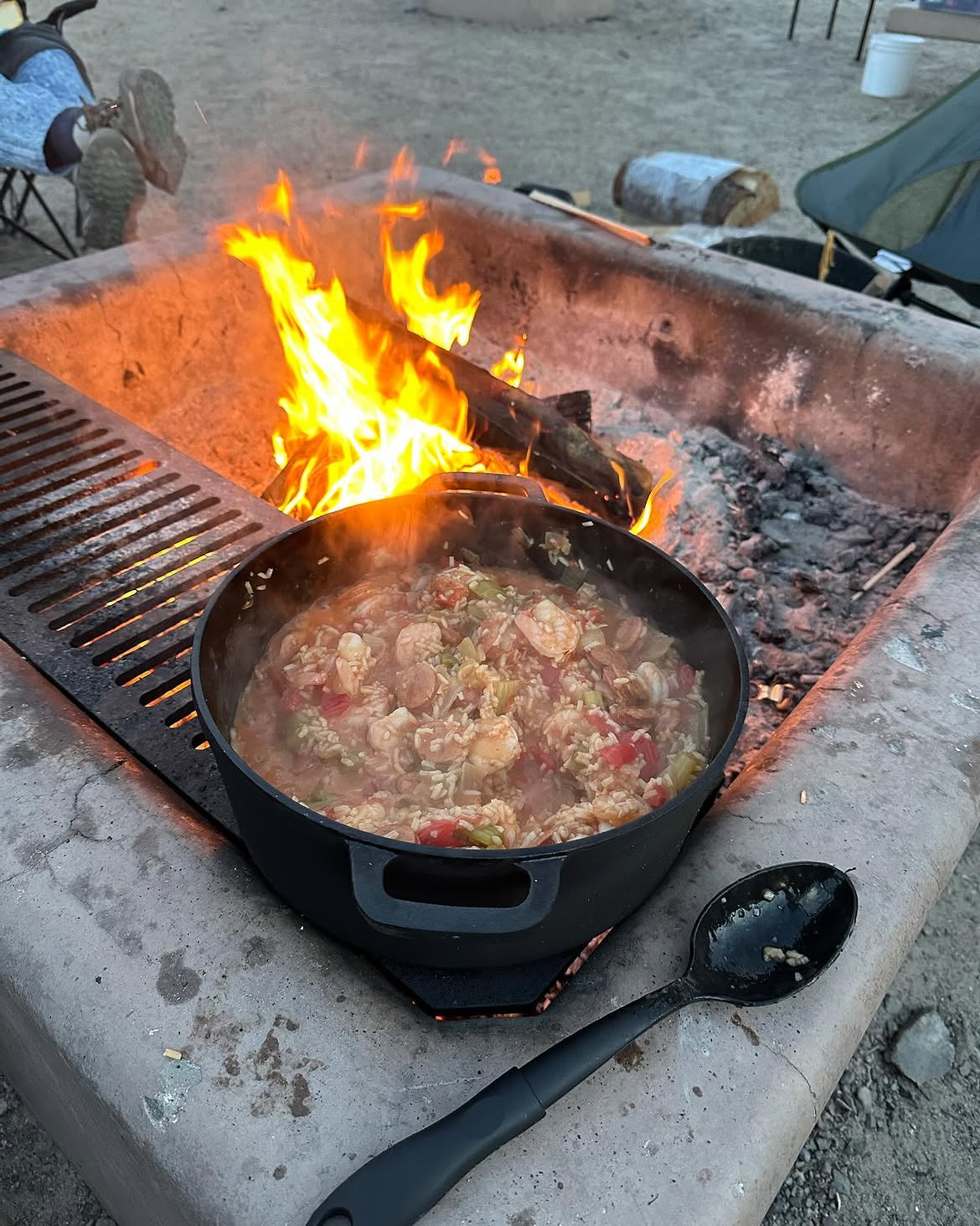
Traditional jambalaya can take time.
This camping version keeps things simple.
Slice smoked sausage and cook it with onion and bell pepper. Add quick-cooking rice, canned diced tomatoes, broth, Cajun seasoning, and cooked shrimp during the last few minutes.
You’ll still get the smoky, spicy flavors without spending an hour tending the pot.
8. Beef Stroganoff Pasta
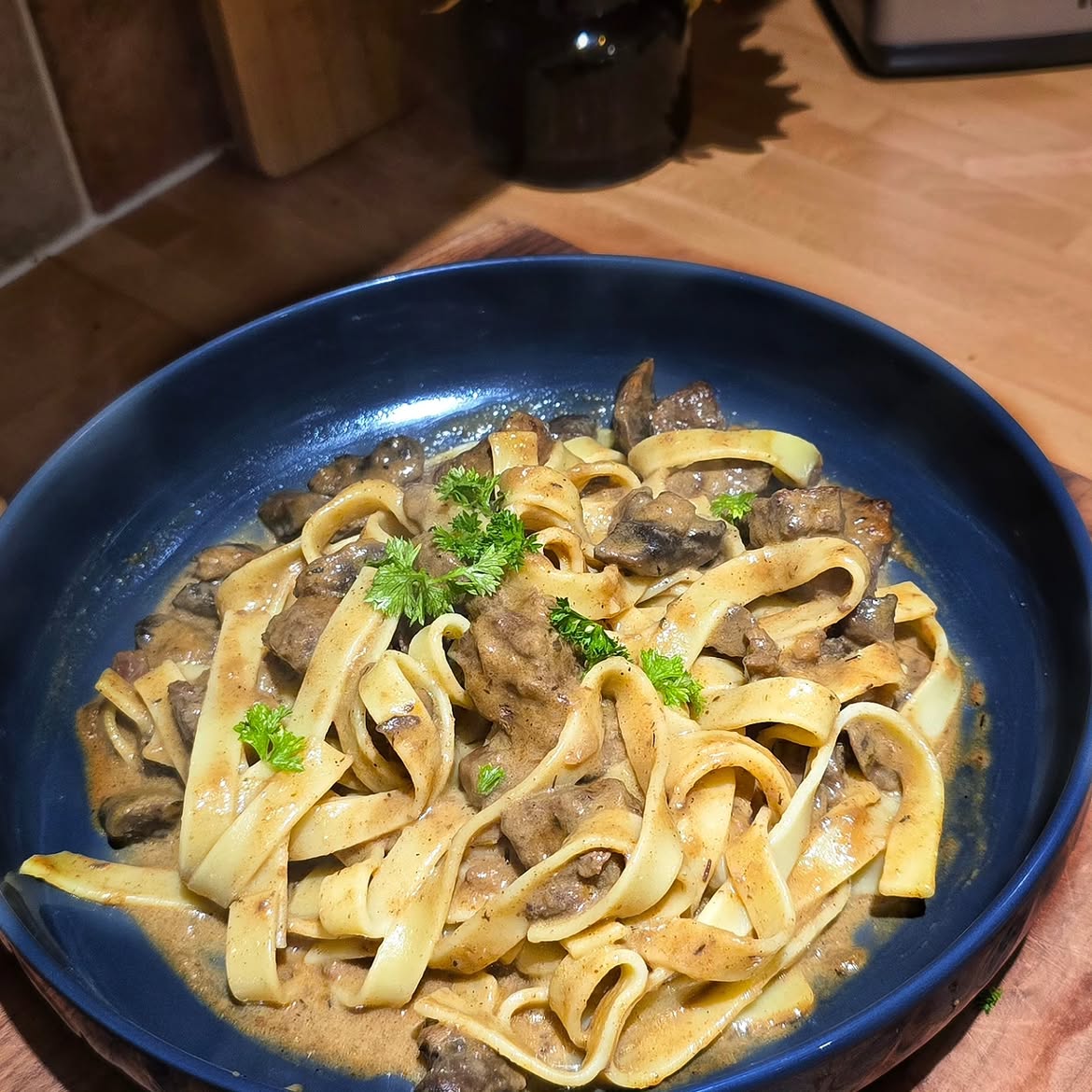
This recipe has become one of my favorite cool-weather camping dinners.
Brown ground beef with onions and mushrooms. Add broth and egg noodles, then simmer until the noodles are tender.
Finish with sour cream and black pepper.
Everything comes together in one pot, yet it tastes like something you’d make at home after a long day.
9. Breakfast Hash with Eggs
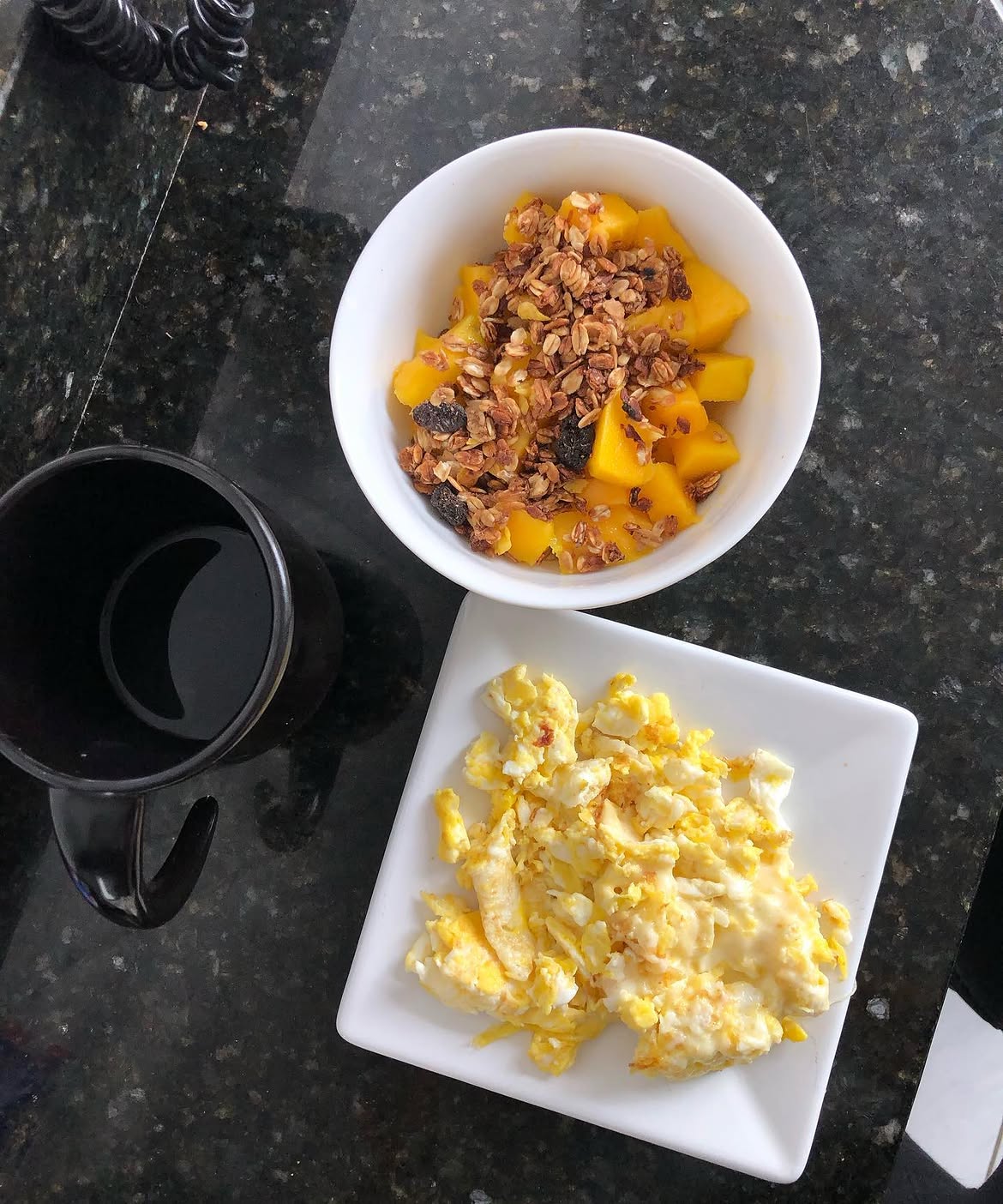
Breakfast doesn’t need to be complicated.
Cook diced potatoes with onions and sausage until everything starts turning golden. Make a few small wells in the mixture, crack eggs into them, then cover the pot until the eggs reach your preferred doneness.
Top with shredded cheese and chopped green onions if you packed them.
It’s hearty enough to fuel a full day outdoors.
10. Lemon Garlic Orzo with Chicken
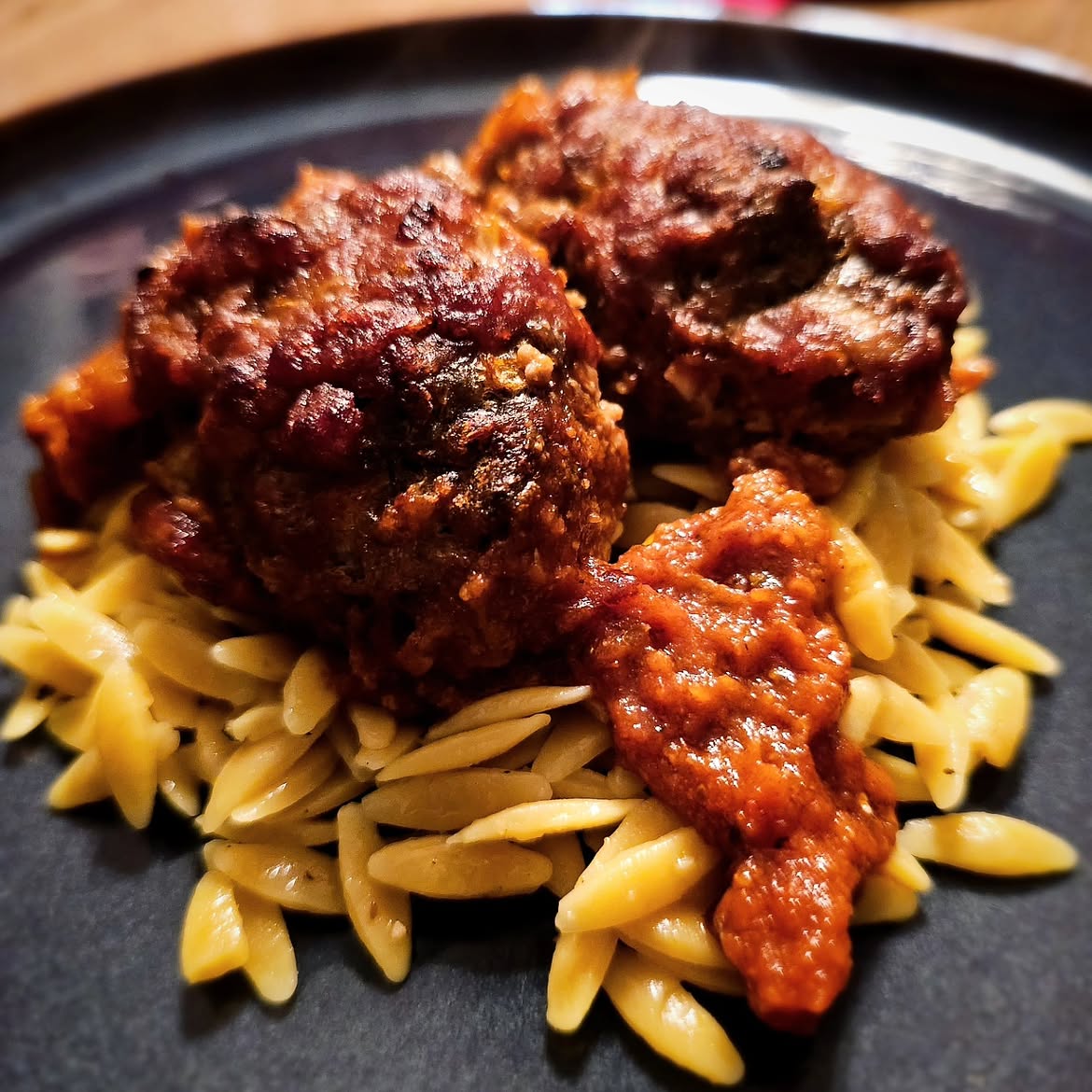
This meal feels surprisingly fresh after several days of camping.
Cook chicken pieces until lightly browned. Stir in garlic, dry orzo, broth, and a squeeze of fresh lemon juice. Once the orzo becomes tender, finish with grated Parmesan and chopped parsley.
The bright lemon cuts through the richness, making the meal feel lighter than many traditional camping dinners.
It’s a great choice when you’re craving something other than chili or pasta.
Cleaning Up Without Spending 20 Minutes Scrubbing
Nobody wants to end a great evening by standing over a picnic table scrubbing a burnt pot.
The good news is that cleanup is usually easy if you think about it while you’re cooking.
One habit that has saved me countless minutes is keeping enough liquid in the pot. Whether you’re making pasta, rice, or chili, food is much less likely to stick when there’s enough broth or water and you give it an occasional stir.
As soon as everyone finishes eating, pour a little warm water into the pot while it’s still warm. Let it sit for a few minutes, then use a wooden spoon or spatula to loosen any food stuck to the bottom. It’s much easier than waiting until everything hardens.
If there’s a lot of grease, wipe the pot with a paper towel before washing it. That keeps your wash water cleaner and makes the rest of the job much faster.
I also like heating a small pot of water while we’re finishing dinner. Warm water cuts through food residue much better than cold water, especially after creamy pasta dishes or cheesy meals.
Pack a small scrub pad, biodegradable dish soap, and a quick-drying towel with your camp kitchen. They take almost no space, yet they make cleanup far less frustrating.
Once the dishes are clean, don’t forget the rest of your cooking area.
The National Park Service recommends cleaning food scraps promptly, storing food in sealed containers, and washing cookware before putting it away. Those simple habits help keep campsites clean and reduce the chance of attracting wildlife. You can read more in the National Park Service’s guide to cooking safely in camp.
A few extra minutes of cleanup means you’ll wake up to an organized campsite instead of yesterday’s mess.
Conclusion
Great camping meals don’t have to be complicated.
In fact, the simpler they are, the more you’ll enjoy the experience.
A single pot, a handful of fresh ingredients, and a little preparation at home are enough to cook meals that are warm, filling, and satisfying after a day outdoors. You won’t spend half the evening washing dishes or searching through your cooler for missing ingredients.
If you’re heading out on your first camping trip, start with just one or two recipes from this guide. Once you’ve made them once, you’ll feel comfortable swapping ingredients, trying new flavors, and building your own camping favorites.
That’s what I love most about one-pot cooking.
It gives you more time to enjoy the reason you went camping in the first place. Watch the sunset. Sit around the campfire a little longer. Share a meal with the people beside you.
The memories you’ll take home won’t be about the pot you cooked in. They’ll be about the moments you made around it.
Also read:
35 Make-Ahead One-Pot Meals I Swear By on Every Camping Trip