Water Lantern Festival Ideas That Feel Straight Out of a Dream
The first water lantern festival I attended almost didn’t happen.
Rain clouds rolled in about an hour before sunset. People around me started folding camping chairs, stuffing blankets into tote bags, and checking weather apps every few minutes while the lake turned dark gray under the wind.
It felt like the entire night was slipping away before it even started.
Then the rain stopped.
Not dramatically. Just quietly.
The sky stayed heavy and soft while tiny lights slowly flickered on along the shoreline. Someone nearby wrapped warm string lights around a picnic basket. A little farther down, a couple sat cross-legged near the water passing paper lanterns back and forth without saying much.
And once the first lantern touched the lake, everything changed.
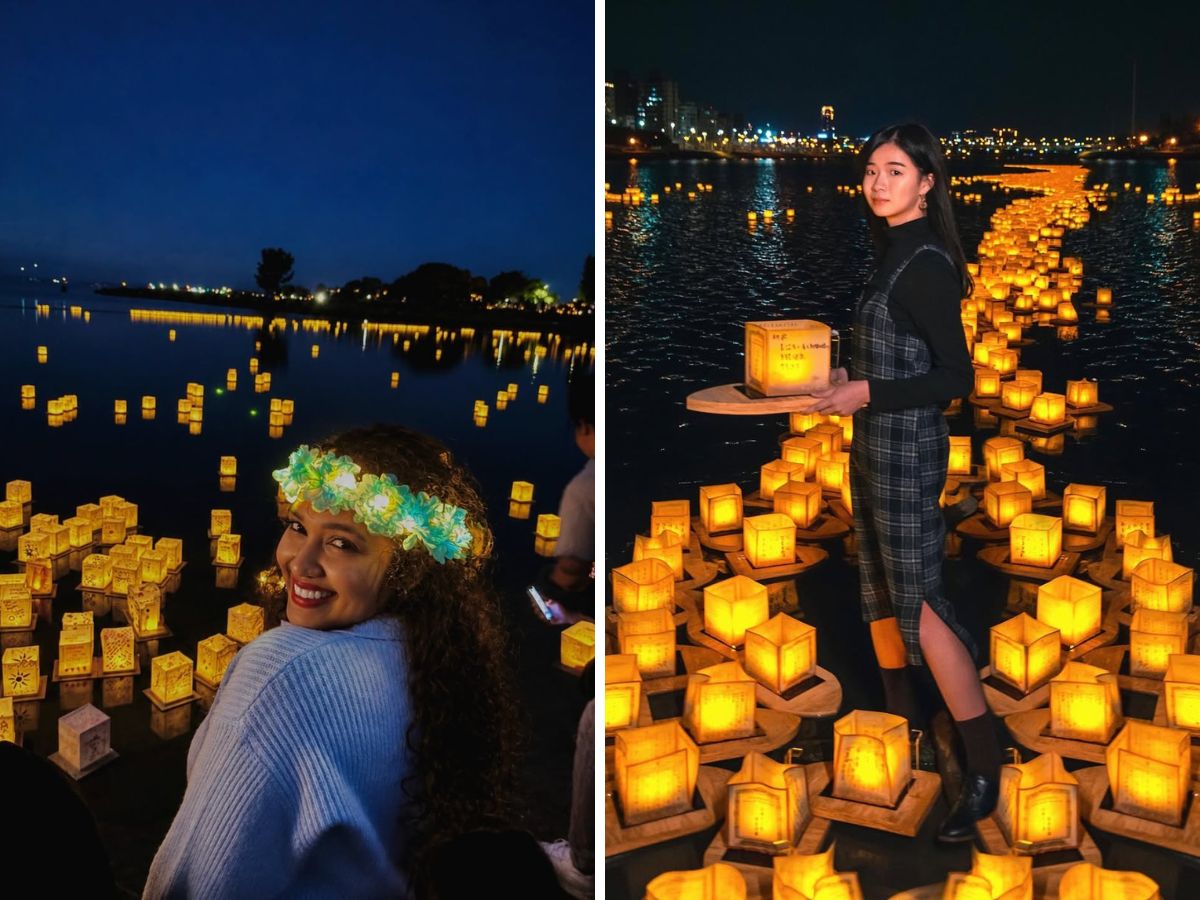
The water turned gold in pieces. Reflections stretched across tiny ripples like moving paint. Conversations softened. Even people walking along the shoreline started slowing down without realizing it.
That was the moment I understood why some water lantern nights stay with people for years.
It usually has very little to do with the lanterns themselves.
The atmosphere is what people remember.
The soft lighting. The calm water. The warm drinks after sunset. The way the reflections move when the wind finally settles down. Even the tiny details, like where blankets are placed or what color lights you use, shape the entire feeling of the night.
I’ve been to lantern festivals that felt magical with barely any decorations at all.
I’ve also seen expensive setups feel strangely forgettable because the lighting was too harsh, the music was too loud, or the shoreline felt overcrowded.
That’s why creating a dreamy water lantern night is less about spending money and more about knowing which details actually matter.
Here’s what I’ve learned from attending them, photographing them, and recreating smaller versions myself over the years.
Why Water Lantern Festivals Feel So Magical
Most people think the lanterns are the reason these nights feel emotional.
They help, obviously. But that’s rarely the full story.
The real magic usually comes from contrast.
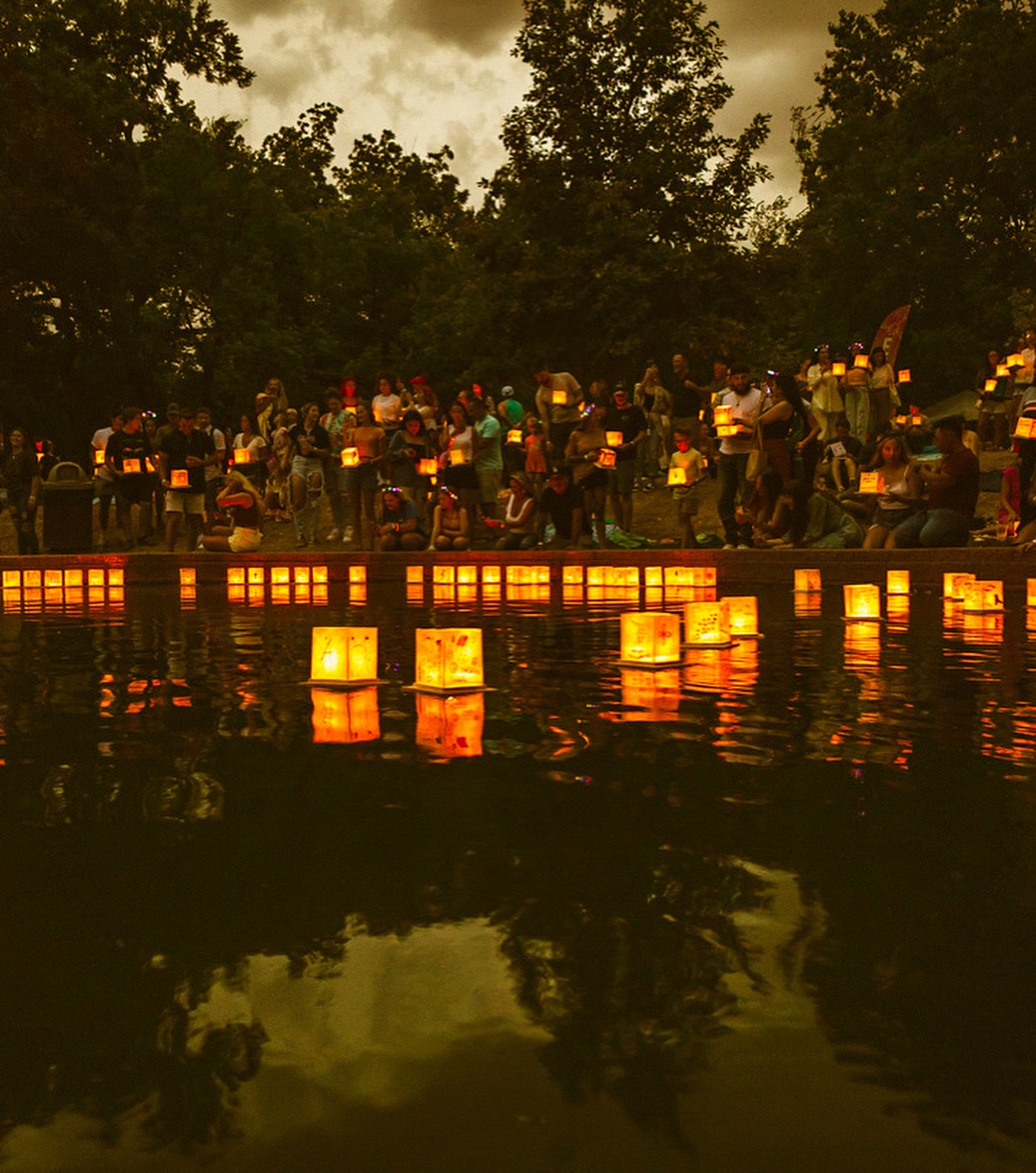
Warm glowing light against dark water instantly changes the pace of everything around you. Conversations get quieter. People stop checking their phones as often. Your eyes naturally drift toward reflections, tiny ripples, candle movement, and soft shadows near the shoreline.
It feels slower in the best possible way.
I noticed this most during a lantern event near Chiang Mai where almost nobody seemed rushed. Families stayed seated near the water long after their lanterns floated away. A little girl nearby kept dipping her fingers into the lake while her parents watched reflections move across the surface without saying much at all.
Nobody seemed eager to leave.
That slower feeling is part of why these festivals stay with people long after the night ends.
In its coverage of Loy Krathong celebrations, Lonely Planet describes how homes and temples glow with paper lanterns while people gather together to release floating lights into the water. Once you experience that atmosphere in person, it makes complete sense.
And honestly, the more I attend these events, the more I realize people remember the feeling far more than the lanterns themselves.
That feeling starts with one thing before anything else.
Location.
Pick the Right Location Before Anything Else
I learned this lesson after trying to set up near a windy waterfront one year.
The lanterns drifted sideways almost immediately. Reflections disappeared within seconds. Half the candles blew out before they even reached the center of the water while people nearby scrambled to relight them against the wind.
The entire mood changed fast.
Since then, I always search for calmer water first.
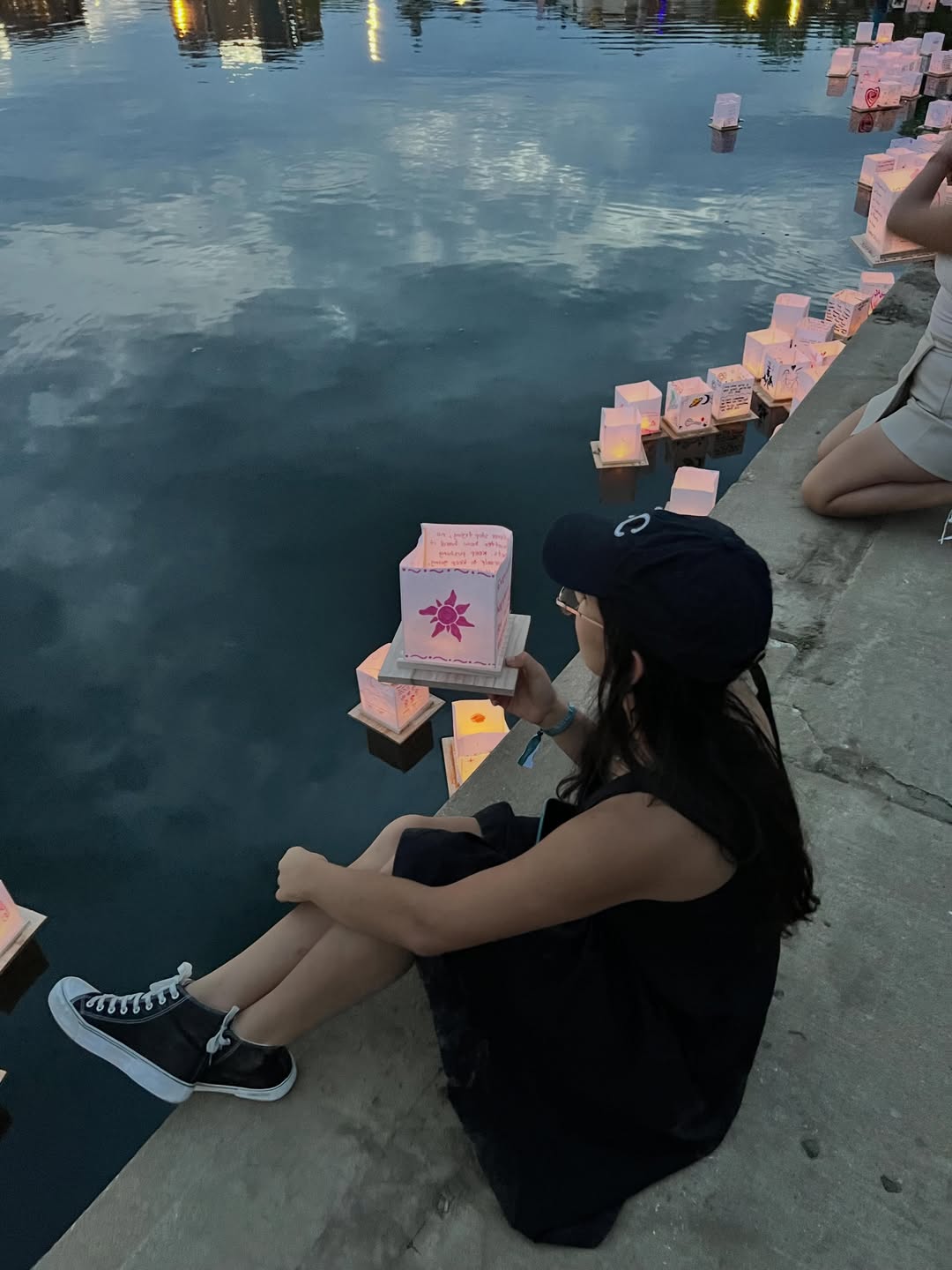
Small lakes, ponds, quiet marinas, and protected shorelines usually create a much softer atmosphere than large open waterfronts. Calm water holds reflections longer, which makes lanterns look brighter and photos feel dreamier without needing much editing afterward.
And timing matters just as much as location.
Arriving before sunset changes the whole experience. You get time to settle in slowly instead of rushing through setup in the dark. You can watch the sky shift colors while lights begin reflecting across the water one by one.
That transition period right before nightfall is usually the prettiest part of the evening.
One thing that surprised me was how much shoreline placement changes the atmosphere too. Areas close to speakers, parking lots, or food stalls usually feel louder and more chaotic than they appear online.
Meanwhile, quieter corners near docks, trees, or smaller inlets often feel calmer almost instantly.
I started choosing spots based on sound instead of views alone.
If the water feels peaceful before the lanterns even launch, the entire night usually flows better afterward.
And once the location feels right, lighting becomes the next thing people notice without realizing it.
Use Warm Lighting Everywhere Around the Water
This is where many lantern setups quietly fall apart.
Bright white lighting changes the mood almost immediately. It flattens reflections, washes out candle glow, and makes nighttime photos feel cold instead of soft.
Warm lighting does the opposite.
I usually bring battery-powered fairy lights, small lantern candles, and low table lighting that stays close to the ground. Once those lights begin reflecting across water, the entire shoreline starts feeling calmer without needing elaborate decorations.
One year I wrapped warm string lights around a picnic basket almost as an afterthought. By the end of the night, people kept stopping beside it to take photos because the glow reflected beautifully against the water behind it.
Tiny details carry surprising weight at night.
And honestly, less lighting often looks better than too much.
The dreamiest lantern setups usually leave parts of the shoreline darker so the lantern reflections stay visually soft instead of overly bright. Little pockets of shadow actually help the warm glow stand out more.
I also started avoiding overhead lighting whenever possible. Ground-level candles, lantern trays, and low string lights create much gentler reflections than lights hanging directly above people’s faces.
The difference shows up immediately in photos.
Then comes the detail most people overlook completely.
Color.
Choose Lantern Colors That Match the Mood
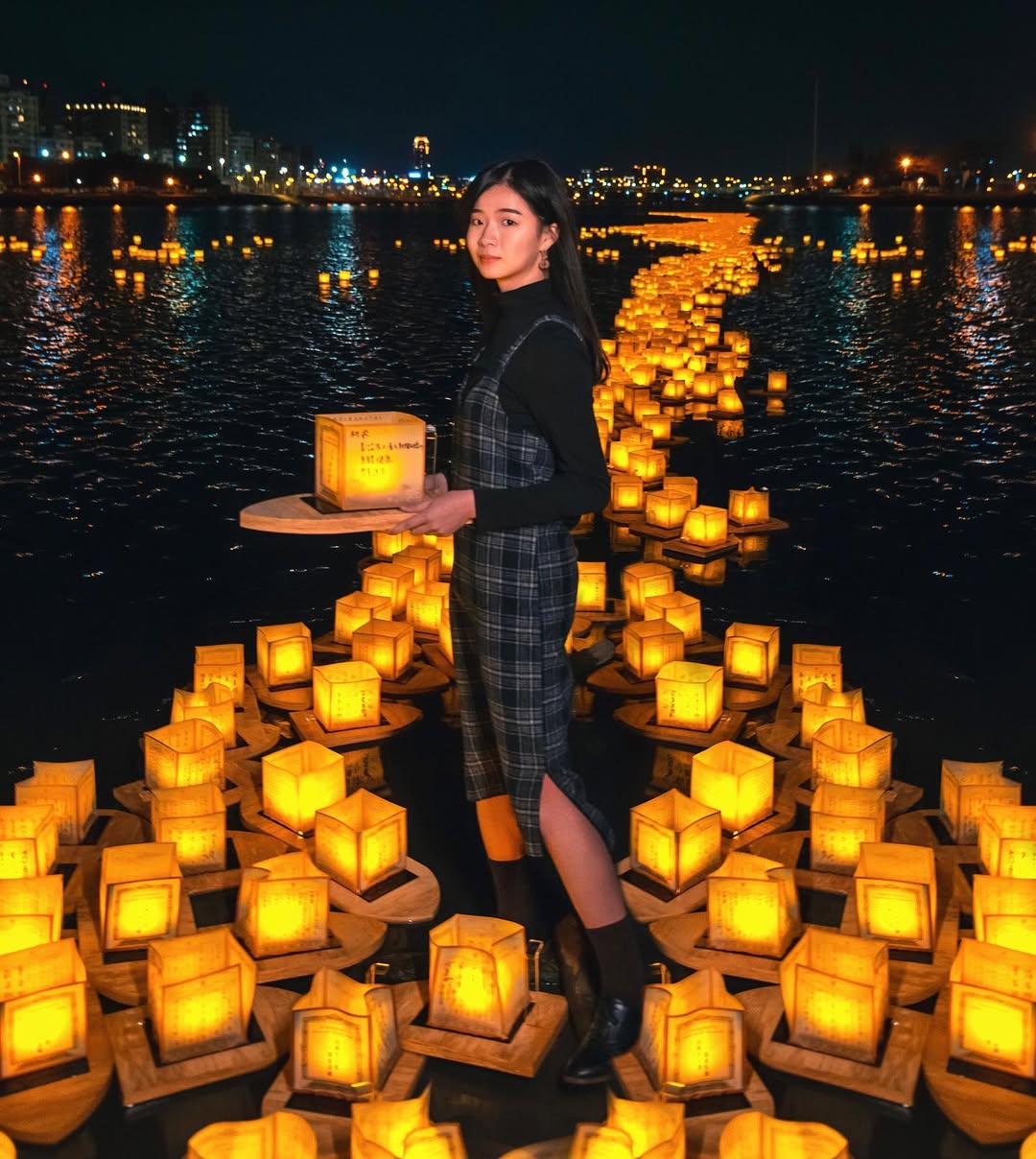
Too many bright colors can make even beautiful lantern setups feel visually noisy.
Soft tones almost always photograph better at night.
White lanterns create the cleanest reflections across water. Warm gold tones feel cozy and cinematic. Pale blush, soft cream, muted sage, and sandy beige tones usually blend beautifully with candlelight without competing against it.
I once attended a small lantern gathering where nearly everything stayed within warm neutral shades. Beige picnic blankets. White lanterns. Linen clothing. Amber candlelight glowing near the shoreline.
Nothing about it felt expensive.
But the entire setup looked calm, soft, and strangely memorable in person.
That night completely changed how I think about color palettes outdoors.
I realized people rarely remember individual decorations. They remember the overall feeling the colors created together.
Even clothing affects the atmosphere more than most people expect. Bright neon colors tend to bounce strangely under nighttime lighting while softer fabrics like linen, cotton, and satin catch warm lantern light in a much gentler way.
Flowy fabrics also create beautiful movement near water once the evening breeze picks up.
And once the colors start feeling connected, the entire night begins feeling more intimate without needing much extra effort at all.
Add a Floating Wish or Message Station
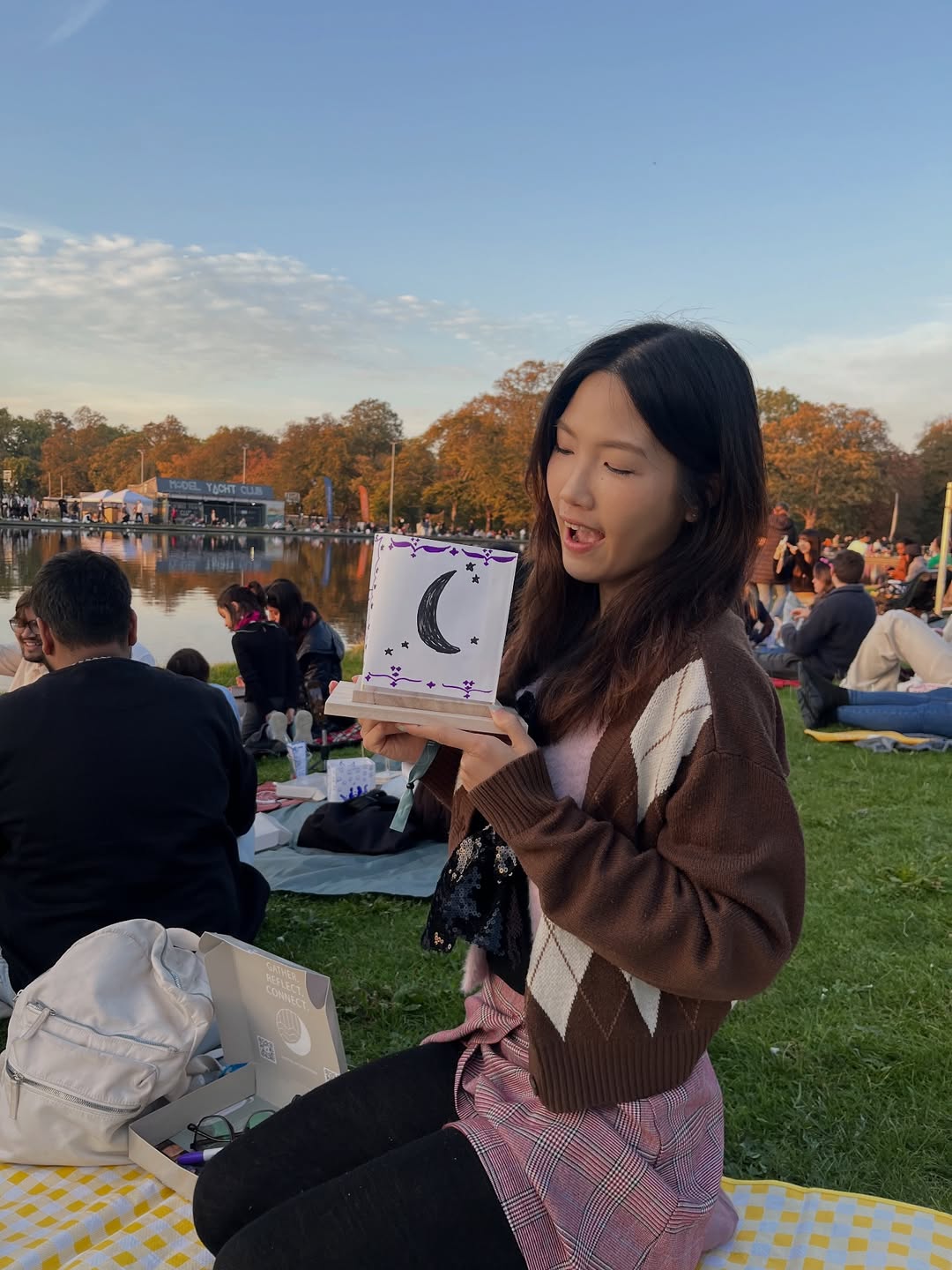
This might be my favorite part of any lantern night.
Everything changes once people are asked to write something meaningful before releasing a lantern into the water.
The energy softens almost immediately.
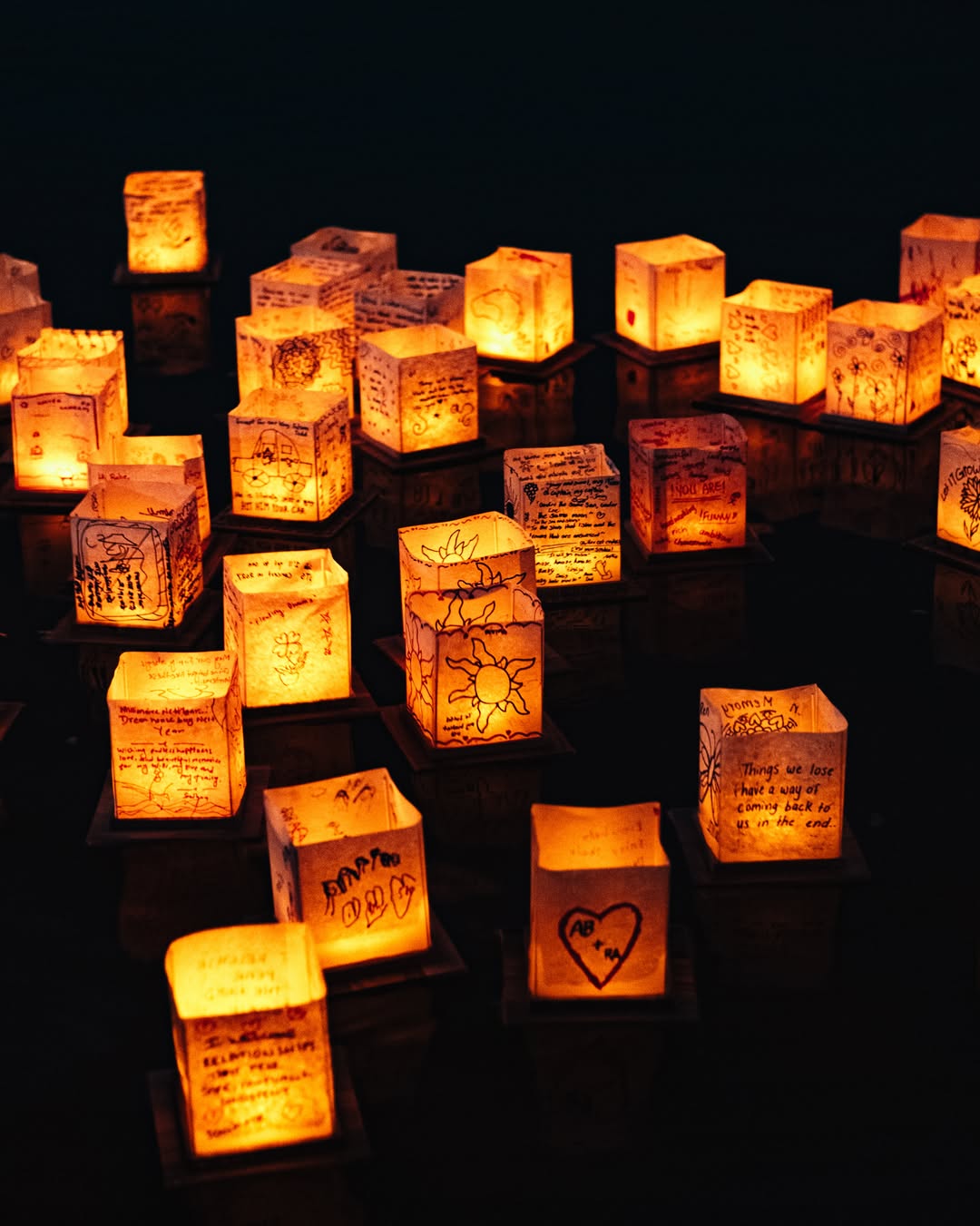
I’ve watched guests write future travel dreams, quiet thank-you notes, memorial messages, relationship promises, and tiny reminders to themselves they probably needed more than anyone else realized. Some people fold their notes carefully. Others stare at the paper for five full minutes before writing a single sentence.
Those small pauses become part of the atmosphere too.
One couple near me once exchanged handwritten letters without reading them out loud until after their lanterns floated away. Nobody around them knew what the notes said, but somehow the entire shoreline became emotional anyway.
That’s the kind of memory people carry home long after the lanterns disappear.
According to the Tourism Authority of Thailand, Loy Krathong celebrations often include symbolic wishes connected to gratitude, reflection, and renewal. Once you experience that feeling in person, it becomes obvious why these traditions stay meaningful for generations.
And honestly, this part does not need an elaborate setup.
One small table with handwritten cards, soft lighting, and a few pens near the shoreline is usually enough to shift the mood of the entire evening.
I also started noticing that people tend to stay longer once there’s something personal tying them to the experience.
The lantern becomes more than decoration at that point.
It starts feeling attached to a memory.
Create Smaller Seating Areas Instead of One Giant Crowd
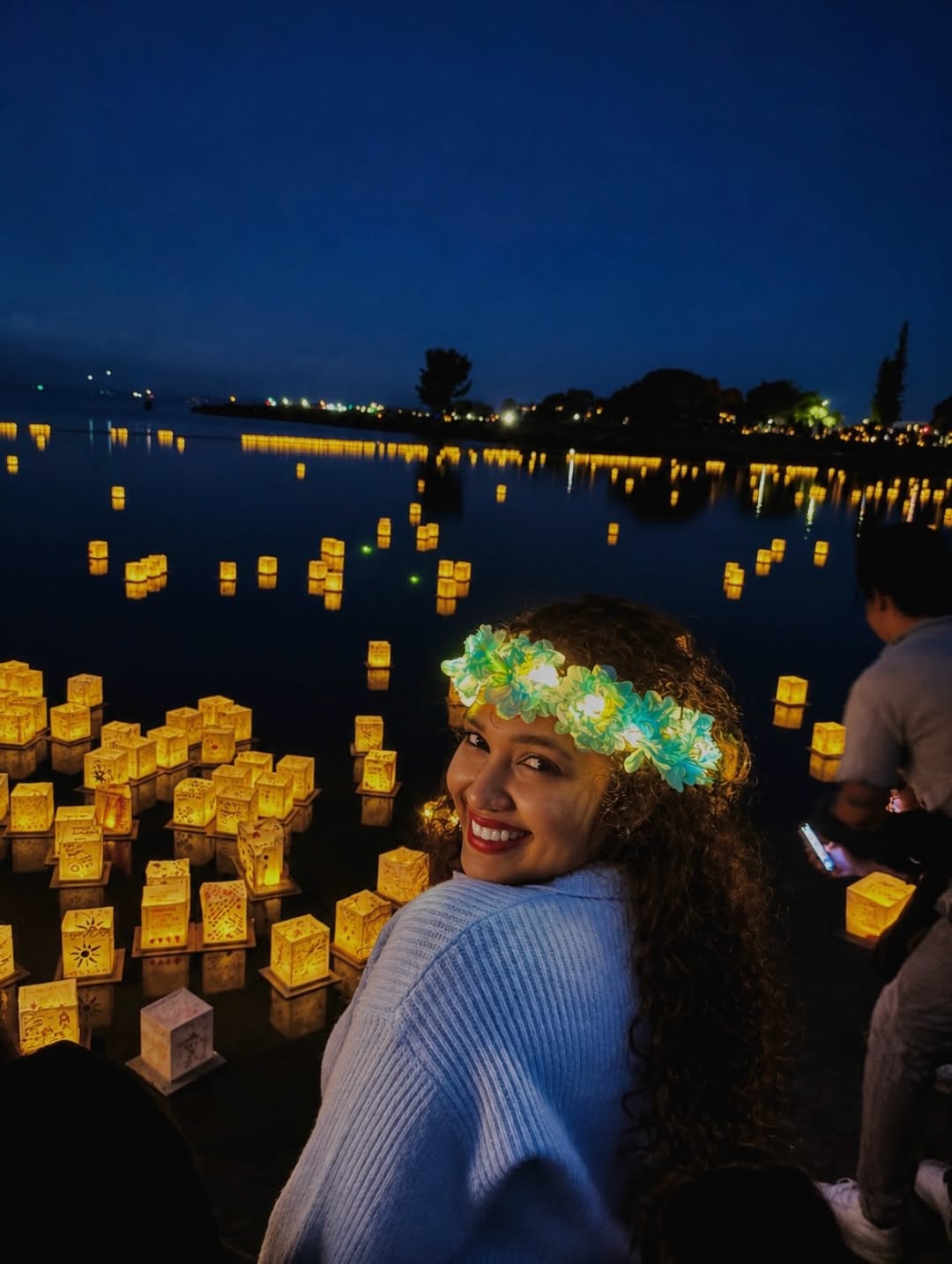
Large open seating layouts usually feel colder than people expect.
Smaller spaces almost always feel warmer.
I realized this after attending a lantern gathering where everyone sat in one massive row facing the water. It looked organized from a distance, but the atmosphere felt strangely disconnected. People launched lanterns, took a few photos, and left within minutes.
The following year, the organizers changed almost everything.
Instead of one large seating area, they created smaller blanket clusters tucked around the shoreline with floor cushions, lantern trays, folded throws, and tiny candle groupings between guests.
People stayed for hours.
Some sat cross-legged sharing desserts while others leaned back quietly watching reflections move across the water. Conversations felt softer because groups naturally spread out instead of competing against crowd noise.
That one layout change completely shifted the mood of the night.
Now whenever I recreate smaller lantern gatherings myself, I stop thinking about “maximum seating” and start thinking about comfort instead.
Layered blankets feel better than rows of chairs. Low picnic tables keep everything visually softer near the ground. Woven rugs, floor cushions, and warm throws make people settle in instead of standing around awkwardly checking their phones.
And honestly, smaller spaces usually work better anyway.
Some of the dreamiest lantern setups I’ve ever seen happened in tiny backyard corners beside shallow ponds, stock tank pools, or narrow garden water features with only a handful of people gathered nearby.
Those smaller spaces force everyone to slow down and notice details.
The sound of water becomes clearer. Candlelight feels warmer. Even tiny reflections start standing out more.
That intimacy is what people remember.
Food and Drinks That Match the Atmosphere
Heavy meals rarely fit the mood of a lantern night.
People move constantly during these gatherings. They wander toward the shoreline, stop for photos, carry lanterns carefully through the dark, and drift between conversations all evening long.
Lighter food simply works better.
I usually lean toward warm drinks, pastries, fruit trays, small desserts, tea stations, and snack boards people can grab casually without interrupting the flow of the evening.
One thing I didn’t expect at first was how much warm drinks change the atmosphere after sunset.
The second hot tea or cider starts circulating through a group, people naturally settle in longer. Conversations slow down. Hands stay warm near cups while candlelight reflects across the water nearby.
That cozy feeling becomes part of the experience itself.
At one lantern gathering, someone served hot jasmine tea in clear glass cups while acoustic music played quietly near the shoreline. The steam rising through the lantern reflections looked beautiful enough that people kept photographing their drinks before even touching them.
Tiny details carry surprising emotional weight at night.
I also started avoiding foods that feel messy, loud, or overly heavy outdoors. Lantern nights usually feel calmer with softer textures and lighter snacks people can eat slowly while moving around comfortably.
And once the lighting, seating, and food begin working together, the photos almost start taking themselves.
Water Lantern Festival Photo Ideas People Actually Save

The best lantern photos usually happen before anyone starts posing.
Candids almost always feel stronger.
I learned this after spending nearly an entire evening trying to stage perfect shots that somehow looked lifeless compared to the tiny moments happening naturally around me. Someone laughing softly beside candlelight. A lantern drifting alone across dark water. Reflections stretching and breaking apart under tiny ripples near the shoreline.
Those moments carried emotion without trying to.
At one festival, I watched an older woman pause halfway through releasing her lantern because the candlelight reflected across her hands so beautifully that her daughter quietly pulled out a phone to photograph it. Neither of them posed. They probably forgot the photo was even taken afterward.
And honestly, that image stayed with me longer than any perfectly staged portrait from the night.
Reflection shots usually work best when your camera stays lower to the waterline instead of eye level. Tiny movements matter too. Loose sleeves, flowing dresses, linen fabrics, or long hair catching a soft evening breeze create motion that feels dreamier in low light.
I also started paying attention to what people hold in their hands.
Warm drinks. Lantern cards. Tiny candles. Folded paper wishes.
Those details make photos feel lived-in instead of overly planned.
And if possible, avoid flash completely.
Flash tends to flatten candlelight and erase the soft shadows that make lantern nights feel emotional in the first place. The warm glow disappears almost instantly once bright artificial light hits the scene.
I usually arrive early for photos during blue hour, that short stretch after sunset when the sky still holds soft color while lantern reflections begin appearing across the water.
That window rarely lasts long.
But when the timing works, the entire shoreline starts looking unreal in the best possible way.
Still, even the dreamiest setup loses its magic quickly when people forget one thing afterward.
The water itself.
Eco-Friendly Water Lantern Ideas That Respect the Water
Beautiful lantern nights can still leave behind damage if nobody plans ahead.
I’ve walked past shorelines the morning after festivals where soaked paper lanterns, plastic pieces, and candle remains had washed into reeds along the edge of the water. Seeing that after such a peaceful night changes how you think about these events completely.
Now I pay attention to lantern materials before anything else.
The Water Lantern Festival says its lanterns use biodegradable paper covers, wooden bases, and reusable LED candles whenever possible. That kind of planning matters far more than most people realize before attending these events.
Cleanup matters just as much.
Reuters once reported that volunteers and students helped remove lantern debris after large festival celebrations in Taiwan, showing how quickly waste can collect once thousands of lanterns enter the water at once. You can read that coverage here.
That story stayed in my head afterward.
Now whenever I help organize smaller lantern gatherings, I keep cleanup supplies visible before lanterns even launch. Retrieval nets stay near the shoreline. Extra bags sit beside seating areas. Flameless lanterns usually replace anything with open fire if conditions feel windy or dry.
And honestly, smaller gatherings often end up feeling more peaceful anyway.
Fewer lanterns drifting slowly across calm water usually look more beautiful than overcrowded launches where everything collides within minutes.
The dreamiest lantern nights leave the water looking untouched once the lights disappear.
That part matters too.
How to Make a Small Backyard Version Feel Just as Dreamy
Honestly, you do not need a massive lake to create this atmosphere.
One of my favorite lantern nights happened in a backyard with a shallow stock tank pool surrounded by candles and floor cushions. That was the entire setup.
But the atmosphere felt incredible.
Warm string lights hung loosely overhead while acoustic music played quietly near the fence line. A small tray of pastries sat beside steaming tea while a few floating lanterns drifted slowly across the water without anyone rushing to photograph them.
At one point, everybody just stopped talking for a minute and watched the reflections move.
That calm feeling is what people actually remember.
I’ve noticed smaller lantern gatherings often feel more emotional because people naturally pay attention to details they would normally miss in larger crowds. The flicker of candlelight against glass cups. Wind moving through blankets. Water reflecting soft gold light across nearby faces.
Tiny moments start standing out more.
And smaller spaces make recreating that atmosphere surprisingly easy.
Warm lighting close to the ground usually works better than bright overhead lights. Softer fabrics instantly make outdoor seating feel cozier. Even compact water features like shallow ponds, garden fountains, or stock tank pools can create beautiful reflections once the lighting settles in after sunset.
You don’t need much.
Just enough space for people to slow down a little.
Final Thoughts
The most unforgettable water lantern nights are rarely the fanciest ones.
They’re usually the evenings where people stay longer than expected without realizing how much time passed. Where conversations soften naturally once the lanterns reach the center of the water. Where someone quietly refills their tea while reflections move across the shoreline in complete silence for a few seconds.
That feeling stays with people.
Long after the lanterns disappear.
And honestly, that’s probably why these nights feel so special in the first place.
Not because everything looked perfect.
Because for a little while, everything felt calm.