Nile River Cruise Guide: Exploring Egypt’s Most Famous River
There are some trips that stay with you long after you get home.
A Nile River cruise is one of them.
Before I visited Egypt, I expected the pyramids to be the highlight. They were incredible, of course. Yet what surprised me most was the time I spent sailing between Luxor and Aswan. Watching daily life unfold along the river gave me a completely different view of Egypt.
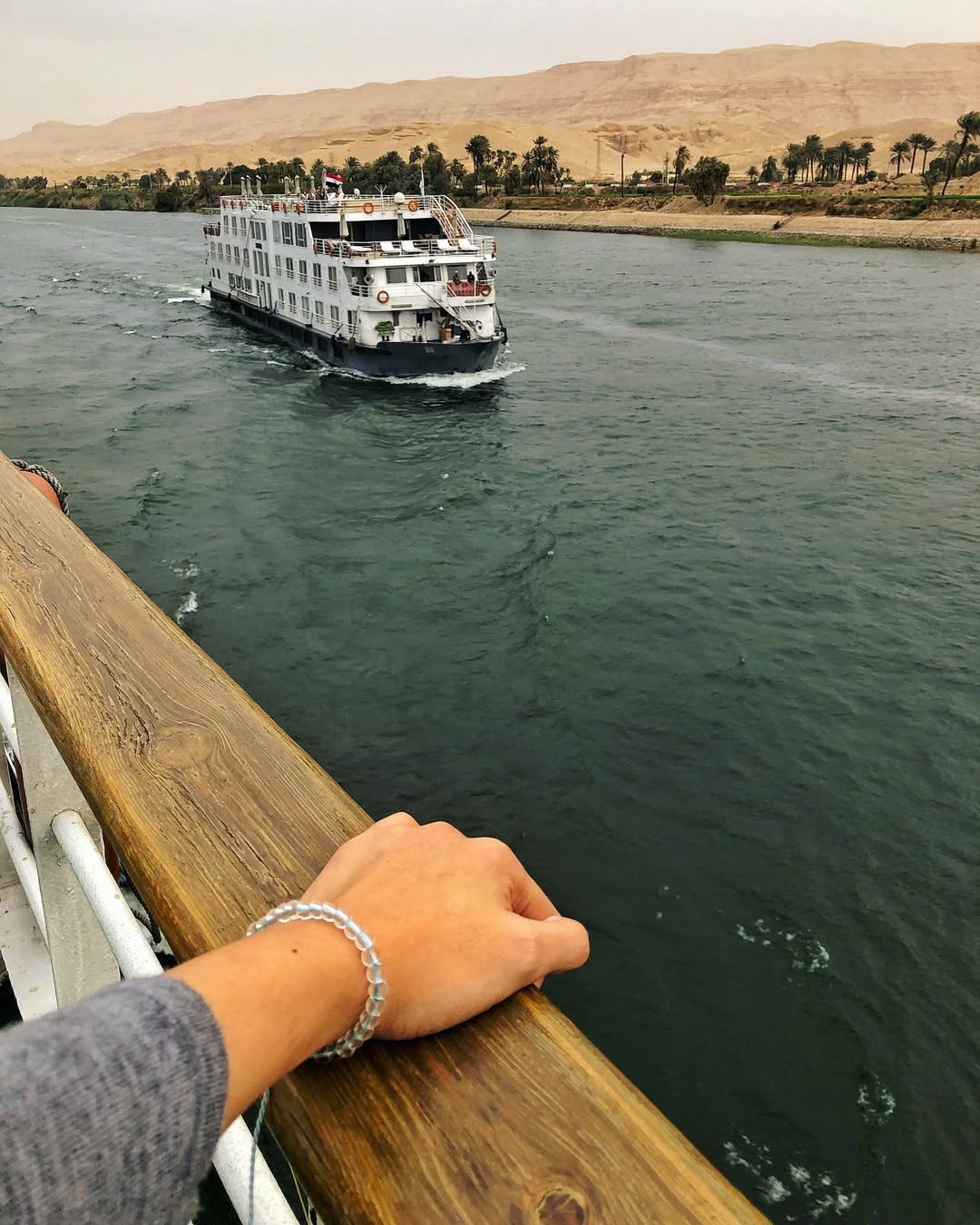
One moment I was standing inside a temple that had survived for thousands of years. A few hours later I was sitting on the deck watching fishermen glide past in wooden boats while palm trees drifted by in the distance.
That contrast is what makes a Nile cruise special.
You are not simply visiting ancient sites. You are moving through the same river corridor that connected many of Egypt’s greatest civilizations, while watching modern life continue along its banks today.
What I didn’t realize before booking was how many decisions go into choosing the right cruise. Should you book three nights or seven? Is a luxury ship worth the extra cost? Which route gives you the best experience? And what do cruise companies rarely tell first-time travelers?
Those questions matter more than most people think.
I’ve talked to travelers who left Egypt wishing they had booked a longer itinerary. Others spent extra money on cabin upgrades they barely used. Some underestimated the heat, packed the wrong clothes, or scheduled flights so tightly that travel delays created unnecessary stress before the cruise even started.
The good news is that those mistakes are easy to avoid when you know what to expect.
In this guide, I’ll walk you through the routes, cruise lengths, costs, cabins, best times to visit, packing tips, and small details that can make the difference between a good Nile cruise and an unforgettable one.
If a Nile River cruise is on your travel wish list, this is everything I wish I had known before stepping onboard.
Why a Nile River Cruise Is One of the Best Ways to See Egypt
Many first-time visitors arrive in Egypt with a long list of places they want to see.
Luxor.
The Valley of the Kings.
Karnak Temple.
Philae Temple.
Edfu.
Kom Ombo.
At first glance, visiting them all sounds simple.
Then you start looking at maps.
Many of Egypt’s most famous archaeological sites sit along the Nile. Reaching them independently often means arranging transportation, changing hotels, and spending more time moving between destinations than you expected.
A cruise removes much of that work.
Instead of packing and unpacking every couple of days, your room travels with you.
That may sound like a small thing until you’re standing in a hotel lobby at 6 a.m. waiting for a transfer.
I noticed the difference almost immediately. Each morning I could focus on the experience ahead rather than checking out, loading bags into a vehicle, and figuring out the next step.
According to Lonely Planet’s guide to cruising the Nile, the Luxor-to-Aswan route remains the classic Nile journey because it connects many of Egypt’s most famous sites in one trip.
The other thing that surprised me was the pace.
Egypt can feel intense at times. There is so much to see and so much history packed into a relatively small area. The hours spent sailing gave me a chance to slow down and absorb it all.
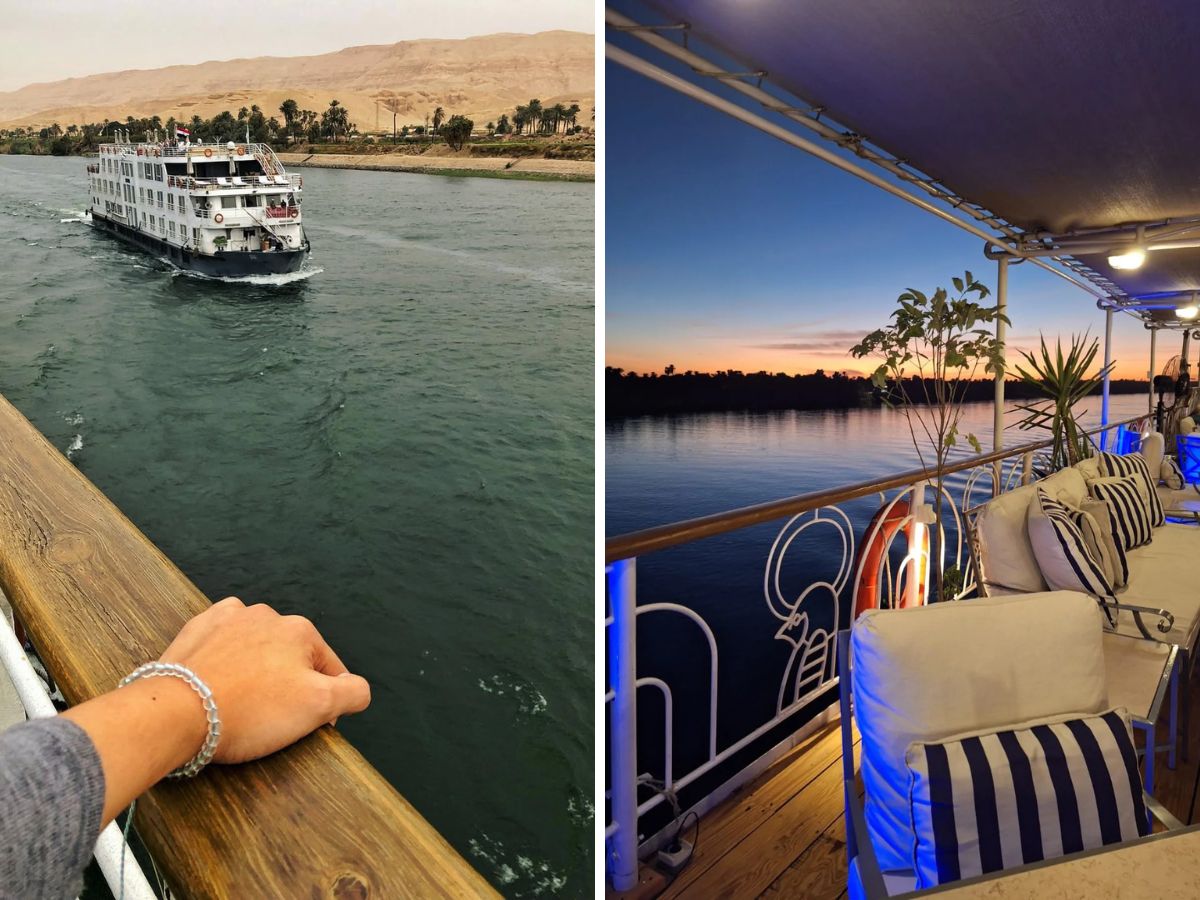
One afternoon I grabbed a chair on the upper deck with no plans other than watching the river. Farmers worked fields beside the water. Children waved from passing boats. Date palms lined the shoreline.
Those quiet moments became some of my favorite memories from the entire trip.
If you’re trying to see the highlights of Upper Egypt without constantly changing hotels, a Nile cruise is hard to beat.
The next question is one many travelers ask before booking.
What does a typical day actually look like?
What a Typical Nile River Cruise Actually Looks Like
One of the biggest misconceptions I had before my trip was assuming I would spend most of my time on the ship.
The reality was almost the opposite.
The cruise felt more like a moving hotel than a traditional cruise vacation.
Most days began before sunrise.
Really before sunrise.
I remember staring at my alarm clock one morning wondering why anyone would willingly wake up that early while on vacation.
A few hours later, standing inside an ancient temple with cooler temperatures and smaller crowds, it made perfect sense.
Those early starts often became some of the best parts of the day.
Most itineraries follow a rhythm that looks something like this:
Breakfast onboard.
Morning excursion.
Return to the ship.
Lunch while sailing.
Afternoon visit or free time.
Dinner onboard.
Evening entertainment.
What surprised me most was how much I enjoyed the sailing portions.
National Geographic describes Nile cruising as an experience that combines the river itself with the ancient sites along its banks. That balance is exactly what makes it memorable.
Some afternoons I found myself doing absolutely nothing.
No sightseeing.
No schedule.
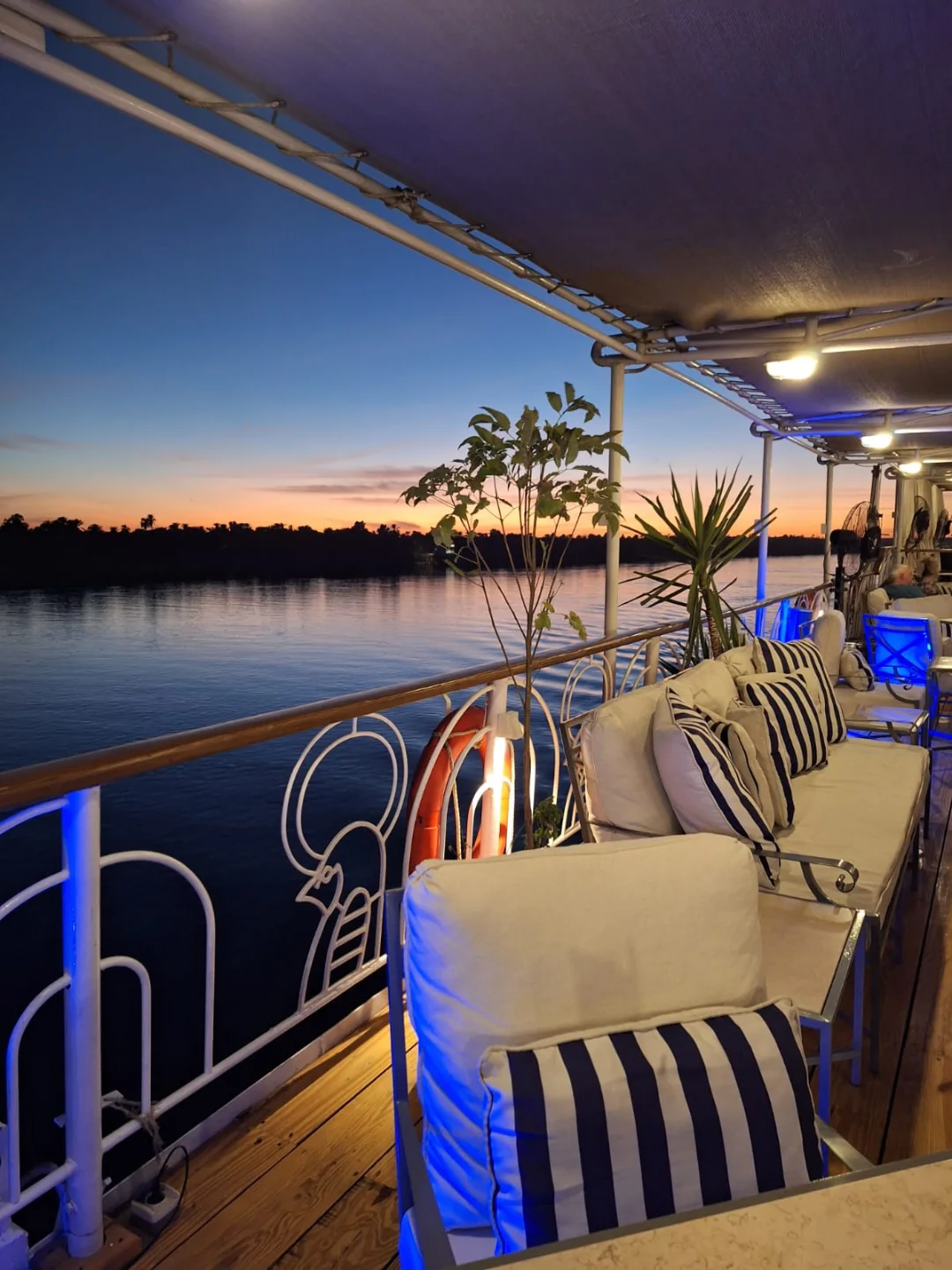
Just watching Egypt drift past from a lounge chair on deck.
My biggest tip?
Don’t treat every hour like it needs to be productive.
The temples will be unforgettable.
The quiet moments between them often are too.
Once you understand the rhythm of life onboard, choosing the right route becomes much easier.
The Best Nile Cruise Route for First-Time Visitors
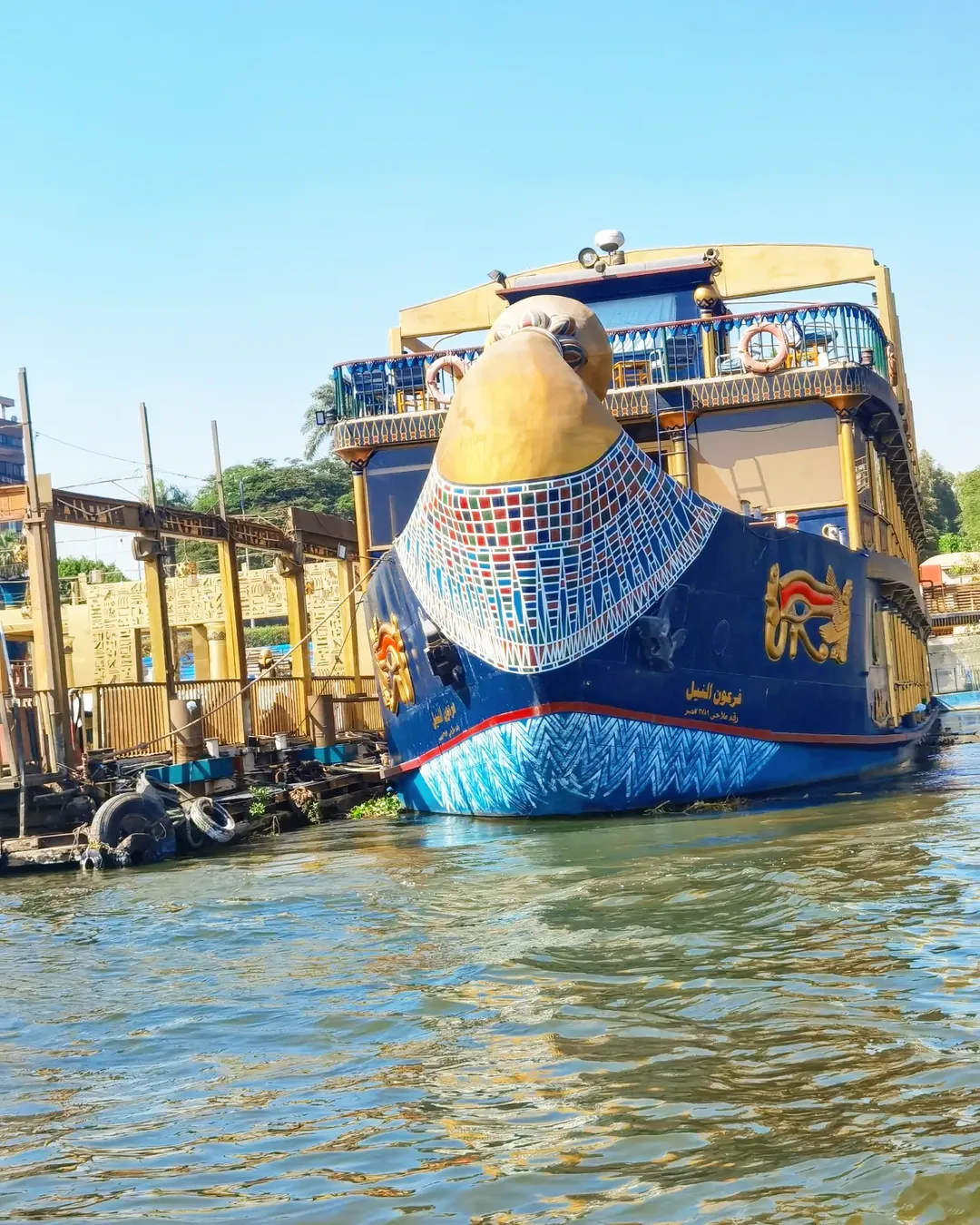
When most travelers talk about a Nile cruise, they’re talking about the route between Luxor and Aswan.
If this is your first trip to Egypt, that’s where I would start.
Luxor to Aswan
This route gives you a little bit of everything.
Massive temple complexes.
Ancient royal tombs.
River scenery.
Small villages.
Some of Egypt’s most famous archaeological sites.
Along the way you’ll typically visit:
- Karnak Temple
- Luxor Temple
- Valley of the Kings
- Temple of Hatshepsut
- Edfu Temple
- Kom Ombo Temple
- Philae Temple
What makes this route work so well is the pacing.
You never feel stuck in one place for too long, yet you also don’t feel rushed from site to site.
If you’re debating between spending your entire Egypt trip in Cairo or adding a Nile cruise, this route is where many travelers discover the Egypt they imagined before arriving.
The temples become larger.
The crowds often become smaller.
And the scenery begins to change from busy city streets to palm-lined riverbanks and desert hills.
My advice for first-time visitors is simple.
Choose the itinerary that includes all of the major temple stops, even if it costs slightly more.
Skipping one famous site might save a little money. Later, when you’re looking back on the trip, you’ll probably remember the experiences you had far more than the money you saved.
Aswan to Luxor
Some cruises operate in the opposite direction.
The sites remain largely the same.
What changes most is the order in which you experience them.
A few travelers actually prefer starting in Aswan because the pace feels a little gentler at first before building toward the larger temple complexes around Luxor.
That said, I wouldn’t choose a cruise based solely on direction.
When comparing options, I found myself paying far more attention to the ship, itinerary, and included excursions than whether the boat was sailing north or south.
If one sailing offers a better cabin, a stronger guide, or dates that fit your schedule better, that’s usually the smarter choice.
Which Direction Should You Choose?
For most travelers, itinerary quality matters far more than direction.
Before booking, I would focus on:
- Total cruise length
- Included excursions
- Cabin location
- Guide reviews
- Departure dates
- Whether airport transfers are included
Those details affect your experience every single day.
The sailing direction barely crossed my mind once I was onboard.
What I remember are the temples, the river views, and the moments standing in places I had dreamed about visiting for years.
And that brings us to the real reason most people book a Nile cruise in the first place.
The ancient sites.
The Ancient Sites You’ll See Along the Nile
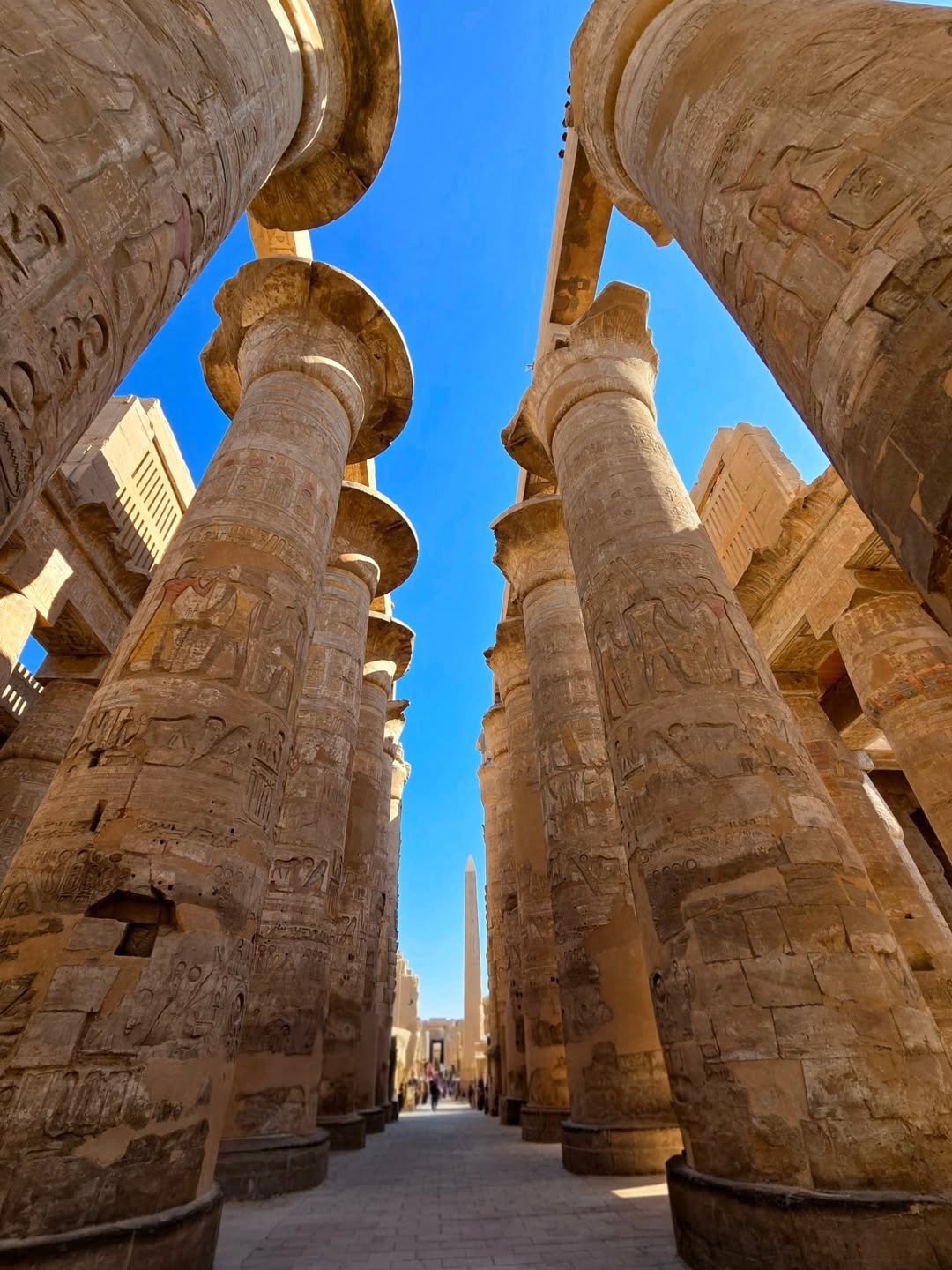
One thing I wasn’t prepared for was the scale.
Photos simply don’t do these places justice.
You can spend years looking at pictures of ancient Egypt. Then you walk through a temple doorway and suddenly realize the columns are several stories tall.
The stretch around Luxor contains some of Egypt’s most famous archaeological treasures.
UNESCO’s Ancient Thebes World Heritage listing includes Karnak Temple, Luxor Temple, and the surrounding necropolis on the west bank of the Nile, showing just how much history is concentrated in one area.
My advice?
Don’t rush through these sites trying to check them off a list.
Slow down.
Look up.
Pay attention to details.
Some of my favorite moments happened when I stopped following the crowd and simply took in what was around me.
Karnak Temple
Karnak is often the moment when Egypt starts to feel real.
The scale is difficult to describe until you’re standing among the massive columns yourself.
I remember looking up and realizing photographs had completely distorted my sense of size.
If your schedule allows, arrive early.
You’ll avoid some of the heat and enjoy a quieter atmosphere before larger groups arrive.
One tip many visitors miss is to spend a few extra minutes looking at the carvings on the columns rather than focusing only on the overall structure.
The details are incredible.
Luxor Temple
Luxor Temple feels more intimate than Karnak.
The site sits closer to the modern city, creating an interesting contrast between ancient and modern Egypt.
If possible, visit near sunset.
The changing light transforms the stone, and the entire complex takes on a completely different mood.
It ended up being one of my favorite photography stops of the trip.
Valley of the Kings
This was the site I looked forward to most.
And it still exceeded my expectations.
From the outside, the valley appears surprisingly barren.
Then you descend into the tombs.
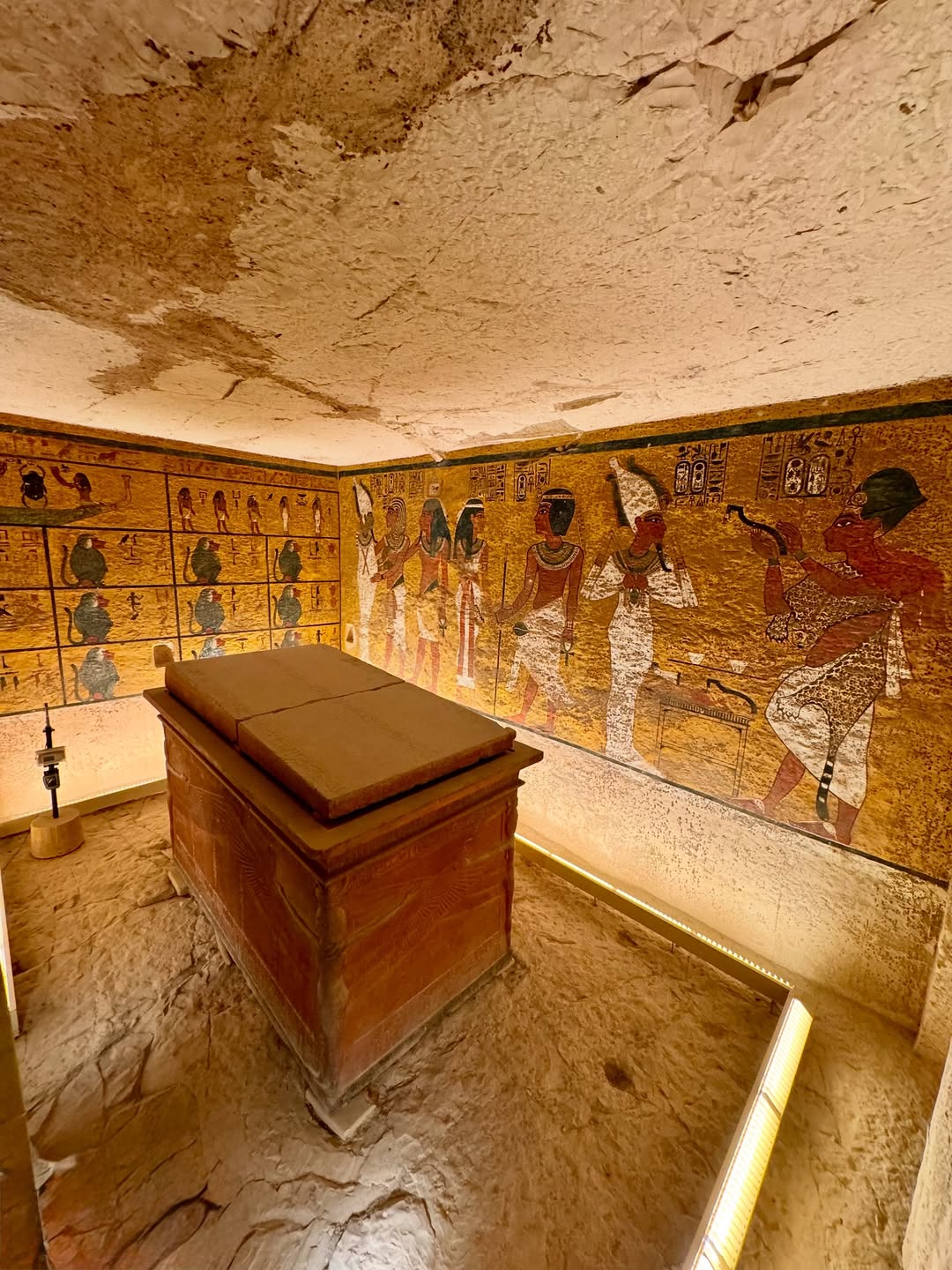
Walls covered in artwork.
Ancient colors that somehow survived thousands of years.
Passageways built for pharaohs.
If you only focus on taking photos, you’ll miss part of what makes this place special.
Take a moment to simply stand still and look around.
Temple of Hatshepsut
Many temples along the Nile blend naturally into their surroundings.
Hatshepsut stands apart.
Built against towering cliffs, it almost feels like part of the mountain itself.
Even travelers who don’t normally care much about architecture often find themselves stopping for photos here.
The setting is spectacular.
Edfu Temple
Edfu surprised me.
I expected it to be another temple stop along the route.
Instead, it became one of the easiest places to imagine what ancient Egypt may have looked like.
Because it remains so well preserved, many carvings and architectural details are still easy to see.
Take your time walking through this site.
There’s much more here than many visitors realize.
Kom Ombo Temple
Kom Ombo has one thing many Nile temples don’t.
A view directly overlooking the river.
That setting changes the experience.
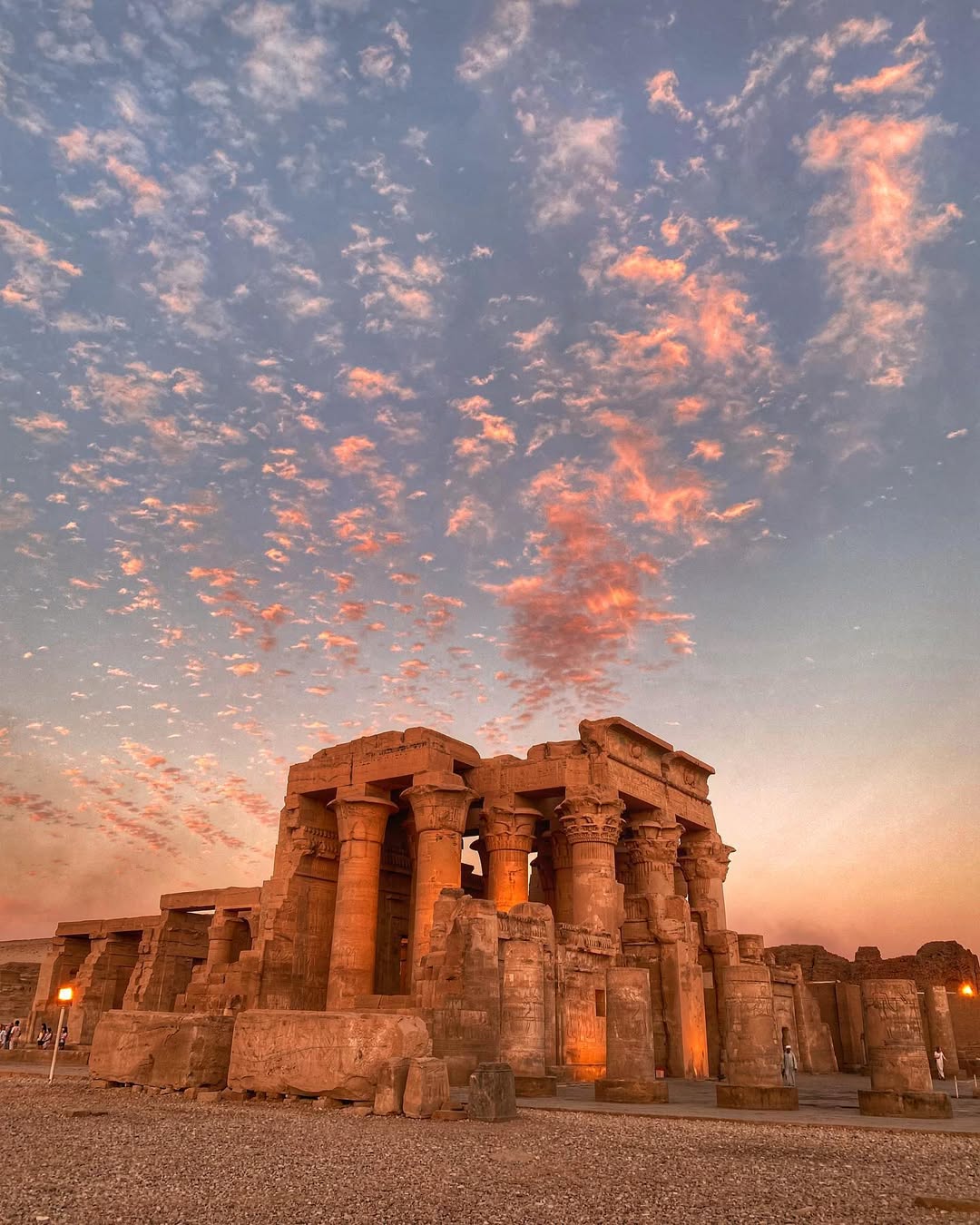
During my visit, boats drifted past while the temple glowed in the afternoon light.
If your itinerary includes a late-day stop here, keep your camera ready.
The lighting can be beautiful.
Philae Temple
Near Aswan, Philae became one of the biggest surprises of my trip.
UNESCO includes Philae within the Nubian Monuments World Heritage Site because of its historical importance.
Yet what many visitors remember most is the setting.
Approaching the temple by boat creates a completely different arrival experience than most other sites along the Nile.
Water surrounds the complex.
Palm trees frame the views.
The entire scene feels almost cinematic.
By the time I left Philae, I understood why so many travelers list it among their favorite stops on the cruise.
After seeing all these sites, one question usually comes up.
How much time do you actually need to experience them without feeling rushed?
Kom Ombo Temple
Kom Ombo feels different from the moment you arrive.
Unlike many of the temples along the Nile, this one sits right beside the river. That location gives it an atmosphere that’s hard to replicate elsewhere.
During my visit, I found myself glancing back and forth between the ancient stonework and the boats drifting across the water.
It felt less isolated than some of the other sites.
More connected to the Nile itself.
That makes sense when you consider how important the river was to daily life in ancient Egypt.
One thing I appreciated about Kom Ombo was that it didn’t feel overwhelming.
Karnak impresses with its scale.
The Valley of the Kings pulls you underground into royal tombs.
Kom Ombo offers something different.
It feels approachable.
You can slow down, take your time, and notice details that might get overlooked at larger sites.
If your cruise schedule includes a late afternoon visit, you’re in luck.
The golden light reflecting off the temple and river can create some of the best photos of the entire cruise.
My advice?
Spend a few minutes looking out toward the Nile before you leave.
The view helps put everything you’ve seen into perspective.
Philae Temple
By the time I reached Philae, I thought I had already seen the highlights of the trip.
Then I arrived by boat.
That approach alone makes this stop memorable.
Most temples along the Nile reveal themselves gradually as you walk toward them. Philae feels different because the first glimpse comes from the water.
The temple slowly appears ahead of you.
Palm trees frame the shoreline.
The surrounding water creates reflections that make the entire setting feel almost unreal.
Yet what stayed with me wasn’t just the history.
It was the atmosphere.
The setting feels calmer than many other major sites.
Less crowded.
Less rushed.
More peaceful.
If you’re deciding which temple stop deserves extra time, I’d put Philae near the top of the list.
Walk beyond the main pathways.
Pause between the columns.
Look back toward the water before returning to your boat.
Those small moments often become the memories you keep long after the trip ends.
By this point in the cruise, many travelers have seen world-famous temples, royal tombs, ancient carvings, and some of the most beautiful scenery along the Nile.
The next question becomes obvious.
How much time do you actually need to experience it all without feeling rushed?
How Many Days Do You Need for a Nile Cruise?
One of the biggest booking mistakes I see travelers make is choosing a cruise length based solely on price.
At first, the shorter itineraries often look tempting.
They’re cheaper.
They fit into tighter schedules.
And they seem to cover many of the same highlights.
But once you’re actually sailing on the Nile, your perspective tends to change.
The river has a slower rhythm.
The experience isn’t just about checking temples off a list.
It’s about having enough time to enjoy the journey between them.
Before booking, here’s how I would think about each option.
3-Night Nile Cruise
A 3-night itinerary works best for travelers with limited time.
You’ll still visit major attractions and get a taste of the Nile cruise experience.
The downside is pace.
Expect earlier mornings, tighter schedules, and less free time onboard.
If Egypt is only one stop on a larger trip, three nights can work.
If Egypt is your main destination, you’ll probably wish you had more time.
4-Night Nile Cruise
This is the sweet spot for many first-time visitors.
You still see the major highlights.
The schedule feels more relaxed.
And you’ll have more opportunities to enjoy the river itself instead of rushing from one excursion to another.
If you’re unsure which itinerary to choose, this is usually the option I recommend first.
It offers a strong balance between sightseeing and downtime.
7-Night Nile Cruise
This is where the experience starts to feel less like a tour and more like a lifestyle.
The pace slows.
The river becomes part of daily life.
You have more time to settle into your cabin, enjoy the ship, and appreciate the scenery between destinations.
Not everyone needs seven nights.
But travelers who enjoy slower travel often end up saying they wished they had booked longer rather than shorter.
Which Length Offers the Best Value?
If your schedule allows, I would choose a 4-night itinerary at minimum.
Three nights can feel rushed.
Seven nights can feel luxurious.
Four nights often hits the middle ground.
You still experience the major sites.
You still enjoy meaningful time on the river.
And you leave feeling like you experienced more than just a series of guided tours.
Once you’ve decided how long to cruise, the next decision can have an equally big impact on your trip.
When should you actually go?
The Best Time of Year for a Nile River Cruise
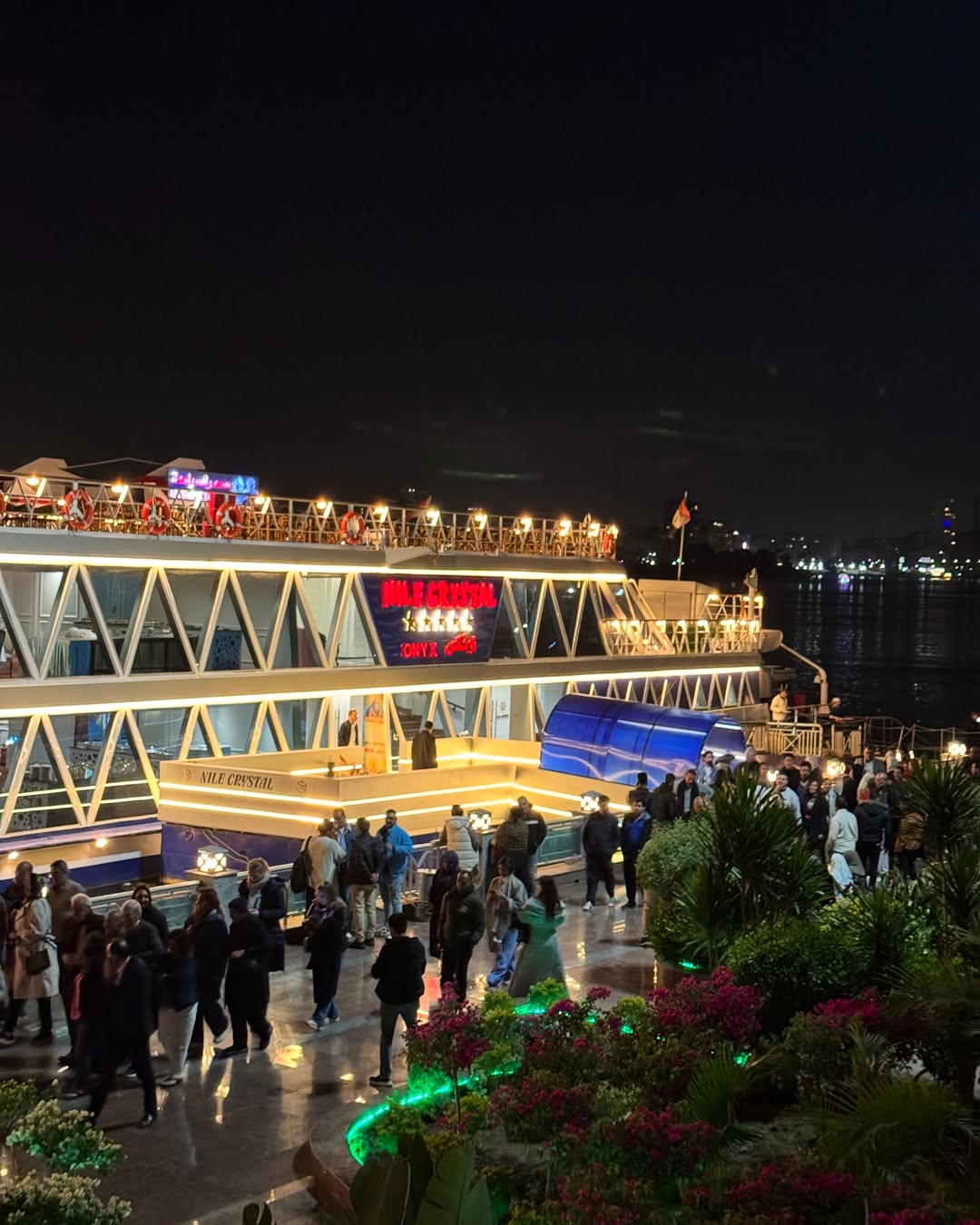
One of the most common questions travelers ask is whether timing really matters.
After spending time on the Nile, my answer is yes.
The temples don’t change.
The river doesn’t change.
Your comfort level absolutely does.
Egypt’s climate can dramatically affect how much you enjoy daily excursions, especially when you’re spending hours outdoors visiting archaeological sites.
Winter (November to February)
If you’re looking for the most comfortable conditions, winter is hard to beat.
This is when many travelers choose to visit Egypt.
Daytime temperatures are much easier to handle, making long walks through temple complexes far more enjoyable.
The trade-off is that you’ll encounter more visitors and often pay higher prices.
Still, if this is your first Nile cruise, winter is the season I would choose.
You can focus on the experience rather than constantly looking for shade.
Spring (March to April)
Spring offers a nice balance.
The weather remains pleasant for much of the season, and crowds are often slightly lighter than winter.
This can be an excellent time to visit if you’re hoping for comfortable sightseeing without peak-season pricing.
Just remember that temperatures can climb quickly as spring progresses.
Fall (October)
October often feels like a sweet spot.
The summer heat begins to ease, cruise season ramps up, and conditions become much more comfortable for daily excursions.
If I were planning another Nile cruise, October would be near the top of my list.
Summer (May to September)
Summer is where many travelers underestimate Egypt.
I know I would have.
Standing in direct sun inside an ancient temple complex is very different from reading a weather forecast at home.
The heat can be intense.
The upside is that prices are often lower and crowds can be smaller.
If you visit during summer, plan your expectations accordingly.
Drink plenty of water.
Wear lightweight clothing.
And never underestimate the importance of a good hat.
When Would I Personally Go?
If comfort is your top priority, aim for November through February.
If you’re looking for a balance between weather, crowds, and value, October and March are excellent choices.
The truth is that there isn’t a bad time to cruise the Nile.
There are simply seasons that fit different travel styles better.
Once you’ve chosen when to go, the next decision is where you’ll spend your nights onboard.
And yes, cabin choice matters more than many travelers realize.
What Cabin Should You Book?
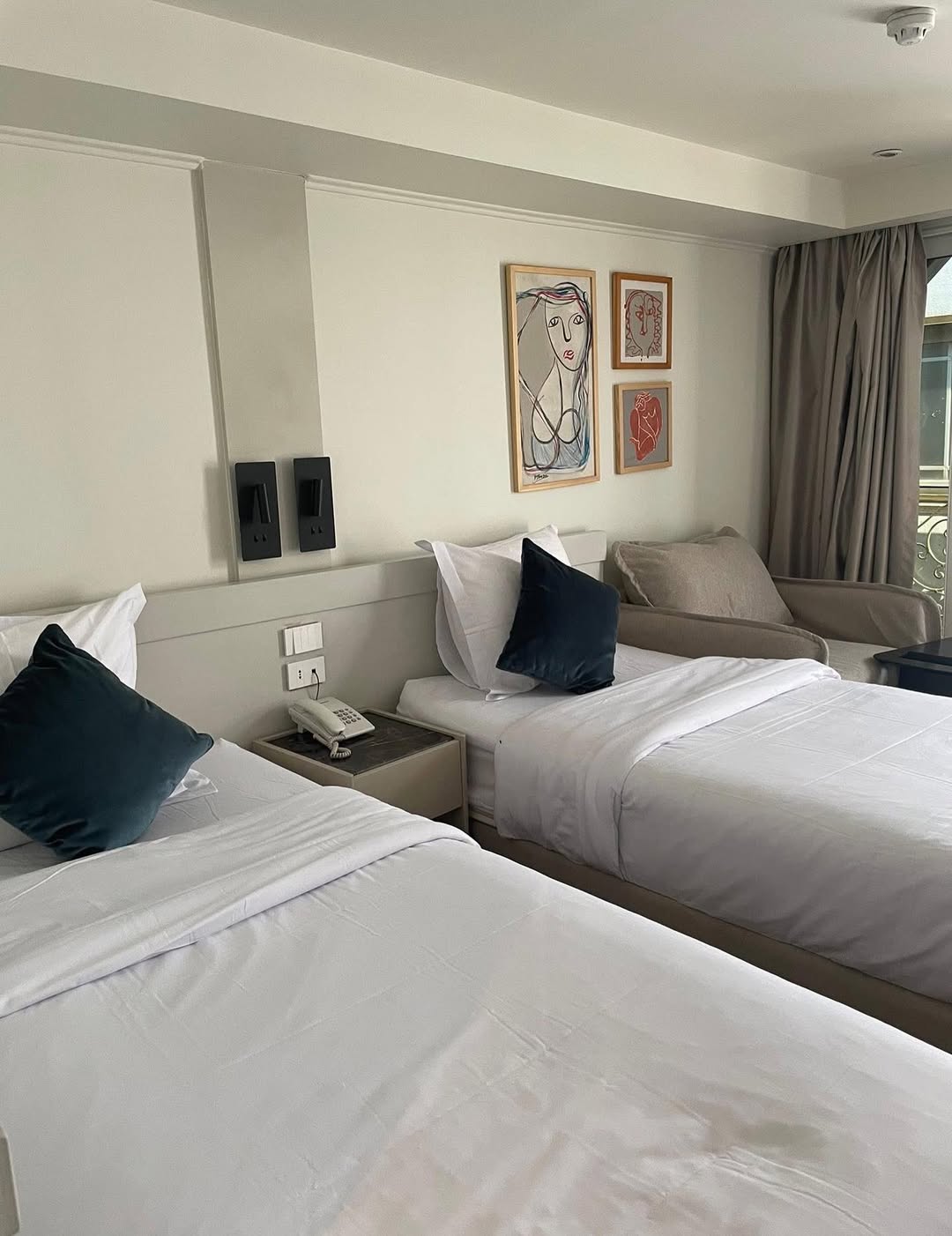
Before my first cruise, I assumed a cabin was just a place to sleep.
On a Nile cruise, I quickly changed my mind.
Because the scenery is part of the experience, where you stay can affect how much you enjoy your time onboard.
Standard Cabin
For many travelers, a standard cabin is all you need.
You’ll still enjoy the excursions, meals, and onboard experience.
If you’re the type of traveler who plans to spend most of the day exploring temples and only returns to your room for rest, this option often makes the most sense.
I’d rather spend extra money on experiences than a room I rarely use.
Upper Deck Cabin
This is usually the upgrade I’d consider first.
Upper-deck cabins often provide better views and may be slightly quieter depending on the ship.
You also tend to be closer to common areas like observation decks and lounges.
That convenience becomes surprisingly nice over several days.
Balcony Cabin
Balconies sound appealing.
And sometimes they are.
The question is whether you’ll actually use one.
Many travelers spend most of their free time on the ship’s main observation deck, where the views are wider and more social.
If the price difference is small, a balcony can be worth considering.
If it’s a large jump in cost, I wouldn’t automatically assume it’s money well spent.
Luxury Suite
If you’re celebrating a special occasion or simply enjoy extra space, a suite can make the experience feel more comfortable.
The larger rooms, upgraded amenities, and extra breathing room are noticeable.
That said, Egypt’s real highlights are outside your cabin.
The temples don’t become more impressive because you booked a suite.
My Cabin Recommendation
If budget allows, I’d prioritize an upper-deck cabin before paying a premium for a balcony.
You’ll likely get more value from the location than from the extra outdoor space.
And if your budget is limited?
Book the standard cabin and spend the savings on your overall trip.
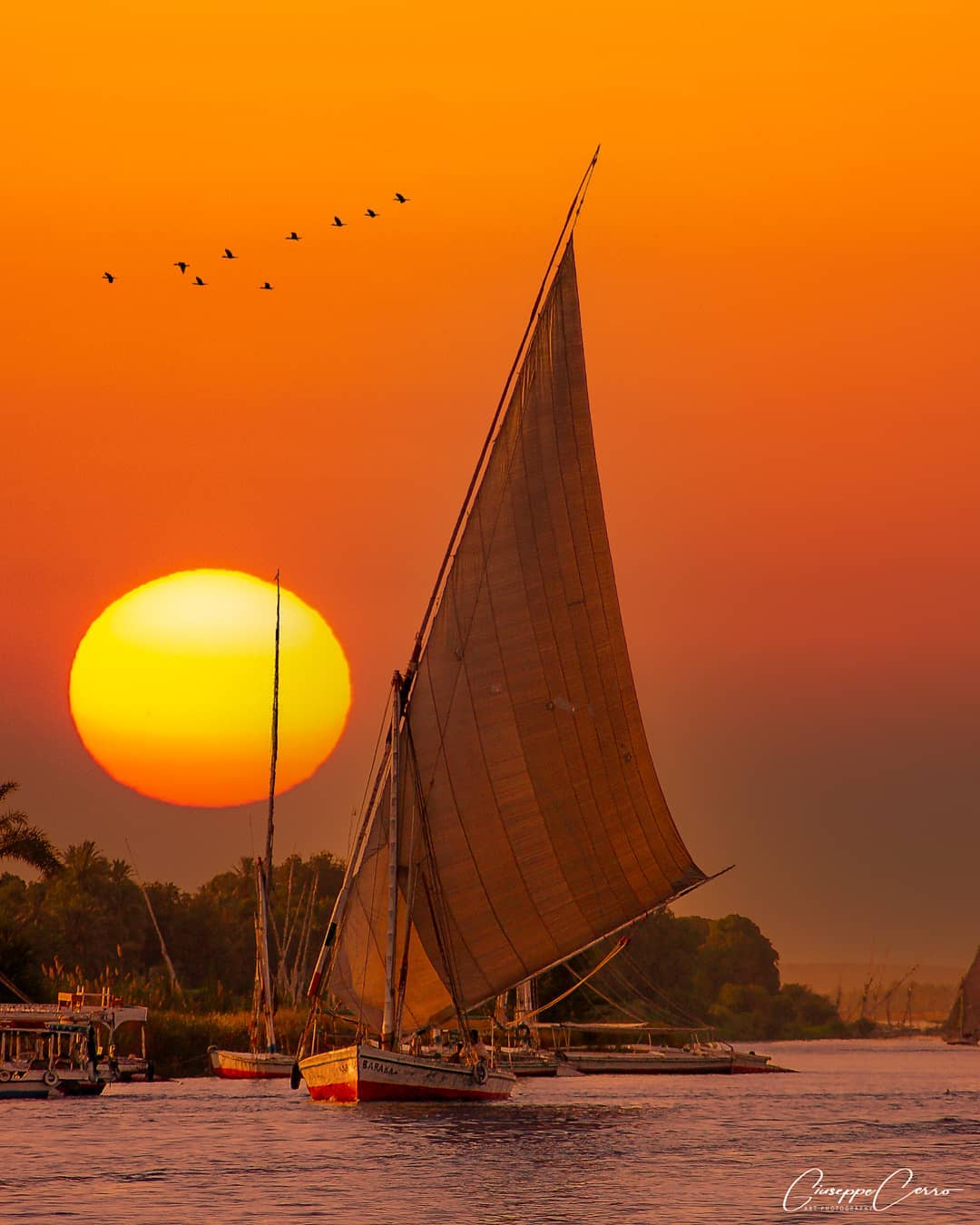
You won’t remember your cabin nearly as much as you’ll remember standing inside Karnak Temple or watching sunset over the Nile.
Speaking of things I wish I had known beforehand, there are a few lessons that would have made my first cruise even better.
What I Wish I Knew Before Taking a Nile Cruise
Every destination teaches you something.
Egypt taught me several things.
Most of them I learned the easy way.
A few I learned the hard way.
Early Mornings Are Part of the Experience
If you’re imagining slow mornings and sleeping late every day, adjust your expectations.
Many excursions start early.
Very early.
At first I wasn’t thrilled about setting alarms while on vacation.
Then I saw how much better the experience was before temperatures climbed and larger crowds arrived.
By the end of the trip, I actually appreciated those early starts.
Comfortable Shoes Matter More Than Stylish Ones
This sounds obvious.
Yet plenty of travelers still make the mistake.
Temple visits often involve uneven surfaces, stone pathways, stairs, and more walking than people expect.
The shoes that look best in photos aren’t always the ones you’ll be happiest wearing six hours later.
The Sun Feels Stronger Than You Think
Even during cooler months, the Egyptian sun can be relentless.
I found myself reaching for sunscreen far more often than expected.
A hat, sunglasses, and lightweight long sleeves can make a huge difference.
Build Some Flexibility Into Your Schedule
One mistake I see travelers make is booking flights that leave almost immediately after their cruise ends.
Give yourself a little breathing room.
A buffer day before or after the cruise can remove a lot of unnecessary stress.
Slow Down Occasionally
This might be the lesson I value most.
Egypt is packed with famous places.
It’s tempting to race from one attraction to the next.
Yet some of my favorite memories came during the quieter moments.
Watching the river from the deck.
Sipping coffee before breakfast.
Seeing village life unfold along the shoreline.
Those moments are part of the Nile experience too.
Now that you know what to expect onboard, let’s talk about what should actually go into your suitcase before you leave home.
What to Pack for a Nile River Cruise
Packing for a Nile cruise is easier than many people expect.
The mistake isn’t bringing too little.
It’s bringing the wrong things.
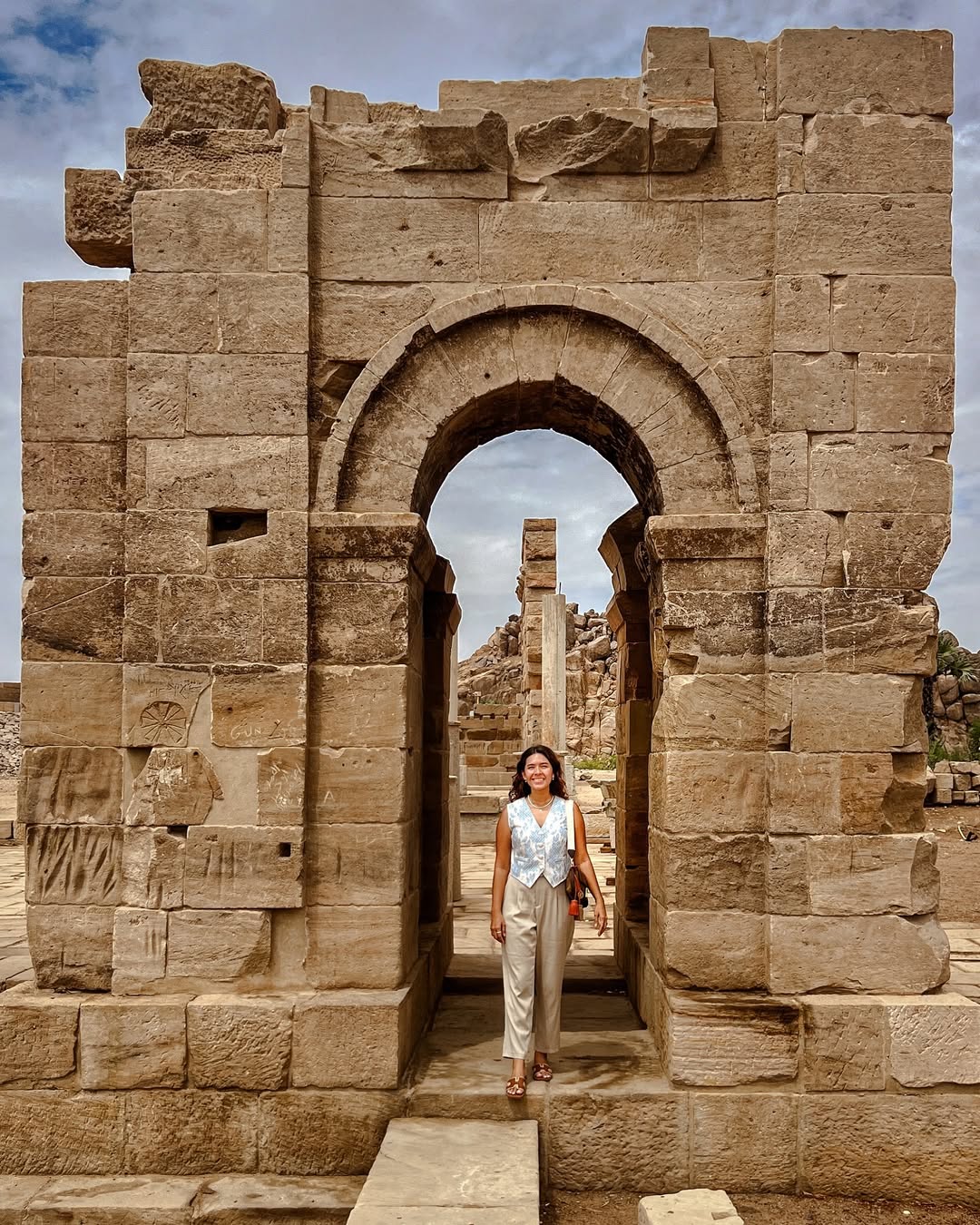
I packed for the cruise itself. Looking back, I should have packed more for the excursions.
Most of your memorable moments will happen off the ship.
Inside temples.
Walking through archaeological sites.
Exploring riverfront towns.
That’s where comfort matters most.
Clothing
Lightweight, breathable clothing works best.
Loose-fitting shirts, comfortable pants, lightweight dresses, and layers for cooler mornings will cover most situations.
Even during pleasant months, the sun can feel surprisingly strong during midday excursions.
Footwear
If you only take one piece of advice from this guide, let it be this.
Bring comfortable walking shoes.
You’ll spend far more time on your feet than many cruise brochures suggest.
Ancient stone pathways, uneven surfaces, and long sightseeing days quickly expose bad footwear choices.
Sun Protection
I underestimated this on my first visit.
Don’t make the same mistake.
Bring:
- Sunscreen
- Sunglasses
- A hat
- A reusable water bottle
You’ll thank yourself later.
Day Trip Essentials
I found myself carrying the same few items almost every day:
- Phone
- Portable charger
- Water
- Sunscreen
- Small amount of cash
- Sunglasses
A small daypack makes everything easier.
Camera Gear
Egypt is one of the most photogenic destinations I’ve ever visited.
Bring extra storage.
Bring extra batteries.
And don’t spend the entire trip looking through a screen.
Some moments deserve your full attention.
Now let’s talk about another question nearly every traveler asks before booking.
How much does a Nile cruise actually cost?
How Much Does a Nile River Cruise Cost?
Prices vary quite a bit depending on season, ship quality, cabin type, and cruise length.
The good news is that there are options for many budgets.
Budget Cruises
Budget cruises usually focus on the essentials.
You’ll still visit the major sites and enjoy the overall Nile experience.
The difference often comes down to cabin size, dining options, and onboard amenities.
If your goal is simply to experience the Nile without spending heavily, these cruises can offer solid value.
Mid-Range Cruises
This is where many travelers end up.
The balance between comfort and cost tends to be appealing.
You’ll often find better cabins, upgraded public spaces, and a slightly more polished onboard experience without entering luxury pricing territory.
Luxury Cruises
Luxury ships focus more on the onboard experience.
Larger cabins.
Higher-end dining.
More personalized service.
Additional amenities.
For some travelers, that upgrade is worth every dollar.
For others, the temples remain the true highlight regardless of cabin category.
Costs People Forget to Budget For
This catches many first-time visitors.
The cruise fare isn’t always the final number.
You may also spend money on:
- Tips
- Drinks
- Optional excursions
- Airport transfers
- Travel insurance
- Souvenirs
Before booking, look carefully at what’s included and what isn’t.
A slightly more expensive cruise can sometimes end up being the better value once all costs are added together.
Cost matters.
But for many travelers, another concern matters even more.
Safety.
Is a Nile Cruise Safe?
This is one of the first questions many people ask when planning a trip to Egypt.
It’s also one of the most understandable.
Before my first visit, I had questions too.
The reality is that most travelers complete Nile cruises without issues.
Tourism is a major part of Egypt’s economy, and cruise routes between Luxor and Aswan are among the country’s most established visitor corridors.
The U.S. Department of State advises travelers to exercise increased caution in Egypt while also identifying specific regions that carry higher risk than the areas most Nile cruise visitors typically experience.
Like anywhere else in the world, basic travel awareness goes a long way.
A few habits I always follow include:
- Keeping valuables secure
- Staying aware of my surroundings
- Following guidance from local guides
- Avoiding unnecessary risks
- Purchasing travel insurance
Most travelers spend far more time admiring ancient temples than worrying about safety.
Still, preparing wisely allows you to enjoy the experience with greater peace of mind.
And speaking of preparation, there are a few mistakes that are surprisingly common among first-time Nile cruise travelers.
Common Mistakes First-Time Nile Cruise Travelers Make
I saw some of these mistakes firsthand.
A couple I nearly made myself.
The good news is that they’re easy to avoid.
Booking Based Only on Price
The cheapest cruise isn’t always the best value.
A slightly higher price may include better excursions, stronger guides, or a more comfortable experience.
Compare what’s included before looking only at the final number.
Choosing the Shortest Itinerary
Many travelers wish they had booked longer.
Very few wish they had booked shorter.
If your schedule allows, give yourself enough time to enjoy both the sites and the sailing experience.
Underestimating the Heat
Even experienced travelers get caught off guard.
The Egyptian sun can be intense.
Hydration, sunscreen, and appropriate clothing make a bigger difference than many people expect.
Packing the Wrong Shoes
This deserves repeating.
You’ll walk more than you think.
Comfort wins every time.
Scheduling Flights Too Tightly
Leave room in your itinerary.
A little flexibility before or after the cruise can make the entire trip feel less stressful.
Most mistakes become funny stories later.
A little planning simply helps ensure they don’t become frustrating ones.
Which brings us to the question that matters most.
Is a Nile River Cruise Worth It?
For me, the answer is easy.
Yes.
Not because of any single temple.
Not because of one famous landmark.
And not because of the cruise itself.
What makes a Nile cruise special is how everything comes together.
The history.
The scenery.
The quiet moments on deck.
The feeling of waking up in a new place each morning.
The contrast between ancient wonders and modern life along the river.
I’ve visited destinations where the highlight was obvious.
The Nile felt different.
Some of my favorite memories happened between attractions.
Watching fishermen work along the shoreline.
Seeing children wave from passing boats.
Sitting on deck as the sun dropped behind the desert hills.
Those moments are difficult to capture in photographs.
Yet they’re often the moments people remember most.
If you enjoy history, culture, slower-paced travel, and experiences that feel connected to a place rather than isolated from it, a Nile cruise deserves a spot on your travel list.
And if you’re anything like me, you’ll leave with far more than camera photos.
You’ll leave with stories that stay with you long after you’ve returned home.