Things to Pack for Vacation: My Go-To List That Actually Works
I used to pack like I was preparing for every possible scenario.
Extra outfits. Backup shoes. Things I “might” need. My bag looked ready for a two-week trip even when I was leaving for three days.
And every single time, I came back realizing I barely used half of it.
If you’ve ever searched for things to pack for vacation and still ended up overpacking, I’ve been there too.
Here is what finally clicked. Packing is not about being prepared for everything. It is about being prepared for what you will actually do.
Once I changed that, everything felt easier. I moved faster, stressed less, and stopped dragging around things I never used.
In this guide, I’ll walk you through the exact things to pack for vacation that I actually rely on now, plus what I stopped bringing completely.
You can use this right away, whether you’re packing for a quick trip or something longer.
Let’s break it down.
What I Think About Before I Pack Anything
Before I even open my suitcase, I pause for a minute and think through the trip.
This one habit has saved me from overpacking more than anything else.
Most people start packing too early. I used to do the same. Open the bag, start throwing things in, then keep adding “just one more thing.”
Now I do the opposite.
I don’t pack first. I decide first.
Here’s the shift. Instead of asking “what should I bring,” I ask “what will I actually do on this trip?”
That one question changes everything.
Next, this is where it gets real.
Where I’m Going Changes Everything
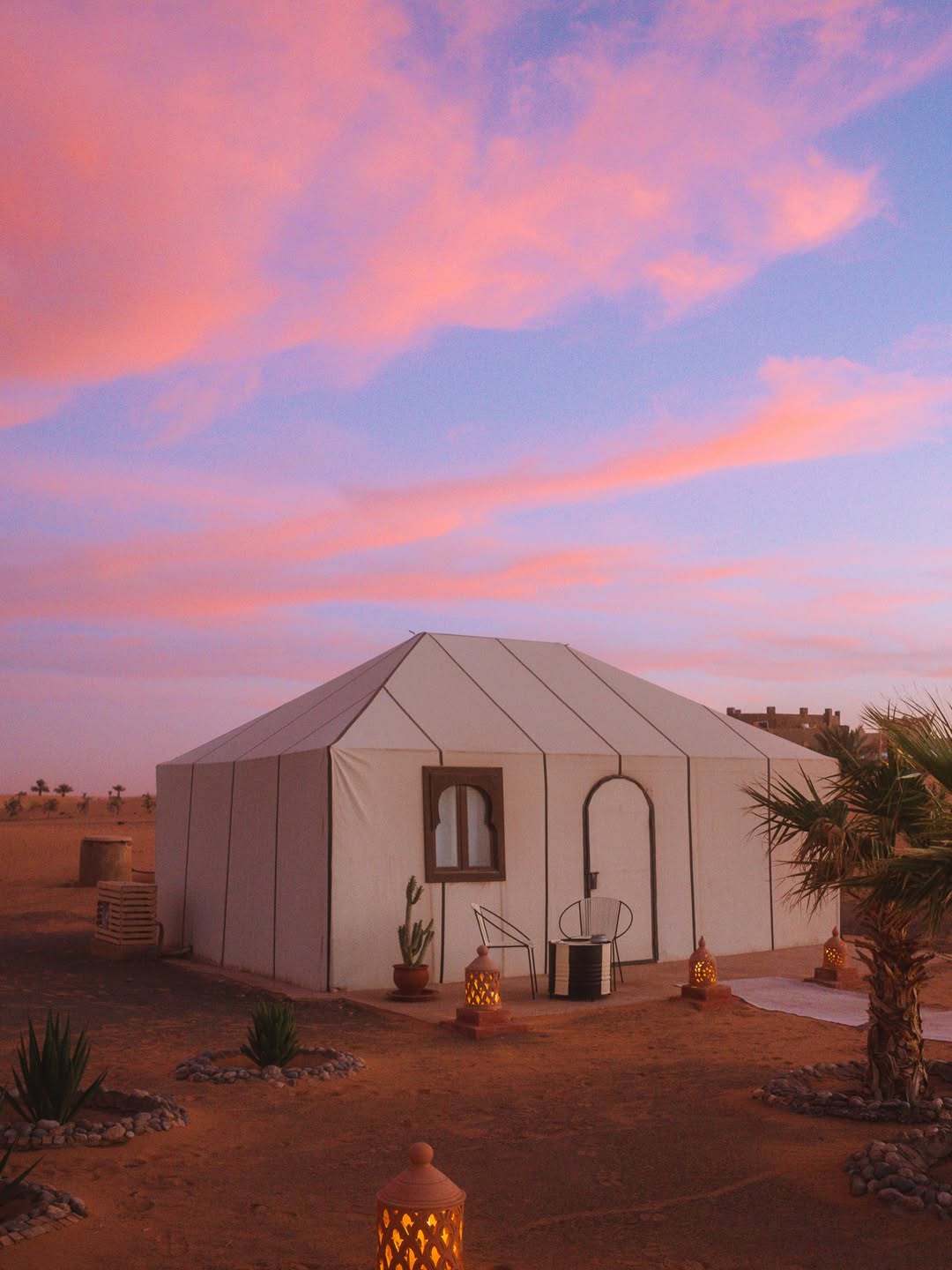
It sounds obvious, but most people still pack based on weather alone.
That is only part of it.
Is the place walkable? Are you going out at night? Is it casual or dressy?
I learned this the hard way. I once packed outfits for “nice dinners” and ended up walking miles in the heat, wishing I had packed lighter clothes and better shoes instead.
Even experts point out that how you travel matters just as much as where you go. As Travel + Leisure notes, thinking about your transportation and how you move around helps you make better packing decisions from the start.
Here’s a quick way to use this right now.
Check your itinerary or map. If most places are more than 10–15 minutes apart, you’re walking more than you think.
That should change what goes into your bag.
How I Plan to Spend My Days
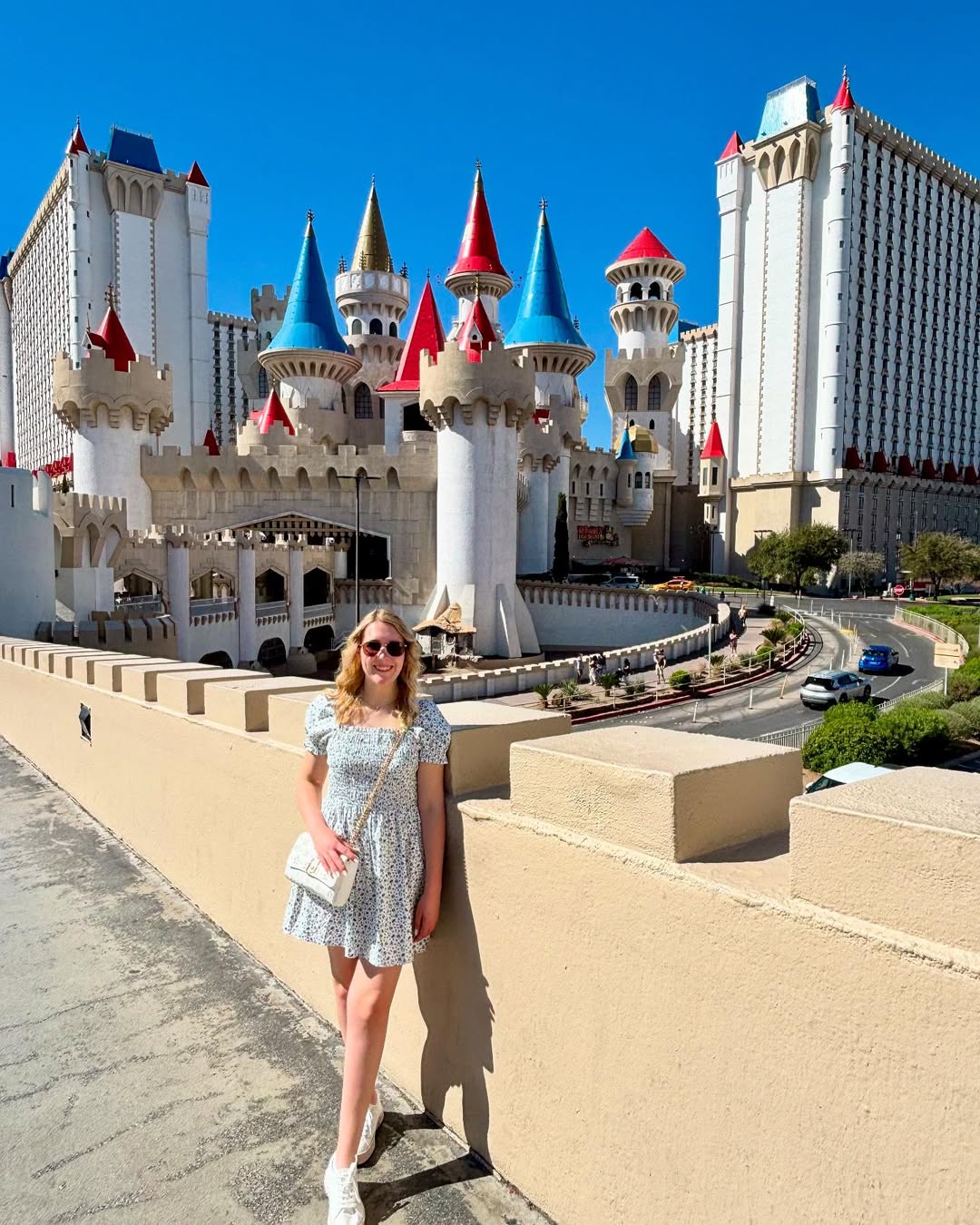
This is where things get practical.
If I know I’ll be out all day exploring, I pack for comfort. If it is more relaxed, I allow for a bit more flexibility.
A quick trick I use is this. I mentally walk through a full day of the trip.
Morning to night. What I wear. What I carry.
If something does not fit into that day naturally, it usually does not belong in my bag.
Try this once before your next trip.
If you cannot picture when you’ll use an item, take it out.
You will not miss it.
Why I Pack for Comfort First, Style Second
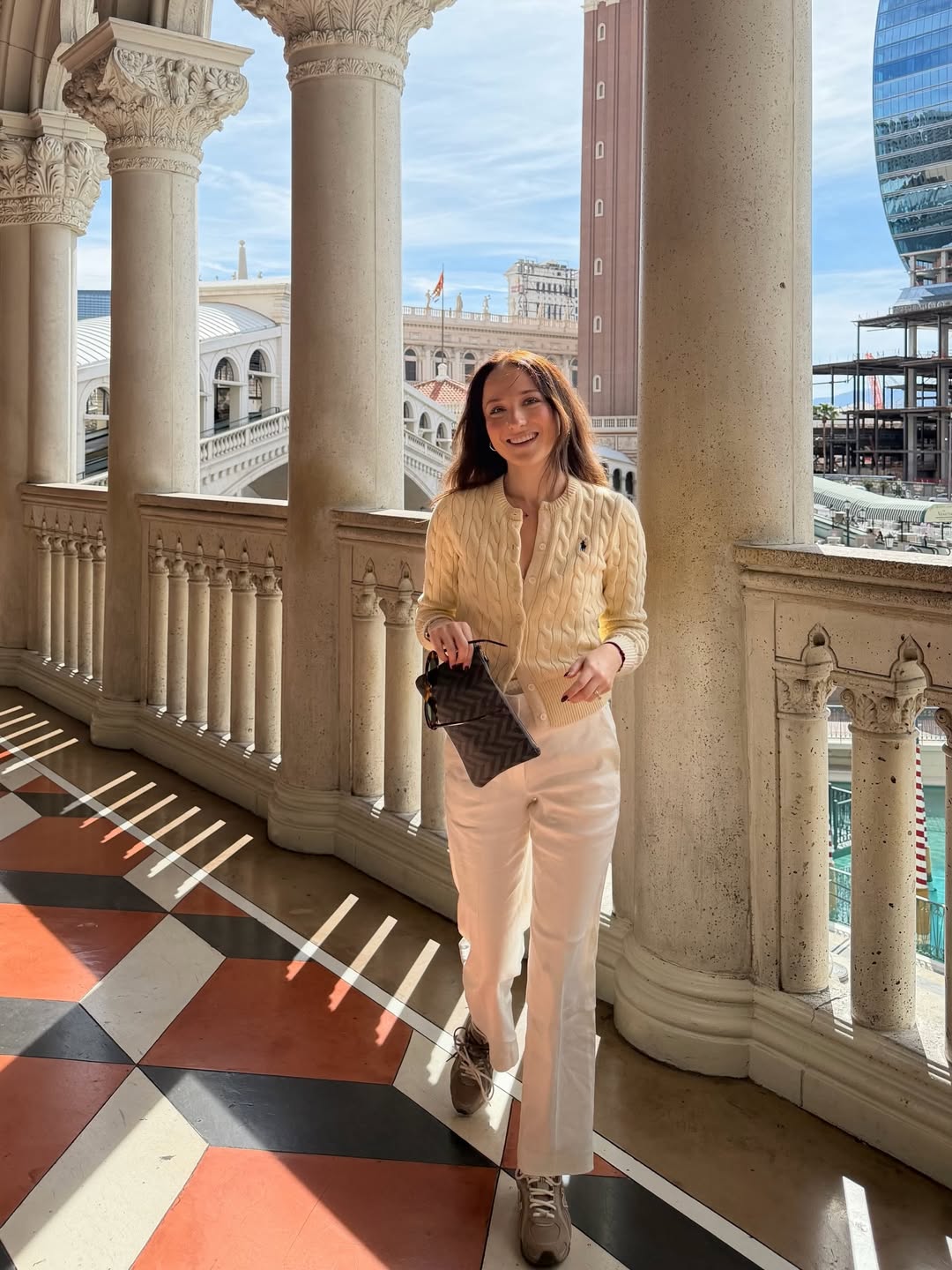
Style still matters. But comfort wins every time.
Because once you are tired, hot, or dealing with sore feet, no outfit feels worth it.
I’ve had days where I cut plans short just because I picked the wrong clothes.
That is not a packing issue. That is a trip experience issue.
Now I build outfits I can wear for at least 6–8 hours without thinking about them.
If it passes that test, it goes in my bag.
If not, it stays out.
And that is where smarter packing starts to take shape.
The Core Things to Pack for Vacation (What Never Leaves My Bag)
This is not a long checklist.
It is what actually works in real trips. The kind of things you end up using again and again.
If something does not get used at least twice, it usually does not belong here.
Let’s get into it.
Clothes I Know I’ll Actually Wear
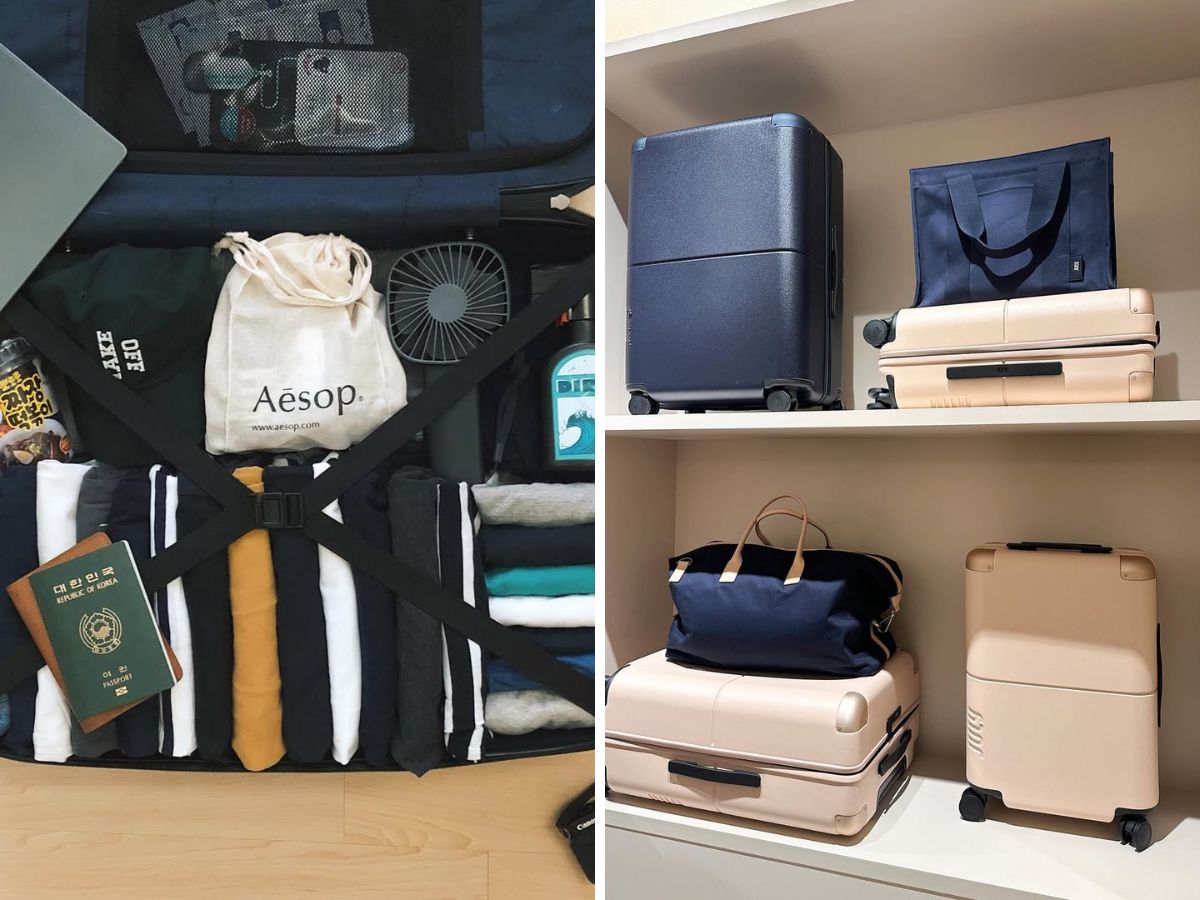
I stopped packing random pieces and started packing outfits.
That means everything I bring can be mixed and matched without effort.
A stylist approach backs this up too. According to People, choosing versatile pieces that work together makes packing lighter and dressing easier during the trip.
Here’s how I apply this.
For a 3–4 day trip, I carry:
- 3 tops
- 2 bottoms
- 1 outer layer
That is it.
Everything works together. No guessing. No wasted space.
Now I pack fewer clothes, but I use all of them.
Shoes That Won’t Ruin My Trip
Shoes used to be my biggest mistake.
I would pack based on how they looked, not how they felt after hours of walking.
Now I follow one rule. If I cannot walk long distances in them comfortably, they do not go in my bag.
Here’s a simple test you can use.
Wear the shoes for a full day before your trip. Not around the house. Outside. Walking.
If they bother you even slightly, they will be worse on the trip.
That one change has saved entire days for me.
My Go-To Travel Essentials That Save Me Every Time
These are the small things that quietly make a big difference.
Phone charger. Power bank. Basic documents. A few health essentials.
Nothing fancy. Just things that prevent small problems from turning into stressful moments.
I have had days where a simple power bank kept me from being stranded without maps or bookings.
Now I keep these items in one small pouch that never leaves my bag.
No thinking. No last-minute scrambling.
Toiletries I Never Rely on Hotels For
I keep this minimal, but intentional.
Things like skincare basics or anything I know works for me always go in my bag.
Because relying on what is available at the destination rarely works out the way you expect.
A quick rule I follow.
If it affects how I feel daily, I pack it.
If I can skip it for a few days, I leave it.
That keeps things simple without overloading my bag.
Things I Used to Pack… But Don’t Anymore
This is where my packing really changed.
I stopped packing “just in case.”
Extra outfits. Backup options. Things I thought I might need but never actually used.
A professional organizer put this perfectly. As shared by Southern Living, you should pack for the trip you will have, not hypothetical situations.
That line stuck with me.
Here’s how I apply it now.
If I cannot name a specific moment I’ll use something, it stays home.
Not “maybe.” Not “just in case.”
A real moment.
And I have never once regretted leaving those extra items behind.
Small Things to Pack That Make a Big Difference
These are the items you do not think about until you need them.
And when you do, they feel like lifesavers.
A reusable water bottle. A lightweight bag for day trips. Something simple for quick laundry if needed.
They take up almost no space, but they solve problems before they start.
I learned this on a trip where I ended up buying overpriced water all day because I didn’t carry a bottle. It sounds small, but by the end of the trip, it added up.
Same with a lightweight bag. Some days you leave the hotel thinking you won’t need anything. A few hours later, you’re carrying snacks, receipts, maybe even a jacket.
Here’s what I do now.
I keep a tiny “extras pouch” inside my bag with 2–3 of these items. It stays there for every trip.
No thinking. No forgetting.
This is where packing shifts. Not more things. Just smarter ones.
Next, here’s how everything comes together.
How I Pack Without Overpacking Anymore
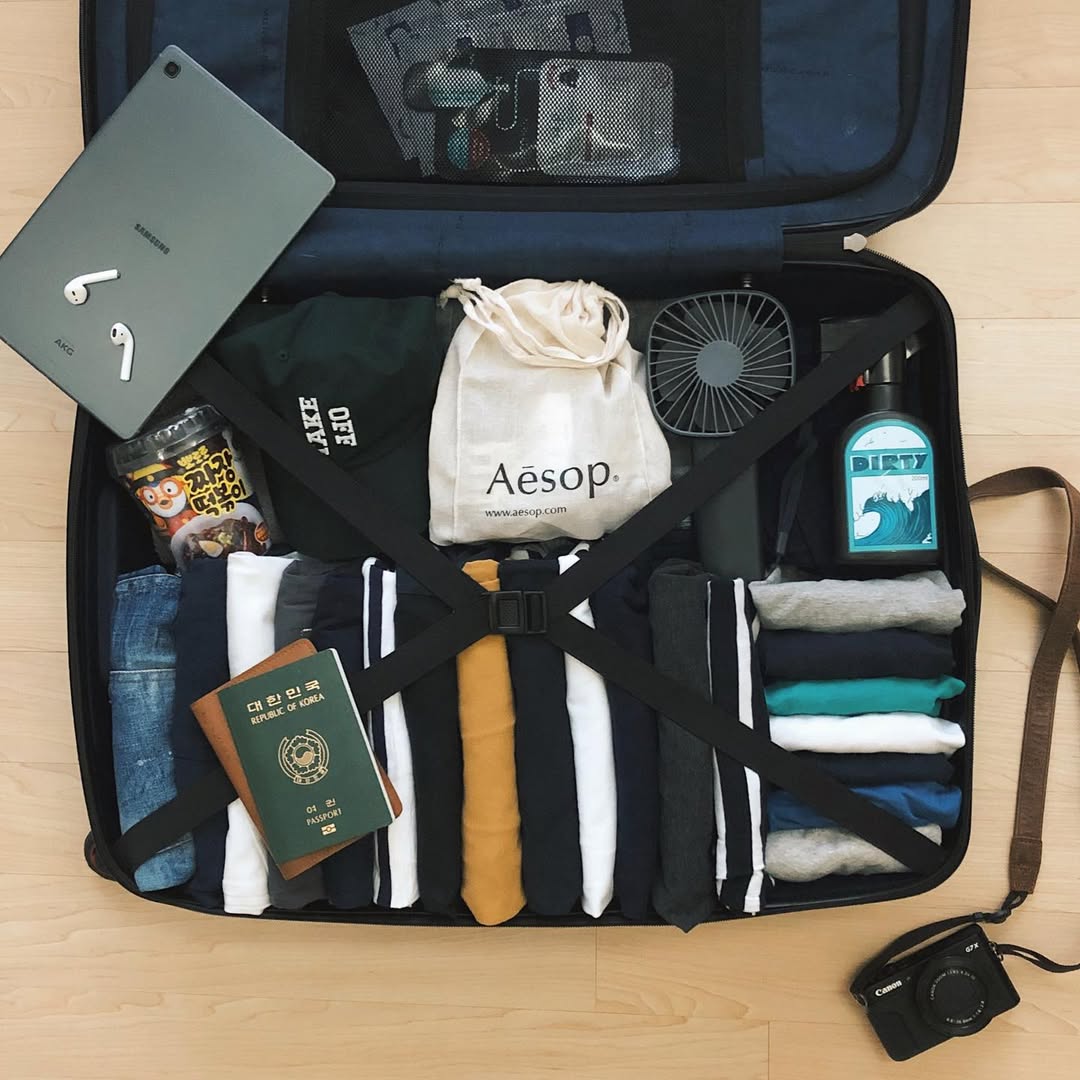
This part took me the longest to figure out.
But once it clicked, packing became faster and easier every time.
It is not about discipline. It is about having a simple system you repeat.
I Pack Outfits, Not Individual Items
This keeps everything intentional.
Every piece has a role. Everything works together.
No random extras. No wasted space.
Here’s the rule I follow.
If an item does not match at least two other things in my bag, it does not go in.
That one filter removes half the clutter before I even zip my suitcase.
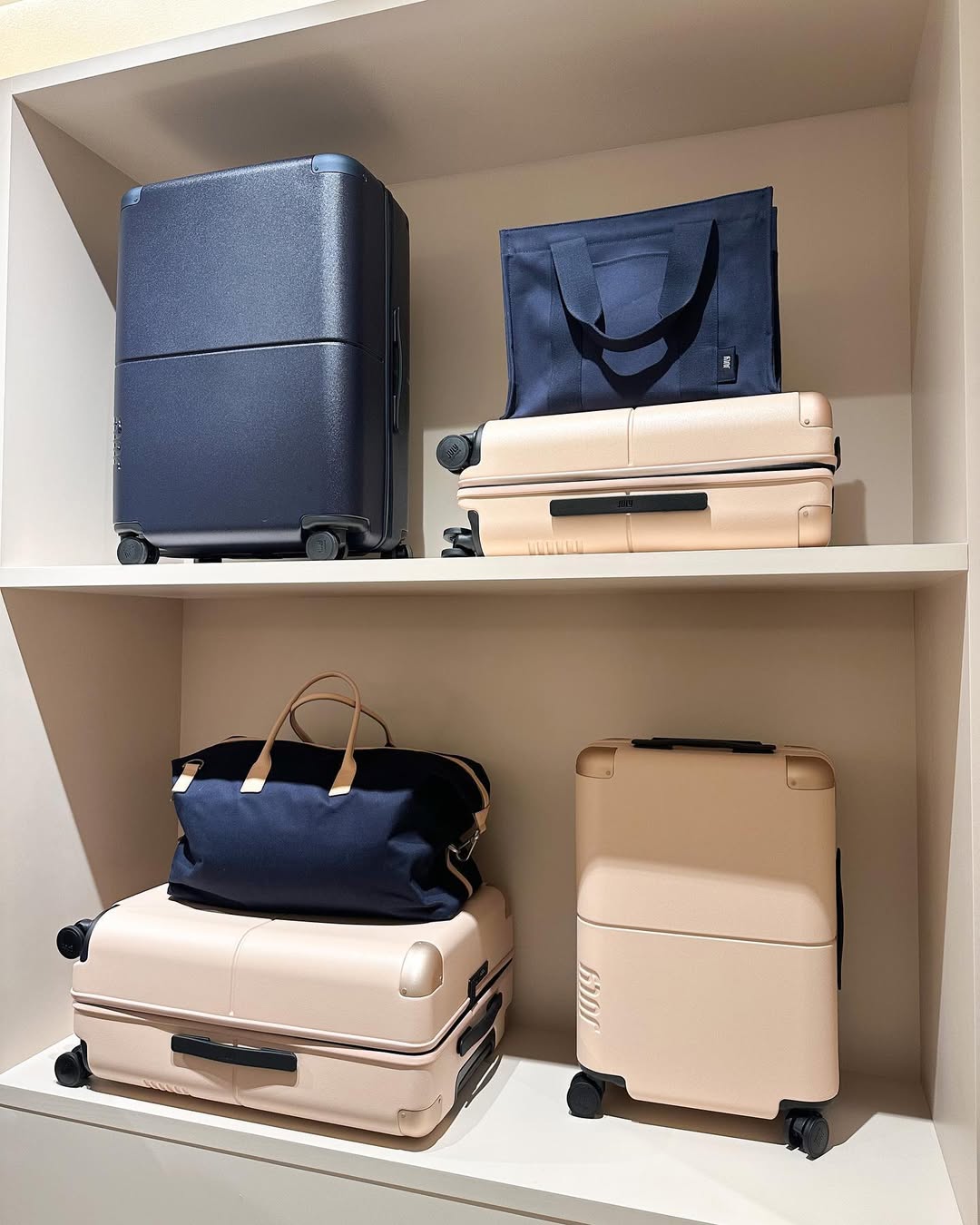
I Stick to One Bag When Possible
There is something freeing about carrying less.
Moving through airports, checking in, even just walking around feels easier.
And it is not just a personal preference. Even financial and travel experts point out that packing light helps you move easier and avoid unnecessary stress, as highlighted by Kiplinger.
I noticed this the moment I tried it.
No waiting at baggage claim. No dragging heavy luggage through crowded streets. No repacking every morning.
If you have never tried it, test it on a short trip first. You will feel the difference immediately.
I Always Leave Space
This is something I ignored for years.
Now I always leave a little room in my bag.
For things I pick up. For unexpected needs. For flexibility.
I used to pack my bag full and then struggle to fit anything on the way back.
Now I leave about 20 percent space open.
That small gap changes how the whole trip feels. You are not constantly rearranging or forcing things to fit.
My Final Packing Rule Before Every Trip
Right before I close my bag, I ask myself one simple question.
Will I use this at least twice?
If the answer is no, it comes out.
Not later. Not maybe. Right then.
This rule has never failed me.
It keeps my bag lighter without me having to think too much about it.
And every time I travel now, I notice the difference.
Less weight. Less clutter. More focus on the actual experience.
That is what packing should really do.
Also read: