The Only Church Camp Packing List You’ll Need This Year
The first time I packed for church camp, I thought I was prepared.
I had plenty of clothes. Snacks. Extra shoes. A backpack stuffed so full I could barely zip it shut.
By the second day, I realized I had packed all the wrong things.
The flashlight I left at home suddenly mattered when our cabin lost power for a few hours. The cheap water bottle I grabbed at the last minute leaked inside my bag. And the sweatshirt I almost didn’t bring became the one thing I wore every evening when temperatures dropped after sunset.
Church camp has a way of teaching lessons quickly.
You spend long days moving between worship sessions, games, campfires, cabins, dining halls, and outdoor activities. Plans change. Weather changes. Sometimes an ordinary item becomes the one thing that saves your day.
Maybe you’re heading to church camp for the first time.
Maybe you’re a parent helping a child pack.
Or maybe you’ve been before and simply don’t want to repeat the mistake of forgetting something important.
Either way, packing well makes the entire week easier.
When you have the right gear, you’re not spending time borrowing flashlights, searching for dry clothes, dealing with blisters, or wishing you’d packed a jacket. You’re paying attention to the things that actually matter: the friendships, the worship services, the late-night conversations in the cabin, and the memories you’ll still be talking about months later.
That’s exactly what this guide is designed to help with.
You’ll find the essentials every camper needs, the items most people forget until it’s too late, practical ways to stay organized, and simple packing strategies that keep you comfortable without stuffing your suitcase with things you’ll never use.
Because the best church camp packing list isn’t the longest one.
It’s the one that helps you arrive prepared, stay comfortable, and enjoy every moment of the week.
Let’s start with the step most campers skip before they even open their suitcase.
Start With the Camp’s Packing Rules Before You Pack Anything

Before you pull out a suitcase or start tossing clothes into a duffel bag, take a few minutes to review the information provided by your camp.
It sounds obvious, yet it’s one of the most common mistakes people make.
Different camps have different expectations. One camp may allow phones during free time. Another may collect them during check-in. Some provide bedding. Others expect campers to bring sheets, pillows, or sleeping bags. Medication procedures can vary too.
I’ve seen campers spend their first evening scrambling because they packed for the camp they imagined rather than the camp they were actually attending.
A few years ago, I watched a camper arrive with a gaming console, several expensive electronics, and almost no practical gear. By dinner on the first night, most of those items were sitting unused in a cabin while he borrowed necessities from friends.
A little planning would have saved him the trouble.
The American Camp Association’s packing guidance recommends reviewing the camp’s own requirements before packing and making sure belongings are labeled clearly. They also recommend bringing practical necessities like bedding, toiletries, a flashlight, appropriate footwear, and a reusable water bottle.
Before packing anything, ask yourself three simple questions:
- What does the camp require?
- What will I use every day?
- What am I packing just because I might need it?
That last question can save a surprising amount of suitcase space.
Most first-time campers worry about forgetting something important. In reality, they usually bring too much. Every extra item has to be carried, unpacked, organized, repacked, and hauled home again.
Here is the simple system I use.
I read through the camp information once with a highlighter. Then I create three categories:
Required items
Recommended items
Nice-to-have items
The process takes less than ten minutes.
Yet it instantly reveals what deserves space in your bag and what can stay home.
When camp starts, you’ll spend less time digging through luggage and more time settling into your cabin, meeting new people, and enjoying the week ahead.
Once you’ve checked the rules, it’s time to focus on the items that earn their place in almost every church camp bag.
The Non-Negotiable Essentials Every Church Camper Needs

Every church camp is different.
Yet after years of traveling, camping, and attending outdoor retreats, I’ve noticed that the same handful of items end up being useful every single day.
Start with clothing.
The goal isn’t to bring your entire wardrobe. The goal is to stay comfortable no matter what the schedule throws at you.
Pack enough outfits for each day, plus one extra set of clothes. Rainstorms, muddy games, spilled drinks, and surprise activities happen more often than people expect.
I learned this lesson during an outdoor team challenge that ended with half our group sliding through wet grass. The backup clothes I nearly left behind suddenly became the best thing in my bag.
Think about clothing in terms of comfort rather than variety.
Nobody remembers how many outfits you packed.
You will remember spending the afternoon in damp clothes because you didn’t bring a spare shirt.
Comfortable footwear matters just as much.
Bring a pair of closed-toe shoes that you’ve already worn for long periods. Camp days involve far more walking than many people expect. Between cabins, dining halls, recreation areas, worship spaces, and activity fields, those steps add up quickly.
A simple pair of shower sandals is worth packing too. They’re lightweight, inexpensive, and make shared facilities much more comfortable.
Sleep is another area many first-time campers overlook.
A good pillow may seem unimportant while you’re packing. It feels very important after your third night in a cabin.
If your camp requires bedding, pack it first rather than treating it as an afterthought. Sheets, a sleeping bag, blankets, and a pillow can have a bigger impact on your week than almost anything else in your suitcase.
Good sleep affects everything.
Your energy level.
Your mood.
Your ability to enjoy activities throughout the day.
Then come the everyday basics.
Toothbrush.
Toothpaste.
Soap.
Shampoo.
Deodorant.
Hairbrush.
Towels.
Nothing glamorous.
Yet these are the items that quietly keep your week running smoothly.
One habit I swear by is storing toiletries inside a waterproof bag. A leaking bottle of shampoo can turn an organized suitcase into a mess within minutes.
I also pack travel-size versions whenever possible. They take up less space and leave extra room for the things you’ll bring home from camp.
The truth is that most church camp memories aren’t made because you packed perfectly.
They’re made around campfires, worship nights, cabin conversations, and group activities.
Packing the essentials simply removes distractions so you can fully enjoy those moments when they happen.
And once those basics are covered, it’s time to look at the small items people almost always wish they had remembered.
What Most Campers Forget Until They Need It

The funny thing about church camp is that the items you use the most are often the ones that barely take up any space.
Nobody talks about them while packing.
Nobody gets excited about buying them.
Yet they’re usually the first things people wish they had brought.
A flashlight sits near the top of that list.
Cabins, campgrounds, trails, and outdoor gathering areas can become surprisingly dark after sunset. Even camps with good lighting often have stretches of pathways where a flashlight makes getting around easier.
I prefer a headlamp because it keeps both hands free. After an evening worship service, it’s nice to carry your Bible, water bottle, or jacket without trying to balance a flashlight at the same time.
The best part?
You’ll probably use it every day even if you never expected to.
Another item that earns its place every single day is a reusable water bottle.
Church camp schedules often involve outdoor activities, walking between locations, recreation time, and long afternoons in the sun.
One summer, I watched a group spend half their free period searching for bottled water because they hadn’t packed reusable bottles. Meanwhile, everyone else simply refilled theirs and headed off to the next activity.
Small inconvenience.
Lost free time.
Easy problem to avoid.
The same principle applies to a simple laundry bag.
At first, it seems unnecessary.
Then day three arrives.
A damp towel hangs from one bunk. Dirty socks appear under another. Somebody can’t remember which hoodie is clean anymore.
A lightweight laundry bag keeps the chaos contained.
Future-you will appreciate it when it’s time to unpack at home.
Then there are zip-top storage bags.
They aren’t exciting.
They’re also some of the hardest-working items in camp.
Wet swimsuits after lake time.
Muddy socks after field games.
Snacks for a long bus ride.
A phone that suddenly needs protection from unexpected rain.
I’ve used them for every one of those situations.
Most campers will use at least one before the week ends.
A small collection of personal first-aid supplies can save frustration too.
You don’t need to bring an entire medicine cabinet. A few bandages and blister pads usually cover the most common issues.
Blisters deserve special attention.
Nothing ruins enthusiasm faster than spending every step of a hike thinking about your feet.
Finally, think about power.
Many camps offer charging stations, but those outlets tend to become popular very quickly. If phones are allowed, a fully charged power bank can save you from hunting for an available plug at the end of a long day.
These aren’t the items people get excited about packing.
They’re the items people end up borrowing.
Pack them now and you’ll spend less time solving problems and more time enjoying camp.
Of course, even the most organized bag can’t control the weather.
Packing for Outdoor Activities Without Overpacking

One of the biggest mistakes campers make is packing for the weather forecast instead of packing for the weather that might actually happen.
Forecasts change.
Camp schedules don’t.
I’ve arrived at camps expecting sunshine only to spend half the week dealing with rain showers and chilly evenings. I’ve also packed heavy sweatshirts for cool temperatures and ended up sitting in ninety-degree heat wishing I had lighter clothing.
The answer isn’t bringing more stuff.
The answer is bringing flexible stuff.
A lightweight rain jacket earns its place in almost every camp bag.
It handles unexpected showers, folds into a small space, and usually weighs less than people expect. A compact poncho works too if you’re trying to save room.
One simple rule I follow:
Pack for at least one weather condition you hope doesn’t happen.
That single habit has saved me more times than I can count.
When it comes to clothing, quick-drying fabrics make life much easier.
If you’re participating in games, hikes, waterfront activities, or outdoor recreation, wet clothing can quickly become uncomfortable.
The experts at REI’s family camping checklist recommend quick-drying clothing, weather-appropriate layers, proper footwear, rain gear, sunscreen, insect repellent, and water-friendly items for outdoor trips. Those same ideas translate perfectly to church camp.
Sun protection deserves more attention than many campers give it.
Most people don’t think about sunscreen while packing.
They think about sunscreen after they’ve forgotten it.
A day spent playing games, sitting at the lake, attending outdoor worship, and walking around camp can add up to hours of sun exposure.
A hat takes almost no room.
A small bottle of sunscreen takes even less.
Both can make the difference between enjoying the next day’s activities and spending it uncomfortable.
The same thinking applies to bug protection.
Mosquitoes seem to appear exactly when everyone gathers outside.
If your camp sits near woods, fields, or water, insect repellent can quickly become one of the most appreciated items in your bag.
Water activities require a little preparation too.
If swimming, canoeing, paddleboarding, or lake recreation appears on the schedule, pack a swimsuit and a quick-dry towel.
I’ve watched campers spend an entire afternoon carrying around a soaking wet cotton towel because they didn’t think it mattered.
By the end of the day, they wished they had packed differently.
Prepare for changing conditions, not perfect conditions.
That mindset usually creates a lighter suitcase, fewer problems, and a much more comfortable week.
Physical comfort matters.
Yet some of the most memorable parts of church camp happen when the activities end and the conversations begin.
The Smart Way to Organize Your Church Camp Bag
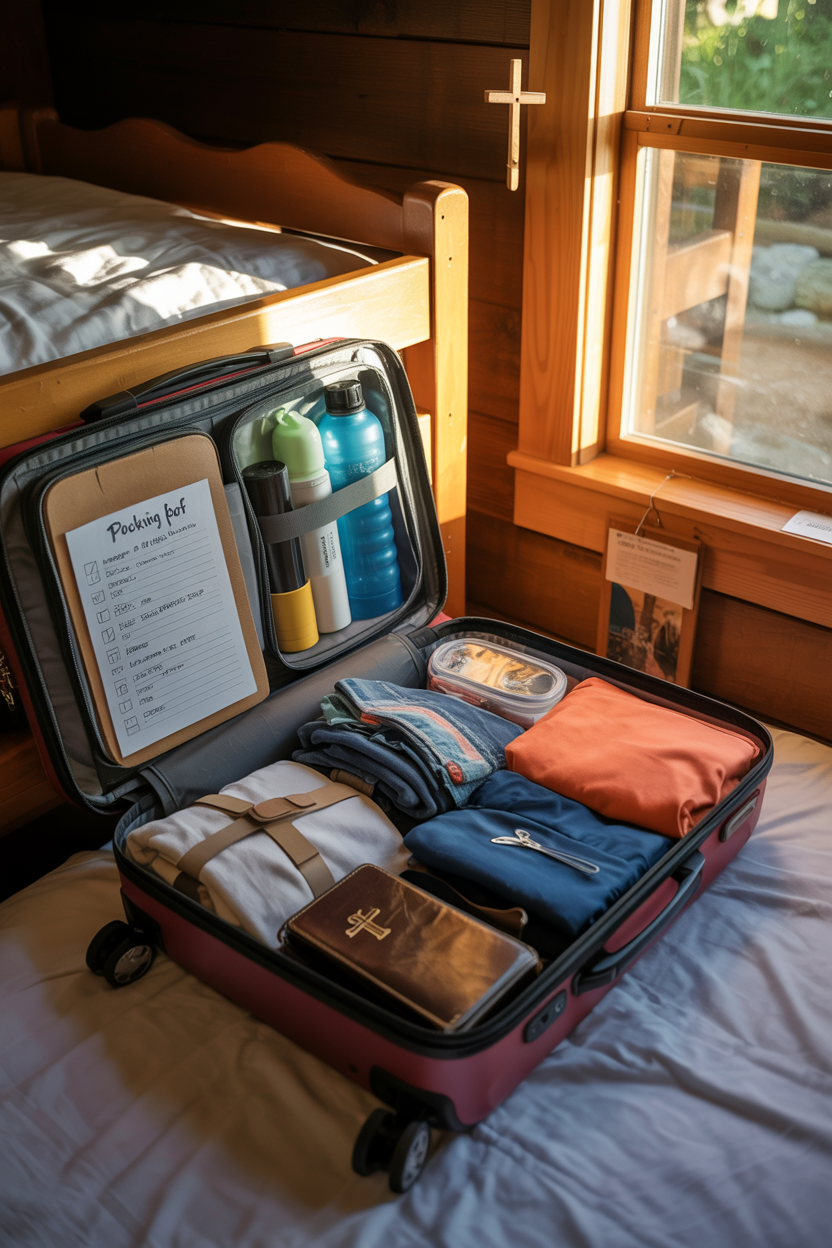
Packing well isn’t about fitting more stuff into a suitcase.
It’s about finding what you need exactly when you need it.
The easiest method I’ve found is separating belongings into categories.
Clothing in one section.
Toiletries in another.
Activity gear somewhere else.
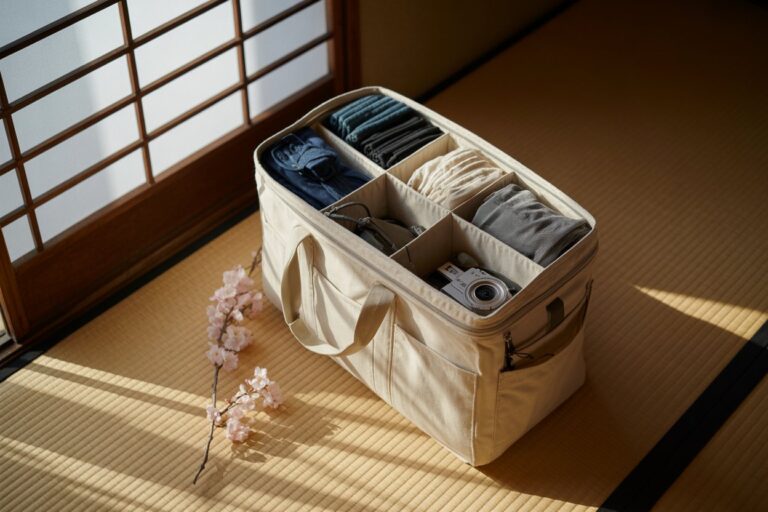
Packing cubes work well for this, though simple zip bags or reusable organizers work just as well. The goal isn’t fancy organization. The goal is avoiding the moment when you’re searching through an entire suitcase for one missing item while everyone else is heading to the next activity.
One habit that has saved me countless headaches is keeping first-day items easy to reach.
When you arrive at camp, you’re usually dealing with check-in, unloading bags, finding your cabin, meeting leaders, and settling into a completely new environment.
The last thing you want is to empty half your suitcase looking for paperwork or medication.
Keep items like forms, medications, your water bottle, a change of clothes, and anything needed during check-in near the top of your bag.
I also like packing my first full day’s outfit separately.
That way, after a long trip, I don’t have to search through everything the next morning.
It’s one small step that makes the first day feel much smoother.
Labeling belongings pays off quickly too.
Cabins often contain identical water bottles, flashlights, hoodies, towels, and chargers.
I’ve seen entire conversations happen because three campers believed the same black sweatshirt belonged to them.
A simple label prevents the mystery.
Another trick is leaving a little extra space in your luggage.
At first, it feels unnecessary.
Then camp begins.
A camp T-shirt appears.
A craft project gets added.
Photos get handed out.
Someone gives you a friendship bracelet.
Little by little, your bag gets fuller.
By departure day, that empty space becomes one of the smartest things you packed.
Organization isn’t about being perfect.
It’s about making camp feel easier from the moment you arrive.
And once your bag is organized, it’s worth avoiding the mistakes that create problems later.
Church Camp Packing Mistakes That Create Problems Later
Most camp packing problems aren’t caused by forgetting something huge.
They’re caused by small choices that seem harmless before the trip begins.
The biggest mistake?
Packing for every possible situation.
I’ve watched campers arrive with enough clothes for two weeks even though camp lasted five days.
By the end of the trip, half their outfits had never left the suitcase.
Meanwhile, the items they actually needed were buried somewhere at the bottom.
Packing extra options feels reassuring.
Dragging around a heavy suitcase doesn’t.
A better approach is packing clothes that can handle multiple situations. Comfortable shirts, shorts, layers, and one backup outfit usually cover far more than people expect.
Weather mistakes are common too.
Many campers check the forecast a few days before departure and assume those conditions will stay the same.
Then a rainstorm arrives.
Or temperatures drop after sunset.
Or the afternoon becomes much hotter than expected.
The National Park Service’s Ten Essentials guidance recommends preparing for changing outdoor conditions with extra layers, illumination, hydration supplies, sun protection, and basic first-aid items. While church camp isn’t a wilderness expedition, the same thinking prevents a lot of avoidable discomfort.
A rain jacket that stays folded all week isn’t wasted space.
It’s insurance.
Another mistake is bringing expensive valuables.
The truth is that camp life can be messy.
Bags get moved.
Cabins stay busy.
People borrow outlets.
Items end up in unexpected places.
I’ve seen campers spend entire days worrying about expensive electronics instead of enjoying activities.
The less you have to worry about, the more present you’ll be.
Ignoring camp policies creates problems too.
Every year, someone discovers their electronics aren’t allowed, their medication paperwork isn’t complete, or they packed something that doesn’t meet camp guidelines.
Five minutes spent reviewing camp information can prevent hours of frustration later.
Then there’s the mistake I’ve made myself.
Waiting until the night before departure.
Packing late almost guarantees something gets forgotten.
A charger.
A towel.
A flashlight.
The Bible you meant to bring.
Try packing a few days early instead.
You’ll sleep better the night before camp and still have time to pick up anything you’re missing.
Avoiding these mistakes doesn’t require a perfect packing system.
It simply gives you fewer problems to solve once camp begins.
A Simple Last-Minute Church Camp Packing Check
The night before camp, I don’t rely on a giant checklist anymore.
I use a simple question:
“If I couldn’t buy anything for the next week, would I be comfortable?”
That question catches almost everything.
Then I do one final review.
Do I have enough clothing for the entire stay plus one backup outfit?
Do I have bedding if my camp requires it?
Are toiletries packed and easy to access?
Do I have a flashlight or headlamp?
Is my reusable water bottle ready?
Have I packed weather protection?
Do I have my Bible, notebook, and pens?
Are medications packed according to camp instructions?
Have I left expensive valuables at home?
Can I comfortably carry everything I’ve packed?
That final question matters more than most people realize.
If your luggage already feels overwhelming in your bedroom, it won’t feel lighter walking it across camp.
The goal isn’t packing everything you might need.
The goal is packing everything you’ll actually use.
When you can answer yes to those questions, you’re probably ready to go.
Final Thoughts
Church camp isn’t remembered because you packed the perfect suitcase.
Years later, nobody talks about how many shirts they brought.
They talk about the campfire conversation that lasted long after lights-out.
The friend they met during the first day.
The worship service they still remember.
The lesson that followed them home.
Packing well simply removes distractions.
The team at CDC Travelers’ Health recommends bringing personal medications, first-aid supplies, insect repellent, and sun protection when preparing for travel. Those small preparations can prevent a lot of unnecessary headaches during camp.
When you do that, your bag gets lighter.
Your mornings become easier.
And your attention stays where it belongs.
Not on what’s missing from your suitcase.
But on the people, moments, and memories that made you excited to attend church camp in the first place.