Alaska Cruise Packing List: What You Actually Need
When I first planned an Alaska cruise, I pictured freezing temperatures, heavy jackets, and bulky sweaters stuffed into my suitcase.
So that’s exactly how I started packing.
Thick layers. Extra “just in case” outfits. Things I thought I’d need if it got really cold.
Then I paused and checked the actual conditions.
That’s when I realized something most people miss.
If you’ve been searching for an Alaska cruise packing list and still feel unsure what you actually need, this is where things usually go wrong.
An Alaska cruise is not constant winter. It shifts. A lot.
Cool mornings. Bright afternoons. Windy decks. Warm indoor spaces. Sometimes all in the same day.
If I had packed the way I originally planned, I would have been uncomfortable the entire trip.
Here’s what changed everything.
I stopped packing for cold. I started packing for change.
In this guide, I’ll show you what I actually packed, what I used every day, and what I wish I had left at home.
You can use this right away, whether it’s your first cruise or you just want to pack smarter.
Let’s break it down.
What Makes Packing for an Alaska Cruise So Different

This is where most packing lists get it wrong.
They treat Alaska like one weather type. It’s not.
It’s not just cold. It’s changing.
And if you don’t plan for that, you’ll feel it within the first few hours onboard.
Here’s where it starts to matter.
Weather Changes Faster Than You Expect
You can step out on deck in the morning and feel a sharp chill.
By afternoon, the sun is out and you’re peeling layers off.
And then later, wind or light rain hits.
Even cruise experts point this out. As Holland America Line explains, Alaska cruises can bring everything from cool glacier breezes to warmer sunshine in the same trip.
That’s the reality you need to pack for.
Here’s a quick way to use this.
Before your trip, check one sample day in your itinerary. Look at morning and afternoon temperatures. If there’s a noticeable gap, you need layers, not heavier clothes.
That one step changes what goes into your bag.
You Move Between Completely Different Environments
This surprised me the most.
You’re not just outdoors.
You go from cold decks to warm cabins. From windy viewpoints to indoor dining. From excursions to relaxed evenings.
One outfit doesn’t carry you through all of that.
I remember stepping inside after being out on deck for a while and instantly feeling too warm. That’s when I realized bulky clothing doesn’t work here.
Here’s what helps.
Wear pieces you can remove in seconds. Not something you have to commit to for hours.
That keeps you comfortable without constantly changing outfits.
You’re Walking More Than You Think
Ports, excursions, even just exploring the ship.
I remember one day where I thought I’d just “take it easy,” and still ended up walking for hours.
That’s when packing starts to matter more than you expect.
Here’s a simple check.
If your shoes or outfit wouldn’t hold up for 5–6 hours of movement, rethink it.
Because chances are, you’ll hit that without planning to.
So instead of packing more, I changed how I pack.
My Alaska Cruise Packing Strategy (What Actually Works)
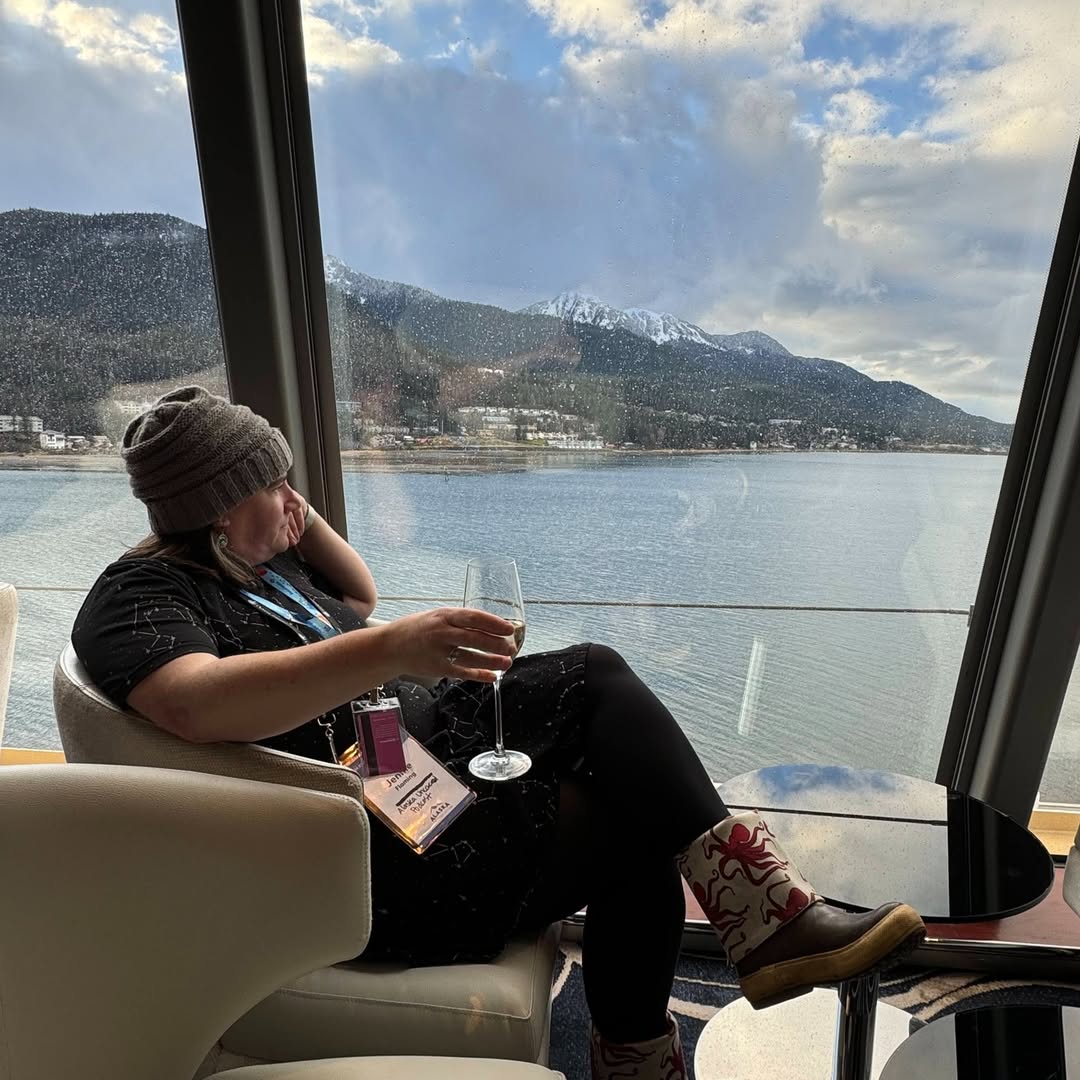
Once I understood how the trip really feels, my packing got simpler.
Not heavier. Smarter.
It’s less about what you bring and more about how everything works together.
I Pack Layers, Not Heavy Clothes
This is the biggest shift.
Instead of one thick jacket, I bring lighter pieces that work together.
Cruise lines recommend the same approach. As outlined in this Alaska cruise packing guide, layering with base, mid, and outer pieces helps you adjust throughout the day.
Here’s exactly how I do it:
- One light base layer
- One warm mid layer
- One waterproof outer layer
That’s enough for most days.
You can add or remove pieces in seconds. No guessing. No discomfort.
I Plan for Outfit Changes Without Packing More
This sounds counterintuitive.
But instead of packing more clothes, I pack combinations.
A single base layer can work for daytime exploring and then again under a jacket in the evening.
Here’s the rule I follow.
Every top I pack must work with at least two other pieces.
If it doesn’t, it stays out.
That alone cuts down unnecessary items fast.
I Choose Comfort Every Time
This is not the trip to test uncomfortable clothes.
Wind, movement, and long days make comfort the priority.
If something feels even slightly off, it gets worse over time.
I’ve had moments on other trips where I kept adjusting what I was wearing all day. That takes away from the experience.
Now I ask one question.
Can I wear this for at least 6 hours without thinking about it?
If the answer is no, it doesn’t go in my bag.
That mindset alone will save your trip.
Now let’s get into what actually made it into my bag.
The Core Alaska Cruise Packing List (What I Actually Used)
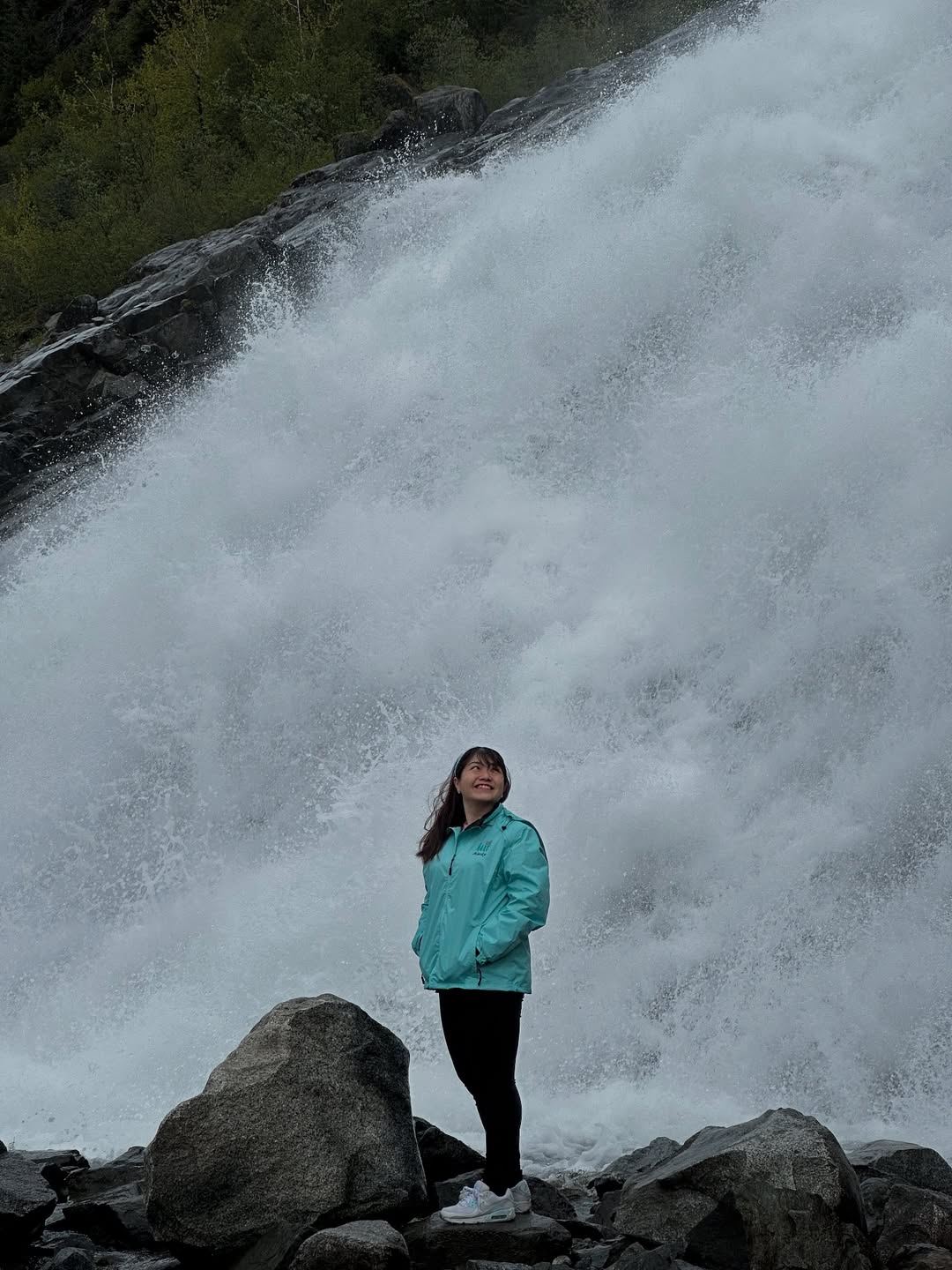
This is not everything you could pack.
This is what I actually used again and again.
If something didn’t get used at least twice, it probably didn’t belong.
Clothing That Works in Changing Weather
Think flexible, not bulky.
Pieces that can handle both cool and mild conditions without needing a full outfit change.
Here’s a quick rule you can use right away.
If an item only works in one specific condition, reconsider it.
And one more filter.
If you can’t wear it two different ways, it’s probably not worth the space.
Versatility matters more than quantity here.
Outerwear That Makes or Breaks the Trip
This is one thing you don’t want to get wrong.
A good outer layer changes everything.
Local travel experts stress this too. As noted by Alaska.org, a waterproof and breathable jacket helps you stay warm and dry across changing conditions.
I saw this firsthand.
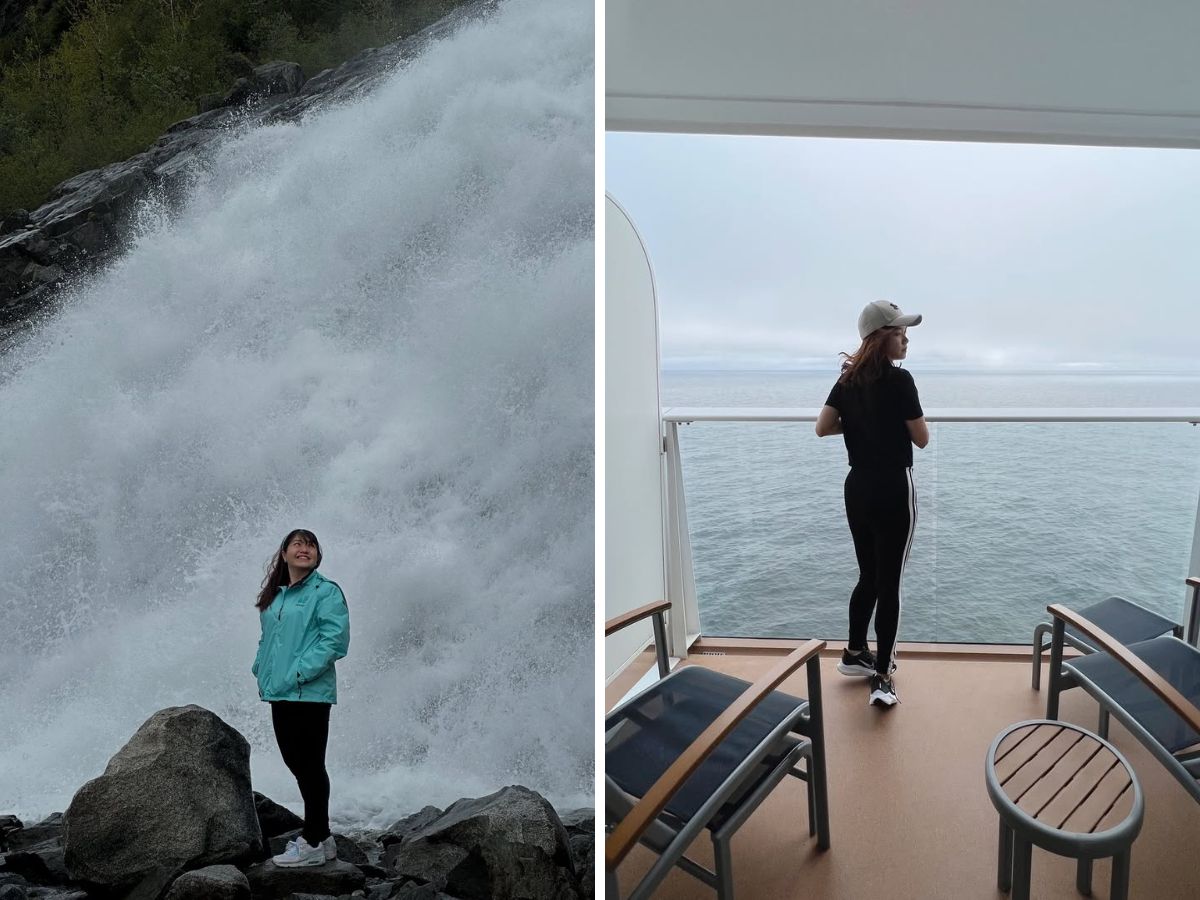
There were moments when light rain and wind hit out of nowhere. The right jacket meant I stayed outside enjoying it instead of rushing back inside.
Here’s a quick test.
If your jacket can’t handle both wind and light rain, it’s not enough for this trip.
Shoes That Handle Decks and Excursions
Shoes matter more than almost anything else.
Wet surfaces. Long walks. Uneven paths during excursions.
I made this mistake once on a different trip and didn’t repeat it here.
Good grip. Comfortable for hours. Slightly water-resistant if possible.
That combination goes a long way.
Cruise guides echo this too. As highlighted in this Alaska cruise packing guide, comfortable walking shoes and practical gear are part of what makes the trip smoother.
Try this before your trip.
Wear your shoes for a full day outside. If anything feels off, it will be worse during the cruise.
Essentials I Reached for Every Single Day
These are the quiet heroes.
Gloves. Sunglasses. A small day bag. A reusable water bottle.
Nothing flashy. But I used them daily.
One small tip.
Keep these items in the same place in your bag.
I use a small pouch that never moves. That way I don’t waste time searching every morning.
It sounds simple, but it saves effort every single day.
What I Packed for Evenings Onboard
Evenings are more relaxed than people expect.
You don’t need overly formal outfits unless your cruise specifically calls for it.
I stuck to clean, comfortable pieces that still felt put together.
That was more than enough.
If you’re unsure, pack one slightly nicer outfit and build around it.
That gives you flexibility without overpacking.
Things I’m Glad I Packed (But Almost Didn’t)
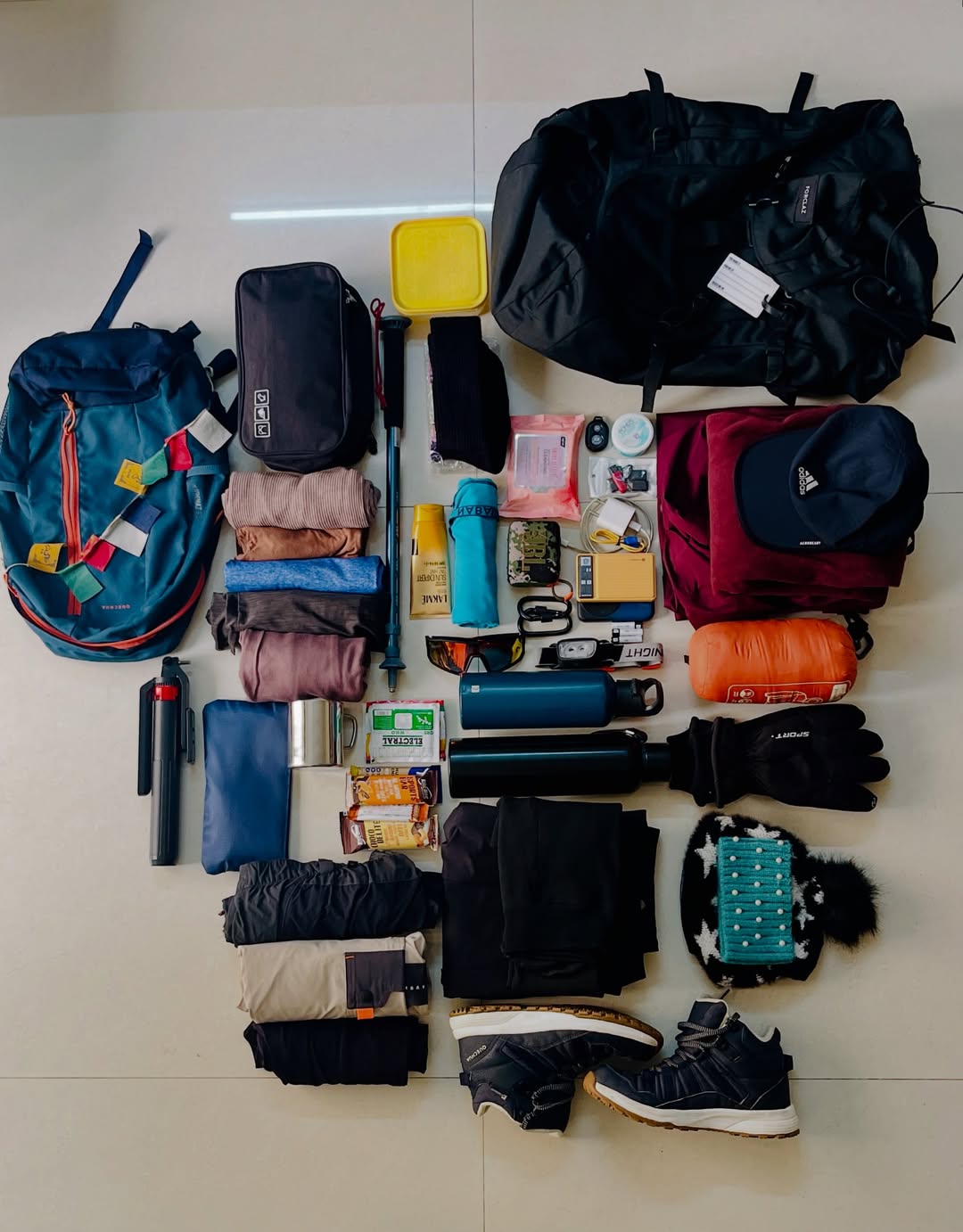
This is where the trip surprised me.
A few small items made a bigger difference than I expected.
A compact backpack for excursions.
Binoculars for spotting wildlife and scenery.
A simple pair of gloves for colder moments on deck.
At first, I almost left these out to save space.
Then I found myself reaching for them almost every day.
I still remember standing on deck trying to spot distant glaciers and wildlife. Without binoculars, I would have missed half of it.
Same with the backpack. Some days start light, but by midday you’re carrying layers, water, and small things you didn’t plan for.
Here’s what I do now.
I pick 2–3 small items that solve real problems during the day and keep them packed every time.
They don’t take space, but they add comfort to the entire trip.
That’s the difference.
What I Packed But Never Used
This part matters just as much.
Because this is where you save space.
Extra sweaters I thought I’d need.
Dressy outfits that never felt necessary.
Backup items I packed “just in case.”
They stayed untouched.
And the frustrating part is, they made everything harder.
Heavier bag. Less space. More time spent digging through things I didn’t even use.
Here’s the filter I use now.
If I cannot clearly picture when I’ll use something, it doesn’t go in my bag.
Not “maybe.” Not “just in case.”
A real moment.
Try this before your trip.
Lay everything out and ask yourself where exactly you’ll use each item. If you can’t answer in a few seconds, remove it.
That one step cuts out half the unnecessary items.
How I Pack for Alaska Without Overpacking
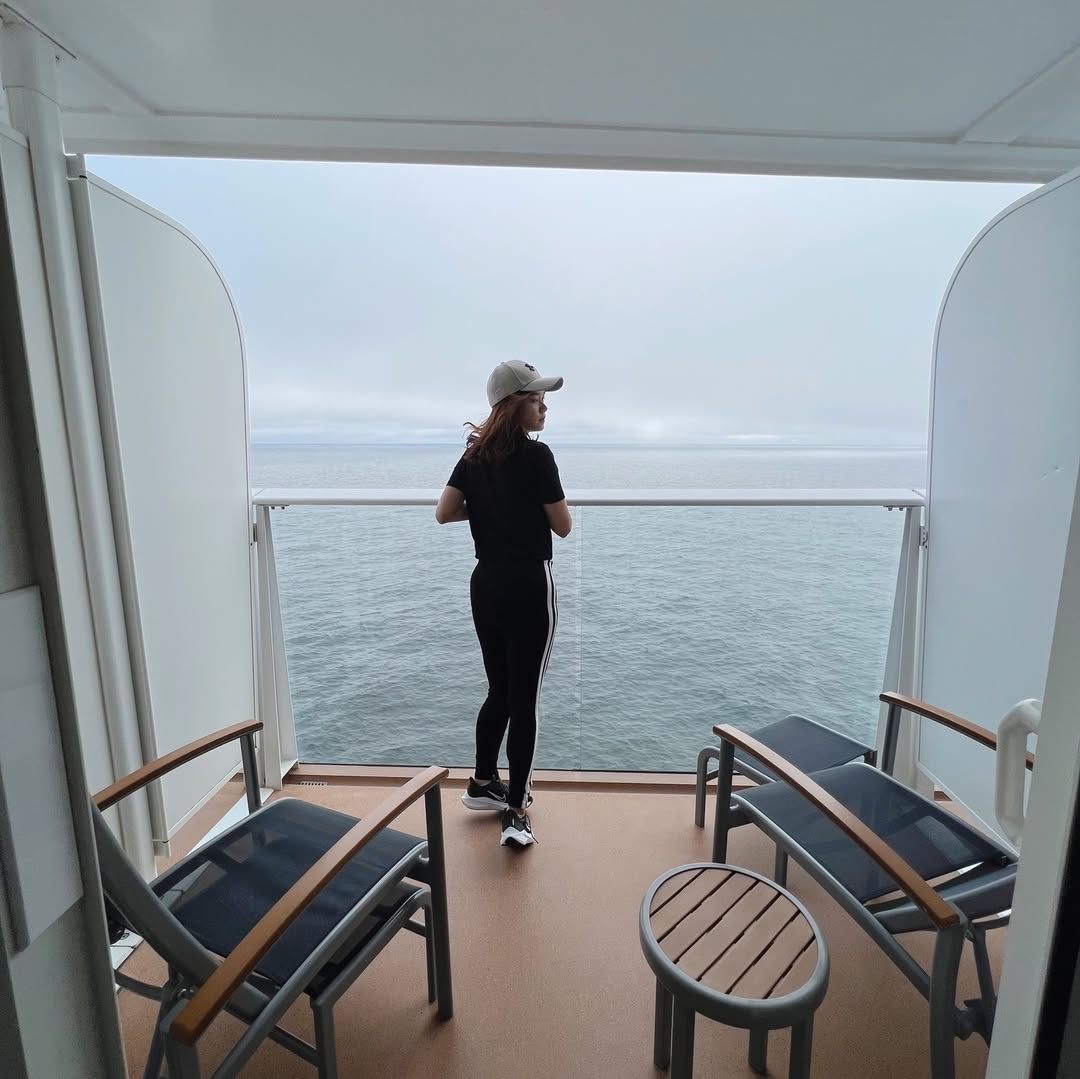
This is what ties everything together.
Packing feels harder than it needs to be until you have a simple system.
Once you do, it becomes almost automatic.
I Build Around Layers
Every piece connects to another.
Nothing stands alone.
That keeps things simple and flexible.
Here’s the rule I follow.
Each item must work in at least two combinations.
If it doesn’t, it doesn’t go in.
That keeps your bag smaller without limiting what you can wear.
I Limit “Just in Case” Items
This is where most overpacking happens.
Instead, I trust the plan.
If it’s not part of my actual trip flow, I leave it out.
I used to pack backups for everything. Now I pack with intention.
One version of what I need, not three.
You can test this easily.
Pack your bag, then remove 20 percent of it. You’ll still have everything you need.
I Use One Main Bag and One Day Bag
This setup works every time.
One suitcase. One smaller bag for daily use.
It keeps everything easy to manage without feeling restricted.
The day bag becomes your go-to during excursions and time on deck.
Everything you need stays within reach, without carrying your entire suitcase around.
Once you try this setup, it’s hard to go back to anything more complicated.
My Final Packing Rule for an Alaska Cruise
Right before I zip my bag, I ask one question.
Does this work in at least two different situations?
If not, it comes out.
No second guessing.
That rule keeps everything practical without overthinking it.
And once you travel like this, you notice the difference immediately.
You move easier. You spend less time managing your stuff. You enjoy more of what’s around you.
That’s the whole point.
Also read:
What I Actually Wore on My Alaska Cruise
How to Plan Cruise Outfits for Every Theme Night Without Overpacking