Europe Summer Packing List for Stress-Free Travel
I used to think packing for Europe was about outfits.
You know the mindset. One look for Paris, another for Rome, something “just in case” for nights out. By the time I zipped my bag, it felt complete. It also felt heavy. That was the first mistake.
By day three, dragging that suitcase over cobblestone streets, up narrow staircases, and through crowded train stations, I realized something fast. The problem wasn’t what I forgot. It was everything I brought.
Here is why this matters.
Packing for Europe is less about looking ready and more about moving freely. When your bag is lighter, everything feels easier. Trains are less stressful. Walks feel better. You stop thinking about your luggage and start enjoying where you are.
That shift changed how I travel completely. And if you get this part right before your trip, you’ll avoid the one mistake almost every first-time traveler makes.
Let’s fix that before you even start packing.
What “Stress-Free Packing” Actually Means in Europe
Let’s break it down.
In Europe, you’re not just moving between places. You’re walking more than you expect. You’re lifting your bag into trains. You’re dragging it over cobblestone streets that fight every wheel.
So stress-free packing is simple. It means carrying only what you can move with comfortably, even on your worst travel day.
I learned this the hard way. I once stayed in a small hotel in Florence with no elevator. Three floors up, narrow staircase, and a suitcase that felt heavier with every step. Halfway up, I already knew I had packed wrong.
Even seasoned travel experts say the same thing. The team at Rick Steves Europe puts it bluntly. You’ll meet two kinds of travelers. Those who pack light, and those who wish they had.
That line hits differently when you’re carrying your bag uphill.
So the goal is not to pack less just for the sake of it. The goal is to pack in a way that makes your days easier, not harder.
Here’s a quick test you can try right now. Pick up your bag and walk around your room for one minute. If it already feels annoying, it will feel worse after a long travel day.
Next, let’s set a simple system you can follow before you even open your suitcase.
Start Here: The 3 Rules I Always Follow Before Packing
This is where things start to click.
1. Plan for movement, not outfits
Every packing decision should answer one question. Can I walk all day in this?
You’ll spend more time moving than standing still. Think long walks, uneven streets, and full days outside. If something only works for one moment, it’s not earning its space.
A simple rule I follow. If I wouldn’t wear it for at least six hours straight, it doesn’t go in my bag.
2. Pack for five days, no matter how long your trip is
This felt strange at first, but it works.
Instead of packing for every single day, pack for a short rotation. Wear, wash, repeat. It keeps your bag lighter and your choices easier every morning.
Travel communities back this approach too. According to Workaway, many long-term travelers pack for about a week and rely on laundry during the trip.
Here’s how to apply it. Lay out five outfits on your bed. Now remove anything that doesn’t mix with at least one other piece. You’ll instantly see how much you can cut.
3. Build around one color story
This is the easiest way to stop overpacking.
Pick one base color. Add a few pieces that work with everything else. Now every top matches every bottom without effort.
When I started doing this, I stopped overthinking what to wear every morning. It just worked.
Less time deciding. More time enjoying your day.
Now that the foundation is clear, let’s talk about what actually earns a spot in your bag.
Clothing That Actually Works in Europe Summer
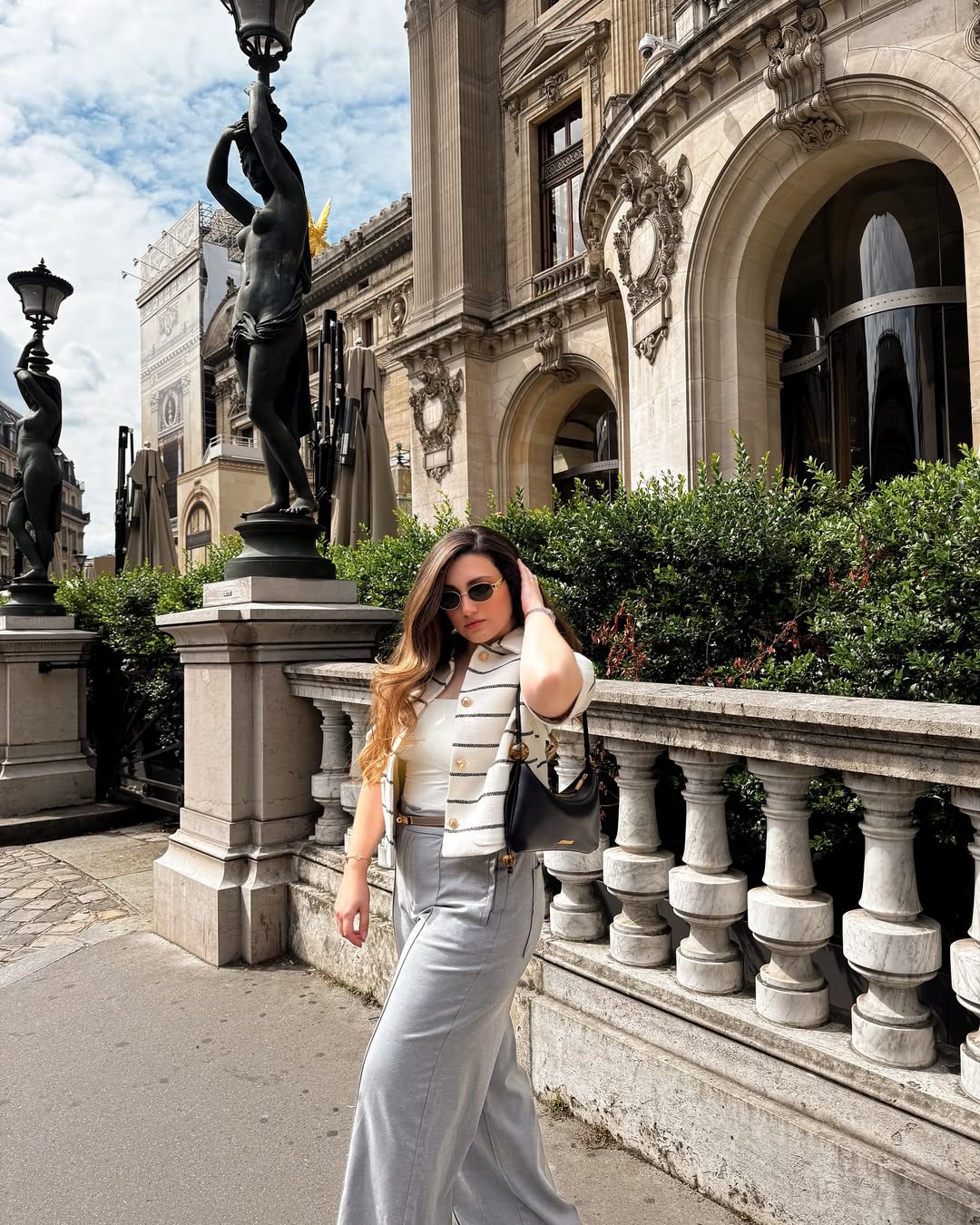
This is where most people get it wrong.
They pack for how they want to look, not how they’ll feel after 10,000 steps in the heat.
Light layers beat perfect outfits
Even in summer, the weather shifts more than you expect.
Mornings feel cool. Afternoons get warm. Evenings can turn chilly fast. I remember sitting outside in Prague in July, convinced I didn’t need a layer. An hour later, I was wishing I had one.
Travel experts often point this out. Wit & Whimsy notes that European weather can be unpredictable, even in warmer months.
So instead of packing full outfits, think in layers. A light shirt, a breathable outer layer, something you can add or remove in seconds.
Breathable fabrics change everything
Cotton, linen, anything that lets air move.
When you’re walking all day, fabric matters more than style. I’ve worn heavier materials before, and by midday it felt like a mistake I couldn’t fix.
Quick tip. Hold a fabric up to light. If light passes through easily, it’s usually better for hot days.
Versatility always wins
If an item only works in one situation, it doesn’t belong in your bag.
A simple dress that works during the day and at dinner. A shirt that looks relaxed with sneakers and cleaner with better shoes. That’s what you want.
Before packing anything, ask yourself. Where will I wear this twice?
If you can’t answer that, leave it behind.
Now let’s talk about the one thing that can make or break your entire trip.
Shoes Can Ruin or Save Your Trip
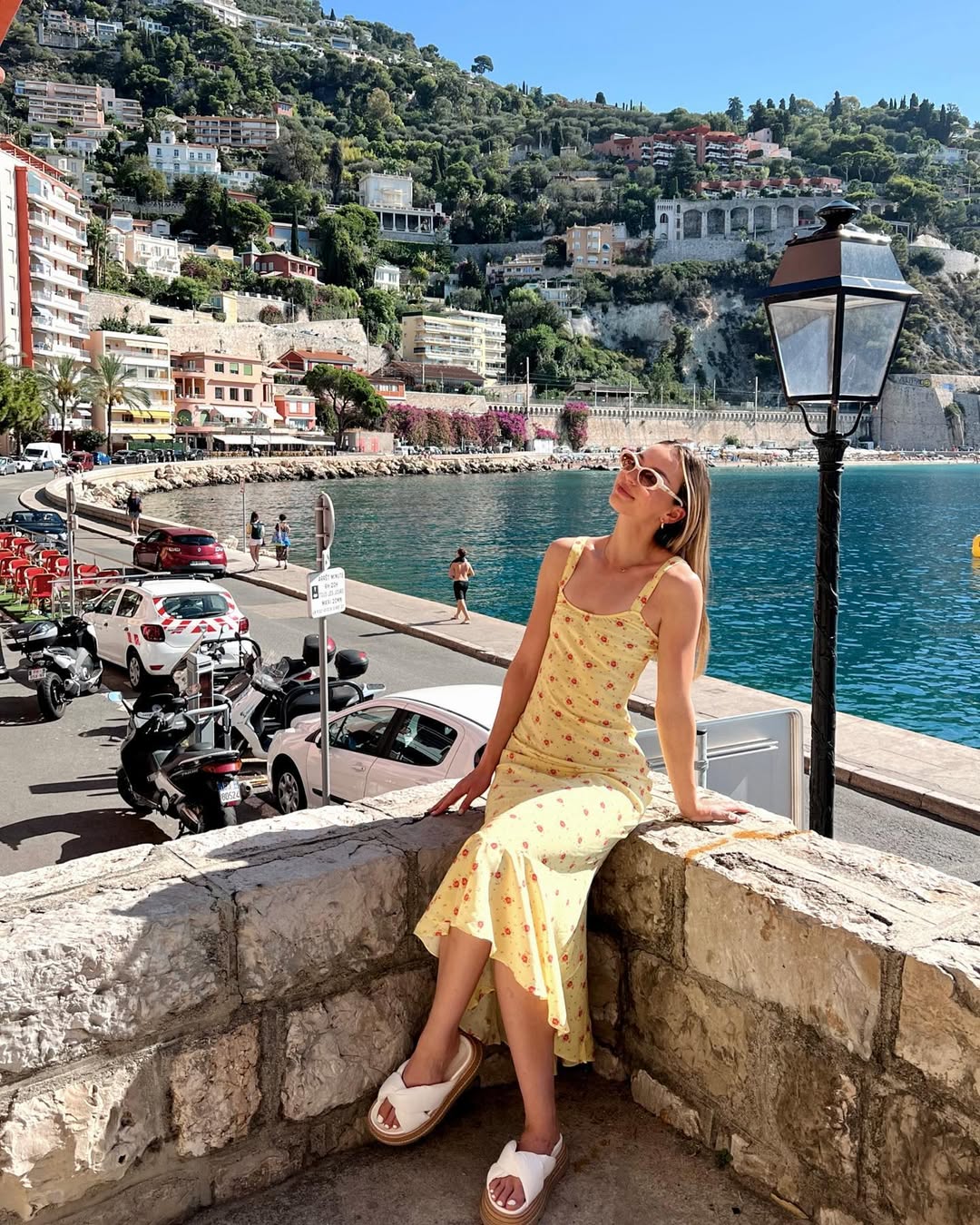
I learned this the hard way.
Brand new shoes. Looked great. Felt fine at home. By day two in Barcelona, they were a problem.
Blisters. Slower walking. Constant discomfort. I started planning my day around places to sit instead of places to see.
Here’s the truth. You will walk more than you expect.
Tour companies like Trafalgar point this out clearly. Travelers deal with cobbled streets, slopes, and long walking routes, which makes comfortable shoes one of the most important choices you’ll make.
So here’s the rule.
Only pack shoes you’ve already worn for long hours outside. Not around your house. Not for a quick outing. A full day.
If your feet aren’t used to them yet, your trip is not the place to test them.
Two pairs are enough. One for long walking days. One slightly better option if you need something cleaner for evenings.
Before packing, try this. Wear your main pair for a full day at home or outside. If you feel even slight discomfort, it will feel worse on day three of your trip.
Anything beyond two pairs usually ends up untouched at the bottom of your bag.
Now that your clothing is sorted, let’s move into the items most people don’t think about but end up needing.
The Non-Obvious Essentials Most People Forget
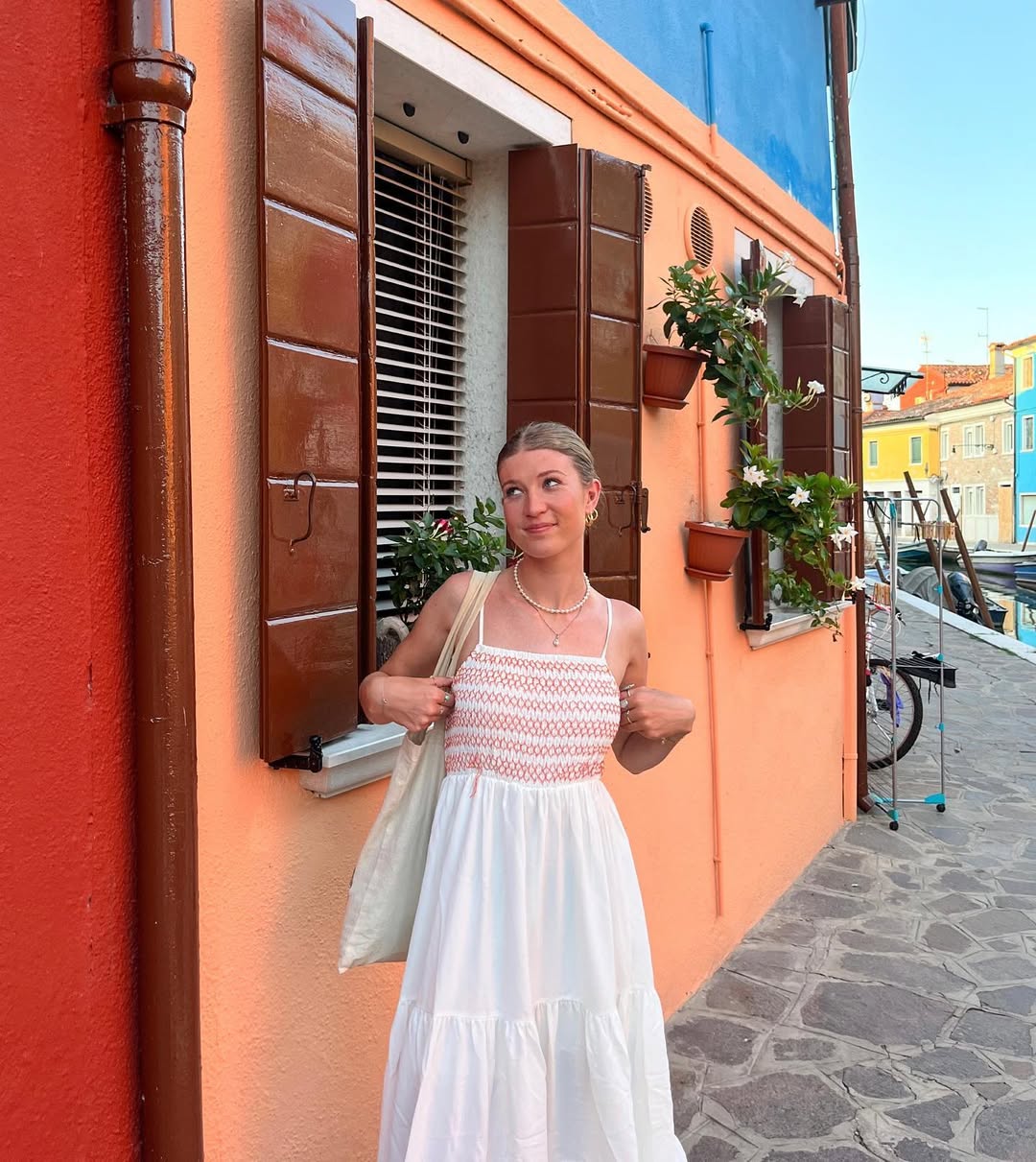
This is where small decisions start paying off.
A simple laundry setup
A small detergent packet. A thin clothesline if you want to go further.
It sounds basic, but it changes how you pack. I’ve washed clothes in hotel sinks more times than I expected. By morning, most items were dry enough to wear again.
That one habit cuts your packing in half.
Try this before your trip. Wash one outfit at home and see how long it takes to dry. You’ll know exactly what works.
A comfortable day bag
You’ll carry this every day, often for hours.
If it pulls on one shoulder or feels heavy after a short walk, you’ll notice it fast. By midday, it becomes frustrating.
Look for something light, balanced, and easy to adjust. Even small details like strap width make a difference after a long day.
A light scarf or extra layer
This one surprised me.
It helps during cooler evenings. It works in places with dress expectations like churches. And it takes up almost no space.
I’ve used one as a layer, a pillow on trains, even something to sit on when benches were full. It’s one of those items you end up reaching for more than expected.
A reusable water bottle
In many European cities, you’ll come across public fountains.
Having a bottle means you can refill anytime and keep moving without stopping to buy water.
It also saves you from carrying multiple bottles throughout the day.
These are the items that don’t seem important when packing but make your days smoother once you arrive.
Next, let’s clean up your packing list.
What You Don’t Need (But People Always Pack Anyway)
This part takes honesty.
Start by looking at your bag and asking what you’re bringing “just in case.”
Extra outfits you probably won’t wear. Full-size toiletries that take up space. A third pair of shoes that felt like a good idea at the time.
I’ve packed all of these before. I’ve also carried them across cities without ever using them.
Here’s a simple reset you can do right now.
Open your bag. Remove three items. Not the obvious ones. The ones you’re unsure about.
Close your bag again and lift it. You’ll feel the difference immediately.
Most of the time, you won’t remember what you removed. But you will notice how much easier it feels to move.
Packing lighter is less about sacrifice and more about clarity. You keep what actually helps you enjoy the trip.
How I Pack It All Into One Bag Without Stress
Now let’s put everything together.
Once your clothing is set, packing becomes simple. The way you place things matters more than what you bring.
Rolling clothes helps save space and keeps items compact. Packing cubes make a bigger difference than I expected. Instead of pulling everything out to find one shirt, you know exactly where things are.
Here’s how I set mine up. One cube for tops. One for bottoms. One for smaller items like sleepwear or gym clothes. It keeps everything in place, even after a few days on the road.
Place heavier items closer to the base of your bag or near the wheels if you’re using a suitcase. You’ll feel the difference the moment you lift it.
Keep essentials easy to reach. Passport, wallet, phone charger, anything you might need quickly during transit. I usually keep these in a small pouch so I’m not searching at the worst moment.
Before you zip your bag, do this.
Lift it with one hand.
If that already feels like effort, adjust now. It won’t get easier later.
Quick Packing Reset Before You Zip Your Bag
This takes less than two minutes, but it changes everything.
Pick up your bag and walk around with it. Not just a few steps. Walk like you’re heading to a train platform or up a flight of stairs.
Now pause and ask yourself one question. Would I want to carry this for 15 minutes straight?
If the answer is no, you already know what to do.
Open your bag again and remove two items. Not the obvious ones. The ones you’re unsure about.
Close it. Lift it again.
That small adjustment is what separates a heavy trip from an easy one.
Final Thought: Travel Feels Better When You Carry Less
This is something you don’t fully get until you feel it.
When your bag is lighter, your whole trip shifts. You move without thinking about your luggage. You take stairs without hesitation. You don’t feel that quiet stress every time you change locations.
I noticed this on a train transfer in Milan. People around me were struggling with oversized suitcases, trying to lift them onto racks. I had one bag, already in place, sitting down while they were still figuring it out.
That moment stuck with me.
You don’t need more to enjoy Europe. You need less of the wrong things.
Pack in a way that lets you move freely, and everything else starts to fall into place.
Also read: