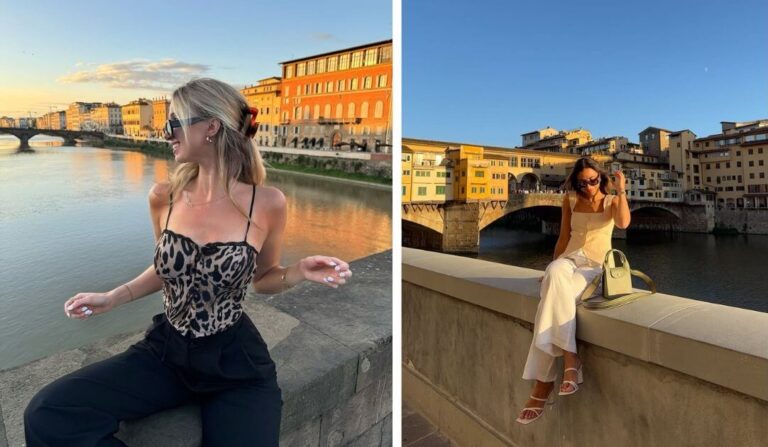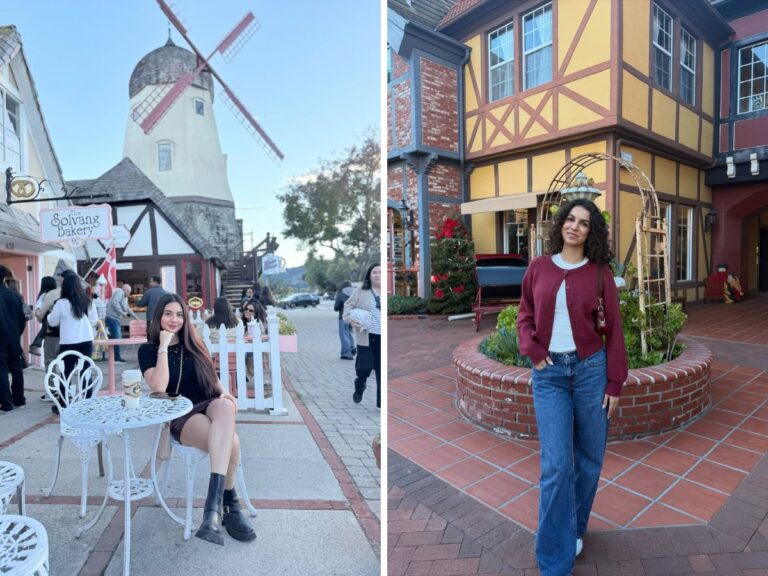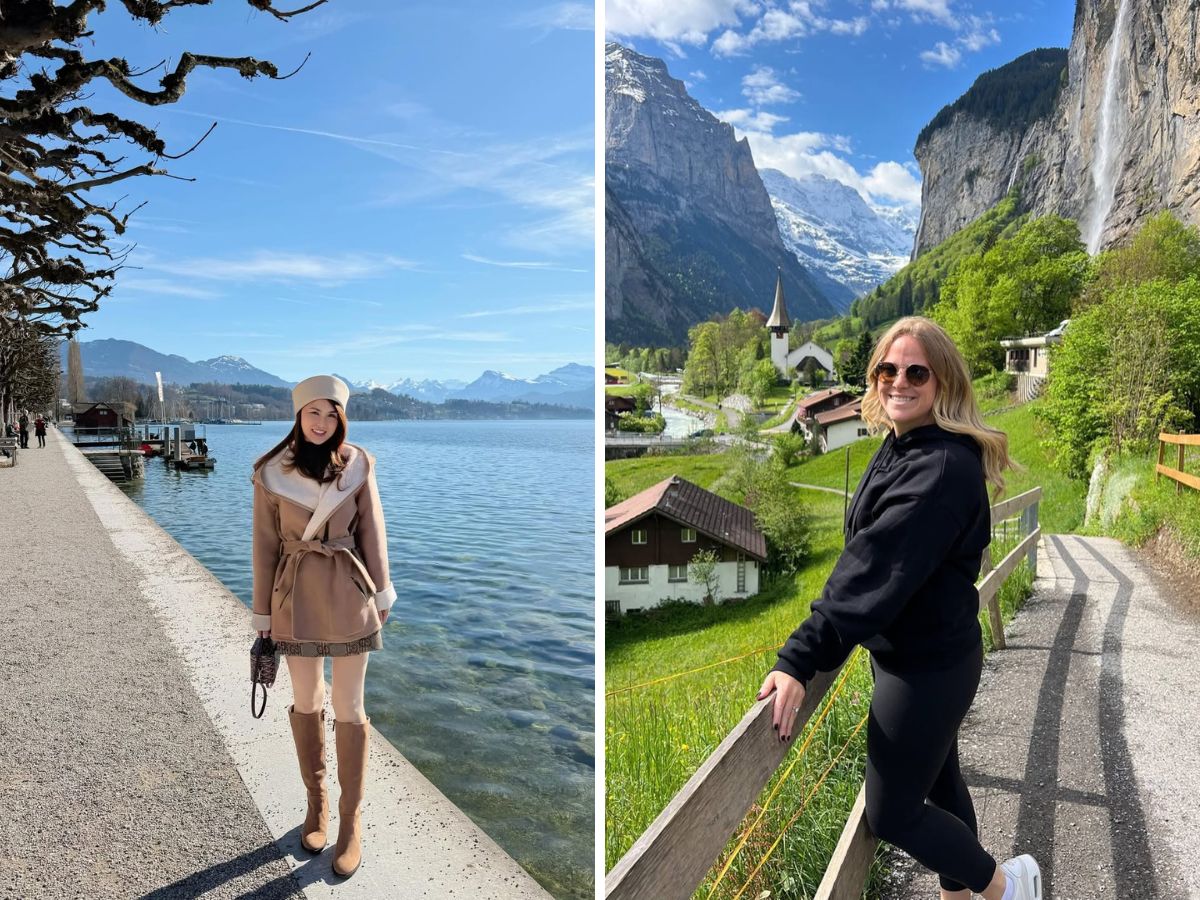
Switzerland Outfit Ideas for Every Weather
I still remember stepping out of my hotel in Zurich thinking I nailed my outfit. Light jacket, clean sneakers, sunglasses ready. It looked right. It felt right.
Ten minutes later, I was pulling my sleeves down, wishing I had packed one more layer.
And the frustrating part? Nothing about the weather looked wrong when I left.
That’s when it hit me. Switzerland doesn’t care about your outfit plans.
If you’re heading there, this will happen to you too. One moment you feel perfectly dressed, the next you’re too cold, too warm, or carrying layers you didn’t plan for.
Here is why this guide matters. When your outfits work, your days feel effortless. You move more, explore more, and don’t think twice about what you’re wearing. When they don’t, your energy drops fast and your plans start shrinking.
So instead of guessing what to pack, I’ll show you exactly how to dress for Switzerland in a way that actually holds up through the day.
Let’s get this right from the start.
What Makes Dressing in Switzerland So Tricky
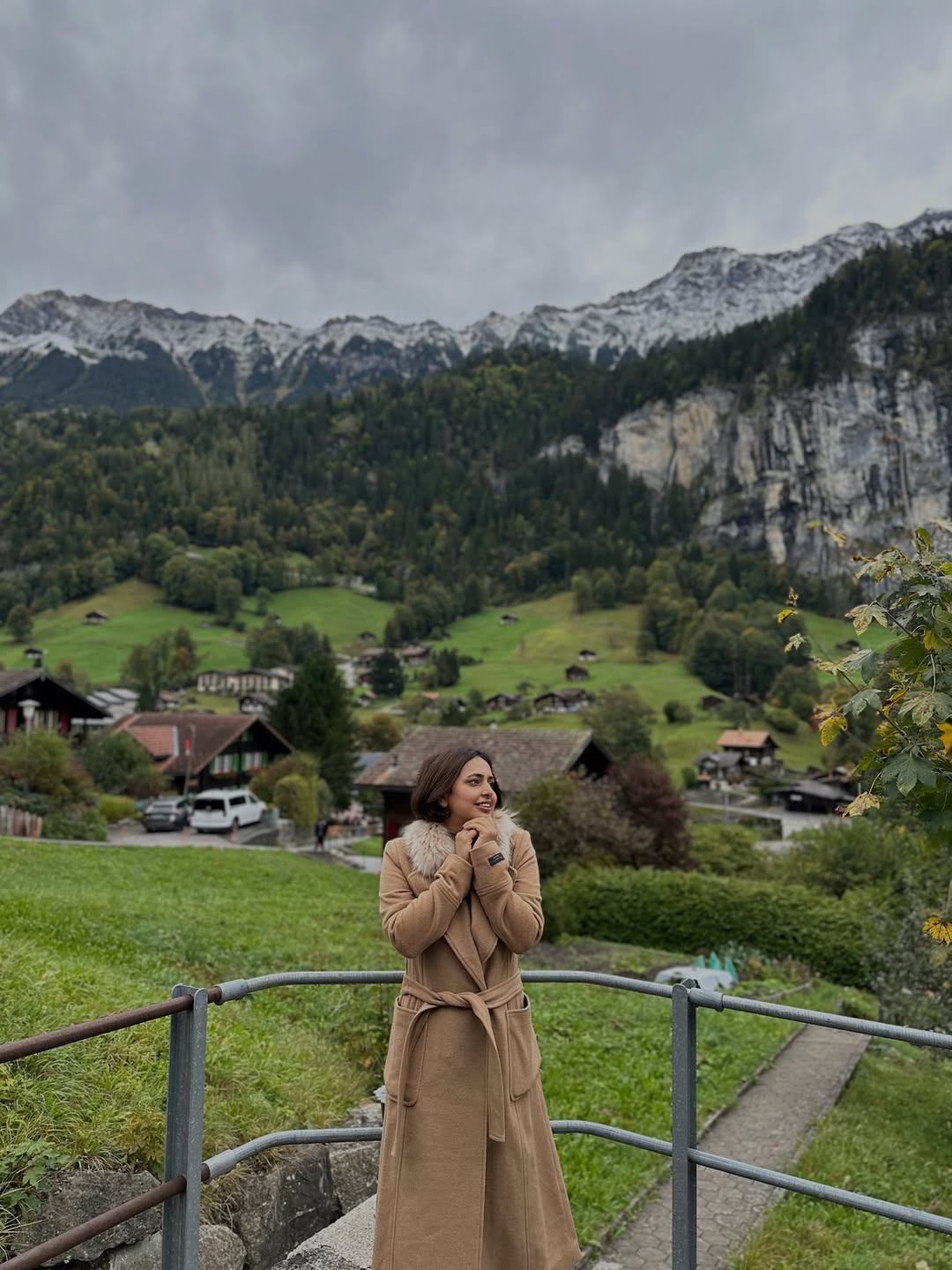
The biggest mistake I made was thinking in “daily outfits.”
Switzerland doesn’t work like that.
You can be walking through a sunny street in Lucerne, feeling completely fine, then head up to a viewpoint where the temperature drops fast. Not slightly. You feel it right away.
In fact, temperature drops roughly 6.5°C for every 1,000 meters you go up, which explains why your “perfect outfit” suddenly stops working halfway through the day.
I felt this hard on a day trip to Mount Titlis. Down in the town, it felt like spring. Up top, it felt like winter. Same day, same outfit, completely different reality.
If you’ve ever packed thinking, “This should be fine for today,” this is where things start going wrong.
So here’s the shift you need to make.
Don’t dress for the day. Dress for change.
Once you get that, everything else starts to click.
The Core Rule: Layering Isn’t Optional Here
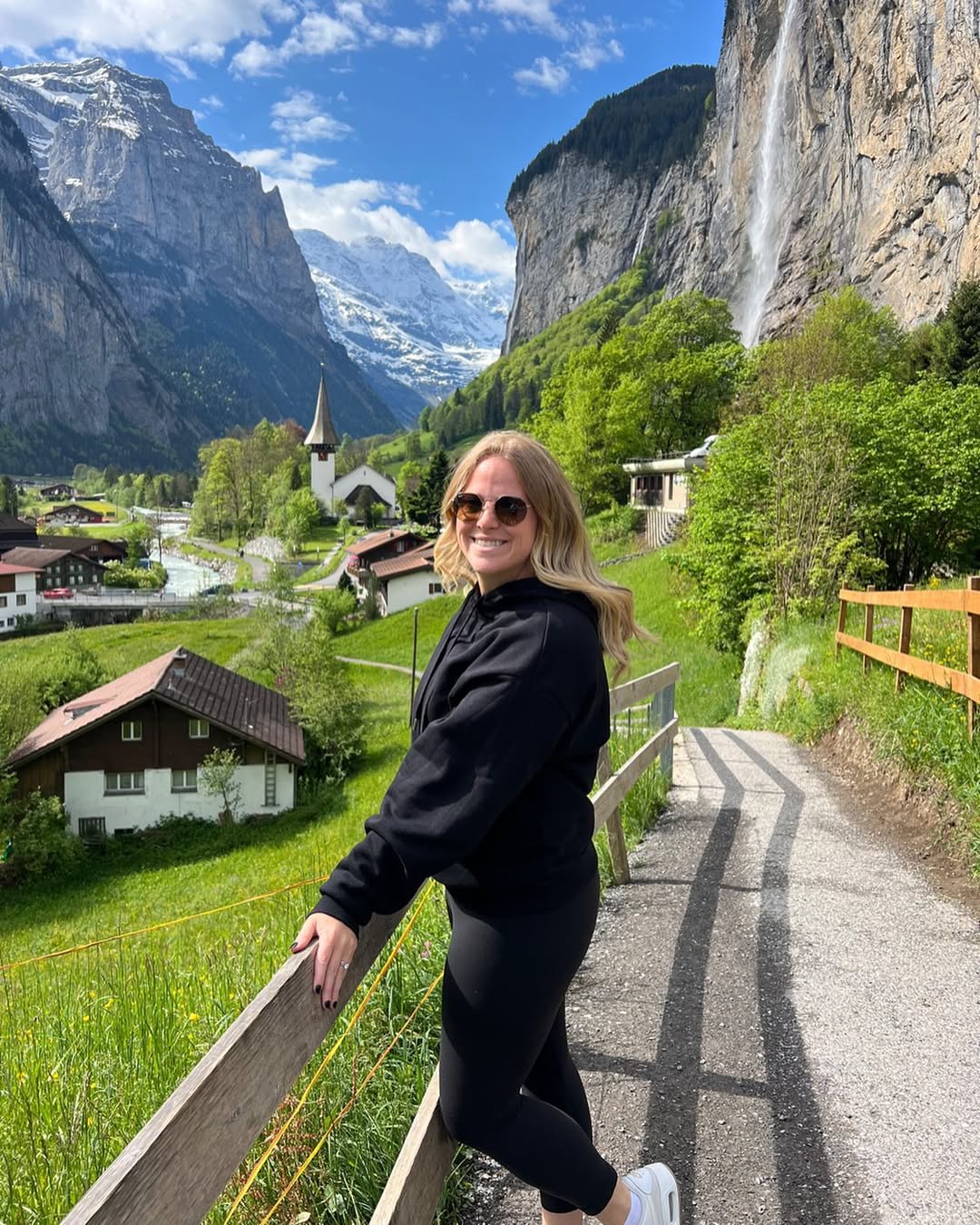
This is the one thing that fixes almost everything.
Layering is not just a tip. It’s your system.
Think of it like this. You’re not building outfits, you’re building flexibility.
Here is what actually works in real situations:
- A base layer that feels comfortable all day
- A mid layer that adds warmth when needed
- An outer layer that protects you from wind or rain
Now here’s where most people mess up.
They pack one solid, heavy jacket and expect it to handle everything. I did the same. It looked great in photos, but the moment the temperature shifted, I had no way to adjust.
A better approach is lighter pieces you can take off or add without even stopping.
Even gear experts lean this way. A National Geographic travel gear guide points out that lightweight insulated jackets give you warmth without the bulk, which makes them easier to adjust as your surroundings change.
Here’s a simple way to apply this right now.
If an item can’t be worn in at least two different temperature situations, it probably doesn’t belong in your bag.
That one filter alone cuts out most bad packing choices.
Cold Weather Outfits That Don’t Ruin Your Day
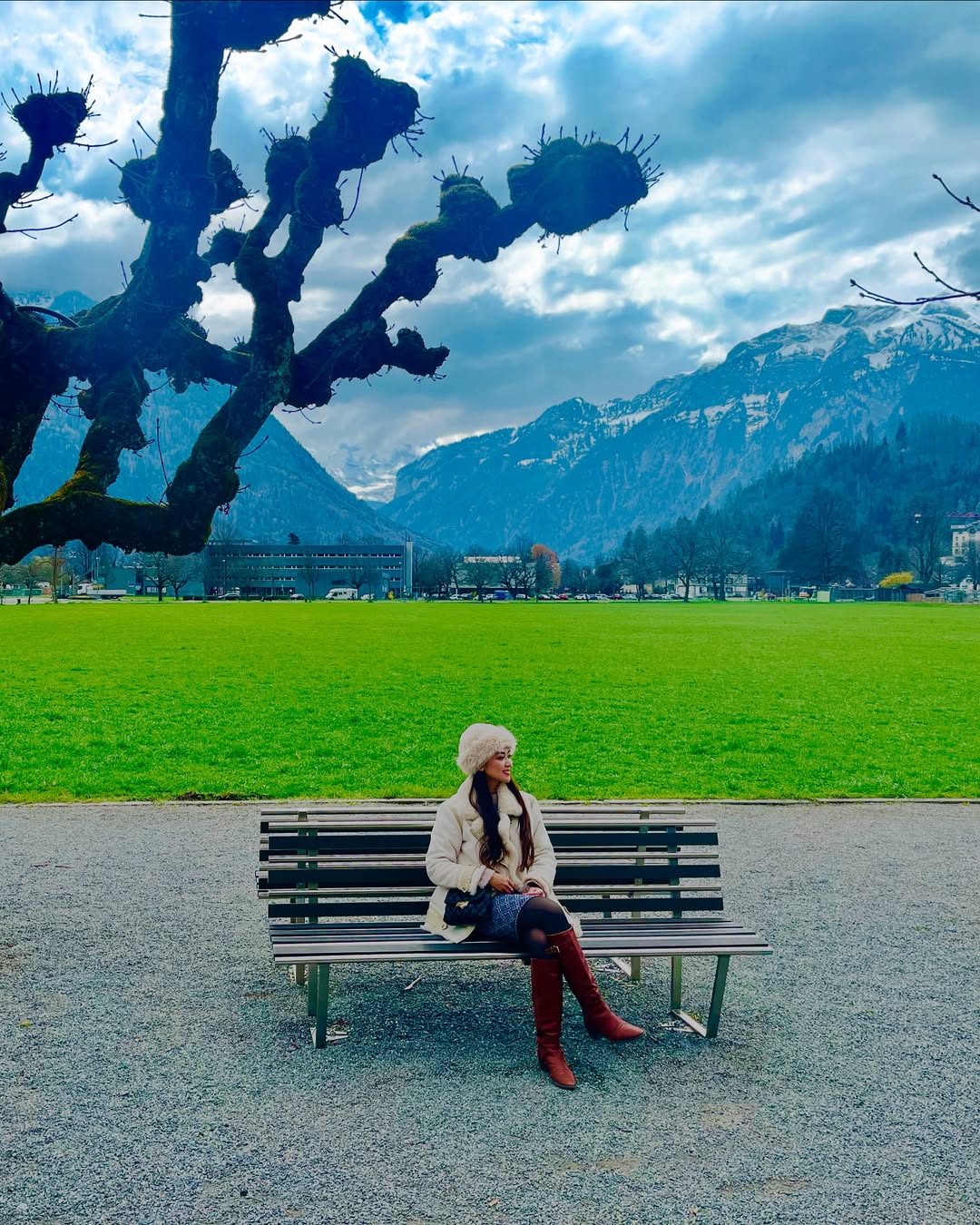
Cold in Switzerland hits differently.
It’s not just low temperatures. It’s wind, moisture, and the fact that you’re outside longer than you expect.
I learned this the hard way in Interlaken. I wore a thick coat thinking I was covered. It felt fine at first. Then I started walking more, warmed up a bit, and suddenly that same coat made everything uncomfortable.
You don’t want to feel trapped in your own outfit.
Here is what worked better the next day:
- A thermal base layer
- A light sweater or fleece
- A compact insulated jacket
Instead of one heavy piece, I had control. I could adjust within seconds instead of pushing through discomfort.
For bottoms, I switched from regular jeans to something slightly warmer. Nothing bulky, just enough to handle the cold without feeling stiff.
Now let’s talk about the part most people ignore.
Shoes.
Snow, slush, and wet paths don’t care how good your outfit looks. The moment your shoes get wet, your entire day changes.
If you’ve ever had cold, damp feet while walking for hours, you already know how fast that ruins things.
This is where most outfits fail. Not the jacket. Not the layers. The shoes.
And once that goes wrong, everything else follows.
Mild Weather Is Where People Get It Wrong
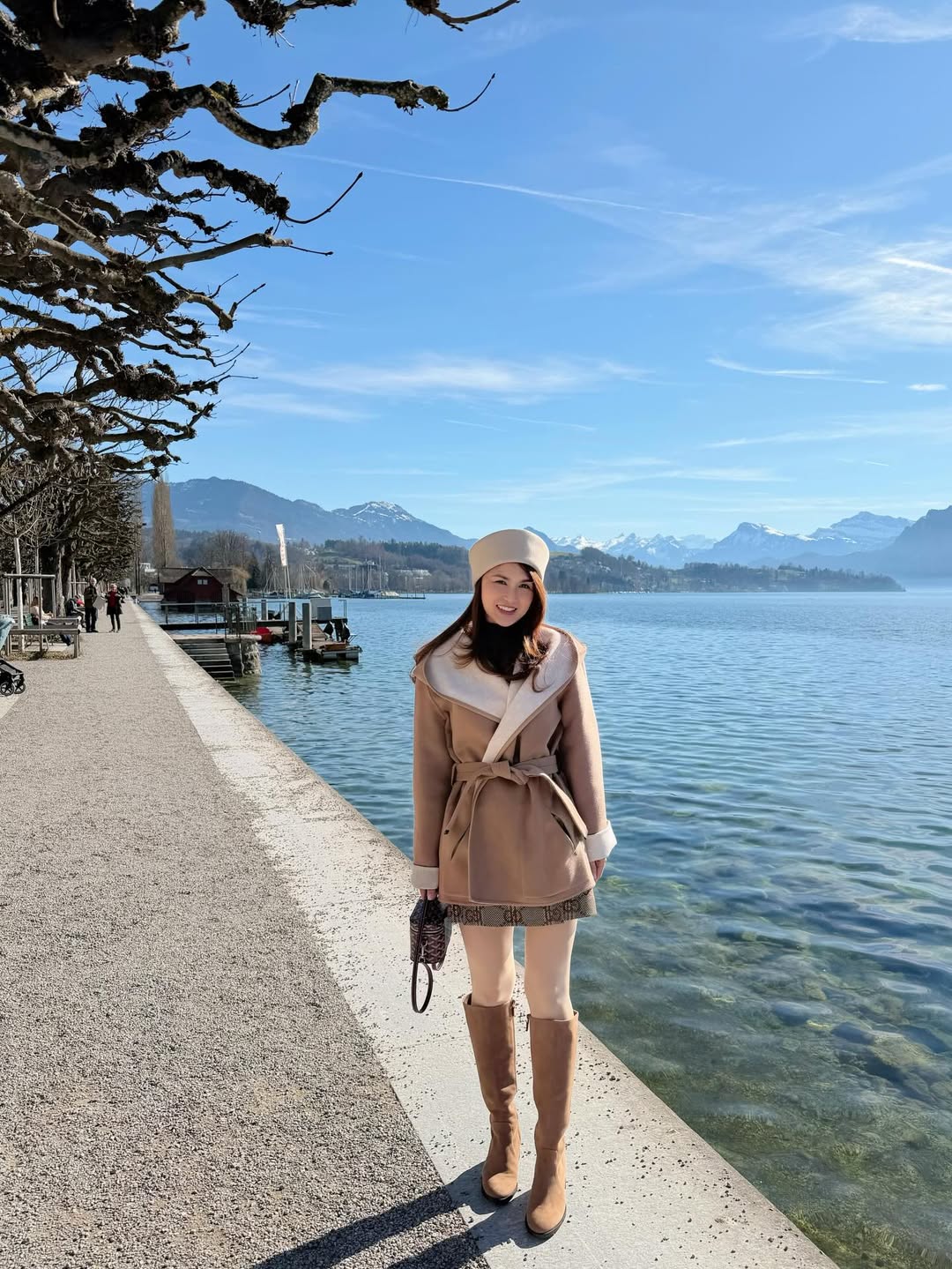
Spring and fall look easy on paper.
They’re not.
Mornings can feel cold. Afternoons feel warm. Evenings drop again. And somewhere in between, you’re either carrying your jacket or wishing you had one.
I remember stepping out early in Bern thinking it felt chilly. By noon, I was holding my jacket, slightly annoyed, wondering why I even brought it.
There’s actually a local saying that captures this perfectly. If you don’t like the weather in Switzerland, just wait five minutes, as mentioned in this packing guide from Lovin Switzerland.
That’s not just a saying. It plays out all day.
So instead of trying to “get it right,” focus on staying adaptable.
Here’s what works better in real situations:
- A light jacket you don’t mind carrying
- A breathable top underneath
- Layers that don’t feel bulky when tied around your waist
Here’s a quick way to test your outfit before you even leave your room.
Take your jacket off. Hold it for a minute.
If it already feels annoying, it’s the wrong piece.
The goal is simple. You should be able to adjust without stopping your day.
And once you figure that out, dressing for Switzerland stops feeling confusing and starts feeling easy.
Summer Isn’t Always Summer Here
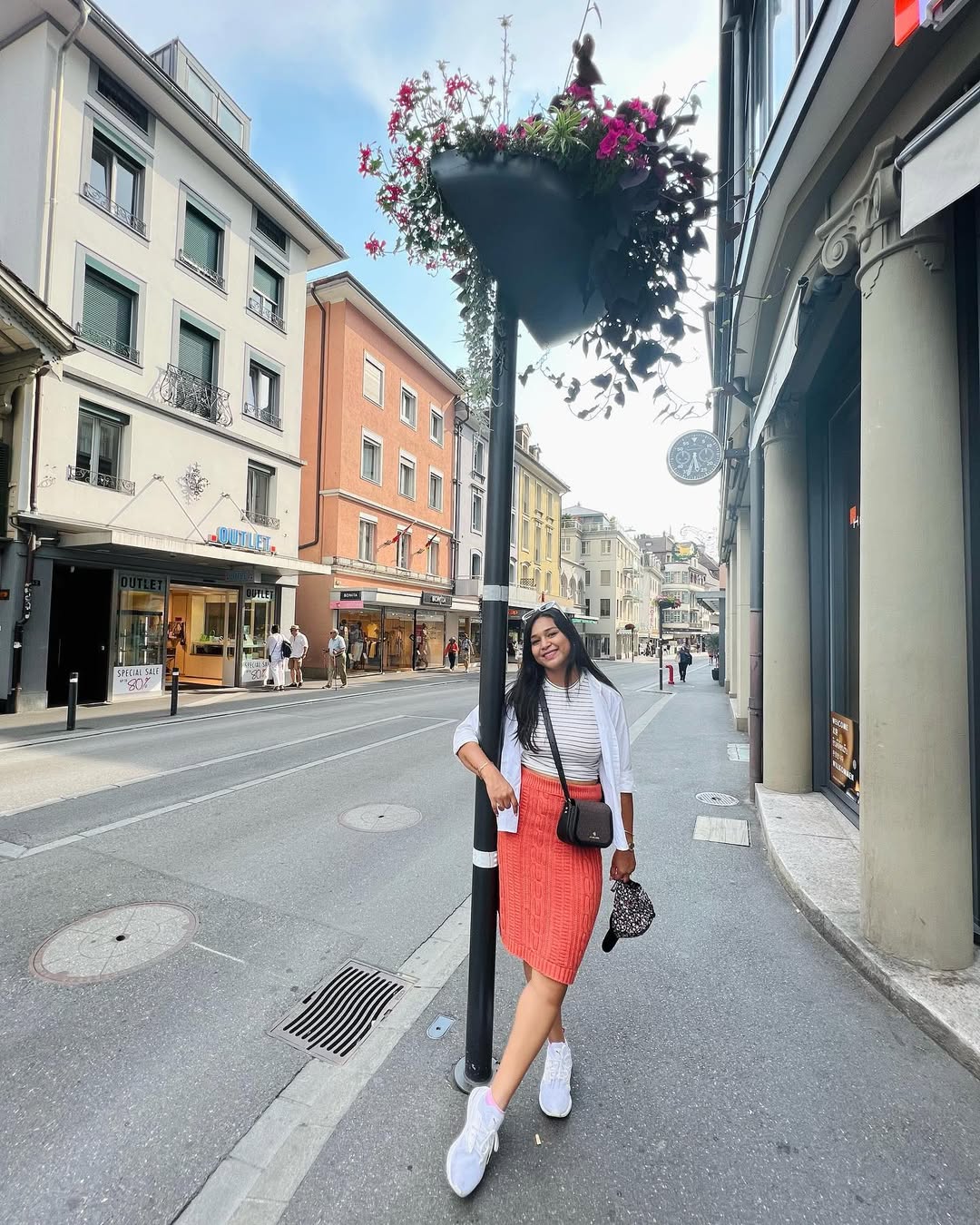
This surprised me the most.
I packed like I was going to Italy. Light shirts, minimal layers, nothing warm. It felt like the right call at the time.
And to be fair, it worked in cities during the day.
But mornings and evenings told a different story. The air felt cooler than expected, especially near water. Then I took a trip toward the mountains, and everything shifted again.
Even during summer, higher regions stay cool enough that you’ll still need a jacket, as highlighted in this Switzerland travel packing breakdown.
If you’re thinking, “I’ll just deal with it,” this is where small discomfort starts adding up.
Here’s what I do now, and it works every time:
- Light clothing for daytime
- One solid layer for early mornings and nights
- Always something that blocks wind
Nothing heavy. Just enough to stay comfortable without overpacking.
Quick check before you leave your hotel. Step outside for a minute without your extra layer. If you hesitate or feel even slightly cold, bring it.
That one extra layer saved multiple days for me.
And once you start planning for that shift, the rest of your outfits start making more sense.
Rain Will Show Up. Be Ready.
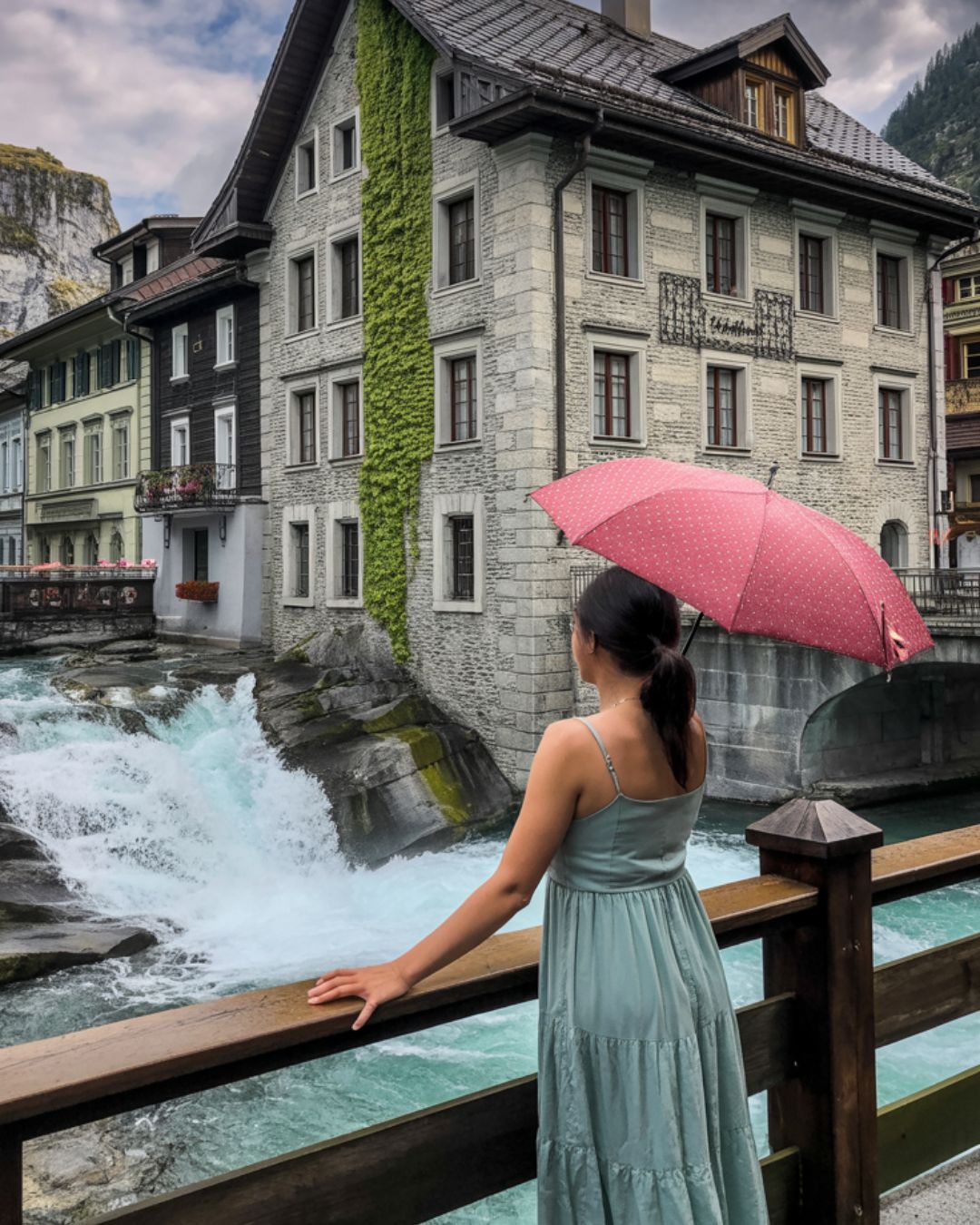
You don’t need to overthink this.
Just don’t ignore it.
I got caught in a sudden rain shower in Zurich wearing a regular hoodie. Within minutes, it soaked through. I stayed damp for the rest of the day, and everything felt off after that.
That’s the part people don’t expect. It’s not just the rain. It’s how long you stay uncomfortable after.
So here’s what actually works in real situations:
- A light waterproof jacket you can throw on fast
- Shoes that won’t get ruined by wet streets
- Fabrics that dry quickly instead of holding moisture
You don’t need anything complicated. Just something reliable.
Skip heavy umbrellas. They seem useful until you’re walking through crowds or dealing with wind. Then they just get in the way.
Here’s a simple rule I follow now. If rain starts, I should be able to adjust in under ten seconds. No digging through bags, no stopping.
This is one of those small changes that quietly saves your entire day.
Shoes Can Make or Break Your Trip
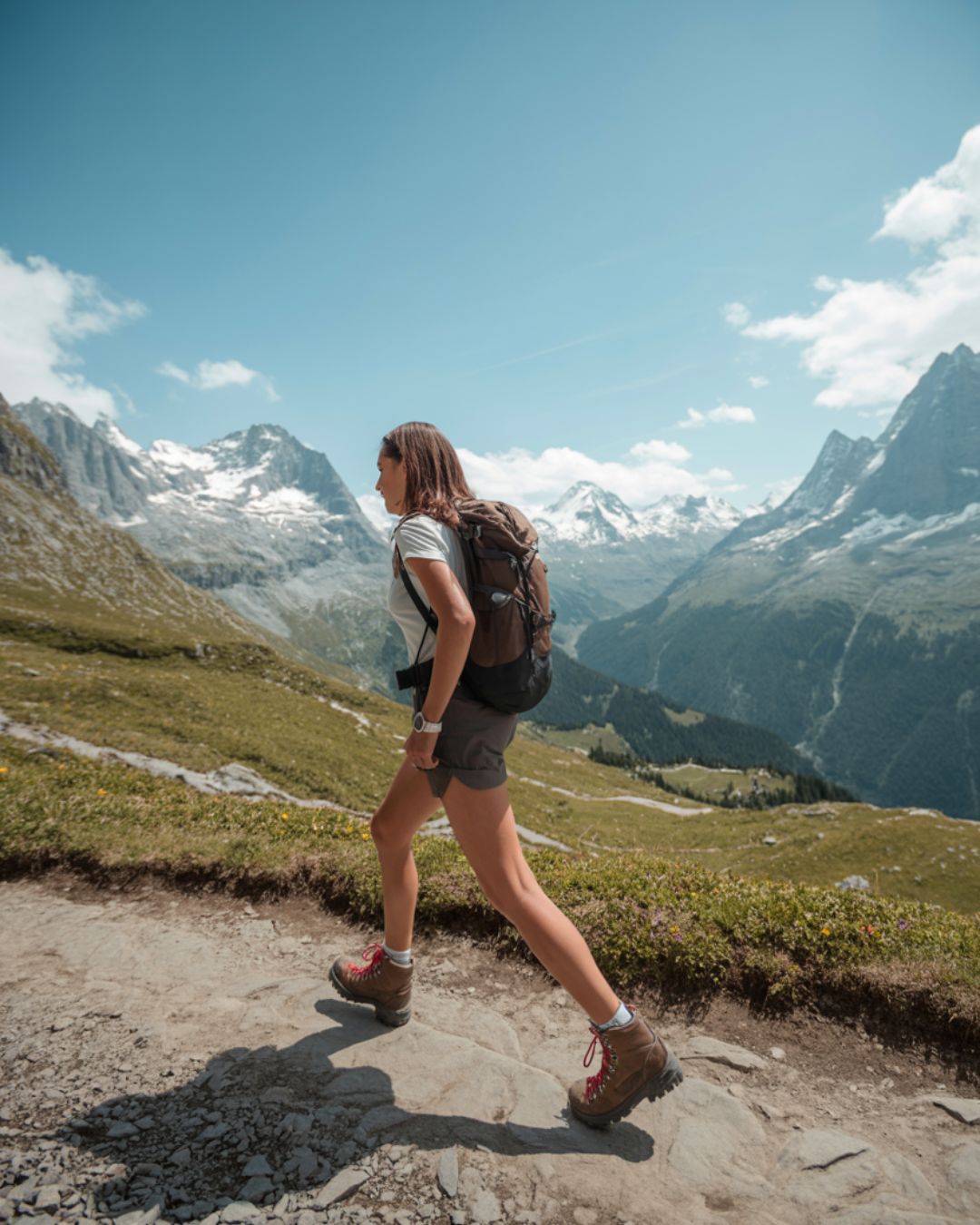
If I had to redo my packing list, I’d start with shoes.
Everything else comes second.
Switzerland looks calm in photos. Smooth streets, scenic views, relaxed walks. In reality, you’re walking more than you expect. Paths slope. Old towns have uneven ground. Some days just keep going longer than planned.
The wrong shoes don’t just feel uncomfortable. They slow you down.
I felt this after one long day where every step started to feel heavier. Not because of distance, but because my shoes weren’t doing their job.
Here’s what actually works when you’re out there:
- Grip that keeps you steady on slopes and wet paths
- Cushioning that holds up after hours of walking
- Something you don’t have to think about while wearing
And here’s what fails fast:
- Flat fashion sneakers that look good but lack support
- Shoes with no grip once the ground gets wet
- Anything you’re still “getting used to”
Quick test before your trip. Wear your shoes for a full day at home. Walk more than usual. If you notice discomfort, it’s not the right pair.
Comfort here isn’t a bonus. It’s what lets you keep going without thinking twice.
And that changes how much you actually get to see.
What I Wish I Packed (And What I’d Skip Next Time)
I didn’t get this right on my first trip.
I packed for “what if” situations instead of real ones. That’s where things went wrong.
Here’s what I wish I had brought:
- One more light layer I could throw on without thinking
- Better shoes for wet conditions
- Fewer backup outfits I never ended up wearing
And here’s what I’d leave behind without hesitation:
- Heavy jackets that limit flexibility
- Extra jeans that take up space and don’t adapt well
- Clothes that don’t work across different temperatures
Now I use a simple filter.
Before I pack anything, I ask myself, “Can I wear this in at least two different situations?”
If the answer is no, it stays out.
Every item should earn its place.
Once you start packing like this, your bag gets lighter, and your days feel easier without you even noticing.
How to Pack Without Overpacking
This is where everything finally clicks.
I used to overpack without even realizing it. I thought having more options meant I’d be prepared for anything.
What actually happened was the opposite. I carried more, wore less, and still felt like I didn’t have the right pieces when the weather changed.
That’s when I tried a simple rule. Bring half of what you think you need. It sounds extreme at first, but it’s a well-known approach.
It works because it forces you to choose better, not more.
Now I pack differently.
Instead of thinking in outfits, I think in combinations I can repeat without it feeling obvious.
Here’s what that looks like in real use:
- Pieces that work across different temperatures
- Layers I can add or remove without changing the whole outfit
- Clothes I can wear all day without wanting to change halfway through
Before anything goes into my bag, I run a quick check.
Can I wear this in at least two different situations?
Can I layer it without it feeling bulky?
If the answer is no, it stays out.
That one filter removes most unnecessary items.
And here’s something you’ll notice once you try this. You stop standing in front of your bag wondering what to wear. Everything just works together.
If it doesn’t layer, it doesn’t go.
Dress for Movement, Not Just Photos
This is the shift that changed how I travel.
At first, I packed thinking about how things would look. Clean outfits, nice combinations, something that would work for photos.
But Switzerland doesn’t slow down for that.
You walk more than you expect. You go uphill without planning to. You stay out longer because one place leads to another.
And that’s where your outfit either helps you or holds you back.
I’ve had days where I cut things short because something felt uncomfortable. And I’ve had days where I didn’t think about my outfit once and ended up exploring way more than I planned.
The difference was never style. It was comfort and flexibility.
Here’s a simple way to think about it before you leave your room.
Can you walk for hours in what you’re wearing?
Can you handle a temperature drop without needing to stop?
If not, something needs to change.
Because when your outfit works with you, everything else opens up. You move more, you stay out longer, and you notice more of what’s around you.
You stop adjusting your clothes and start enjoying the experience.
And once you feel that difference, you won’t go back to packing the old way.
Also read:
The Perfect Switzerland Travel Itinerary Nobody Tells
Switzerland’s Fairy-Tale Side: Landscapes You Won’t Believe Are Real