Pre-Made Camping Meals That Require Almost No Work
I used to think camp meals needed to feel like an event.
I’d pack ingredients with big plans, then reach the campsite after a long day and realize I had created another job for myself. Chopping vegetables and washing pans feels very different when you’re hungry, tired and standing beside a picnic table.
These days, I plan camping food around a much simpler question. How little work can I do at camp and still eat something I actually look forward to?
The answer is surprisingly little.
Pre-made camping meals can be filling, tasty and easy to pack. You just need to choose foods that fit the way you’ll actually spend your trip.
Start With Meals You Can Open, Heat or Assemble
My rule is simple. Most of the food I bring should fall into one of three groups.
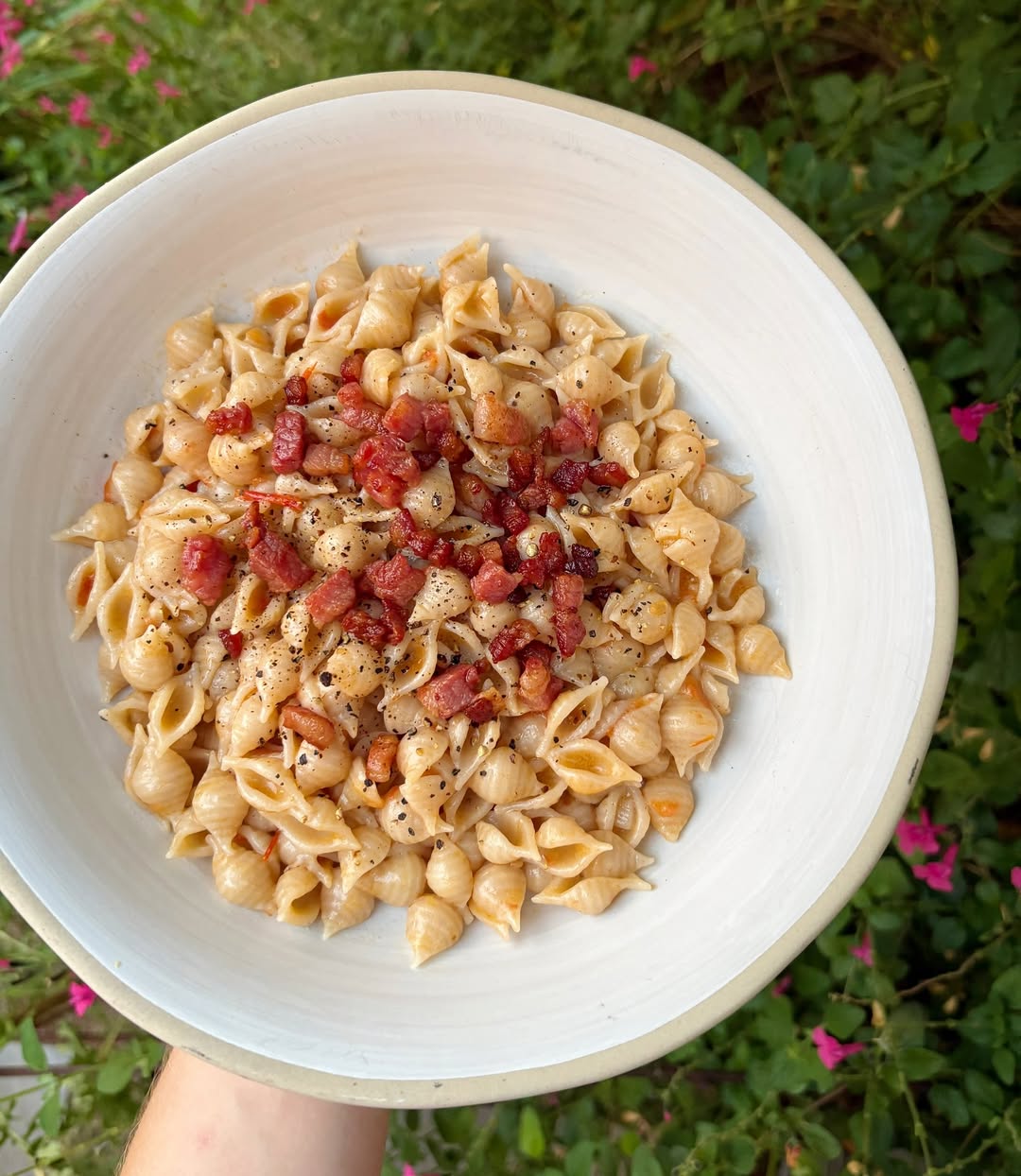
I should be able to open it and eat it, assemble it in a minute or two, or warm it in one pan.
That immediately rules out meals that require a cutting board covered in ingredients and three pieces of cookware.
Kampgrounds of America recommends doing as much food prep as possible before a camping trip, even suggesting fully prepared frozen chili or stew that can simply be warmed at camp. They also suggest pre-cooking foods such as breakfast burritos and pancakes.
I’ve found the same approach makes grocery shopping easier. Instead of asking what I could cook outdoors, I look for food where most of the work has already been done.
Breakfast is a good place to start.
Make Breakfast Almost Automatic
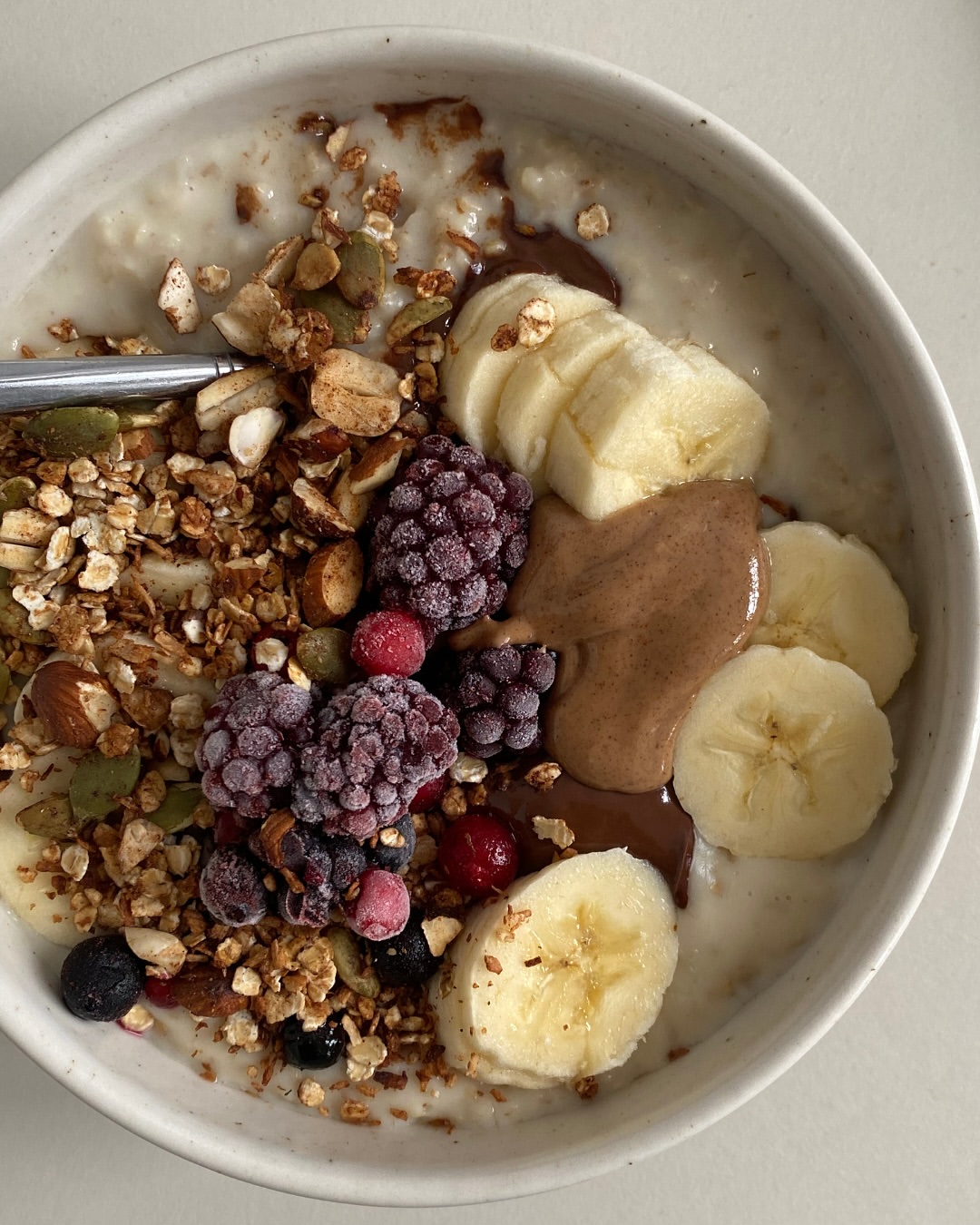
If I’m camping somewhere beautiful, I don’t want the first hour of daylight disappearing into breakfast prep.
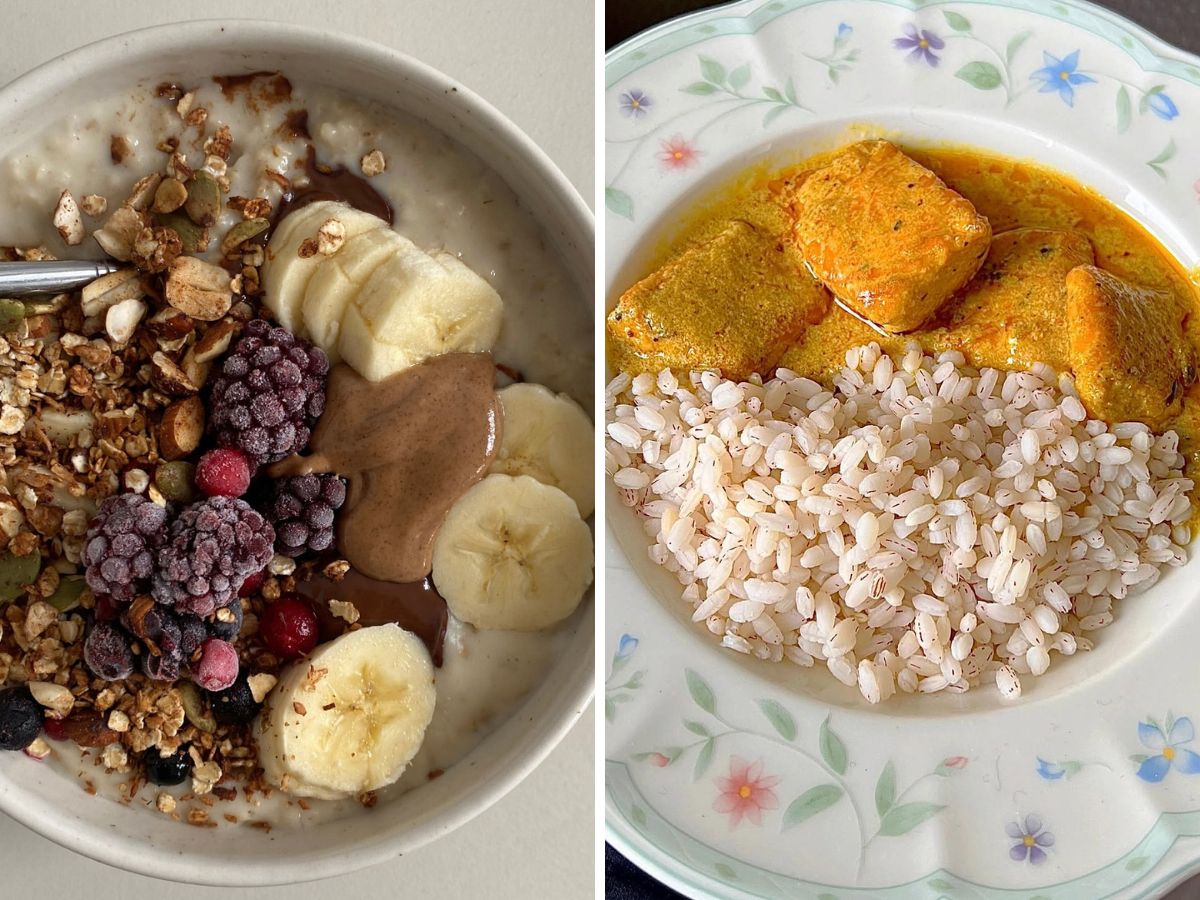
A bagel with individual cream cheese and a banana works. So does Greek yogurt with granola, overnight oats made at home, or a muffin with fruit and ready-to-drink coffee.
If you like something hot in the morning, bring pre-made breakfast burritos, instant oatmeal cups or fully cooked breakfast sandwiches. You’re warming breakfast rather than making it from scratch.
Try deciding this before your trip. Ask yourself whether you’ll realistically want to light the stove first thing in the morning.
If the answer is no, pack a breakfast you can eat cold. Save the stove for dinner.
Let Lunch Be the Meal You Don’t Cook
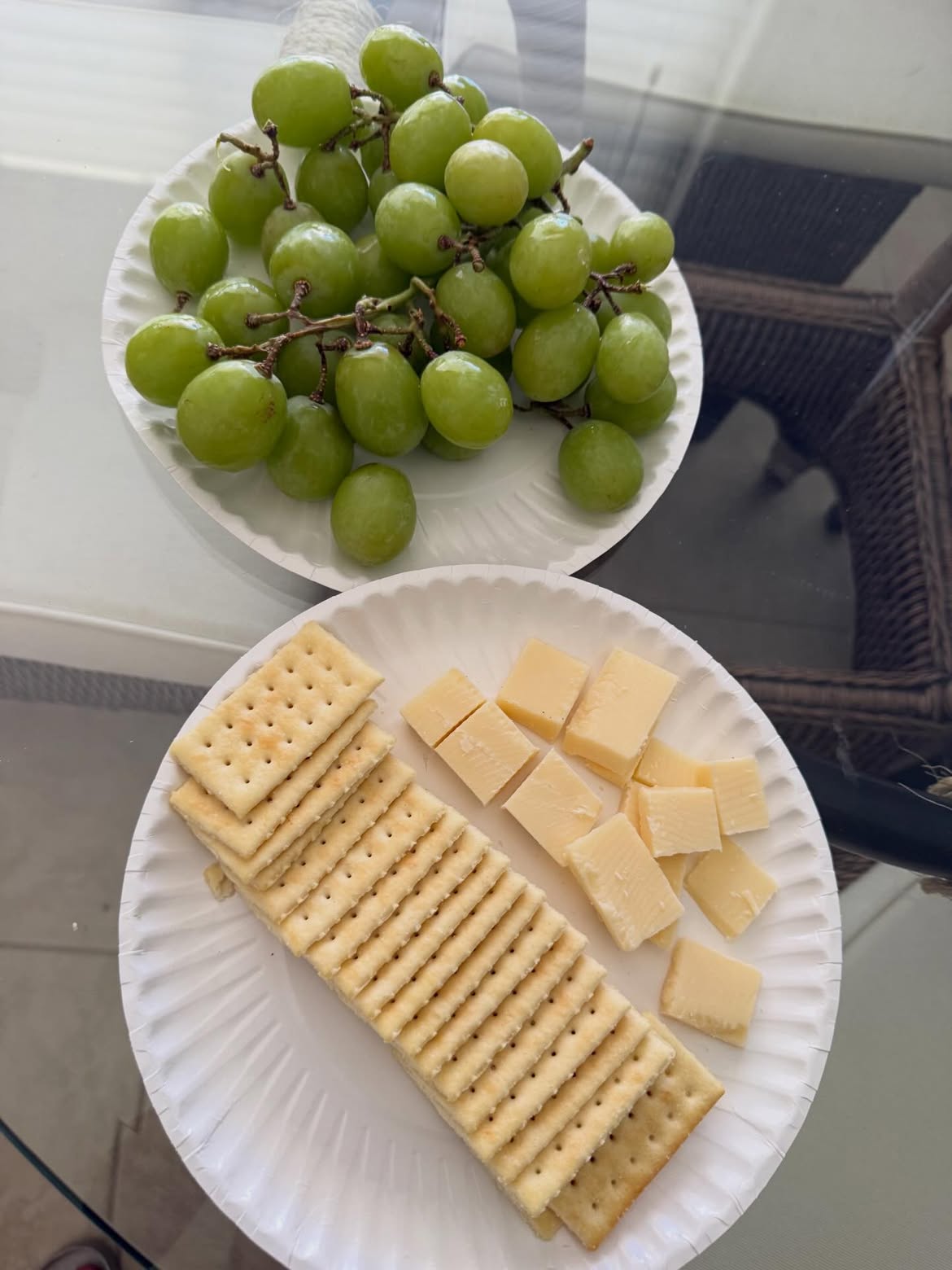
Lunch is where I save the most time.
You’re often hiking, driving, swimming or simply enjoying the campsite when noon arrives. Stopping everything to cook can break up the best part of the day.
A tortilla, tuna pouch and cheese can become lunch in a minute. Pre-made wraps work just as well. Crackers with cheese, cured meat and fruit can turn into an easy picnic-style meal.
Hummus, pita and pre-cut vegetables are another combination I like when I have cooler space.
Here’s the trick that makes these meals even easier. Portion lunch before leaving home.
Put what you’ll need together so you aren’t digging through the cooler looking for cheese while the tortillas are buried somewhere in the car.
Then dinner can be the one meal you warm up.
Turn Pre-Made Foods Into a Real Dinner
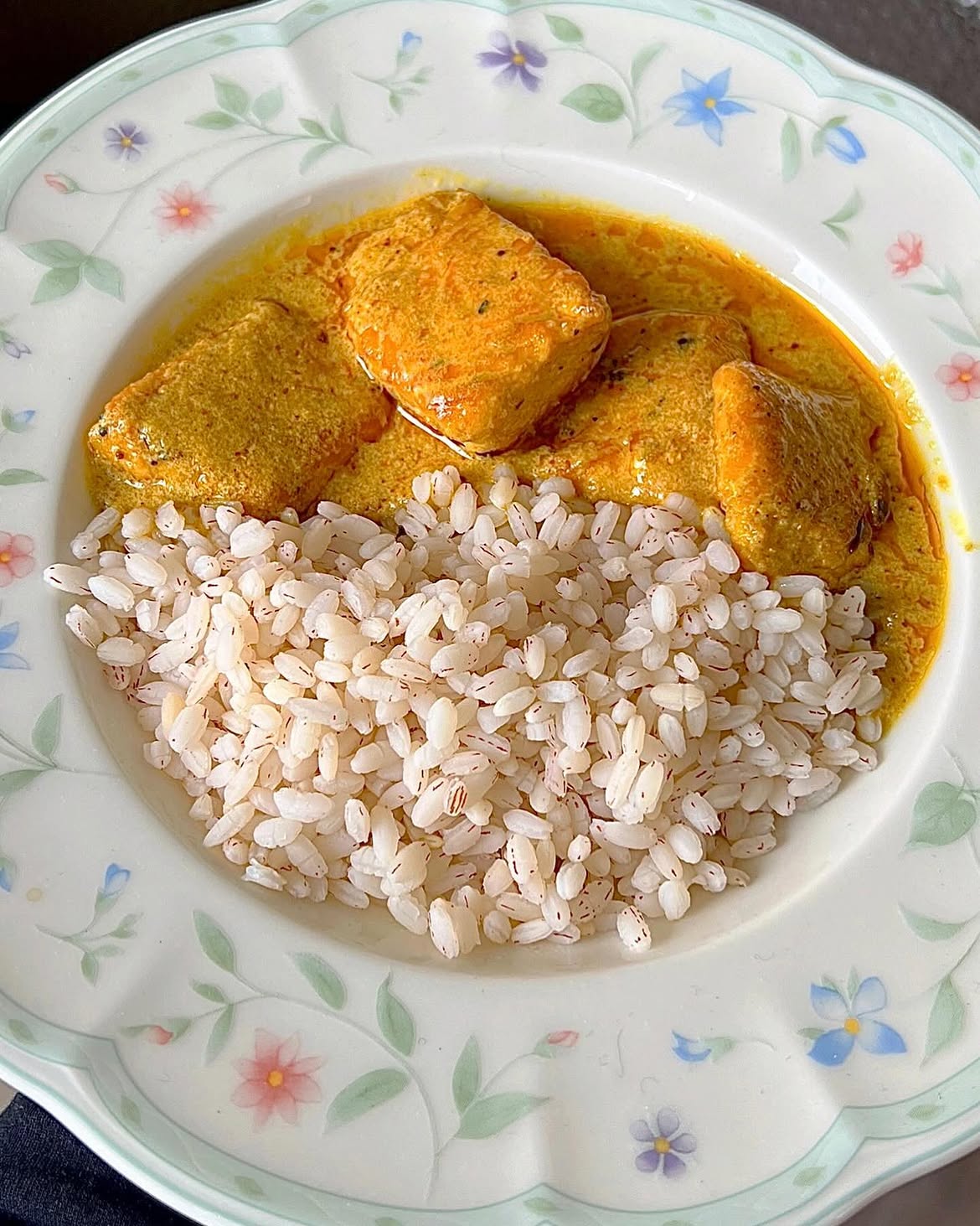
You don’t need to cook from scratch for dinner to feel like dinner.
Pre-cooked rice paired with a ready-made curry can become a hot meal with one pan. Fully cooked pulled pork needs little more than buns and bagged slaw. Pre-cooked chicken, tortillas and salsa can become quick tacos.
Canned chili with shredded cheese and tortilla chips is another combination I’d happily eat after a long day outside.
The pattern is what matters.
Pick one ready-made main, then add one easy side. You’re not trying to recreate your kitchen at the campsite.
I also pack at least one dinner that needs no stove.
Wraps with pre-cooked chicken, hummus and a salad kit work well. Add fruit and dinner is done.
That backup meal becomes surprisingly useful when you arrive later than planned, rain starts falling or nobody feels like cooking.
Shop for Components, Not Recipes
The easiest camping meals often aren’t sitting in a grocery aisle labeled “camping food.”
I look through the deli, refrigerated prepared-food section and shelf-stable aisles instead.
Ready-to-eat chicken, tuna pouches, cooked grains, salad kits, tortillas, soups and individual condiments can be mixed into meals without much prep.
Before something goes into my cart, I ask what else I’ll need to eat it.
If the answer involves five more ingredients and half my camp kitchen, I usually put it back.
This also keeps the cooler from becoming a packed box of foods that don’t quite make a meal.
Pack by Meal Instead of Ingredient
This small change saved me more campsite frustration than I expected.
I used to put similar foods together. Cheese went with cheese, fruit with fruit and snacks in another bag.
Then every meal became a scavenger hunt.
Now, think about packing around the way you’ll eat. Friday dinner goes together. Saturday breakfast goes together. Saturday lunch goes together.
Reusable bags or containers can make this easy.
When you’re hungry, you grab what belongs to that meal instead of unpacking half the cooler. It also makes it much easier to see how much food you actually brought.
There is one part of pre-made meal planning where convenience shouldn’t replace care, though.
Keep Pre-Made Camping Food Safe
A sealed package isn’t necessarily safe to keep at room temperature.
Check the storage instructions on every prepared food before packing it. Anything that needs refrigeration has to be treated differently from your shelf-stable meals.
The U.S. Department of Agriculture’s camping food-safety guidance says perishable food should remain below 40°F in a cooler or insulated container using cold sources such as ice, gel packs or frozen water bottles. The agency also advises against leaving perishables above 40°F for more than two hours, or one hour when the temperature is above 90°F.
I plan my cooler space before buying refrigerated meals for this reason. If everything won’t stay properly cold, I swap some meals for shelf-stable choices.
Food storage matters after you reach camp, too.
The National Park Service recommends keeping food in airtight, sealable bags, containers and coolers. It also says food and liquid containers shouldn’t be left unattended and advises campers in bear country to check the campground’s food-storage rules.
I make checking those campground rules part of planning the trip rather than waiting until I’m standing beside my tent with a full cooler.
My Low-Work Camping Meal Formula
After trying more complicated camp menus than I care to admit, I’ve settled on a loose formula.
Breakfast gets one ready-made main plus fruit. Lunch stays cold and requires no cooking. Dinner gets one heat-and-eat main with an easy side.
Then I bring one shelf-stable backup meal for the moment when plans change.
You can swap almost every food in that formula based on what you like, how much cooler space you have and whether you’ll have a stove.
That’s the part I wish I’d figured out sooner.
Camping food doesn’t have to become another project. When most of the prep happens before you leave home, you spend less time chopping, cooking and cleaning at camp.
And that’s time you get back for the reason you went camping in the first place.