Best Mountains for Summer Hiking With Incredible Views
There is a moment that happens on almost every great mountain hike.
You spend hours climbing through forests, switchbacks, rocky paths, or alpine meadows. Your legs start questioning your decisions. The summit still seems far away.
Then you reach a viewpoint.
Suddenly, everything changes.
The effort stops feeling like effort. The miles disappear from your memory. All you can think about is the view in front of you.
I’ve experienced that feeling on mountain trails around the world. I’ve watched sunrise light up alpine peaks, stood beside lakes so blue they looked edited, and reached viewpoints that made me forget how tired I was five minutes earlier.
What surprised me most is that the mountains I remember best aren’t always the tallest or most famous.
In fact, one of my favorite summer hikes came from a destination I almost skipped entirely.
That’s why choosing the right mountain matters.
A week of vacation is valuable. Most travelers don’t have time to visit every famous hiking destination. Picking the wrong mountain can mean dealing with crowded trails, disappointing viewpoints, or hikes that don’t match your experience level.
Picking the right one can give you the kind of memories that stay with you for years.
In this guide, I’ll walk you through some of the best mountains for summer hiking, including which destinations are best for beginners, which ones offer the most dramatic scenery, where you’ll find incredible alpine lakes, and which mountain ranges are actually worth adding to your travel bucket list.
Because the best mountain isn’t necessarily the one everyone else is talking about.
It’s the one that delivers the experience you’re looking for.
Let’s break it down.
What Makes a Mountain Worth Hiking in Summer?
It’s easy to assume the best mountain hike is the one with the most famous name.
I’ve made that mistake before.
I once added a well-known trail to my itinerary simply because everyone recommended it. The views were beautiful, but the trail was crowded, the parking area was packed, and I spent more time waiting for photos than enjoying the mountains.
That’s when I realized something.
The best summer hiking destinations aren’t always the most famous ones.
They’re the ones that match the experience you’re looking for.
The first thing I consider is the balance between effort and reward.
Some hikers love spending an entire day climbing toward a summit. Others would rather enjoy a shorter hike and spend the afternoon exploring a mountain town or relaxing beside a lake.
Neither approach is wrong.
The key is knowing which type of trip sounds enjoyable to you before choosing a destination.
Weather also plays a bigger role than many travelers expect.
A trail that looks perfect on Instagram might still have lingering snow early in the season. Another might become so crowded in July that the peaceful mountain experience you’re imagining disappears before you even reach the trailhead.
That’s why I always look beyond the photos.
I check trail conditions, driving times, parking situations, and average summer temperatures before adding a hike to my plans.
Those details rarely appear in travel photos, yet they often shape the entire experience.
Then there’s the scenery itself.
Some hikers dream about jagged peaks and dramatic ridgelines.
Others want turquoise lakes, wildflower-filled meadows, waterfalls, or endless mountain views stretching into the distance.
One thing I’ve learned after years of hiking is that the views you remember most are rarely the ones you planned around.
Sometimes the viewpoint marked on the map isn’t the highlight.
Sometimes it’s a quiet overlook with nobody else around.
Sometimes it’s a random bend in the trail where you stop for water and suddenly realize you’ve been staring at the same mountain for five minutes.
Those moments are why we hike in the first place.
The mountains below all deliver incredible summer scenery.
What makes them different is the type of experience they offer.
Rocky Mountains: Big Views That Never Feel Repetitive
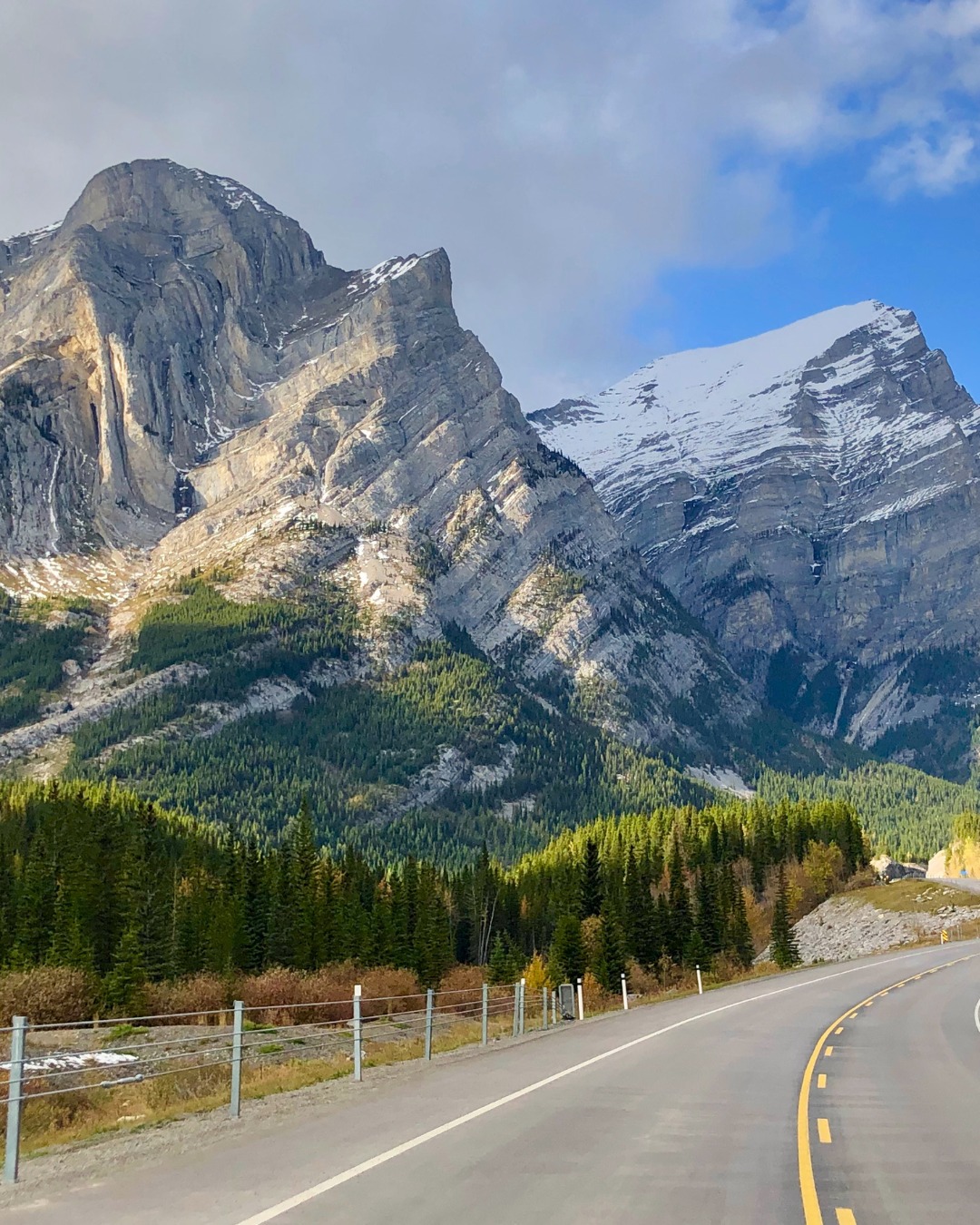
If someone asked me for one mountain destination that offers a little bit of everything, the Rockies would be near the top of my list.
You can spend an entire week here and never feel like you’re repeating the same hike.
One morning you might find yourself walking through pine forests toward an alpine lake.
The next day you’re climbing above the tree line with views stretching across multiple mountain ranges.
That’s what keeps the Rockies interesting.
Every trail feels like a completely different adventure.
According to Travel + Leisure’s guide to Rocky Mountain National Park, hikers have access to more than 350 miles of trails throughout the park. That variety is one of the biggest reasons the area works so well for first-time visitors and experienced hikers alike.
The thing that surprised me most wasn’t the size of the mountains.
It was how quickly the scenery changed.
I remember starting one hike surrounded by dense forest. Less than an hour later, I was looking across open tundra with barely a tree in sight.
It felt like hiking through multiple landscapes in a single day.
If you’re planning your first trip here, don’t assume the longest trail is automatically the best one.
Some of my favorite Rocky Mountain views came from moderate hikes that left enough energy to sit down, eat lunch, and actually enjoy the scenery.
That’s a mistake many travelers make.
They focus so much on reaching the destination that they forget to experience it.
A tip I wish someone had given me sooner is to start earlier than you think you need to.
The difference between arriving at a viewpoint at 8 a.m. and noon can completely change the experience.
You’ll often find cooler temperatures, clearer views, more active wildlife, and far fewer people.
Another thing worth remembering is that mountain weather changes quickly.
The first time I visited, I left my jacket in the car because the morning felt warm.
A couple of hours later, I was wishing I had brought it.
Now I always carry an extra layer, even on sunny days.
The Rockies reward hikers who stay curious.
Some of my favorite memories happened nowhere near famous viewpoints.
They happened while watching elk graze in a distant meadow, sitting beside a quiet alpine lake, or taking an unexpected detour that turned out better than the original plan.
That’s often when mountain travel feels most rewarding.
And if the Rockies sound a little too ambitious for your next trip, there’s another mountain range that delivers beautiful views with far less effort.
Blue Ridge Mountains: Stunning Scenery Without Extreme Difficulty
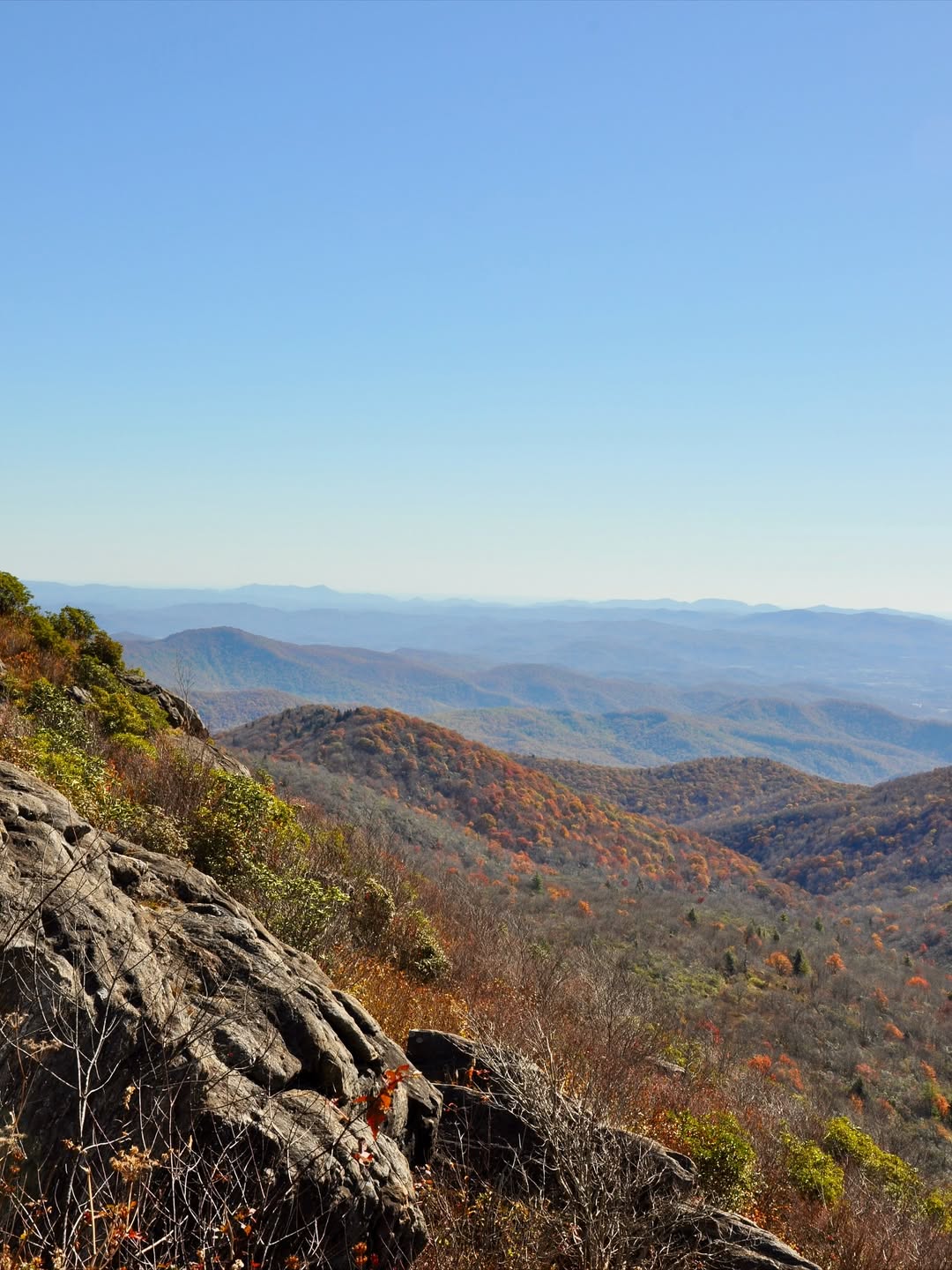
Not every memorable mountain hike has to leave your legs completely exhausted.
That’s one reason the Blue Ridge Mountains remain one of my favorite recommendations for summer travelers.
The scenery feels endless. The trails are approachable. The views arrive much sooner than many people expect.
If you’ve ever looked at photos of dramatic mountain ranges and thought, “That looks amazing, but I’m not sure I’m ready for a difficult climb,” this is the type of destination worth considering.
The Blue Ridge Mountains offer something many travelers overlook.
A low-stress hiking experience.
You don’t need perfect weather, elite fitness, or a packed itinerary to enjoy your time here.
Some of the best views appear from overlooks along the Blue Ridge Parkway. Others come from moderate trails that fit comfortably into a weekend trip.
What stands out most is the atmosphere.
The Rockies often feel wild and dramatic.
The Blue Ridge Mountains feel calm.
During summer, the rolling ridges stretch toward the horizon in layer after layer of soft blue mountains.
I’ve watched sunsets here that felt every bit as memorable as views from much higher peaks.
One thing that surprised me was how often the best moments happened away from the most popular overlooks.
A quiet picnic area.
A short side trail.
A roadside pullout where hardly anyone stopped.
Those places often delivered the views I remembered most.
If you’re the type of traveler who enjoys combining hiking with coffee shops, mountain towns, scenic drives, and relaxed afternoons, you’ll probably love the Blue Ridge Mountains.
If your goal is conquering massive summits every day, another destination may suit you better.
One mistake I see visitors make is treating the Blue Ridge Mountains like a checklist.
They rush from overlook to overlook trying to see everything.
Slow down.
Choose fewer stops.
Spend more time at each one.
That’s usually when the destination starts working its magic.
And if you’re ready for mountains that feel much larger in scale, the next destination delivers exactly that.
Swiss Alps: The Mountain Views That Feel Almost Unreal
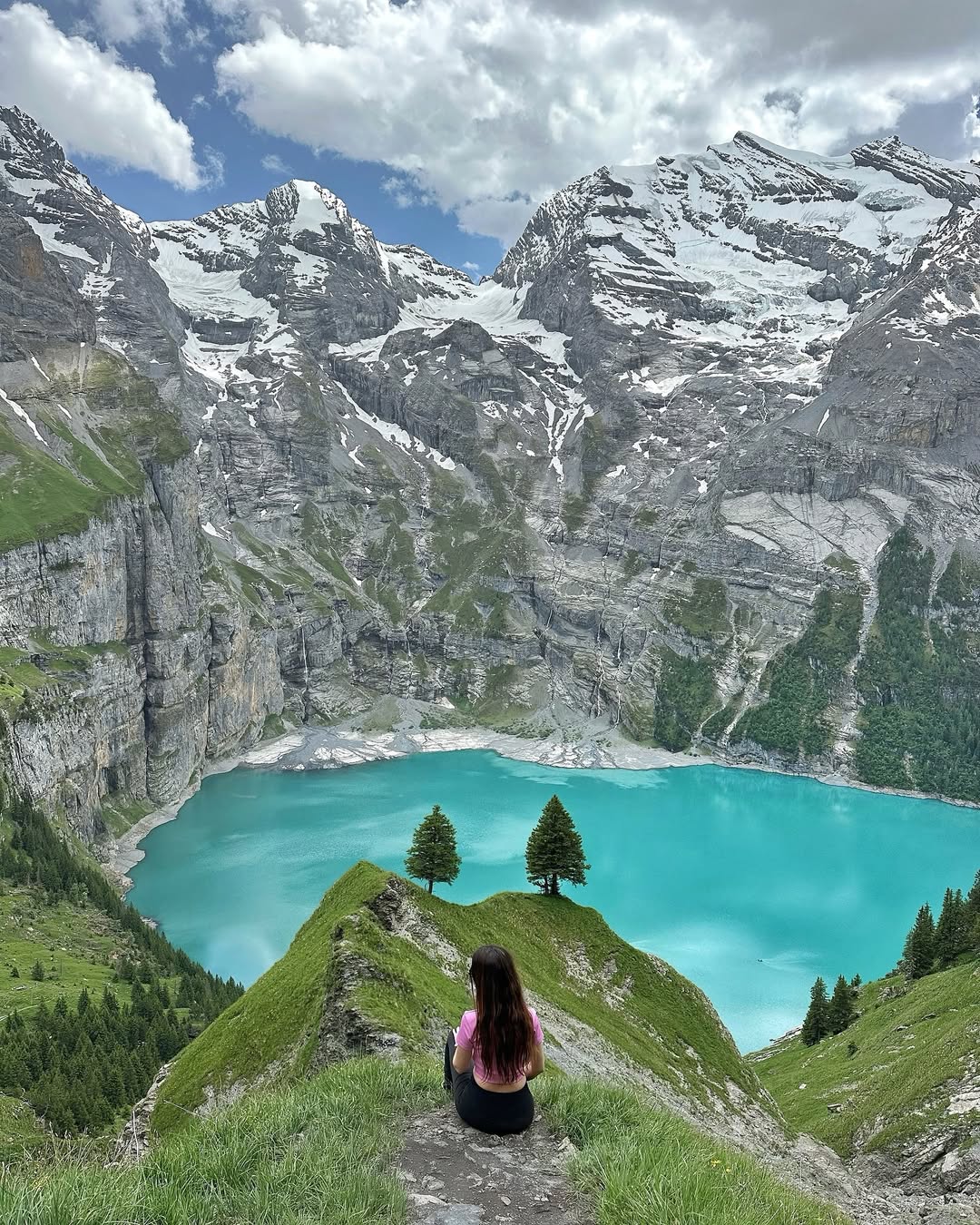
There are some places that look heavily edited in photographs.
The Swiss Alps are one of them.
The first time I saw mountains rising above green valleys and traditional villages, it felt like walking into a postcard.
The scale is difficult to understand until you’re standing there.
Massive peaks tower above flower-filled meadows. Glacial valleys cut through the countryside. Trains disappear into mountains and reappear miles away.
The remarkable part is how easy much of it is to experience.
According to Switzerland Tourism, the country has more than 65,000 kilometers of marked hiking trails. That allows travelers with very different experience levels to enjoy incredible scenery without needing advanced climbing skills.
One thing I wish more travelers knew is that Switzerland rewards curiosity.
Many visitors spend their entire trip chasing famous viewpoints.
Some of my favorite memories came from smaller villages and lesser-known valleys where the crowds disappeared but the mountain scenery remained.
A simple strategy I often recommend is combining trains, cable cars, and hiking.
Ride into the mountains.
Complete a scenic hike.
Finish the day with dinner in a village surrounded by peaks.
That approach gives you more mountain views and less physical exhaustion.
The Swiss Alps are especially well suited to travelers who want a hiking trip without constantly worrying about logistics.
Everything feels straightforward.
Trails are well marked.
Transportation is easy to understand.
Mountain towns are built around outdoor adventures.
If this is your first major mountain trip outside your home country, Switzerland can be an excellent place to start.
Yet despite all that beauty, the destination coming next creates a completely different reaction.
The Swiss Alps make you stare.
The Dolomites make you stop in your tracks.
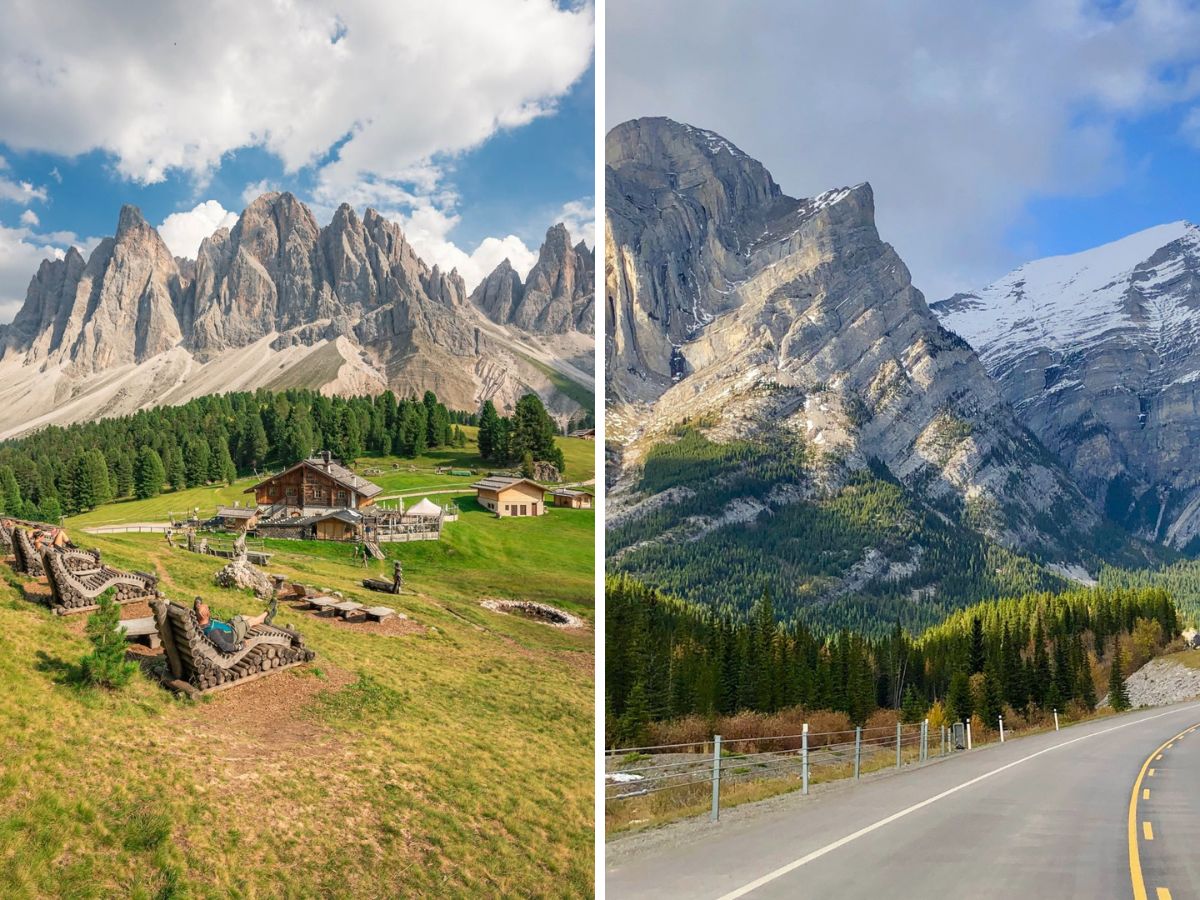
Dolomites: Dramatic Peaks and Some of Europe’s Most Photogenic Trails
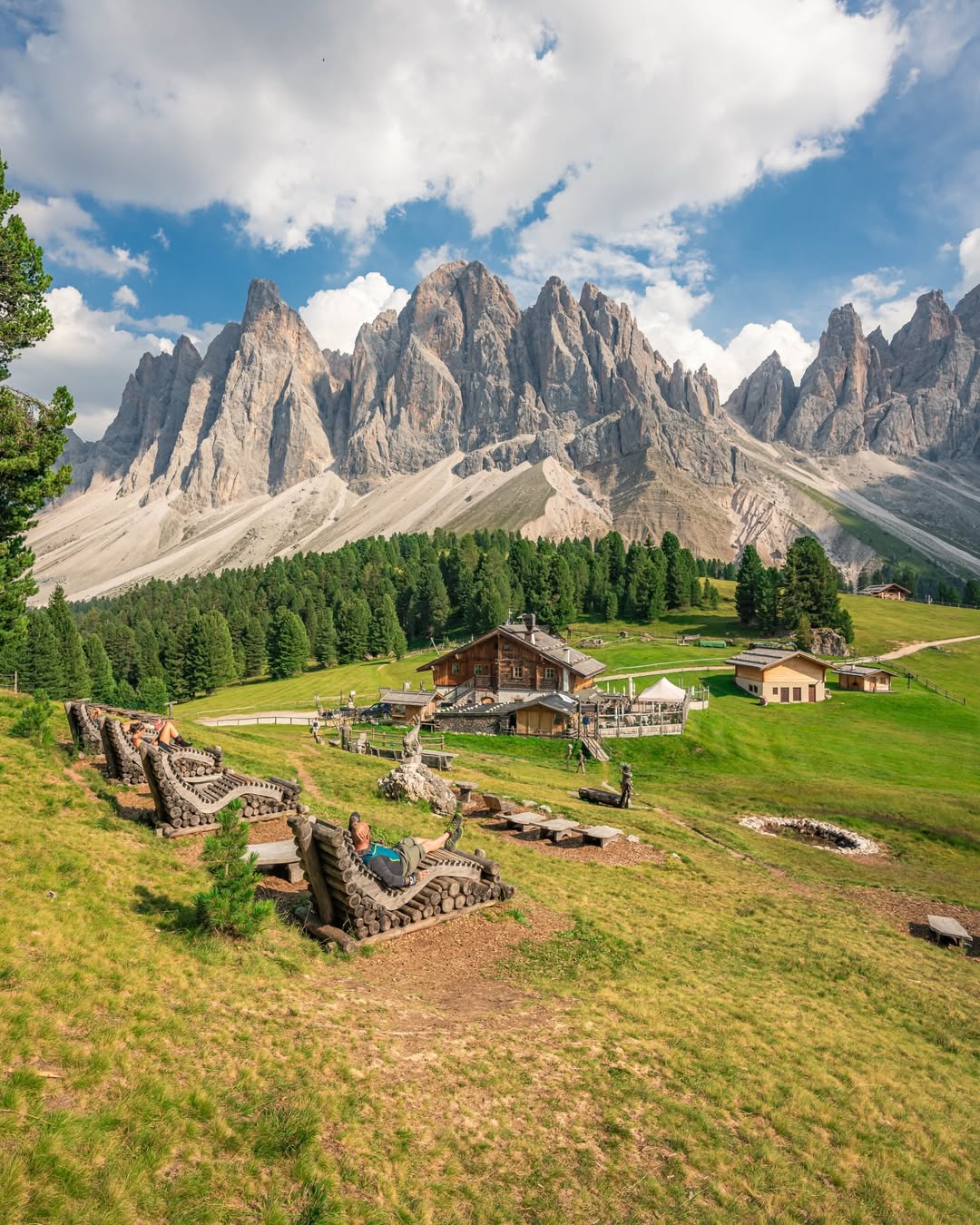
If the Swiss Alps look elegant, the Dolomites look dramatic.
The peaks rise sharply from the landscape, creating jagged silhouettes that seem almost impossible from a distance.
Even after seeing countless photographs, the real thing feels larger, steeper, and more striking.
This is one of those destinations where you’ll find yourself stopping every few minutes to take another photo.
Then another.
Then one more.
The scenery keeps changing around every corner.
What makes the Dolomites special isn’t just the mountains themselves.
It’s the contrast.
Green meadows sit beneath towering rock walls. Small mountain huts appear in places that seem unreachable. Narrow trails wind through scenery that barely looks real.
As National Geographic Traveller puts it, “For sheer visual splendour, it’s hard to beat Italy’s Dolomites.”
After visiting, I understood exactly what they meant.
One thing many travelers don’t realize is how accessible many famous viewpoints actually are.
You don’t need to spend ten hours climbing to experience some of the region’s best scenery.
That’s one reason the Dolomites appeal to such a wide range of travelers.
Photographers love them.
Casual hikers love them.
Experienced hikers love them.
One of my favorite tips is planning at least one sunrise or sunset hike.
The famous alpenglow transforms the peaks into shades of orange, pink, and gold.
Photos rarely capture how impressive it looks in person.
The biggest mistake I would avoid is trying to see too much too quickly.
I made that mistake myself.
The Dolomites look compact on a map.
They don’t feel compact once you’re driving mountain roads and moving between trailheads.
Choose one area.
Stay longer.
Explore it thoroughly.
The quiet lake hidden behind a ridge, the mountain hut serving lunch with a view, and the trail that wasn’t on your original itinerary often become the moments you remember most.
And while the Dolomites might be Europe’s most dramatic mountain destination, North America has a mountain range that combines enormous peaks with some of the most beautiful lakes you’ll ever see.
Canadian Rockies: Turquoise Lakes and Massive Mountain Backdrops
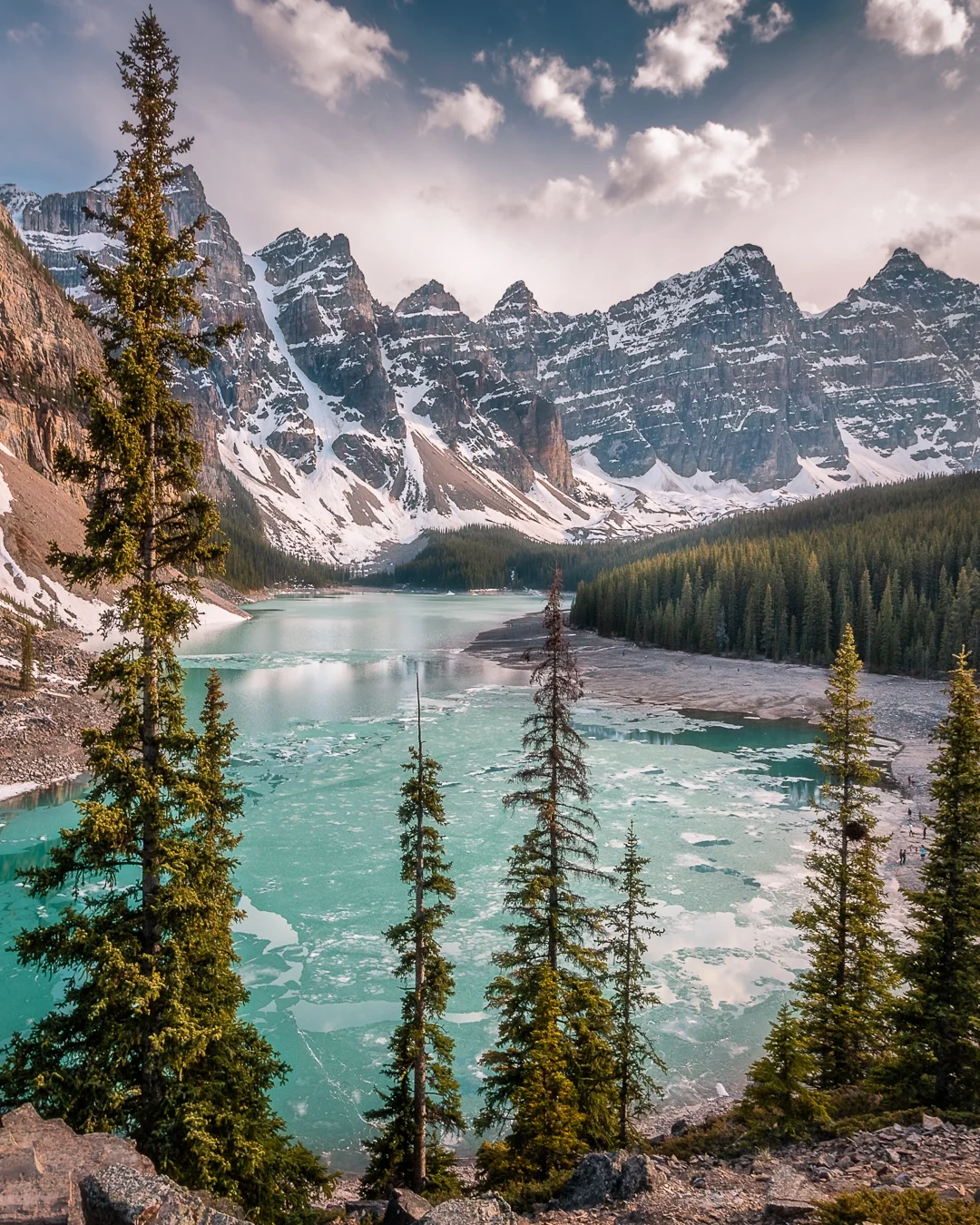
The Canadian Rockies have a way of making you stop mid-hike.
Not because you’re tired.
Because you’re trying to convince yourself the water is actually that blue.
The first time I visited, I assumed the photos had been edited.
Then I stood beside one of those famous alpine lakes and realized the pictures were telling the truth.
The colors are real.
The mountains are bigger than they look online.
And the entire region feels built for hikers.
According to Travel Alberta’s guide to hiking in the Canadian Rockies, prime hiking season runs from mid-June through October, giving travelers plenty of opportunities to experience the area’s most popular trails.
That longer hiking season is one reason this destination works so well for vacation planning.
You have more flexibility when choosing travel dates and a better chance of finding trail conditions that match your goals.
The scenery here feels different from many mountain destinations.
In the Rockies, the peaks often take center stage.
In the Canadian Rockies, the lakes compete for your attention.
I actually expected the mountains to be my favorite part.
What surprised me was how often I found myself staring at the water.
Some lakes look almost unreal under summer sunlight.
Others become giant mirrors during calm mornings.
Those reflections can completely transform a hike.
Another reason I recommend this region is variety.
You don’t need to spend every day chasing difficult summits.
One day might involve a glacier viewpoint.
The next could be a lakeside trail with relatively little elevation gain.
That flexibility makes the destination appealing to travelers with different fitness levels.
If you’re a photographer, this area deserves serious consideration.
If you’re traveling with someone who enjoys scenic walks more than strenuous climbs, it works well for that too.
One mistake I would avoid is scheduling every day around famous locations.
Some of my favorite moments happened on quieter trails where the crowds disappeared.
The scenery remained just as impressive.
The experience often felt better.
Wildlife lovers will also appreciate this region.
It’s not unusual to spot elk, mountain goats, or bighorn sheep from a respectful distance.
The key is patience.
The best wildlife encounters usually happen when you’re paying attention to your surroundings rather than rushing toward the next viewpoint.
And while the Canadian Rockies feel like a dream trip for many hikers, not everyone wants a destination that requires extensive planning.
That’s where the Smoky Mountains come in.
Smoky Mountains: One of the Most Accessible Summer Hiking Destinations
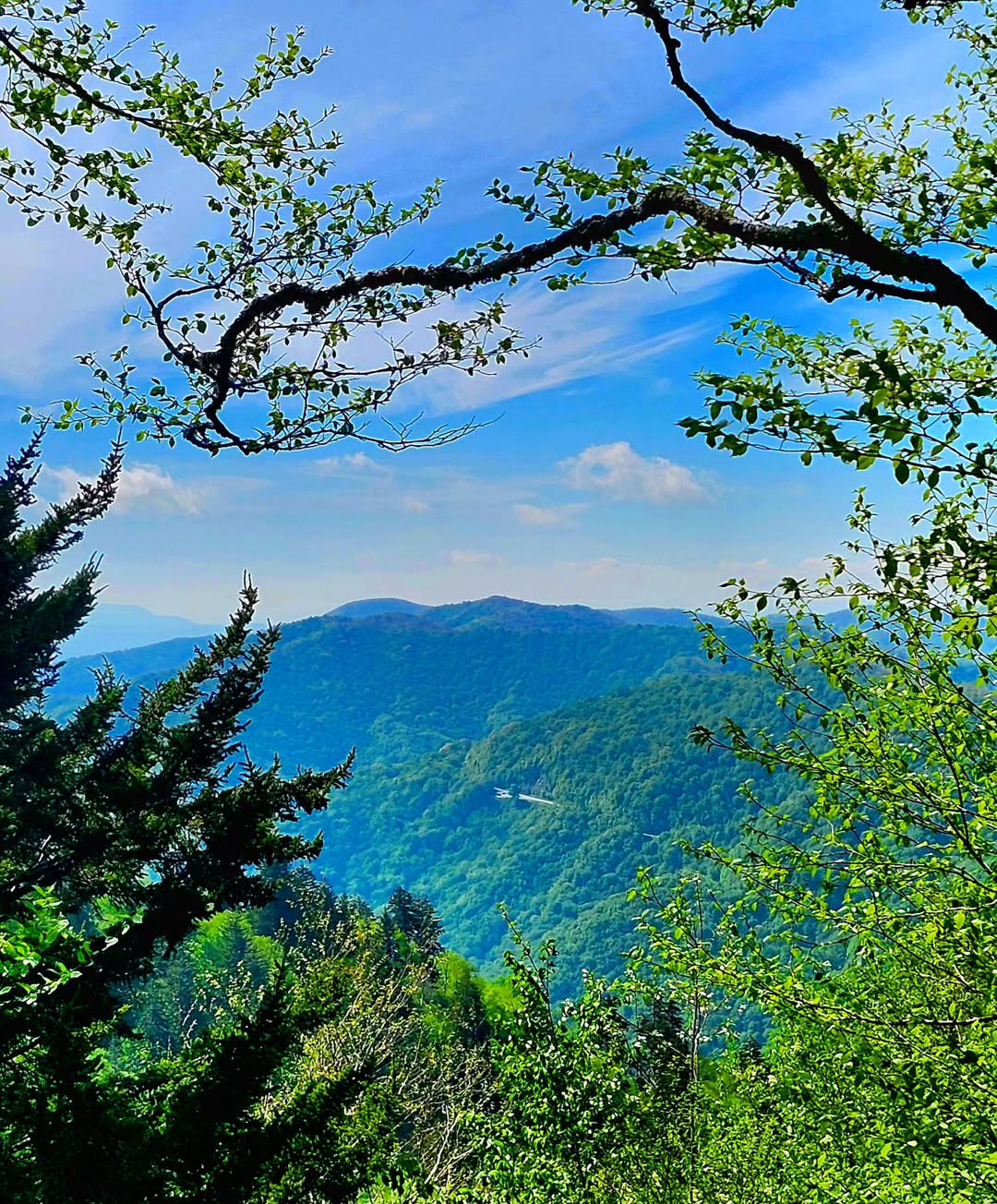
The Smoky Mountains prove that you don’t need extreme elevation or famous summits to create a memorable hiking trip.
What makes this destination special is how approachable it feels.
Families enjoy it.
First-time hikers enjoy it.
Road trippers enjoy it.
Even experienced hikers often return because the scenery never seems to get old.
One thing I appreciate most is how easy it is to build a flexible itinerary.
You can spend the morning hiking to a waterfall.
Grab lunch in a nearby town.
Take a scenic drive in the afternoon.
Finish the day at an overlook before sunset.
That balance makes the trip feel relaxing rather than exhausting.
The Smokies are especially well suited to travelers who want mountain scenery without turning the entire vacation into a fitness challenge.
Not every trip needs a summit attempt.
Sometimes a peaceful forest trail and a great view are more than enough.
One thing that surprised me was how often the smaller moments became the most memorable.
Watching fog move through the valleys.
Hearing birds deep in the forest.
Sitting beside a stream during a break.
Those experiences don’t show up on bucket lists, yet they’re often what I remember most.
A common mistake visitors make is trying to cram too much into a single day.
I’ve watched people race from trail to trail while barely spending time in any of them.
The Smokies reward a slower pace.
Choose fewer activities.
Stay longer.
Notice more.
That’s usually when the destination starts feeling special.
And after exploring all of these mountain ranges, one question remains.
Which one should you choose?
How to Choose the Right Mountain for Your Hiking Style
If you’re still deciding, don’t focus on which destination is most famous.
Focus on the type of experience you want to have.
If photography is your priority, the Dolomites deserve a close look.
The dramatic peaks create some of the most recognizable mountain scenery anywhere.
If you want an easy introduction to mountain hiking, the Blue Ridge Mountains are hard to beat.
The views arrive quickly, and the trails feel approachable.
If flexibility matters most, the Rocky Mountains offer enough variety to keep almost any traveler happy.
If alpine lakes are what you dream about, the Canadian Rockies should move near the top of your list.
If you’re planning a once-in-a-lifetime mountain trip and want a destination that’s easy to navigate, the Swiss Alps are worth serious consideration.
And if your ideal vacation includes mountain scenery without spending every day on difficult trails, the Smoky Mountains are an excellent choice.
A useful question to ask yourself is this:
What do I want to remember when the trip is over?
The wildlife?
The photographs?
The lakes?
The summits?
The peaceful trails?
Your answer will usually point you toward the right destination faster than any ranking ever could.
And once you’ve chosen your mountain, a few simple mistakes are worth avoiding before you hit the trail.
Summer Hiking Mistakes That Can Ruin Amazing Mountain Trips
The good news is that most hiking mistakes are avoidable.
The bad news is that many travelers make the same ones every summer.
I’ve made some of them myself.
The biggest mistake is underestimating mountain weather.
The first time I did it, I left the trailhead feeling perfectly comfortable in a short-sleeved shirt.
A couple of hours later, clouds rolled in, temperatures dropped, and I spent the rest of the hike wishing I had packed an extra layer.
Mountain weather changes quickly.
A forecast for a nearby town doesn’t always reflect conditions higher on the trail.
Temperatures often drop as elevation increases. Wind can appear out of nowhere. A bright morning can become a stormy afternoon much faster than many first-time hikers expect.
That’s why carrying an extra layer is one of the easiest ways to improve your hiking experience.
You may never need it.
You’ll be glad you brought it if you do.
Another common mistake is starting too late.
A slow breakfast sounds great until you’re climbing a mountain during the hottest part of the day.
Morning hikes usually bring cooler temperatures, clearer views, quieter trails, and a better chance of spotting wildlife.
Many experienced hikers are already moving when most travelers are still drinking coffee.
Hydration is another area where people get caught off guard.
Cool mountain air can create the illusion that you’re not working very hard.
Your body disagrees.
According to the National Park Service, hikers should take regular breaks, rest in shaded areas, and avoid hiking during the hottest hours whenever possible.
Small habits like these often determine whether a hike feels enjoyable or exhausting.
One more mistake worth avoiding is choosing trails based entirely on social media.
Photos rarely show crowded parking lots.
They don’t show trail closures.
They don’t show whether the viewpoint requires ten minutes of walking or six hours of climbing.
These days, I spend just as much time researching trail conditions as I do looking at photos.
That simple habit has saved me from more than a few disappointing days.
If you remember only one thing from this article, let it be this:
The best mountain trips usually belong to the hikers who prepare a little more than everyone else.
And after enough hikes, you begin to notice something interesting.
The moments you remember most aren’t always the ones you expected.
My Favorite Type of Mountain Hike for Summer
People often ask which mountain destination is my favorite.
The answer changes every year.
Not because I’m avoiding the question.
Because my favorite mountain experience isn’t tied to a specific location.
It’s tied to a feeling.
I’ve stood on famous summits surrounded by dozens of people taking photos.
I’ve also sat beside quiet alpine lakes where the only sounds came from the wind and distant birds.
The second memory usually stays with me longer.
These days, I find myself drawn to hikes that balance scenery, effort, and solitude.
A trail that’s challenging enough to feel rewarding.
A view that’s worth stopping for.
And enough time to enjoy the experience without rushing toward the next destination.
One thing mountain travel has taught me is that the most memorable moments rarely happen exactly where you expect.
Sometimes they’re at the summit.
Sometimes they’re halfway up the trail.
Sometimes they’re during a water break when you suddenly notice the view behind you.
That’s why I encourage travelers to stop measuring hikes solely by mileage, elevation gain, or popularity.
Pay attention to how the destination makes you feel.
Listen to the sounds around you.
Notice how the light changes throughout the day.
Stay a little longer at the viewpoint.
Take fewer photos and spend more time looking.
Years later, those are often the moments that remain vivid.
The summit may be the goal.
The experience between the trailhead and the summit is usually what stays with you.
Final Thoughts
At the beginning of this article, I talked about that moment every great mountain hike seems to create.
The moment when you reach a viewpoint and suddenly forget how hard the climb felt.
That’s still my favorite part of hiking.
Not the mileage.
Not the elevation gain.
Not the summit sign.
That brief moment when everything becomes quiet and your attention shifts completely to the view in front of you.
The best mountains for summer hiking create those moments in different ways.
Some travelers will find them in the dramatic peaks of the Dolomites.
Others will find them beside turquoise lakes in the Canadian Rockies.
Some will discover them on peaceful trails in the Blue Ridge Mountains, the Smokies, the Swiss Alps, or the Rockies.
There isn’t a single right answer.
The best mountain is the one that gives you the experience you’re hoping to find.
Years from now, you probably won’t remember every mile you walked.
You probably won’t remember every switchback or trail junction.
What you’ll remember is the feeling.
The mountain air.
The view that made you stop walking.
The silence that followed.
And that’s what keeps so many of us coming back to the mountains every summer.
Also read:
The Best Lake Hike Outfit Ideas for a Comfortable Day Outdoors