The Best Lake Hike Outfit Ideas for a Comfortable Day Outdoors
There is something special about hiking to a lake.
You spend hours moving through forests, climbing switchbacks, and crossing rocky trails. Then suddenly the trees open up and there it is. Calm water. Mountain reflections. Fresh air that feels cooler than anywhere else on the trail.
The funny thing is that many people spend more time planning the hike than planning what they wear.
I’ve learned this lesson the hard way.
A few years ago, I headed out for what looked like an easy lake hike. The forecast showed sunshine, so I threw on a cotton T-shirt, regular athletic shorts, and a pair of sneakers I barely used outdoors.
Everything felt fine during the first mile.
Then sweat soaked through my shirt. A cool breeze rolled across the lake. The trail became rockier near the shoreline. By the time I reached the water, I was uncomfortable, slightly chilled, and wishing I had thought through my outfit a little more carefully.
The frustrating part was that the hike itself was incredible.
I had finally reached the lake I had been looking forward to all week, yet part of my attention stayed on how uncomfortable I felt. Looking back, the problem wasn’t the trail. It was my outfit.
Since then, I’ve hiked to lakes in warm summer weather, cool mountain conditions, and places where the forecast changed three times before lunch. I’ve also watched plenty of hikers make the same mistakes I made. Some were overdressed and sweating halfway up the trail. Others wore shoes that weren’t built for uneven terrain. A few looked great in photos but looked miserable by the end of the hike.
The right lake hike outfit isn’t about buying expensive gear or looking like a professional hiker.
It’s about staying comfortable long enough to enjoy the experience.
In this guide, I’ll walk you through exactly what to wear on a lake hike, which shoes work best, how to layer for changing conditions, what mistakes to avoid, and a few outfit formulas you can copy for your next trip.
Because when you finally reach that lakeshore viewpoint, the last thing you want to think about is your clothing.
Why Your Lake Hike Outfit Matters More Than You Think
Lake hikes create a unique mix of conditions that catch a lot of hikers off guard.
You may leave the trailhead wearing a light layer because the morning feels cool. Thirty minutes later, you’re climbing uphill and working up a sweat. Then you reach the lake and a breeze rolls across the water, making the temperature feel completely different again.
That’s one reason experienced hikers often pack extra layers. According to the National Park Service’s Ten Essentials guide, carrying additional clothing layers and weather protection can help you stay comfortable when conditions change throughout the day.
I’ve noticed this on countless lake hikes.
The hardest part is rarely the hike itself. It’s staying comfortable through all the small changes that happen between the parking lot and the shoreline.
Many people assume a lake hike is simply a walk to water.
What actually happens is a mix of dirt trails, rocky sections, muddy patches, exposed viewpoints, shady forests, and lakeside wind. Your outfit needs to handle every part of that experience.
The goal is simple.
Stay dry when you sweat.
Stay warm when the breeze picks up.
Stay comfortable enough to sit by the lake for a while without immediately wanting to head back.
The good news is that getting your outfit right starts with one decision that most hikers overlook.
Your base layer.
Start With the Right Base Layer
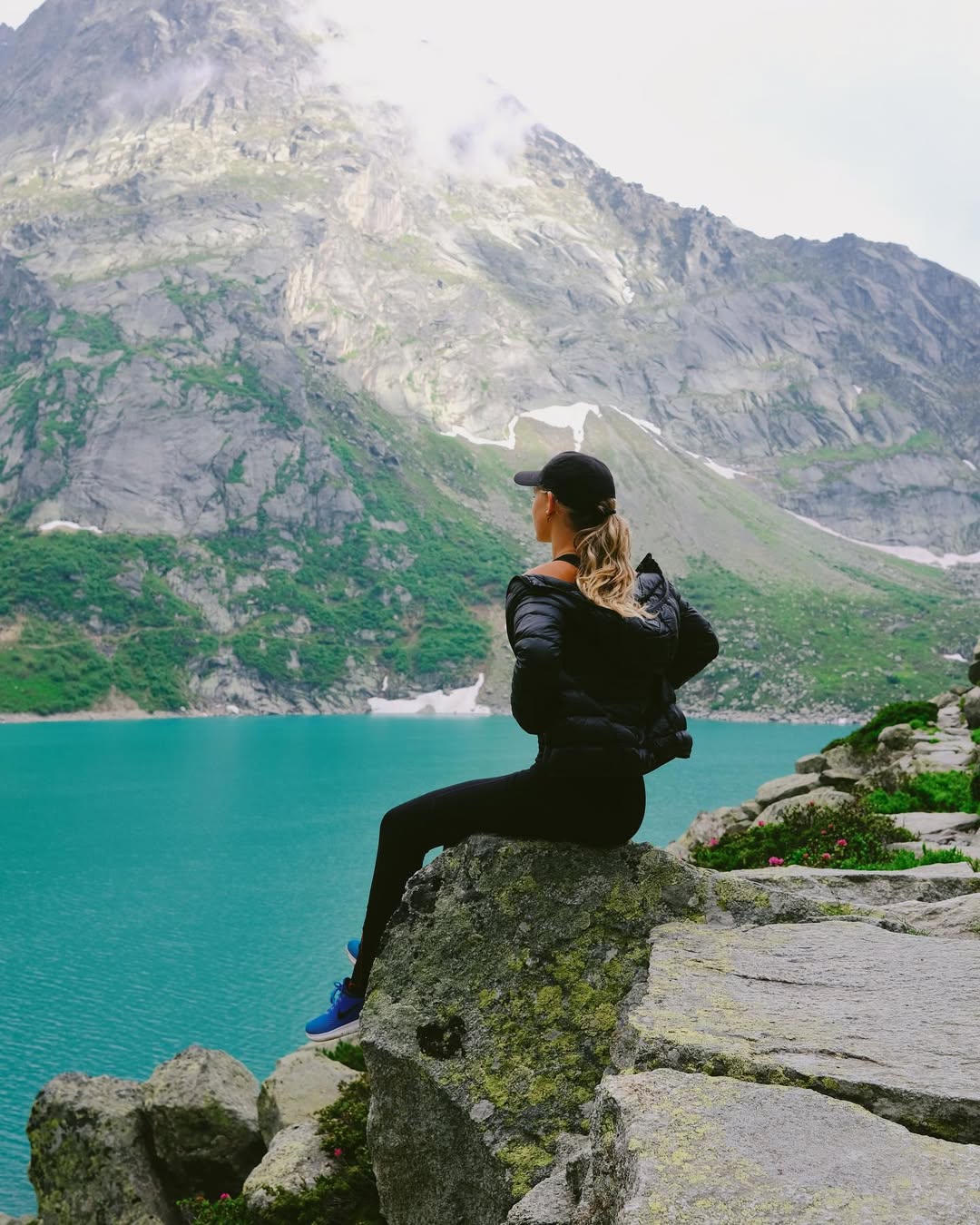
If you’ve ever felt uncomfortable halfway through a hike, there’s a good chance your shirt played a role.
Most people grab whatever feels comfortable at home.
The problem is that a shirt can feel great while you’re making coffee in the morning and feel completely different three miles into a hike.
Choose Breathable Fabrics That Dry Quickly
Cotton is usually the biggest offender.
It feels soft.
It feels familiar.
Then it gets wet.
Once cotton absorbs sweat, it tends to stay damp much longer than performance fabrics. That can leave you feeling sticky during climbs and chilly during breaks.
I’ve made this mistake more than once.
The worst part usually happens after reaching the lake. You stop moving, sit near the water, and suddenly realize your damp shirt feels much colder than it did on the trail.
A simple fix is choosing moisture-wicking fabrics that dry quickly.
You don’t need an expensive outdoor wardrobe.
Many affordable athletic shirts work just as well for casual lake hikes.
When in doubt, pick the shirt that stays dry the longest and dries the fastest.
Future-you will appreciate it.
Match Your Top to the Weather
One of the best hiking habits I’ve picked up is dressing for the entire day, not the conditions at the trailhead.
That sounds simple, but it changes everything.
A warm parking lot doesn’t guarantee a warm lakeshore.
A calm morning doesn’t guarantee calm conditions once you’re standing beside open water.
For hot-weather hikes, a lightweight performance T-shirt is often enough.
For spring, fall, or mountain hikes, I usually choose a breathable long-sleeve layer because it handles temperature swings much better.
Think about where you’ll spend the most time.
If you’re planning to relax by the water, eat lunch at the lake, or take photos along the shoreline, dress for that part of the day too.
Bottoms That Let You Move Freely
Your legs handle every step, climb, scramble, and downhill section.
Your clothing should make that easier, not harder.
The best lake hike outfit ideas focus on freedom of movement first. Looking good in photos is a bonus.
Leggings for Comfort and Flexibility
Leggings remain one of my favorite options for moderate lake hikes.
They move naturally, pack easily, and stay comfortable for long stretches on the trail.
The outdoor gear testers at Travel + Leisure point out that quality hiking leggings should provide moisture-wicking breathability, stretch, and durability. Those benefits become obvious once you’ve spent several hours outdoors.
One thing I especially like about leggings is how versatile they are.
They’re comfortable while hiking, comfortable during lakeside breaks, and comfortable during the drive home.
Hiking Shorts for Warm Weather
When summer temperatures climb, hiking shorts become hard to beat.
Look for lightweight materials and secure pockets.
That second point matters more than people think.
I’ve seen hikers reach a beautiful lakeside viewpoint only to realize their phone slipped out somewhere along the trail.
A zippered pocket can save you from retracing miles of trail.
That’s a small detail, but small details tend to matter outdoors.
Lightweight Hiking Pants for Extra Protection
There are days when hiking pants simply make more sense.
If you’re dealing with brush, bugs, strong sun, or cooler temperatures, lightweight pants often provide better comfort than shorts.
I reach for them most often on alpine lake hikes where conditions can change quickly.
You start the day in cool air, move through shaded forest sections, and end up spending time near cold mountain water.
The extra coverage helps in every stage of the hike.
And unlike older hiking pants, many newer options feel surprisingly light and breathable.
Next up is the piece of gear that can make a comfortable outfit feel miserable in less than an hour.
Your shoes.
The Shoes That Make or Break a Lake Hike
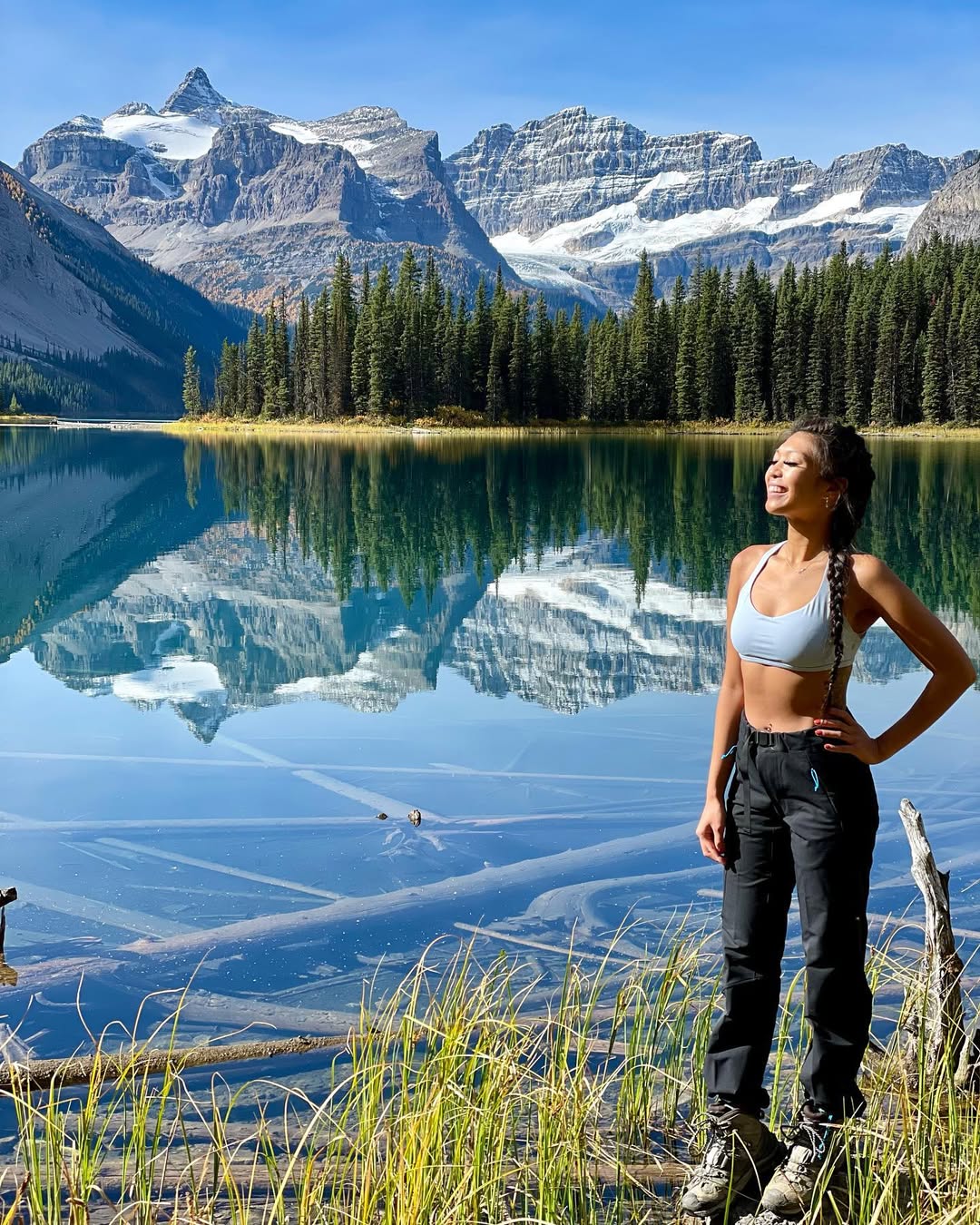
I can forgive a mediocre shirt.
I can tolerate the wrong pair of shorts.
Bad footwear is a completely different story.
I’ve watched hikers reach beautiful lakes only to spend the entire break complaining about sore feet, hot spots, or slippery shoes. The lake might be stunning, but it’s hard to enjoy the view when every step hurts.
Your shoes need to match the trail, not just the destination.
I’ve seen hikers spend hours looking forward to a crystal-clear mountain lake, only to spend the final mile staring at their feet because their shoes couldn’t handle loose rocks near the shoreline. The lake was beautiful. They were simply too uncomfortable to enjoy it.
That’s why footwear is one area where I never cut corners.
Trail Runners for Easy and Moderate Trails
For many lake hikes, trail runners are my first choice.
They’re lightweight, comfortable, and usually require less break-in time than traditional hiking boots.
If your route follows well-maintained trails with moderate elevation gain, trail runners often provide all the support you need while helping you move more comfortably throughout the day.
They also tend to dry faster if you encounter muddy sections, shallow stream crossings, or wet lakeside terrain.
For most casual lake hikes, that’s a huge advantage.
Hiking Boots for Rocky or Uneven Terrain
Some lake hikes demand more protection.
If you’re heading toward alpine lakes, rocky trails, loose gravel, or steep descents, hiking boots can provide extra stability and confidence underfoot.
One lesson I learned years ago was never to wear brand-new hiking boots on a long hike.
According to Visit Utah’s outdoor planning guide, hikers should wear sturdy footwear and break in hiking boots before hitting the trail.
Trust me on this one.
Blisters have a way of making even the most beautiful lake feel much farther away than it actually is.
If you’re testing new boots, wear them around town first. Take them on short walks. Let your feet tell you if something feels off before you’re miles from your car.
Water-Friendly Footwear for Lakes With Shore Access
Some lake hikes naturally turn into swimming days.
You arrive at the shoreline, drop your backpack, and suddenly the idea of putting your feet in the water sounds perfect.
Those are the days when lightweight water-friendly footwear earns its place in your backpack.
Some of my favorite lake memories have involved sitting on shoreline rocks, eating lunch beside the water, and letting my feet recover after several miles on the trail.
A lightweight pair of sandals takes up very little room, but it can make those lakeside breaks much more enjoyable.
It also saves you from spending the drive home in wet hiking shoes.
Once your footwear is sorted, the next challenge is preparing for weather that rarely sticks to the forecast.
Layers You’ll Be Glad You Packed
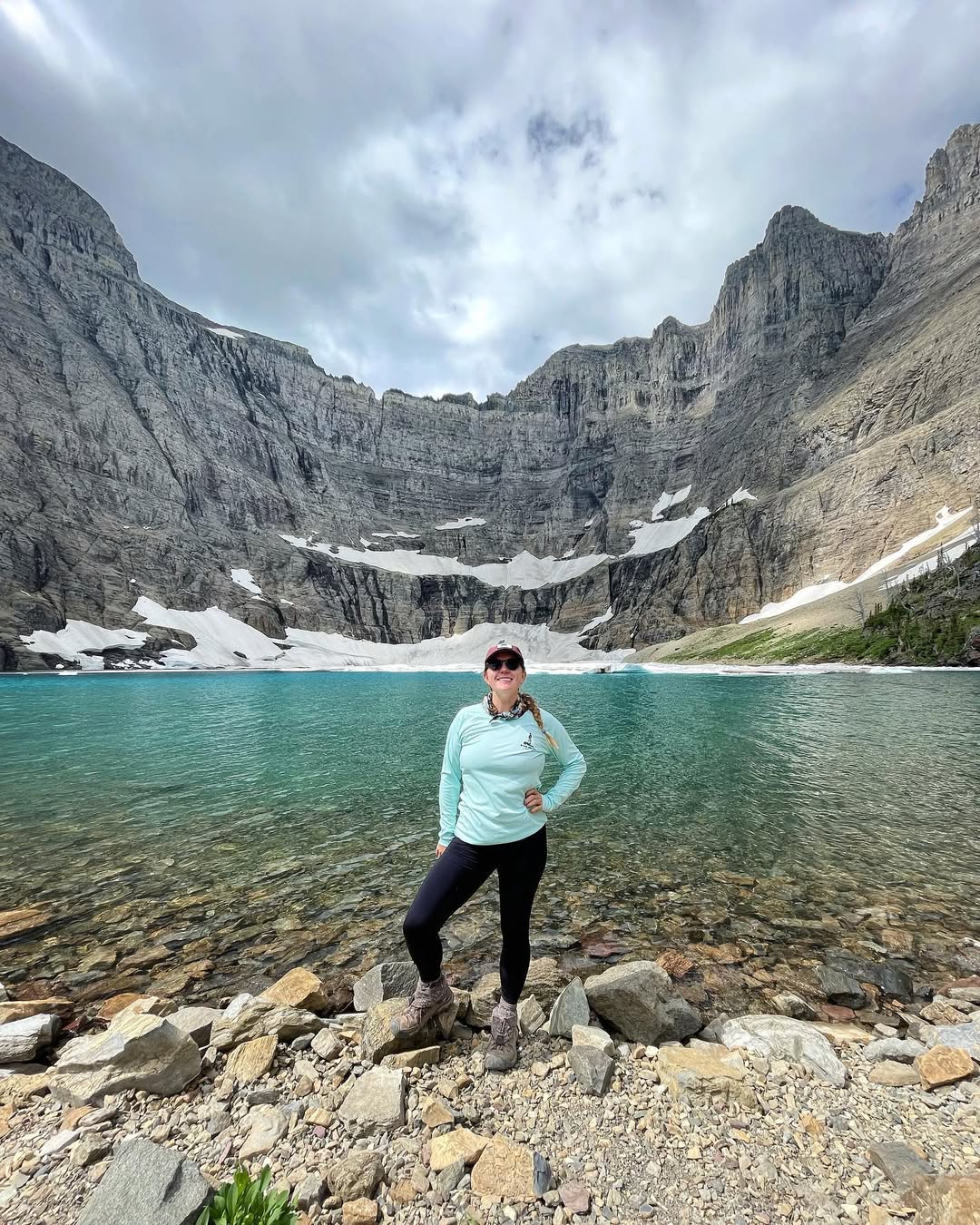
Mountain weather has a sense of humor.
I’ve started lake hikes under clear blue skies and reached the lake beneath dark clouds.
I’ve packed jackets I never used.
I’ve also been grateful every single time I carried one.
The goal isn’t stuffing your backpack with extra gear.
It’s bringing a few pieces that can adapt as conditions change.
One thing I’ve noticed about lake hikes is how different the temperature can feel once you stop moving.
You might spend an hour climbing uphill and working up a sweat. Then you reach the lake, sit down for a snack, and suddenly notice a cool breeze rolling across the water.
That’s when layers start earning their keep.
Lightweight Rain Jacket
Even on clear days, a lightweight rain jacket deserves a spot in your backpack.
Weather can change quickly around lakes, especially in mountainous regions.
A packable rain shell takes up very little space but can make a huge difference if conditions shift unexpectedly.
The best part is that it doesn’t only protect against rain.
It can also block wind when temperatures start to feel cooler near the water.
Fleece or Light Mid-Layer
Cool mornings are common on lake hikes.
A lightweight fleece or mid-layer helps bridge the gap between chilly trailheads and warmer afternoon temperatures.
I especially appreciate having one when I’m planning to spend time at the lake rather than immediately turning around.
A warm layer makes it easier to relax, eat lunch, take photos, and actually enjoy the destination once you get there.
Packable Windbreaker
Many people prepare for rain.
Far fewer prepare for wind.
Open lakes often feel cooler than nearby forest sections because there’s less shelter from the breeze.
I’ve reached lakes where the air felt perfect during the hike, only to spend the next hour thankful for a windbreaker.
A lightweight wind layer can make a huge difference when you’re sitting beside the water.
Now let’s look at the small items that don’t get much attention until the day you forget them.
Accessories That Earn Their Place in Your Backpack
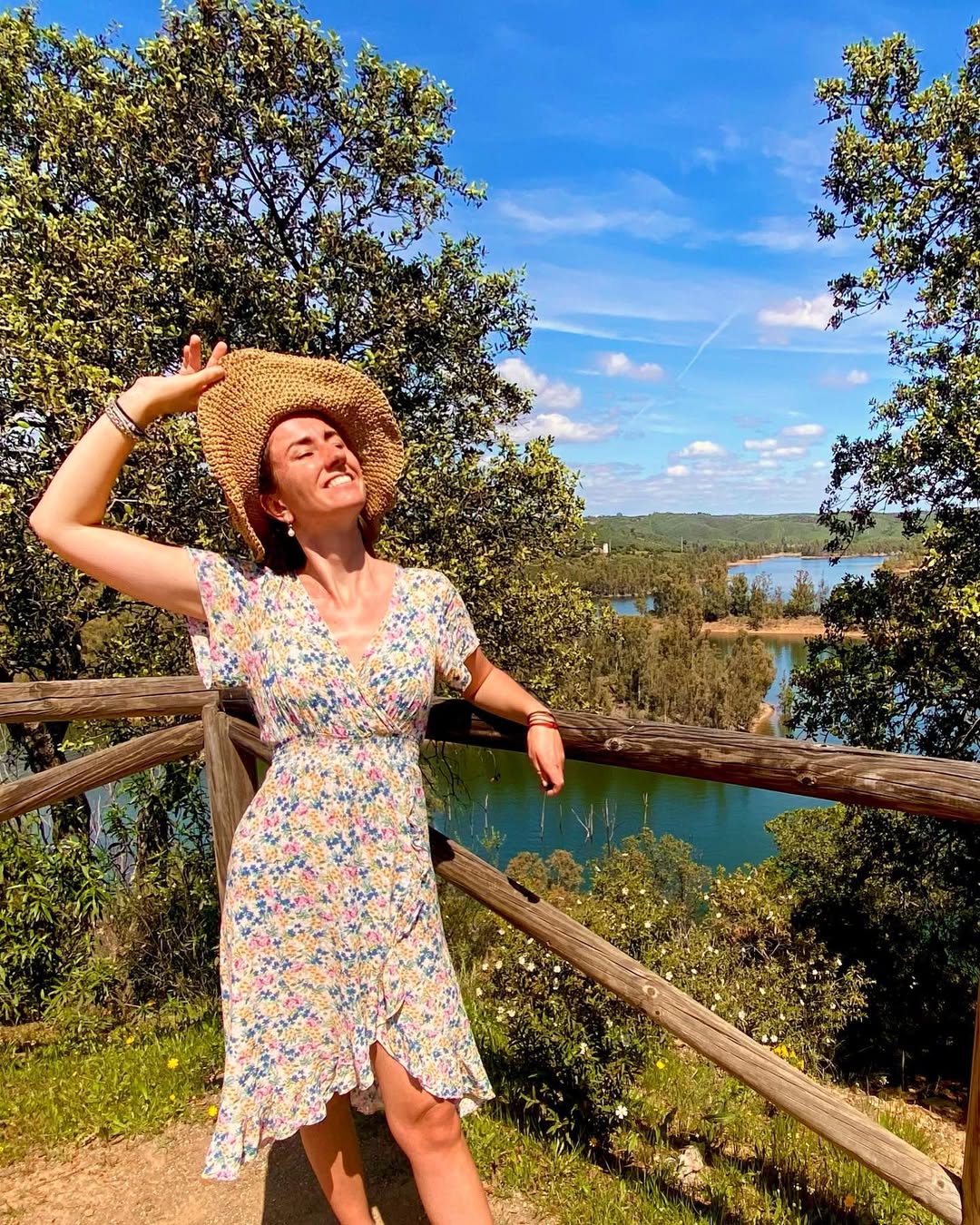
Some gear doesn’t seem important until it’s missing.
Then suddenly it’s the only thing you can think about.
These are the items that consistently make my lake hikes more comfortable.
Sun Protection Essentials
Sun exposure often feels stronger near water because of reflected light.
A hat, sunglasses, and sunscreen should be considered standard gear for most lake hikes.
A simple hat may not seem like much when you leave the parking lot.
Three hours later, you’ll be glad you packed it.
Small Backpack Essentials
My lake hike backpack usually stays pretty simple.
Water.
Snacks.
Extra layer.
Phone.
Power bank.
That’s enough for most day hikes.
One habit that has saved me countless times is doing a quick “lake check” before leaving the trailhead.
Do I have water?
Do I have something to eat?
Do I have an extra layer?
Are my sunglasses packed?
Is my phone charged?
The entire process takes less than a minute.
Yet it prevents most of the small problems that can turn a relaxing hike into a frustrating one.
Socks Matter More Than Most People Realize
Most hikers spend time choosing shoes.
Very few spend time choosing socks.
That’s a mistake.
The gear team at National Geographic Traveller highlights the importance of breathable, moisture-wicking hiking socks that help reduce friction and improve comfort on the trail.
That may sound like a small detail.
It isn’t.
Good socks can be the difference between reaching the lake feeling great and spending the final mile thinking about blisters.
Speaking of comfort, let’s put everything together into real-world outfit combinations.
Outfit Ideas for Different Types of Lake Hikes
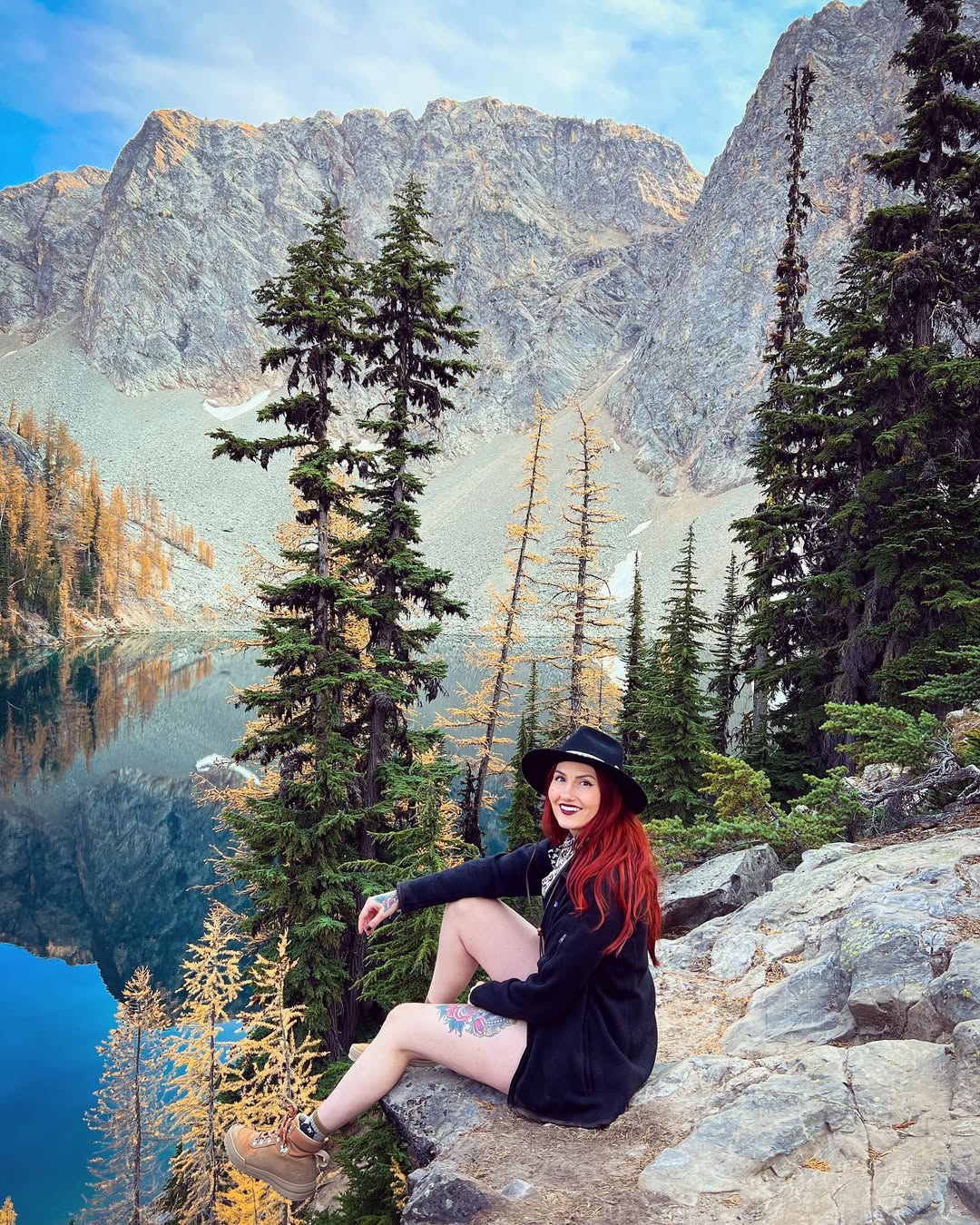
The best lake hike outfit isn’t always the same.
The right choice depends on weather, trail conditions, and how you plan to spend the day once you reach the water.
Easy Scenic Lake Walk
This is the type of hike where you’re prioritizing scenery over mileage.
You might spend as much time enjoying the lake as you do walking to it.
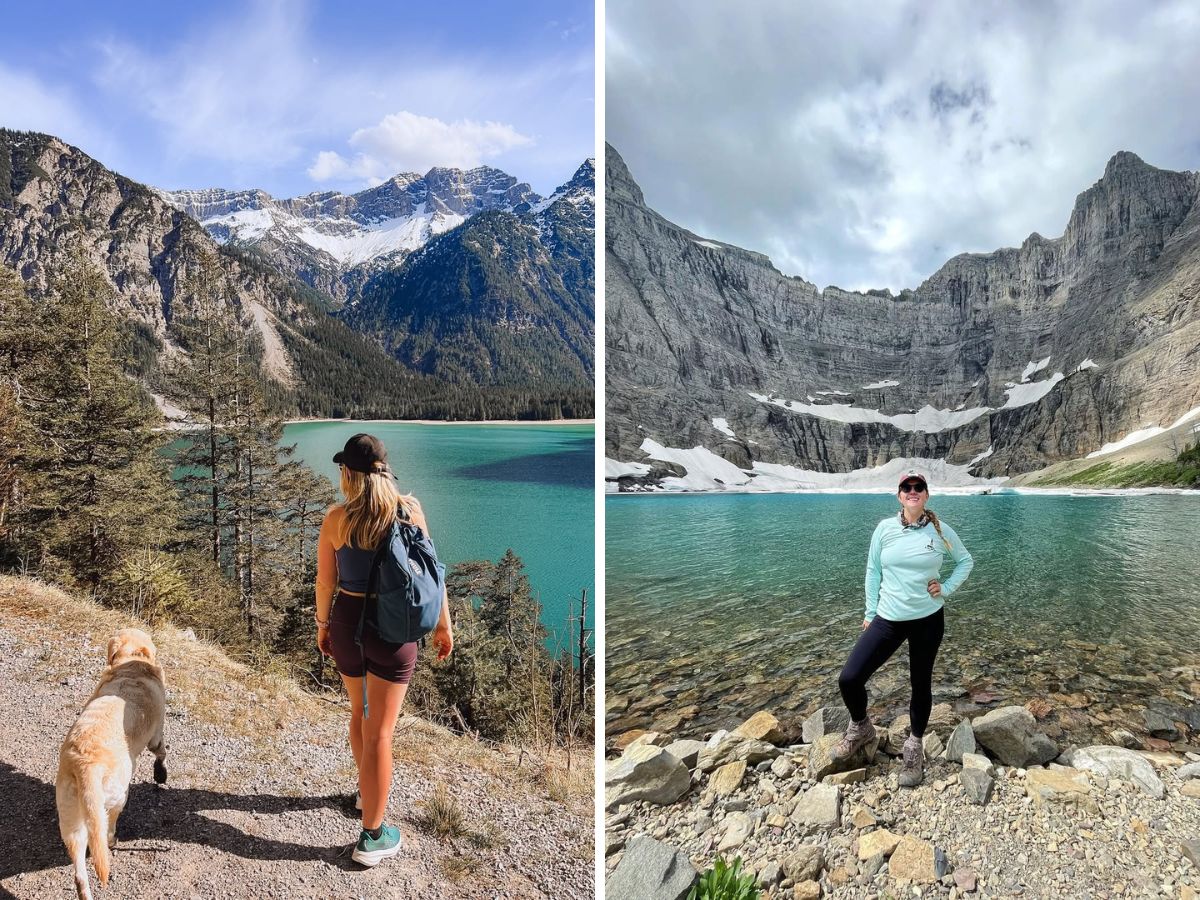
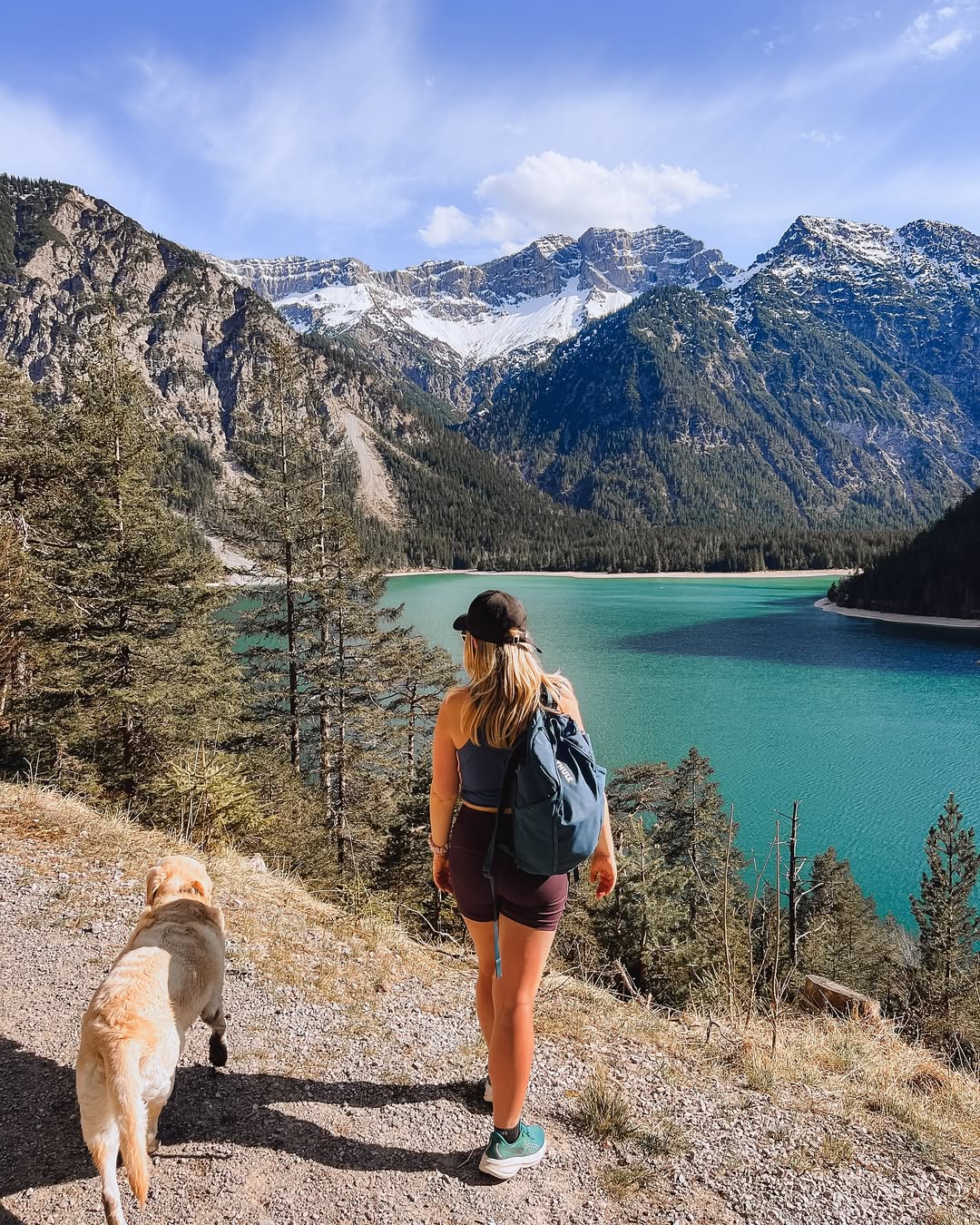
For this kind of outing, I would wear:
- Moisture-wicking T-shirt
- Comfortable leggings or hiking shorts
- Trail runners
- Baseball cap
- Lightweight daypack
Simple.
Comfortable.
Easy to move in.
And still great for photos.
Moderate Day Hike to a Mountain Lake
This is probably the most common lake-hiking scenario.
You’ll likely encounter changing temperatures, elevation gain, and a mix of trail conditions.
For hikes like this, I usually stick with:
- Performance hiking shirt
- Hiking leggings or lightweight pants
- Trail runners or hiking boots
- Lightweight fleece
- Sunglasses and hat
This combination gives you enough flexibility to handle most situations without carrying unnecessary gear.
Summer Lake Hike With Swimming Stops
Some lakes practically beg you to jump in.
If you already know you’ll be swimming, dress accordingly.
I would choose:
- Quick-dry shirt
- Hiking shorts
- Swimsuit underneath
- Lightweight sandals packed in my backpack
- Small towel
This setup works well because you’re prepared for both the hike and the lake itself.
Fall Lake Hike With Cooler Temperatures
Fall remains one of my favorite seasons for lake hikes.
The crowds tend to thin out.
The colors become incredible.
The temperatures feel perfect for longer days on the trail.
My usual setup includes:
- Long-sleeve performance layer
- Fleece jacket
- Hiking pants
- Waterproof footwear
- Warm hat for early starts
The extra layers make lakeside breaks much more enjoyable once temperatures begin to drop.
Before you head out, let’s talk about a few mistakes that show up again and again.
What Not to Wear on a Lake Hike
Sometimes knowing what to avoid is just as useful as knowing what to wear.
Cotton Everything
Cotton absorbs moisture and takes much longer to dry.
That can leave you uncomfortable after sweating, sitting beside the lake, or encountering wet conditions on the trail.
Brand-New Shoes
Never let an important hike become a footwear test.
Wear new shoes locally first.
Your feet will tell you everything you need to know.
Heavy Sweatshirts
I’ve watched hikers show up in thick cotton hoodies because the morning felt cold.
An hour later they were carrying those hoodies around their waist while wishing they had chosen a lighter layer.
Layering usually works much better.
Fashion-First Outfits That Ignore the Trail
A lake hike isn’t a photoshoot.
The photos are simply a bonus.
Comfort should always come first.
The good news is that you don’t have to choose between looking good and feeling good.
You can absolutely have both.
How to Dress for Better Lake Photos Without Sacrificing Comfort
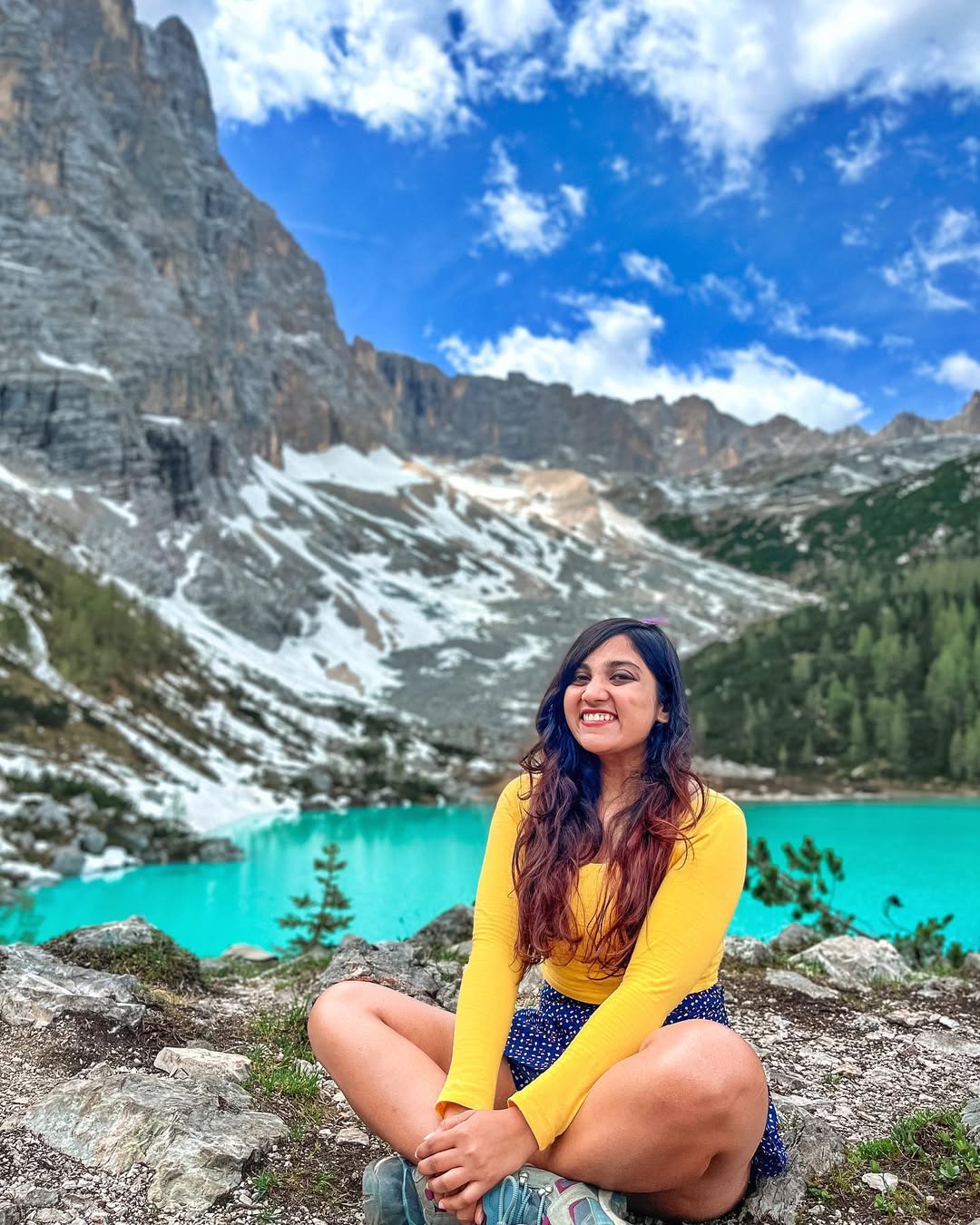
Most people want lake-hike photos they’ll actually want to keep.
The good news is that comfortable outfits often photograph best anyway.
I’ve noticed that earth tones, deep greens, soft blues, rust colors, and neutral shades tend to work beautifully against lakes, forests, and mountain scenery.
One thing I’ve learned after photographing lakes in different regions is that simple outfits usually age better in photos.
The scenery already provides plenty of visual interest.
Your outfit doesn’t need to compete with it.
The best photos usually happen when you’re comfortable enough to focus on the experience instead of adjusting your clothing.
My Go-To Lake Hike Outfit Formula
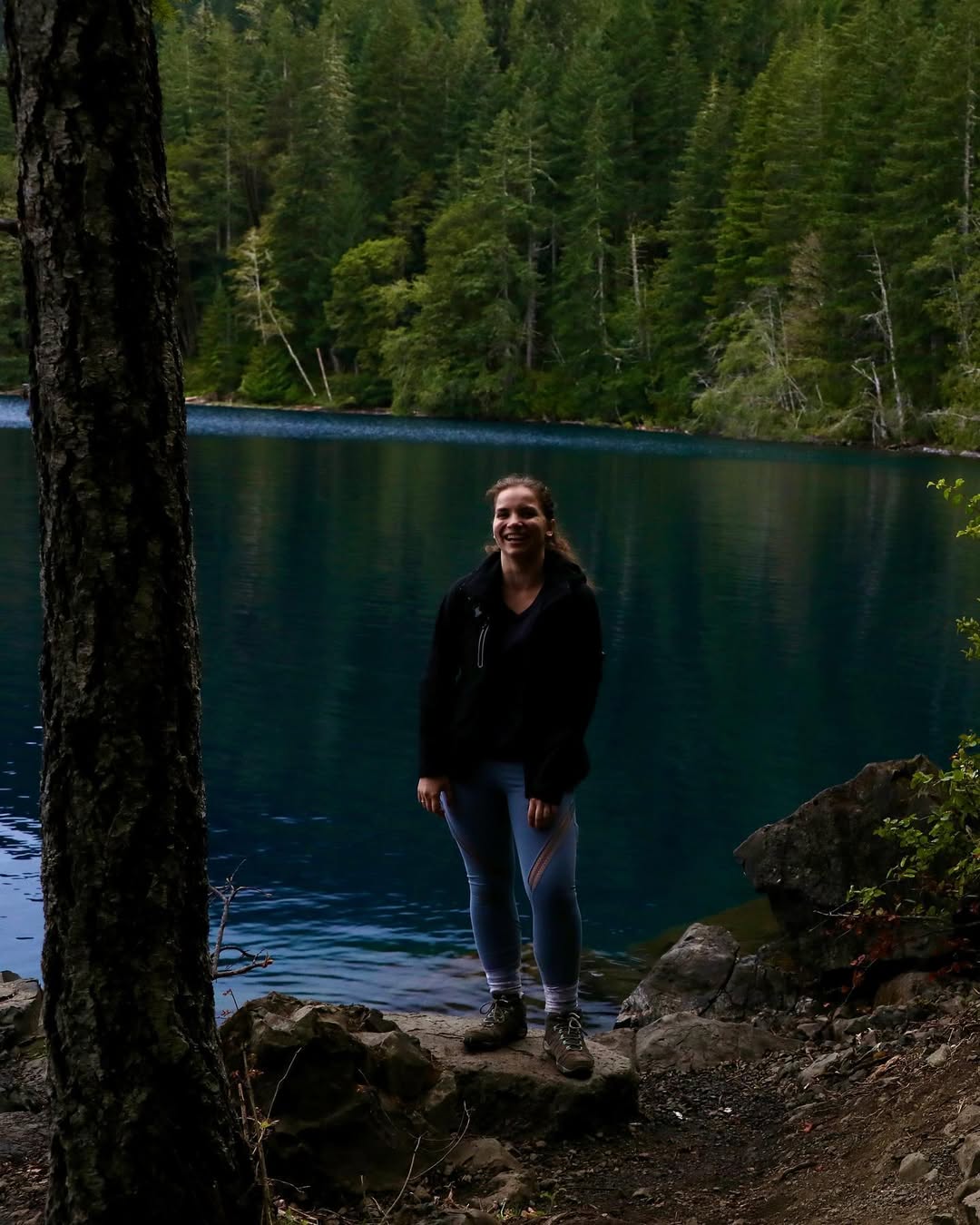
If I don’t know exactly what conditions to expect, this is the setup I return to most often:
- Moisture-wicking shirt
- Hiking leggings or lightweight pants
- Trail runners
- Lightweight rain shell
- Sunglasses
- Hat
- Small backpack
I keep coming back to this combination because it works on a wide range of lake hikes.
Short hikes.
Long hikes.
Warm days.
Cool mornings.
Unexpected weather.
The Colorado.com outdoor travel guide encourages visitors to prioritize comfort over fashion and wear shoes that can handle real mileage.
That’s advice I’ve found to be true on nearly every lake hike I’ve done.
Frequently Asked Questions
What should I wear on a lake hike in summer?
A lightweight moisture-wicking shirt, hiking shorts or leggings, trail runners, sunglasses, and a hat usually work well for warm-weather lake hikes.
Are leggings good for hiking?
Yes. Many hikers prefer leggings because they’re comfortable, flexible, and easy to layer throughout the day.
Do I need hiking boots for a lake hike?
Not always. Trail runners work well for many lake hikes. Hiking boots become more useful on rocky, steep, or uneven terrain.
What colors look best for lake hiking photos?
Earth tones, greens, blues, rust shades, and neutral colors tend to complement natural scenery without drawing attention away from it.
What should I bring on a lake hike?
Water, snacks, sun protection, an extra layer, your phone, and a basic first-aid kit are good starting points.
Final Thoughts
The best part of a lake hike isn’t the climb.
It’s that moment when the trail finally opens up and the water comes into view.
The right outfit won’t make the lake more beautiful.
It will make it easier to enjoy every minute you’re there.
Dress for changing weather.
Wear footwear you trust.
Pack one extra layer.
Think about the conditions you’ll encounter after you reach the water, not just during the hike itself.
Those small decisions can completely change your experience.
When you’re sitting beside the lake, eating lunch, taking photos, or simply enjoying the view, you shouldn’t be thinking about sore feet, damp clothes, or a forgotten layer.
You should be thinking about the lake.
Also read: