
Festival Packing List for an Organized and Stress-Free Experience
There’s a funny thing that happens before almost every festival.
You start with a simple plan.
Pack a few essentials, throw together an outfit, and get ready for an amazing weekend.
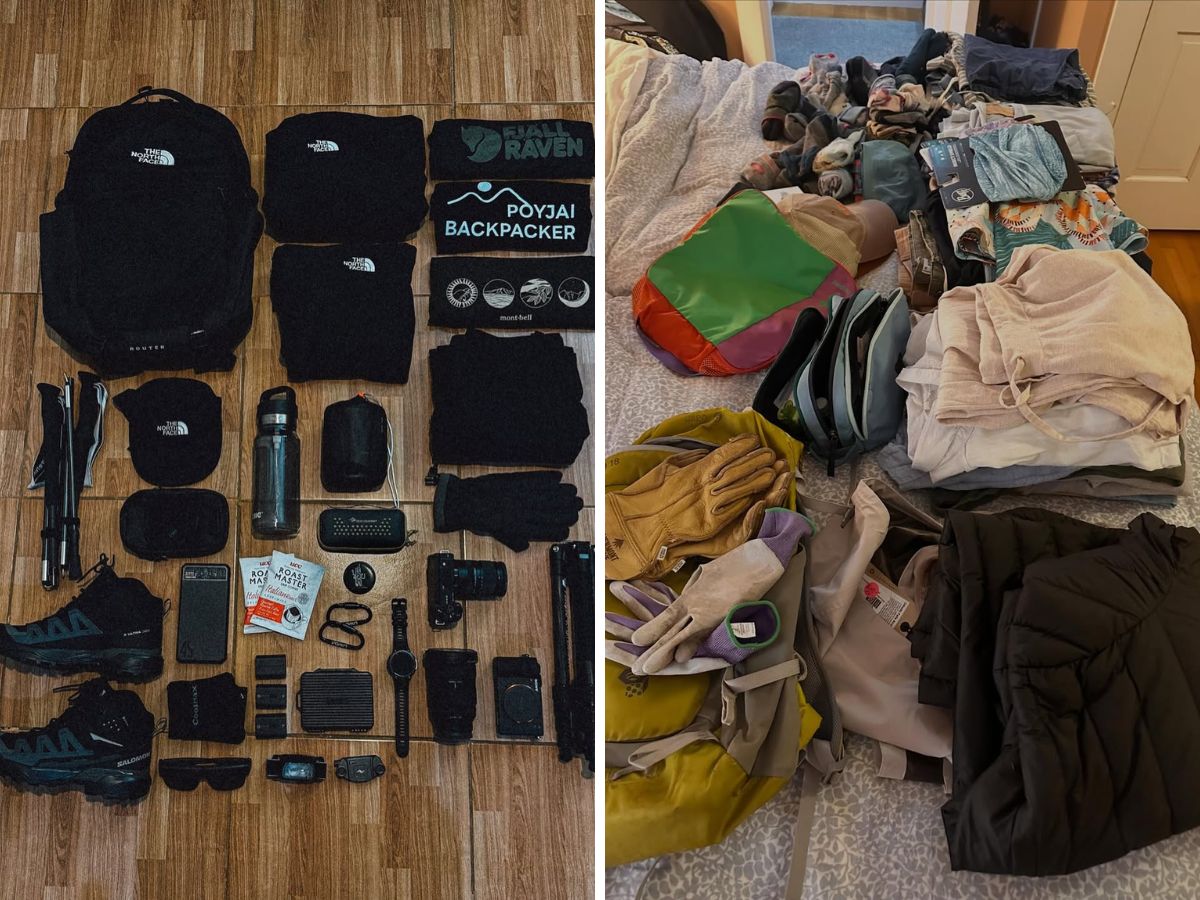
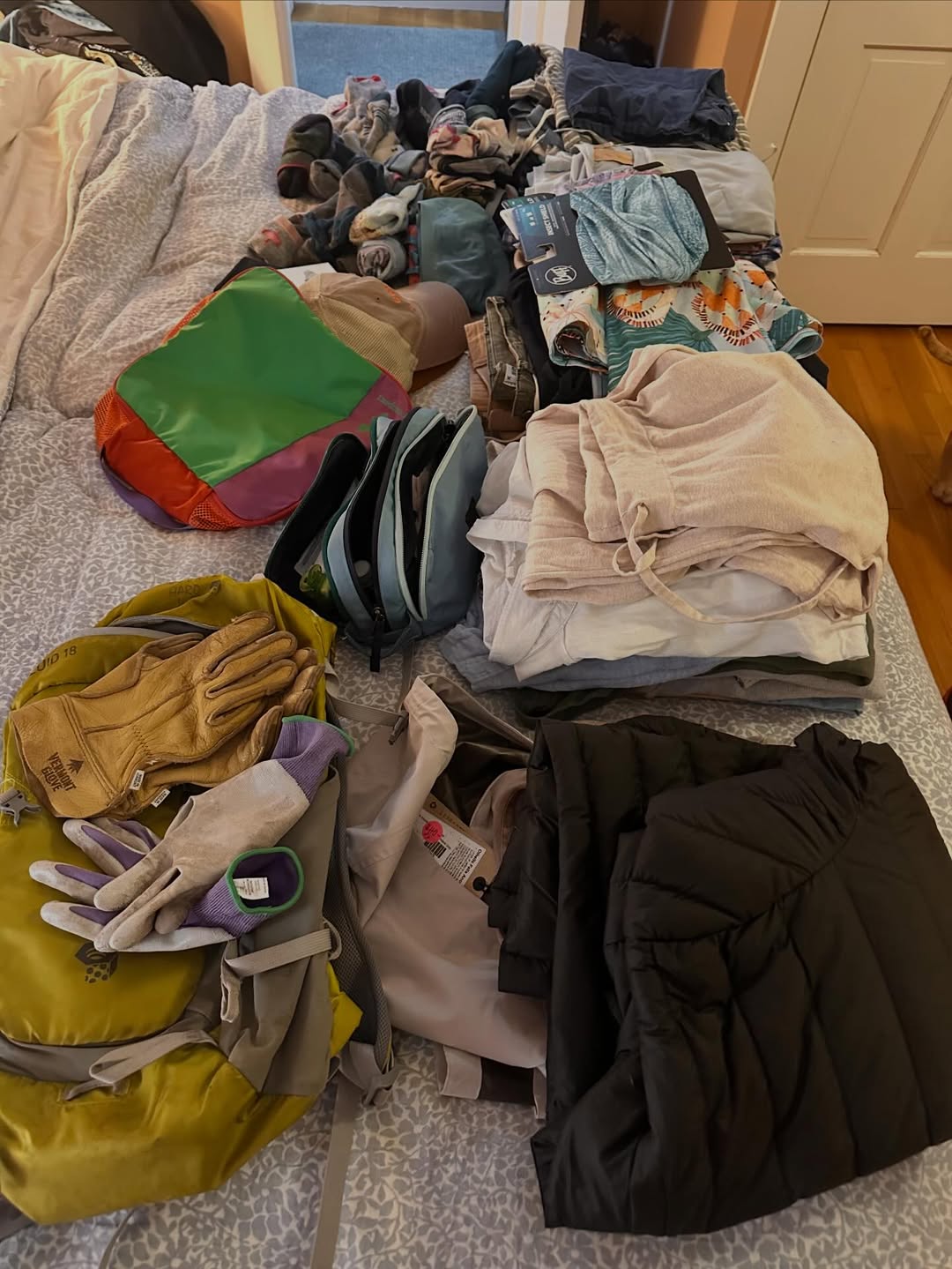
Then suddenly your bedroom looks like a gear explosion.
Clothes are piled on the bed.
Chargers are scattered across the floor.
Half-packed bags sit open while you wonder if you’re forgetting something important.
The frustrating part is that most festival packing mistakes don’t reveal themselves until you’re already inside the venue.
That’s when you realize your phone battery won’t survive the day.
Your feet are starting to hurt.
The weather isn’t what you expected.
Or you’re standing in a long line wishing you’d packed one small item that would have made everything easier.
I’ve been there more times than I’d like to admit.
I once packed three extra shirts, two pairs of sunglasses, and a camera accessory I never used.
Meanwhile, I forgot a portable charger.
By mid-afternoon, I was walking around searching for a charging station instead of enjoying the festival I had spent months looking forward to.
That experience taught me something.
A good festival packing list isn’t about bringing more things.
It’s about bringing the right things.
The people who seem relaxed at festivals aren’t necessarily carrying less.
They’re carrying items that solve problems before those problems happen.
They know how to stay comfortable during a twelve-hour day.
They know what deserves space in their bag and what doesn’t.
Most importantly, they know how to avoid the small mistakes that quietly ruin festival experiences.
In this guide, I’ll walk through the items that consistently earn a place in my bag, the things I stopped packing years ago, and a few simple strategies that make festival days feel much more organized from start to finish.
Because when your phone stays charged, your feet stay comfortable, and everything you need is exactly where you expect it to be, the entire festival experience changes.
Why Most Festival Packing Lists Miss What Actually Matters
Most festival packing lists focus on stuff.
Bring this.
Pack that.
Don’t forget this.
Before long, you’re staring at a list of fifty items without knowing which ones actually matter.
The problem isn’t forgetting something.
The problem is carrying things you’ll never use while leaving behind the items that could save your day.
I’ve seen it happen over and over.
Someone packs three outfit changes but forgets sunscreen.
Someone brings a huge backpack filled with extras and spends half the afternoon digging through it every time they need something.
Someone carries a heavy jacket from noon until midnight because it was the only layer they packed.
None of those mistakes sound serious.
Until you’re the person dealing with them.
The best festival bags aren’t packed around items.
They’re packed around problems.
Think about what can realistically go wrong during a twelve-hour day outdoors.
Your phone dies.
You lose track of time waiting in food lines.
The weather changes.
Your feet start hurting.
You can’t find your ticket.
You get thirsty.
You need something quickly and can’t find it.
When you pack with those situations in mind, your bag instantly becomes smarter.
And usually lighter.
That’s where every great festival packing list starts.
Start With the Festival Basics You Will Use Every Single Day

One of the easiest ways to avoid overpacking is asking a simple question.
“Will I reach for this more than once today?”
If the answer is no, it probably doesn’t belong near the top of your packing priorities.
The best festival items earn their place repeatedly throughout the day.
Phone and Portable Charger
A dead phone creates a chain reaction of problems.
I’ve watched people lose access to tickets, maps, schedules, payment apps, ride-share information, and group chats all at once.
What started as a low battery warning became a stressful afternoon.
These days, I treat my power bank like an insurance policy.
I don’t wait until my battery is almost empty.
Whenever I stop for food, sit down between performances, or take a short break, I connect my charger.
The battery stays healthy and I never have to hunt for an outlet later.
It’s one of those habits that seems small until the moment everyone around you is searching for a charging station.
Digital Tickets and Backup Copies
Festival entrances move fast.
Until they don’t.
I’ve stood behind people scrolling through emails, refreshing apps, and trying to load tickets while hundreds of people waited behind them.
Usually the problem isn’t the ticket.
It’s the signal.
Large crowds can slow networks without warning.
That’s why I save screenshots of tickets before leaving home.
It takes less than a minute.
Yet it can save a surprising amount of frustration at the gate.
Think of it as a backup plan you’ll hopefully never need.
Identification and Payment Essentials
This isn’t the section where you need creativity.
You need simplicity.
Your ID, payment card, and ticket should be accessible within seconds.
Not minutes.
I like using the same pocket every time because muscle memory eventually takes over.
When security asks for identification, I already know exactly where it is.
Small habits like this don’t seem important at home.
At a crowded festival entrance, they suddenly matter a lot.
Pack for Long Hours on Your Feet
Most festival packing mistakes don’t become obvious until several hours later.
Shoes are usually at the top of that list.
I’ve watched people arrive looking comfortable and confident in the morning.
By late afternoon, they’re sitting on curbs, looking for places to rest, or walking much slower than they were a few hours earlier.
The culprit is almost always the same.
Footwear.
Comfortable Footwear Matters More Than Outfits
A festival can easily mean ten thousand to twenty thousand steps in a single day.
Sometimes more.
You’ll walk between stages.
You’ll stand during performances.
You’ll wait in lines.
You’ll wander around looking for food, shade, or friends.
Your shoes will be working harder than anything else you’re wearing.
That’s why I never test new shoes at a festival.
If a pair hasn’t already proven itself during long walks, it doesn’t come with me.
No outfit is worth spending the evening wishing you could take your shoes off.
Weather-Proof Clothing Layers
Festival weather has a habit of changing right when you’re least prepared for it.
A sunny afternoon can feel almost hot.
A few hours later, you’re standing outside after sunset wishing you’d packed one extra layer.
I’ve learned that a lightweight layer solves this problem better than bulky clothing.
It stays out of the way when temperatures are warm.
Then suddenly becomes the most valuable item in your bag after dark.
Extra Socks Can Save an Entire Day
This sounds ridiculously simple.
Until you try it.
Fresh socks after several hours of walking feel surprisingly good.
If rain appears, they’re even better.
I once packed an extra pair almost as an afterthought.
By evening, they became the item I was happiest to have.
They’re lightweight.
They take almost no space.
Yet they can completely change how your feet feel during the second half of a festival day.
Sometimes the smallest items deliver the biggest payoff.
Build a Small Comfort Kit That Solves Everyday Problems
Most festival frustrations don’t come from major disasters.
They come from small annoyances that keep piling up throughout the day.
One uncomfortable moment isn’t a big deal.
Five or six of them can completely change your experience.
That’s why I stopped thinking about festival packing in terms of gear and started thinking about comfort.
The goal isn’t carrying more.
The goal is carrying a few items that quietly make the entire day easier.
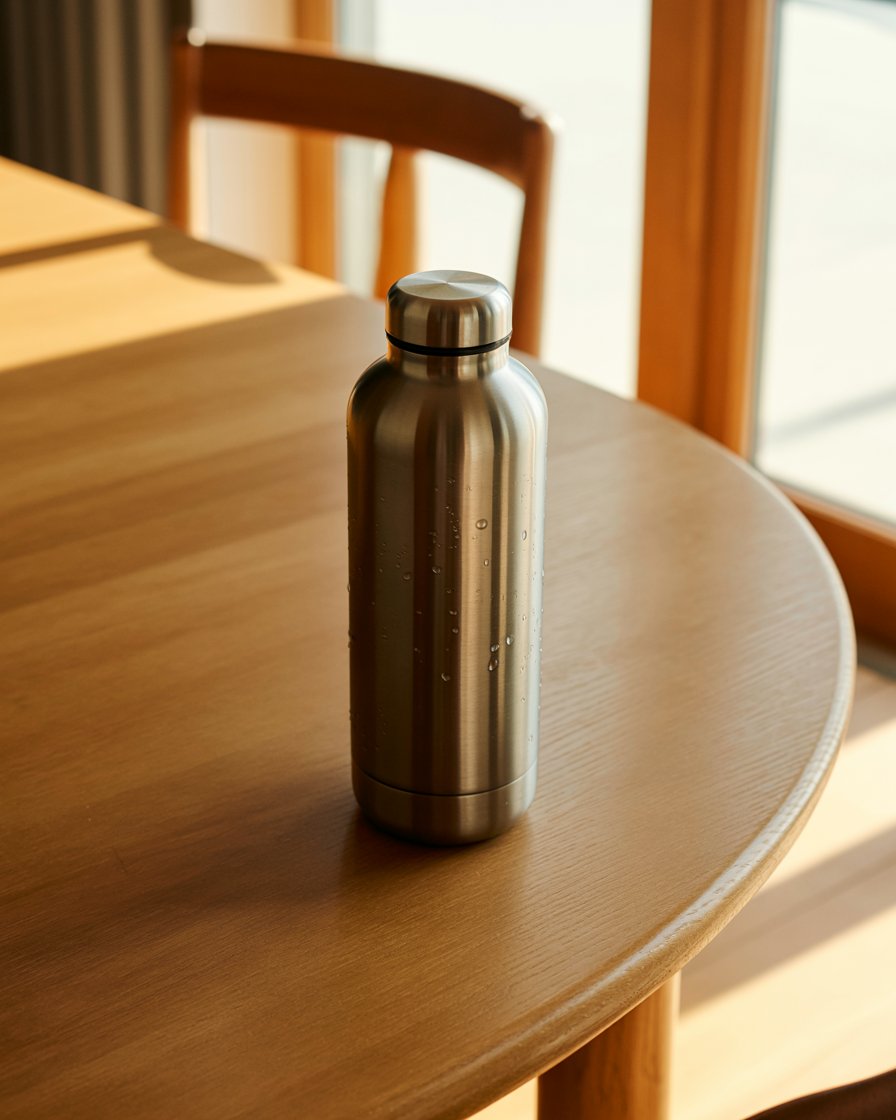
Reusable Water Bottle
Few festival mistakes sneak up on people faster than dehydration.
You’re walking between stages.
Standing in crowds.
Dancing.
Spending hours in the sun.
Then suddenly you’re tired, distracted, and wondering why your energy disappeared.
The tricky part is that dehydration doesn’t always feel dramatic at first.
It creeps up slowly.
Many festivals encourage guests to bring refillable bottles. According to Coachella’s health and safety guidelines, attendees can bring an empty refillable water bottle or hydration pack into the venue.
That policy exists for a reason.
I try to refill my bottle whenever I pass a water station rather than waiting until it’s empty.
It’s a small habit that helps me stay ahead of the problem instead of trying to recover from it later.
Sunscreen and Lip Balm
This is one of those lessons most people only need once.
Everything feels fine during the morning.
You barely think about the sun.
Then you get back to your hotel room, look in the mirror, and realize your face, neck, ears, and lips have been exposed for eight or nine hours.
I’ve seen people spend the next day dealing with discomfort that could have been prevented in thirty seconds.
Now I apply sunscreen before entering the venue and carry a travel-size bottle for reapplication.
The same goes for lip balm.
It isn’t exciting.
Neither is spending the next morning wishing you’d packed it.
Wet Wipes and Hand Sanitizer
If I could only choose one comfort item after water, this might be it.
Festival days get messy.
You grab food between performances.
You sit on dusty grass.
You sweat.
You spill things.
Someone nearby spills something too.
Wet wipes seem unnecessary until the exact moment you need them.
Then they suddenly feel like the smartest thing in your bag.
I’ve used them to clean hands before eating, wipe sweat away during hot afternoons, clean sunglasses, and deal with random messes that appear throughout the day.
Few items solve so many problems while taking up so little space.
Compact Tissues
Nobody remembers tissues.
Until everyone needs them.
Then they become surprisingly hard to find.
I started carrying a small travel pack after borrowing tissues from strangers at multiple events.
Now they live permanently inside my festival bag.
Sometimes the least exciting items become the ones you’re happiest to have packed.
Food and Snacks That Actually Make Sense to Pack

Food rarely feels important when you’re packing.
It becomes important when you’re hungry.
I’ve learned that there are two times when festival food lines are longest.
When you’re hungry.
And when everyone else is hungry.
Unfortunately, those moments usually happen at the same time.
Energy Snacks That Survive a Full Day
I don’t pack snacks because I expect festival food to be bad.
I pack snacks because I don’t want my entire day dictated by food lines.
A protein bar or small bag of trail mix can buy you time.
It keeps your energy steady while you wait for food you actually want rather than settling for the closest option.
That flexibility makes a bigger difference than most people expect.
When Bringing Food Saves Time and Money
One of my favorite festival memories almost didn’t happen.
I was about to leave a stage area to find food when I noticed another artist starting nearby.
Because I already had a snack in my bag, I stayed.
That performance ended up becoming one of the highlights of the weekend.
It’s a small example.
Yet it shows why snacks aren’t just about food.
They’re about flexibility.
Sometimes staying put creates better experiences than running across a venue looking for something to eat.
Prepare for Weather Changes Before They Happen
Weather has terrible timing.
It rarely changes when you’re ready for it.
It changes when you’re far from your bag, standing in a crowd, or halfway across the venue.
That’s why I always assume conditions will be different six hours from now than they are at the entrance gate.
Rain Protection Without Carrying Extra Weight
Rain doesn’t automatically ruin a festival.
Being unprepared for rain often does.
I’ve watched entire groups sprint toward shelter while others casually pulled out ponchos and kept enjoying the show.
The difference wasn’t luck.
It was preparation.
A compact poncho weighs almost nothing and takes up very little room.
Yet when dark clouds appear, it suddenly becomes one of the most valuable things you packed.
Heat Protection Strategies
Heat deserves more respect than most people give it.
The Centers for Disease Control and Prevention recommends drinking fluids regularly, wearing lightweight clothing, and using sunscreen when spending extended periods outdoors.
Festival days check every one of those boxes.
When temperatures rise, I actively look for shade between performances.
Even a short break out of direct sunlight can help you feel better later in the day.
The goal isn’t surviving the heat.
It’s still having energy when your favorite artist finally takes the stage.
Cold Night Festival Solutions
This is the item people regret not bringing more than almost anything else.
The afternoon feels warm.
The forecast looks fine.
Then sunset arrives.
A lightweight layer that seemed unnecessary at noon suddenly becomes the first thing you reach for.
I’ve carried the same compact layer to festivals for years.
Some days I barely use it.
Other days it becomes the best thing in my bag.
I’d rather carry one extra lightweight layer than spend an entire evening wishing I had packed one.
What Experienced Festival-Goers Always Pack
The longer I attend festivals, the more I notice something interesting.
The people having the smoothest day aren’t carrying the biggest bags.
They’re carrying the smartest ones.
Most of their essentials don’t look impressive.
In fact, many are easy to overlook.
Until the moment they’re needed.
Then they suddenly become the best items in the bag.
Earplugs
I used to think earplugs were only useful for campers.
Then I attended a festival where music seemed to continue almost nonstop for hours.
By the end of the day, I realized my ears were just as tired as my feet.
Now a pair of earplugs stays in my bag at every event.
They’re useful during loud performances.
They’re useful during crowded areas.
They’re useful when you need a short break from constant noise.
The funny thing is that most people don’t think about earplugs until they’re already wishing they had them.
That’s usually how the best festival gear works.
Small Blanket or Ground Cover
There comes a moment at almost every festival when a place to sit feels more valuable than almost anything else.
You’ve been walking for hours.
Maybe you’re waiting for a performance.
Maybe you’re eating lunch.
Maybe you’re simply taking a breather before heading to the next stage.
I’ve sat on grass, gravel, dirt, and pavement over the years.
A lightweight blanket instantly makes all of those situations more comfortable.
It doesn’t need to be large.
It doesn’t need to be expensive.
It just needs to be there when your legs start asking for a break.
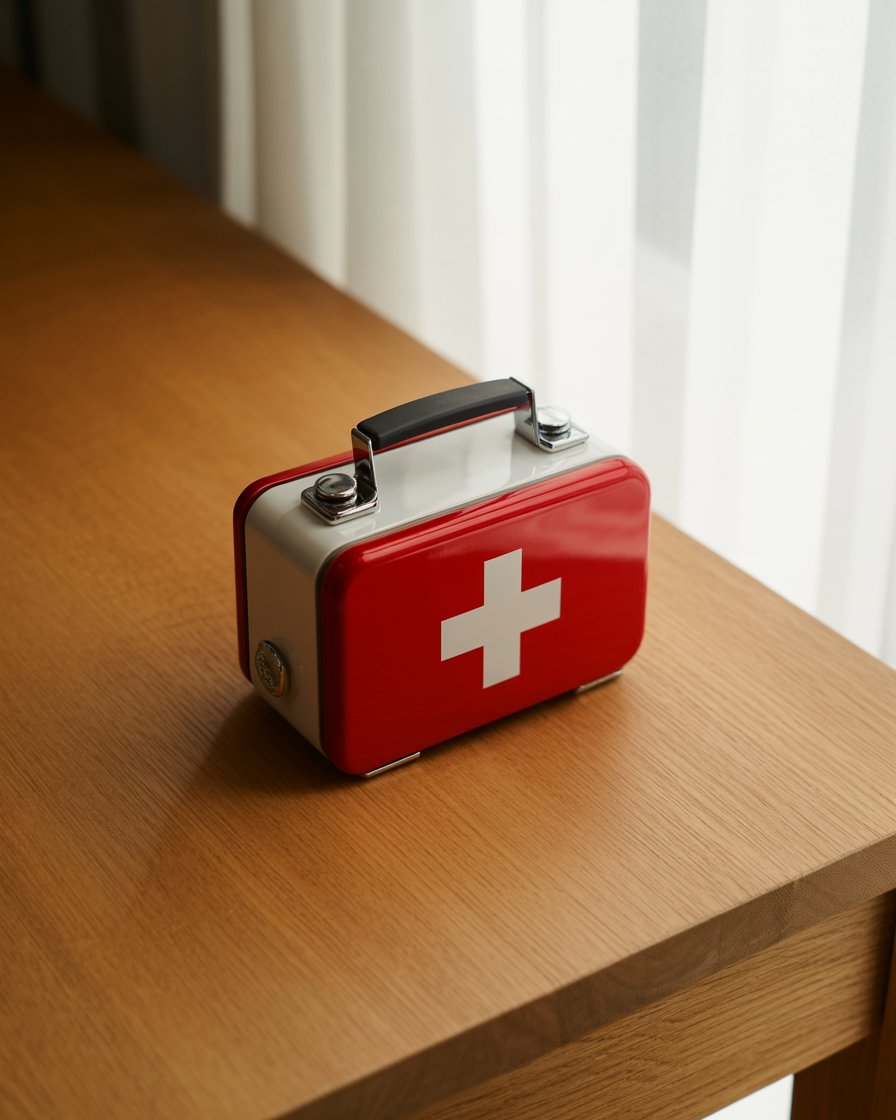
Mini First-Aid Basics
Most festival problems aren’t emergencies.
They’re annoyances.
A blister.
A headache.
A small scrape.
Something rubbing against your heel.
The problem is that tiny issues feel much bigger when you’re stuck inside a venue for ten hours.
A few basics can make those situations much easier to handle.
Bandages.
Blister pads.
Pain relievers.
Personal medications.
That’s usually enough.
Many travel experts recommend carrying similar items while spending long days away from your normal routine. National Geographic’s travel packing advice highlights practical items such as sunscreen, lip balm, hand sanitizer, wet wipes, and basic first-aid supplies that help travelers stay comfortable throughout a trip.
At this point, your bag is probably looking pretty complete.
Now let’s make it better by removing a few things.
Things You Can Leave at Home
One of the biggest packing mistakes isn’t forgetting something.
It’s bringing too much.
Every extra item adds weight.
Every extra item makes your bag harder to organize.
Every extra item competes for space with something you’ll actually use.
I’ve learned that a lighter bag almost always leads to a better festival day.
Multiple Outfit Changes
Social media can make it feel like you need a different outfit for every part of the day.
Most people don’t.
What you actually need is comfort.
A spare layer makes sense.
A backup plan for changing weather makes sense.
Three extra outfits usually become dead weight.
Large Toiletry Bags
If you’ve ever packed a full toiletry kit for a festival, you probably already know what happened.
Most of it stayed untouched.
Stick with the items you’ll realistically use during the event.
The goal isn’t preparing for every possibility.
The goal is making your day easier.
Heavy Electronics
This one took me a while to learn.
I used to bring camera accessories, extra gear, and random gadgets because they seemed useful at home.
Then I’d carry them around for twelve hours without touching them.
Now I ask one question before packing anything electronic.
“Will I honestly use this today?”
If the answer isn’t a confident yes, it stays behind.
“Just in Case” Items
This category fills more bags than anything else.
The problem is that “just in case” rarely happens.
Meanwhile, you’re carrying those items all day.
A better approach is asking whether something solves a problem you’ve actually experienced before.
If it does, pack it.
If not, leave it behind.
Your shoulders will thank you later.
My Festival Packing Routine Before Leaving Home
Packing used to feel stressful.
Now it feels automatic.
The difference isn’t experience.
It’s having a routine.
The night before a festival, every battery gets charged.
Phone.
Power bank.
Earbuds.
Anything that might matter the next day.
After that, I save tickets, schedules, and maps offline.
I’ve seen too many people standing outside venue entrances refreshing apps and hoping for signal.
That’s not how I want to start my day.
Next, I lay everything out on a bed or table.
Seeing everything at once makes forgotten items easier to spot.
It also helps me catch things I don’t actually need.
One final step never gets skipped.
I check the festival website.
Rules change.
Bag policies change.
Allowed items change.
The team behind Glastonbury Festival encourages attendees to review what they can and cannot bring before arriving.
It’s one of the simplest ways to avoid unpleasant surprises at the entrance.
Once everything is packed, I stop packing.
No last-minute panic.
No throwing random items into the bag because they might be useful.
If something wasn’t important enough to pack earlier, it probably isn’t important enough to bring.
Final Thoughts
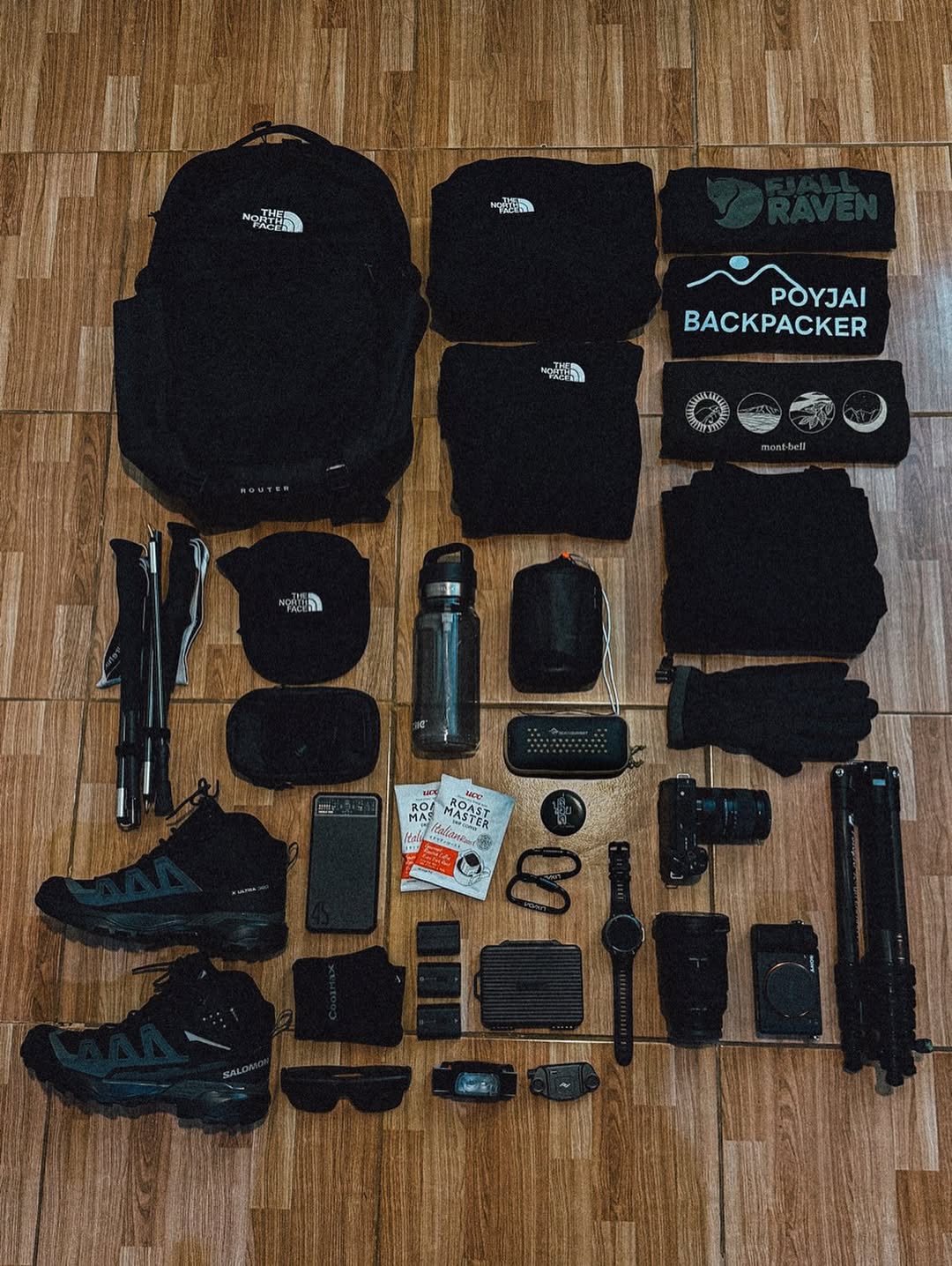
The best festival packing list doesn’t help you carry more.
It helps you worry less.
When your essentials are organized, your phone stays charged, your feet stay comfortable, and you’re prepared for changing weather, you spend less time dealing with problems and more time enjoying the reason you came in the first place.
The performances.
The atmosphere.
The people.
The moments you never planned for.
Some of my favorite festival memories happened when I wasn’t looking at a checklist or searching through a backpack.
I was fully present.
That’s what good packing really gives you.
Not a perfectly organized bag.
A better festival experience from the moment the gates open until the final performance ends.




I have been surfing online more than 3 hours today yet I never found any interesting article like yours It is pretty worth enough for me In my opinion if all web owners and bloggers made good content as you did the web will be much more useful than ever before