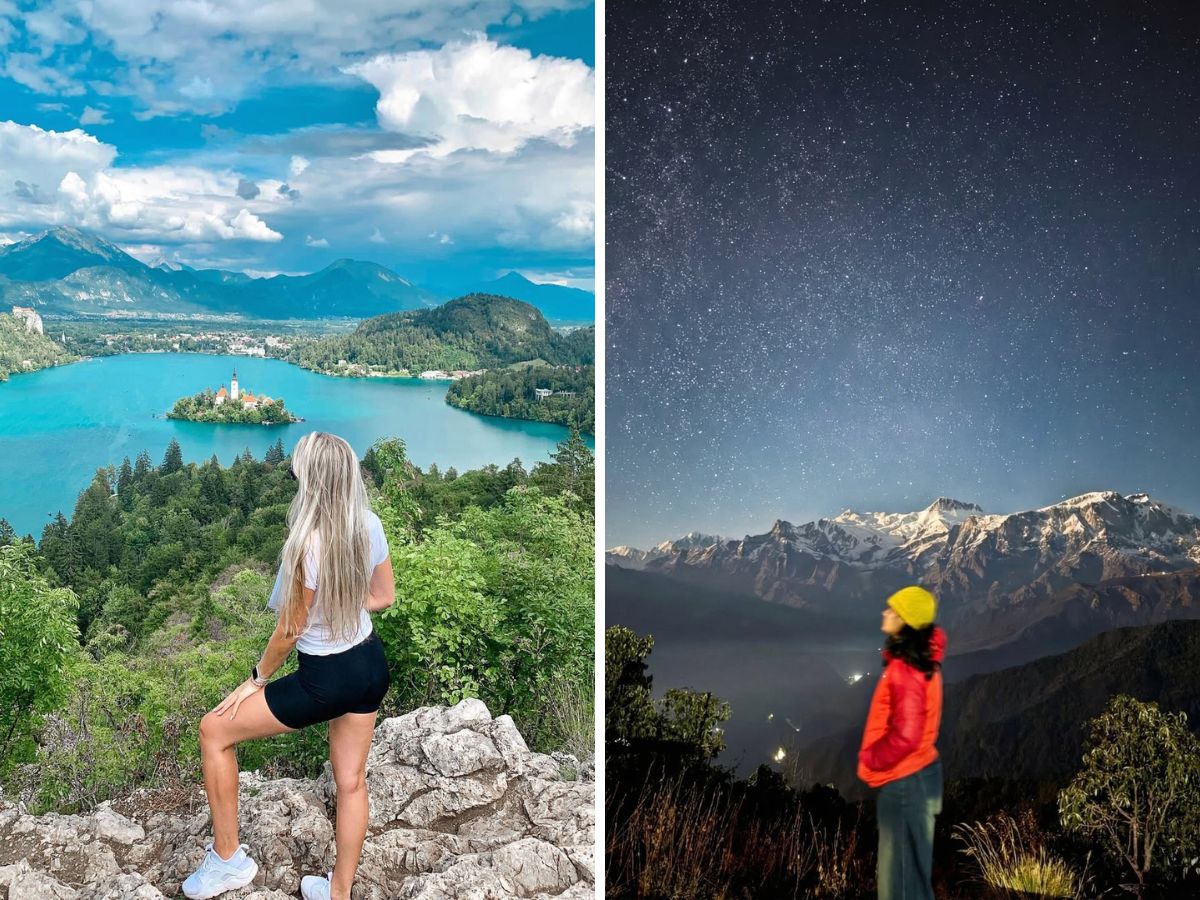
7 Summer Bucket List Ideas for the Best Summer Ever
Every summer starts with good intentions.
You tell yourself this will be the season you finally get outside more, take spontaneous trips, stay off your phone, and actually enjoy long evenings instead of watching them disappear from your couch.
Then suddenly it’s August.
The weather starts cooling down, sunsets arrive earlier, and you realize most of the season disappeared into routines that felt exactly like the rest of the year.
The problem usually isn’t lack of time.
It’s waiting for perfect plans that never happen.
I learned that after one summer where I spent more time saving travel ideas than actually doing them. I had folders full of “future plans,” bookmarked beach towns, and videos of places I kept promising myself I’d visit someday.
But I barely had any real memories attached to that summer at all.
Since then, I’ve stopped treating summer like something that needs a huge budget, complicated itinerary, or nonstop travel schedule to feel exciting.
The best summers I’ve had were built from smaller moments that were actually easy to say yes to. Early morning drives. Random sunset stops. Last-minute beach trips. Nights that stayed simple but somehow became unforgettable anyway.
And honestly, those summers ended up feeling bigger, fuller, and way more alive.
If you want this summer to feel different instead of just faster, these are the bucket list ideas I’d start with first.
1. Take a Sunrise Trip Before the World Wakes Up

This might be the easiest thing on this list, but it completely changes the way summer feels.
One July morning, I left home at 4:45 a.m. with coffee in a travel mug and no real plan except finding a quiet spot near the water before sunrise. The roads were empty. Gas stations barely had lights on yet. Even the air felt different that early.
By 6 a.m., it already felt like I had lived an entire day.
That’s the strange thing about summer mornings. They make time feel slower in the best possible way.
And once you watch the sky slowly change colors while the rest of the world is still asleep, normal mornings start feeling rushed and forgettable afterward.
You don’t need some huge destination for this either.
A nearby beach, hilltop, quiet lake, rooftop parking garage, or scenic backroad can work perfectly. Some of my favorite sunrise mornings happened less than an hour from home.
The goal isn’t distance.
It’s giving yourself a few quiet hours that feel completely separate from your normal routine.
The night before, keep things simple and pack ahead of time:
- hoodie
- snacks
- blanket
- portable speaker
- water bottle
- camera if you want photos
That small bit of preparation matters more than people think.
I’ve ruined sunrise plans before by trying to organize everything half asleep at 4 a.m. and realizing I forgot half my stuff halfway there.
Now I treat sunrise trips differently. Less planning. Less pressure. Just enough structure to get out the door.
And there’s another reason outdoor mornings feel so good. The National Park Service says hiking and outdoor movement can help reduce stress while supporting mood and overall well-being.
You feel that almost immediately during quiet mornings outside.
Especially during summer, when the air still feels cool before the heat arrives and everything around you feels calm for a little while longer.
Those mornings stick with you.
Not because they’re expensive or dramatic.
Because they make life feel bigger again.
And once you start chasing that feeling, summer opens up fast.
2. Plan a “No Phones for 3 Hours” Summer Day
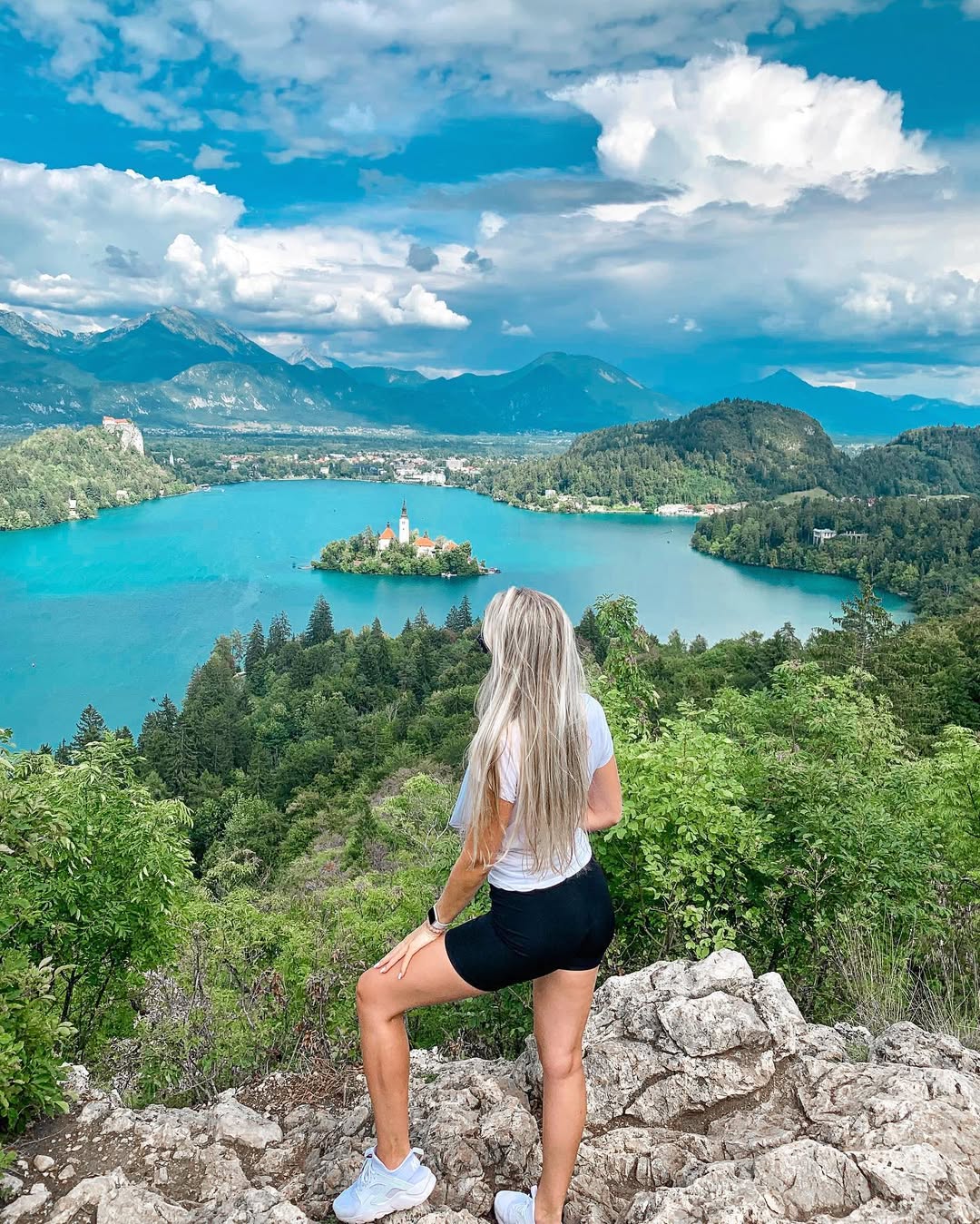
This sounds simple until you actually try it.
The first time I did this, I reached for my phone at least twenty times in one afternoon without realizing it. Every quiet moment felt like it needed a screen, a notification, or something to scroll through.
That’s when I realized how much mindless scrolling had quietly replaced actual summer experiences.
So I started small.
Three hours. Phone off. No photos. No notifications.
I grabbed iced coffee, walked around a neighborhood I’d never explored before, sat near the water for a while, and ended the afternoon reading outside instead of indoors.
Nothing dramatic happened.
But somehow the whole day felt slower, lighter, and easier to remember afterward.
That’s the weird part.
The moments that stay with you usually aren’t the loudest ones. They’re the afternoons where time stopped feeling rushed for a little while.
You can try this almost anywhere:
- beach day
- park picnic
- bookstore afternoon
- bike ride
- café hopping
- backyard hangout with friends
The location matters less than your attention.
Leave your phone in your bag long enough for boredom to finally show up.
Because boredom usually turns into something else pretty quickly. Conversation. Observation. Curiosity. New ideas. Better memories.
There’s real science behind that outdoor reset too. National Geographic reported that time spent outdoors has been linked with stronger mood, emotional well-being, and better cognitive performance.
And honestly, you can feel the difference yourself after even one disconnected afternoon outside.
Colors look brighter. Food tastes better. Conversations last longer.
You notice things again.
You don’t need a fancy retreat or wellness resort for that feeling either.
Sometimes all it takes is one summer afternoon where your brain finally gets quiet.
And after that, sitting inside scrolling all day starts feeling a little harder to justify.
3. Try One Outdoor Activity You Normally Avoid
Every memorable summer usually has one moment that starts with:
“I almost didn’t do this.”
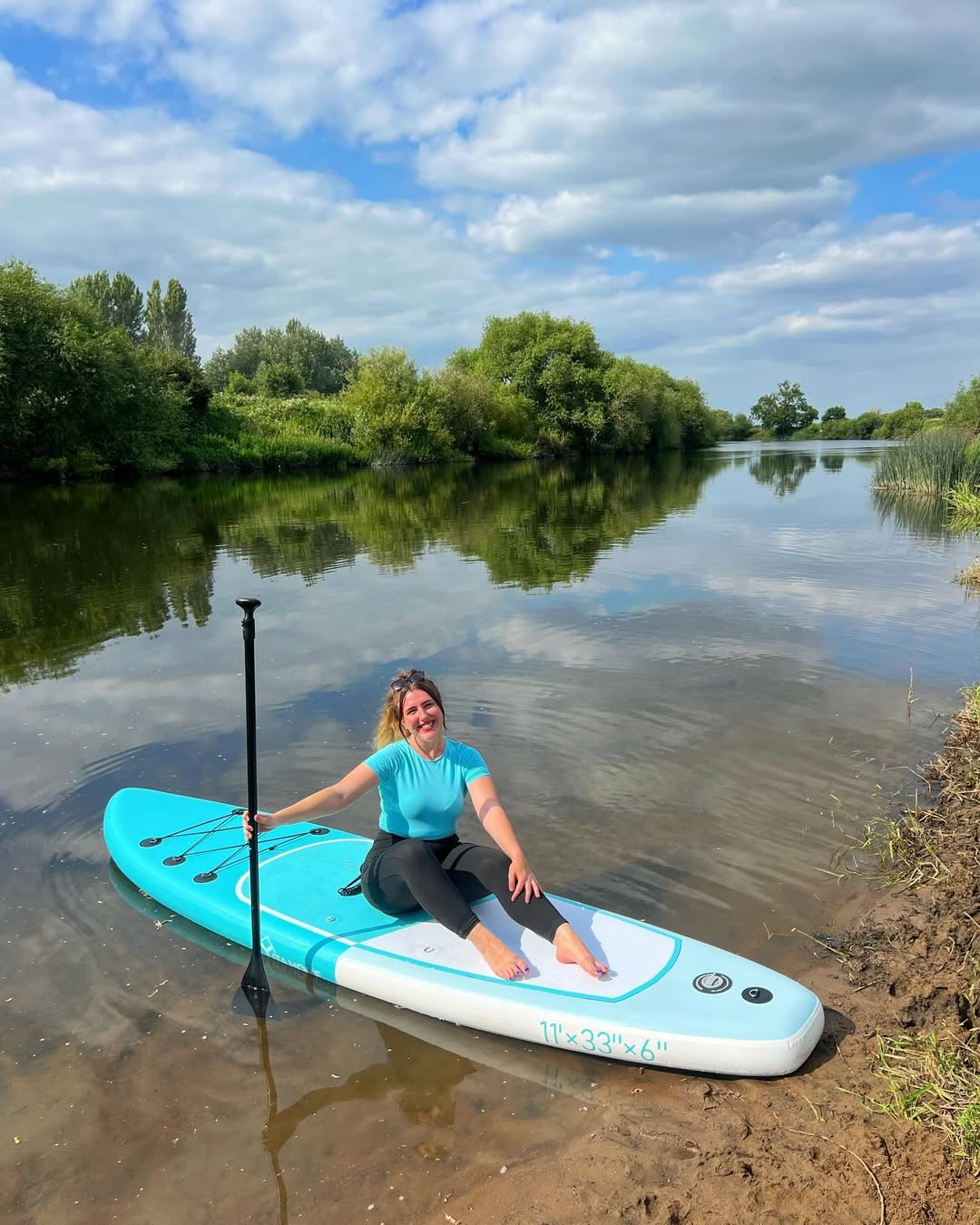
For me, it was paddleboarding.
I spent thirty minutes convincing myself I’d fall into the water immediately, look stupid, and regret paying for the rental. Then I finally tried it and ended up staying out there until sunset because I didn’t want the day to end.
That’s usually how these things go.
The activities we avoid most are often the ones we end up talking about later.
Not because they went perfectly.
Because they made us feel awake again.
Most people stop themselves before they even begin. Not because the activity is actually difficult, but because they think they need expensive gear, perfect fitness, or years of experience first.
You really don’t.
Summer is the easiest season to try something new because longer days make everything feel less rushed. Outdoor classes appear everywhere. Beaches stay busy late. Parks stay open longer.
The whole season feels built for saying yes more often.
A few easy starting points:
- kayaking
- paddleboarding
- hiking
- outdoor yoga
- beach volleyball
- beginner camping
- roller skating
- snorkeling
Keep your first attempt low pressure.
Rent equipment instead of buying everything upfront. Pick beginner-friendly spots. Bring friends if that helps you relax.
And don’t treat the experience like content for social media.
Some of the happiest people outdoors are the ones barely touching their phones at all.
Travel writers at Travel + Leisure point out that adventure experiences often create the stories travelers remember most later on.
That feels true every single summer.
Nobody talks about the afternoons they spent indoors refreshing apps.
They remember getting caught in unexpected rain during a hike. Falling into the water while paddleboarding. Missing a turn during a road trip and finding somewhere better accidentally.
Those tiny unpredictable moments are usually the real story.
And once your days start filling with experiences like that, summer nights somehow feel even better too.
4. Create a Summer Night Routine You’ll Actually Remember
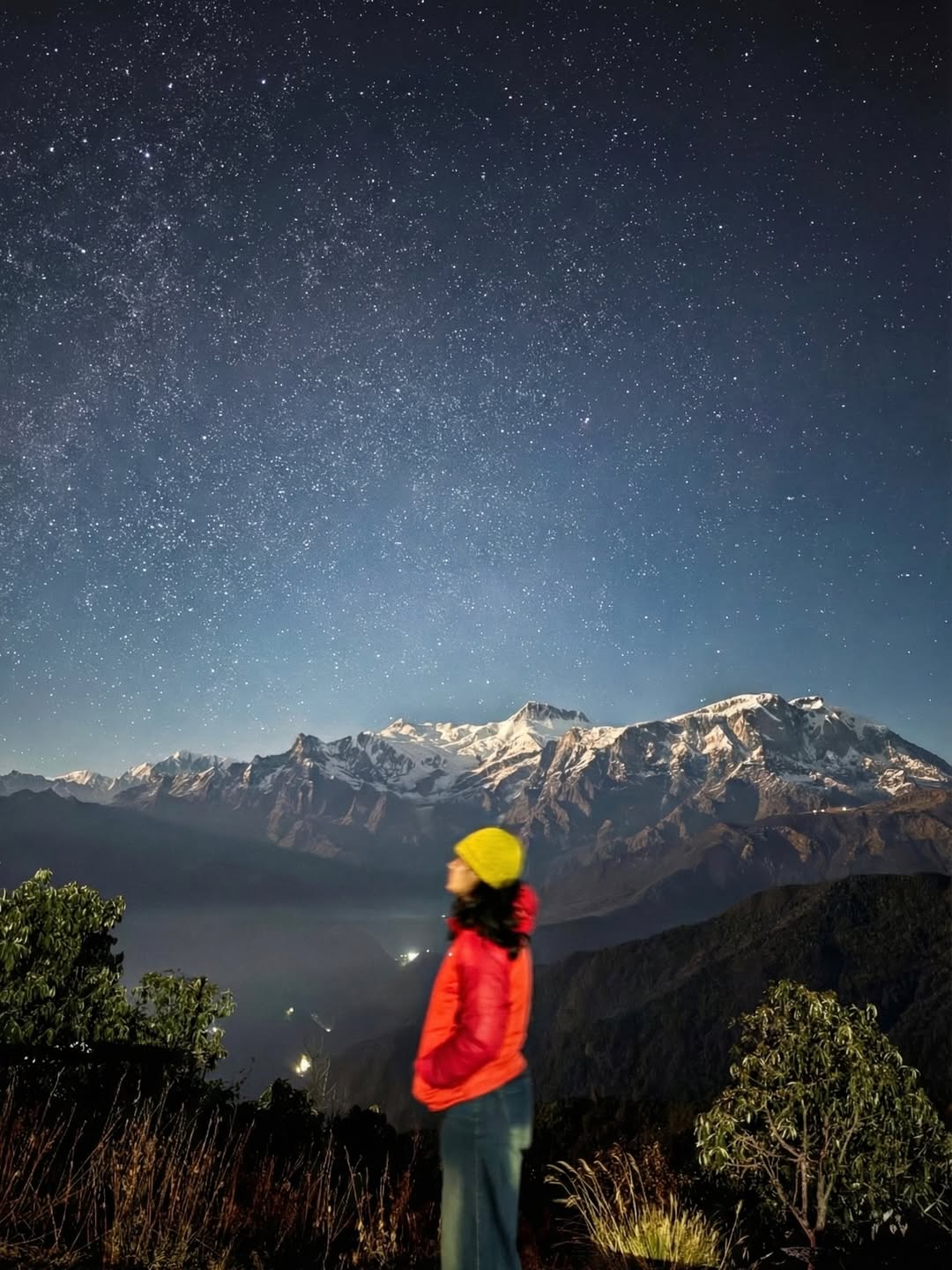
Summer nights carry a different mood.
The air stays warm longer. People stay outside later. Even ordinary neighborhoods somehow feel softer and more alive after sunset.
One of my favorite summer memories came from something ridiculously simple.
A late-night ice cream run.
No huge event. No expensive plans. Just driving around after midnight with the windows down while warm air moved through the car and music played quietly in the background.
Streetlights blurred past us. Nobody was in a hurry to get home yet.
That memory stayed with me longer than some expensive trips I’ve taken.
And I think that’s because summer nights don’t need much to feel special. They just need presence.
That’s why I think every summer needs some kind of nighttime routine you genuinely look forward to.
A few ideas:
- evening walks
- rooftop dinners
- beach bonfires
- backyard movie nights
- stargazing
- sunset bike rides
- late-night food runs
You don’t need packed schedules every weekend either.
Some of the best summer nights happen when nothing “big” was supposed to happen at all.
Consistency matters more than extravagance.
Even one standing summer night each week can completely change how the season feels. Suddenly your weeks stop blending together. You start counting memories instead of days.
And if you live in a small apartment or busy city, this still works beautifully.
Rooftops, balconies, nearby parks, parking garages with skyline views, or quiet side streets at night can create the same atmosphere. Some of my favorite summer nights happened sitting on folding chairs in random parking lots watching the sky slowly turn dark.
That’s the thing people forget.
A memorable summer usually feels cinematic because of emotion, not luxury.
Once your evenings start feeling intentional again, the whole season changes with them.
And after a while, staying home every weekend starts feeling harder to justify.
5. Take a Solo Day Trip Somewhere Nearby
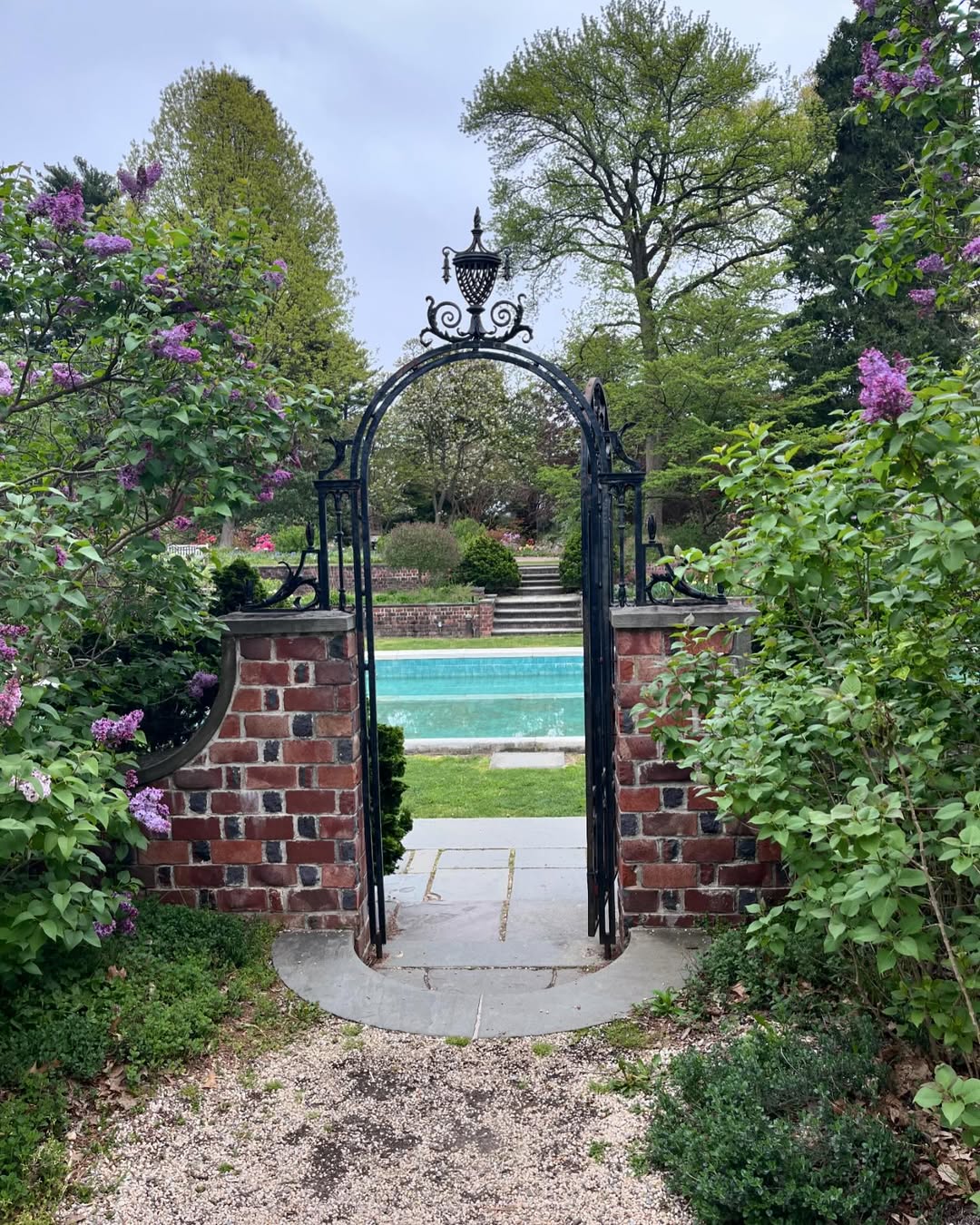
Solo day trips taught me something I wish I understood earlier.
You don’t always need a plane ticket to feel alive again.
One of my favorite summer drives was completely unplanned. I picked a direction, stopped at random roadside cafés, walked through a tiny bookstore in a small town, watched the sunset near the water, then drove home exhausted in the best possible way.
That entire trip lasted less than twelve hours.
But somehow it felt bigger than entire weeks of normal life.
That’s what solo day trips do so well. They interrupt routine before routine starts feeling too heavy.
And they remind you how much is still sitting nearby waiting to be noticed.
The best solo day trips usually stay simple:
- coastal drives
- nearby mountain towns
- flea markets
- lakeside cafés
- scenic hiking areas
- botanical gardens
- old downtown districts
You don’t need a packed itinerary.
In fact, overplanning usually ruins the best part.
Leave room for random stops. Miss a turn occasionally. Pull over somewhere beautiful without rushing yourself back into the car immediately.
Those small unplanned moments usually become the memory.
The tourism team at Visit The USA highlights road trips as one of the best ways to experience scenic routes, small towns, local food spots, and unexpected detours all within a single trip.
That freedom is exactly what makes solo travel feel refreshing.
A few things help a lot:
- download offline maps
- keep snacks and water in the car
- bring a hoodie even if it’s hot
- choose one “must-do” stop only
Everything else can stay flexible.
That flexibility changes the energy of the whole day. You stop chasing schedules and start paying attention again.
And honestly, some of the best confidence I’ve built came from learning how to enjoy my own company during little trips like these.
Once you realize you can create a good day entirely on your own, summer starts feeling much bigger.
6. Learn One Summer Skill That Makes Life More Fun
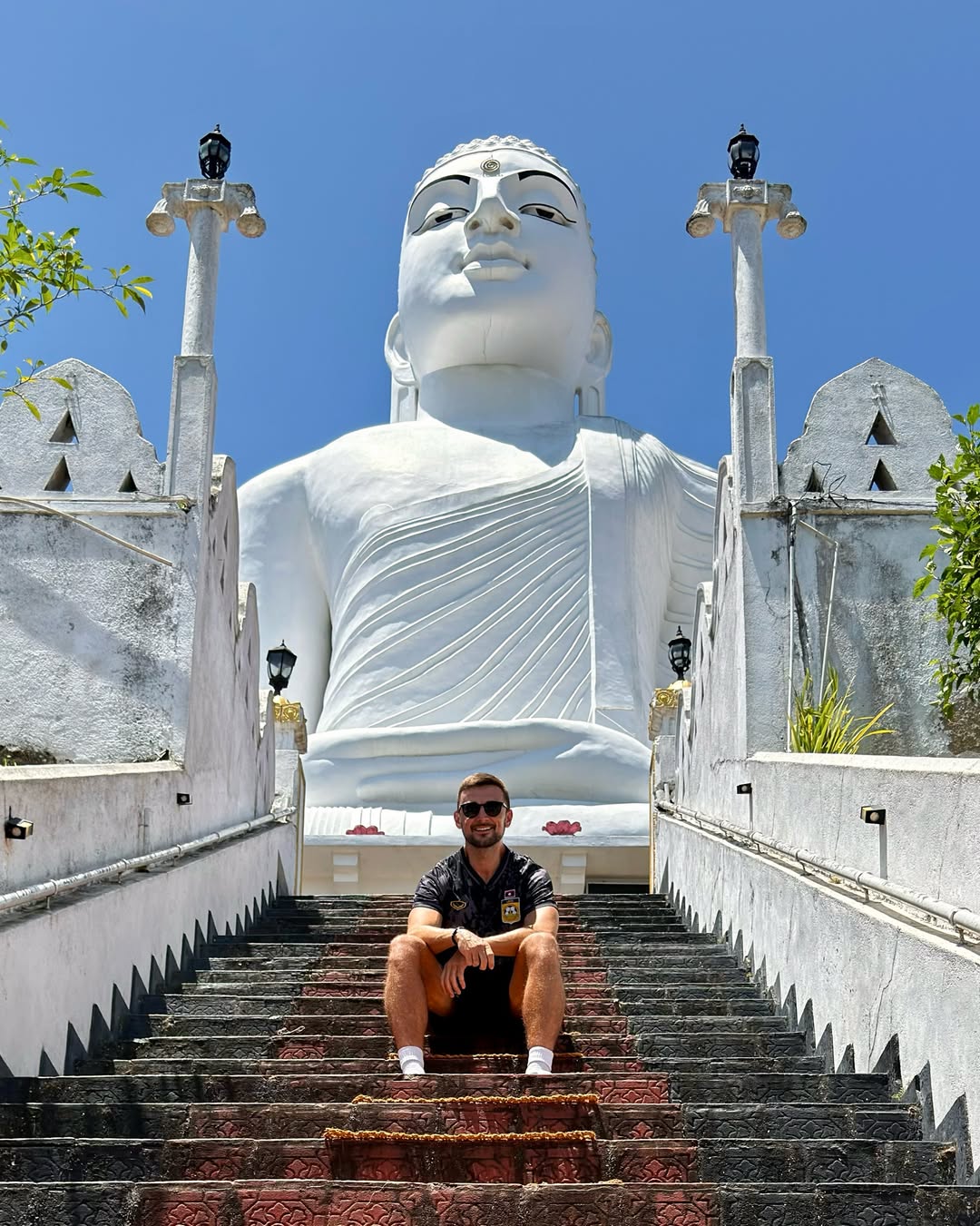
Not every summer memory needs to come from travel.
Sometimes the season feels unforgettable because you learned something new during it.
A few summers ago, I tried cooking over a campfire during a weekend trip and completely ruined almost everything. Burnt bread. Half-cooked potatoes. Smoke everywhere.
It honestly looked embarrassing.
But by the end of that summer, campfire cooking became one of my favorite parts of being outdoors.
That tiny skill changed future trips too.
Suddenly weekends felt more interactive instead of passive. Nights outside lasted longer because we actually wanted to stay around the fire.
That’s why I think every summer should include at least one skill that makes life feel more playful.
Things like:
- grilling
- outdoor photography
- swimming
- hammock setup
- campfire cooking
- roller skating
- surfing basics
- kayaking
The goal isn’t mastery.
The goal is feeling more connected to your own life.
And hobbies like these naturally create more stories, more invitations, and more reasons to spend time outside.
That’s what makes them so valuable during summer specifically.
One small skill usually turns into something bigger:
- photography leads to sunrise drives
- kayaking leads to lake trips
- grilling leads to backyard nights with friends
- skating leads to sunset rides around the city
Summer starts expanding outward from there.
And the best part is that many of these hobbies don’t require huge budgets.
A meaningful summer rarely comes from spending the most money.
Usually it comes from spending your time differently.
And once you start collecting experiences instead of just consuming content, you begin wanting one bigger memory before summer ends too.
7. End Summer With One Big Memory Instead of 100 Small Scrolls
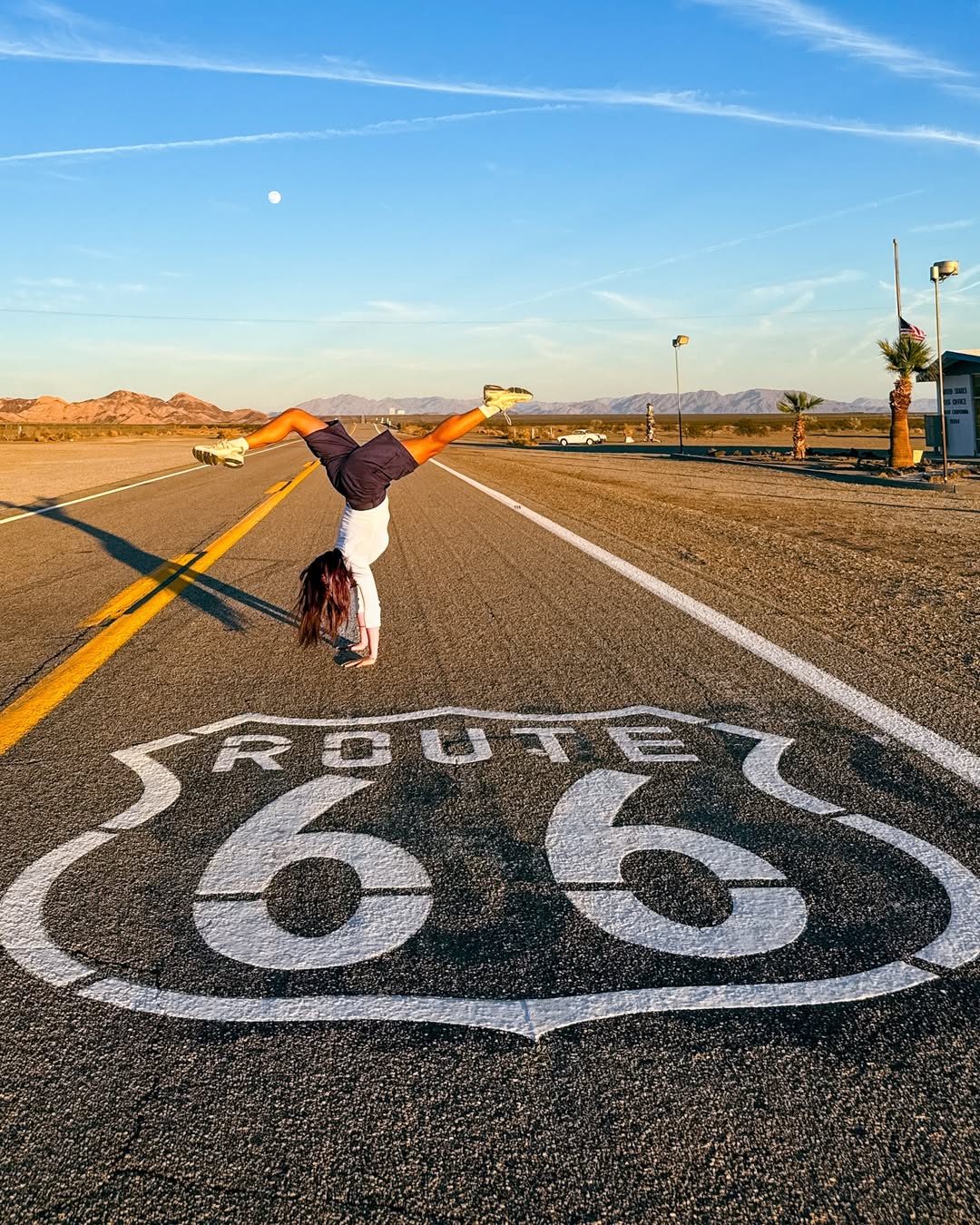
Most people don’t remember entire summers clearly.
They remember moments.
One concert. One beach weekend. One road trip. One random night that somehow turned unforgettable.
That’s why I always try to plan one bigger experience before summer ends.
Not ten.
Just one thing that feels exciting enough to break routine completely.
Because the truth is, most summers disappear quietly.
Days blur together. Screens take over. Plans stay stuck in group chats until the season is suddenly over.
Then September shows up and everyone wonders where the summer went.
I never want that feeling anymore.
So now I pick one memory on purpose.
It could be:
- weekend cabin trip
- national park visit
- overnight beach stay
- music festival
- scenic road trip
- camping weekend
- city escape with friends
The important part isn’t making it extravagant.
It’s making it real.
Pick the date now instead of waiting for the “perfect weekend,” because those perfect weekends somehow never arrive on their own.
That feels true every single summer.
Nobody misses the extra hours they spent scrolling.
They miss the nights they almost stayed home but didn’t.
And honestly, that’s probably the whole point of a good summer anyway.
Final Thoughts
The best summers usually aren’t the most expensive ones.
They’re the ones where you felt awake more often.
More mornings outside. More spontaneous drives. More nights that lasted longer than expected. More moments you actually lived instead of watching through a screen.
That’s what people remember later.
Not perfectly planned schedules.
Not endless scrolling.
Just moments that felt real enough to stay with them afterward.
And the good thing is you don’t need to change your entire life to create a summer like that.
Even one idea from this list can shift the whole season in a different direction.
Start there.
Then let summer grow from it naturally.
Also read: