10 Nature Trip Ideas for Anyone Who Needs a Break From Daily Life
There are times when I don’t need a big vacation.
I don’t need airports, hotel check-ins, packed itineraries, or another list of attractions to rush through.
What I usually need is a break.
A real one.
The kind that makes my shoulders relax without me thinking about it. The kind that replaces traffic noise with birdsong and phone notifications with wind moving through trees.
If you’ve been staring at screens all week, jumping between emails, errands, responsibilities, and endless notifications, you probably know the feeling. You’re technically getting things done, but you don’t necessarily feel rested. Even weekends can start feeling like another to-do list.
That’s why I keep returning to nature.
Not because every trip is extraordinary.
Because even small doses of nature seem to create space that daily life rarely gives us anymore.
The funny thing is that most people assume a nature trip requires lots of planning. Maybe a national park road trip. Maybe expensive outdoor gear. Maybe an entire week away from work.
My experience has been the opposite.
Some of the most refreshing trips I’ve taken lasted only a few hours. A quiet lake at sunrise. A forest trail with no destination in mind. A simple cabin weekend where the loudest thing I heard all day was rain tapping against the roof while fog drifted through the trees outside.
There is real science behind why these experiences feel different. According to the National Park Service, spending time in parks and natural spaces can support heart health and help reduce stress-related physical effects. Even relatively short visits can make a difference.
That is encouraging news if life feels especially busy right now.
You do not need a massive travel budget, special outdoor skills, or weeks of vacation time. Many of the most rewarding nature trips can be done in a single day or over a simple weekend.
The ideas below range from peaceful sunrise escapes and scenic forest walks to wildlife adventures, cabin retreats, and screen-free weekends. Some require only a few hours. Others are perfect when you need a deeper reset.
Whichever one speaks to you most, the goal is the same.
Step away from the noise for a while and come back feeling like yourself again.
1. Take a Sunrise Nature Trip to a Nearby Lake
If I could recommend only one nature trip to someone feeling overwhelmed, this would probably be it.
There is something surprisingly powerful about being awake before most of the world.
The first time I intentionally drove to a nearby lake before sunrise, I expected little more than a nice view. What I got instead was two uninterrupted hours that felt completely different from the rest of my week.
No emails.
No errands.
No pressure to be productive.
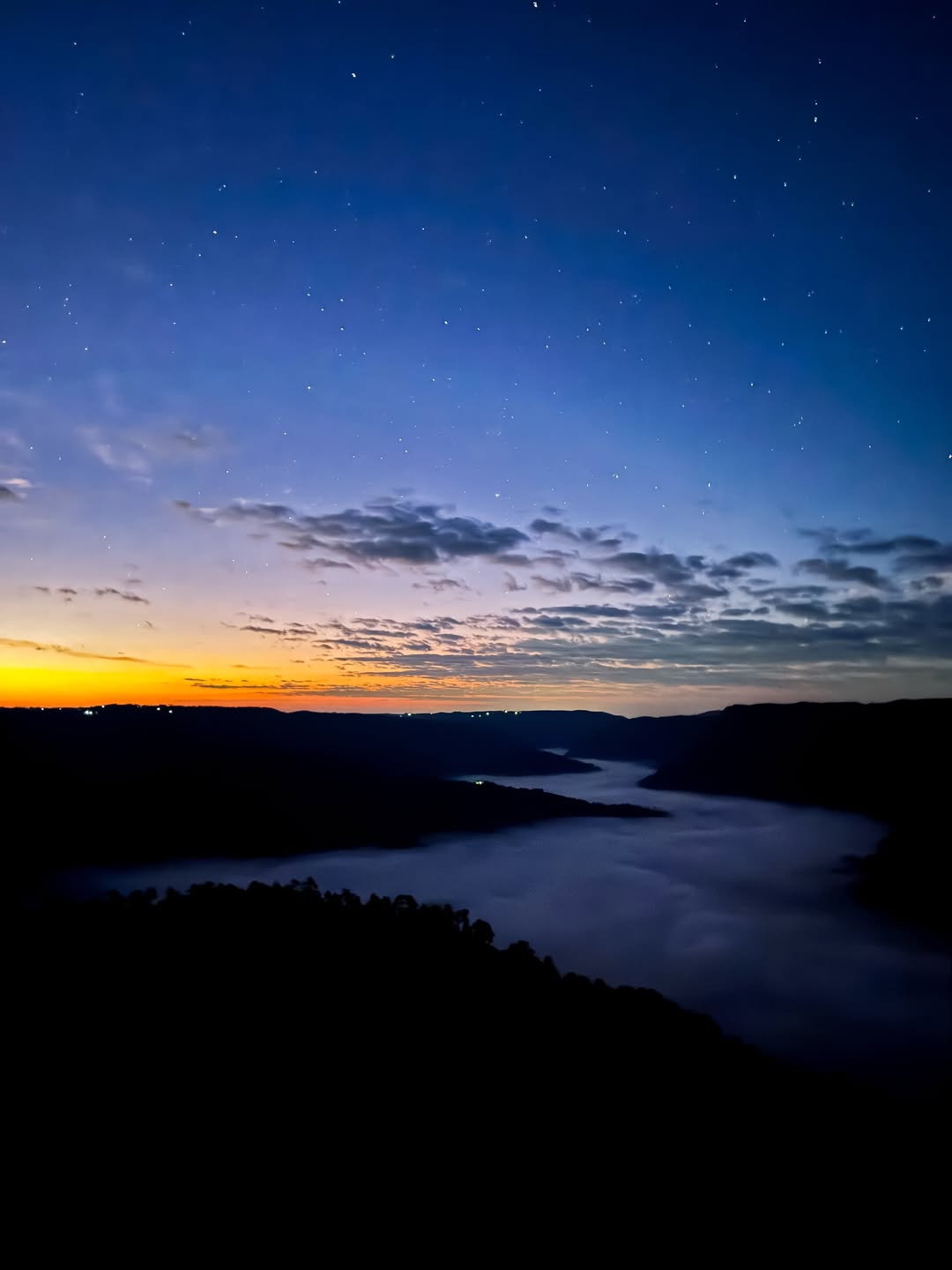
Just still water reflecting the changing colors of the sky while the day slowly came to life around me.
What surprised me most wasn’t the scenery.
It was how quickly my mind stopped racing.
The mental checklist I’d been carrying for days suddenly felt less urgent. Problems that seemed enormous the night before felt more manageable in the quiet morning air.
That is why I keep recommending this type of trip to people who feel burned out.
It requires almost no planning.
Almost every region has a lake, reservoir, pond, riverfront path, or waterfront park within driving distance. You don’t need hiking experience, expensive equipment, or a free weekend.
Bring coffee.
Pack breakfast.
Throw a blanket or folding chair in the trunk.
Then do something many of us rarely allow ourselves to do.
Sit still long enough for your surroundings to become more interesting than your phone.
One habit that changed these trips for me was keeping my phone tucked away for the first thirty minutes. The first few times felt uncomfortable. I kept reaching for it out of habit.
Then I started noticing things I’d normally miss.
Birds calling across the water.
Fish breaking the surface.
Mist drifting above the shoreline.
The distant sound of someone launching a kayak.
Those details sound small, yet they completely changed the experience.
If you’re trying this for the first time, pick a location within thirty minutes of home and commit to one sunrise this month. Don’t wait until you have a perfect schedule.
Most people discover the hardest part is leaving the house.
Everything after that gets easier.
And once you experience how much a simple morning outing can change your mood, you’ll start looking for other ways to slow down outdoors.
A forest walk is one of the best places to start.
2. Plan a Forest Walking Trip With No Strict Agenda
Many people accidentally turn nature into another task.
They track mileage.
They chase records.
They rush toward the next viewpoint.
There is nothing wrong with that. I’ve done it myself.
But some of my favorite forest walks happened when I stopped treating the trail like something that needed to be completed.
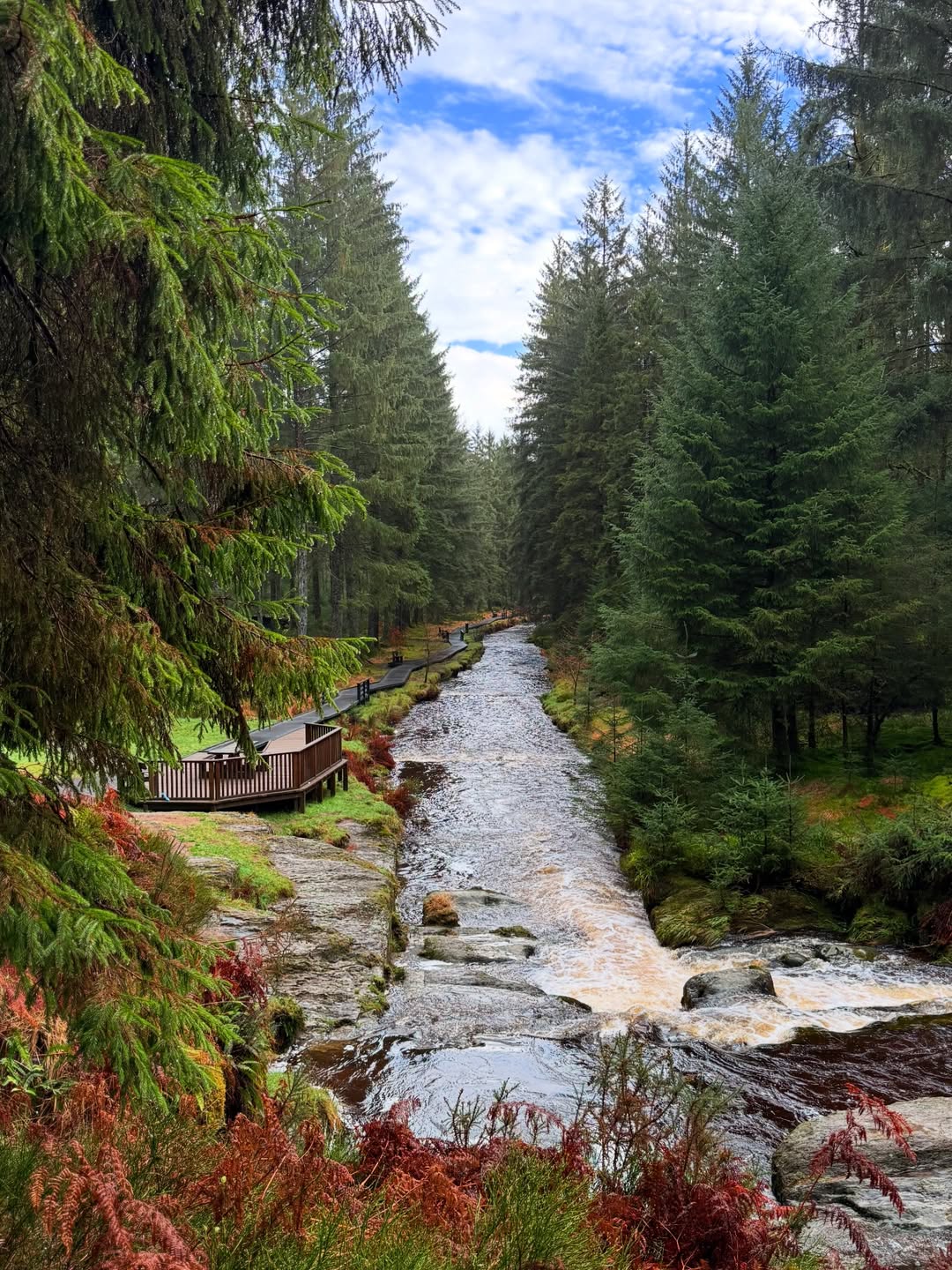
One autumn afternoon, I spent nearly two hours covering less than two miles. I paused to watch birds moving through the trees. I examined unusual mushrooms growing beside fallen logs. I followed the sound of a stream that wasn’t even marked on the map.
The slower I moved, the more I noticed.
And the more I noticed, the less space there was in my mind for everything waiting back home.
That idea sits at the center of forest bathing, a practice that encourages people to spend time immersed in natural surroundings rather than rushing through them. An article from National Geographic Traveller points to growing interest in outdoor therapy experiences built around slowing down and becoming more aware of the environment around you.
The good news is that you don’t need a retreat, guide, or expensive program to experience something similar.
Choose a trail under five miles.
Leave extra time in your schedule.
Avoid creating a checklist.
Instead, give yourself simple things to notice.
What birds can you hear?
How many different shades of green are around you?
Can you smell pine needles, wet earth, or recent rainfall?
What changes as sunlight moves through the trees?
The goal is not covering more ground.
The goal is paying closer attention.
Ironically, many people finish these slower walks feeling far more refreshed than they do after longer, more demanding hikes.
If daily life has felt rushed lately, this type of trip can be a surprisingly effective reset.
And after discovering how relaxing it feels to spend a few hours moving at nature’s pace, many people start craving a longer escape from everyday noise.
That is where a mountain cabin comes in.
3. Spend a Weekend in a Mountain Cabin
Few trips make me forget about work faster than a cabin in the mountains.
Not because there is a packed schedule waiting for me.
Because there usually isn’t.
That is exactly why it works.
One of my favorite cabin weekends started with no itinerary whatsoever. I arrived with groceries, a stack of books, hiking shoes, and absolutely nothing I needed to accomplish.
For the first few hours, that felt strange.
I’m used to planning.
Used to schedules.
Used to trying to make every trip productive.
Then the mountains worked their magic.
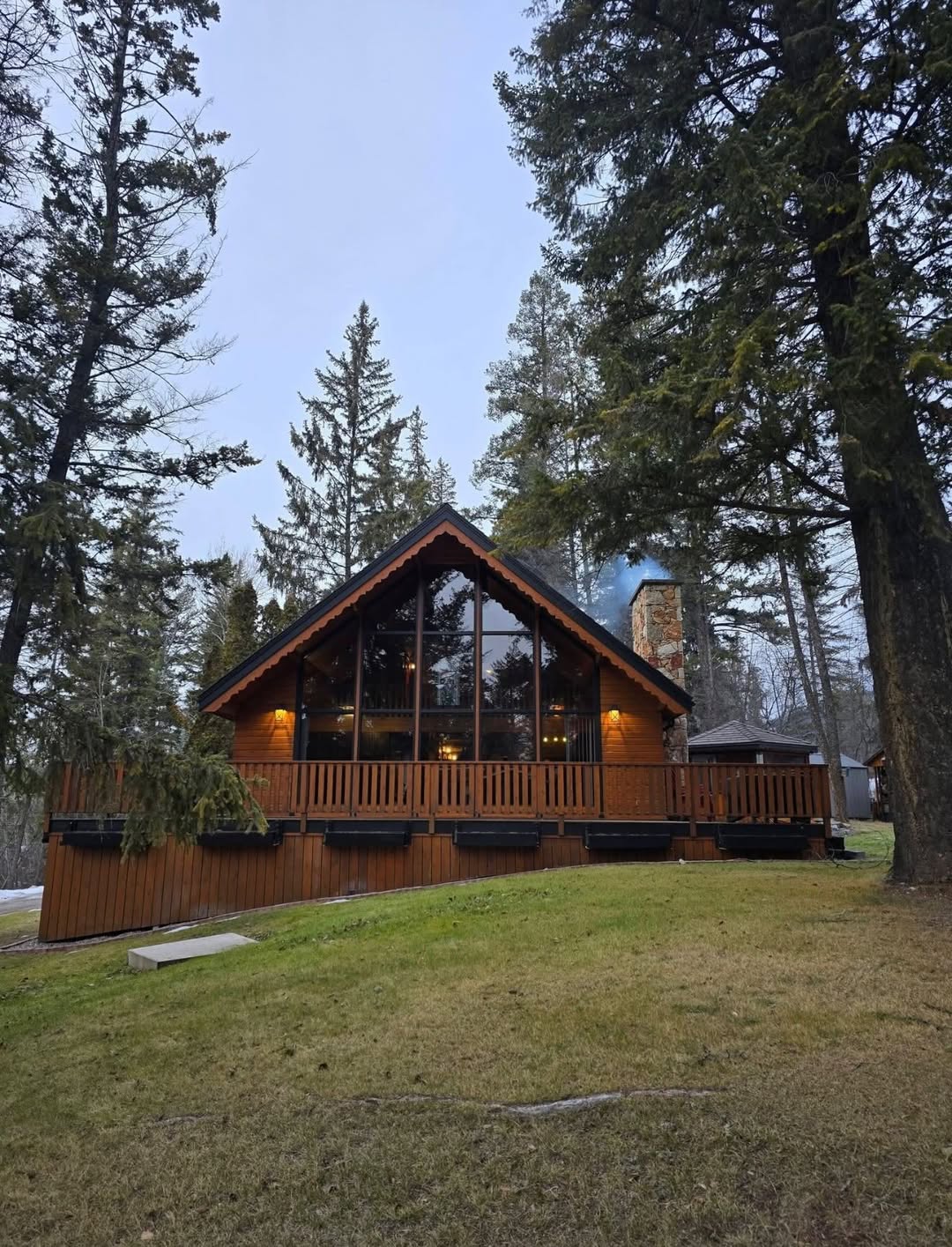
Mornings were spent drinking coffee on the porch while fog drifted between the trees. Afternoons disappeared into short walks and quiet viewpoints. Evenings ended beside a fire pit watching the sky slowly darken.
By the second day, I realized I hadn’t checked my inbox in hours.
I didn’t miss it.
That feeling alone made the trip worthwhile.
When choosing a cabin, I always focus on location before amenities. A modest cabin next to trails, lakes, or public land often delivers a better experience than a larger property surrounded by busy roads and constant activity.
The easiest way to improve a cabin trip is surprisingly simple.
Give yourself permission to do less.
Don’t fill every day with activities.
Leave gaps.
Take a book.
Bring a journal.
Sit on the porch longer than planned.
Watch a sunset all the way to the end instead of heading back early.
Those moments often become the memories people talk about later.
One practical lesson I learned the hard way is shopping for groceries before arriving. Small mountain towns may have limited options, shorter store hours, or higher prices than expected.
Another tip is booking during the middle of the week whenever your schedule allows. Trails tend to be quieter, viewpoints less crowded, and the entire experience feels more peaceful.
The best part is that many people already live within a few hours of mountains, forests, lakes, or countryside they’ve never seriously considered visiting.
The reset they’re looking for may not require a cross-country trip at all.
It may simply require saying yes to a quiet weekend outdoors.
And if an overnight stay isn’t possible right now, a nearby national park can provide many of the same rewards in a single day.
4. Try a National Park Day Trip Close to Home
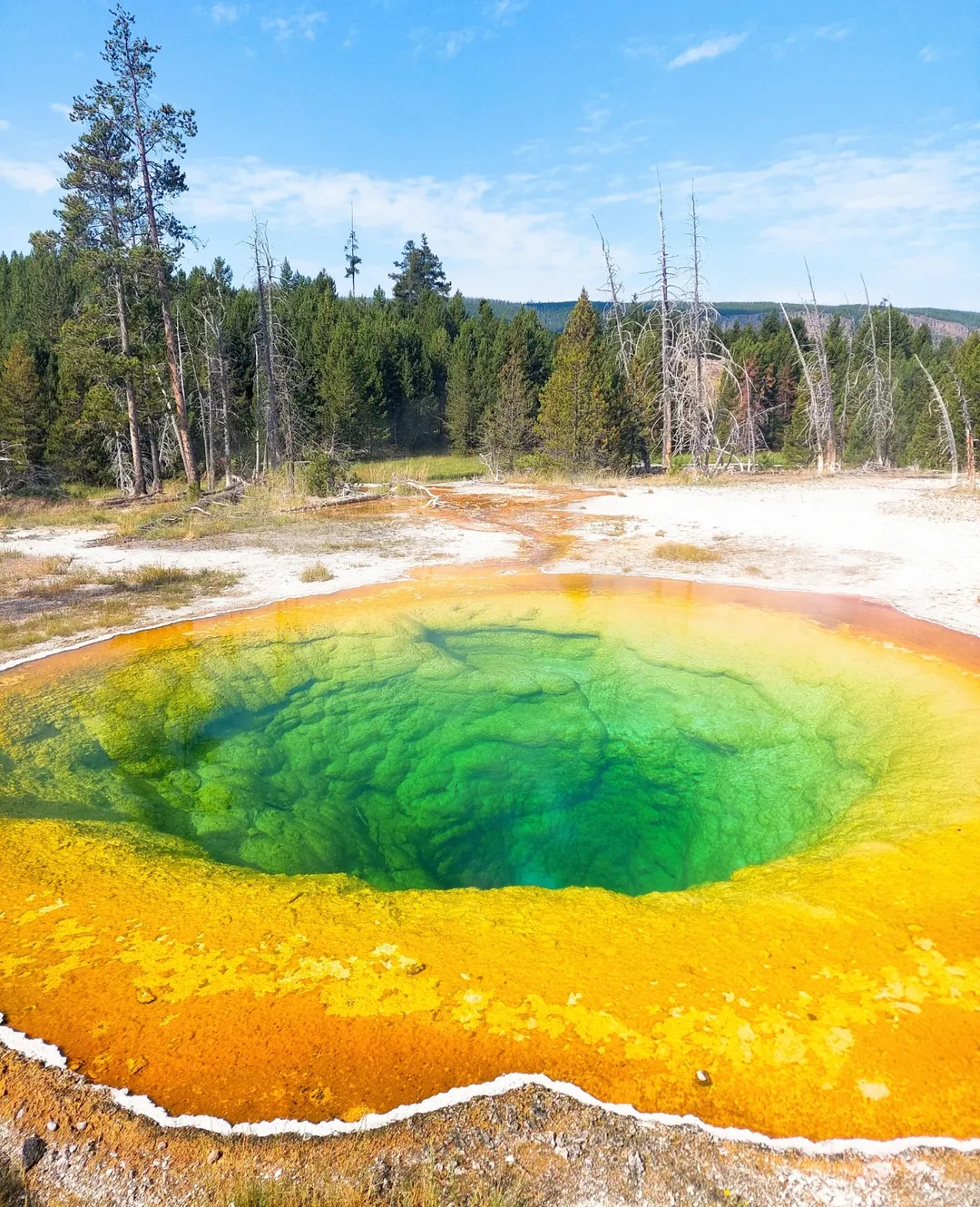
When people hear “national park trip,” they often picture a bucket-list vacation planned months in advance.
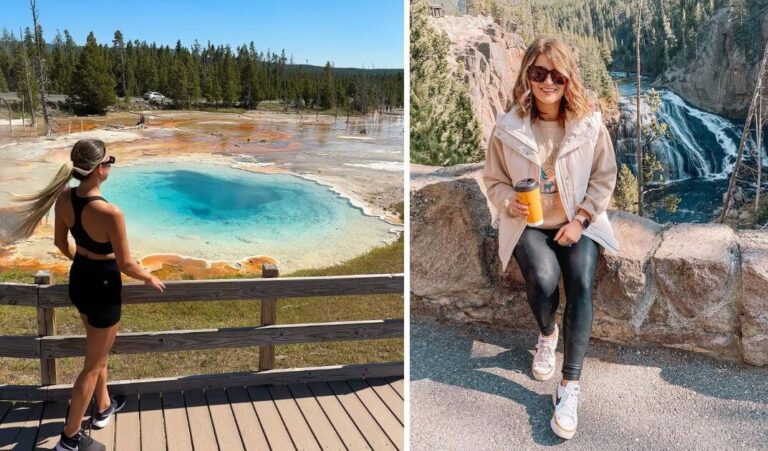
Yellowstone.
Yosemite.
Grand Canyon.
Something that requires flights, hotels, vacation days, and weeks of preparation.
But some of the most rewarding nature trips I’ve taken were simple day visits to parks within a few hours of home.
No hotel booking.
No complicated packing list.
Just an early start and a full day outdoors.
For years I made the same mistake many travelers make.
I treated national parks like giant hiking destinations.
I thought every trip needed a challenging trail and a packed itinerary.
If I wasn’t covering enough miles, I felt like I wasn’t making the most of the visit.
Then one afternoon I stopped trying to fit everything into a single day.
Instead of rushing from viewpoint to viewpoint, I spent nearly an hour sitting beside a river watching the water move through a canyon.
Oddly enough, that’s the moment I remember most.
Not the hike.
Not the distance.
Not the photos.
Just being there.
National parks offer far more than trails.
Scenic drives.
Wildlife viewing areas.
Historic sites.
Picnic spots.
Short interpretive walks.
Visitor centers filled with stories about the people, geology, and wildlife that shaped the area.
The experience becomes much richer when you stop treating the park like a checklist.
Many travelers underestimate how much can fit into a single day. In fact, Lonely Planet points to one-day itineraries across several major U.S. national parks, showing that a meaningful park experience doesn’t require a week-long vacation.
If you’re planning your first park day trip, keep expectations simple.
Choose one trail.
One viewpoint.
One place where you’ll intentionally sit for twenty minutes without rushing anywhere else.
That last part sounds small.
Yet it is often where the mental reset happens.
You stop looking for the next thing to do.
You start appreciating where you already are.
And if your idea of relaxation involves even bigger views, the coastline offers a completely different kind of escape.
5. Explore a Coastal Nature Trail
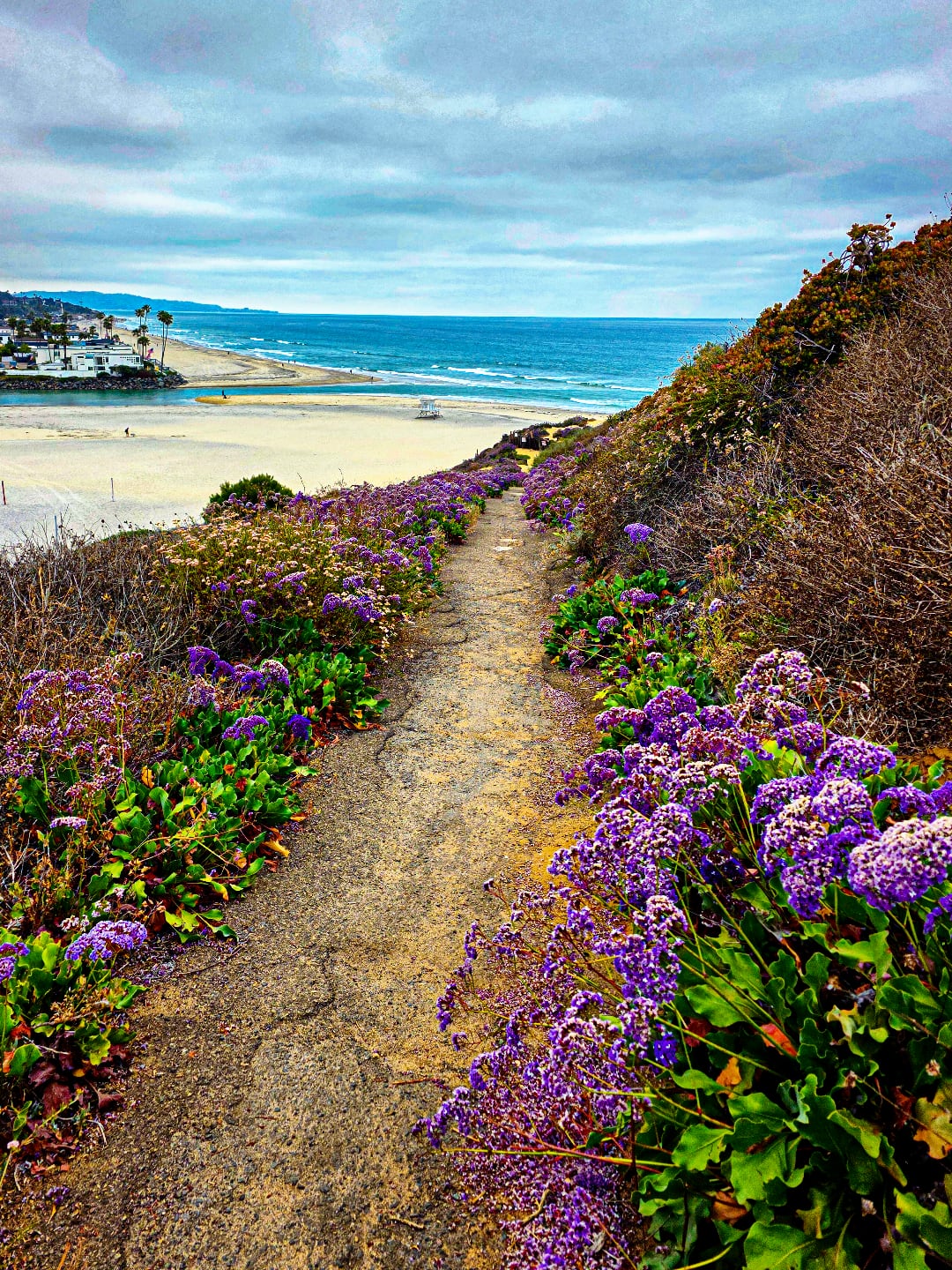
The ocean has a way of shrinking whatever has been occupying your mind all week.
I notice it every time I step onto a coastal trail.
Deadlines seem less urgent.
Minor frustrations lose some of their weight.
The horizon stretches endlessly ahead, reminding you how small your corner of the world really is.
One coastal walk stands out in my memory because it wasn’t famous.
No iconic lighthouse.
No popular attraction.
No crowds gathering for sunset photos.
Just a narrow trail tracing rugged shoreline cliffs above the water.
I spent hours moving slowly.
Stopping often.
Looking far more than walking.
A seal surfaced offshore.
Pelicans glided inches above the waves.
Sunlight bounced across the water in ways that looked completely different every few minutes.
The trail itself wasn’t the highlight.
Paying attention was.
That’s one reason coastal trips work so well when life feels busy.
Nature does most of the slowing down for you.
You naturally stop to watch waves crash against rocks.
You linger at overlooks longer than expected.
You spend more time observing than moving.
If you’re planning a coastal nature trip, look beyond the trail map.
Check for tide pools.
Wildlife viewing areas.
Hidden beaches.
Scenic overlooks.
Those smaller discoveries often become the stories you tell afterward.
One lesson I learned after arriving at a beach at the wrong time is to check tide schedules before leaving home. Certain coves, tide pools, and shoreline paths may only be accessible for part of the day.
Comfort matters too.
Bring layers.
Even sunny coastal mornings can feel chilly when wind moves off the water.
My favorite coastal days usually follow the same rhythm.
Walk for a while.
Sit for a while.
Watch the ocean.
Then continue.
No rush.
No agenda.
Just enough space to let your thoughts settle.
And once you begin noticing details in the environment around you, spotting wildlife becomes surprisingly addictive.
6. Take a Nature Trip Built Around Wildlife Watching
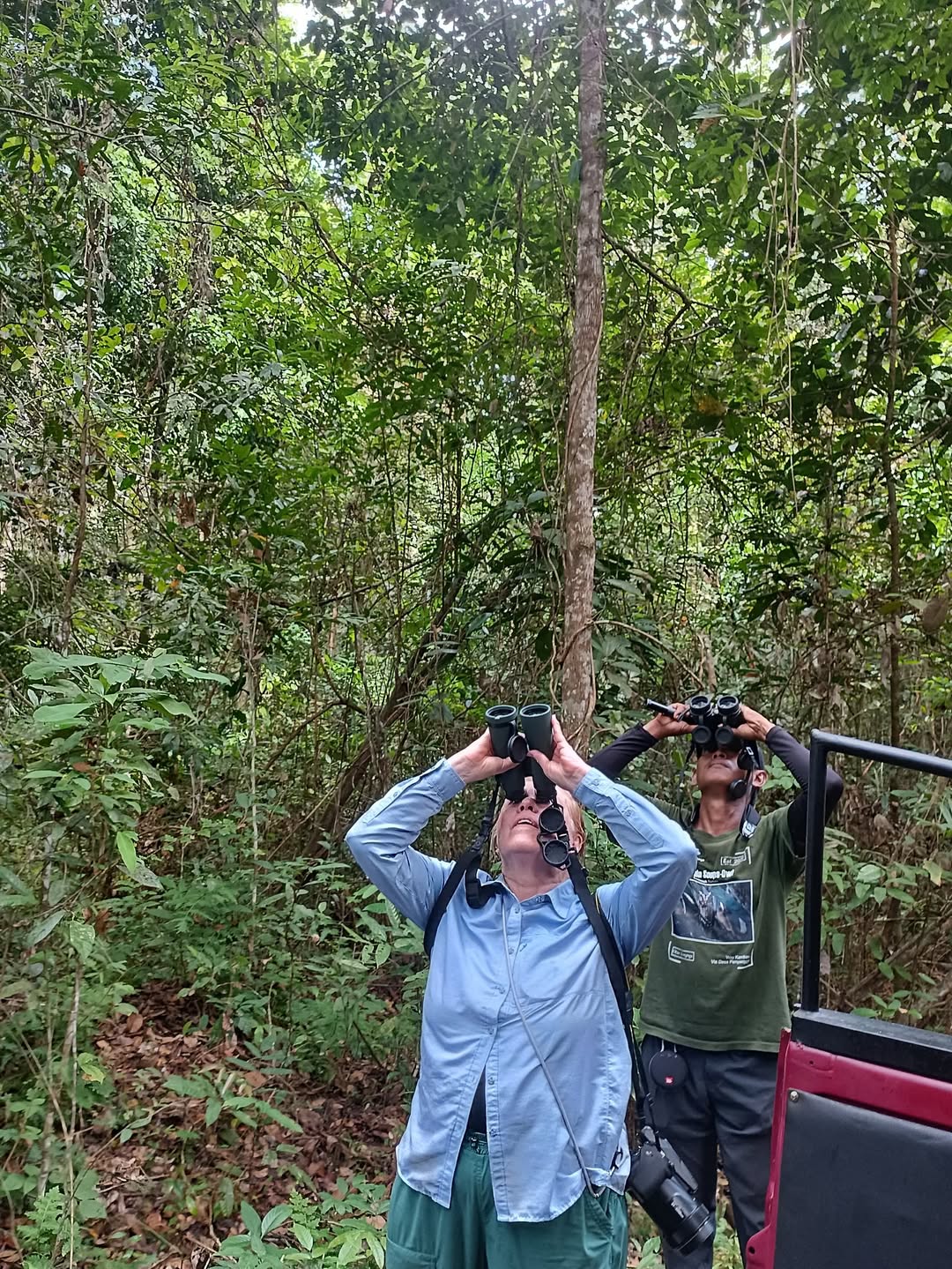
One of the easiest ways to make a nature trip feel more engaging is giving yourself something specific to search for.
Wildlife does exactly that.
The best part is that no two outings ever feel the same.
You can visit the same wetland, forest, or refuge ten different times and walk away with ten completely different experiences.
Some mornings you’ll barely see anything.
Other days you’ll feel as if nature decided to put on a show.
I learned this during a sunrise visit to a wetland preserve.
My plan was simple.
Take a short walk.
Enjoy the morning.
Head home for breakfast.
Within half an hour I had spotted herons stalking fish in shallow water, turtles warming themselves on fallen logs, deer moving through tall grass, and a hawk circling high above the marsh.
The experience felt exciting because none of it was guaranteed.
Every sighting felt earned.
That element of surprise is what keeps many people coming back.
You don’t need expensive photography equipment.
You don’t need expert knowledge.
You don’t even need to identify every animal you see.
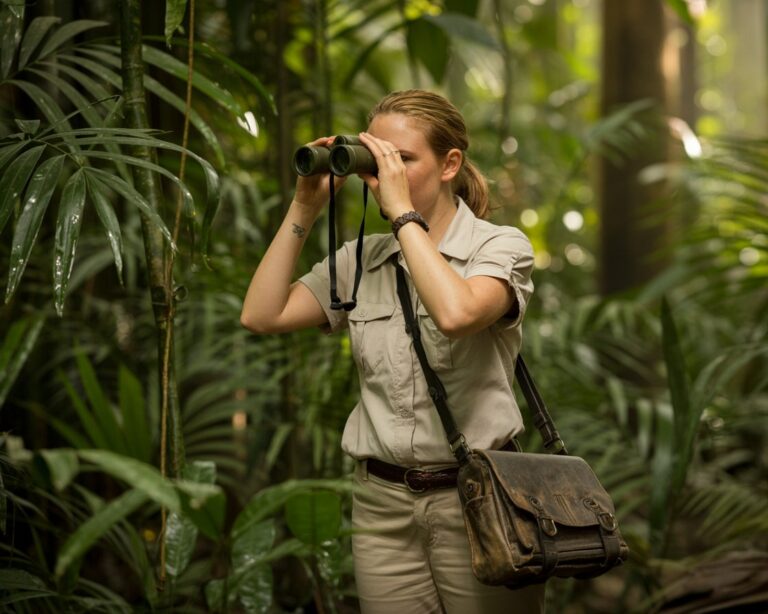
A pair of binoculars helps.
Patience helps more.
Early mornings tend to produce the best results because many animals are active before temperatures rise and visitor numbers increase.
If you’re not sure where to begin, search for wildlife refuges, wetlands, bird sanctuaries, protected coastlines, or state parks nearby.
Many include observation platforms that make wildlife easier to spot without disturbing habitats.
One habit I started years ago was keeping a simple running list of animals I encountered during trips.
Nothing elaborate.
Just a note in my phone.
At first I assumed I’d forget about it.
Instead, it completely changed how I experience nature.
I pay closer attention now.
I notice seasonal patterns.
I recognize species I once ignored.
Every outing feels a little more purposeful.
And that growing awareness often turns casual visitors into lifelong outdoor enthusiasts.
Eventually, many wildlife lovers find themselves wanting to experience nature after dark as well.
That’s when spending a night outdoors starts becoming very appealing.
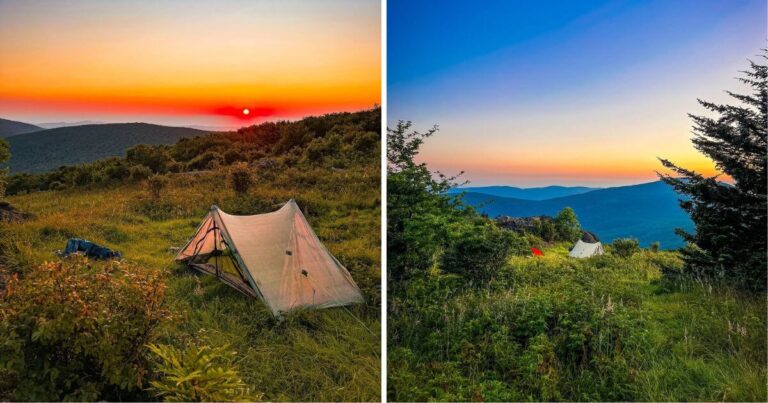
7. Camp for One Night Instead of an Entire Weekend
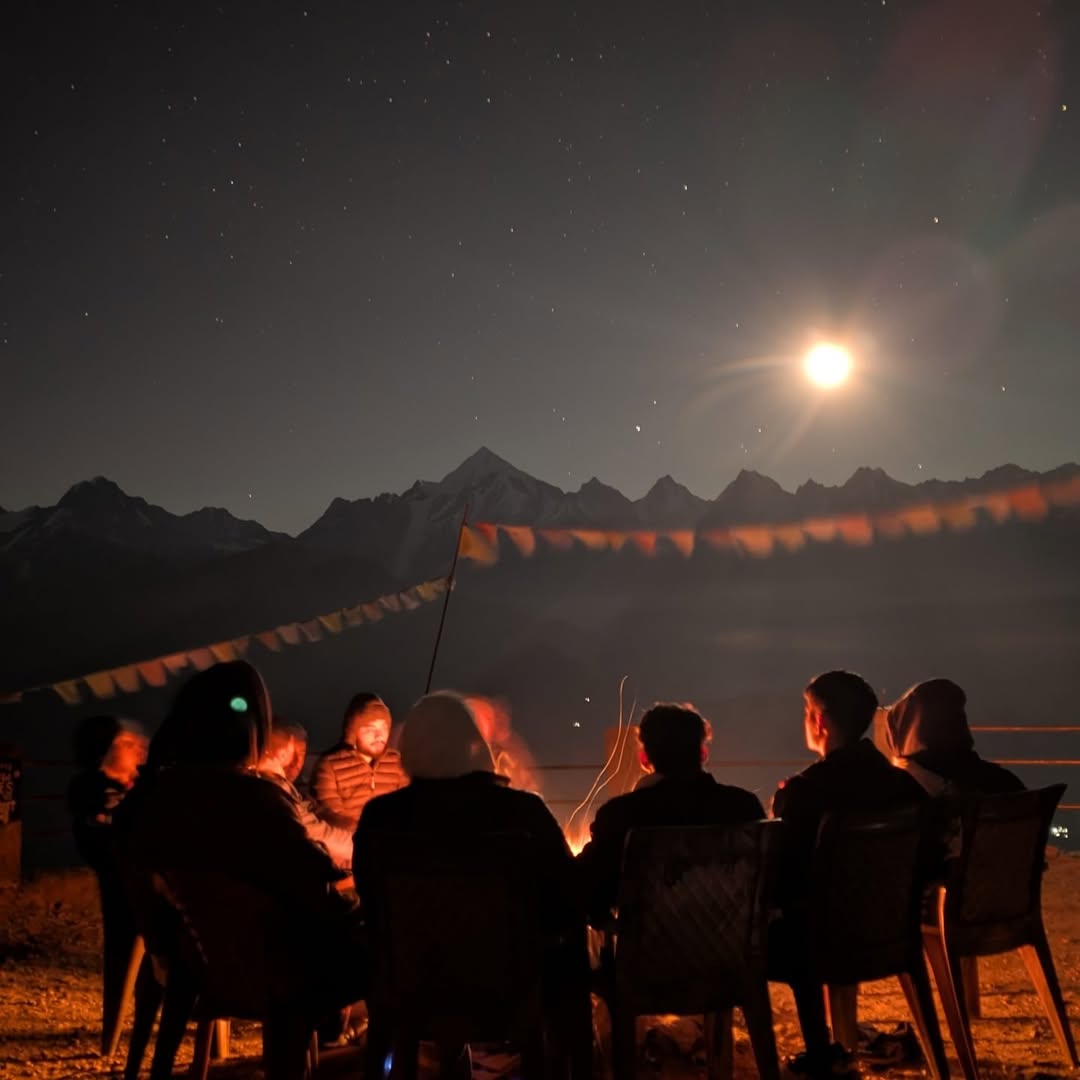
Whenever someone tells me they want to try camping but feel intimidated by it, I give the same advice.
Don’t start with a three-day trip.
Start with one night.
That single decision removes much of the pressure that keeps people from trying camping in the first place.
You don’t need elaborate meal plans.
You don’t need a vehicle packed with gear.
You don’t need to wonder whether you’ll enjoy sleeping outdoors for an entire weekend.
You simply arrive, spend one evening outside, wake up surrounded by nature, and head home.
My first solo camping trip followed exactly that formula.
The campground sat less than an hour away. I packed basic supplies, brought simple food, and kept expectations low.
What I remember most wasn’t the campsite itself.
It was waking up the next morning.
Sunlight glowed through the tent walls. Birds had already started singing. Cool air drifted through the trees.
For a few minutes, there was nowhere I needed to be.
No schedule.
No deadlines.
No notifications waiting for my attention.
That feeling stayed with me long after I returned home.
If you’ve always been curious about camping but felt overwhelmed by the idea, a one-night trip gives you room to experiment without making a huge commitment.
Choose an established campground for your first outing.
Restrooms are nearby.
Water is often available.
Help isn’t far away if you need it.
One lesson I’ve learned over the years is that preparation matters more than gear. The USDA Forest Service recommends checking weather conditions, understanding local hazards, bringing enough water, and letting someone know your plans before heading outdoors.
Those habits make the trip feel easier from the moment you arrive.
And once you’ve experienced a night beneath the stars, you may realize nature doesn’t always require wilderness to have an impact.
Sometimes a quiet garden can be just as restorative.
8. Visit a Botanical Garden or Nature Preserve

Not every nature trip needs mountains, hiking boots, or a long drive.
Some of my most relaxing afternoons have happened inside botanical gardens and nature preserves.
The atmosphere feels noticeably different.
People slow down.
Conversations become quieter.
The pressure to accomplish something fades into the background.
I remember visiting a botanical garden during spring bloom season with no plan beyond spending an hour there.
Three hours disappeared before I noticed.
I wandered through native plant collections, watched butterflies move from flower to flower, and spent far longer than expected sitting beside a pond.
Nothing dramatic happened.
That was the beauty of it.
Many of us spend our days moving from one task to the next. A botanical garden creates space to simply observe for a while.
For readers living in cities, this may be one of the easiest nature trips on the entire list.
You don’t need vacation days.
You don’t need camping gear.
You don’t even need to leave town.
Many cities have botanical gardens, arboretums, public nature centers, and small preserves hidden in plain sight.
A trick I’ve started using is giving myself a simple mission whenever I visit.
Maybe I’m looking for birds.
Maybe I’m photographing flowers.
Maybe I’m trying to identify plants I’ve never noticed before.
That small goal creates curiosity without turning the visit into work.
And before long, you’re paying attention to details that would normally pass unnoticed.
If you enjoy watching scenery unfold without needing to walk very far at all, there is another nature trip worth considering.
9. Book a Scenic Train Ride Through Natural Landscapes
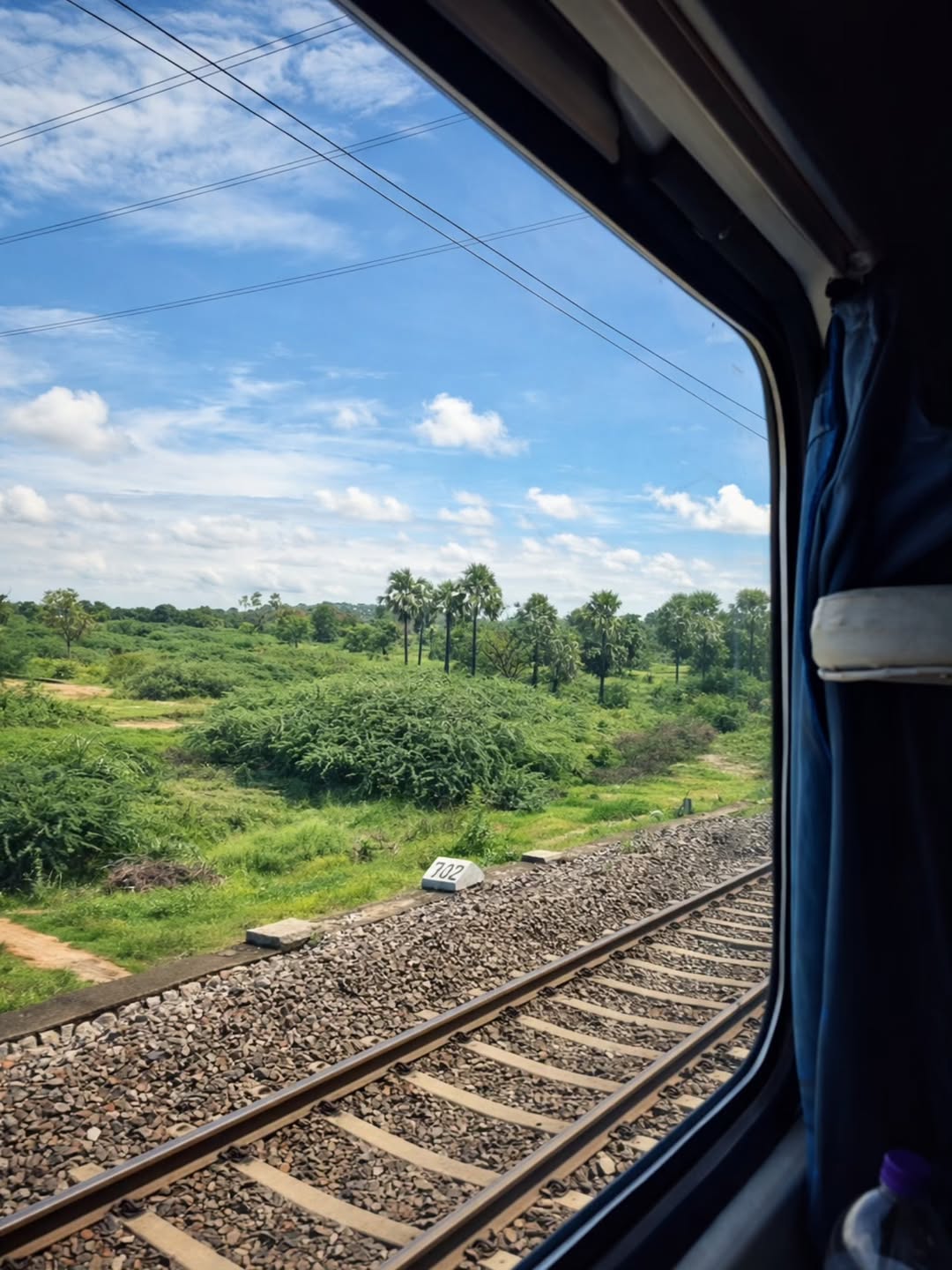
Some nature trips require very little effort once you board.
A scenic train ride is one of them.
I used to think trains were simply a way to reach another destination.
Then I spent several hours crossing mountain valleys and forested countryside from a window seat.
The experience changed how I think about travel.
For once, I wasn’t focused on directions.
I wasn’t checking traffic.
I wasn’t looking for parking.
I wasn’t thinking about what came next.
I simply watched the landscape unfold.
Rivers curved through valleys.
Forests stretched toward distant hills.
Small towns appeared briefly before disappearing again.
The beauty of train travel is that it naturally encourages patience.
You don’t need to do anything except sit back and pay attention.
That alone feels surprisingly refreshing in a world where we’re constantly multitasking.
Outdoor travel ideas featured by Visit The USA show how mountains, rivers, deserts, forests, and coastal scenery can all become part of the travel experience rather than simply the destination itself.
If you’re planning a scenic rail trip, reserve a window seat whenever possible.
Bring snacks.
Carry a notebook.
Resist the urge to spend the entire journey taking photos.
Some of my favorite memories from train travel were moments I never photographed.
I simply watched them happen.
And that ability to stay present leads naturally into one final nature trip idea that may be the most rewarding of all.
10. Create Your Own Digital Detox Nature Weekend
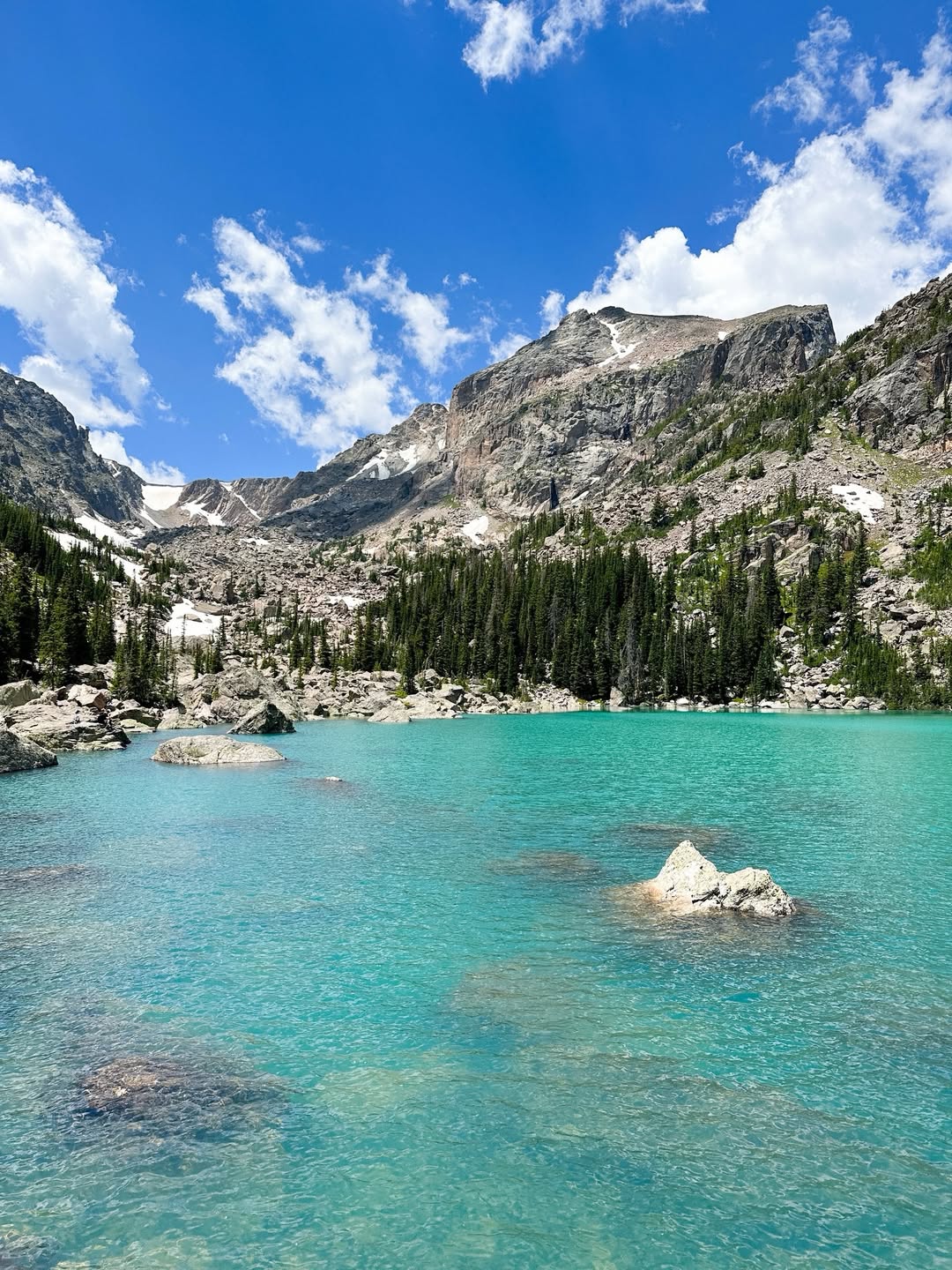
This might be the most powerful nature trip on this list.
It is also the one many people struggle to commit to.
The idea sounds simple.
Spend a weekend in nature without constantly checking your phone.
No social media.
No endless notifications.
No reaching for a screen every few minutes.
Just time outdoors.
The first digital detox weekend I attempted taught me something uncomfortable.
I reached for my phone constantly.
Waiting for coffee.
Walking a trail.
Sitting beside a lake.
Even when there was nothing I needed to check, my hand automatically moved toward my pocket.
The habit was stronger than I realized.
Then something changed.
By the second day, the urge started fading.
I paid closer attention to the landscape around me.
I noticed birds I’d normally ignore.
I watched changing light across the water.
I sat longer without feeling the need to fill every quiet moment.
Most importantly, my mind felt less crowded.
You don’t need to disappear into a remote wilderness area to try this.
A cabin works.
A campground works.
A state park works.
Even a quiet weekend beside a lake can be enough.
The goal isn’t avoiding technology forever.
The goal is creating enough distance from constant input that your attention can settle somewhere else for a while.
A few simple rules make the experience easier.
Turn off notifications.
Keep your phone packed away during walks.
Bring a notebook.
Read a physical book.
Watch a sunset without taking a photo.
Those small choices add up quickly.
By the end of the weekend, many people discover something surprising.
The world continued just fine without their constant attention.
And they returned home feeling far more rested than they expected.
How to Choose the Right Nature Trip for Your Lifestyle
The best nature trip is not the most adventurous one.
It is the one you’ll realistically take.
If you’re mentally exhausted, start small.
A sunrise lake visit or a cabin weekend can create breathing room without requiring much planning.
If you’re craving movement, national parks, forest trails, coastal walks, and camping trips offer plenty of opportunities to spend entire days outdoors.
If time is your biggest challenge, choose something closer to home.
A botanical garden.
A wildlife refuge.
A local nature preserve.
A few hours outdoors is often enough to change the tone of an entire week.
And if your attention feels scattered from constant notifications and screen time, a digital detox weekend may provide exactly the reset you’re looking for.
You don’t need perfect conditions.
You don’t need special equipment.
You simply need to choose one idea and put it on your calendar.
Because nature trips only work after you actually take them.
Final Thoughts
Life rarely slows down on its own.
There is always another email to answer.
Another task to finish.
Another notification competing for attention.
That is why nature trips matter.
Not because they eliminate every source of stress.
Because they create enough distance from daily demands to help you return with a clearer mind and a little more energy.
The encouraging part is that your next nature trip may be much closer than you think.
A lake you’ve driven past countless times.
A trail hidden in a nearby forest.
A botanical garden across town.
A cabin just a few hours away.
You don’t need a complicated itinerary.
You don’t need expensive gear.
You don’t need the perfect weekend.
Choose one idea from this list.
Pick a date.
Commit to going.
Future you will probably be glad you did.
Also read:
7 Summer Bucket List Ideas for the Best Summer Ever
100 Things to Do Before You Die: The Ultimate Travel Bucket List