Kid-Friendly Camping Hacks Every Parent Should Know
Camping with kids has a funny way of making tiny problems feel enormous.
A missing flashlight isn’t a big deal at home. At a dark campsite when someone needs the bathroom, it suddenly becomes the most important object you own.
I’ve seen families arrive with cars packed to the roof and still spend half the evening looking for things. I’ve also watched parents with surprisingly simple setups move through camp without much fuss.
The difference often isn’t how much they packed. It’s how they set things up.
These kid-friendly camping hacks are less about bringing more gear and more about removing the little problems that can eat into your family time.
Give Everything a Home as Soon as You Arrive

Before everyone runs off to see the campground, spend a few minutes deciding where everyday things belong.
Pick one spot for shoes outside the tent. Put water bottles somewhere kids can reach them. Give flashlights, jackets and frequently used items their own places.
You can also give each child a small bag or container for personal belongings.
I’ve learned that a tent feels much smaller once everybody starts dropping clothes, shoes and random gear wherever they happen to be standing. A simple system keeps you from repeatedly asking, “Where did you put it?”
Once camp is organized, think about what changes when daylight disappears.
Put a Light in Every Kid’s Hands
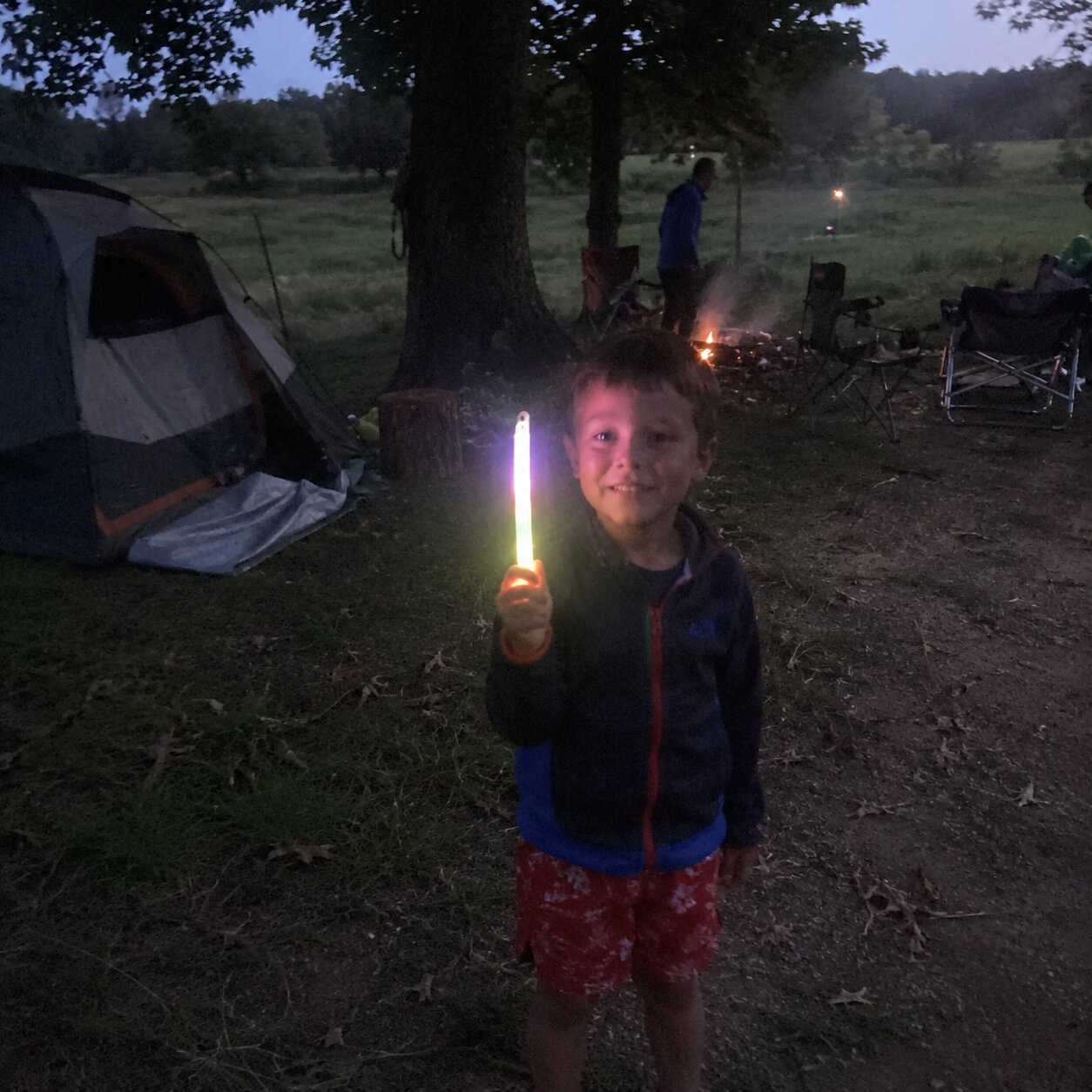
A familiar campsite can feel completely different after dark.
Rather than having the entire family share one flashlight, give each child an age-appropriate light they can keep nearby.
REI recommends giving kids their own flashlight, headlamp or other camp light, and I’ve seen why this works so well. Kids don’t have to wait for an adult every time they need to see inside the tent or find something after sunset.
Before it gets dark, show them where the tent, adults and campground bathroom are.
I also like keeping a backup light inside the tent. Put it somewhere everyone knows rather than burying it in a gear bag.
Then handle the other thing children seem to need at remarkably predictable moments.
Food.
Make Snacks Easy to Grab
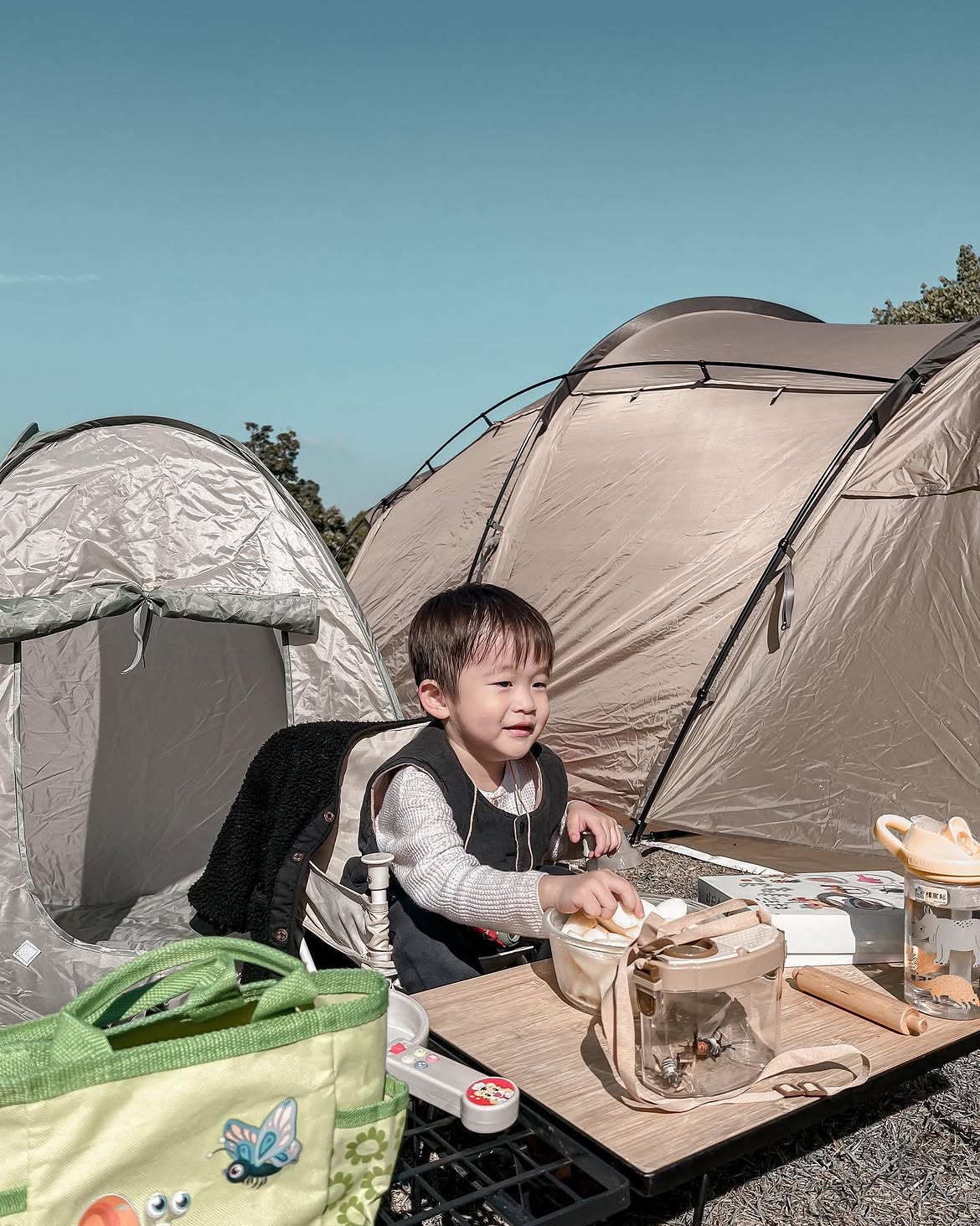
Hungry kids and complicated food storage aren’t a great combination.
Prepare snacks before leaving home and put kid-friendly portions together so you aren’t constantly opening packages at camp.
National Geographic recommends pre-portioning snacks before a family camping trip, which can make eating at camp much easier.
You can create a designated snack container so everyone knows where approved snacks belong. Keep foods stored according to your campground’s rules, then pull out what you’ll need for the day’s activities.
I also carry something familiar when we leave the campsite for a walk or activity. It saves you from turning around simply because somebody suddenly announces they’re starving.
With food handled, resist the temptation to solve the next problem by packing half the playroom.
Bring Less Entertainment Than You Think
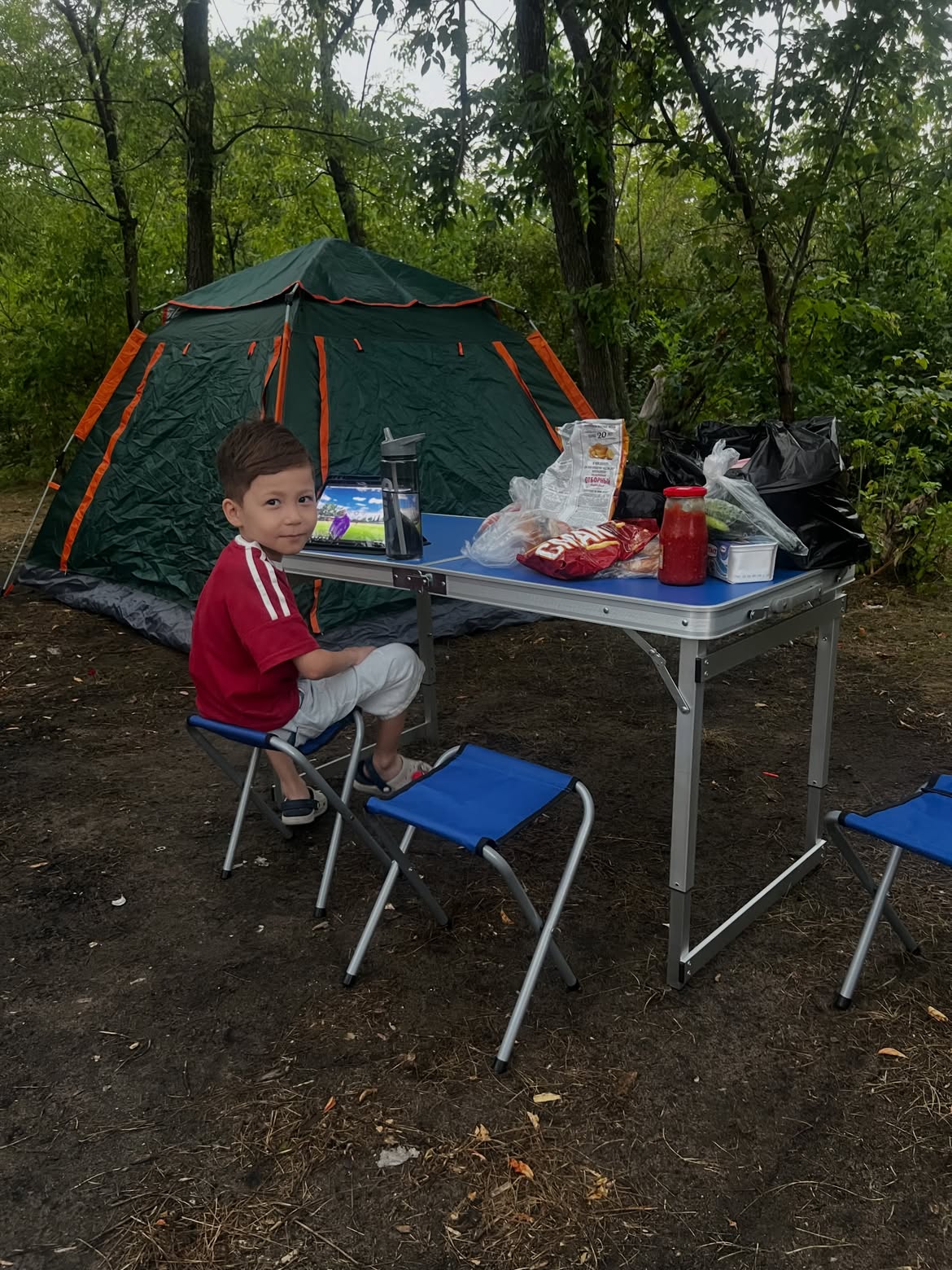
Kids don’t need scheduled entertainment for every hour outdoors.
Bring a few simple options such as cards, bubbles, binoculars or a small nature journal. Keep one activity tucked away for rain or a slow afternoon.
Then let the campground do some of the work.
I’ve watched kids become fascinated by rocks, leaves, bugs and sticks while toys brought from home stayed untouched.
You could make a simple scavenger hunt around things kids might spot during the trip. Even looking for interesting leaves or watching clouds can fill time without adding another bulky bag to the car.
Less stuff also means less mess, which becomes especially useful inside the tent.
Create a Dirt Stop Outside the Tent
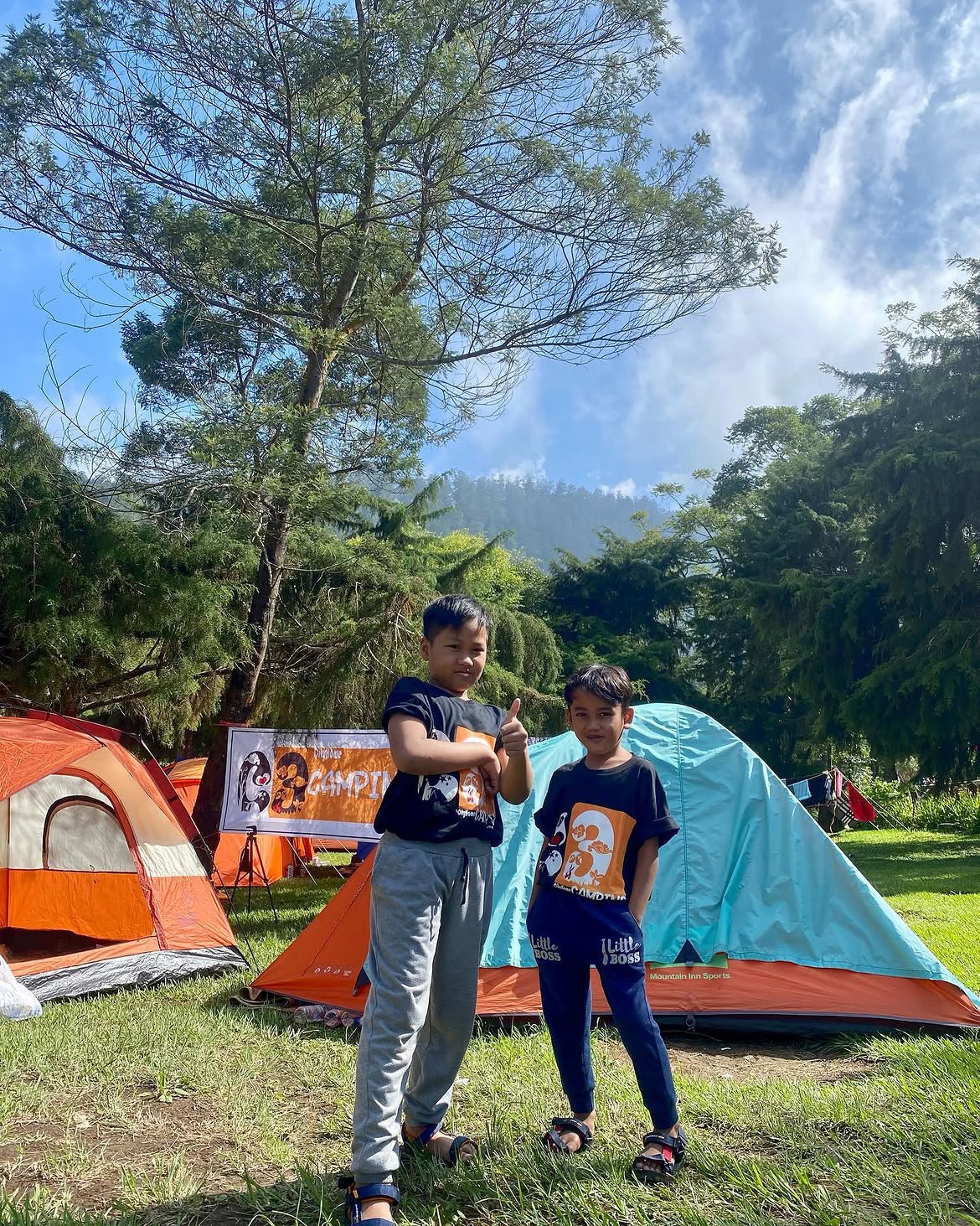
Trying to keep children perfectly clean while camping is a battle I wouldn’t bother fighting.
Keeping their sleeping space reasonably clean is different.
Put a small mat outside the tent and make it the shoe-off spot. Keep wipes or a damp washcloth nearby, plus a separate bag for muddy or wet clothing.
One habit makes a surprisingly big difference. Change kids into clean sleep clothes before they climb into their sleeping bags.
That way, some of the day’s dirt stays out of bed.
And when bedtime arrives, a few familiar things can make the transition easier.
Make Bedtime Feel Like Home
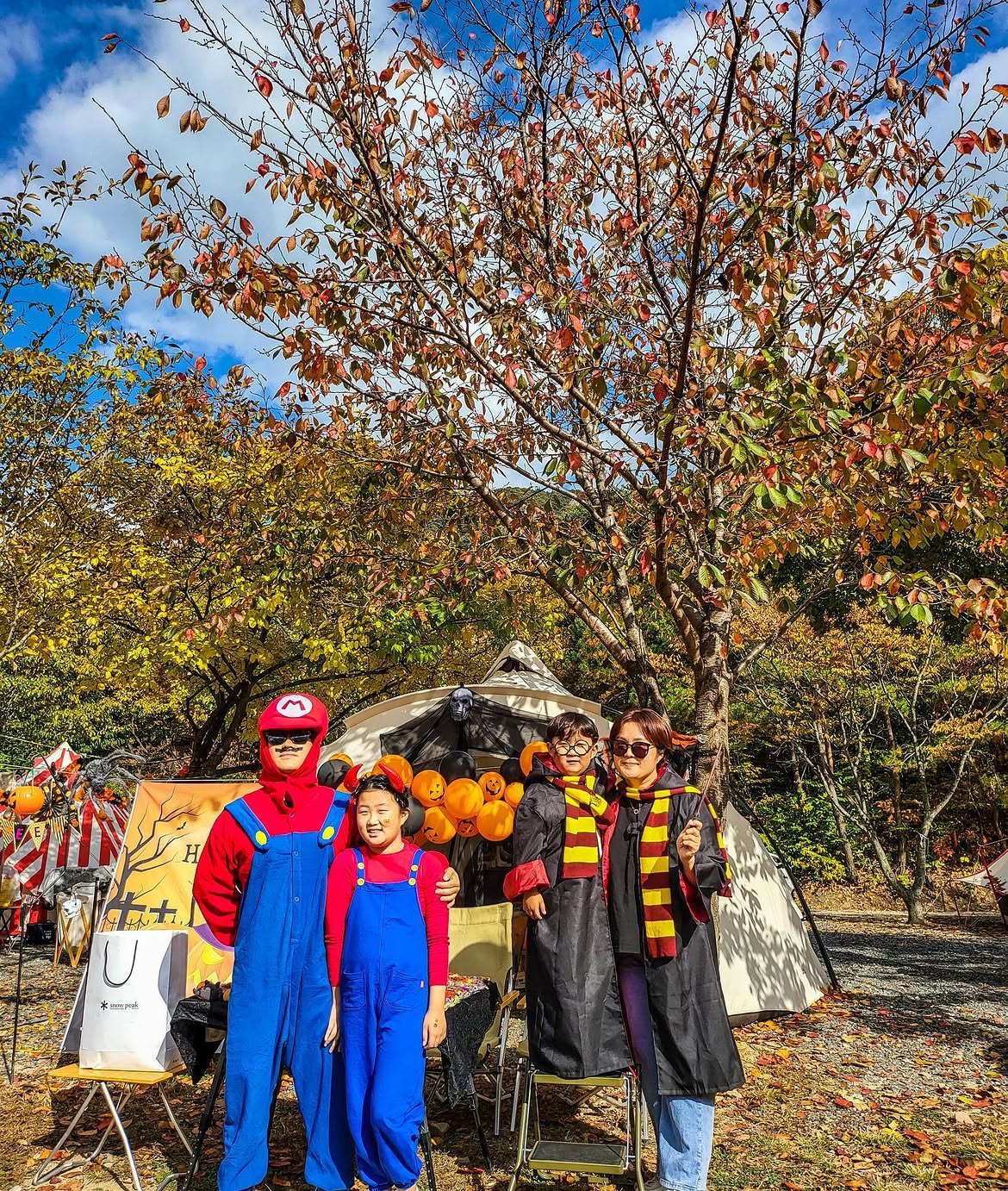
You don’t have to reproduce a child’s bedroom inside a tent.
Bring one or two familiar pieces of bedtime instead.
That might be their usual pillow, favorite stuffed animal or another small comfort item that fits easily in your gear.
Get pajamas and bedtime items ready while there’s still daylight. Have tomorrow morning’s clothes somewhere accessible, too.
I like this because nighttime is exactly when you don’t want to empty three bags looking for one pair of socks.
Which brings us to a camping situation that’s worth preparing for before everyone falls asleep.
Pack for the 2 A.M. Problem
Imagine waking up in complete darkness because your child needs something.
What would you want within arm’s reach?
I keep nighttime items together rather than scattered around camp. A flashlight or headlamp, water, tissues, an extra warm layer, necessary personal items and the car keys can all have one easy-to-reach location.
You may never need most of it.
But if you do, you’ll be glad you aren’t crawling around a dark tent searching through backpacks while everyone else is asleep.
During daylight, kids can take a little more responsibility themselves.
Give Kids One Camping Job
Children don’t have to be passengers for the entire trip.
Give them one small responsibility that fits their age.
The National Park Service recommends giving children age-appropriate camping jobs, with younger children helping with tasks such as gathering kindling or filling water bottles and older kids taking on jobs such as food preparation, washing dishes or helping set up tents.
The job doesn’t need to be complicated.
A child might be responsible for putting their shoes in the right place, keeping track of their water bottle or checking that their flashlight is ready before dark.
It gives them a role without turning camping into a chore.
The Best Kid-Friendly Camping Hack Is Doing Less
Family camping doesn’t have to run perfectly.
You don’t need endless toys, complicated meals or a car packed with gear for every possible situation.
What helps most is removing friction.
Give important things obvious homes. Make food easy to reach when you need it. Prepare for darkness before sunset. Keep dirt away from the sleeping area and put nighttime necessities somewhere you can find them half asleep.
Then leave some room for the unexpected.
Kids may not remember whether the tent stayed perfectly organized or whether dinner happened exactly on schedule.
They may remember carrying their flashlight through the dark, finding something fascinating beside the trail or waking up in a tent with their family.
Those are the parts of camping worth making more room for.