One-Pot Camping Meals You Can Make With Minimal Cleanup
Cooking at camp is fun until dinner ends and you’re staring at a pile of greasy cookware with limited water and no kitchen sink.
I’ve found that the meals I enjoy most outdoors aren’t always the fanciest ones. They’re the meals I can cook in one pot, eat while they’re hot and clean up quickly enough to get back to the fire.
There’s a practical reason to keep things simple. The National Park Service recommends one-pot camp meals when possible because they reduce both the cooking gear you need to carry and the amount you have to wash afterward.
Here are five meals I’d happily put on my next camping menu, along with a few tricks that make each one easier.
One-Pot Sausage, Peppers and Potatoes
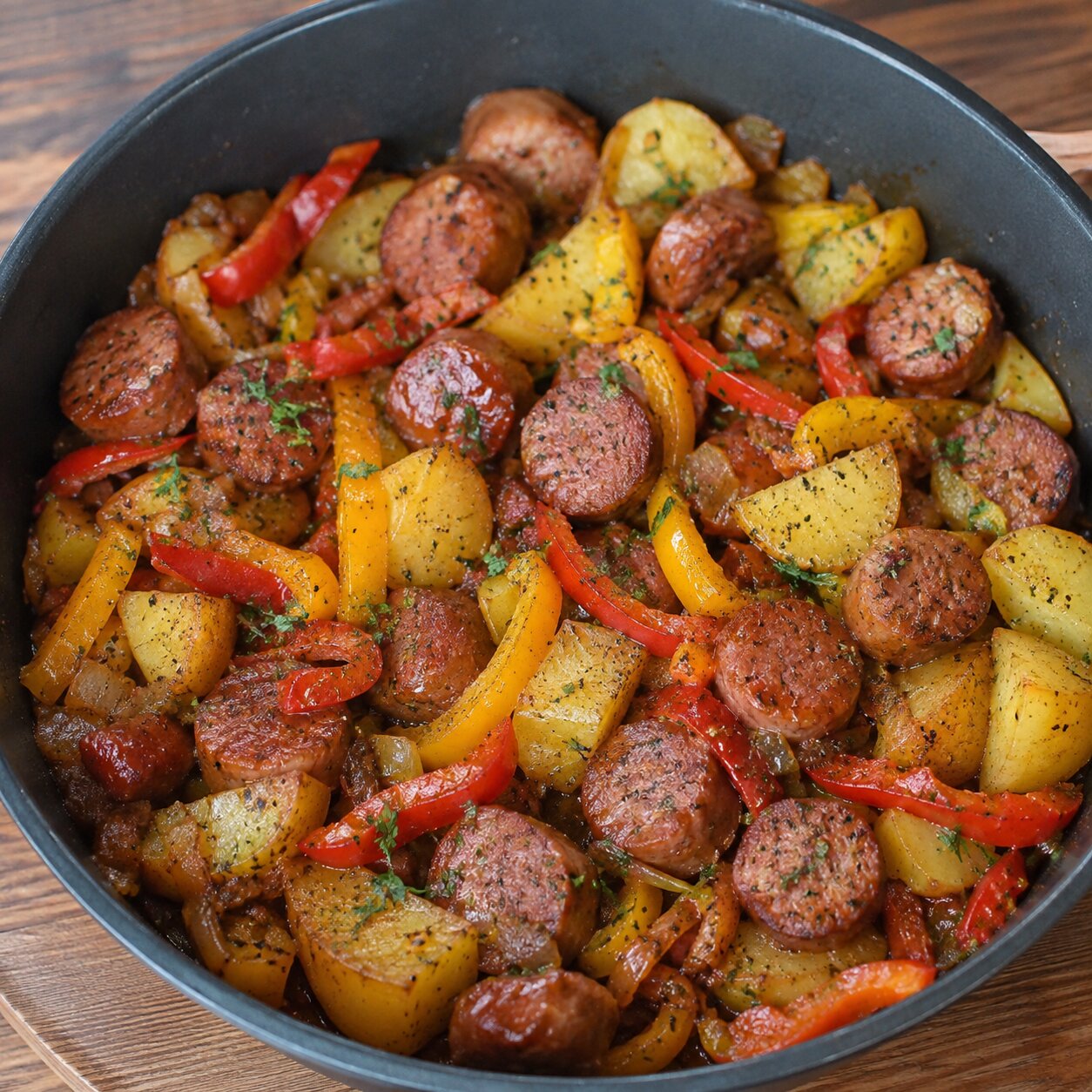
This is one of those camping dinners that feels like a full meal without asking much from you.
I use smoked or precooked sausage, small potatoes, bell peppers and onion. A little oil and whatever seasoning I’ve packed are enough to bring everything together.
The order matters more than the recipe.
Cut your potatoes into small, similar-sized pieces and get them cooking first with a little oil. Once they’re beginning to soften, add sliced sausage and onion. Peppers can go in later since they don’t need nearly as much time.
I’ve made the mistake of tossing vegetables with different cooking times into a pan together. You end up choosing between crunchy potatoes and peppers cooked beyond recognition.
You can avoid most of the prep at camp by chopping your vegetables at home. Pack them in sealed containers or bags, and your cutting board can stay out of the campsite kitchen.
Once you’ve mastered that cooking order, the same thinking makes an even easier pot of chili.
Campfire Chili Is Hard to Mess Up
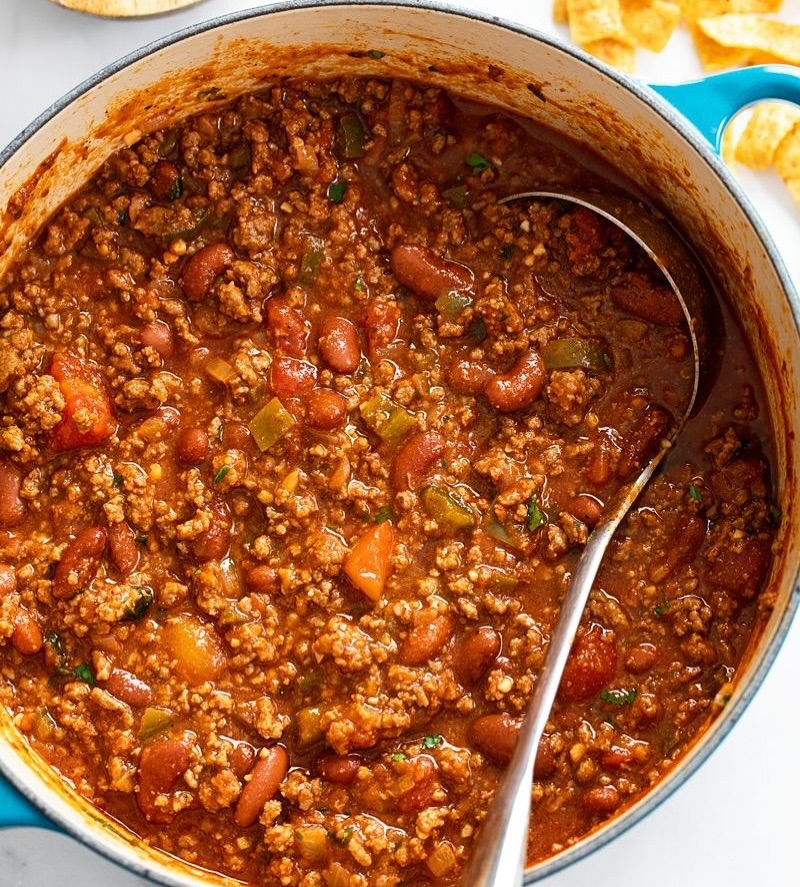
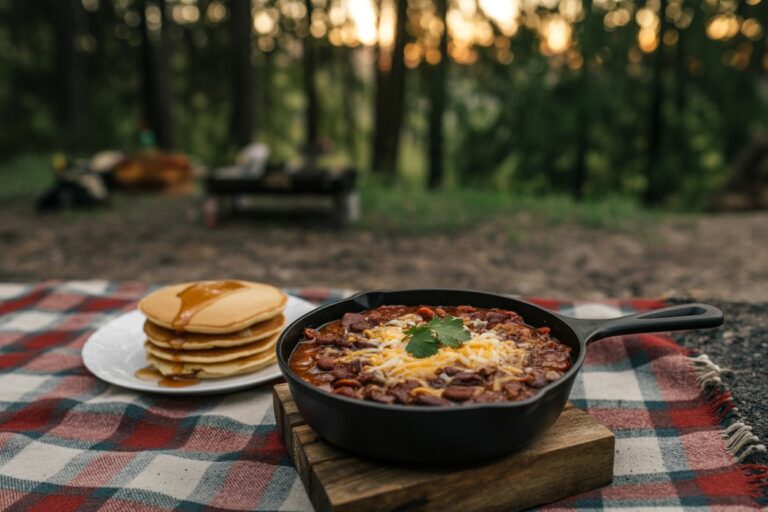
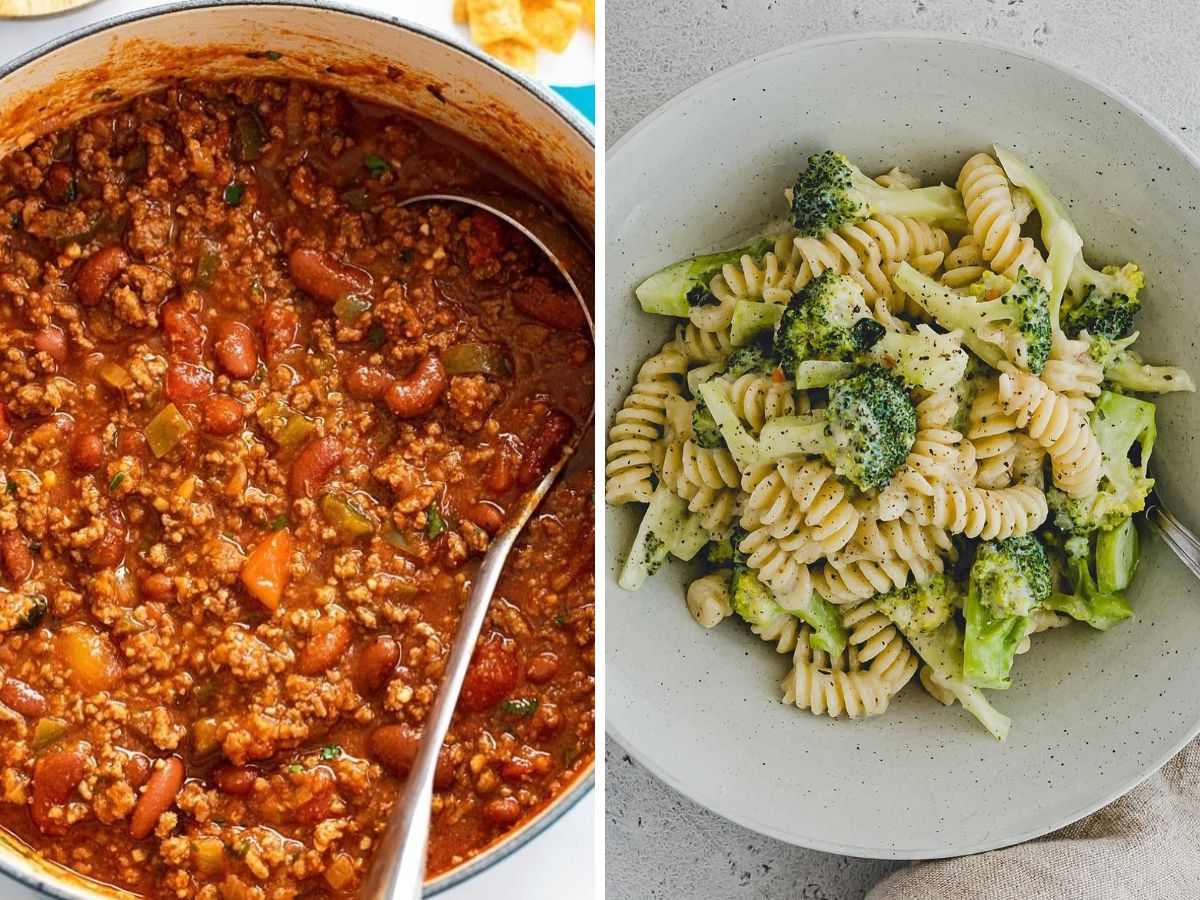
Chili is one of my favorite answers to a cold evening outdoors because most of the ingredients can go straight from their containers into the pot.
You’ll need ground beef or turkey, canned beans, canned tomatoes, onion and your preferred chili seasoning. Brown the meat first, add the onion, then stir in the remaining ingredients and let everything simmer together.
Here is where home prep saves you trouble.
Instead of bringing several spice containers, measure everything you need into one small container before leaving. Chop the onion at home too.
If you’re feeding several hungry people, bring tortillas or bread. They make the pot go farther without creating another cooking job.
There’s one safety habit I wouldn’t skip with ground meat. The USDA’s camping food-safety guidance says ground beef, pork, lamb and veal should reach 160°F, while poultry needs to reach 165°F.
I carry a food thermometer rather than judging meat by color, especially when I’m cooking outdoors in changing light.
For nights when chili feels too heavy, pasta gives you another filling option without adding another pan.
Cheesy Taco Pasta Keeps Everything in One Pot
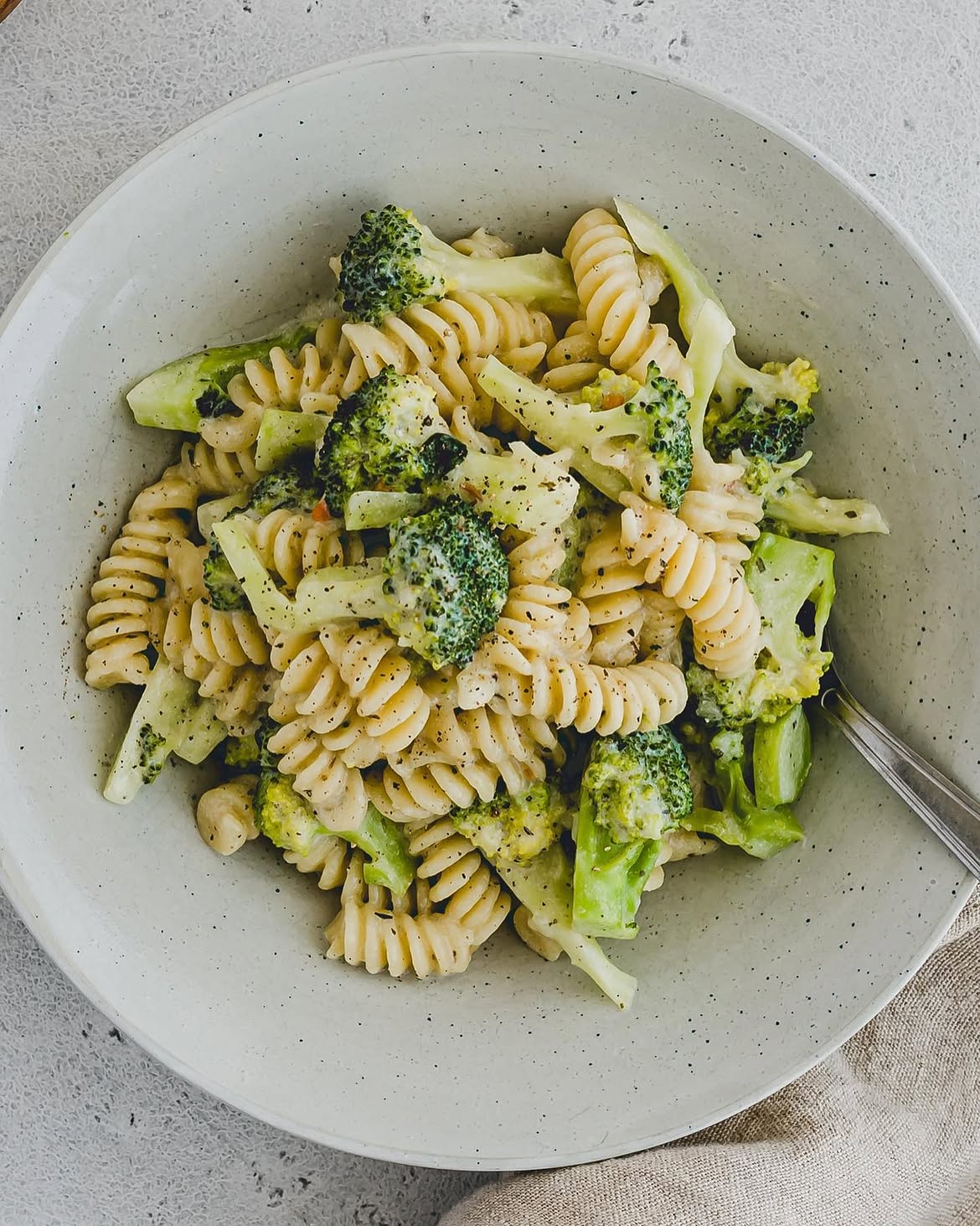
At home, pasta usually means one pot for boiling and another pan for sauce. At camp, I don’t see much reason for that extra washing.
For cheesy taco pasta, I start by browning ground beef or turkey. Then I add taco seasoning, dry pasta, salsa or canned tomatoes and enough water or broth to cook the pasta.
Let everything simmer together, stirring occasionally. Once the pasta is tender, stir in shredded cheese and give it a minute to melt.
The part to watch is your liquid.
I’ve learned to start with less than I think I’ll need and keep extra water nearby. You can always pour in another splash if the pasta is drying out. Fixing a pot that has turned into watery pasta soup isn’t nearly as pleasant.
Measure your pasta at home based on how many people you’re feeding. Keep the shredded cheese in a resealable bag in your cooler.
The same one-pot idea works without meat too, which is useful when cooler space is getting tight.
Chickpea Coconut Curry Cuts Down on Cooler Space
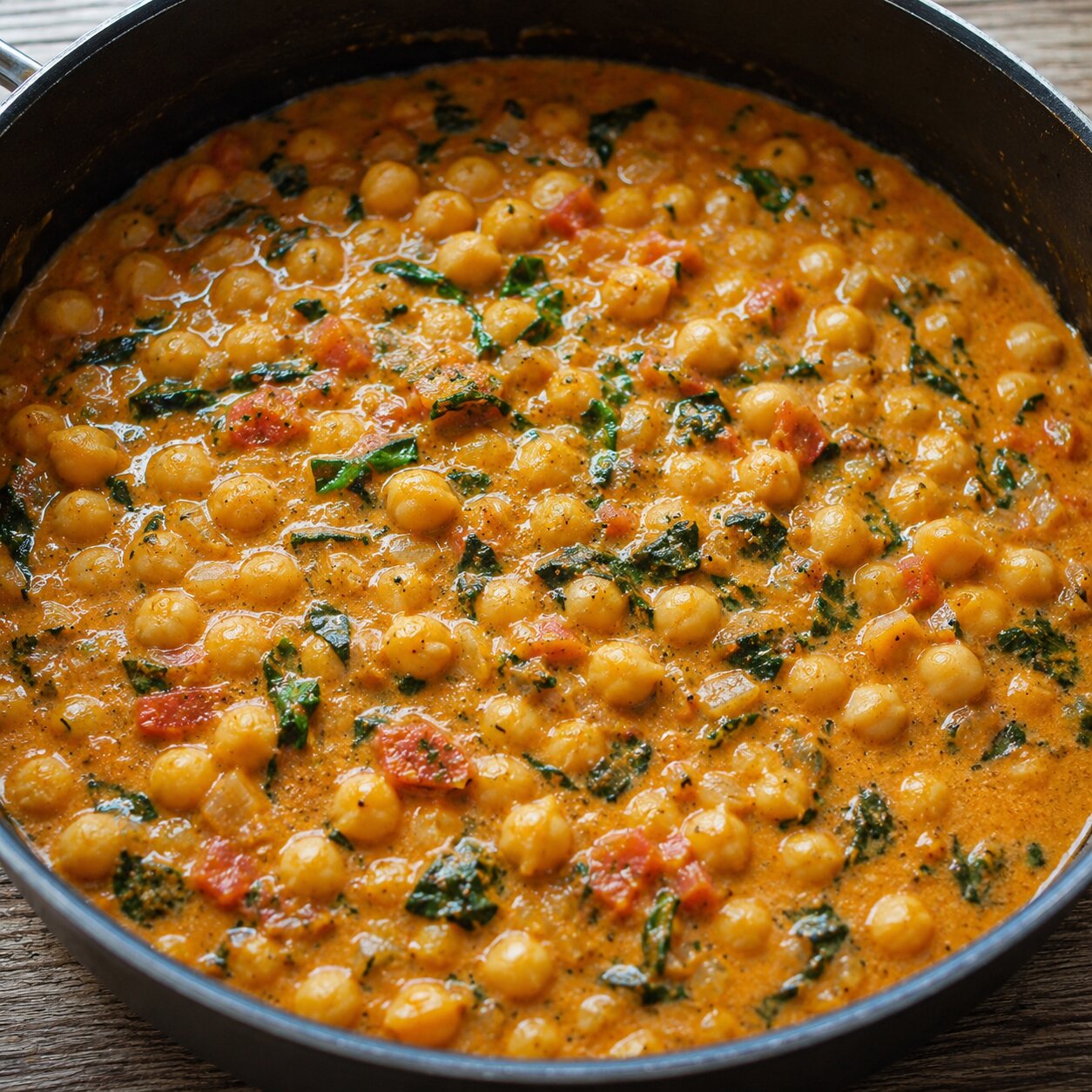
Not every camping dinner needs meat.
Chickpeas, rice and canned coconut milk make a good starting point because much of the meal can travel outside your cooler until you’re ready to cook.
I bring canned chickpeas, coconut milk, quick-cooking rice, curry seasoning and a vegetable that travels well, such as bell pepper.
Start the vegetables with your seasoning, then add chickpeas, coconut milk, rice and the amount of liquid your rice requires. Keep the heat controlled and stir enough to prevent the rice from sticking to the bottom.
This is another meal where I do the measuring before leaving home.
Put your rice in one container and your seasonings in another. Better yet, label ingredients by meal if you’re camping for several nights. It saves you from digging through food boxes while everyone is asking when dinner will be ready.
I’ve also found that meals built around shelf-stable ingredients give me more room in the cooler for foods that truly need refrigeration.
When I do bring raw poultry, I save my thermometer for one final check.
Chicken and Rice Works Best When You Keep the Pieces Small
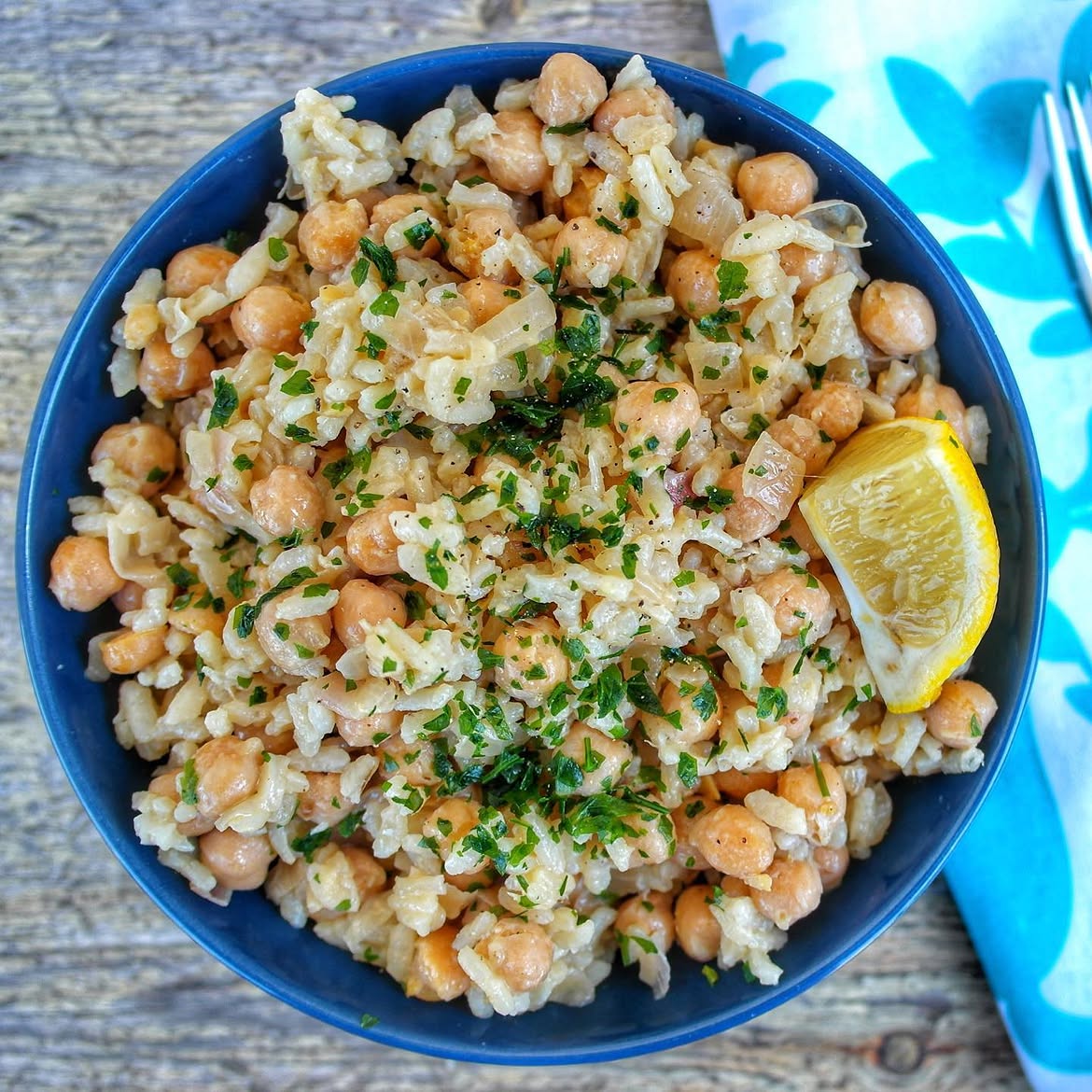
Chicken and rice sounds almost too ordinary for camping, but that’s part of its appeal.
You need chicken, quick-cooking rice, broth, onion, a vegetable such as peas and simple seasonings.
I cut the chicken into smaller pieces rather than trying to cook thick chicken breasts in a pot over a camp stove. Smaller pieces cook more predictably when the flame and outdoor conditions aren’t behaving like my stove at home.
Cook the chicken first, then add the onion. Once the chicken is nearly there, add the rice and measured broth. Cover the pot and let the rice cook, adding quick-cooking vegetables toward the end.
Use your food thermometer before serving. For chicken, you’re looking for that USDA-recommended 165°F.
Once dinner is done, don’t let the dirty pot become tomorrow morning’s problem.
My Biggest One-Pot Cleanup Trick Starts Before the Trip
Minimal-cleanup camping isn’t really about washing dishes faster. It’s about creating fewer things that need washing in the first place.
I chop vegetables at home, measure dry ingredients and combine spices before I leave. If I’m making several meals, I group the ingredients by dinner so I can grab what I need without unloading half the camp kitchen.
I also keep one cooking spoon nearby rather than reaching for a new utensil every few minutes, as long as it hasn’t been contaminated by raw meat.
Then I deal with the pot soon after eating. Dried cheese, rice and sauce become much harder to remove after sitting overnight.
REI’s camp-kitchen guidance recommends having a dedicated cleanup area and keeping items such as a wash basin, biodegradable soap, scraper or sponge and trash bags ready. REI also advises filtering food scraps from dishwater and following local rules for disposing of gray water.
That last part matters. Minimal cleanup shouldn’t mean dumping food-filled water beside your campsite.
Keep Camp Dinner Simple
You don’t need restaurant-style meals to eat well outdoors.
Sausage and potatoes, chili, taco pasta, chickpea curry and chicken with rice all give you something warm and filling without surrounding you with dirty cookware afterward.
My biggest lesson has been to do the annoying work at home. Chop what you can, portion the ingredients and measure the seasonings before the cooler ever goes into the car.
Then when you’re tired from hiking, driving or setting up camp, dinner doesn’t become another project.
You get one pot, a good meal and more of your evening back.
Also read: