New Zealand Bucket List: 7 Places That Look Almost Unreal
New Zealand gave me more than a few moments when I stopped walking and wondered how a place could look that good in real life.
Yet the scenery isn’t the only reason these places deserve room on your trip. The best stops give you something to do, whether that’s walking beneath huge mountains, cruising through a fiord or watching a dark cave ceiling glow above you.
If you’re building a New Zealand bucket list, these are seven places I’d make room for.
1. Milford Sound
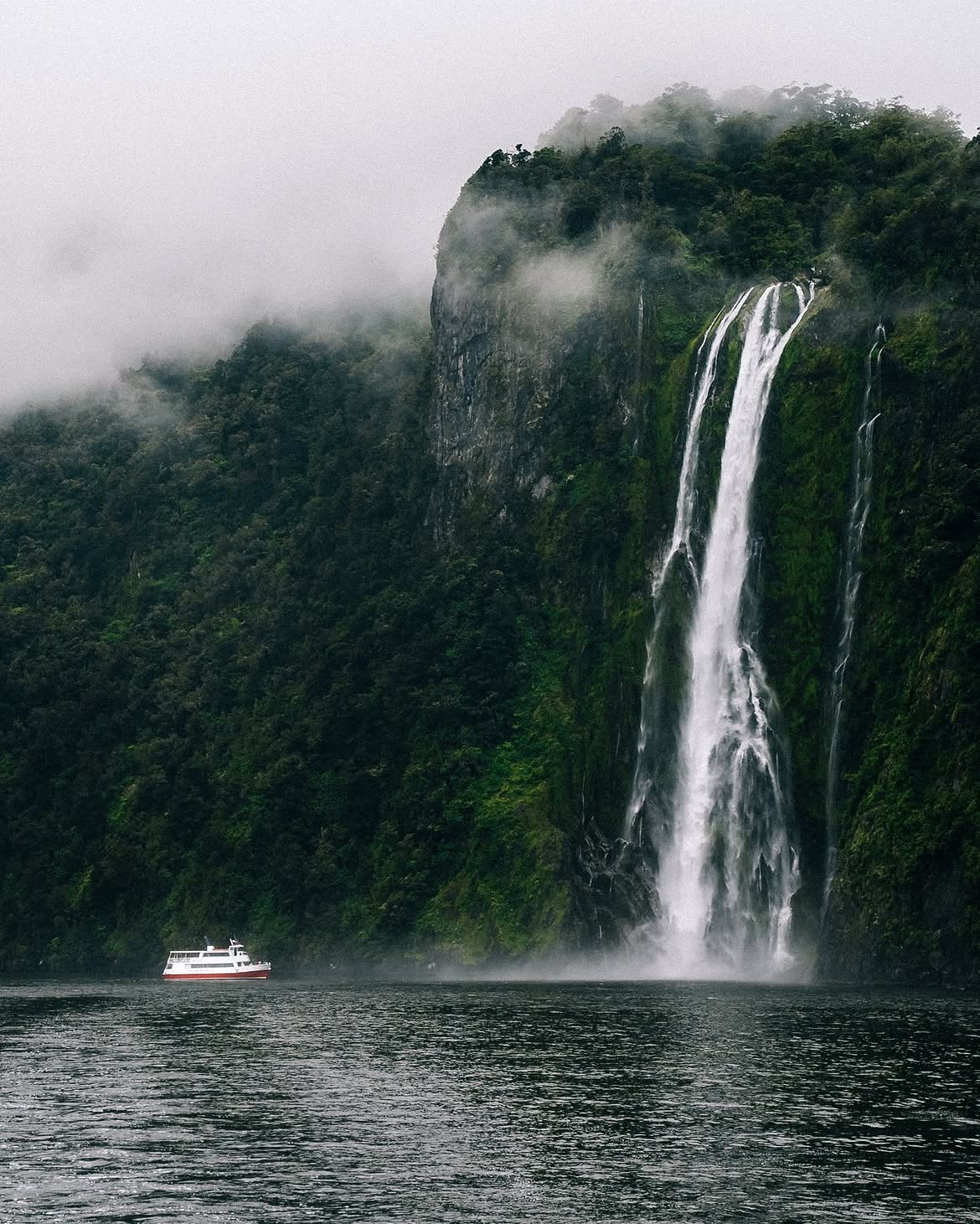
Milford Sound has the kind of scale that photographs struggle to capture. Once I was surrounded by steep mountains rising from dark water, I understood why seeing it from the shore alone wouldn’t be enough.
Get onto the water if you can. A cruise lets you see the cliffs and waterfalls from below, while the journey along Milford Road adds another layer to the day.
I wouldn’t rush back to another destination afterward. Give the road time for scenic stops and use Te Anau as a practical base if that fits your route.
From the water, I’d head inland for an entirely different kind of giant.
2. Aoraki/Mount Cook
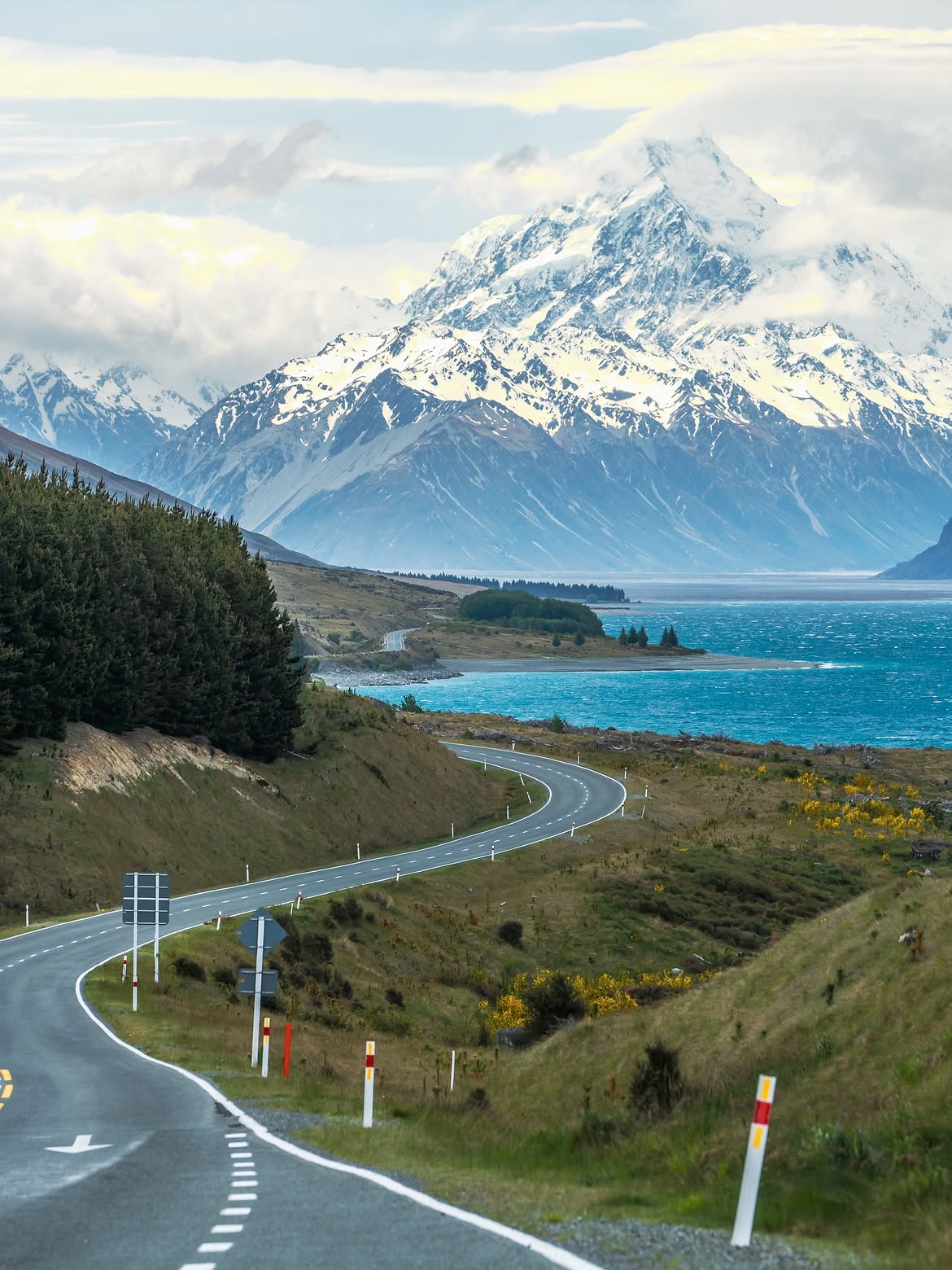
Aoraki/Mount Cook is where New Zealand made me feel wonderfully small.
Mountains dominate the horizon, while glacier-fed water and broad valleys make even a simple walk feel like you’ve gone much farther into the wilderness.
Tourism New Zealand identifies Aoraki/Mount Cook as the country’s highest mountain and recommends walking and hiking around Aoraki/Mount Cook National Park as one way to experience the area.
Don’t make a long hike your only plan. Choose a walk that suits your available time and the conditions, then keep a shorter backup option ready.
I’d also stay nearby for a night if the itinerary allows. The next stop makes that choice even easier.
3. Lake Tekapo
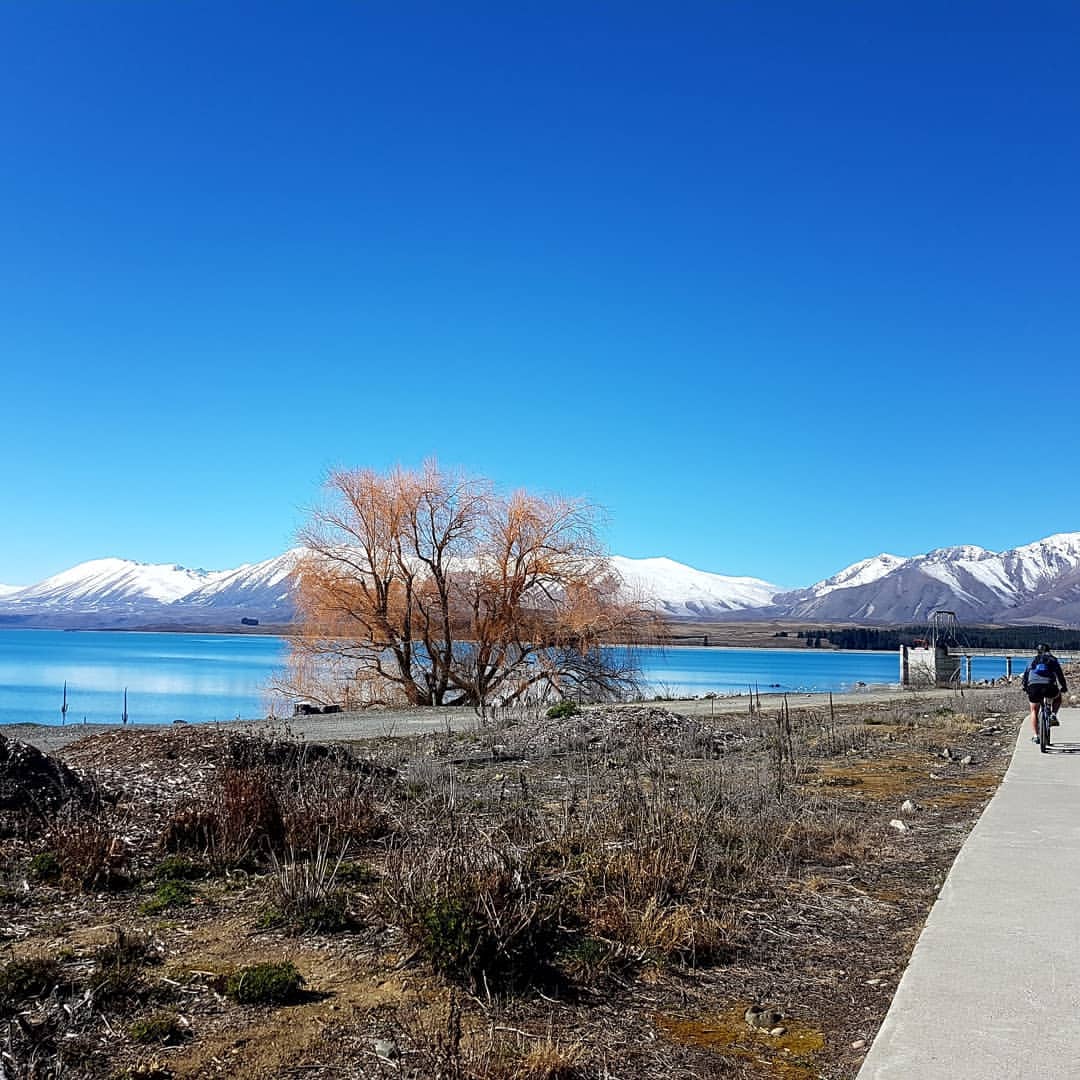
Lake Tekapo can look almost artificially blue when the light hits it right. I remember wanting to linger rather than take the photo and immediately get back in the car.
That’s exactly what I’d recommend you do.
See the lake and Church of the Good Shepherd during daylight, but don’t treat Tekapo as a lunchtime photo stop. Stay into the evening so the day changes pace once darkness arrives.
Tekapo also pairs naturally with Aoraki/Mount Cook. Putting them together saves you from bouncing between unrelated parts of the South Island.
Once you’ve had your fill of blue water and mountains, New Zealand’s volcanic terrain changes the mood fast.
4. Tongariro National Park
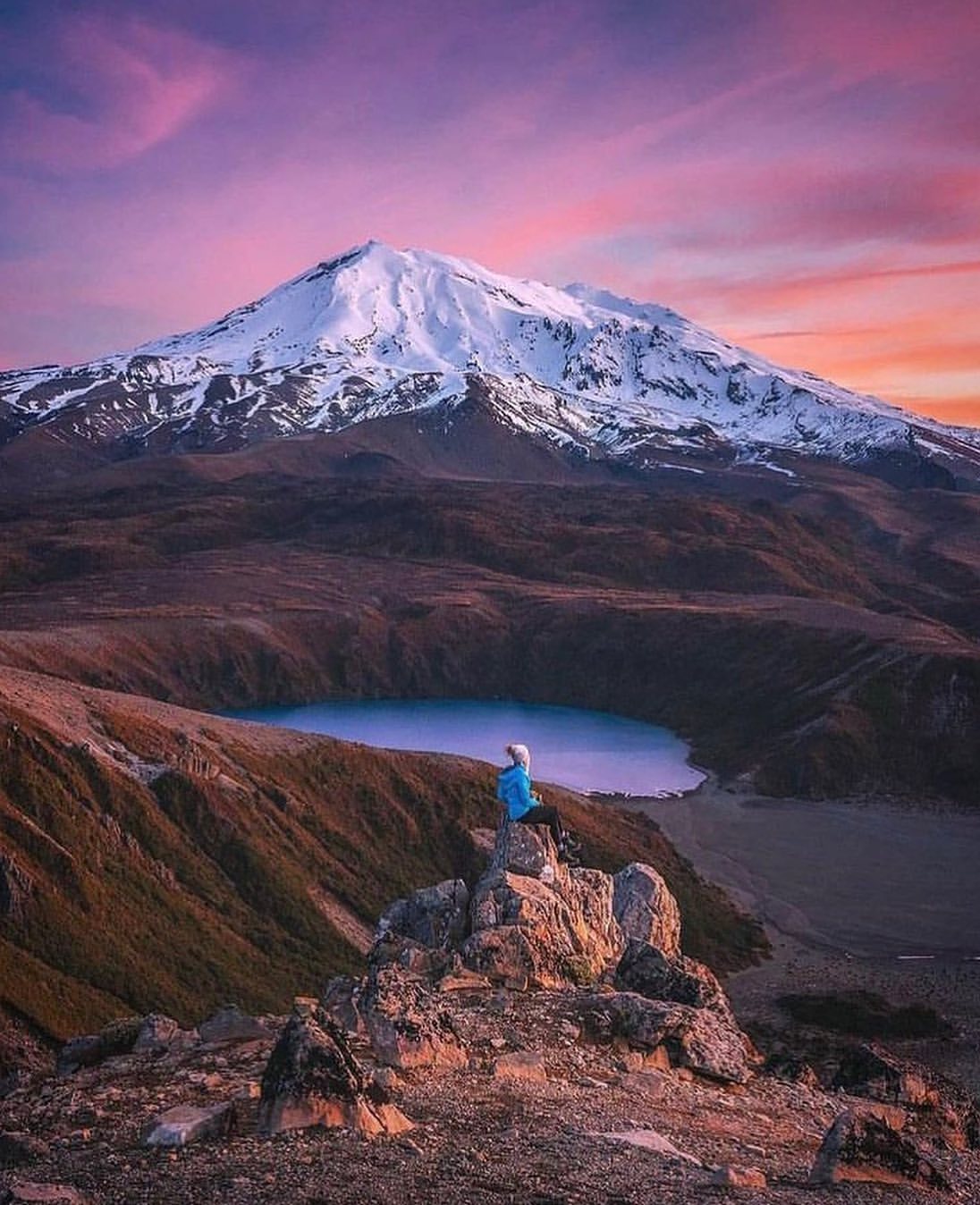
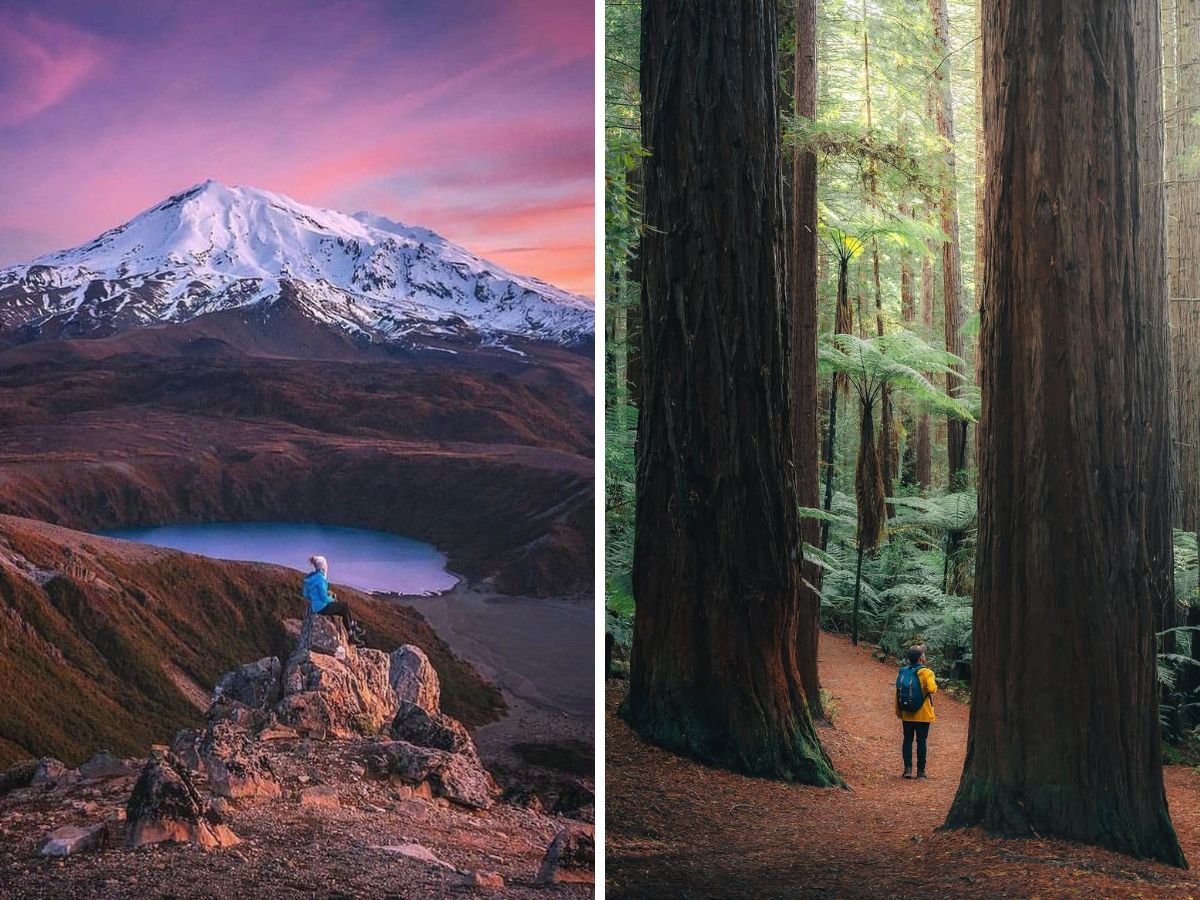
Tongariro doesn’t look like the New Zealand of calm lakes and green hills.
Here, volcanic peaks, exposed terrain and old lava flows make the landscape feel raw. If you’re considering the Tongariro Alpine Crossing, build some flexibility into your schedule.
The New Zealand Department of Conservation warns that the Tongariro Alpine Crossing has alpine hazards and requires a high level of fitness.
That matters when you’re planning from home. Don’t make completing the crossing the one thing your entire North Island itinerary depends on.
Keep shorter walks or viewpoints in mind as backups. You’ll still experience the volcanic setting without forcing a hike when conditions aren’t right.
Next, trade the wide-open landscape for complete darkness.
5. Waitomo Glowworm Caves
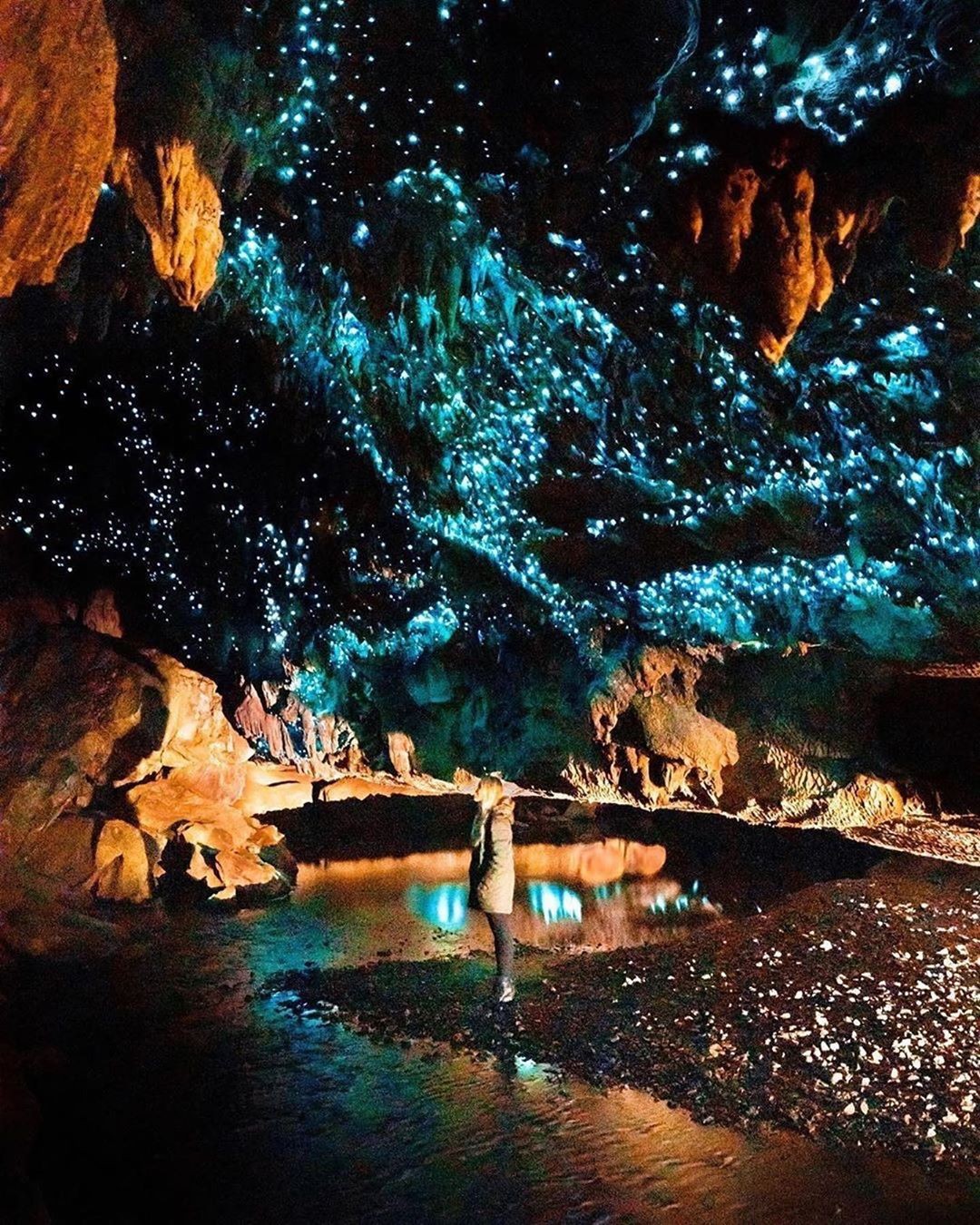
Waitomo gives you something mountains simply can’t.
Going underground and looking up at tiny glowworms scattered across the darkness feels strangely close to staring at a night sky. It’s one of those experiences where being quiet for a moment makes it better.
I’d reserve your cave experience ahead when your travel dates are fixed. It removes one uncertainty from a road trip and lets you plan the rest of the day around your entry time.
Waitomo also works better as part of a North Island route than as an isolated detour.
After being underground, Abel Tasman brings you straight back into the sunshine.
6. Abel Tasman National Park
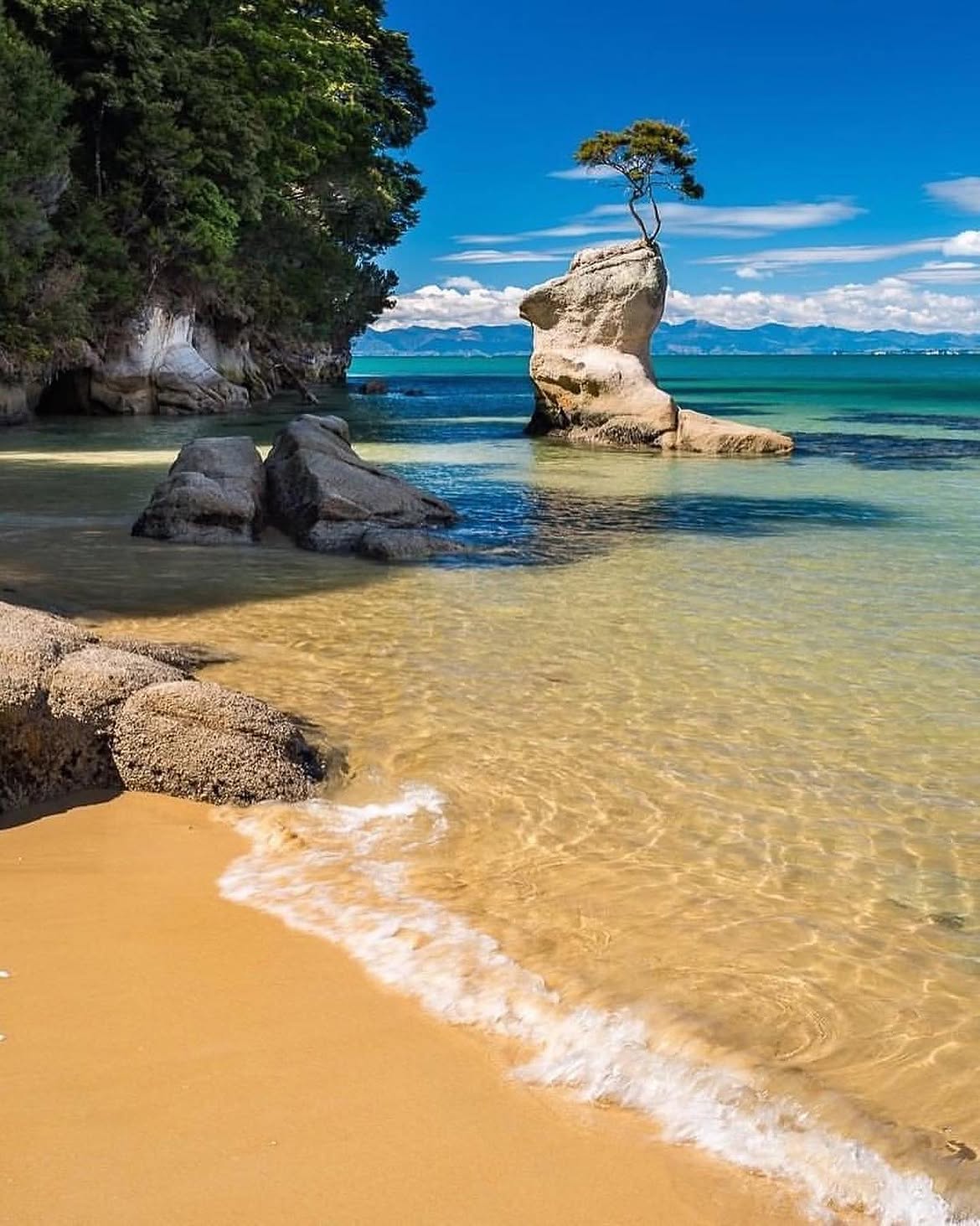
Abel Tasman surprised me because the golden beaches and clear coastal water felt so different from the alpine New Zealand I’d pictured before traveling.
You don’t need to cover the whole park to enjoy it.
Choose one section and experience it properly. A water taxi paired with a coastal walk can give you both perspectives, while kayaking works well if you’d rather spend more time on the water.
The temptation is to squeeze several areas into the same day. I’d resist it. A beach is much more enjoyable when you’re not checking your watch every few minutes.
For the final stop, the scenery gets stranger again.
7. Wai-O-Tapu and Rotorua
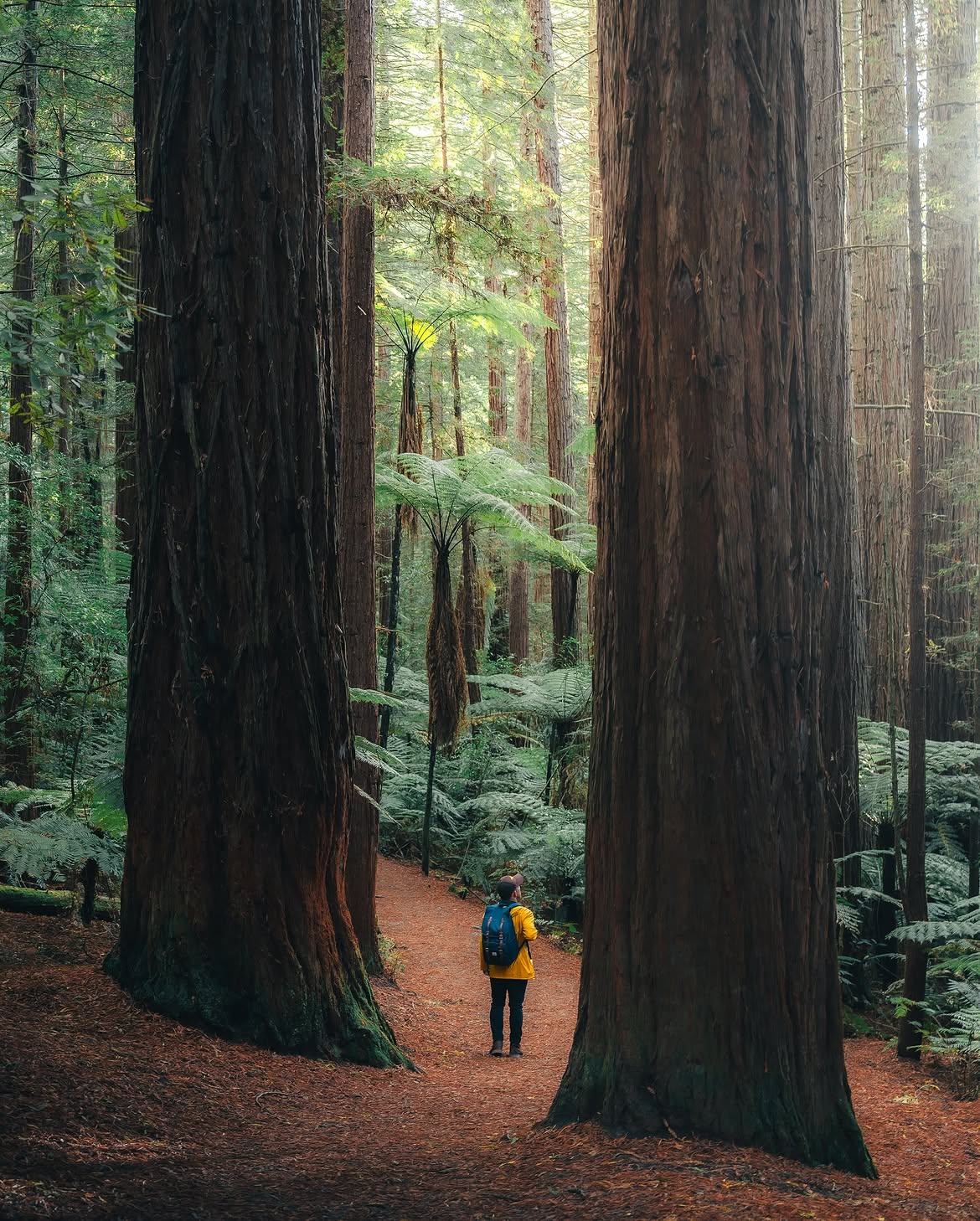
Rotorua’s geothermal country can make the ground itself look alive.
Steam rises around you, mud bubbles and mineral-rich pools take on colors you don’t expect to see naturally. I found that contrast refreshing after spending so much time looking at mountains, lakes and coastlines.
National Geographic described Wai-O-Tapu as looking like another planet while discussing its geothermal springs, craters and colorful Champagne Pool.
Give the geothermal area at least half a day rather than squeezing it between two long stretches of driving. You’ll enjoy it much more when you’re not treating every stop as a race.
How I’d Turn These Places Into a Real New Zealand Trip
I wouldn’t attempt all seven unless I had enough time to travel across both islands without rushing.
For a South Island-focused trip, I’d build around Milford Sound, Aoraki/Mount Cook, Lake Tekapo and Abel Tasman. On the North Island, I’d connect Rotorua, Tongariro and Waitomo.
More than anything, leave empty space in your itinerary.
New Zealand has a way of making you pull over, walk a little farther or stay somewhere longer than planned. Some of my favorite moments came when I had enough time to do exactly that.
The places may look unreal in photographs. Give them enough time, though, and the experience of actually being there becomes the part you’ll remember.