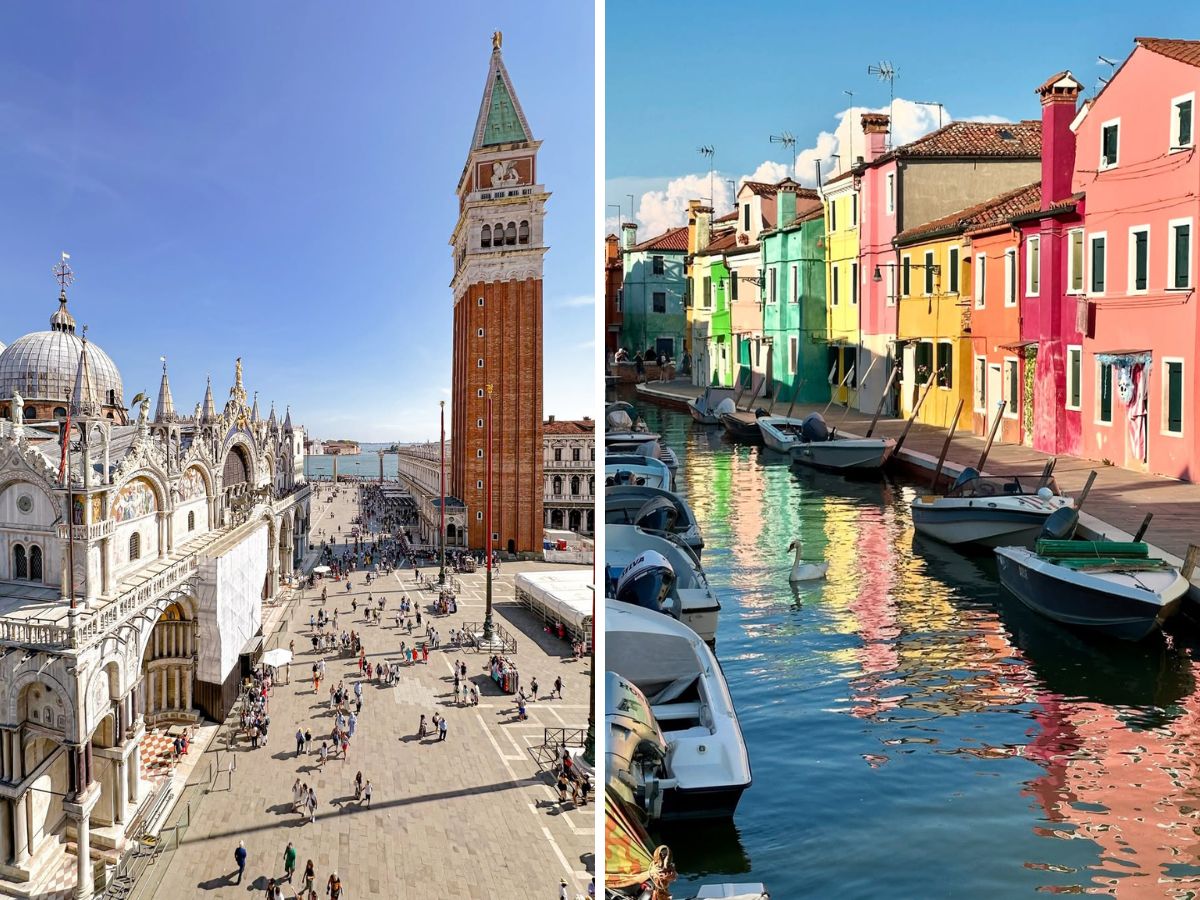
Venice, Italy Photography Spots You Can’t Miss
You can spot a rushed Venice photo instantly.
Flat light. Crowds everywhere. Gondolas sitting still like props.
And if you’ve ever looked at your photos later and thought, why don’t these feel like Venice, you’re not alone.
I made the same mistake on my first morning there. I showed up late, shot fast, and left with images that looked fine on the surface but felt empty the moment I looked at them again.
Nothing about them captured what it actually felt like to be there.
Then I did something different.
I slowed down. I started paying attention to light, movement, and small moments most people walk past.
That’s when everything changed.
Here’s what I realized.
It’s not that Venice is hard to photograph. It’s that most people are looking at it the wrong way.
This guide will show you exactly how to fix that.
Not just where to stand, but how to approach each spot so your photos feel layered, alive, and worth keeping.
Because once you see Venice this way, you can’t unsee it.
And the difference shows up immediately in your photos.
Why Most Venice Photos Fall Flat
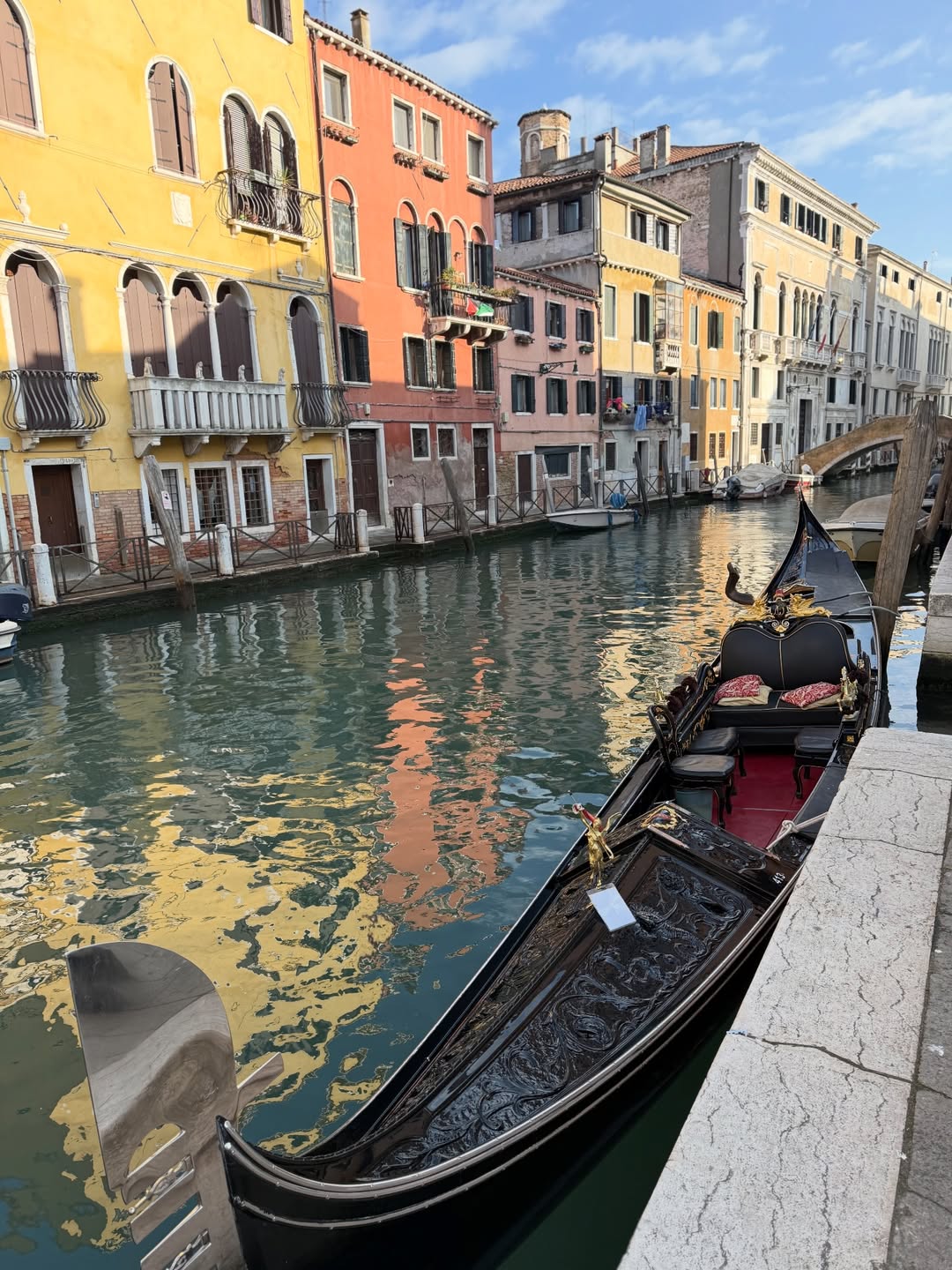
Here’s the pattern I kept noticing.
People arrive mid-morning. They stop wherever the crowd slows down. They lift their camera, take a quick shot, and keep moving.
No pause. No adjustment. No second look.
The result feels busy and lifeless at the same time.
Even National Geographic describes Venice as a city built around movement, from gondolas cutting through canals to ferries and shifting lagoon views. That motion is the whole story.
But most photos miss it completely.
Here is where it goes wrong.
When you shoot too fast, you capture what’s in front of you, not what’s happening. And Venice isn’t a place that reveals itself instantly.
It builds.
Light shifts across the water. A reflection sharpens for a second, then disappears. Someone walks through a narrow alley at just the right moment.
If you’re already moving, you miss all of it.
I didn’t realize this until I stopped trying to “cover” Venice and started waiting instead.
That’s when my photos finally started to feel like something.
Let’s fix that, starting with the place almost everyone rushes through.
1. St. Mark’s Square — Shoot It Without the Chaos
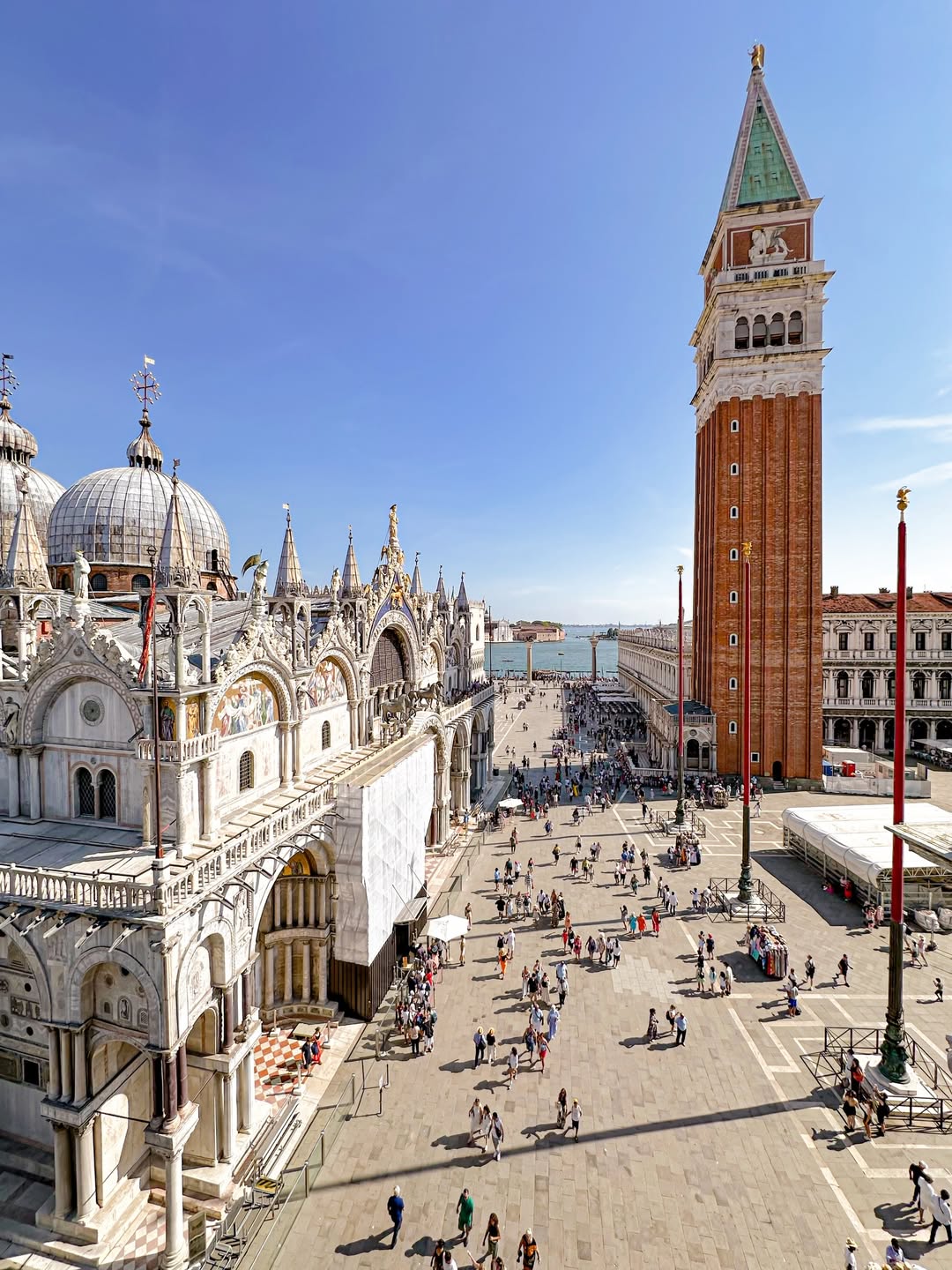
The first time I came here, I showed up at noon.
Big mistake.
The square was loud, crowded, and harshly lit. Shadows cut across the ground. People moved in every direction. I took a few shots and left within ten minutes.
Nothing worked.
The next morning, I came back before sunrise.
Completely different place.
The square felt open. The light softened everything. Even the smallest details started to stand out. Footsteps echoed instead of blending into noise.
That’s when I finally got the shot I had been trying to force the day before.
Travel + Leisure notes that most visitors build their time around St. Mark’s Square and gondola rides. That’s exactly why this spot fills up so quickly, and why timing matters more than anything else here.
Here’s what I started doing differently.
Instead of shooting right away, I walked the edges first. I looked for arches that could frame the scene. I waited for the light to even out across the ground.
Then I stayed still.
After a few minutes, the scene simplified on its own. Fewer people crossed the frame. Reflections became clearer. One subject stood out instead of ten.
That’s the moment to shoot.
If you try this, keep it simple.
Arrive just before sunrise.
Look down as much as you look ahead, especially if the ground is slightly wet.
Use the arches to add depth instead of shooting everything wide.
And most important, wait for the frame to clear instead of forcing it.
Venice rewards patience in a way most places don’t.
And once you see that here, it changes how you approach the rest of the city.
2. Rialto Bridge — Skip the Angle Everyone Has
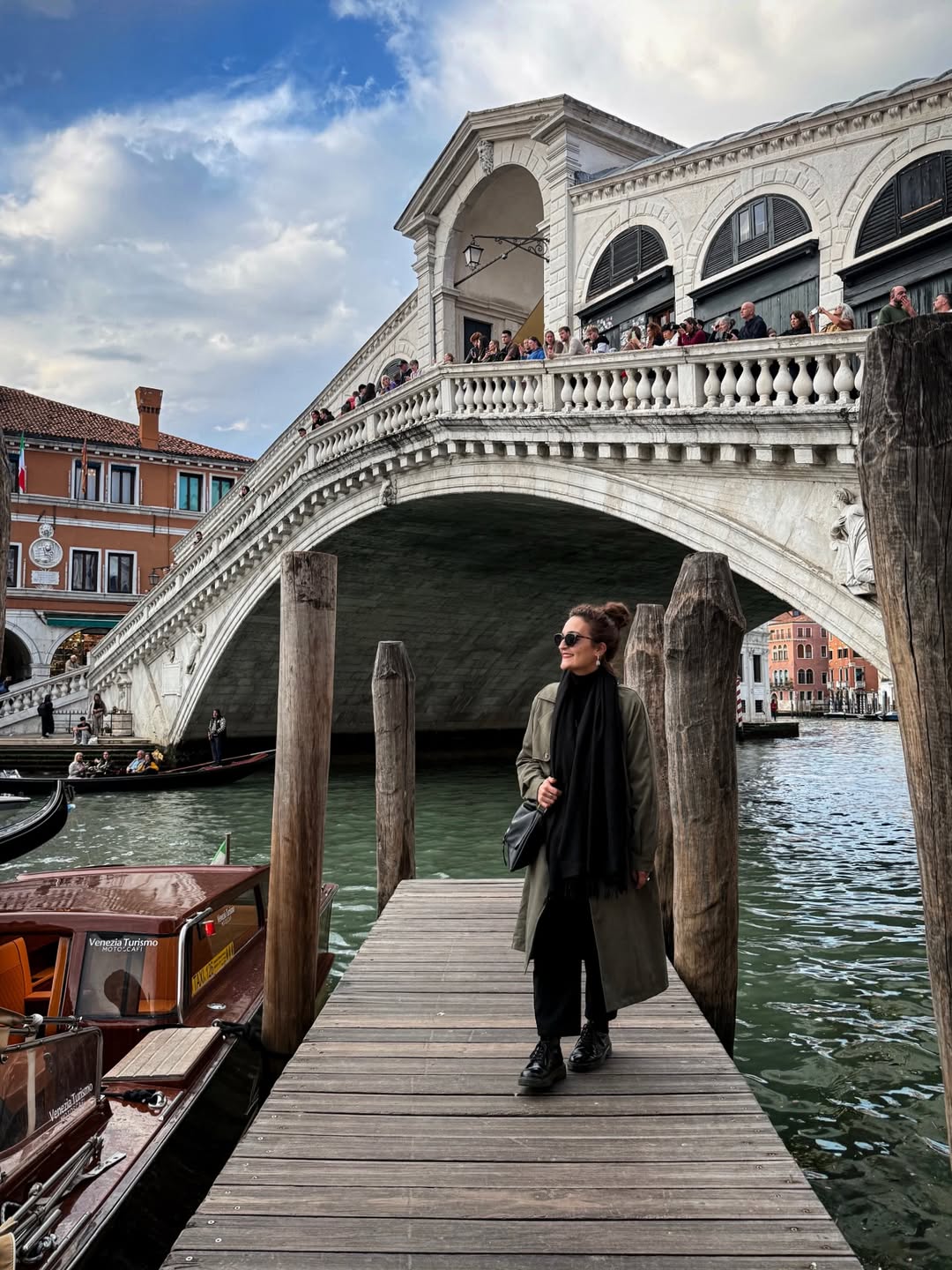
Most people come here, walk to the center, look down the canal, take the photo, and leave.
It works.
But it also looks like every other version of the same shot.
I did exactly that the first time. And when I checked my camera later, it felt flat. No depth. No story. Just a view.
So I came back the next morning and did something different.
I didn’t stop on the bridge.
I walked past it.
A few steps away, I turned back and saw it from the side instead. The canal stretched out differently. Boats moved across the frame instead of straight toward me. The scene finally had layers.
That small shift changed everything.
Lonely Planet even suggests visiting Rialto between 7 and 8 a.m. to avoid the crowds. That early window doesn’t just give you space. It gives you control over your composition.
Here’s what worked for me after that.
I stopped chasing the “main view” and started looking for angles that felt less obvious. I used the canal as a leading line instead of a backdrop. I waited for a boat to pass through the frame before taking the shot.
The difference shows up immediately.
If you’re here, try stepping away before you shoot. Give yourself a few extra minutes to look around.
The best angle usually isn’t the one everyone else is standing in.
Now let’s move closer to the water, because that’s where Venice starts to feel alive.
3. Grand Canal — Use Movement Instead of Fighting It

At first, I treated boats like a problem.
They kept getting in the way of my shots. I would wait for a clear frame, take the photo, and move on.
But those photos felt empty.
The moment I stopped avoiding movement and started using it, everything changed.
The Grand Canal isn’t meant to be still. Boats cut across the water. Reflections shift constantly. Light bounces in ways you can’t predict.
That movement is what gives the scene energy.
Italia.it highlights how central the Grand Canal and Rialto Bridge are to Venice, even noting their place within a UNESCO-listed setting. That history doesn’t feel static when you’re there. It feels active, layered, and constantly changing.
So I changed how I shot it.
Instead of staying in one spot, I got on a vaporetto and let the city move around me. I stopped trying to freeze everything and let a bit of motion stay in the frame.
A passing boat. A ripple in the water. A reflection that isn’t perfectly sharp.
Those small details made the photo feel real.
If you want to try this, don’t wait for a perfect still moment.
Look for movement instead.
Let a boat pass through your frame before you shoot. Watch how the light hits the water during late afternoon. Shift your position slightly instead of zooming in.
Once you stop trying to control the scene, Venice starts giving you better moments.
And from here, things get even more interesting when color enters the picture.
4. Burano — Color Is Easy, Balance Is Not
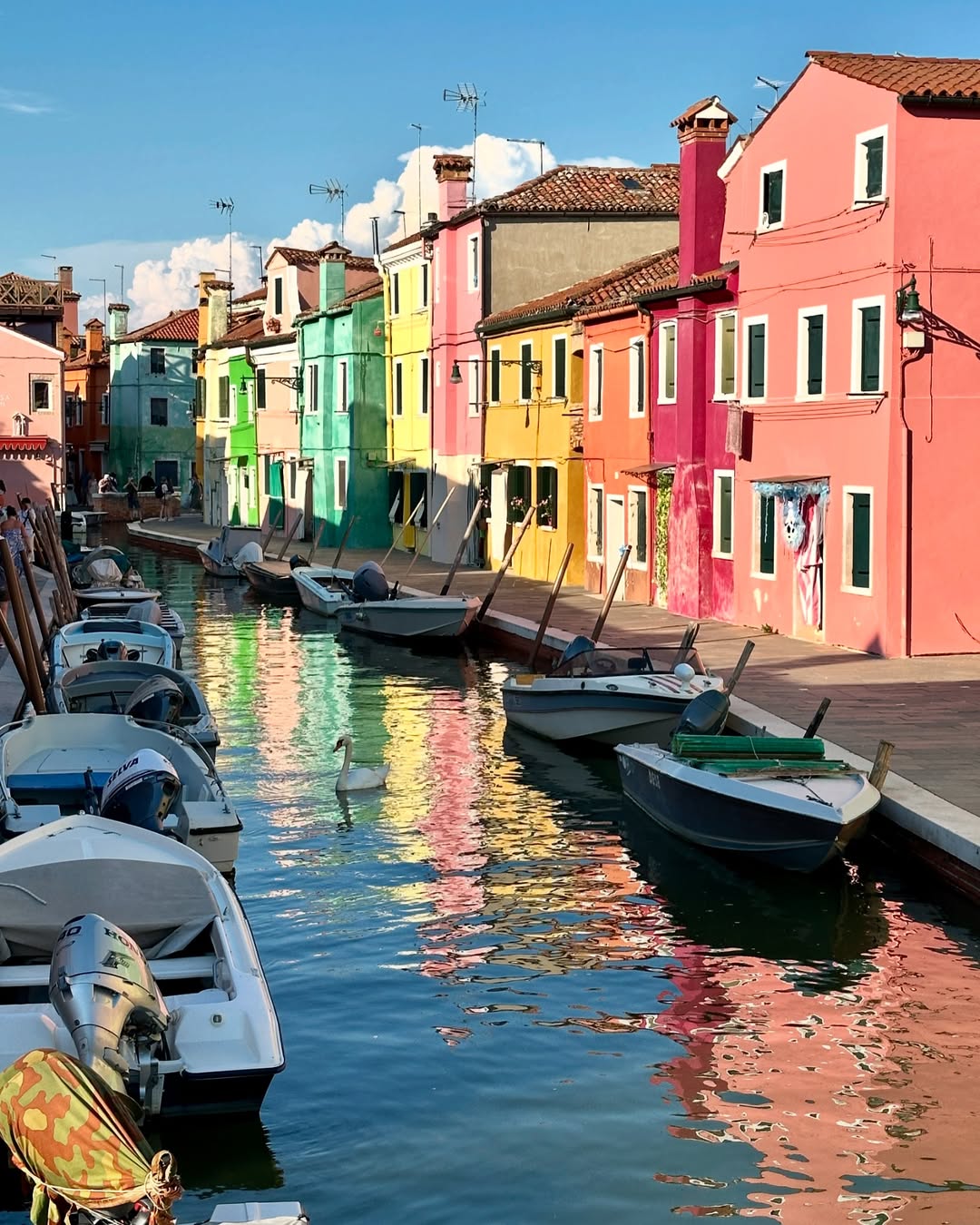
Burano looks perfect the moment you arrive.
Bright houses. Sharp contrasts. Every corner feels like it should be a photo.
And that’s exactly where most people go wrong.
They try to capture all of it at once.
I did the same thing at first. I kept stepping back, trying to fit more color into the frame. More buildings. More details. More everything.
And every photo felt messy.
Even though Venezia Unica describes Burano as a colorful jewel of the lagoon, that color can overwhelm your frame if you don’t control it.
Here is what changed things for me.
I stopped chasing the full scene.
Instead, I picked one element and built the photo around it. A single green door against a pink wall. A line of laundry cutting across two houses. A reflection that doubled the color without adding clutter.
Suddenly, the images felt cleaner. Stronger. More intentional.
If you’re here, try slowing yourself down before you shoot.
Walk a little further than the obvious spots. Pause when something simple stands out. Then give it a few seconds before lifting your camera.
You’ll notice the frame starts to organize itself.
Keep this in mind while shooting.
Look for patterns instead of randomness.
Let one color lead instead of competing with five.
Include a small human detail when possible.
And if the streets feel crowded, come back early when everything is quieter and easier to control.
Burano doesn’t need more in your frame.
It needs less.
And once you get that, even the busiest street starts to feel manageable.
Now let’s move back to something iconic, but still easy to flatten if you rush it.
5. Gondolas — Make Them Feel Alive, Not Staged
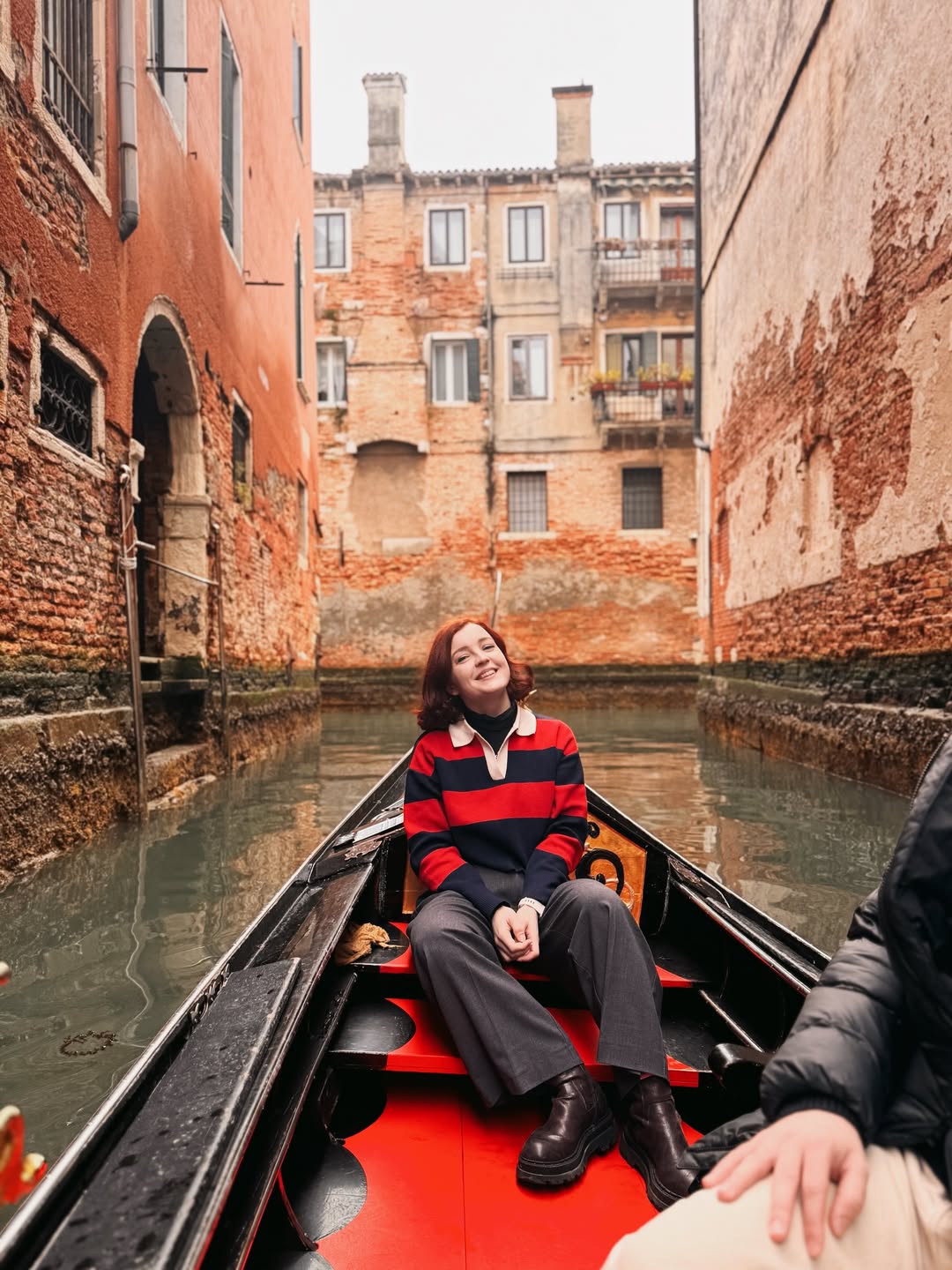
Parked gondolas look great for about five seconds.
Then every photo starts blending together.
I remember standing near a row of them, taking shot after shot, thinking one of them would work.
None did.
They felt too still. Too predictable.
The shift happened when I stopped shooting what was already there and started waiting for something to happen.
A gondola sliding through a narrow canal. A gondolier adjusting direction with a quick movement. Water trailing behind in uneven lines.
That’s when the scene finally felt alive.
Now I don’t even lift my camera right away.
I watch first.
I look for direction, light, and movement. Then I wait for all three to line up.
If you try this, don’t rush the shot.
Stay low if you can, close to the waterline. Let something sit in the foreground to add depth. Pay attention to where the light hits the edges of the boat, especially late in the day.
And most important, wait for motion.
A moving gondola will always tell a better story than a parked one.
Once you start noticing that difference, it’s hard to go back to static shots.
Now let’s step away from the obvious entirely, because this is where Venice starts to feel personal.
6. Narrow Alleys and Hidden Canals — Where Venice Feels Real
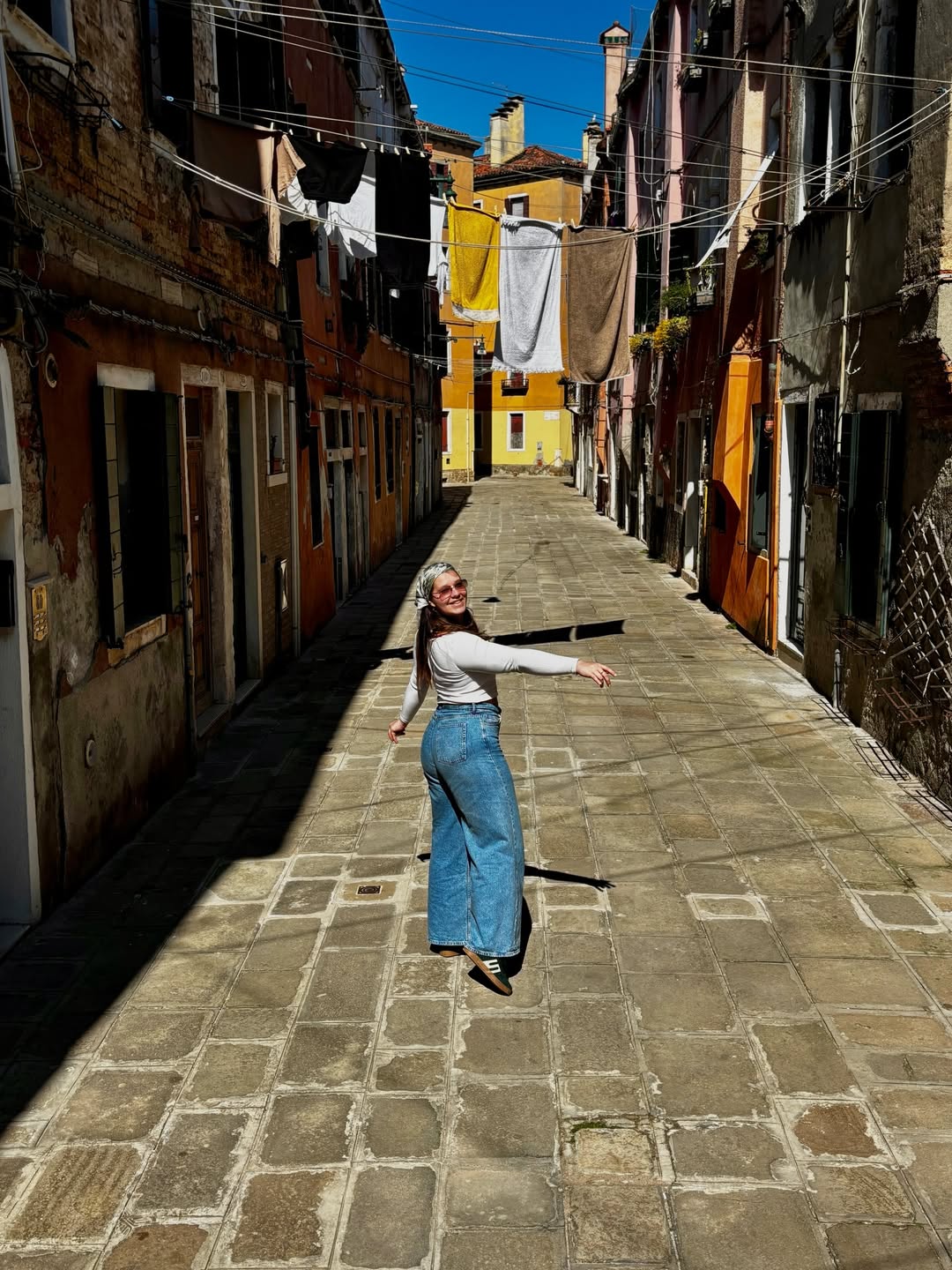
This is where everything slowed down for me.
No crowds. No pressure to get “the shot.” Just quiet streets, soft light, and time to look properly.
At first, I didn’t plan to shoot here at all.
I was just walking between major spots, taking random turns to avoid busy streets. Then I noticed something.
The light felt different.
It didn’t hit everything at once. It slipped into the space, touching one wall, leaving the rest in shadow. It created contrast without effort.
That’s when I stopped walking and started paying attention.
I waited in one narrow alley for a few minutes. Nothing happened at first. Then someone walked through, just for a second, and the whole frame came together.
That ended up being one of my favorite photos from Venice.
If you want that kind of shot, don’t look for it directly.
Walk without a fixed route. Turn into smaller streets. Stop when something feels slightly different.
Then wait.
These spaces reward patience more than anywhere else in the city.
Keep your approach simple.
Use the lines of the alley to guide the frame.
Watch where the light falls and where it doesn’t.
Avoid adding too much into the shot.
And wait for a single subject instead of a crowd.
The result feels quieter, more personal, and far less staged.
And once you start seeing Venice this way, even the busiest areas begin to open up in unexpected ways.
7. Bridges — Your Shortcut to Better Composition
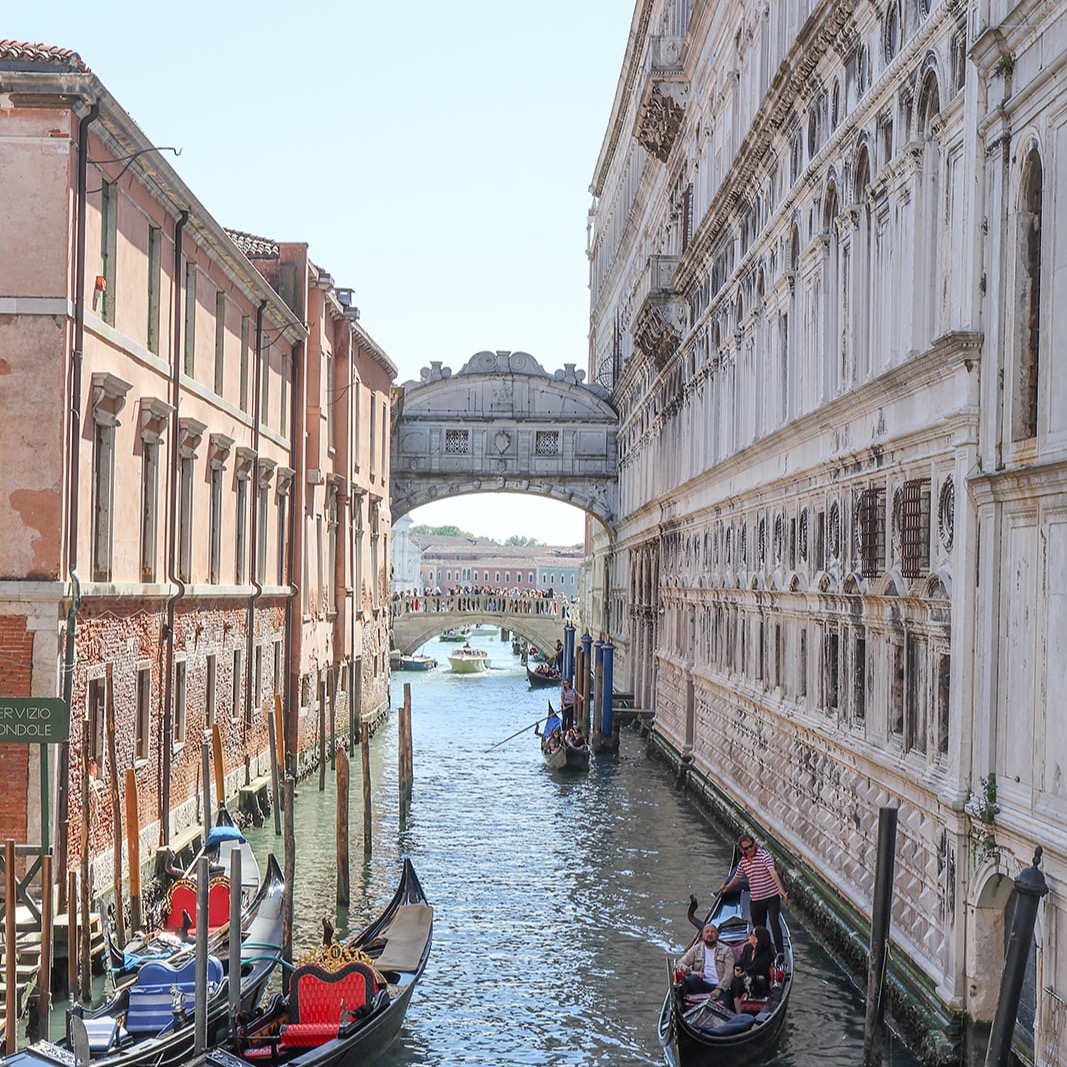
Venice has hundreds of bridges.
Most people cross them without even noticing.
I did the same thing at first. Just walking over them, looking ahead, thinking about the next stop.
Then I paused on one.
Nothing special about it. No crowd. No famous view. Just a quiet canal below and soft light hitting one side of the wall.
That’s when I saw it.
The curve of the bridge pulling the frame together. The canal narrowing into the distance. A small boat passing through at the exact right moment.
I didn’t need to search for a composition anymore. It was already there.
From that point on, I stopped treating bridges as something to walk over.
I started using them.
From above, they give you structure and direction. From below, they frame the scene naturally. From the side, they create curves that guide the eye without effort.
If you’re here, don’t rush across.
Pause halfway. Look down. Then look behind you.
Sometimes the better shot isn’t where you were going. It’s where you just came from.
Try shifting your position slightly instead of settling for the first view. Let the arch shape your frame. Wait for a small moment, like a passing boat or a ripple in the water.
Once you notice how much a bridge does for your composition, you’ll start seeing shots everywhere without forcing them.
And that changes how you move through the city completely.
Sunrise vs Sunset — This Changes Everything
I didn’t expect timing to matter this much.
But it changes everything.
The first morning I went out early, Venice felt almost empty. No rush. No noise. Just soft light and space to think before taking a shot.
It gave me control.
I could take my time. Adjust my angle. Wait for the right moment without someone stepping into the frame every few seconds.
Sunset felt completely different.
More people. More movement. Warmer light bouncing off the water. Harder to manage, but full of energy.
At first, I struggled with it.
Then I stopped trying to control everything and let the movement stay in the shot. That’s when sunset started working for me too.
If you’re choosing between the two, it comes down to what you want your photos to feel like.
If you want clean, quiet, and simple, go early.
If you want motion, warmth, and a bit of unpredictability, go later.
If you can, try both on different days.
The difference isn’t subtle. You’ll feel it immediately.
Simple Composition Tweaks That Instantly Improve Your Shots
I used to think I needed better gear.
A sharper lens. A better camera. Something that would fix my photos.
It never did.
The real change came from small decisions I wasn’t paying attention to.
Like where I stood. What I left out of the frame. How long I waited before taking the shot.
I remember standing in a narrow canal, taking the same photo over and over.
Then I moved two steps to the left.
That was it.
Suddenly, the background cleared. The lines aligned better. The whole image felt cleaner without changing anything else.
That’s when it clicked.
You don’t need big changes. You need small adjustments.
If you’re shooting in Venice, pay attention to these moments.
Shift your position instead of zooming in.
Let something sit in the foreground when it makes sense.
Avoid placing everything in the center unless it truly works.
Give the scene a few seconds before you shoot.
And always check what’s in the background before pressing the shutter.
These aren’t complicated changes.
But they’re the ones that separate a quick photo from one that actually holds attention.
What I Carried (And What I Didn’t)
I overpacked on my first day.
Heavy bag. Extra lenses. Things I thought I might need.
It slowed me down immediately.
Every time I wanted to shoot, I had to stop, think, switch lenses, adjust. By the time I was ready, the moment was gone.
So I changed it the next day.
One camera. One lens. Comfortable shoes.
That’s it.
And everything became easier.
I moved faster. I noticed more. I reacted quicker when something interesting happened.
Venice isn’t a place where you stay in one spot for long. You’re constantly walking, turning, adjusting.
The lighter you move, the more present you feel.
And that shows up in your photos.
If you’re packing for this, keep it simple.
Bring only what you know you’ll use. Leave space for movement instead of gear.
You’ll thank yourself after the first hour.
Final Thought
Venice is one of the most photographed places in the world.
And still, most photos miss what it actually feels like to be there.
I made that mistake at the start.
I rushed. I chased spots. I tried to capture everything too quickly.
None of it worked.
The photos that stayed with me came later, when I slowed down enough to notice what was already happening.
A reflection forming for a second. A person walking through the frame at the right time. Light shifting just enough to change the entire scene.
That’s the version of Venice worth capturing.
Not the obvious one.
The one that reveals itself when you stop moving and start paying attention.
And once you see it that way, you won’t go back to shooting it any other way.
Also read: