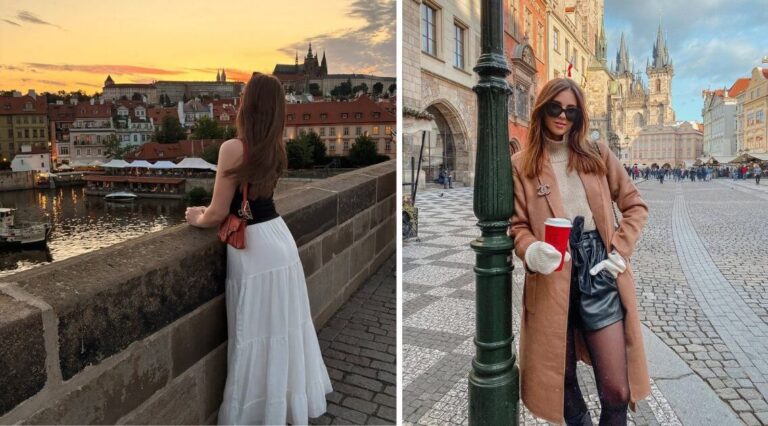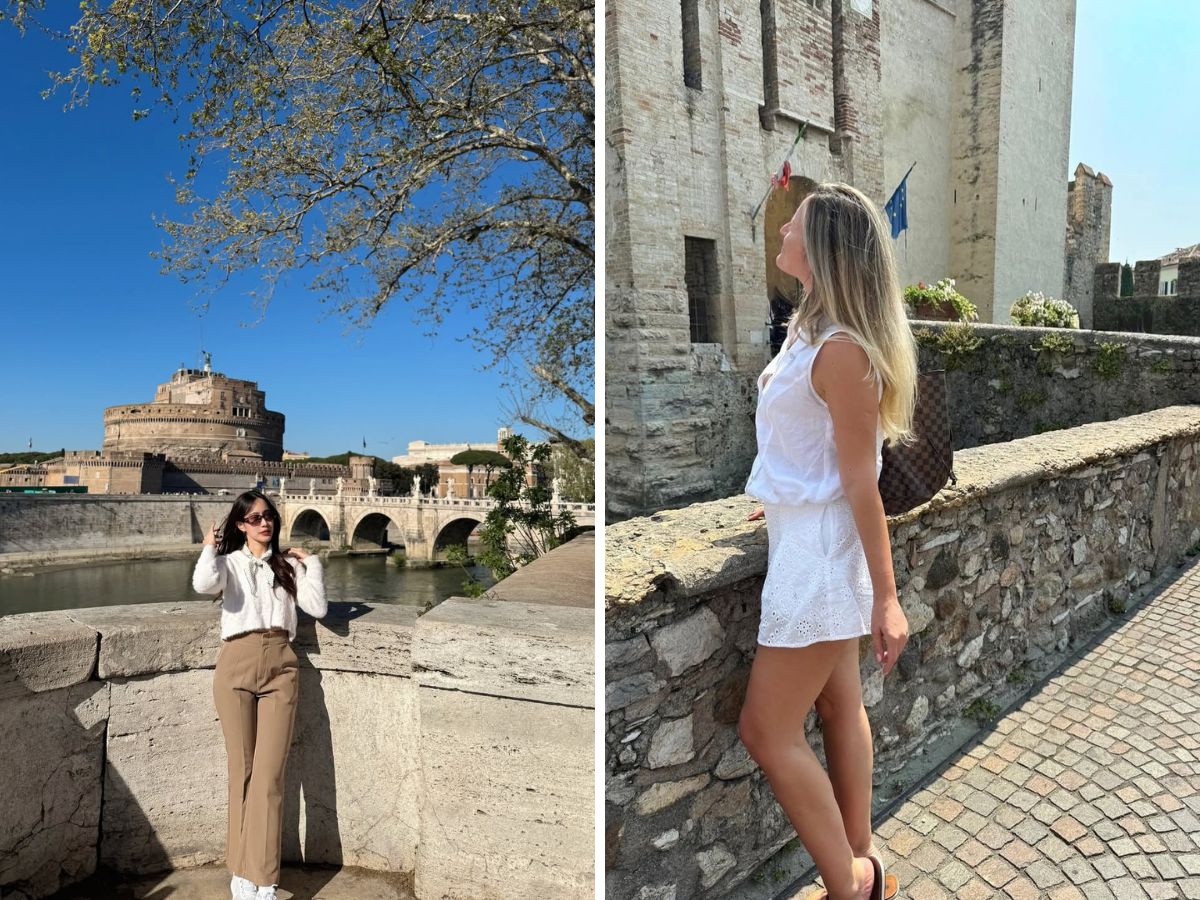
Italy Summer Outfits That Keep You Cool & Stylish
The first morning I stepped out in Rome, I thought I had it figured out.
Light outfit. Good shoes. Sunglasses on. Ready to go.
Two hours later, I was overheating, slightly uncomfortable, and very aware that what looked good in my room mirror wasn’t holding up on sunlit stone streets packed with people.
And I wasn’t the only one.
Everywhere I looked, travelers were adjusting straps, slowing down, or ducking into shade way earlier than planned. It wasn’t the heat alone. It was what we were wearing.
That’s when it clicked.
Dressing for Italy in summer isn’t about fashion first. It’s about movement, heat, and knowing where you’re walking into next.
Once I figured that out, everything changed. I stayed out longer, walked farther, and stopped thinking about my outfit completely.
And that’s exactly what you want on a trip like this.
Here is what actually works in Italy in the summer, and how to get it right before you even pack.
Why Dressing for Italy in Summer Is Different
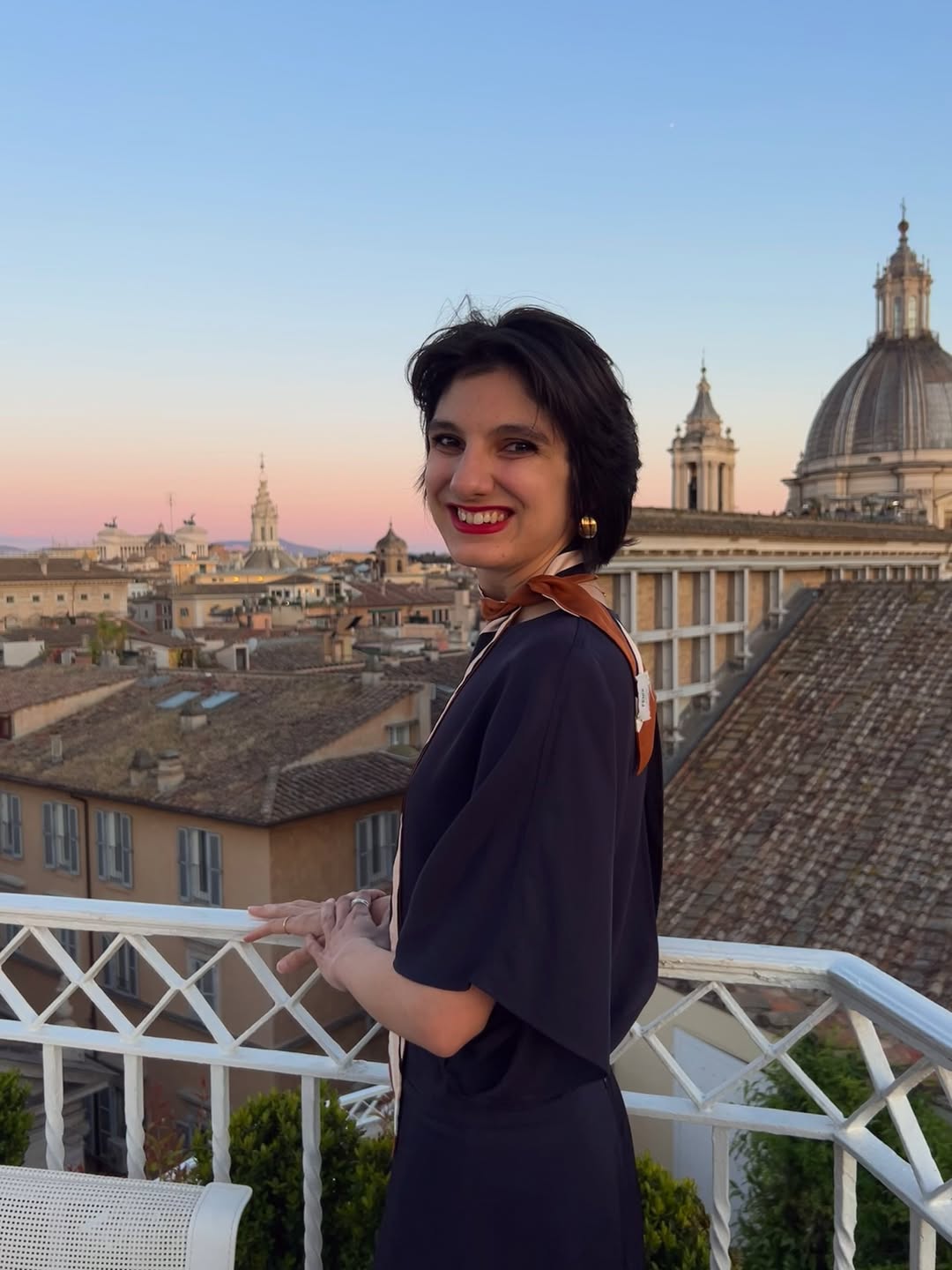
Here is what most people underestimate.
Italy isn’t a “get in a cab and go” kind of destination. You walk. A lot.
From train stations to piazzas to hidden alleys you didn’t plan to find. And those streets? They reflect heat. By midday, you’ll feel it on your face, your back, even through your shoes.
It builds up faster than you expect.
Then there’s another layer.
At some point during your day, you’ll step into a church. Maybe planned, maybe spontaneous. You see a beautiful doorway, step inside, and suddenly your outfit matters in a completely different way.
Many cultural and religious sites expect modest clothing, and you can be turned away if you don’t meet the standard, especially if shoulders or knees are exposed, as noted by ItalyTourFinder.
So now you’re balancing three things at once.
Heat. Comfort. Respect.
Miss one, and your day changes. You cut walks short. You skip places you wanted to see. You start planning around your outfit instead of your trip.
That’s where most outfits fall apart.
The Core Rule: Dress for Movement First, Photos Second
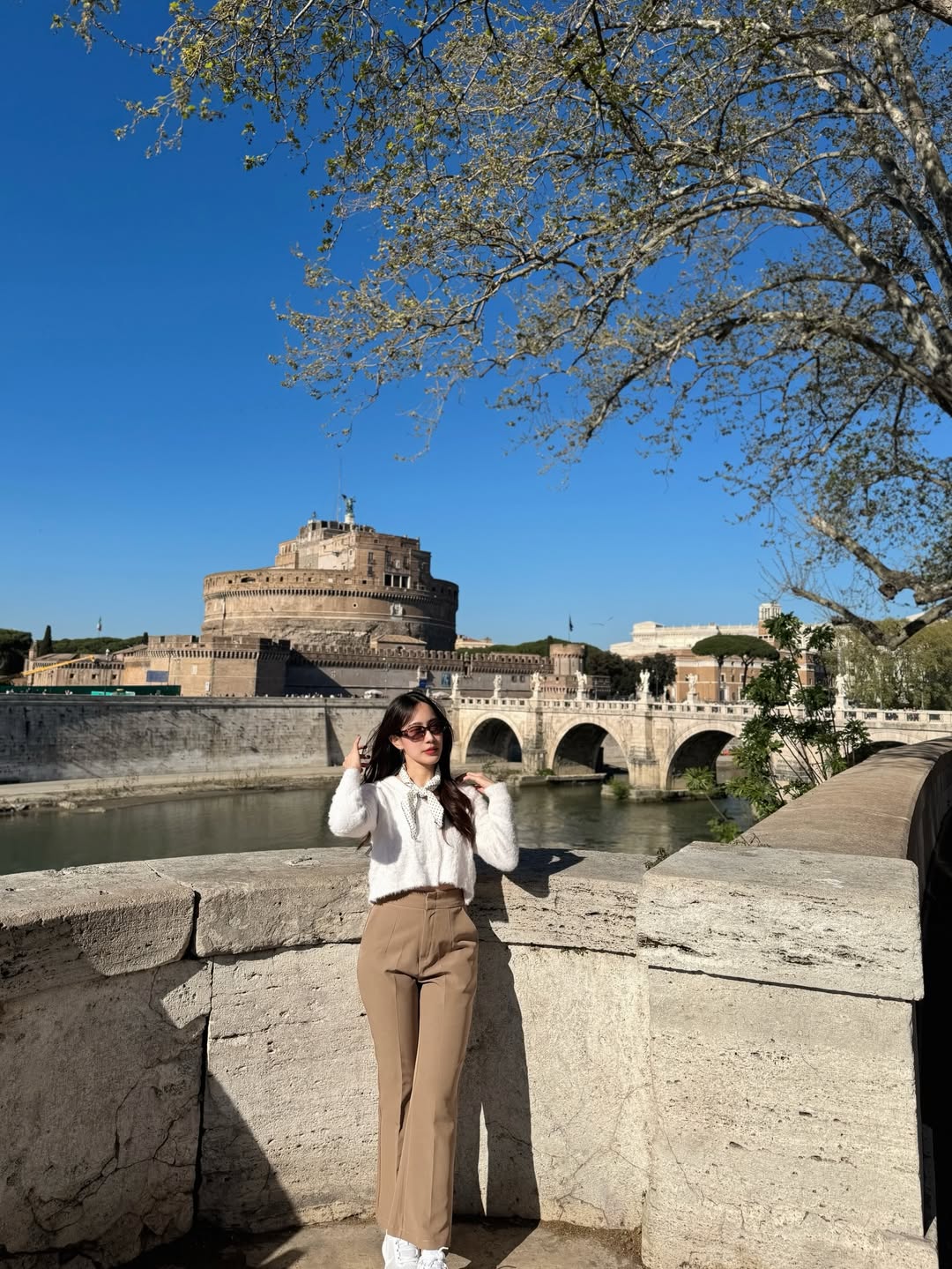
I learned this the hard way.
The outfits I felt best in weren’t the ones I planned for photos. They were the ones I forgot about while walking.
That’s the goal.
When your clothes breathe well and don’t restrict you, you move differently. You stop adjusting. You stop thinking about what you’re wearing. You just keep going.
And that changes your entire day.
You stay out longer. You say yes to detours. You don’t rush back to your hotel just to change.
Locals get this instinctively. Watch them for a minute. They’re not dressed for attention. They’re dressed for the day ahead.
And they still look good doing it.
So before anything goes into your suitcase, ask yourself one thing.
Can I walk 15,000 steps in this without thinking about it?
If the answer is no, it’s not coming with you.
Choosing Fabrics That Handle Italian Heat
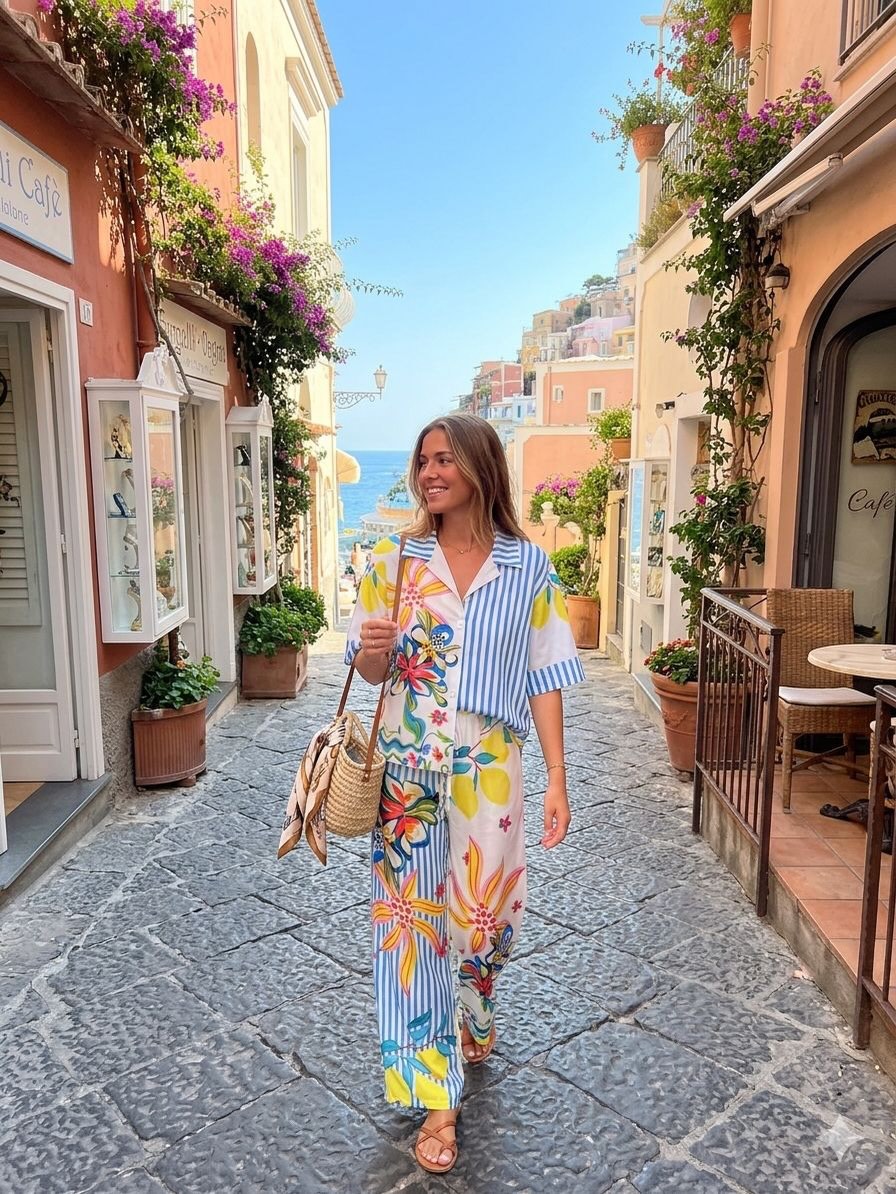
Let’s keep this simple.
Fabric choice will either save your day or slowly wear you down.
Natural fabrics like linen and cotton let air move. You’ll feel the difference within minutes of stepping outside. Less sticking, less overheating, less effort just to stay comfortable.
That matters more than you think when you’re out for hours.
On the other side, tighter synthetic pieces trap heat. At first, it feels fine. Then the sun hits, the crowd builds, and suddenly you’re adjusting your outfit every few minutes.
I made that mistake once with a “nice looking” top. It lasted about an hour before I started wishing I’d packed something else.
Fit matters just as much.
Loose shapes create space for airflow. That space is what keeps you cool when the temperature rises.
Quick action step:
Before packing, hold the fabric up to light. If it looks dense and heavy, leave it. If it feels airy and moves easily, it’s coming with you.
The Outfit That Saved My Day: Light Dress + Good Walking Shoes
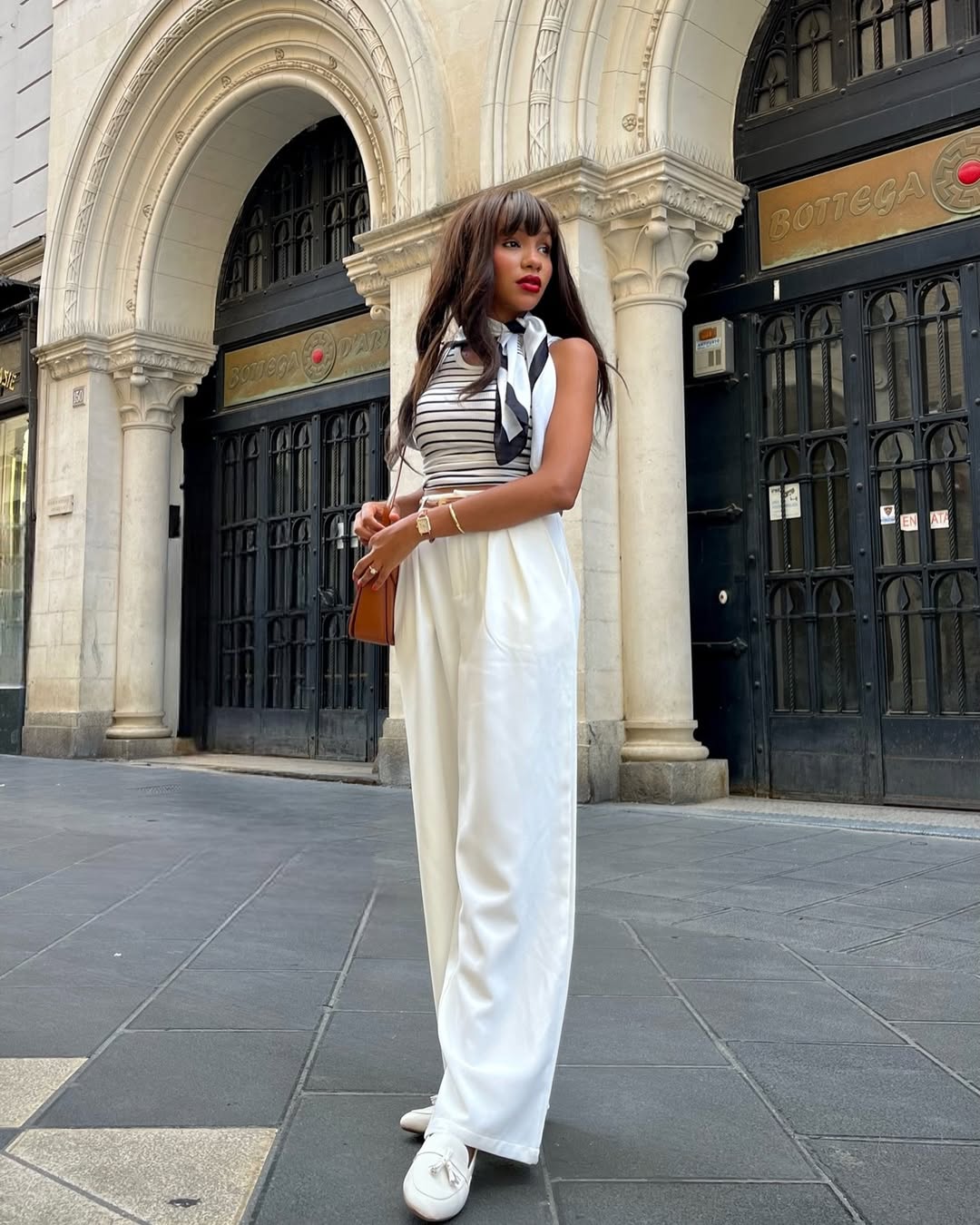
There was one outfit I kept reaching for.
A loose, light dress paired with solid walking shoes.
It worked without effort.
Early mornings grabbing coffee. Long midday walks under direct sun. Even stepping into churches without needing to rethink anything.
That kind of flexibility saves time and energy.
The dress length made a difference. Around the knees meant I didn’t have to second guess whether I could enter certain places.
And the shoes carried everything.
Italian streets look beautiful, but they demand attention. Uneven surfaces, small slopes, worn stone paths. You feel every step if your shoes aren’t right.
Travel experts often point out that many Italian cities have cobblestone streets, which makes supportive footwear a must for long days on foot, as mentioned by The Grand Tour Europe.
Once you’ve walked a full day on those streets, you’ll understand why this matters so much.
Simple rule:
If you wouldn’t wear those shoes for a full day at home, don’t bring them to Italy.
A Better Alternative to Jeans: Linen Pants + Simple Top
I’ll say this straight.
Skip denim in peak summer.
I tried it once in Florence, around mid-afternoon, when the heat was at its worst. By the time I reached the next street, I could already feel it trapping heat and slowing me down.
That was enough for me.
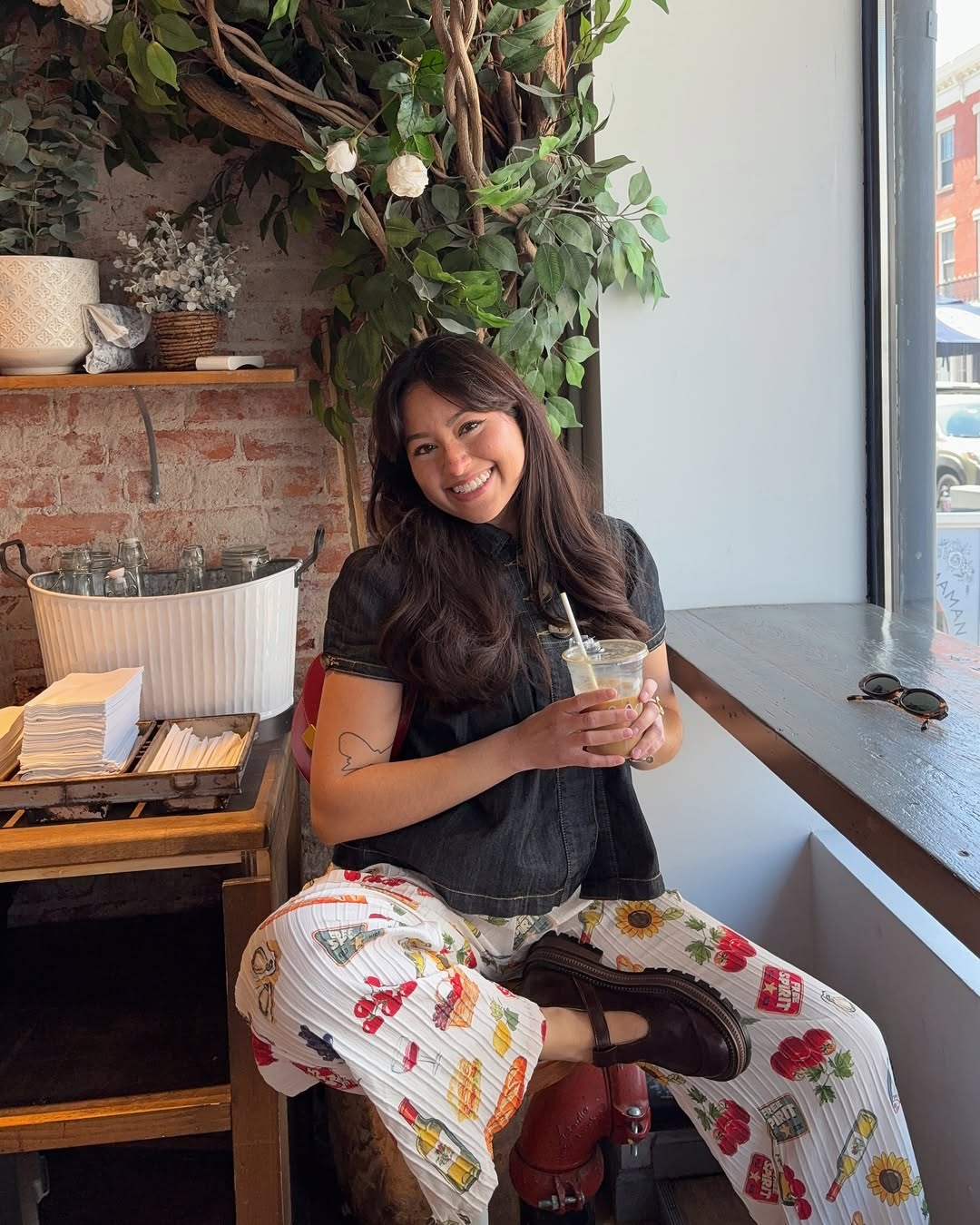
Linen pants changed everything.
They’re light, they don’t cling, and they let air move while you walk. You’ll notice the difference the moment you step into the sun. Less sticking, less adjusting, less thinking about what you’re wearing.
Pair them with a tank or a relaxed shirt and you’ve got something that works from morning coffee to late dinners without needing a change.
And there’s another bonus.
You blend in more.
You don’t feel like you’re trying to dress like a tourist. You just feel comfortable moving through the city without standing out for the wrong reasons.
Quick swap to try:
If you packed jeans, replace one pair with linen pants. Wear them on your longest walking day and you’ll feel the difference.
Shorts in Italy: What Actually Works
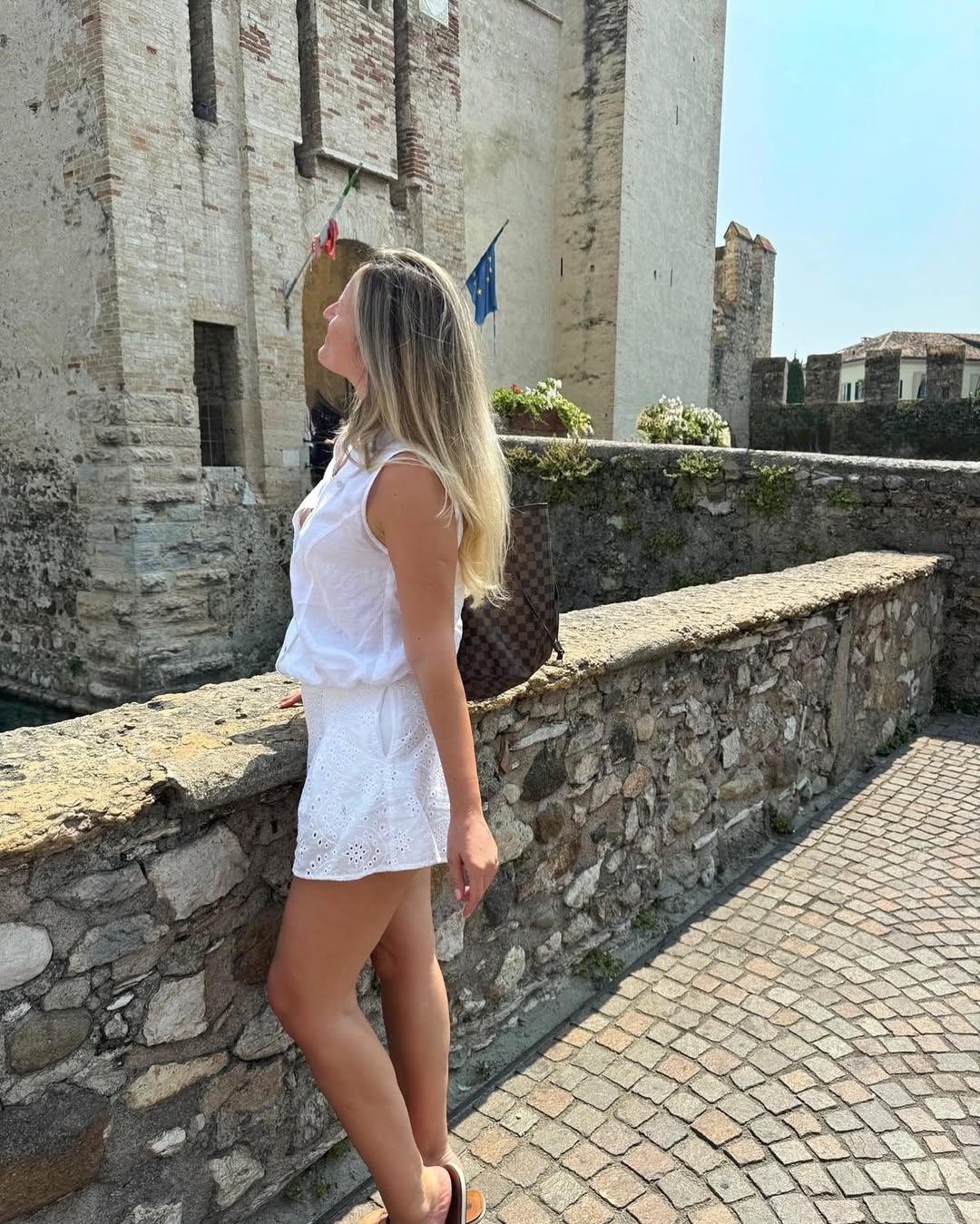
Shorts are fine. But not all shorts work the same way.
The super short, tight styles tend to stand out more than you might expect. Not in a good or bad way, just enough to make you feel slightly out of place in certain areas.
A slightly longer, relaxed fit works better.
You’ll feel more at ease walking into cafés, local streets, and even casual restaurants without second guessing your outfit.
And context matters more than people think.
Walking through tourist-heavy spots, you’ll see every style. No one really notices.
Step into quieter neighborhoods or older parts of the city, and you’ll start to notice a shift. Outfits feel a bit more covered, a bit more relaxed.
Even broader travel guidance suggests choosing loose, body-covering clothing in warm climates for both comfort and cultural awareness, which is also reflected by GoTours.
Simple rule to follow:
If you can walk into a small local café and feel comfortable sitting down right away, your outfit works.
Shoes Can Make or Break Your Entire Trip
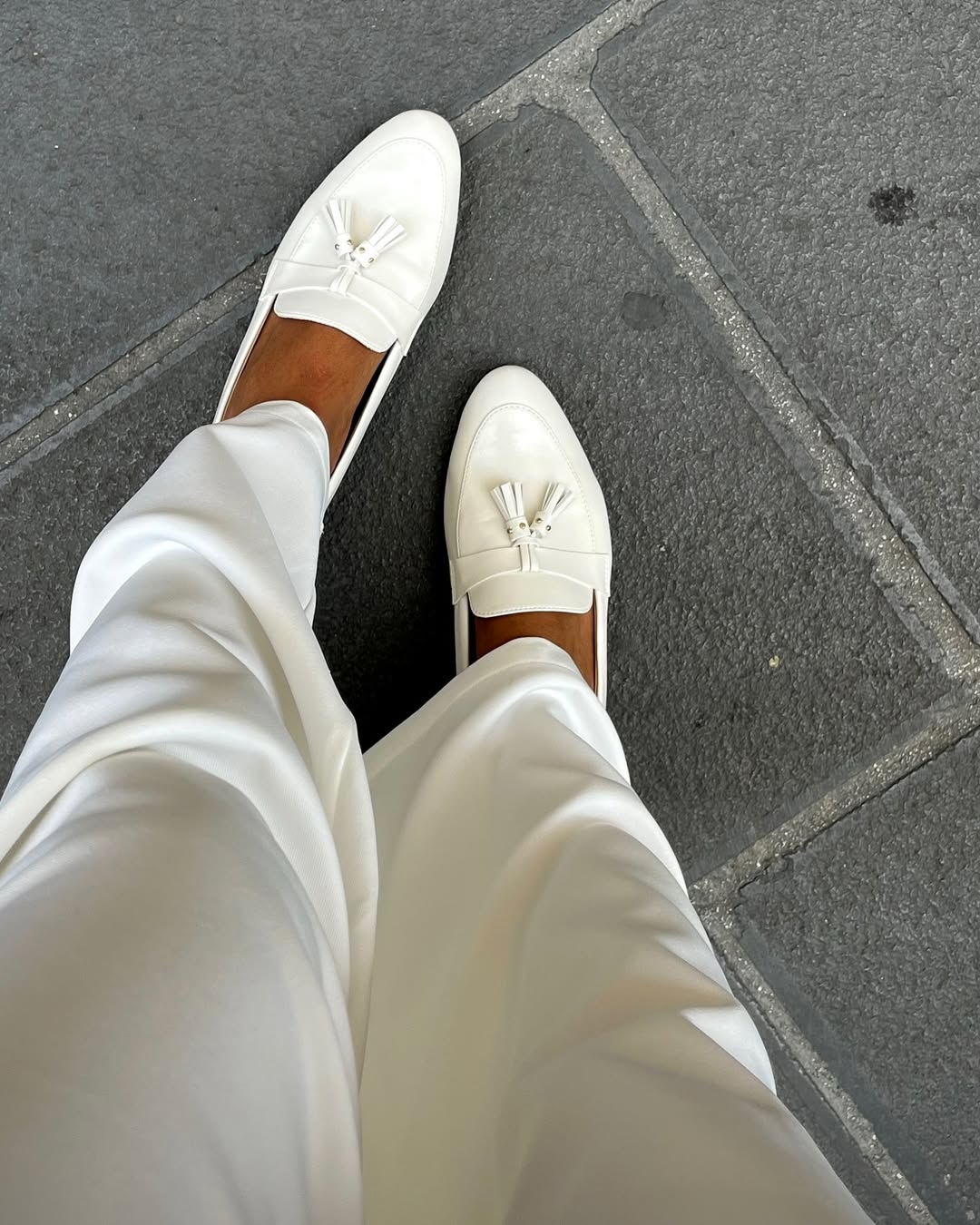
If there’s one place you shouldn’t compromise, it’s here.
By day two, you’ll start noticing it.
People slowing down. Sitting more often. Adjusting how they walk. Looking for places to rest even when they don’t want to stop.
Most of the time, it comes down to shoes.
I saw it happen again and again. The outfit looked great, but the shoes weren’t built for the distance.
Flip-flops seem like an easy choice in the heat, but they don’t handle long walks or uneven streets well. After a few hours, you feel every step.
A solid pair of sneakers or cushioned sandals changes that completely.
You walk longer without thinking about it. You take extra turns. You don’t plan your route around breaks.
And that adds up fast over a full day.
Quick test before you pack:
Wear your shoes for a full day at home. If you think about your feet even once, they’re not coming with you.
Dressing for Churches Without Overthinking It

This is where most people hesitate.
But once you know the trick, it becomes second nature.
You don’t need to change your whole outfit. You just need a small adjustment that you can use anytime.
A lightweight scarf solves most of it.
You see a church, step inside, and in seconds you’re covered without feeling heavier or hotter. No planning, no stress.
A longer skirt or dress makes it even easier, since you don’t have to think about it at all.
Even official visitor guidance for the Vatican suggests choosing light, breathable pieces like cotton trousers or adding a scarf so you stay cool while meeting dress expectations, as noted by Vatican Tickets.
I kept a scarf in my bag every single day. At first, it felt like an extra item. By the end of the trip, it was something I reached for without thinking.
What to do before you leave your hotel:
Drop a thin scarf into your bag. You’ll use it more than you expect.
What Not to Wear in Italy During Summer
Some things just don’t work. And you’ll feel it fast.
Heavy jeans sound fine when you’re packing. Step outside in midday heat, and they start holding warmth almost immediately. Within an hour, you’re walking slower, looking for shade, and wishing you wore something lighter.
Tight synthetic outfits have a similar effect. They trap heat and make you adjust your clothes more often than you’d like. It’s a small thing at first, but over a full day, it adds up.
And then there are shoes.
Cheap flip-flops might feel like an easy choice, but after a few hours on uneven streets, you’ll feel every step. By the end of the day, your feet are done even if you’re not.
Clothing choice also matters depending on where you go.
In some areas, local authorities have started reinforcing dress expectations more strictly, especially in culturally sensitive spaces, as highlighted by Forbes.
So it’s not only about staying cool. It’s also about not limiting where you can go.
Quick check before you pack:
If an outfit feels restrictive, heavy, or too revealing for a quiet local street, leave it. You won’t miss it once you’re there.
Packing Smart Without Overpacking
Here’s what worked best for me.
Not more clothes. Better choices.
I kept a small set of outfits that all worked together. Neutral tones, breathable fabrics, and pieces I could wear in different ways without thinking too much about it.
That changed my mornings completely.
No standing there deciding what works. No second guessing if something fits the day ahead. Just grab, wear, and step out.
And it also made moving around easier.
Less weight in your bag. Less clutter in your room. Less time spent organizing instead of exploring.
Simple approach to follow:
Build 3 to 4 outfits that can mix with each other. If every top works with every bottom, you’ve done it right.
You’ll pack less, but feel more prepared.
Final Thoughts: Dress Like You Belong There
By the end of the trip, I stopped thinking about outfits completely.
And that’s when I knew I got it right.
When your clothes match the place, the weather, and how you move through the day, everything feels easier. You don’t rush back to change. You don’t cut plans short. You just keep going.
You walk more. You stay out longer. You notice small things you would have missed otherwise.
And that’s what stays with you.
Not what you wore, but how freely you moved through the experience.
So when you’re packing for Italy this summer, keep it simple.
Choose pieces that let you move, stay cool, and step into any place without hesitation.
The rest takes care of itself.
Also read: