Japan Food Guide: 9 Must-Try Dishes
I still remember my first real bite of tonkotsu ramen in Japan.
The bowl looked simple at first. Pale broth, thin noodles, a few slices of pork. Nothing flashy. But the moment I took that first sip, it stopped me. Rich, creamy, deeper than anything I’d tasted before. The kind of flavor that doesn’t hit all at once, it builds.
I stood there for a second, just trying to process it.
Because this wasn’t just “ramen.” It felt like something far more intentional. Every part of it, the broth, the noodles, even the way it was served, had a purpose.
And that’s when it clicked.
Food in Japan isn’t about broad categories. It’s about knowing exactly what you’re eating. The specific dish. The style. The small details that most people walk right past.
Once I started paying attention to that, everything changed.
Meals stopped feeling like guesses. I wasn’t just pointing at random items anymore. I started recognizing names, noticing differences, and actually choosing what I wanted to eat.
That’s exactly what this guide is here to help you do.
In this Japan food guide, I’ll walk you through 9 dishes you should look for by name, so you can order with confidence and experience the kind of flavors most first-time visitors miss.
1. Maguro Nigiri
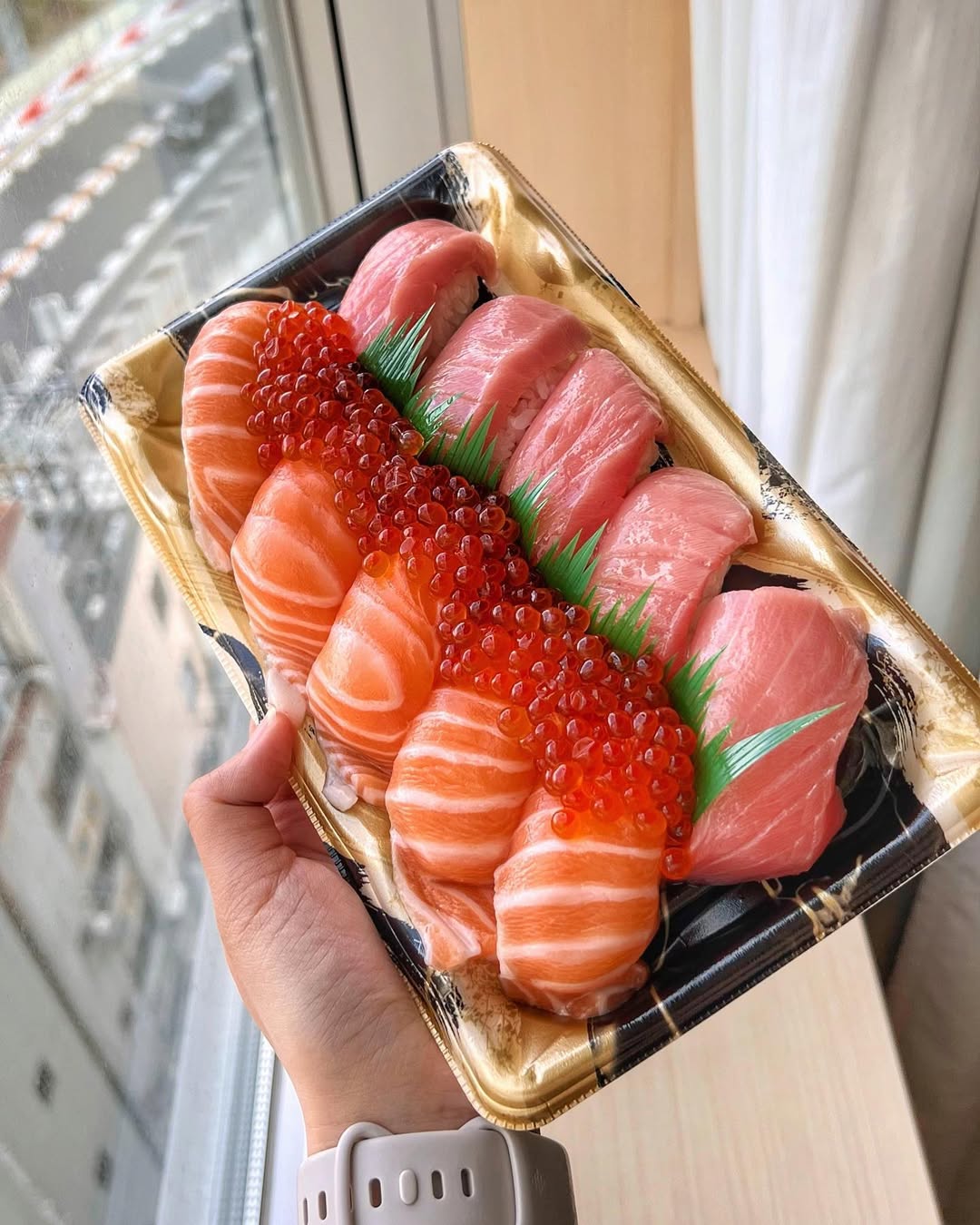
This was the moment sushi clicked for me.
Not rolls stacked with sauces. Just a slice of tuna over rice.
That’s maguro nigiri.
I tried it at a small counter in Tokyo where the chef handed it over the second it was ready. Warm rice, cool fish, just enough wasabi tucked inside. It looked simple, but the first bite made it clear why people take sushi so seriously here.
There’s nothing to hide behind. If the rice is off, you notice. If the fish isn’t fresh, you notice.
If you’re not sure where to start, start here.
You’ll usually pay around ¥150 to ¥400 per piece at a casual spot, and a bit more at higher-end counters. Conveyor belt places are cheaper and still solid if you’re just getting started.
Quick tip. Eat it in one bite. I tried splitting it once. It fell apart, and the balance was gone.
If there’s a line outside a small sushi counter, that’s usually a good sign. I followed that rule more than once and it rarely missed.
2. Tonkotsu Ramen
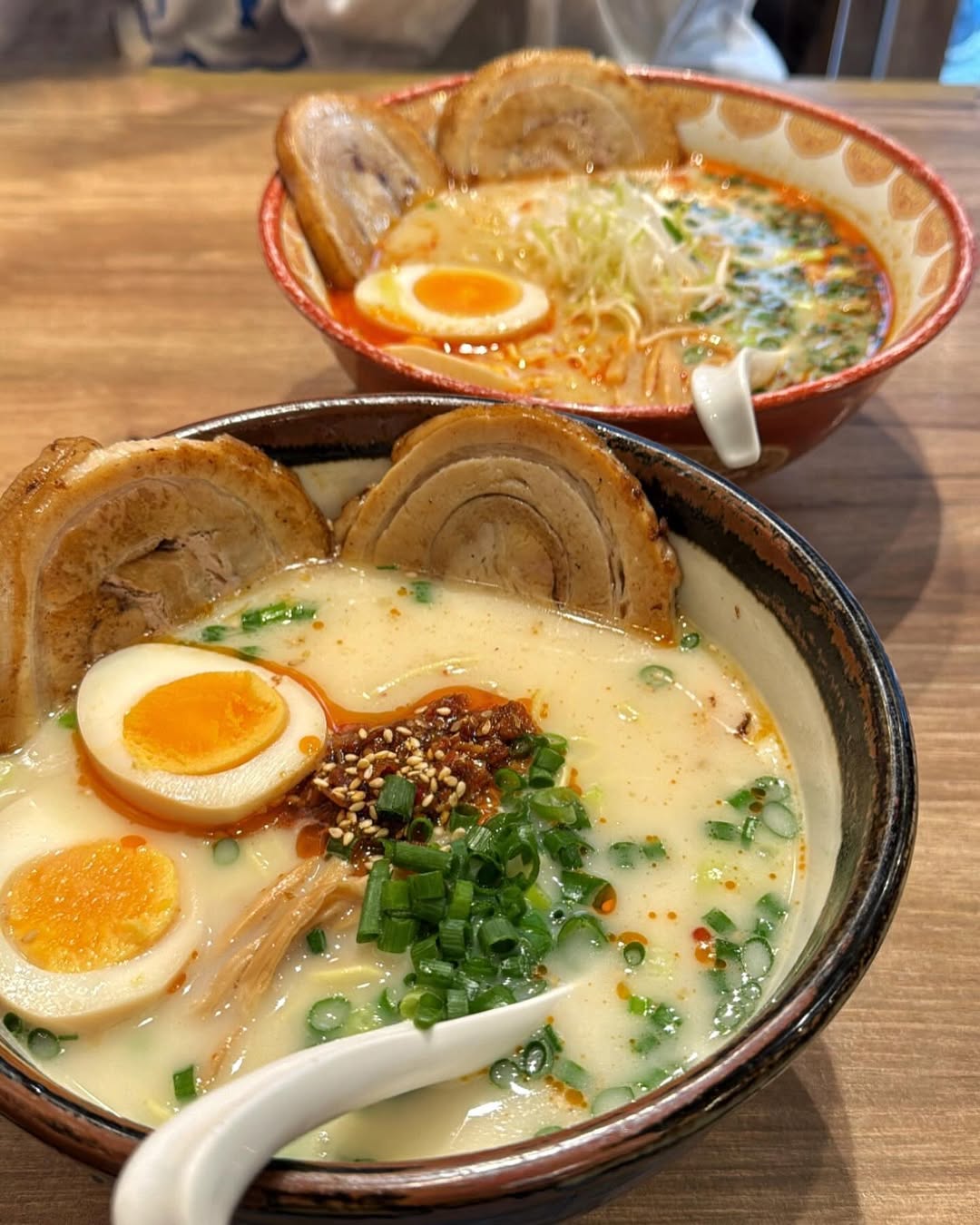
This is the bowl that stayed in my head long after I left Japan.
The broth looks pale, almost simple. Then you take a sip. Rich, creamy, and way deeper than you expect. It clings to the noodles, and somehow gets better with every bite.
My first bowl cost around ¥800 at a small shop near a train station. Nothing fancy, just a counter, quick service, and people quietly focused on eating.
Here’s something that confused me at first. You don’t just order and wait. You usually buy a ticket from a vending machine at the entrance. It feels awkward the first time, but it’s actually fast once you figure it out.
When ordering, you’ll often get to choose noodle firmness. Go for medium if you’re unsure. I picked soft the first time and regretted it halfway through the bowl.
Small detail. Big difference.
And one more thing. If the place smells strongly of broth before you even walk in, you’re probably in the right spot.
3. Osaka-Style Okonomiyaki
This one felt less like ordering food and more like sitting in on something.
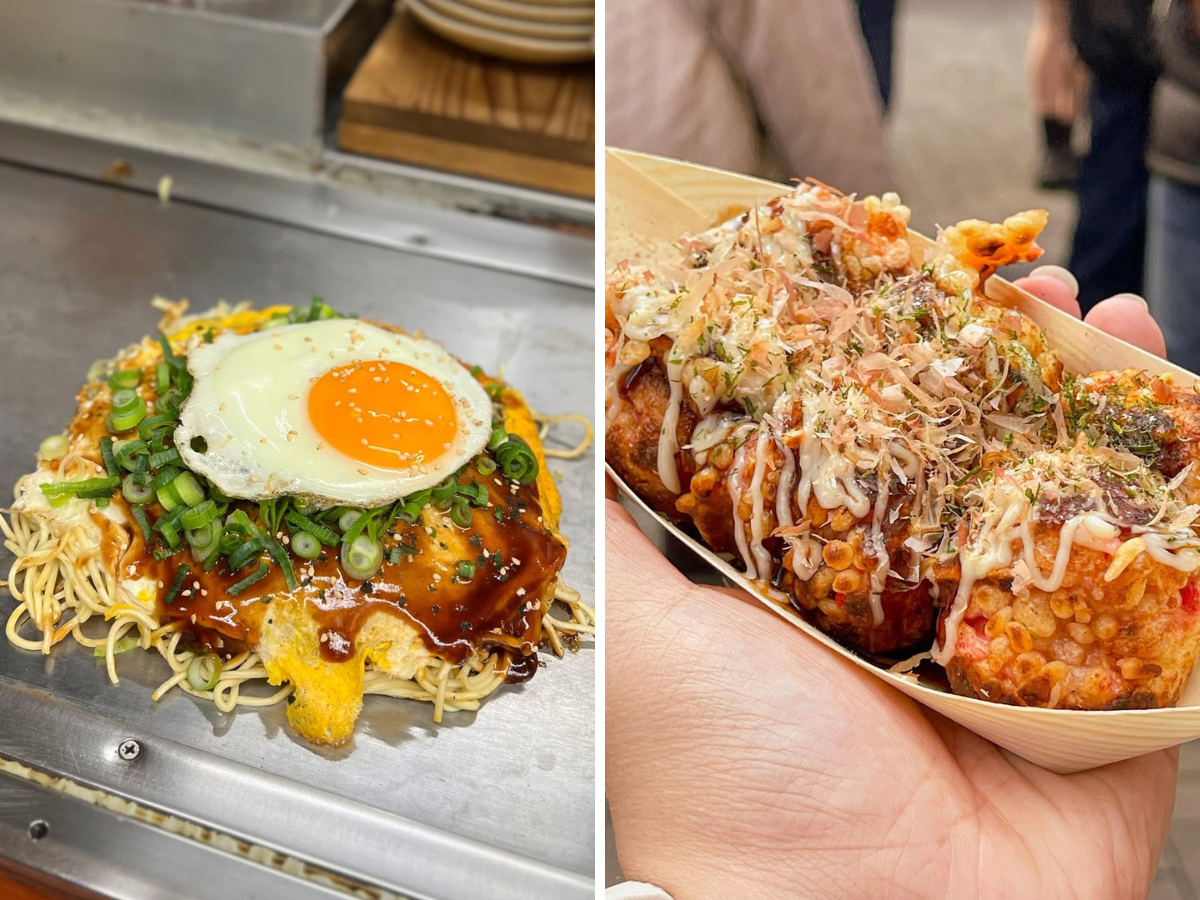
You’re at a table or counter with a hot griddle in front of you. The batter, cabbage, and fillings get mixed together, then cooked right there. You watch it take shape, flip, and slowly crisp up.
I tried it in Osaka, and it made sense why the city is so tied to food.
A standard plate usually costs around ¥800 to ¥1,200 depending on what you add. Pork is common, but you’ll see seafood, cheese, even mochi options.
What stood out wasn’t just the taste. It was the pacing. Nobody rushed. You sit, watch, eat slowly.
Pro tip. Eat it while it’s hot, straight from the grill. That’s when the texture is at its best.
If you’re choosing a place, look for spots with locals inside rather than flashy signage. The quieter places often ended up being better.
4. Hiroshima Okonomiyaki

I didn’t expect this to be so different.
I had already tried okonomiyaki in Osaka, so I thought I knew what I was getting. Then this showed up.
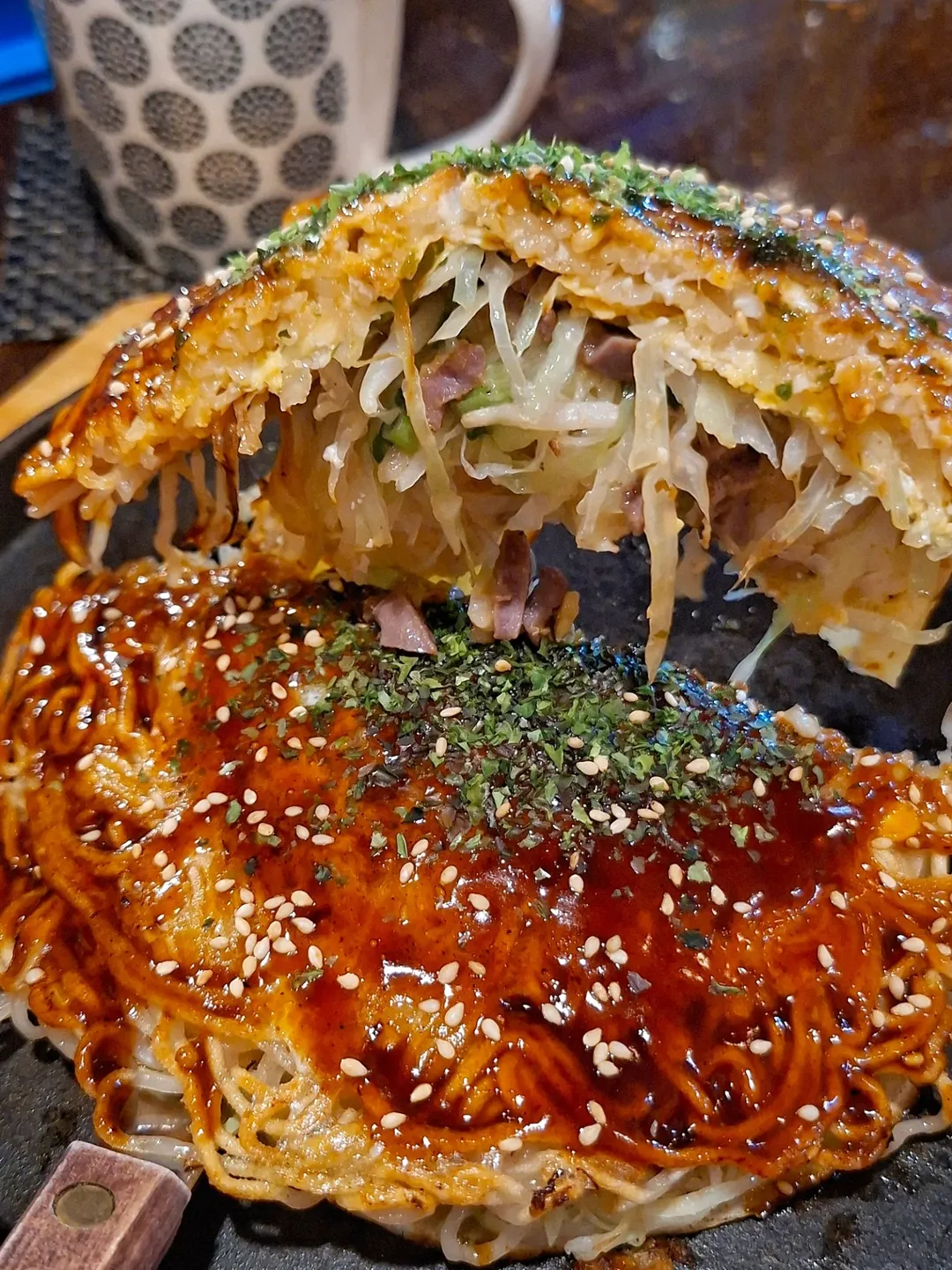
Instead of everything mixed together, it came layered. Batter first. Then a pile of cabbage. Noodles tucked inside. Then toppings stacked on top.
It felt heavier, but also more structured. Every bite had a bit of everything, but in a different way than the Osaka version.
I had this at a small spot near Hiroshima station for around ¥900, sitting at a counter where I could watch the whole thing come together. That part made a difference. You see how carefully each layer is added.
If you see both styles on a menu, try both. It’s one of those small food moments that makes you realize how much things can change from one city to another.
Look for places with a flat iron griddle and locals sitting around it. That’s usually where it’s done right.
5. Takoyaki
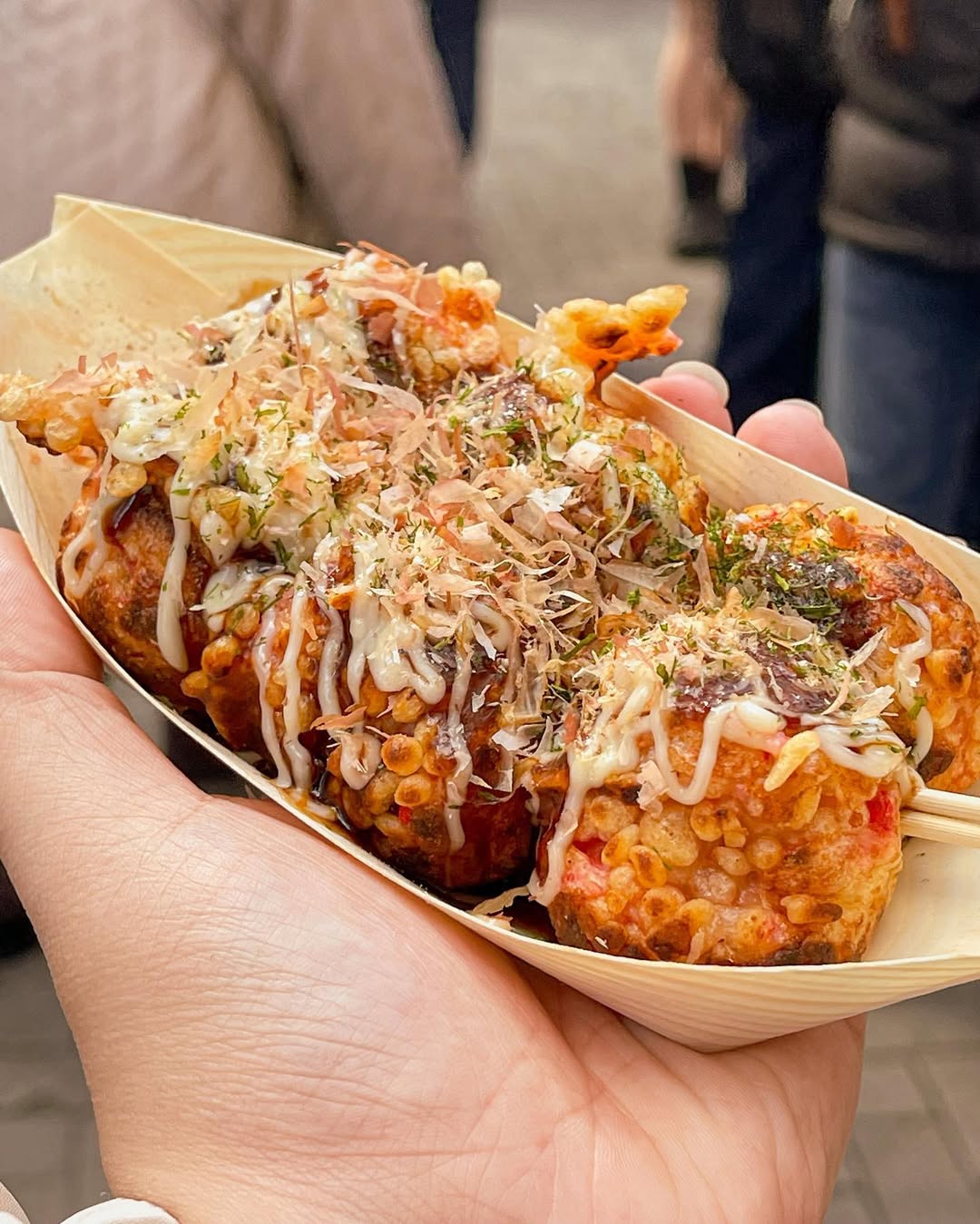
You’ll smell this before you see it.
It’s that mix of batter, sauce, and something slightly smoky in the air. Follow it, and you’ll usually end up at a small stall with a crowd gathered around.
Small round balls, crispy outside, soft inside, filled with octopus.
I grabbed a tray in Osaka for about ¥500 and made the mistake everyone makes. Took a bite right away.
It was lava-hot.
So here’s your quick win. Let it sit for a minute. Even locals pause before eating.
Once it cools slightly, you get the full texture. Crisp shell, soft center, and that mix of sauce, mayo, and bonito flakes on top.
Best places? Busy street corners or markets. If there’s a line and trays moving fast, that’s the spot.
6. Ebi Tempura
I expected tempura to feel heavy.
It didn’t.
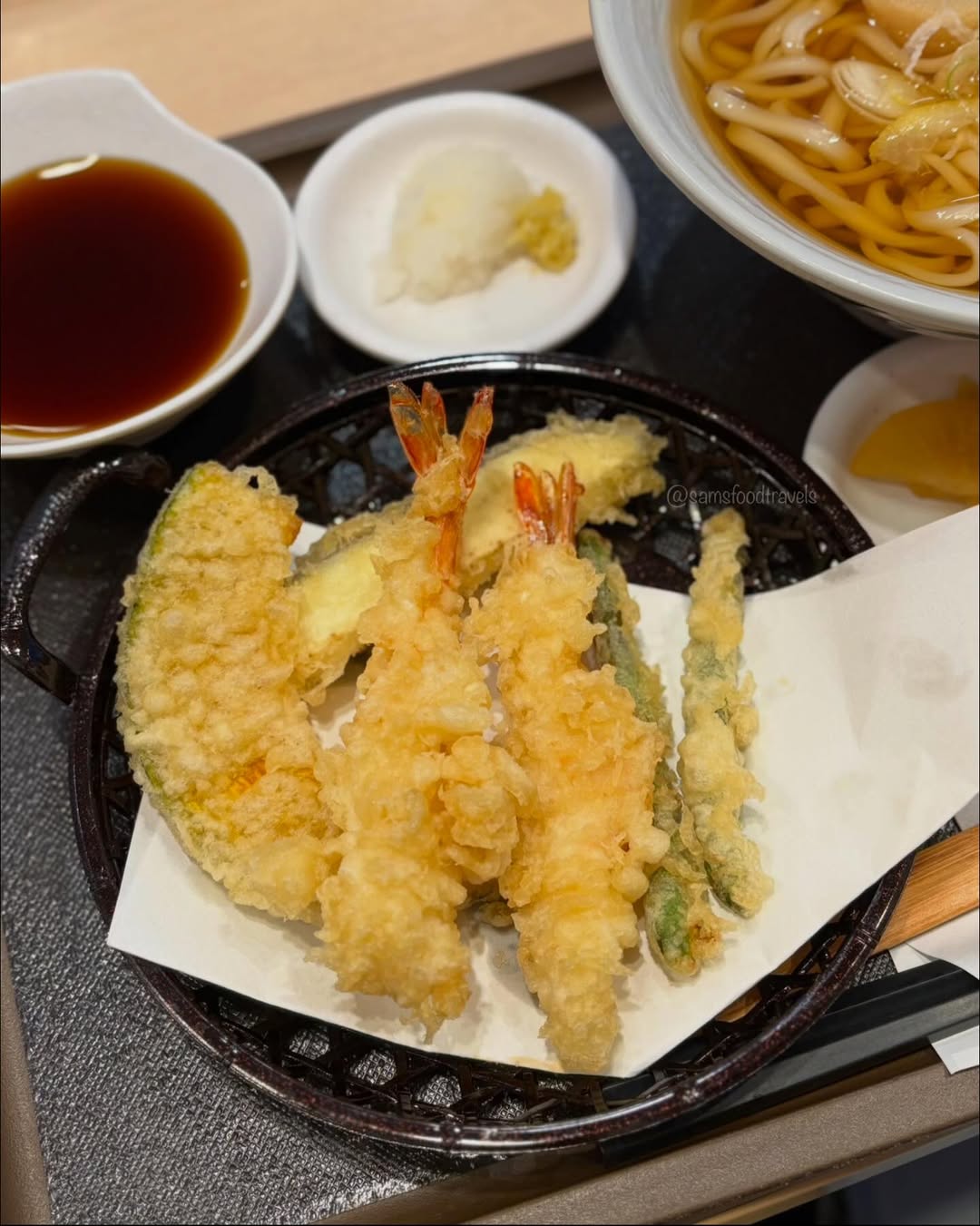
The shrimp came out light, almost airy, with a thin crisp layer that didn’t overpower anything. You still taste the shrimp first.
I tried this at a small tempura counter where the chef fried each piece right in front of me and placed it on the plate one at a time. No waiting. No stacking.
That’s your cue. Eat it immediately.
A basic tempura set usually costs around ¥1,000 to ¥1,500, depending on the place. You’ll often get shrimp, a few vegetables, rice, and dipping sauce.
You can dip it, but go light. Or try it with just salt. That’s what I ended up preferring.
If you want a better experience, look for places where they serve pieces as they’re fried instead of all at once. It changes everything.
7. Tonkatsu
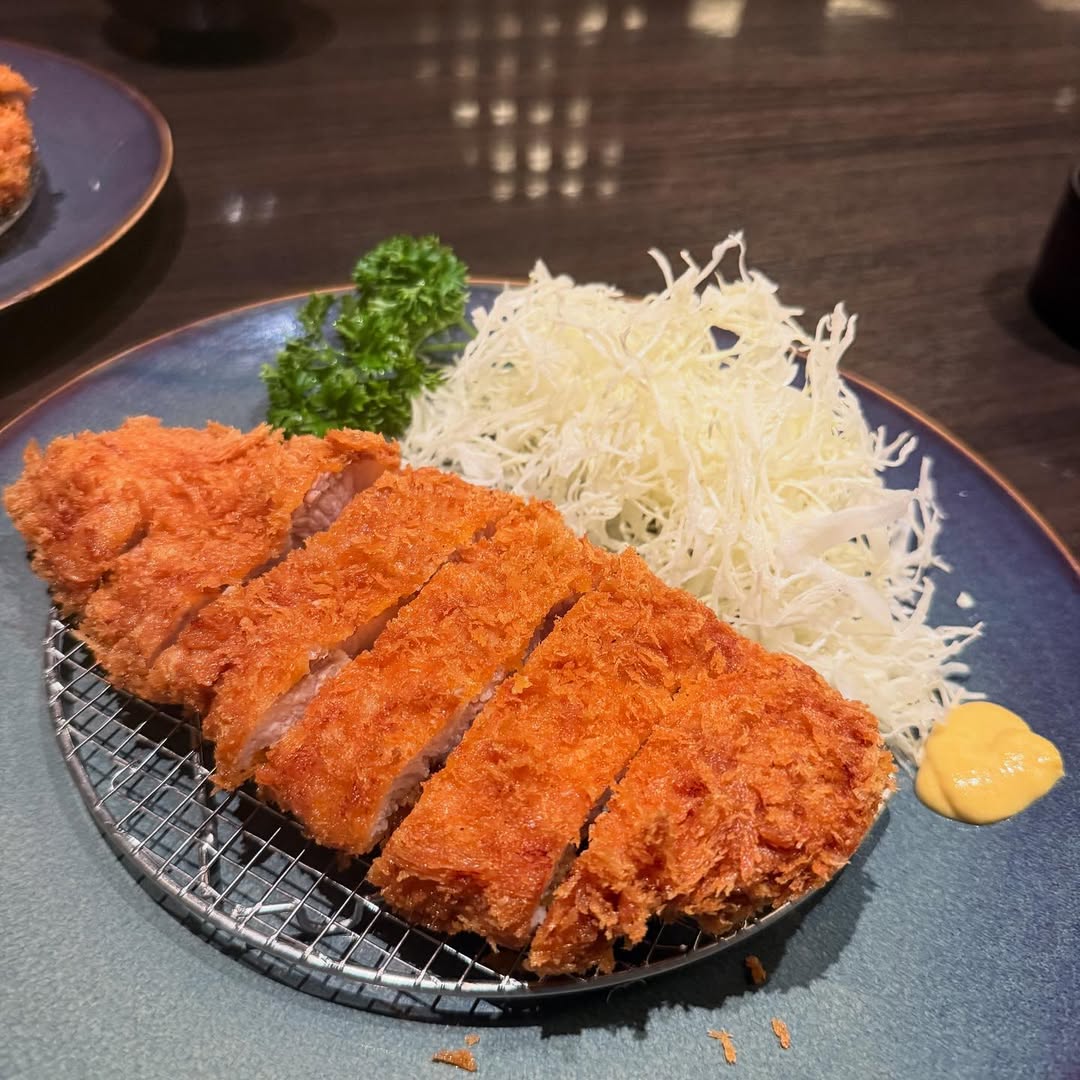
This one surprised me.
It looks simple at first. Breaded pork cutlet with cabbage and rice. Nothing complicated.
But the way it comes together is what makes it stand out.
Before eating, I was handed a small bowl of sesame seeds and a wooden grinder. I crushed them myself, then mixed in the sauce. It felt like a small step, but it changed everything. The flavor got deeper, slightly nutty, and way more balanced.
The set I ordered cost around ¥1,000 and came with unlimited cabbage, rice, and miso soup. That part caught me off guard.
Quick tip. Don’t skip the sesame step. And don’t rush it.
If you’re choosing a place, look for tonkatsu specialty spots or small chains near busy areas. They tend to get the details right.
8. Sanuki Udon
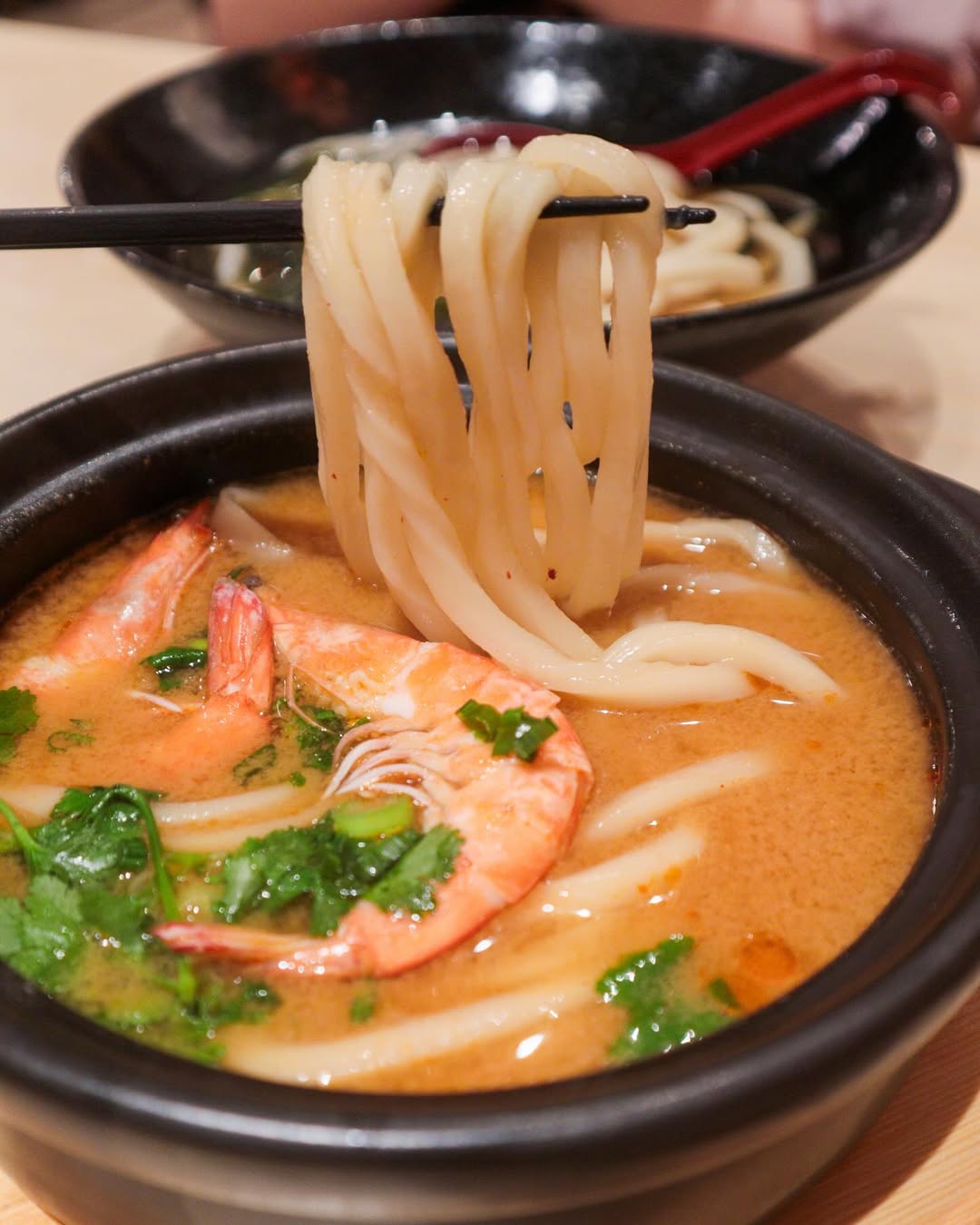
This is one of the lighter meals.
Thick noodles. Light broth. Nothing trying too hard.
But the texture stood out right away. Firm, chewy, satisfying in a way that’s hard to explain until you try it.
If you’re curious what makes udon different, Britannica explains udon noodles as thick wheat noodles known for their chewiness and simple preparation, which is exactly what you notice in the first bite.
I usually paid around ¥400 to ¥700 for a bowl at small shops near train stations. Quick service, no pressure to stay long, and surprisingly consistent.
And yes, slurping is normal. I hesitated at first. Then joined in.
If you’re not sure what to order, look for “kake udon.” It’s the simplest version and a good place to start.
9. Matcha Tiramisu
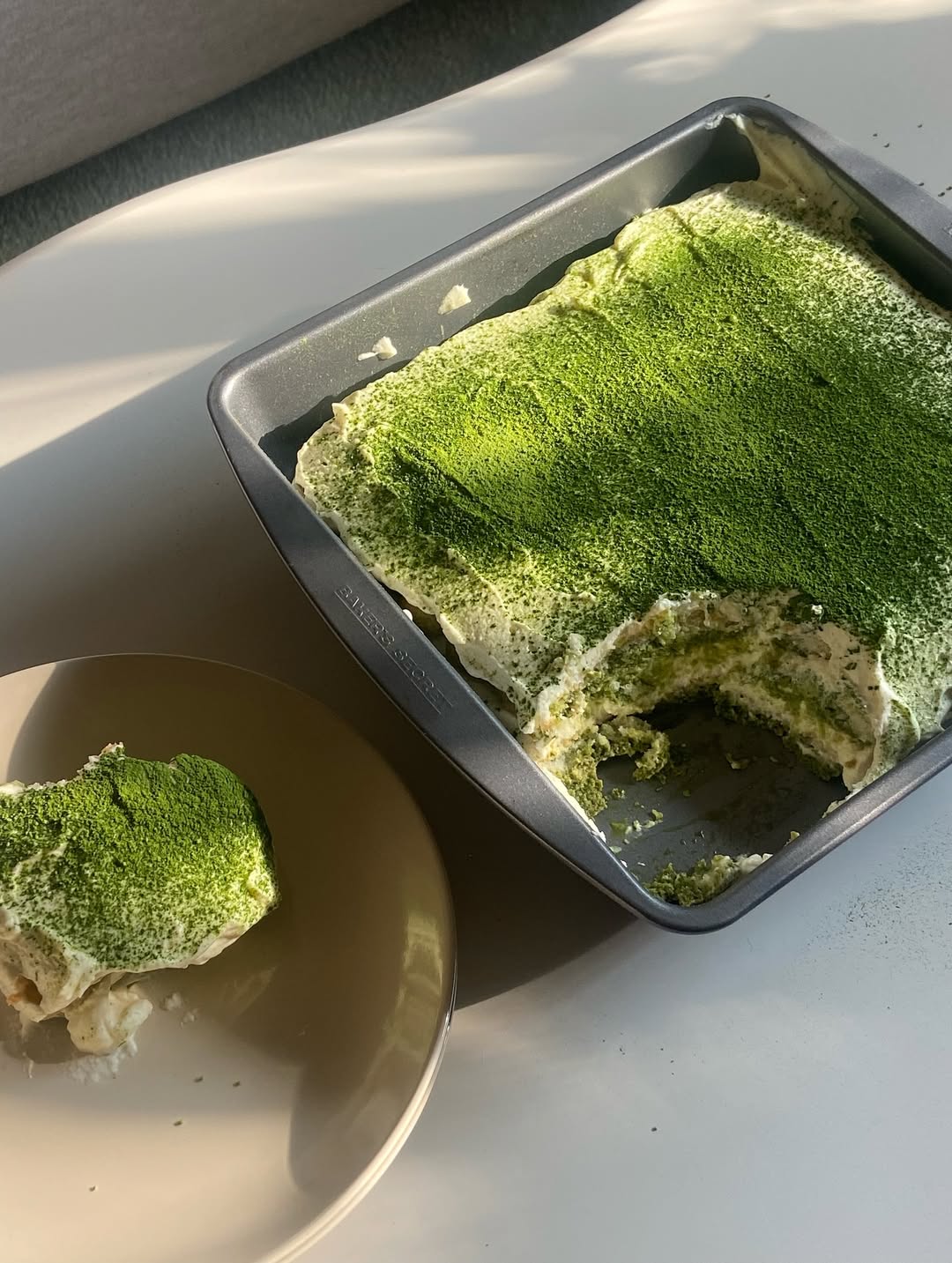
I didn’t expect to like this as much as I did.
It looks familiar at first. Layers of cream, soft cake. Then you taste it.
The matcha cuts through the sweetness with a slightly bitter edge, and that balance is what makes it work.
I had this in Kyoto at a small café after a long day of walking. It cost around ¥700, and it felt like the perfect pause.
If you’re new to matcha, this is an easy place to start. It’s softer than traditional matcha tea, but still gives you that distinct flavor.
Look for dessert cafés around Kyoto’s older districts. Many of them specialize in matcha-based sweets.
A Few Mistakes I Made (So You Don’t Have To)
I played it safe at first. Ordered familiar things.
Skipped smaller places because they looked intimidating.
And I rushed meals without really taking them in.
Looking back, those were the moments I missed out on.
Once I slowed down, started trusting smaller spots, and gave myself time to actually enjoy the food, everything changed.
Simple Tips That Help Right Away
Pointing works. Don’t overthink it.
Plastic food displays outside restaurants are more useful than menus. I relied on those more than anything else.
Carry some cash. Smaller spots still prefer it, especially quick meal places.
And if you see a line with locals waiting quietly, that’s usually worth following. I did that more than once, and it rarely disappointed.
Where This All Leads
Somewhere between that first bowl of ramen and the last dessert in Kyoto, something shifts.
You stop thinking about what you’re supposed to eat and start noticing what’s right in front of you. The smell coming from a small stall. The quiet counter with a few seats filled. The dish someone next to you just ordered that you didn’t even recognize.
That’s when it gets better.
You don’t need to plan every meal. You just need a few names in your head and the willingness to try what you see. That’s usually enough to turn a random stop into something you’ll remember long after the trip ends.
So when you get there, don’t rush it.
Walk a little slower. Stop when something catches your attention. Order something you didn’t expect to.
That’s where the good stuff usually is.
Also read:
How to Plan a 2-Week Trip to Japan: Ultimate Itinerary
Japan on a Budget: A Traveler’s Guide to Saving Money and Experiencing More