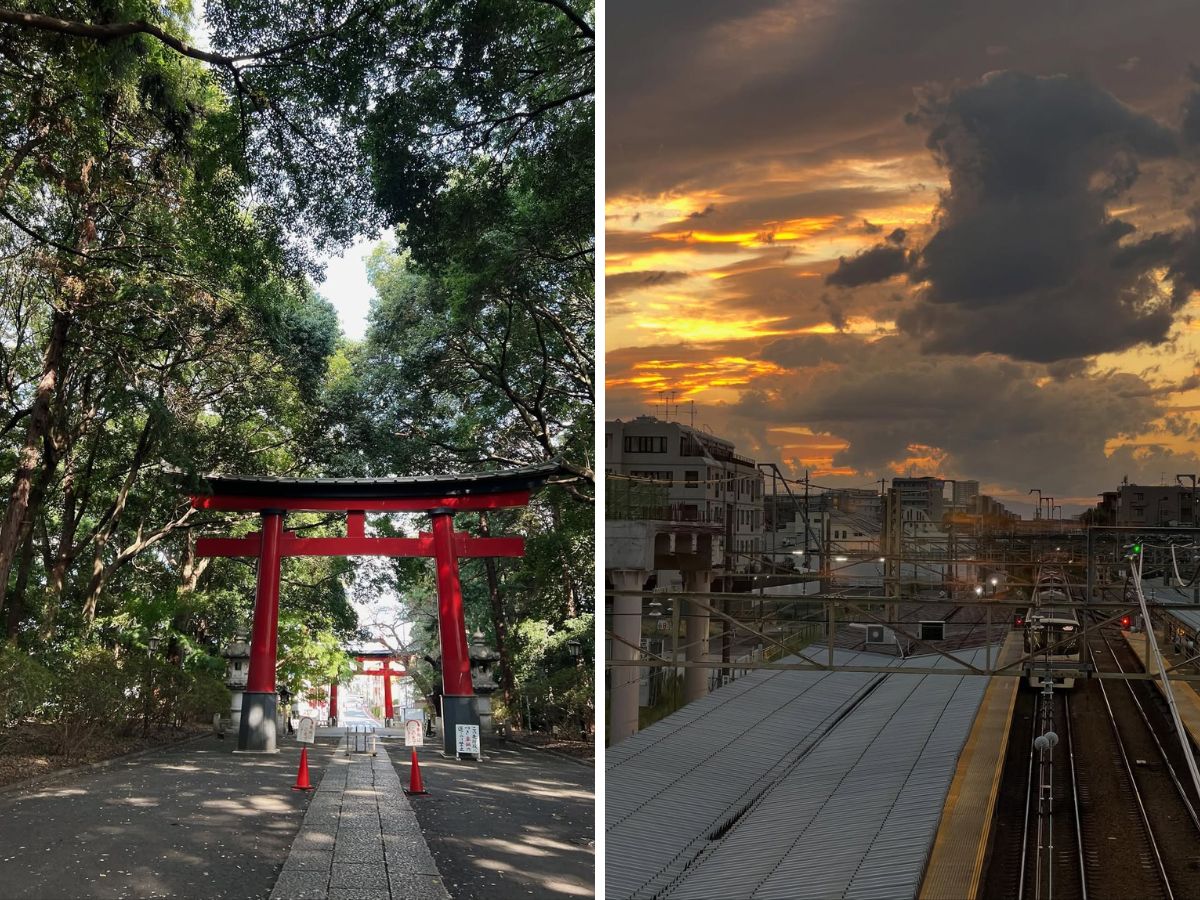
Tokyo Things to Do That Are Worth Your Time
Tokyo can feel endless. The city offers more sights, neighborhoods, and experiences than most travelers can fit into one trip.
That is where people get stuck.
Trying to do everything often leads to rushing, fatigue, and days that blur together. I felt that pressure on my first visit. By the third day, I realized I was ticking boxes instead of noticing where I was or how the city actually felt.
This guide focuses on Tokyo things to do that are worth your time because they help you slow down without missing what matters. These are experiences that fit naturally into real travel days, not just highlights meant to look good on a screen.
If you want a Tokyo trip that feels memorable instead of rushed, this will help you choose better, move with more ease, and enjoy the city without packing every hour.
Here is why choosing carefully changes everything.
Why “Worth Your Time” Matters in Tokyo
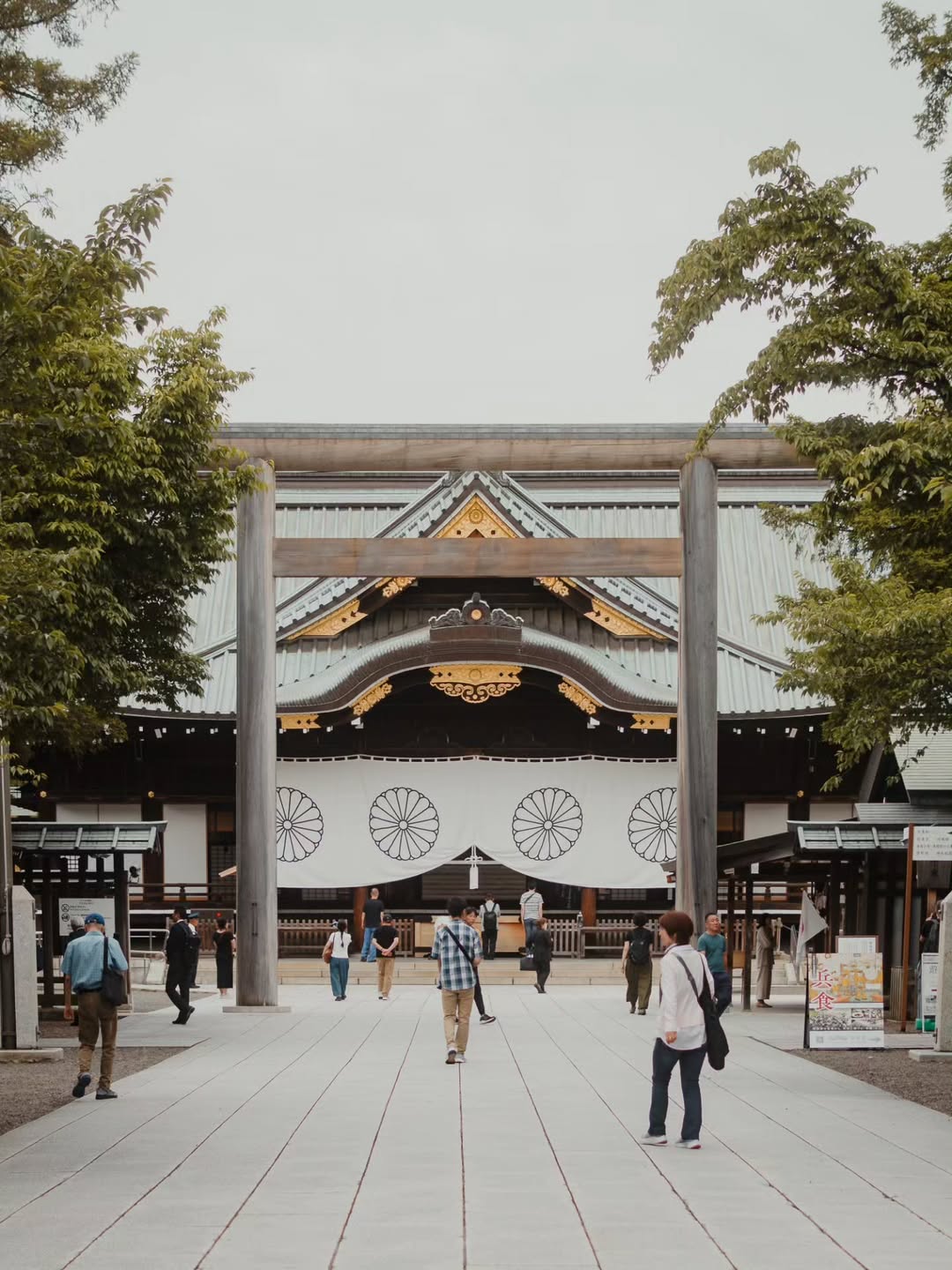
Tokyo rewards attention. It does not reward speed.
When you move too fast, you miss the quiet details. A small bakery opening its doors. Office workers lining up for lunch. The sound of footsteps in a shrine courtyard before crowds arrive.
Once I stopped planning full days and started planning better days, Tokyo felt more open. I noticed more without doing more, and evenings felt less draining.
If you want to use this right away, set one anchor for each day. One place or experience that matters to you. Let everything else fit around it instead of competing for time.
That single decision removes pressure. It also makes it easier to feel the city’s rhythm.
And that rhythm shapes what works best each hour.
Understanding Tokyo’s Rhythm Before Choosing What to Do
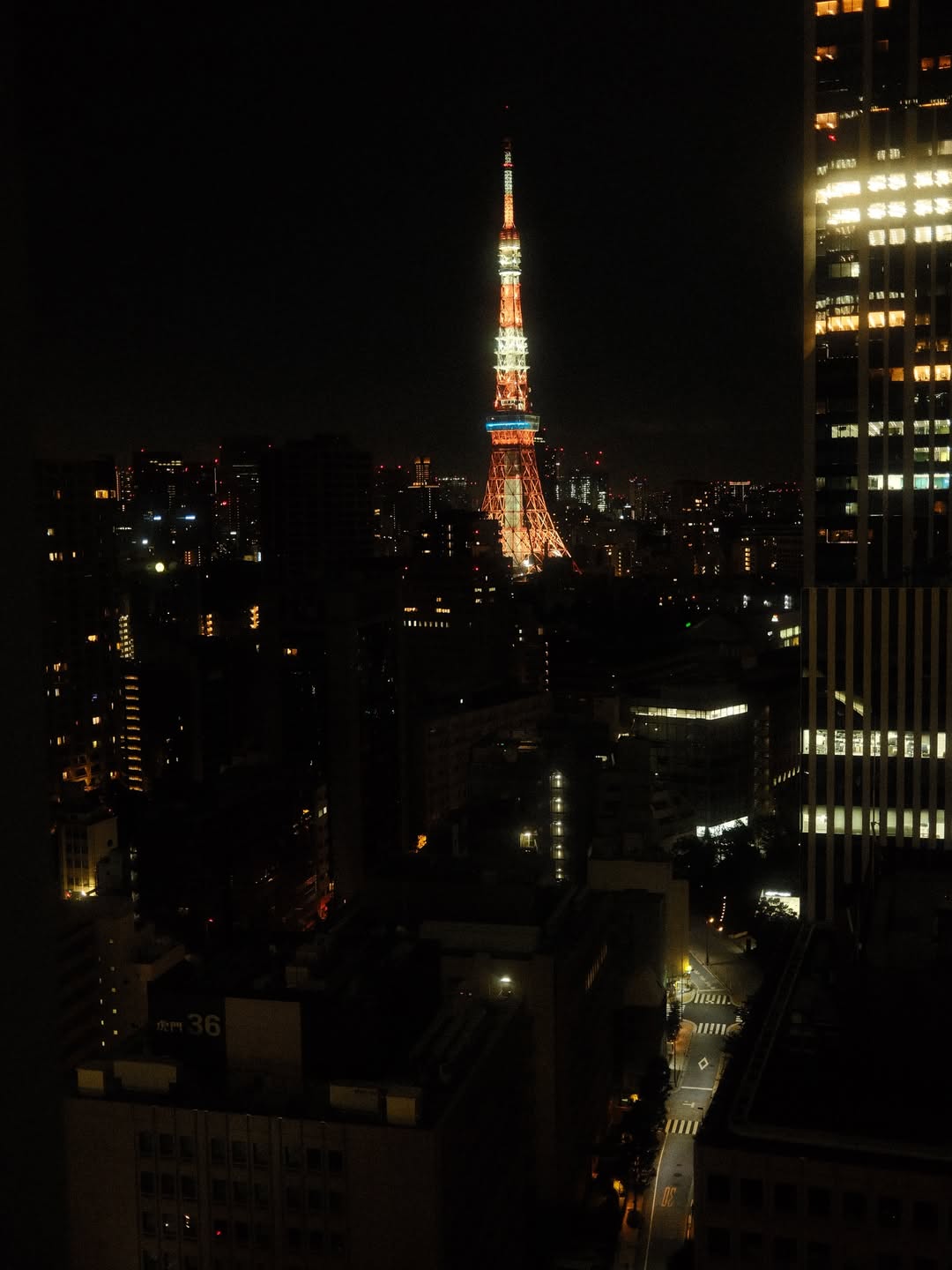
Tokyo changes tone throughout the day. Early mornings feel calm and local. Midday brings movement and purpose. Evenings slow again as people settle into routines.
I noticed this most when I stopped packing mornings with plans. Walking through residential streets before shops opened felt completely different from visiting the same area at noon. The city felt softer and more personal.
The official GO TOKYO travel guide reflects this natural flow by organizing experiences by area, theme, and season instead of pushing a strict checklist. That approach helped me think in neighborhoods rather than rushing between spots.
Here is an easy way to plan with this in mind. Use mornings for walking and observing. Save specific activities for later in the day when energy rises and places feel more active.
Once you move with the city instead of against it, choosing what to do feels easier and more satisfying.
Walk One Neighborhood Instead of Chasing the City
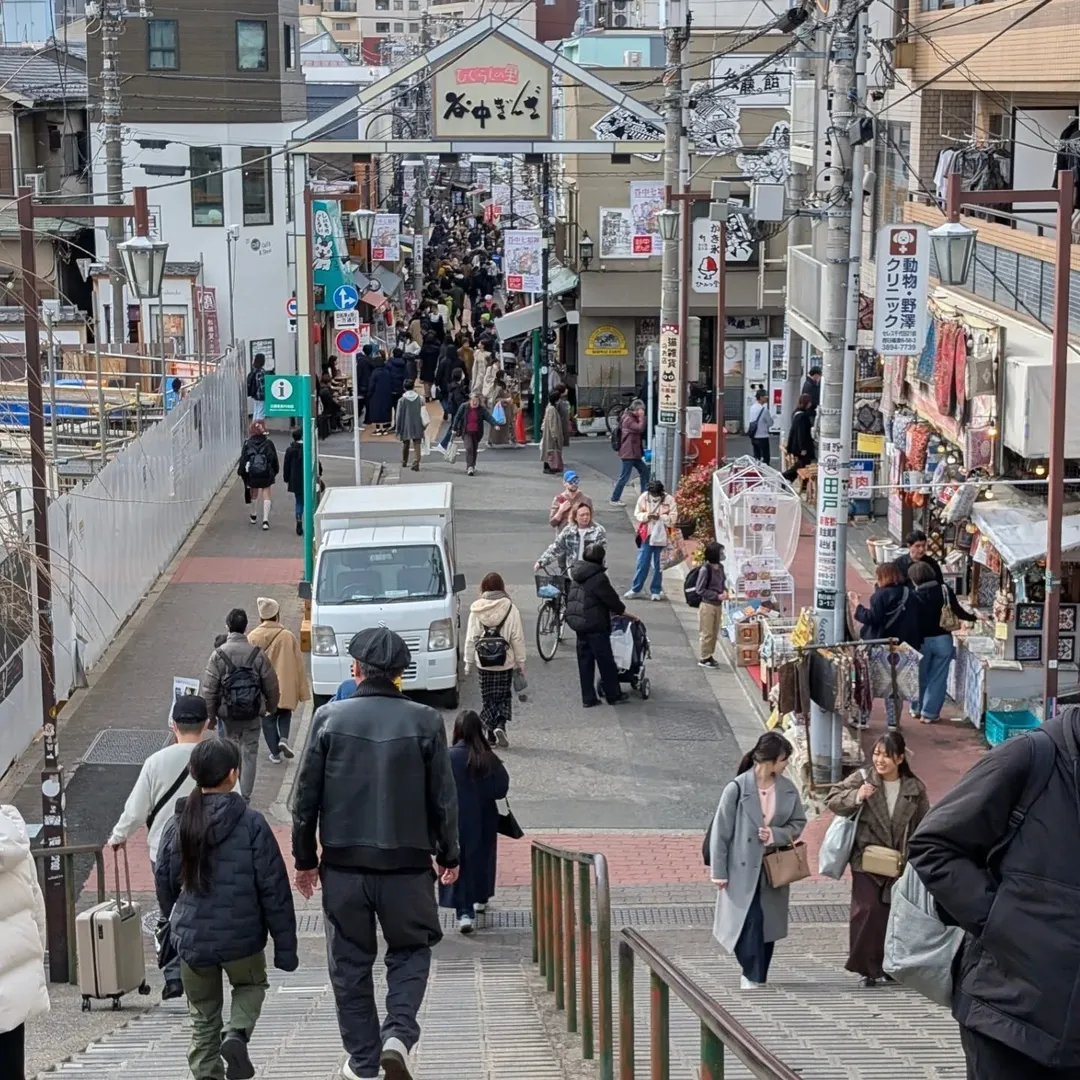
Tokyo makes the most sense when you slow down enough to stay put.
The days I enjoyed most were the ones where I chose one neighborhood and resisted the urge to leave. In Yanaka, I spent hours walking quiet streets, stopping for coffee, and watching locals move through their routines. No rushing. No station hopping. Just paying attention.
That experience changed how I approached the rest of the trip. I noticed small shops tucked into side alleys. I sat longer in cafes. I stopped checking maps every ten minutes.
This approach matches how Japan-Guide.com presents Tokyo, organizing the city by districts and encouraging travelers to explore areas deeply rather than bouncing across town.
Here’s a way to try this yourself. Pick one neighborhood for the day. Arrive with one loose idea and nothing else scheduled. Walk until something feels worth stopping for, then stay longer than planned.
Once you let the neighborhood lead, the city feels calmer and more personal.
That slower pace makes cultural experiences land differently.
Choose One Cultural Experience and Stay With It
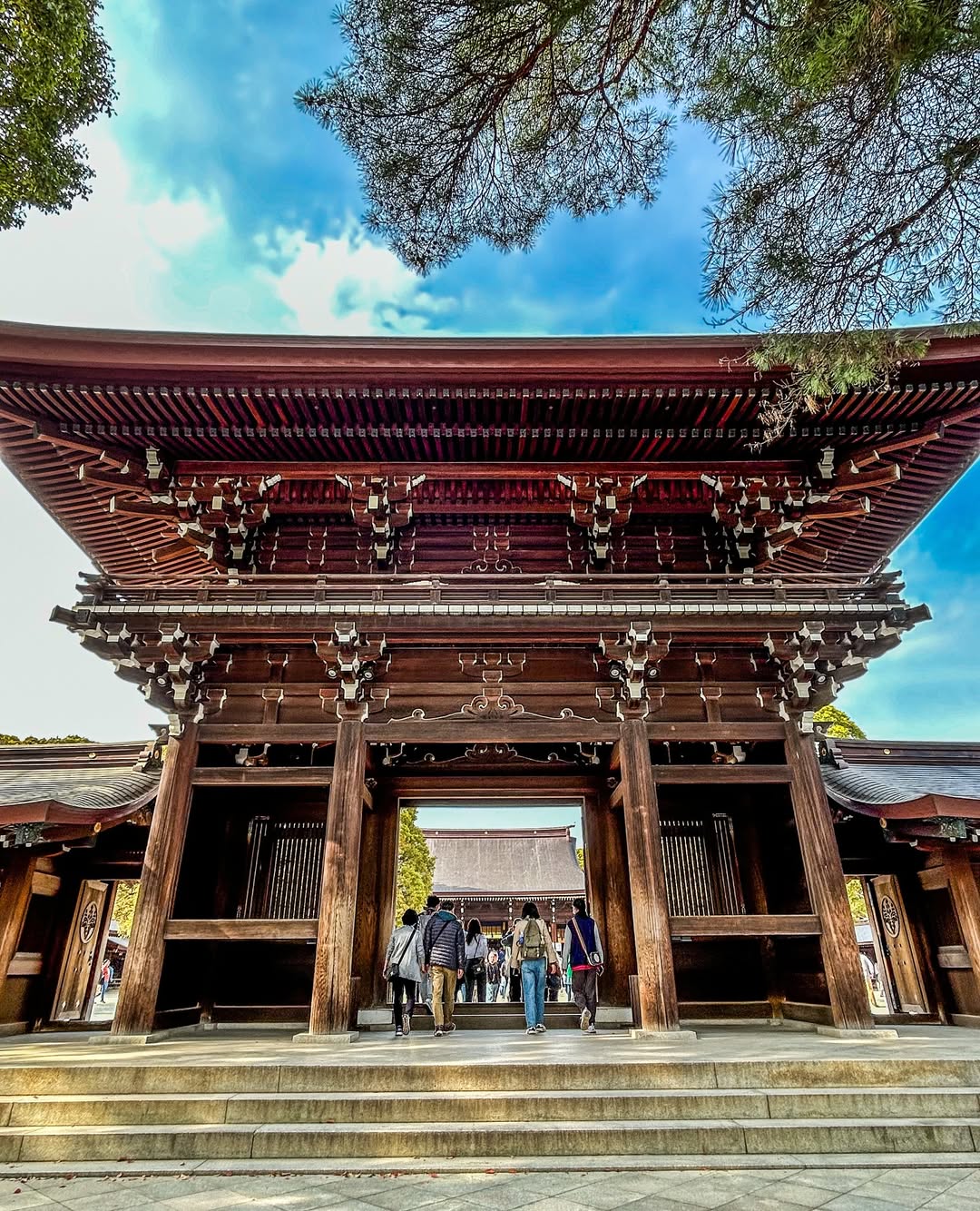
Tokyo offers endless cultural options, but depth matters more than variety.
One afternoon, instead of visiting several temples, I stayed at Meiji Shrine longer than expected. I walked the grounds slowly, watched visitors approach quietly, and sat without checking the time. That stillness stayed with me more than any rushed itinerary.
I learned more by staying than by moving.
This idea lines up with guidance from National Geographic Travel, which encourages visitors to balance Tokyo’s modern energy with time spent in traditional spaces by slowing down and focusing on fewer places.
Here’s the rule I follow now. One cultural experience per day. Arrive early. Put your phone away. Stay until the place starts to feel familiar instead of impressive.
That kind of attention changes how the rest of the day unfolds.
Treat Food as Part of Daily Life, Not a Task
🍳🍚🍜¥450.jpg)
Food in Tokyo does not need a plan to be memorable.
One of my favorite meals happened at a small standing soba shop called Oketani Ueno, just outside Ueno Station. I noticed it because office workers were stepping in, ordering quickly, eating in silence, and heading back out within minutes. No line. No photos. Just rhythm.
I ordered kake soba, the same hot bowl the man in front of me ordered, topped simply with green onions. I ate standing up, didn’t check my phone once, and finished in under ten minutes.
This mirrors advice shared by a long-time Tokyo resident in Travel + Leisure, who explains that overplanning meals often pulls travelers away from the everyday food culture that defines the city.
Here’s something you can try right away. Once per day, eat near a station during lunch hours. Choose a place where people are eating quickly and leaving. Sit, eat, and move on.
When food blends into the day instead of taking it over, everything else feels lighter.
That same mindset applies to how you move through the city.
Carry What You Need, Not Everything You Bought
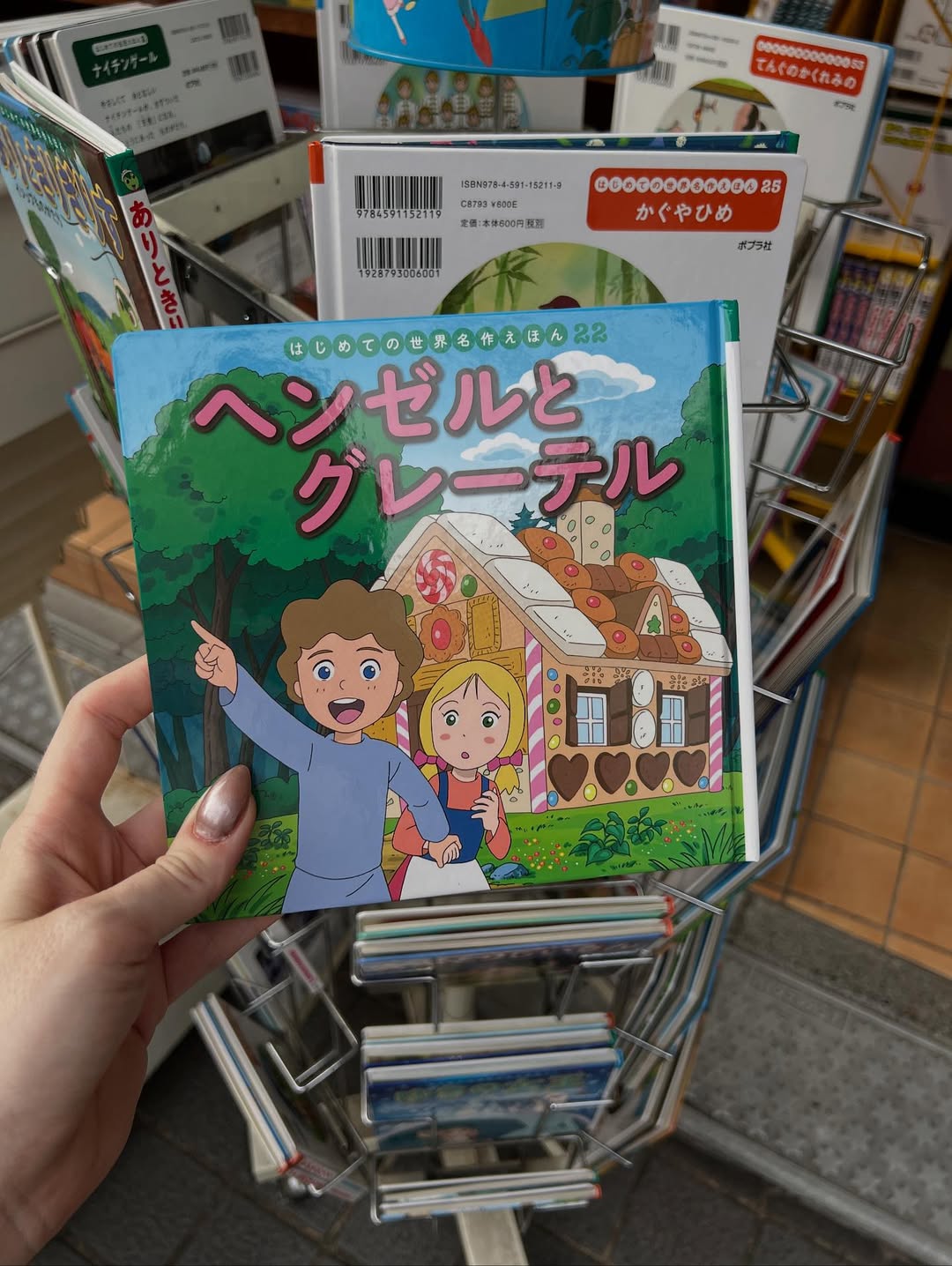
Shopping in Tokyo can spiral fast.
I enjoyed it more once I stopped buying souvenirs and started buying things I could actually use. In Loft in Shibuya, I picked up a simple notebook and a pen I still use at home. In Tokyu Hands, I bought a compact kitchen tool I reach for almost daily. Nothing flashy. Nothing fragile.
Those items slipped easily into my bag and never felt like a burden.
That choice was reinforced after reading the JR East etiquette guide, which asks riders to manage luggage carefully on trains so shared space stays comfortable. Carrying less made every ride easier.
Here’s a boundary that helped me. If you cannot imagine using it at home within the next month, leave it on the shelf. Photos already do the remembering.
Lighter bags make walking, trains, and evenings feel simpler.
And simplicity creates space.
Leave Space to Do Nothing on Purpose
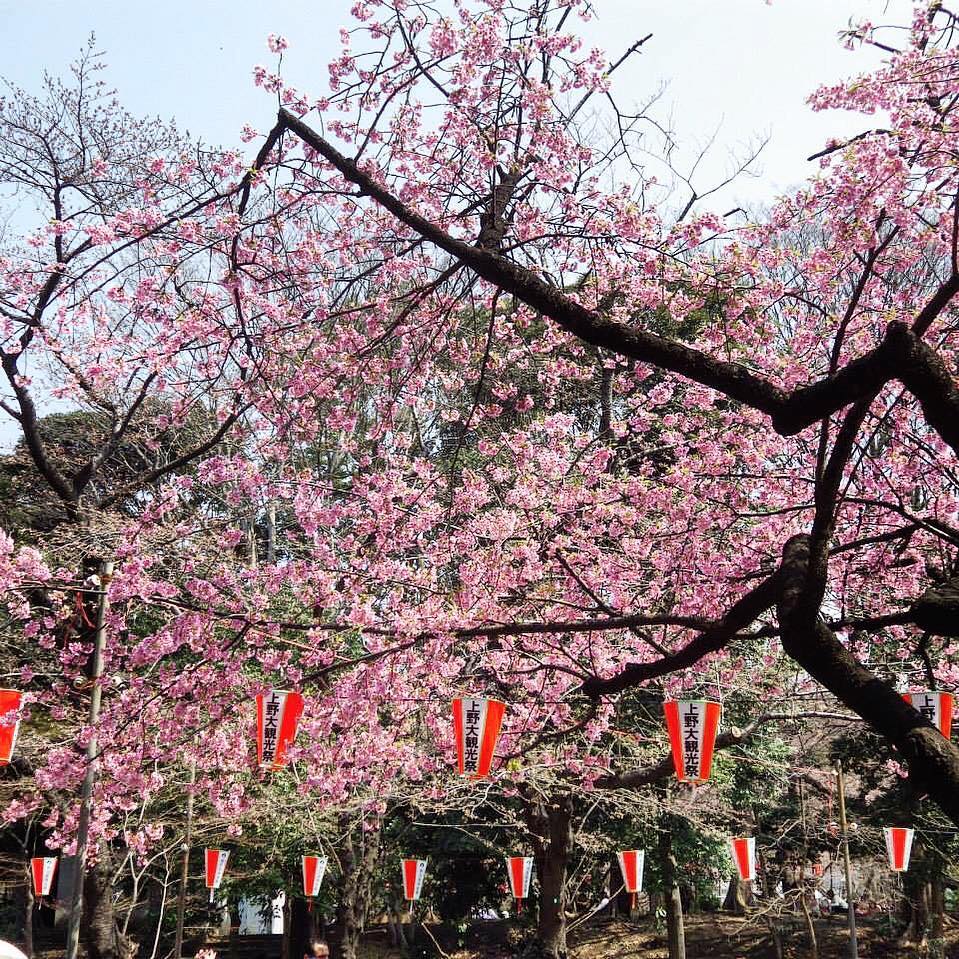
Some of my favorite Tokyo moments happened when nothing was planned.
One afternoon, I sat in Ueno Park with a coffee and watched people pass. Office workers on breaks. Kids running past. Older locals sitting quietly. I stayed longer than I meant to and left feeling more grounded than after any busy attraction.
Those pauses changed the rhythm of my days.
The Japan National Tourism Organization talks about everyday etiquette and awareness, which includes moving with consideration rather than rushing through shared spaces. That same awareness applies to how you pace your trip.
Build this into your plans. Leave one open block of time each day and protect it. No backup plans. No scrolling for ideas.
Tokyo feels richer when you stop trying to fill every moment.
That mindset shapes the entire trip.
Final Thought Before You Go Out for the Day
Tokyo things to do that are worth your time share one trait. They help you stay present.
Choose fewer experiences. Give them more attention. Walk slower. Sit longer. Let the city meet you where you are.
When you travel this way, Tokyo stops feeling overwhelming and starts feeling generous.
That feeling stays with you long after you leave.
If you’re planning your Tokyo trip, these helped me enjoy the city more:
Tokyo Outfits That Feel Stylish and Practical at Once
Inside Tokyo’s Most Aesthetic Cafés That Are Redefining Coffee Culture