Tokyo Outfits That Feel Stylish and Practical at Once
Tokyo looks effortless from the outside. Clean streets. Calm crowds. People who seem put together without looking like they tried too hard.
Then you land, step onto a platform, climb your first flight of stairs, and realize something fast. What looks good in photos does not always work in real Tokyo days.
I learned this the hard way.
On my first full day, I dressed for style. By mid-afternoon, my feet hurt, my layers felt wrong, and I was counting steps instead of enjoying neighborhoods. I was in one of the most walkable cities in the world and distracted by my clothes. That day forced me to rethink how Tokyo outfits actually work.
This guide is about outfits that hold up to real travel days. Clothes you can walk in for hours, sit comfortably in on trains, move through stations without stress, and still feel confident wearing to dinner. No trend chasing. No packing guilt.
If you are planning a trip to Tokyo and want to dress in a way that feels comfortable, appropriate, and natural from morning to night, this will help you get it right before you zip your suitcase.
Here is why Tokyo outfits need a different mindset.
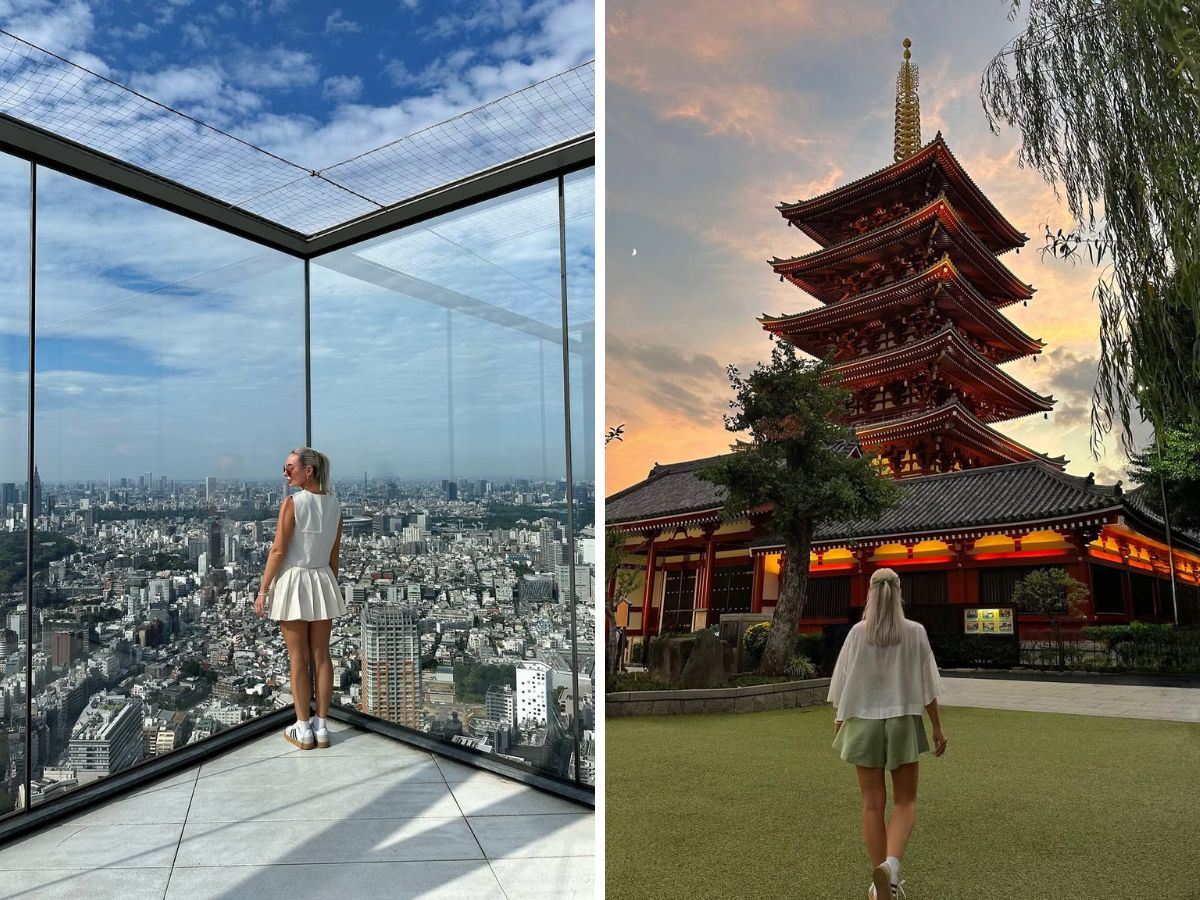
Why Tokyo Style Feels Subtle on the Street
Spend even one morning watching commuters and you’ll notice something. Tokyo style is quiet. It does not shout. Logos are rare. Fits are intentional. Nothing feels rushed.
That does not mean people dress the same. It means outfits feel considered.
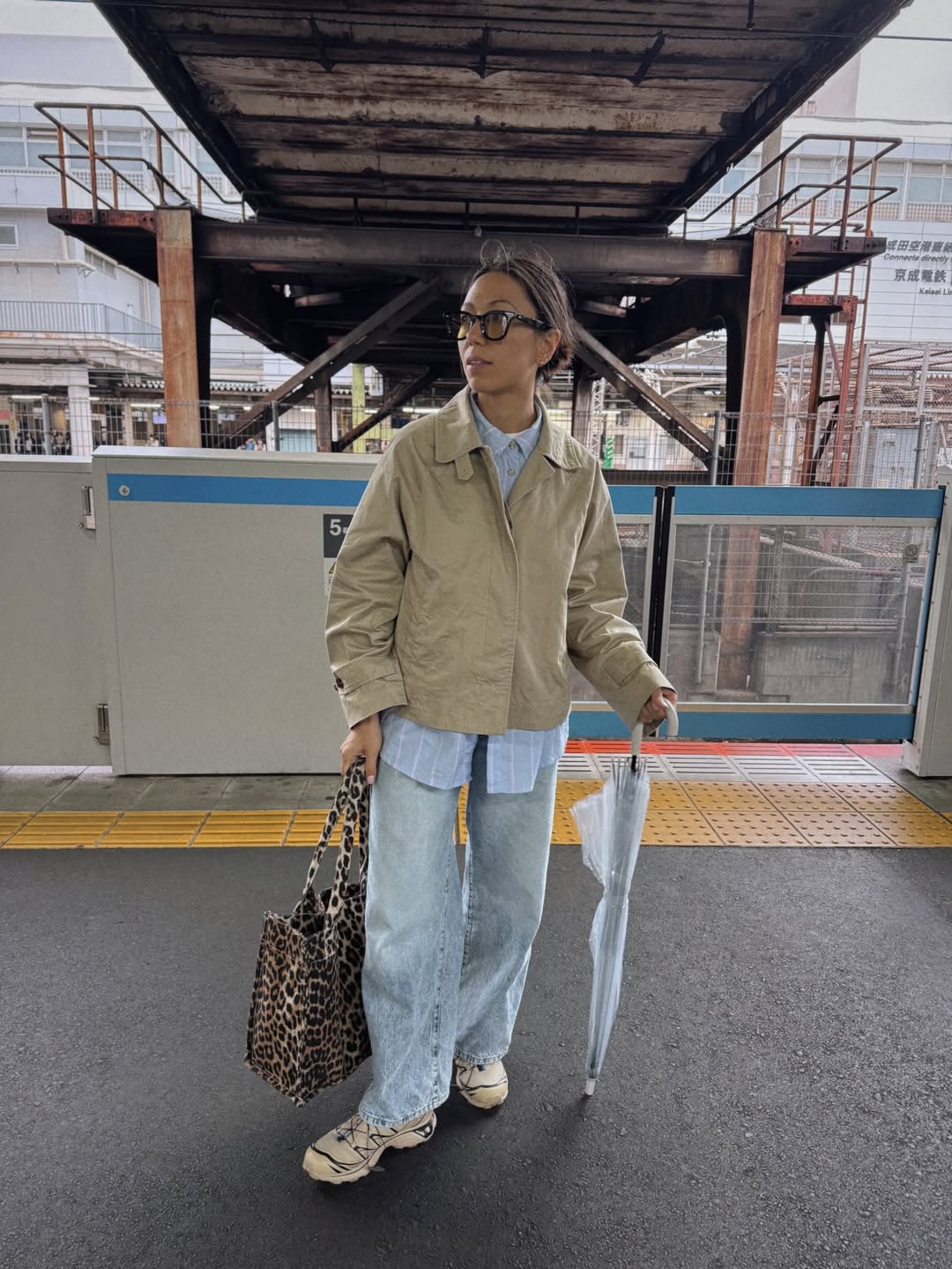
What stood out to me was how relaxed everything looked without feeling careless. Loose trousers that still held shape. Simple tops paired with clean shoes. Jackets that looked worn in, not stiff. No single piece tried to dominate the outfit.
This is not about copying locals. It is about reading the room.
When I stopped trying to dress “cool” and started dressing aware, everything clicked. My outfits felt calmer. I blended in more. I moved easier. I stopped adjusting myself every few minutes.
If you want to apply this right away, start with one change. Remove anything loud, bulky, or stiff from your outfit. Keep the rest simple and comfortable. When clothes stop asking for attention, confidence shows up naturally.
That mindset matters even more once you start walking.
Walking Changes How Everything Feels
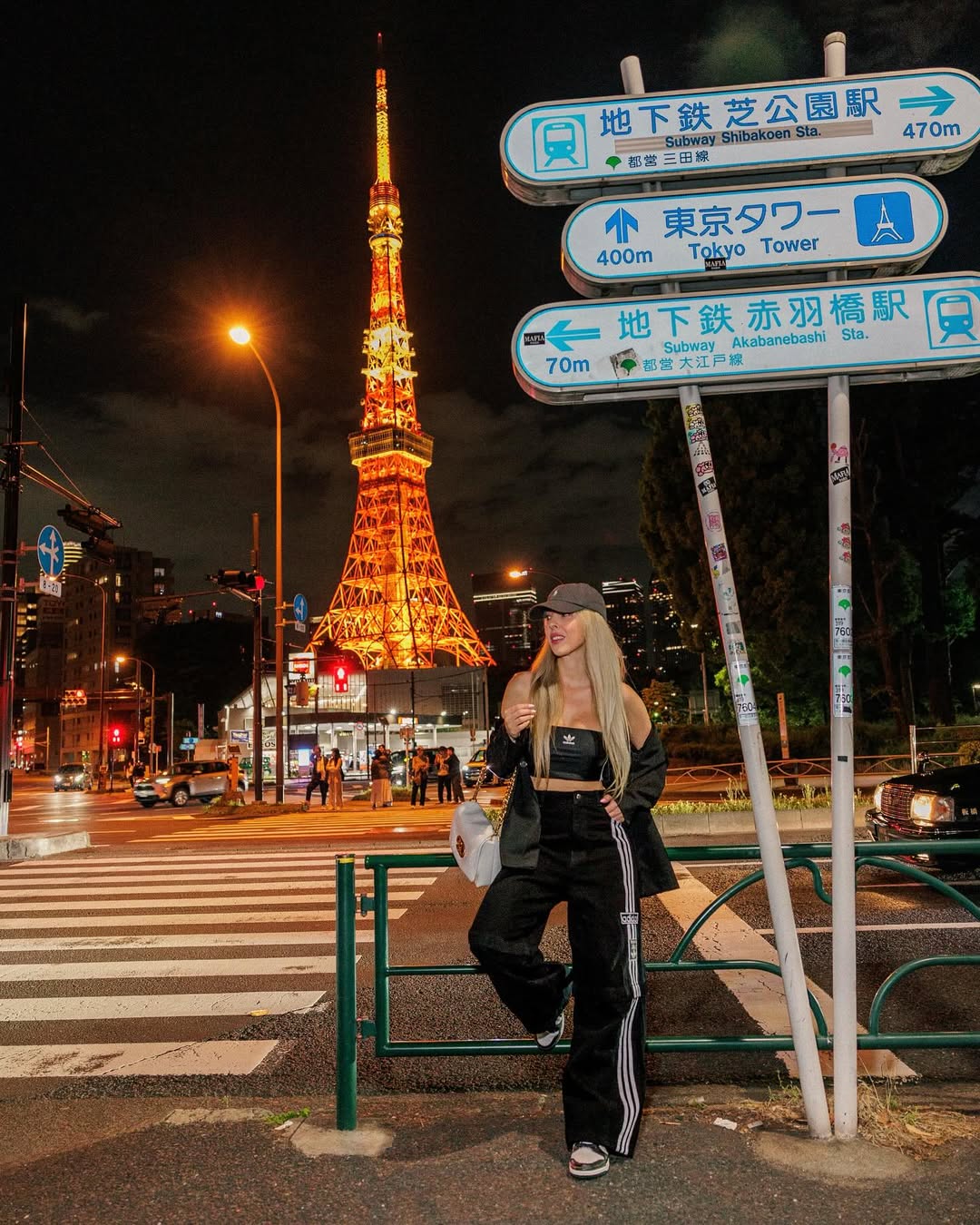
Tokyo is built for movement. Stations stretch wider than expected. Transfers involve stairs, tunnels, and long corridors. Neighborhoods invite wandering even when you planned not to.
A lot of people underestimate this. I did too.
One day I tracked it. Between stations, side streets, shops, and food stops, I walked over 20,000 steps without trying. Tight cuts and heavy fabrics stopped feeling stylish by midday. They became something I noticed constantly.
That was the moment I stopped planning outfits around how they looked standing still and started planning them around how they felt in motion.
Here is the rule that changed everything for me. If you cannot walk comfortably for an hour straight in an outfit, it is not a Tokyo outfit.
You can test this at home before packing. Put the outfit on. Walk. Sit. Stand. Climb stairs. If something pinches, rubs, or needs fixing, it will annoy you ten times more in Tokyo.
Once I adopted that rule, everything simplified. Shoes earned priority. Fabrics mattered more than silhouettes. Layers became lighter and easier to manage.
And that leads directly to the mistake most travelers wish they fixed sooner.
Shoes Can Make or Break the Day
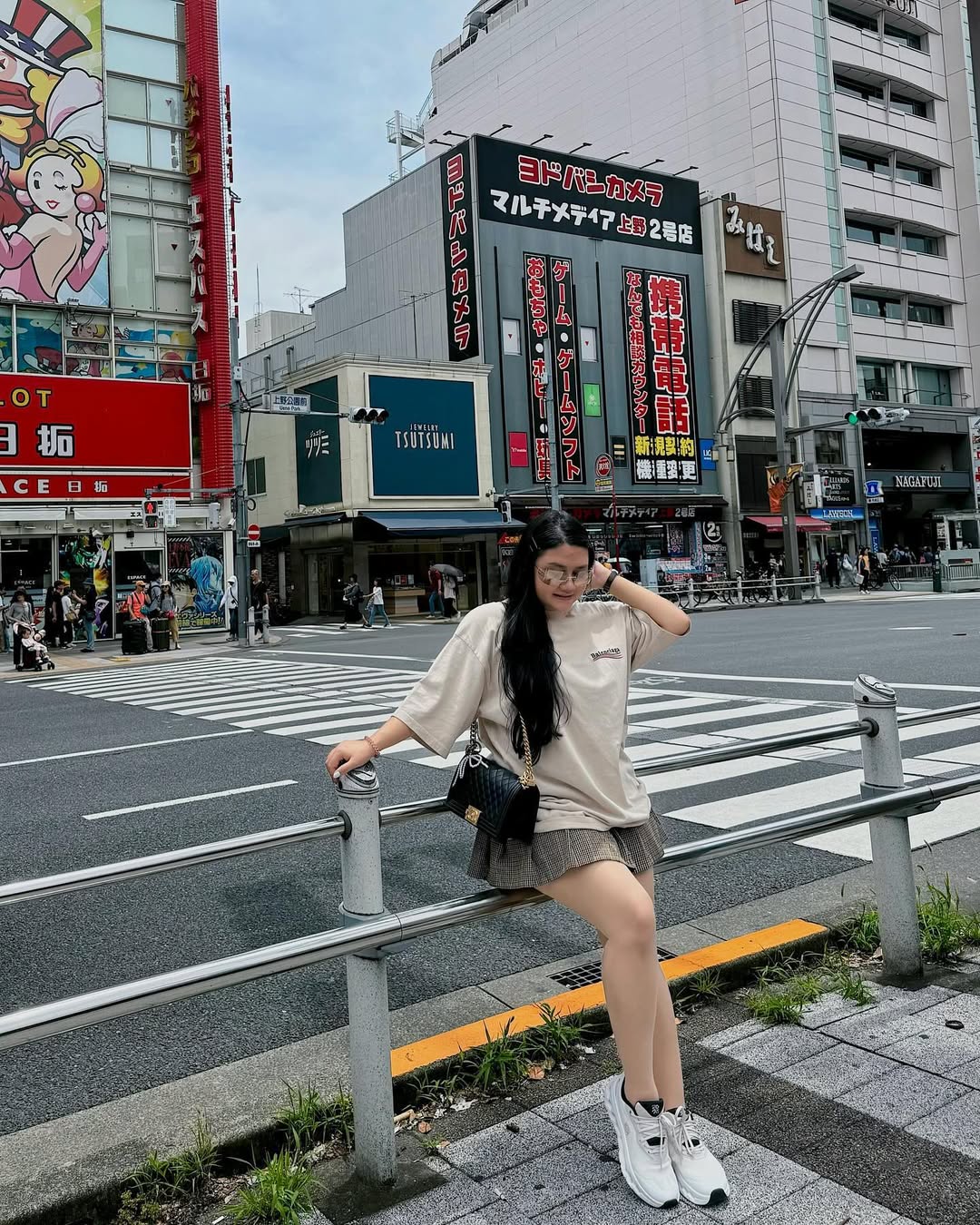
Tokyo shows you the truth about your shoes within minutes.
Crowded platforms. Long staircases. Standing on trains. Walking after dinner because it feels nice instead of calling a cab.
This is not the city for brand-new shoes. I learned that on day two and paid for it all evening. Every step became something I noticed, and once that happens, the city fades into the background.
What worked better were broken-in shoes with support and space to breathe. Clean, simple styles blended in easily and never felt bulky in tight spaces. I stopped thinking about my feet and started paying attention again.
This lines up with what major travel editors recommend. Travel + Leisure points out that trips to Japan involve constant walking and long periods on your feet, which is why supportive footwear should be planned before anything else.
Here’s an easy test you can use before packing. Put your shoes on and walk for thirty minutes without stopping. If you feel pressure, rubbing, or heat building up, that feeling will show up faster in Tokyo.
Once my shoes stopped demanding attention, everything else felt lighter. I walked longer. I stayed out later. I stopped cutting days short.
That comfort becomes even more important once weather enters the picture.
Fabric Choices Matter More Than the Outfit Itself
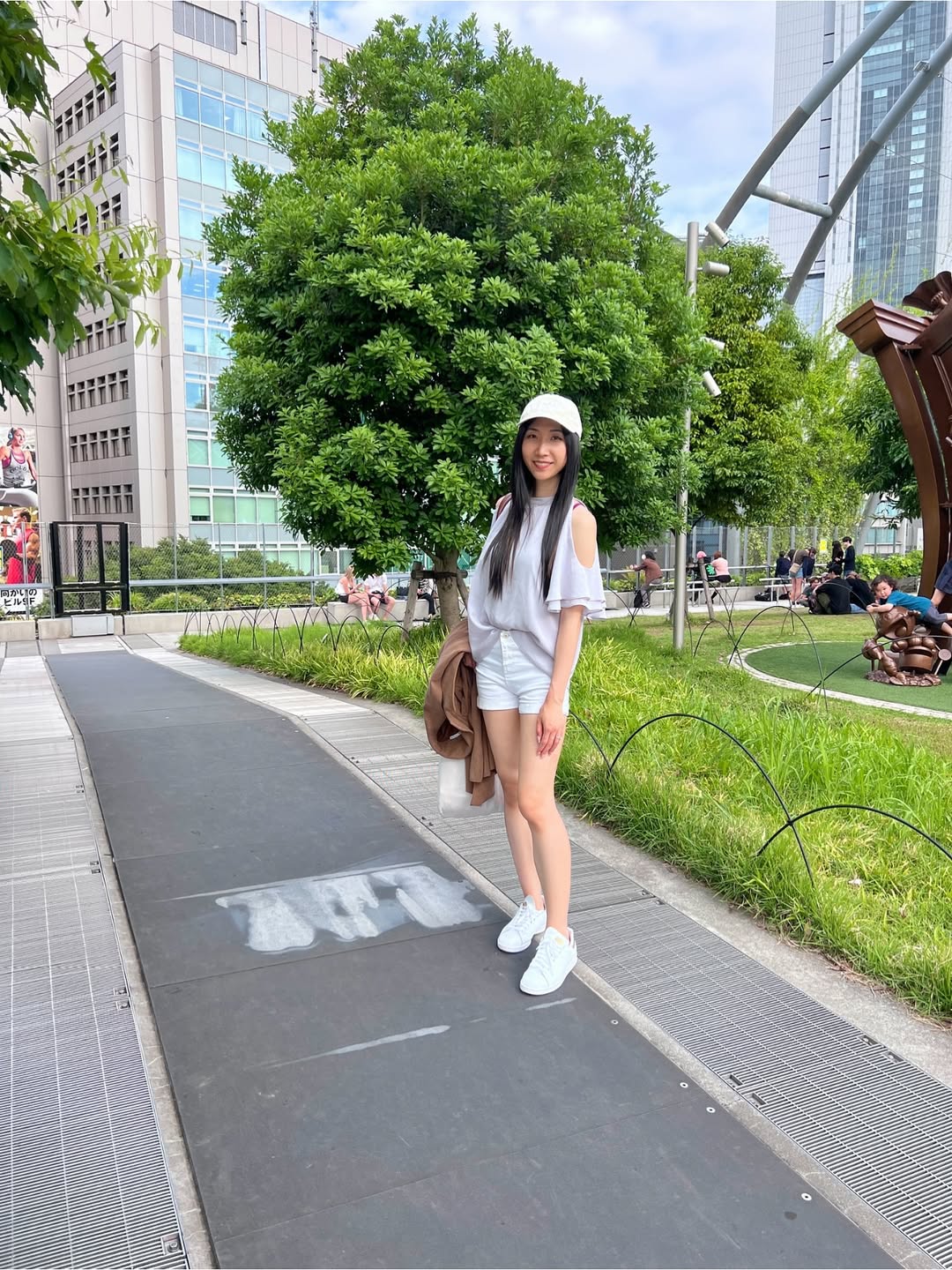
Tokyo weather shifts quietly but constantly. Humidity builds without warning. Indoor spaces swing between warm and cold. Rain arrives without ceremony.
I started paying closer attention after checking Tokyo’s monthly climate data from the Japan Meteorological Agency, which tracks temperature and rainfall patterns across the year. Seeing the actual numbers explained why some days felt heavier than expected, even when the forecast looked mild.
Breathable fabrics changed everything for me. Light cotton blends. Airy trousers. Tops that dried quickly after humidity or light rain. I stayed comfortable without needing outfit changes.
Heavy denim stayed in the suitcase more than once. Thick synthetics felt fine early in the day, then uncomfortable by mid-afternoon. Once clothes start trapping heat, energy drops fast.
A simple way to plan this at home is to think in layers you can forget about. If a fabric makes you notice sweat, stiffness, or weight, it will distract you even more once you are moving through stations and streets.
Clothes that worked with the weather kept my energy steady. That mattered far more than how sharp an outfit looked in photos.
Once fabrics were right, layering became easier and more natural.
Layering Without Feeling Overdone
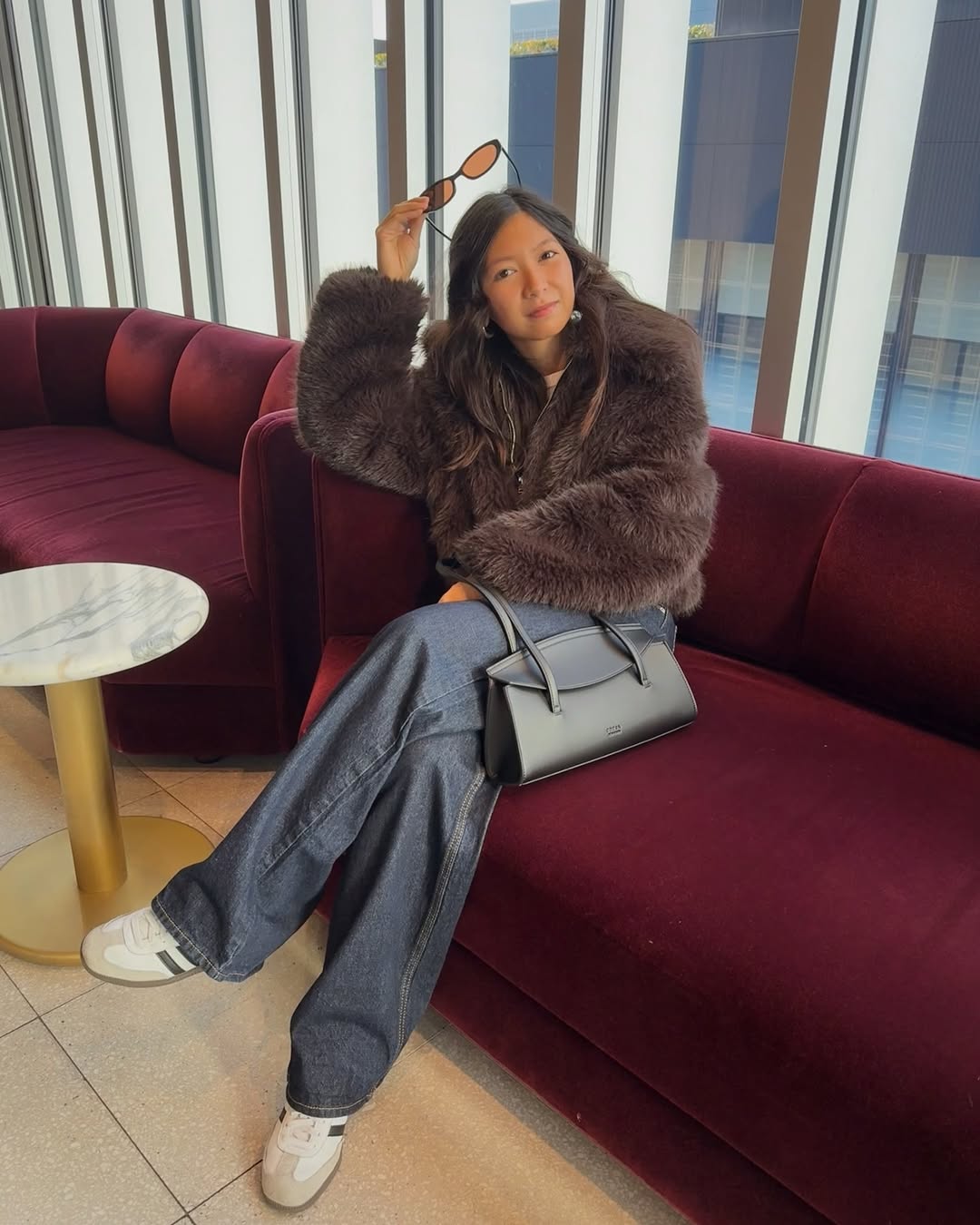
Tokyo loves climate control. Trains, shops, and cafes often feel much warmer than the street outside. A short walk can take you from cool air to heat and back again.
The fix for me was light layers that come on and off easily.
A thin jacket or overshirt ended up doing more work than anything else in my bag. It handled cool mornings, warm trains, and late dinners without making me feel bulky or trapped. I could fold it, drape it, or wear it without thinking.
This lines up with guidance from the Japan National Tourism Organization, which explains how seasonal shifts and indoor temperatures affect what visitors wear throughout the day. Their advice helped me stop packing heavy layers I never reached for.
Here’s a simple way to apply this at home. If a layer feels annoying to carry when you take it off, it will annoy you twice as much in Tokyo. Choose pieces that feel easy to hold, fold, or forget about.
Once I simplified layers, I stopped adjusting my clothes every hour. That ease freed up attention for everything else.
And then I noticed something else that had the same effect.
Bags That Feel Right in Crowds
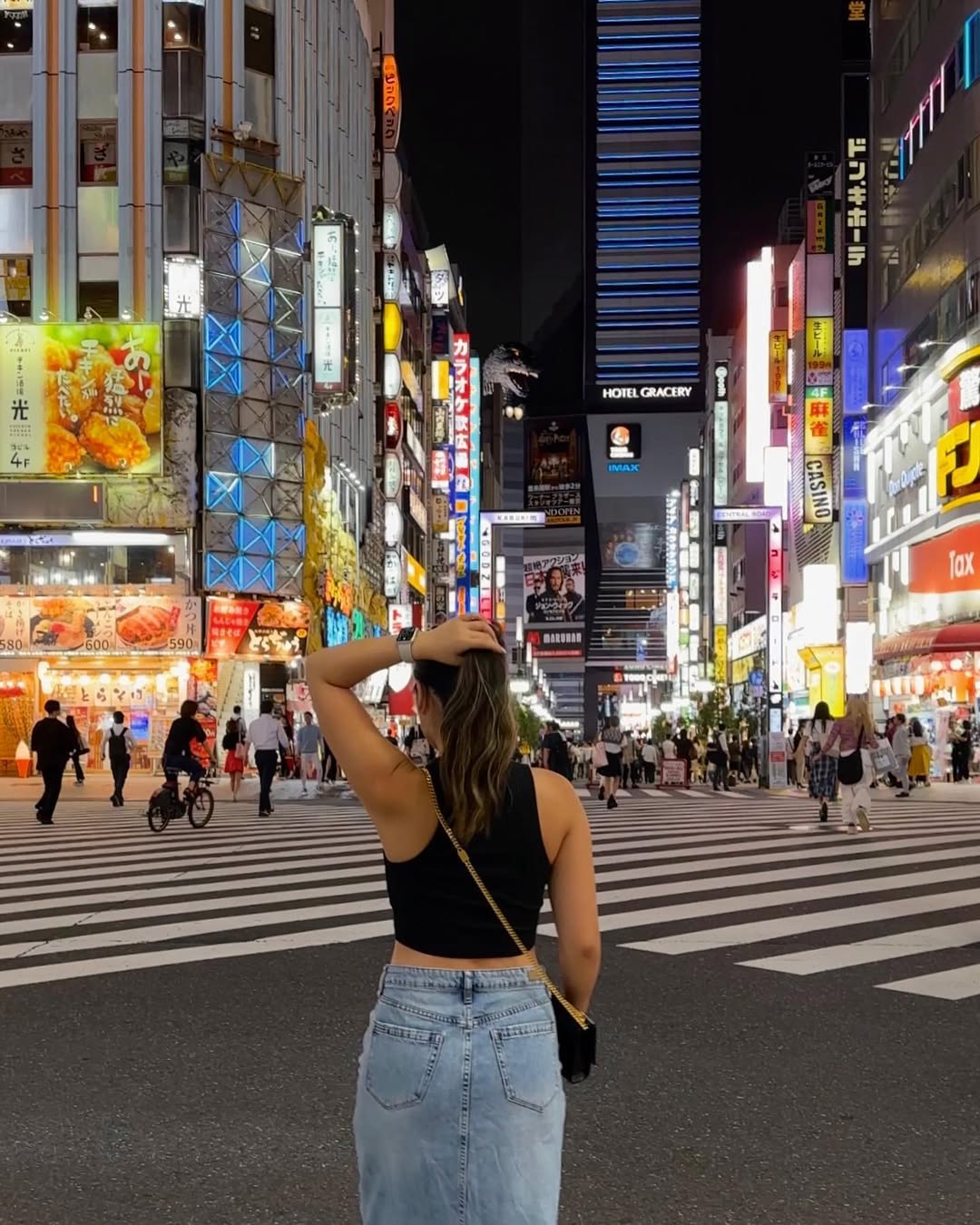
Tokyo crowds are calm but close. A bulky bag changes how you move, how aware you feel, and how relaxed your posture stays through the day.
The first day I carried a large backpack, I felt it right away on packed trains. It bumped people when I turned. I kept shifting it from shoulder to shoulder. I thought about it constantly.
Tokyo Metro addresses this directly. They ask riders to manage bags carefully on trains and often suggest wearing backpacks on the front or keeping them compact during busy times.
After switching to a smaller backpack paired with a crossbody setup, my posture settled. My movements felt smoother. I stopped scanning my surroundings just to avoid hitting someone with my bag.
If you want to test this before your trip, wear your planned bag at home for an hour and move through tight spaces. If it feels awkward, it will feel worse on a crowded platform.
That mental quiet matters more than people expect.
And it connects directly to another detail travelers often overlook.
Shoes On, Shoes Off, Then On Again
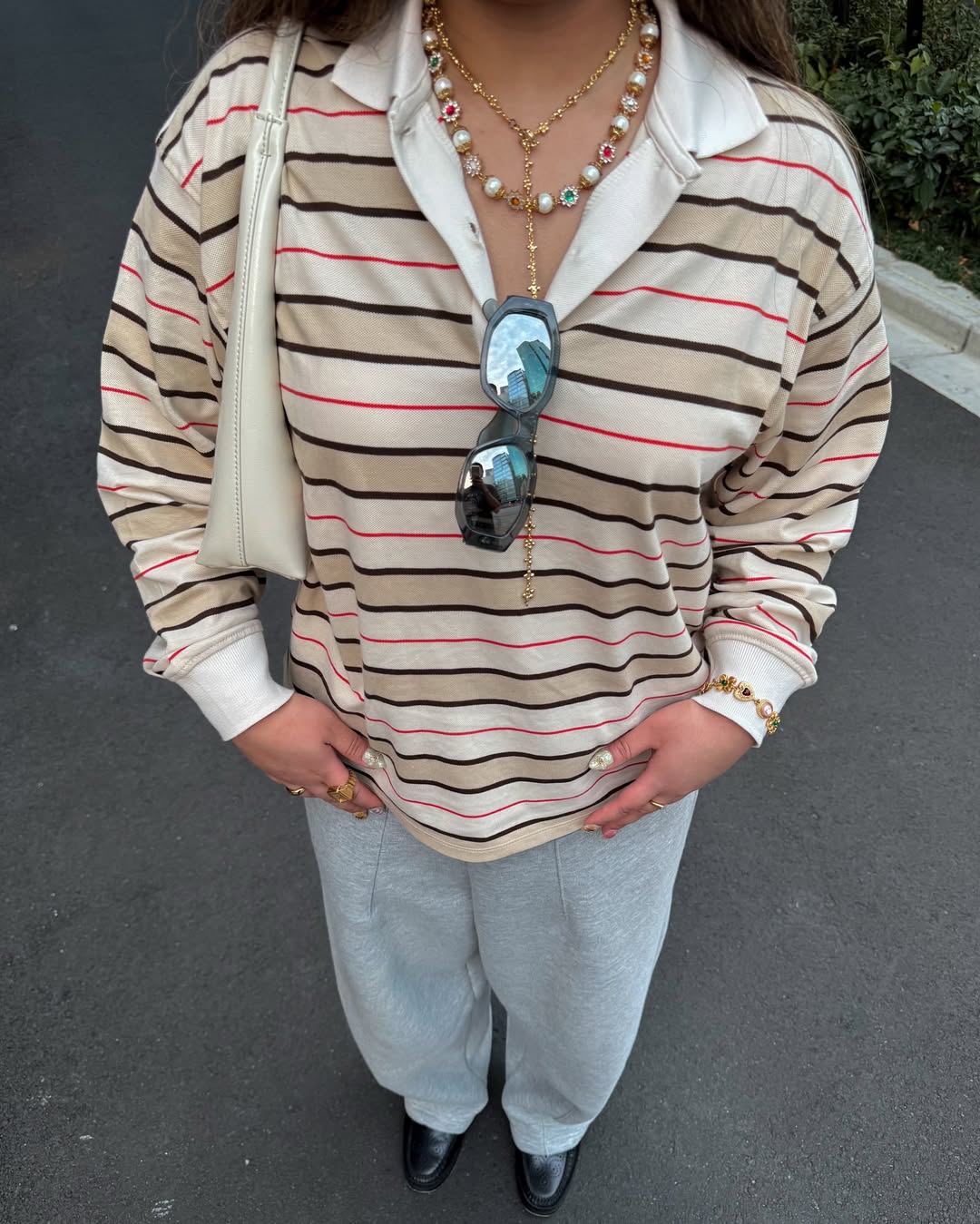
Tokyo involves more shoe changes than many people expect.
Restaurants, traditional spaces, and some accommodations ask you to remove footwear. The first time it happens, it feels simple. By the fifth time, fumbling with laces starts to wear on you.
I switched to shoes that slipped on and off easily without giving up support. That small change smoothed out evenings, especially after long days when bending down felt heavier than it should have.
Cultural etiquette explains why this comes up so often. National Geographic Travel describes how shoe removal fits into everyday life in Japan, not just formal settings. Knowing this ahead of time makes outfit planning far easier.
Here’s an easy check before you pack. Sit down, stand up, and remove your shoes three times in a row. If it already feels annoying, it will feel worse at the end of a long Tokyo day.
Once shoes and bags stopped demanding attention, outfits began to feel intentional instead of reactive.
That shift leads straight into color and fit.
Why Neutral Colors Feel Right in Tokyo
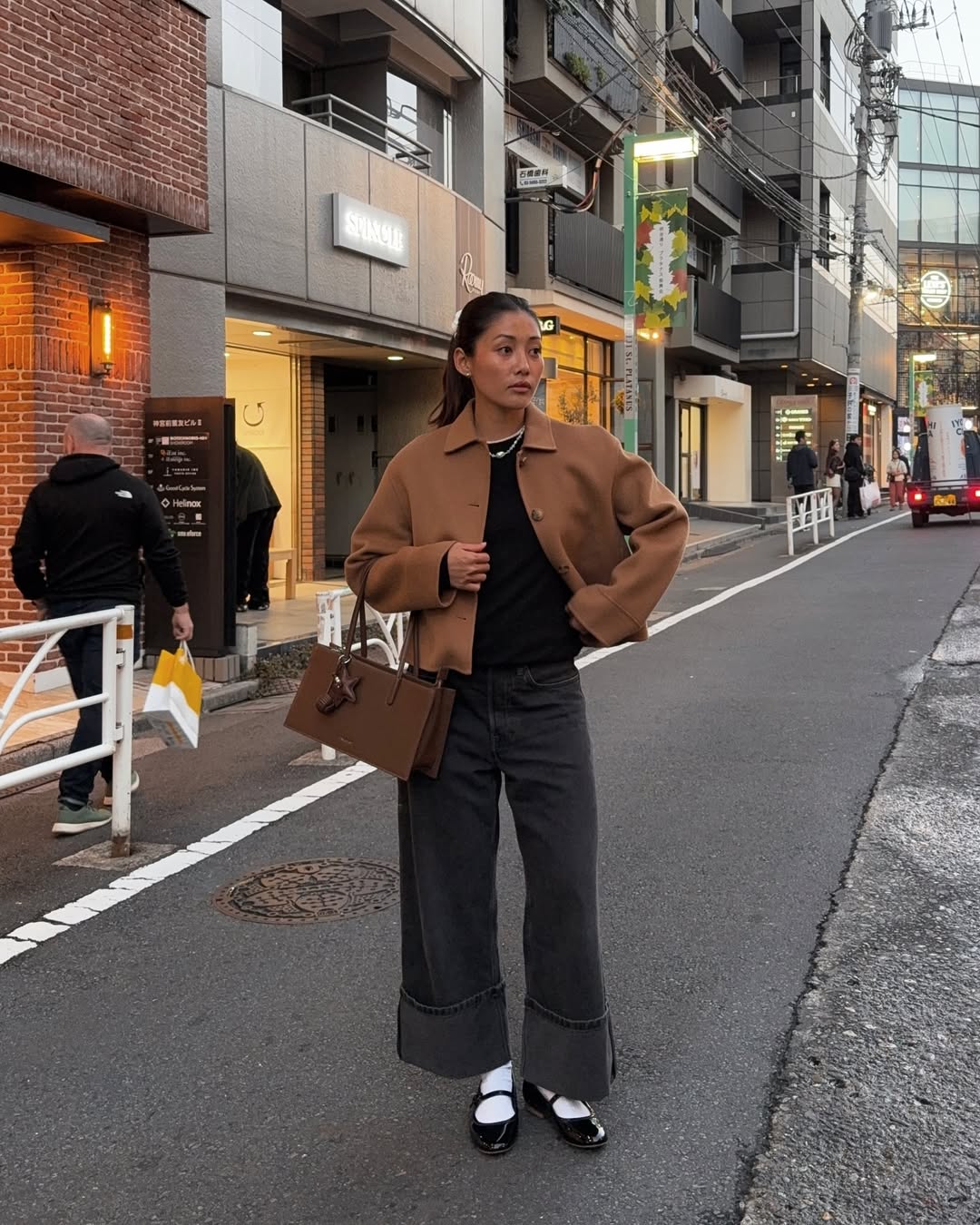
Tokyo style does not rely on loud color. It relies on balance.
Neutrals let texture and fit do the work. Blacks, grays, tans, and muted tones appeared everywhere I looked. Nothing felt dull. Everything felt calm and considered.
When I leaned into that palette, packing became easier. Pieces mixed naturally. I repeated outfits without thinking about it. My suitcase felt lighter even when it wasn’t.
Fit mattered more than brand names. Clothes that skimmed the body without clinging felt relaxed but polished. Nothing pulled. Nothing needed fixing throughout the day.
This approach lines up with guidance from Lonely Planet, which encourages visitors to blend in through awareness rather than costume. Their advice helped me stop dressing for attention and start dressing for ease.
If you want to apply this right now, lay out your outfits and remove one loud or fussy piece from each. What remains will likely work together better than expected.
Once I stopped trying to stand out, I felt more confident moving through the city.
And that confidence carries you through long days without draining you.
Outfits That Carry You From Morning to Night
Most Tokyo days do not have outfit changes.
You leave early. You walk. You eat. You wander. You end up somewhere unexpected at night without planning to.
The outfits that worked best were the ones I never thought about. Clean base layers. One adaptable outer layer. Shoes I trusted. Nothing needed fixing or adjusting after the first hour.
This is easy to test before your trip. Pick one outfit and wear it for a full day at home. Sit, walk, stand, and stay in it until evening. If something bothers you by dinner, it will bother you sooner in Tokyo.
When clothing stopped asking for attention, Tokyo gave more back. I noticed side streets. I stayed out longer. I said yes more often instead of checking the time.
That is the real goal.
Final Thought Before You Pack
Tokyo outfits are not about trends. They are about ease.
When clothes support your movement, respect the setting, and adapt to the day, everything else feels lighter. You move with less friction and more confidence.
Before you pack, think about how you want to feel at 9 p.m. after a long day out. Calm. Comfortable. Still curious. Build your outfits around that feeling, not around photos.
Once you do that, Tokyo meets you where you are and lets the day unfold naturally.
If you’re planning your Tokyo trip, these helped me feel more prepared:
Tokyo Things to Do That Are Worth Your Time
Inside Tokyo’s Most Aesthetic Cafés That Are Redefining Coffee Culture