Things to Do in Kyoto Beyond the Usual Tourist Spots
Kyoto can make you feel like you need to see everything.
Fushimi Inari. Kinkaku-ji. Kiyomizu-dera. Arashiyama. Before long, your day becomes a race between places you have already seen hundreds of times in photos.
I love Kyoto’s famous sights, but some of my favorite moments in the city came when I stopped treating every hour as another attraction to check off.
A quiet street. A canal with hardly anyone rushing past. A small shop I hadn’t planned to enter. Those moments gave me a version of Kyoto that felt much more personal.
You don’t need to hunt for secret places to find that side of the city, either.
You just need to change how you spend part of your day.
Start Your Day in a Kyoto Neighborhood, Not at an Attraction
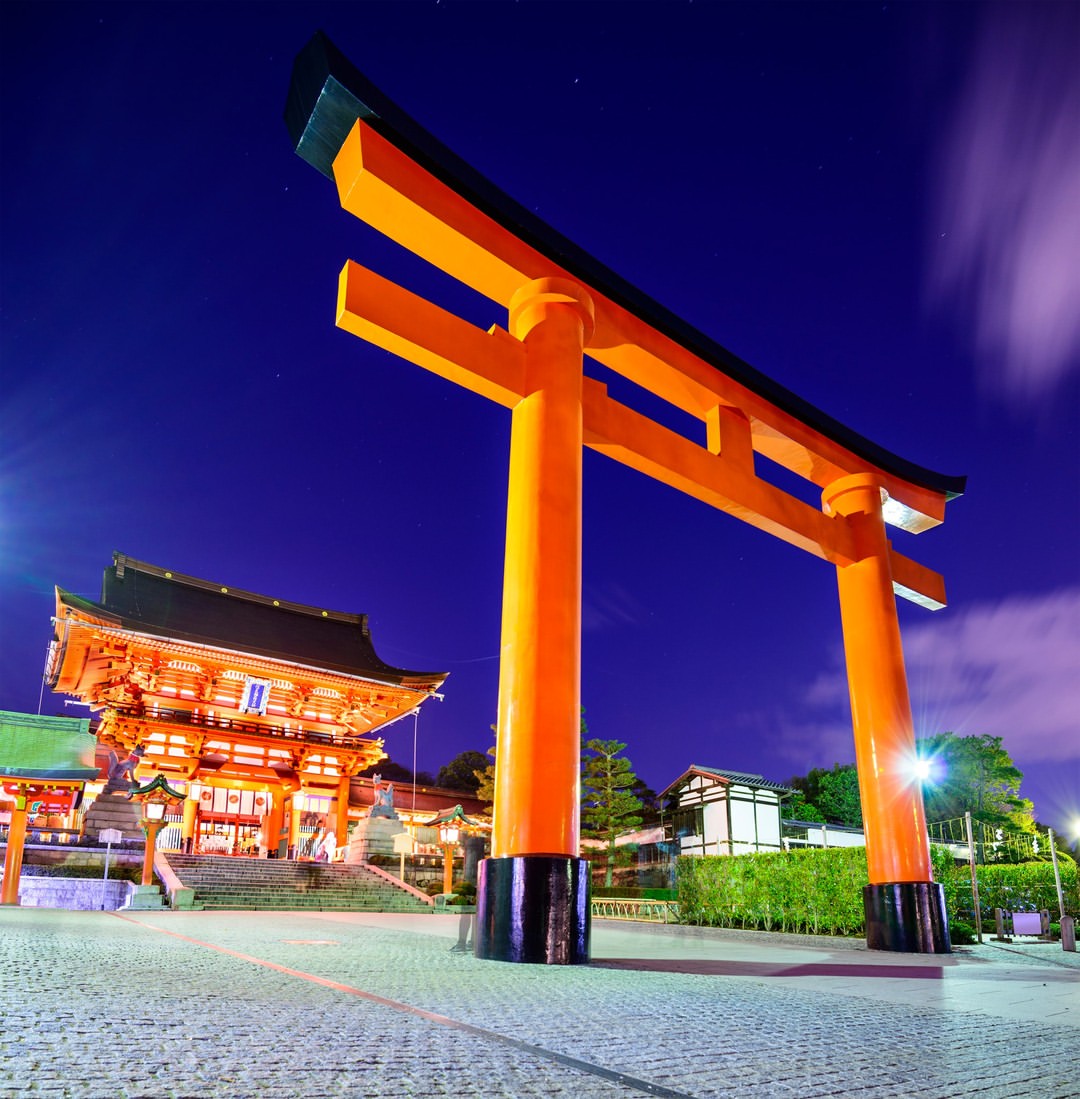
Try giving the first hour of your morning to a neighborhood instead of heading straight to a famous temple.
Choose an area, get there early, and walk without trying to reach five places before lunch. Stop for coffee, peek into a small shop, or take the side street that looks more interesting than the main road.
Kyoto’s official tourism board even points visitors toward six areas it describes as Kyoto’s “Hidden Gems”, including Fushimi, Ohara, Takao, Yamashina, Nishikyo and Keihoku.
I found that slowing down changed what I noticed. Instead of looking at my map every few minutes, I started paying attention to little gardens, bicycles outside homes, shop curtains and the rhythm of an ordinary morning.
Try this yourself. Choose one area before bed, save your next planned stop on your phone, then give yourself an hour to reach it slowly.
That same approach works even better when your route follows the water.
Follow Kyoto’s Waterways for a Slower Walk
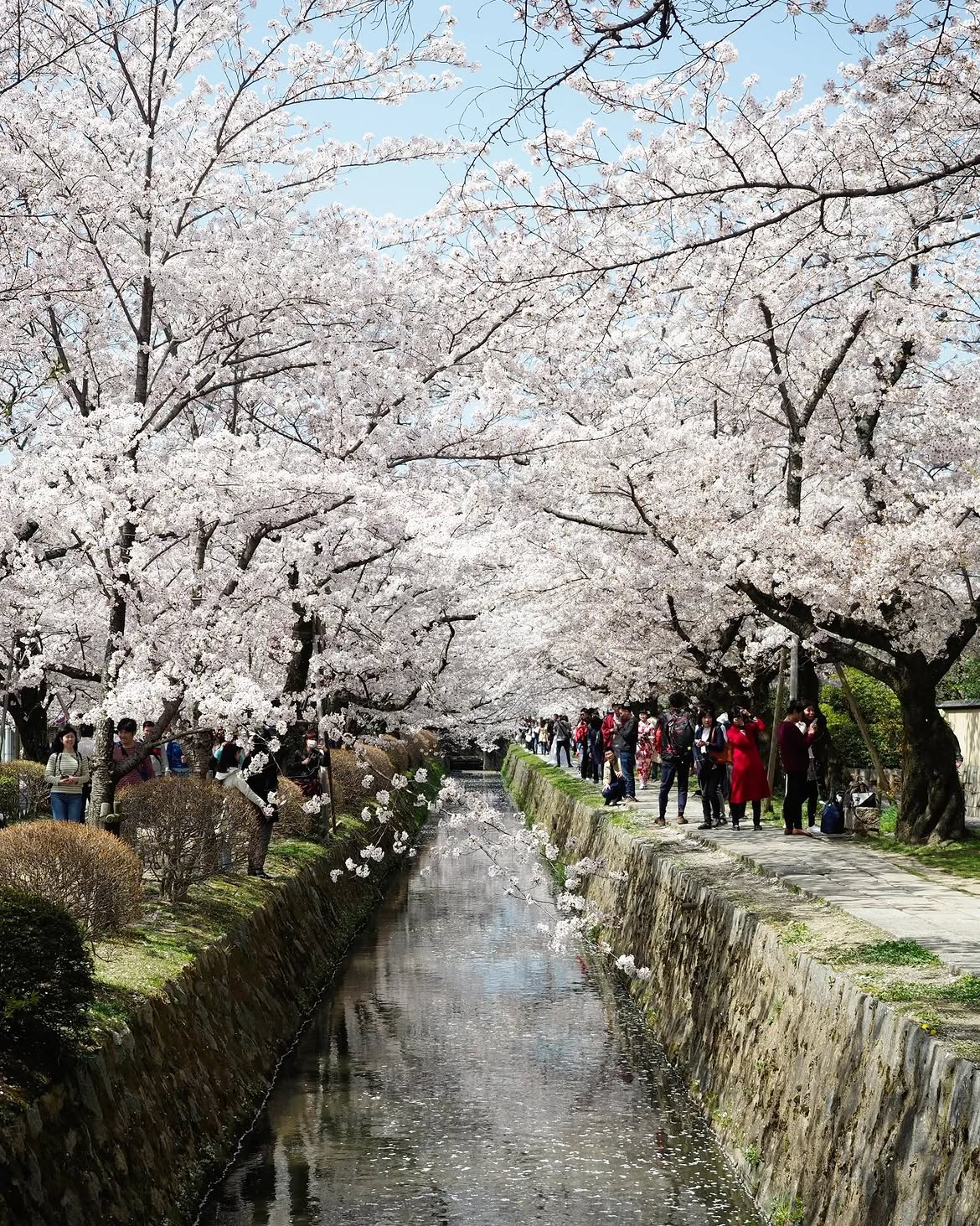
One of the easiest ways to break the sightseeing cycle is to make the walk itself part of your day.
Rather than taking transportation between every stop, look for a canal or riverside route that moves you in roughly the same direction.
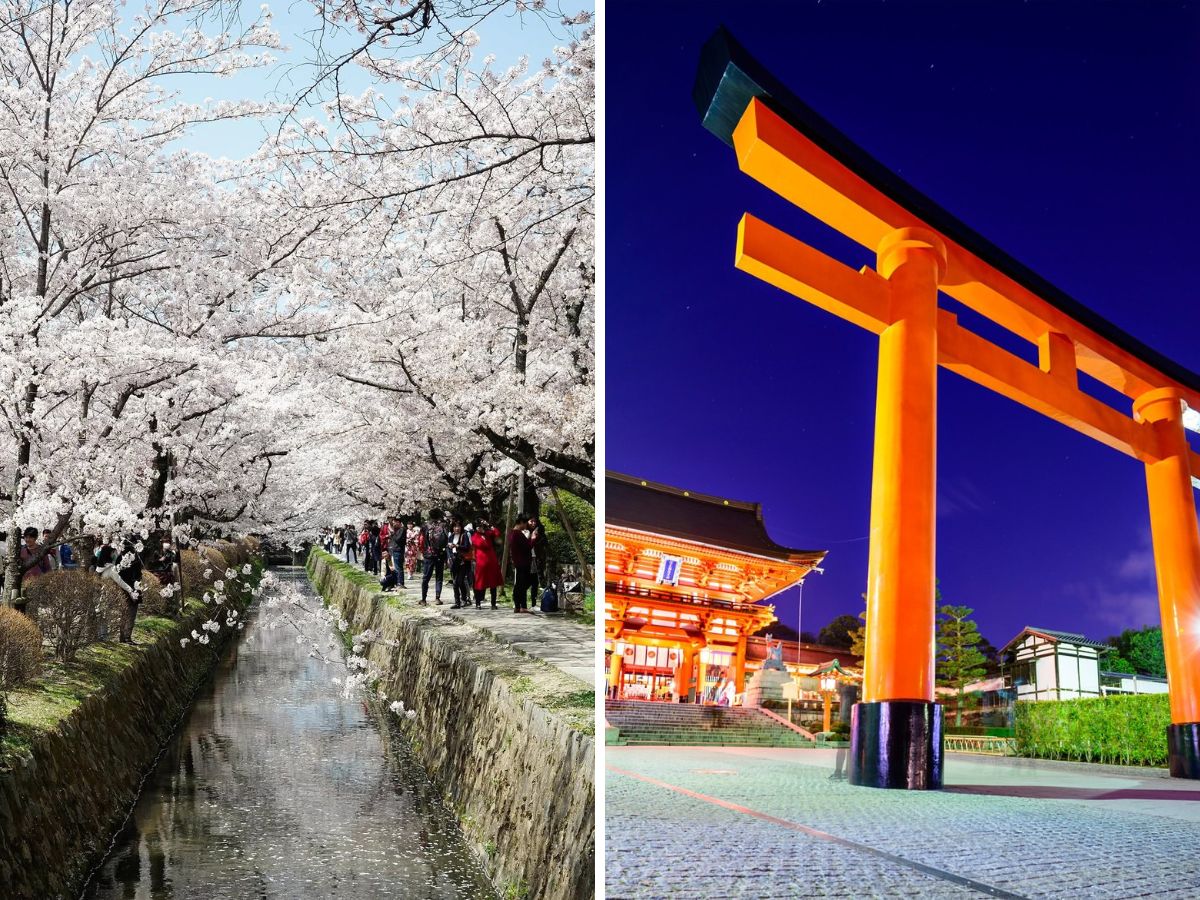
The Lonely Planet guide to Kyoto’s neighborhoods highlights the roughly 2-kilometer canal-side Philosopher’s Path. It is a good reminder that you don’t always need another attraction to fill an hour in Kyoto.
This works well when your schedule already feels crowded.
Open your map and check whether two places you want to see can be connected by a pleasant walk. Even if the route takes longer, you may get far more from that hour than you would sitting on another bus.
And once you stop measuring the day by the number of attractions you visit, it becomes easier to rethink which temples deserve your time.
Trade One Famous Temple for a Quieter One
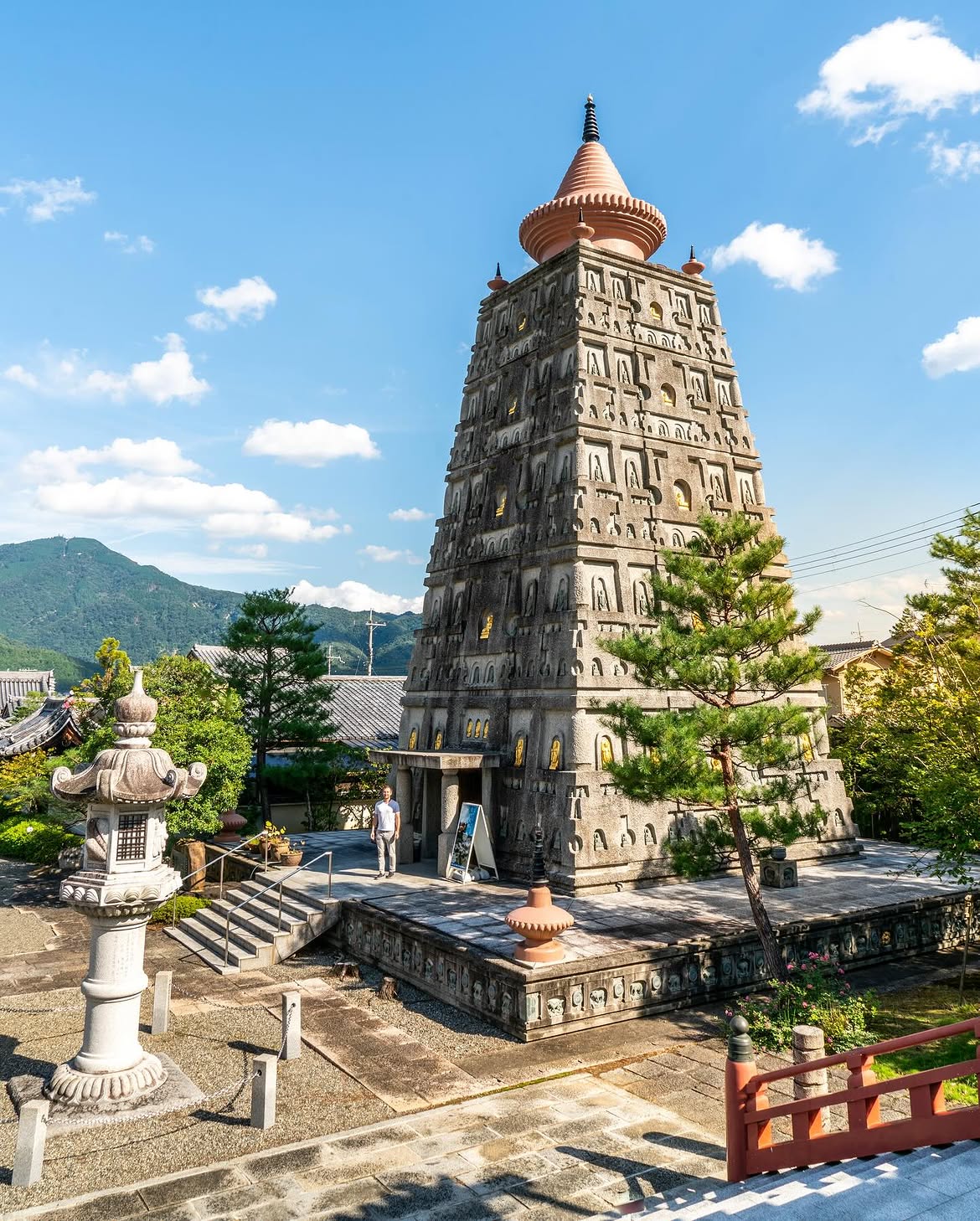
You don’t have to skip Kyoto’s famous temples.
I wouldn’t.
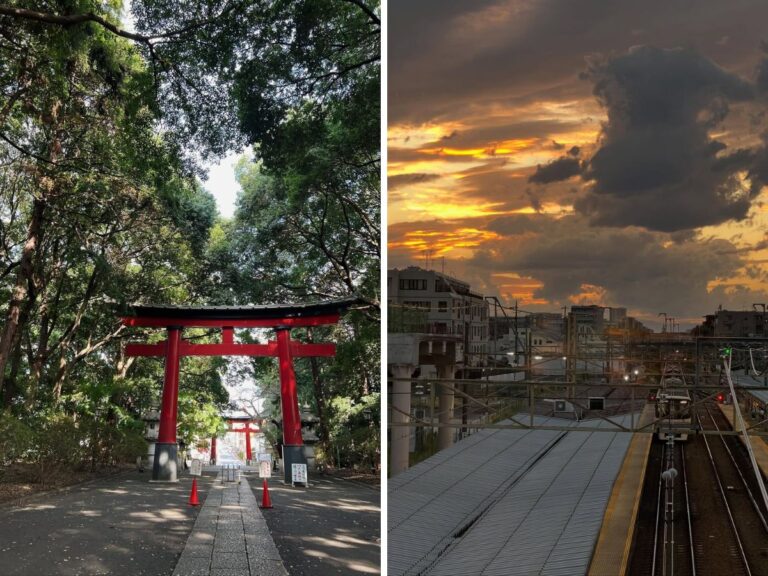
Instead, try a simple rule. For every major temple or shrine you plan to visit, leave room for one smaller religious site nearby.
Don’t choose it because somebody called it a “secret gem.” Choose it because it fits naturally into your day.
Check its opening hours, location and visitor rules before you go. Then give yourself enough time to actually look around rather than rushing through for a photo.
This balance worked much better for me than stacking famous sights back to back. You still get those Kyoto moments you traveled across the world to see, but your entire day doesn’t feel like you’re following the same route as everyone else.
Next, take that idea beyond temples.
Spend an Hour Seeing How Kyoto Is Made
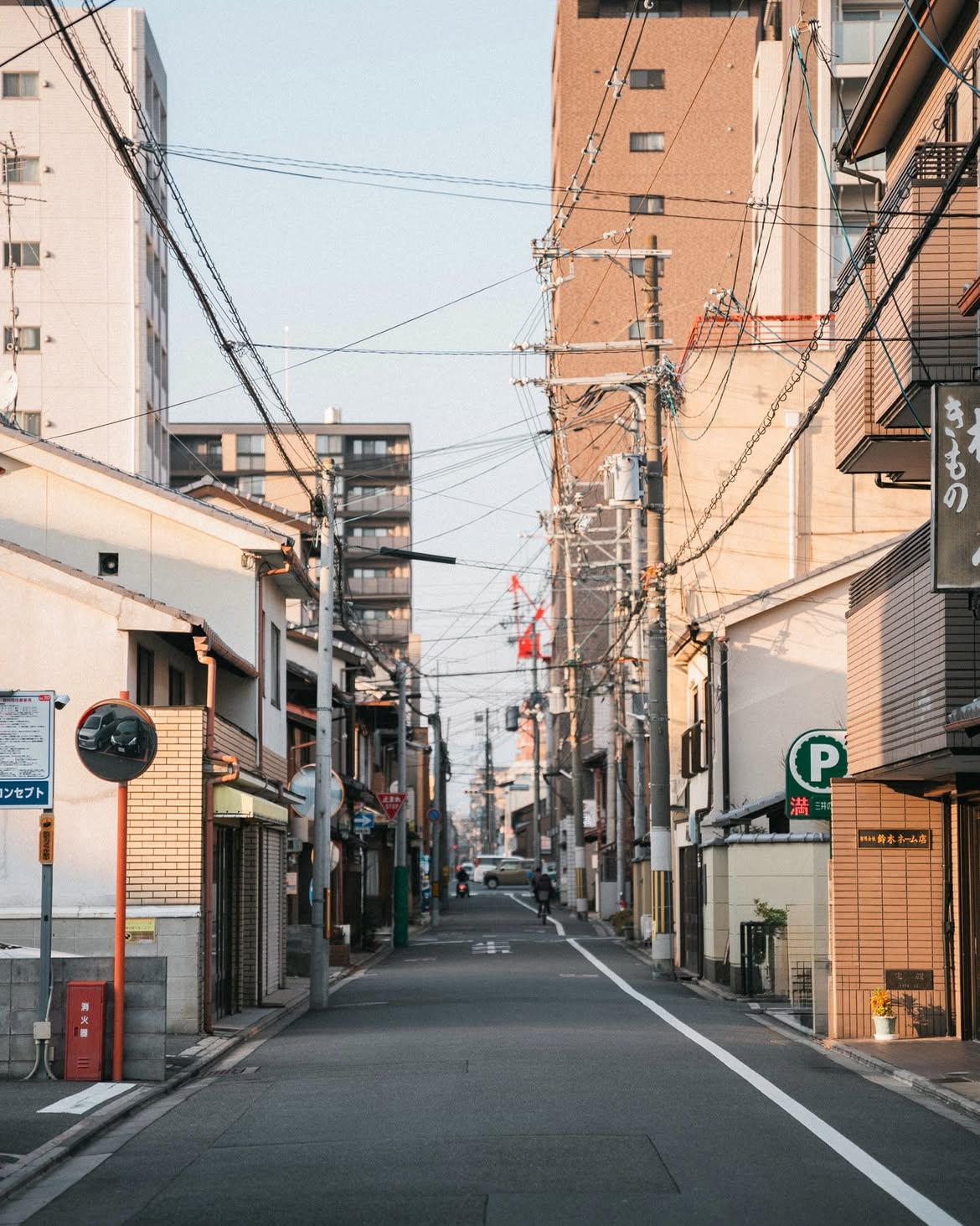
After several days of sightseeing, temples and gardens can begin to blur together.
A hands-on experience changes the pace.
Look for a workshop, studio or artisan experience where you can spend an hour learning how something is made. Kyoto’s relationship with traditional arts makes this a natural fit for the city.
National Geographic’s Japan travel guide points to long-running Japanese traditions involving ceramics, lacquerware, textiles and woodwork.
Instead of buying the first souvenir that catches your eye, give yourself time to learn about the work behind one.
If you find a workshop you want to try, check whether reservations are needed before building the rest of the afternoon around it.
Then carry that slower approach into lunch.
Let Lunch Pull You Away From the Sightseeing Corridors
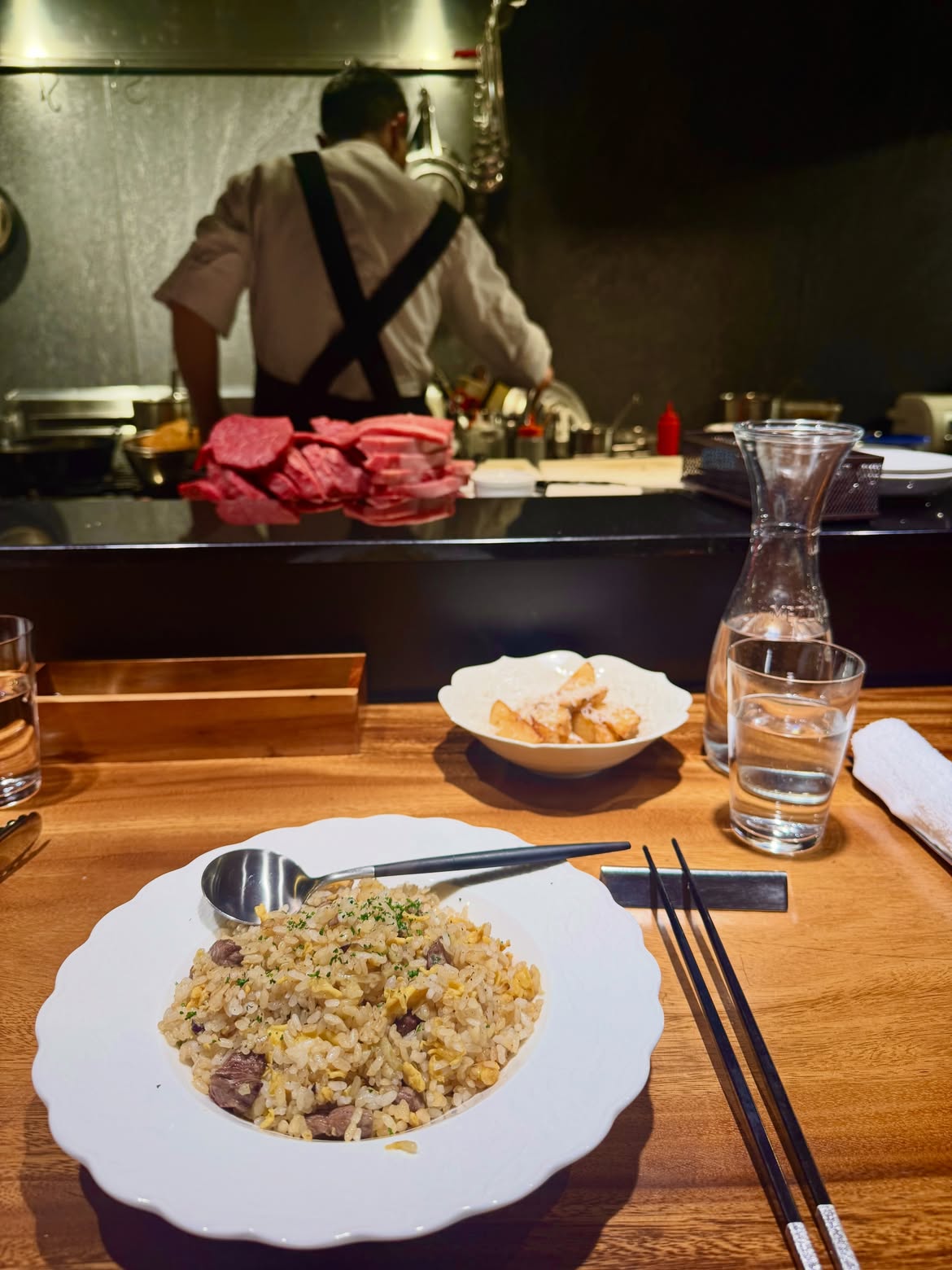
It is tempting to leave an attraction hungry and walk into the first restaurant you see.
Try something different.
Walk several blocks away from the busiest sightseeing street before deciding where to eat. I like doing this because lunch becomes part of wandering rather than another stop squeezed between two attractions.
You don’t need a famous restaurant.
Look at menus, see what people are ordering, and choose somewhere that fits your budget and appetite. If the place is small, be mindful of how much space you take up with bags and follow the restaurant’s house rules.
After lunch, resist the urge to immediately fill the next empty hour.
Give Yourself One Unplanned Hour
This may be the hardest thing to do in Kyoto.
Leave an hour empty.
No reservation. No temple you must reach. No race across town because a social media video told you somewhere was unmissable.
Pick an area where you already plan to be and wander.
I have had travel days where an unplanned turn led to a tiny shop, a quiet street or a place to sit that I would never have searched for beforehand. Those memories often stick with me longer than the carefully scheduled stops.
If nothing catches your attention, that’s fine too. Sit beside the river. Have another coffee. Watch the city for a while.
You came to experience Kyoto, not complete it.
Build a Kyoto Day That Leaves Room for Kyoto
If I were planning a day beyond Kyoto’s usual tourist route, I would keep it loose.
I’d start with an early neighborhood walk, visit one quieter cultural stop, and head away from the busiest streets for lunch. The afternoon could go to a workshop or a long walk, followed by one famous Kyoto sight later in the day.
Then I’d leave the evening open.
That is the bigger lesson I took from slowing down here.
Seeing another side of Kyoto isn’t always about discovering a place nobody else knows. Sometimes, you find it by walking one street farther, staying somewhere a little longer, and giving the city enough room to surprise you.