Summer Camping Outfits That Keep You Cool and Stylish
The first time I camped in the middle of summer, I packed like I was going on a normal trip.
A couple of jeans. Thick T-shirts. A hoodie that looked good in photos.
By noon on the first day, I was sweating through everything.
The campsite sat in a clearing surrounded by pine trees, and the sun felt much stronger than it did back home. Walking from the tent to the lake was enough to make my clothes cling to my back.
That was the moment I realized something simple.
Most people pack for camping the same way they pack for everyday life. It works fine in the city, but the outdoors plays by different rules.
Camping outfits are not just about style. They change how comfortable the entire trip feels.
When the right clothes come along, mornings feel fresh instead of chilly. Midday heat becomes manageable. Evenings around the fire stay cozy without digging through your bag for extra layers.
I learned this the hard way after a few summer trips that involved way too much sweat and far too many outfit changes.
Here is the good news.
You do not need a complicated packing list to stay comfortable at camp.
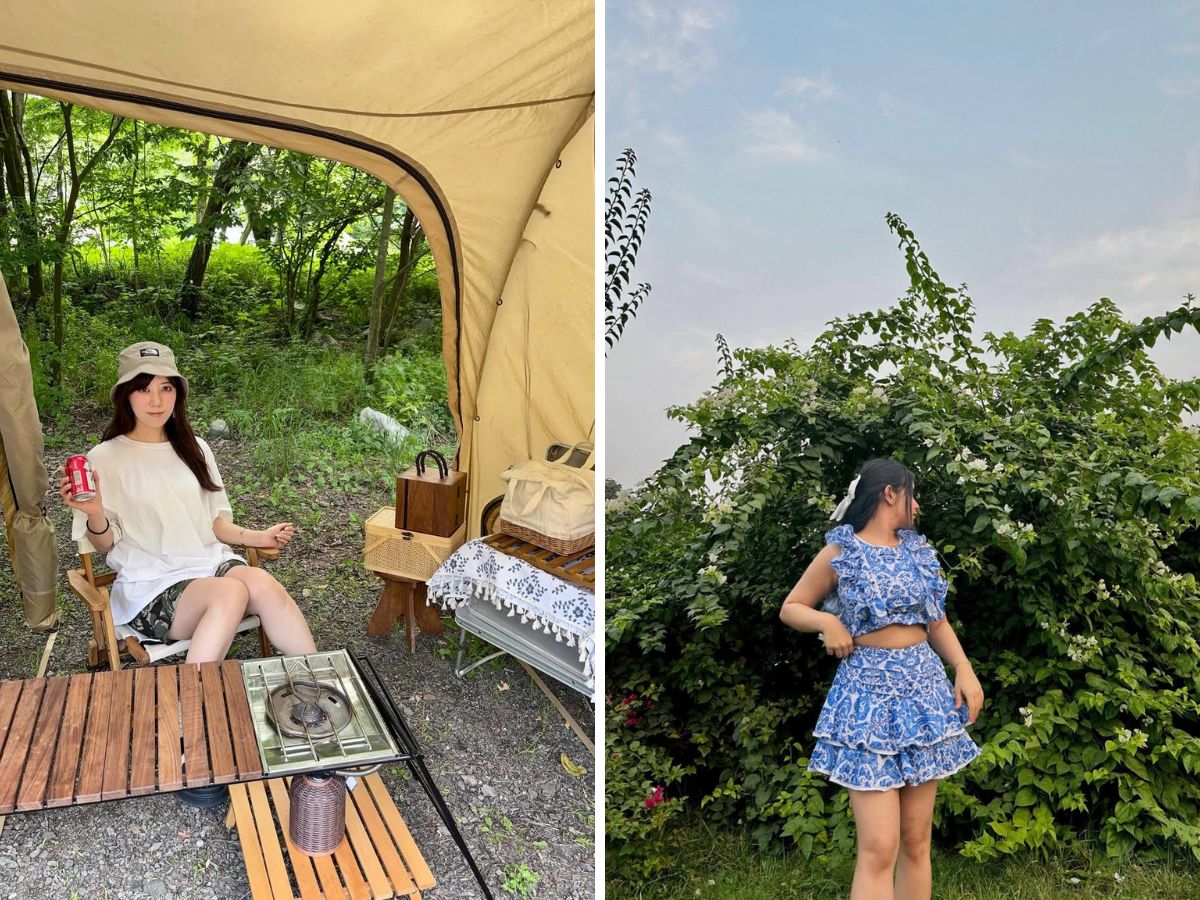
With a few smart choices, you can build summer camping outfits that stay cool during the day, adapt when temperatures shift, and still look good in travel photos.
Let’s break it down.
Once you understand the simple rules behind summer camping clothing, packing becomes much easier.
The Three Rules of Smart Summer Camping Outfits
Most campers focus on what looks good in photos.
The real secret is comfort first. Style usually follows when clothes actually work outdoors.
After a few sweaty camping trips, I started noticing patterns in what worked and what failed. The difference usually came down to three simple rules.
Once you understand these, packing for summer camping becomes much easier.
Breathable fabrics matter more than trends
Hot weather camping keeps your body moving almost all day.
You walk around camp, carry gear, gather firewood, and wander down trails or toward the lake. All of that movement builds heat quickly.
Lightweight fabrics help sweat evaporate instead of trapping moisture against your skin.
Outdoor experts often stress this point. In its guide to hiking in hot weather, the outdoor retailer REI explains that loose, lightweight clothing and fabrics designed to release moisture help the body cool itself during outdoor activity.
I noticed the difference during a camping trip in Utah. I packed one heavy cotton shirt and one lightweight hiking shirt.
By midafternoon the cotton shirt felt sticky and heavy, while the lightweight shirt stayed surprisingly comfortable.
A simple rule now guides my packing.
If a shirt dries slowly at home after washing, it probably does not belong in a summer camping bag.
Loose layers work better than tight outfits
When temperatures climb, airflow becomes one of the easiest ways to stay comfortable.
Tight clothing holds heat against the body. Loose shirts and relaxed shorts allow air to circulate and cool your skin.
I learned this during a camping trip in Arizona. I packed one fitted athletic shirt and one loose linen shirt.
By noon, the linen shirt was the only thing I wanted to wear.
Layering also plays a role when traveling outdoors. A guide published by National Geographic recommends dressing in layers when visiting mountain regions because temperatures can shift between cool mornings and warmer afternoons. Their travel guide about the Alps also suggests breathable trousers, hiking boots, and an outer layer for changing conditions.
The same idea works well at campsites.
A loose overshirt or light hoodie can make early mornings comfortable. Once the sun warms the air, you can remove the extra layer without changing your whole outfit.
Movement should always come first
Camping rarely involves sitting still for long.
You bend to set up tents, crouch near the fire, walk uneven trails, and climb over rocks near lakes or rivers.
Clothes should move easily with your body.
Stretchy fabrics, flexible waistbands, and shirts that allow shoulder movement make a noticeable difference throughout the day.
I once packed rigid denim shorts for a weekend camping trip. After a short hike they felt stiff and uncomfortable, especially when climbing over rocks near the trail.
That experience changed how I test camping clothes.
Now I try walking, crouching, and bending while wearing them at home. If something feels restrictive, it stays in the closet.
Once these three rules become second nature, choosing camping outfits becomes much simpler.
The next thing to think about is how temperatures change throughout the day.
Let’s start with the first hours at camp.
What to Wear During Cool Summer Mornings at the Campsite
One of my favorite moments while camping happens just after sunrise.
The air is cool, birds are active, and the campground slowly wakes up as people step out of their tents.
Even in summer, those early hours can feel surprisingly chilly.
During a trip in the mountains of Colorado, I stepped outside expecting warm weather and felt a crisp morning breeze that felt closer to spring.
That is when a light layer becomes valuable.
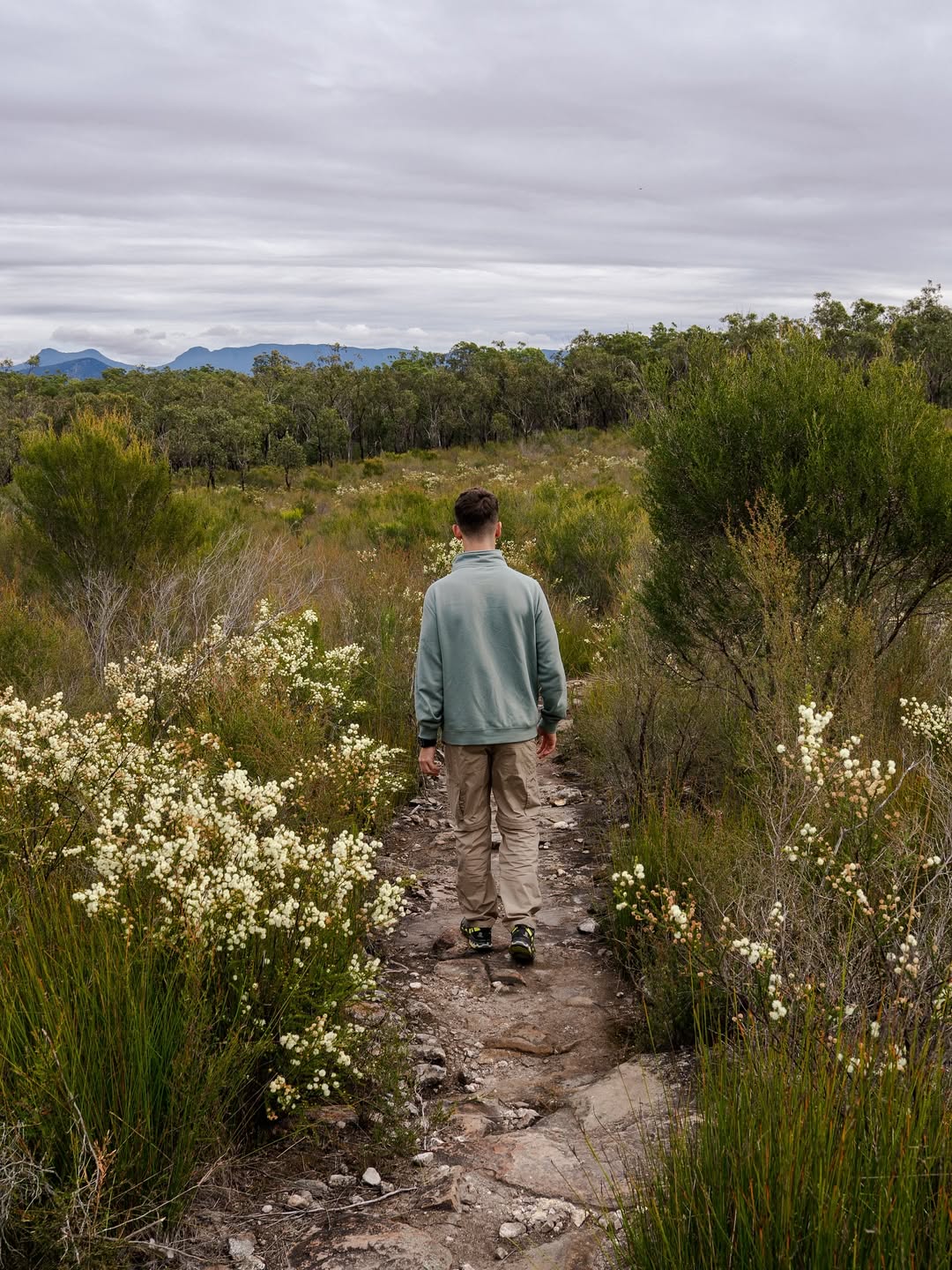
My usual morning outfit includes a breathable T-shirt, lightweight shorts, and a soft overshirt or hoodie. This combination keeps me comfortable while making coffee on a camp stove or walking down to the lake.
Outdoor safety experts recommend bringing extra layers even during warm seasons because temperatures can shift outdoors.
The U.S. National Park Service notes that hikers should carry additional clothing and sun protection to prepare for changing weather conditions.
That advice matches what many campers learn after a few trips.
A simple hoodie or flannel often becomes the most frequently used item in a camping bag.
As the sun rises higher, the temperature usually climbs quickly.
Which brings us to the warmest part of the day.
The Outfit That Works Best When the Sun Is Strong
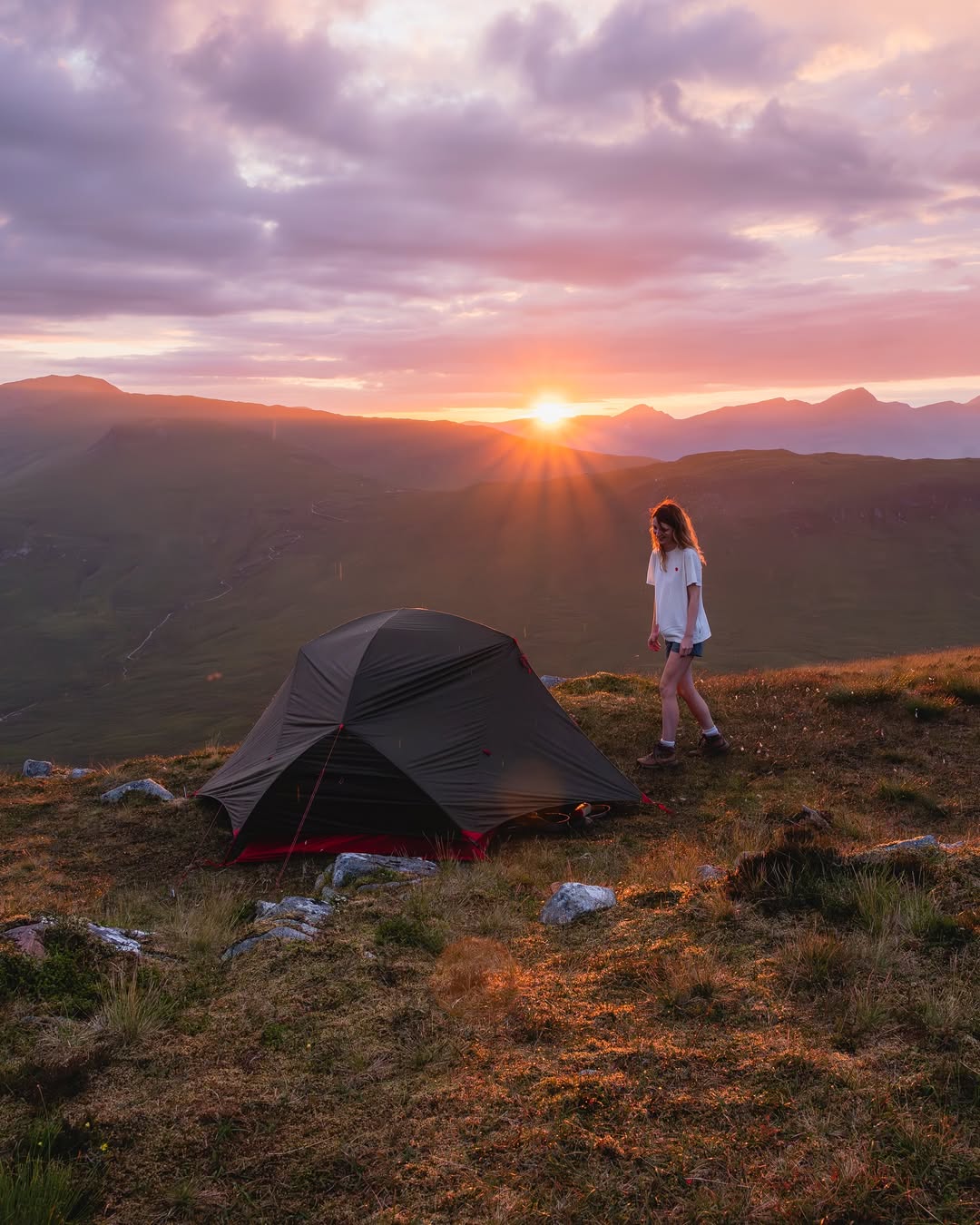
By midday, summer campsites can feel much warmer than the morning.
Sunlight reflects off sand, dirt paths, rocks, and water. Even a short walk across the campground can feel noticeably hotter than expected.
This is when the right outfit makes a clear difference.
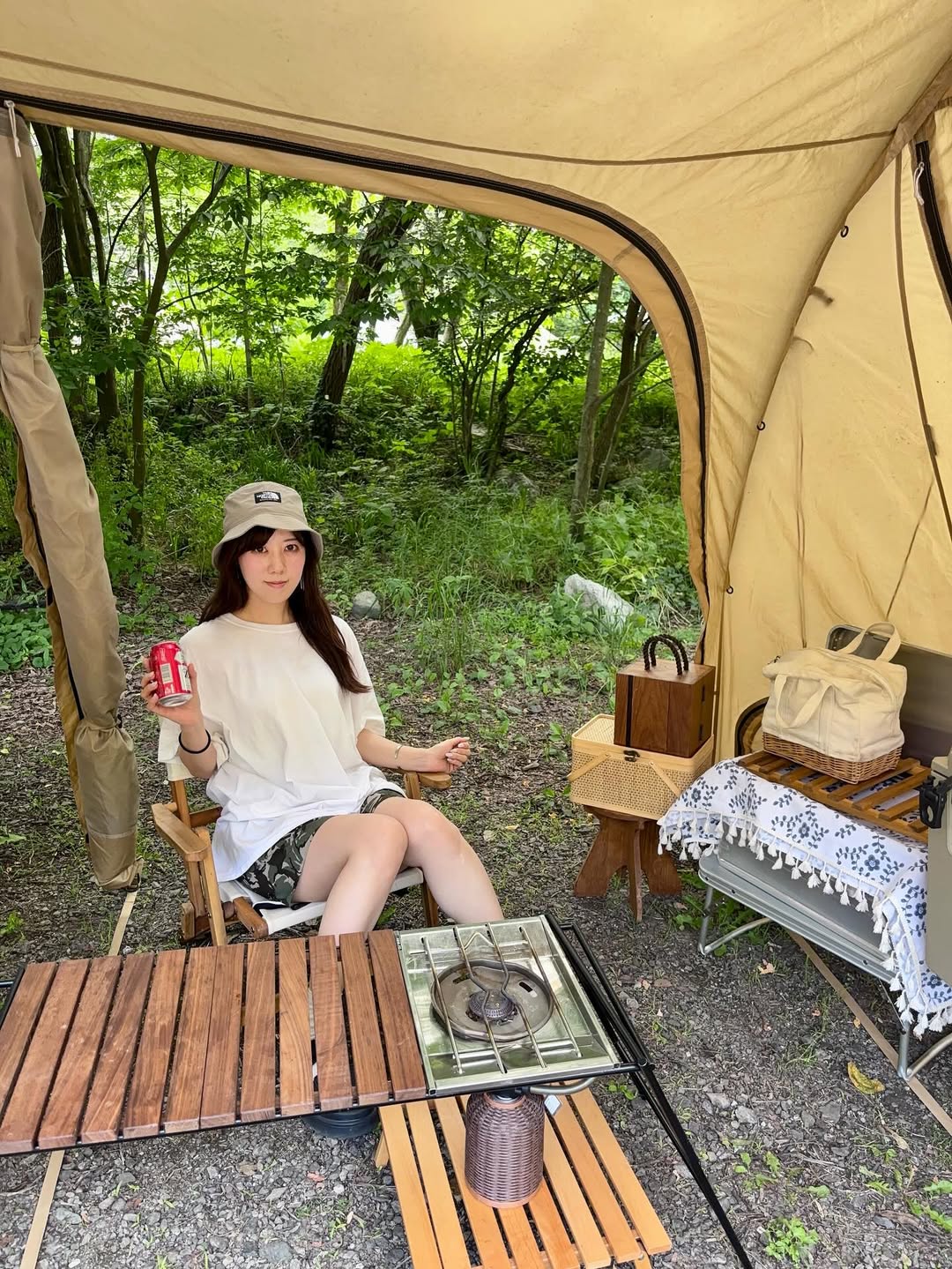
Lightweight shorts paired with a breathable shirt usually work best. A wide hat and sunglasses also help reduce direct sun exposure.
Health experts support these clothing choices. The Centers for Disease Control and Prevention recommends wearing loose, lightweight, and light-colored clothing to stay cooler during hot weather.
That advice works well at campsites.
Light colors reflect sunlight rather than absorbing it. Loose clothing allows sweat to evaporate and cool the body.
I noticed this during a lakeside camping trip in northern California. I packed both dark shirts and lighter ones.
By afternoon, the lighter shirts felt noticeably cooler under the sun.
Footwear also affects comfort during hot afternoons.
Heavy boots can feel warm when walking around camp. Breathable trail shoes or hiking sandals often feel better for short walks, quick hikes, or trips down to the water.
As the sun begins to drop behind the trees, the temperature starts to shift again.
And evenings at the campsite call for a slightly different outfit.
Staying Comfortable Around the Campfire
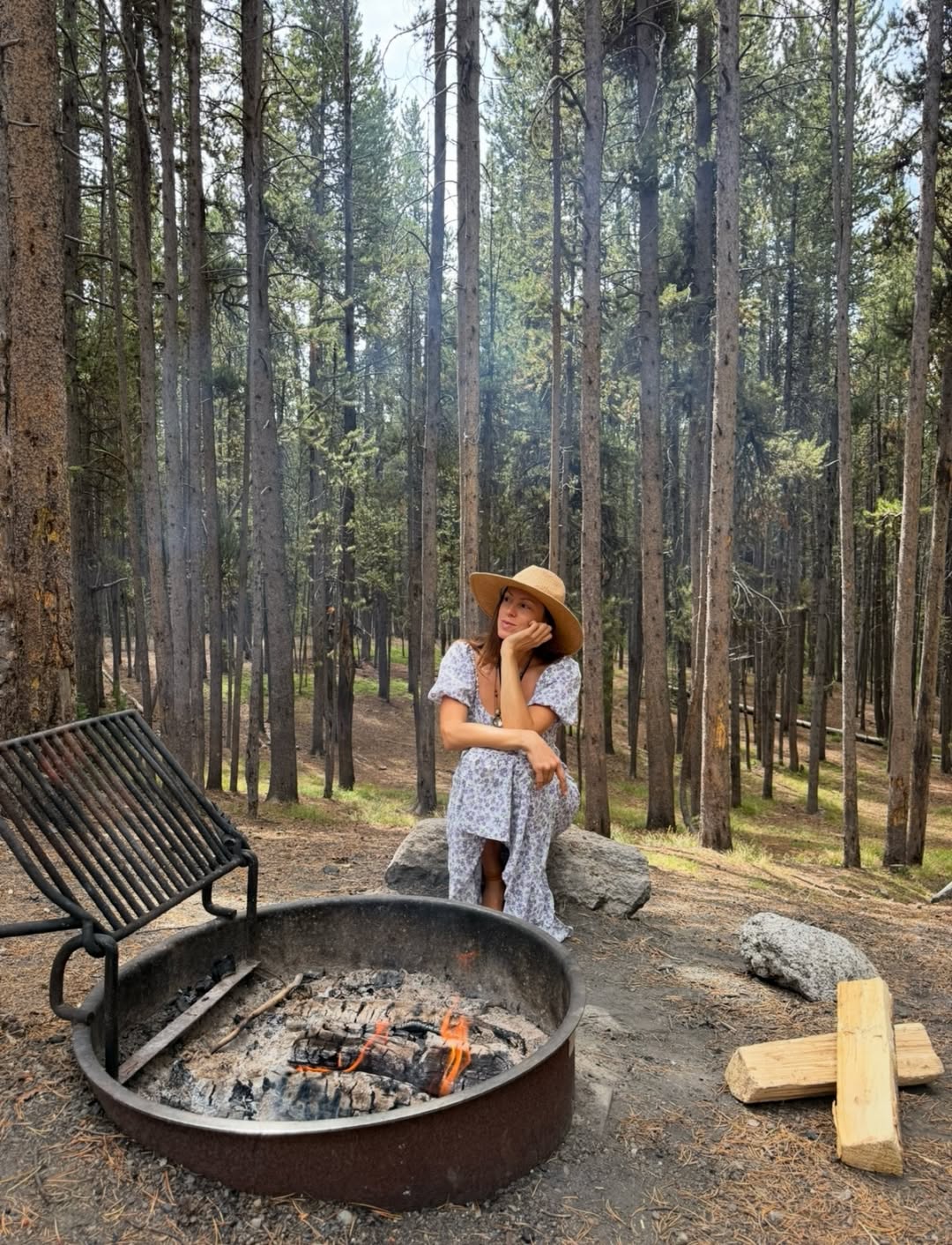
Even after a warm afternoon, campsites cool down quickly once the sun disappears.
I remember sitting around a fire near Yellowstone one July evening. The day had been warm enough for shorts and a light shirt. A couple of hours later, the temperature dropped enough that everyone reached for extra layers.
This is where a simple layering strategy works well.
A lightweight hoodie, flannel shirt, or thin jacket usually provides enough warmth without making you overheat near the fire. Pairing that layer with soft joggers or lightweight hiking pants makes evenings far more comfortable.
Loose socks can help too. Campsites often feel cooler at night because heat escapes quickly from open ground.
Travel writers often recommend packing adaptable clothing for outdoor trips. Travel + Leisure suggests bringing breathable pieces that work during warm afternoons along with warmer layers for early mornings and evenings during outdoor travel. The same approach works perfectly for camping.
Instead of packing completely separate outfits for every temperature, a few flexible layers allow one outfit to adjust throughout the day.
And that leads to an important detail many campers overlook.
The fabrics used in those clothes.
Best Fabrics for Summer Camping Clothes
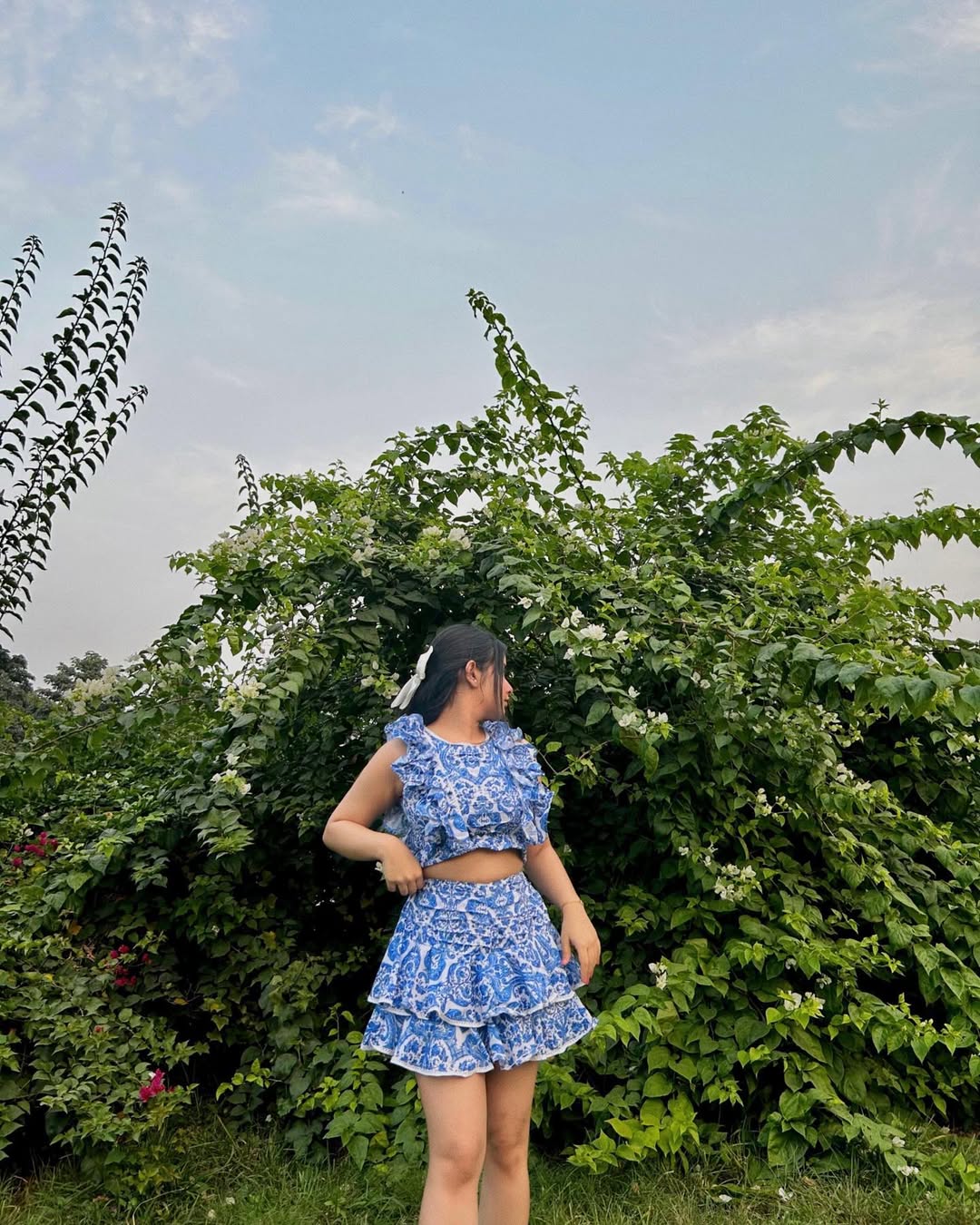
The fabric of your clothing often matters more than the style.
I learned this after a few trips where the wrong materials made otherwise good outfits uncomfortable.
Some fabrics trap heat and moisture. Others allow air to move freely and dry quickly.
Light cotton works well for relaxed moments around camp because it feels soft and breathable. Linen shirts are another favorite because they stay cool even during warm afternoons.
For hiking or longer walks, moisture-wicking fabrics usually perform better. These fabrics pull sweat away from the skin so it evaporates faster.
Many tourism experts recommend these materials for outdoor travel. The Oregon tourism board notes that moisture-wicking clothing and sun-protective fabrics help people stay more comfortable while hiking in warm weather.
That advice translates well to camping.
A small mix of breathable cotton for relaxing and moisture-wicking pieces for active moments usually creates the most comfortable setup.
Once the fabric question is solved, another piece of the outfit deserves attention.
Your shoes.
Footwear That Works at the Campsite
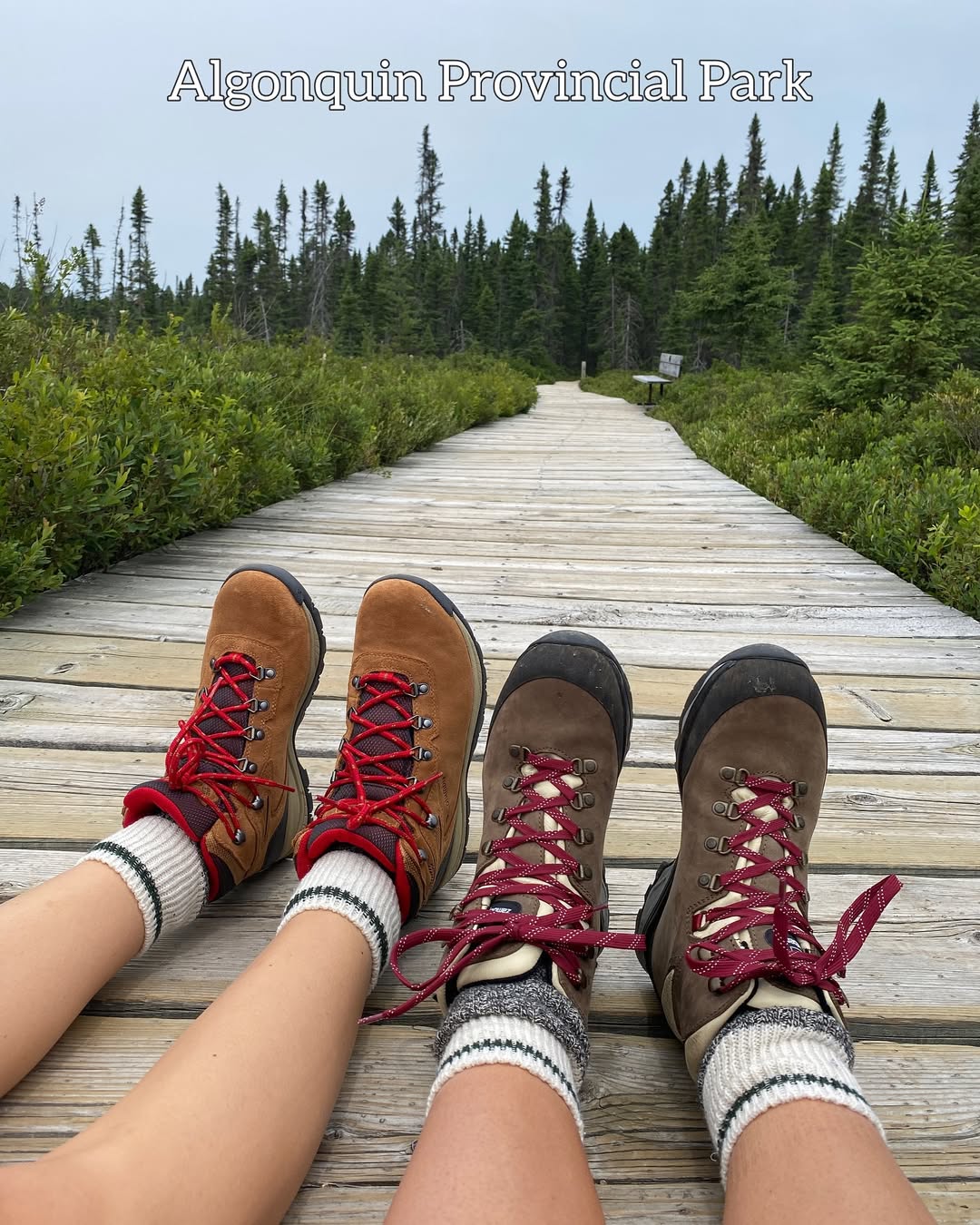
Shoes can change the entire camping experience.
During one trip in northern Michigan, I packed heavy hiking boots for everything. They worked well for trails but felt unnecessary around camp.
After that trip I started bringing two types of footwear.
The first pair is a comfortable trail shoe or lightweight hiking shoe. These work well for walking around camp, short hikes, or trips to nearby viewpoints.
The second pair is something easy to slip on. Trail sandals or breathable camp shoes allow your feet to relax after a long day.
This simple switch often makes evenings feel much more comfortable.
I also learned another small trick.
Keep a pair of thicker socks in your bag. Even in summer, temperatures can cool quickly at night, and warm socks can make a big difference around the fire.
Once shoes and fabrics are sorted out, building actual outfits becomes much easier.
And the right combinations can change depending on where you camp.
Simple Outfit Combinations for Different Camping Environments
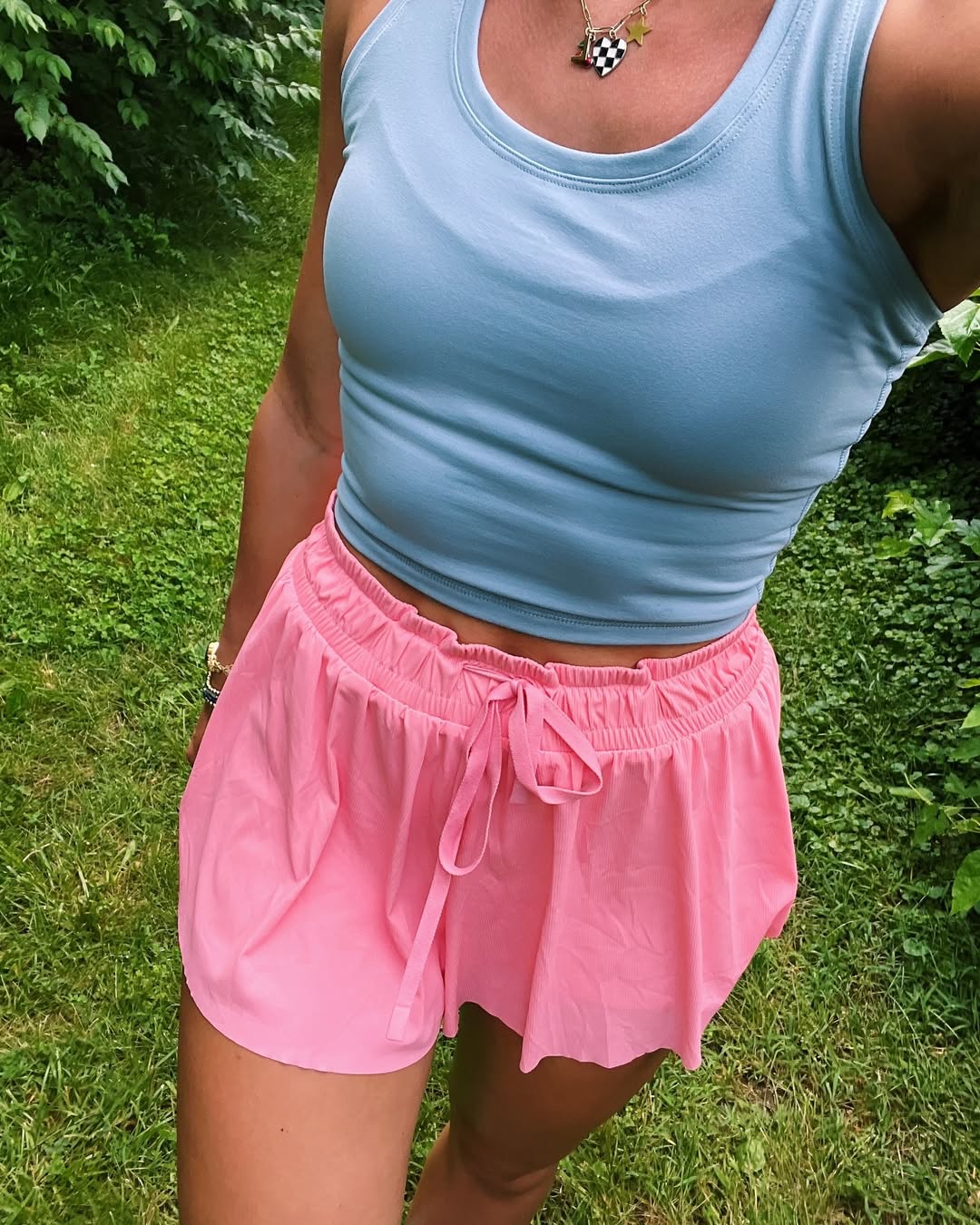
Not every campsite feels the same.
A lakeside campground, a forest campsite, and a desert park all create different clothing needs.
A lakeside campsite usually stays cooler because of the nearby water. Lightweight shorts, a breathable shirt, and trail sandals often work well during the day. A hoodie becomes useful once the sun sets.
Forest campsites often feel slightly cooler and shaded during the afternoon. In these places I usually wear lightweight hiking pants with a breathable shirt. That combination protects legs from brush while staying comfortable.
Desert campsites bring a different challenge. Temperatures can climb quickly during the day and drop at night. Loose clothing, light colors, and a sun hat become especially helpful. A light jacket or overshirt works well once evening arrives.
Matching your outfit to the environment helps prevent the common mistake of packing clothes that feel perfect in one setting but uncomfortable in another.
That is where packing strategy starts to matter.
Smart Packing Tips for Camping Clothes
Packing for camping becomes easier once you focus on versatility.
Instead of packing a completely different outfit for every moment, choose pieces that work together.
One breathable shirt can work during a hike, while the same shirt can pair with a flannel in the evening. Lightweight shorts can double as swimwear for a quick dip in a lake.
Experienced travelers often rely on this approach. Lonely Planet recommends choosing clothing that mixes easily and packing only a few versatile items rather than many separate outfits.
This idea works perfectly for camping.
When I pack today, I usually bring three shirts, one pair of lightweight pants, one pair of shorts, and two outer layers.
Those pieces can combine into several outfits without taking up much space in a backpack.
Packing this way also leaves extra room for the items that actually improve a camping trip.
Things like food, blankets, and gear.
Still, even experienced campers sometimes make a few clothing mistakes.
And those mistakes can make warm-weather camping much less comfortable.
Common Mistakes Campers Make With Summer Outfits
The most common mistake is packing clothes designed for city life rather than outdoor conditions.
Jeans are a perfect example. They may look great, but heavy denim traps heat and dries slowly when it gets wet.
Another mistake is ignoring temperature changes.
Many campers expect summer weather to stay warm all day and night. In reality, temperatures can drop quickly after sunset, especially near lakes or mountains.
Forgetting sun protection is another common problem.
A simple hat or long-sleeve layer can make a big difference during long afternoons outdoors.
One final mistake appears surprisingly often.
Packing clothes that look good but feel uncomfortable after hours of movement.
Camping involves walking, bending, and climbing. Clothes that restrict movement quickly become frustrating.
After enough camping trips, most people learn that comfort almost always leads to better style outdoors.
When clothes feel good, you relax more, move more freely, and enjoy the experience far more.
And that is the real goal of any camping trip.
The Right Camping Outfit Makes the Whole Trip Better
After a few summer camping trips, I stopped thinking about clothing as something separate from the experience.
The outfit you wear shapes the entire day.
When your clothes breathe well, the walk to the lake feels refreshing instead of sticky. When your layers work together, cool mornings feel peaceful instead of uncomfortable.
Even small moments become easier.
Making coffee at sunrise. Sitting on a log near the fire. Walking down a dusty trail toward the water.
The right summer camping outfit lets you enjoy those moments without constantly adjusting clothes or searching for something warmer.
Most campers eventually figure out a simple rhythm.
A breathable shirt during warm afternoons. A light layer when the air cools. Comfortable shoes that handle both trails and relaxed evenings at camp.
Once those pieces come together, packing becomes surprisingly simple.
And the focus shifts back to the reason people go camping in the first place.
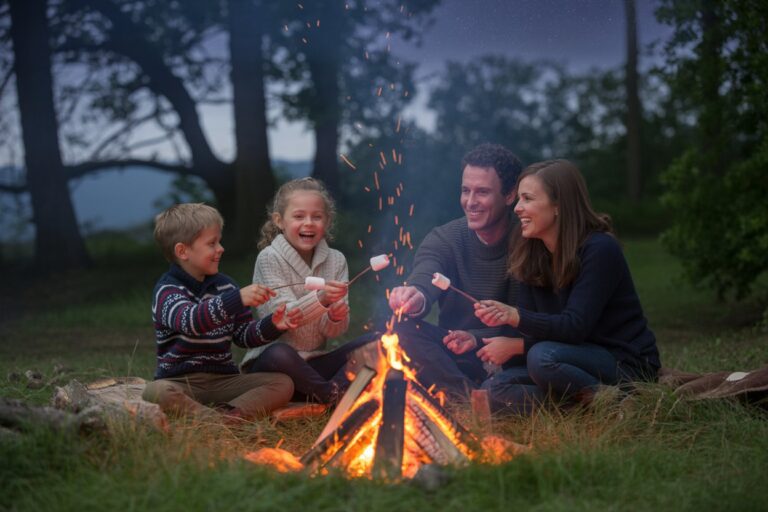
Fresh air. Quiet mornings. Long evenings around a fire.
Clothing should support those moments, not complicate them.
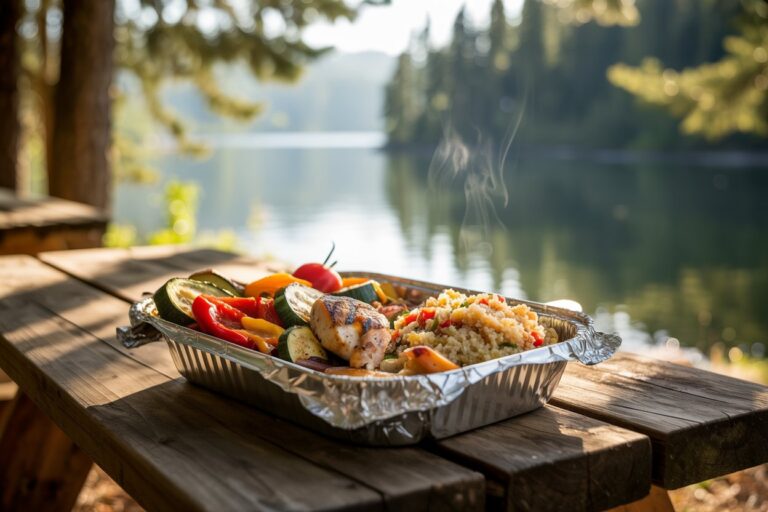
If you are planning your next trip, the next thing worth thinking about is what you bring to eat at camp. The right food can make the trip just as enjoyable as the views.
And if you are curious about easy meals that actually work outdoors, take a look at my guide to simple camping meals that take only a few minutes to prepare.
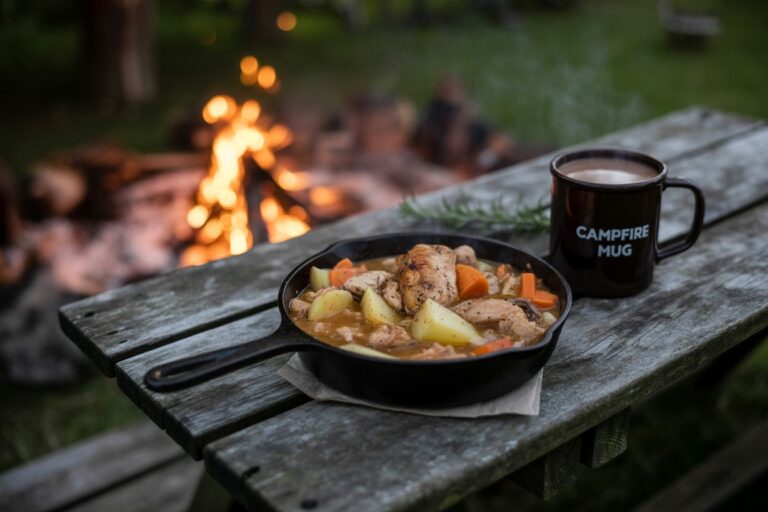
Those recipes pair surprisingly well with a quiet morning, a warm mug of coffee, and a comfortable campsite outfit.