Spring Travel Outfits That Feel Good All Day
Spring trips look easy on paper. Light jacket, comfy shoes, done.
Then the day stretches on. Cool air at breakfast. Warm sidewalks by noon. A long walk, a train ride, a café stop, and suddenly that outfit feels wrong.
I’ve felt it more times than I can count. A jacket that felt perfect at 8 a.m. turned into something I kept carrying by lunch.
Shoes that looked fine in the mirror started pushing back by the second neighborhood. After enough trips like that, I stopped dressing for photos and started dressing for how long a day actually lasts.
That change made travel easier. Less fussing. Fewer outfit regrets. More energy left for walking, wandering, and staying out longer than planned.
Here is why that shift matters, and how you can use it on your very next spring trip.
Dress for how long the day lasts
Most spring travel days run longer than planned. You leave early, stay out late, and end up sitting, standing, and walking far more than you do at home. Outfits that only feel good for a short window fall apart fast once the day keeps moving.
Before I pack anything now, I pause and ask one question.
Can I wear this from morning until dinner without thinking about it?
If the answer feels uncertain, it stays home.
This way of dressing is not about style trends. It’s about how bodies actually work across a long day. Outdoor gear specialists have followed this logic for decades. The familiar base layer, mid layer, outer layer setup exists because body temperature rises and falls as activity and weather change.
REI’s expert guide explains how breathable bases and lightweight shells help manage those shifts throughout the day, which is exactly what spring travel demands.
Action step: Build each outfit starting with a breathable base you forget you’re wearing. Add one flexible layer you can keep on or take off easily. Finish with a light outer piece you would not mind carrying for an hour.
Once you start thinking in hours instead of outfits, fabric choices stop being optional.
Let fabrics do the work
Spring exposes bad fabric choices quickly. Heavy cotton holds moisture. Stiff denim resists movement. Some synthetic blends feel fine early on, then trap heat once you’ve been walking for a while.
I learned this lesson during a shoulder-season trip when my jeans felt perfect in the morning and unbearable after a long afternoon on foot. By early evening, all I could think about was changing.
Seasoned travel editors often return to the same fabric principles because they work. National Geographic has advised travelers for years to choose materials that breathe, dry quickly, and keep their shape after sitting and walking. Their guidance on dressing smart while traveling explains why adaptable fabrics matter across different climates and daily rhythms.
Action step: Test fabrics at home before packing. Sit for ten minutes. Stand, reach, and walk around. If the fabric pulls, overheats, or looks worn right away, it will feel worse on the road.
When fabrics start doing the work for you, layers either support the plan or quietly ruin it.
Choose layers you forget you’re wearing
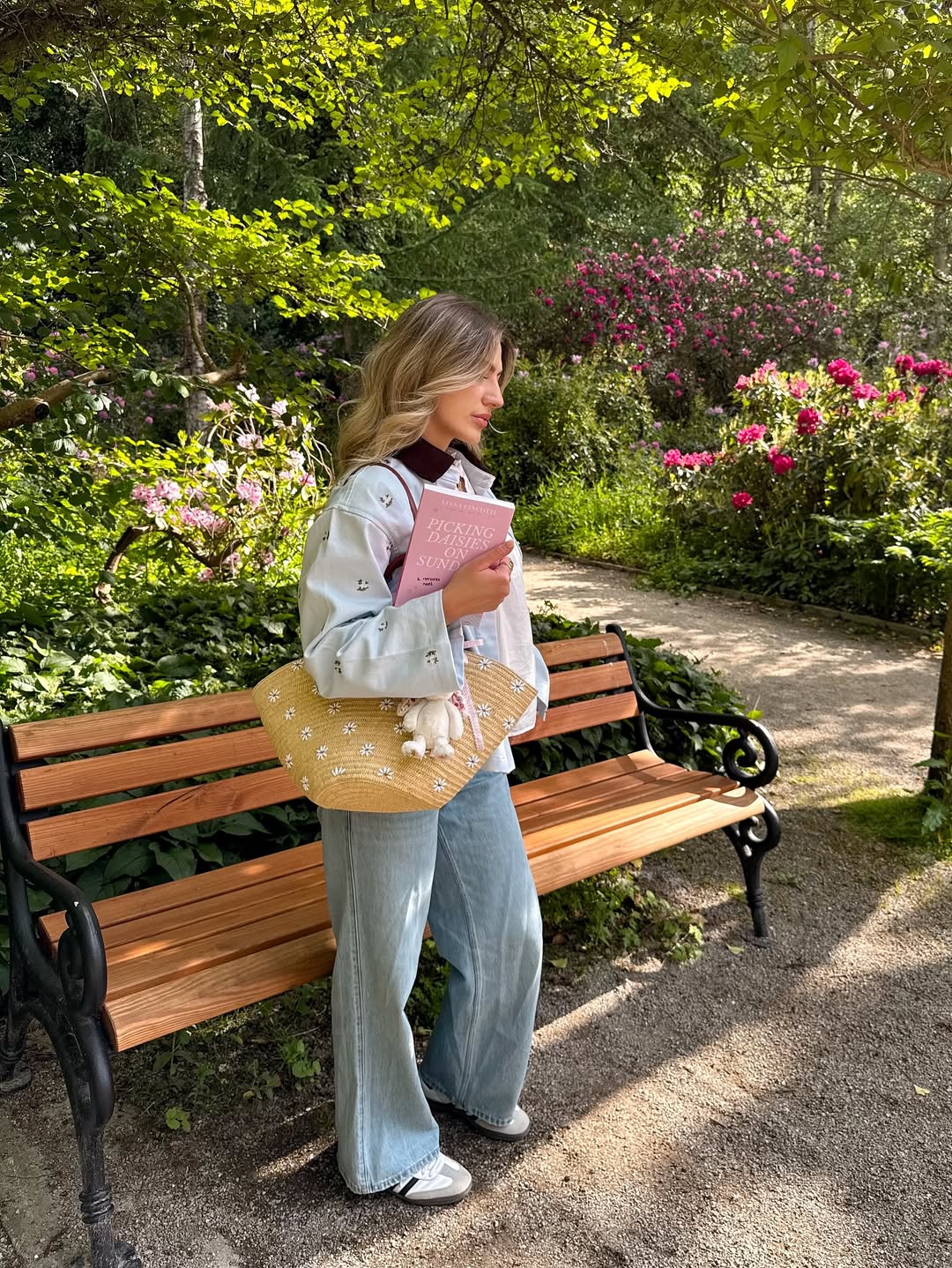
A good spring layer disappears once it’s on. A bad one nags all day. You notice it when you sit down. You notice it when you warm up. You notice it every time you take it off and carry it.
I used to pack thicker jackets because they looked polished. Then I realized I spent half the day holding them. On warm sidewalks they felt heavy. On trains they took up space. That constant on-and-off wears you down faster than you expect.
Seasoned packers see this mistake every spring. Travel + Leisure recently pointed out that travelers tend to overpack bulky layers and skip flexible ones, even though lightweight jackets and breathable layers work better across full travel days. Their expert-backed guidance explains why lighter pieces outperform heavier options once you factor in walking, sitting, and changing temperatures.
Action step: Pick layers you would be willing to carry for an hour without annoyance. If it feels like a chore to hold, it will feel worse by midafternoon.
Once layers stop demanding attention, your body stays calmer. Your energy lasts longer. That’s when shoes start to matter more than anything else.
Wear shoes that protect your energy
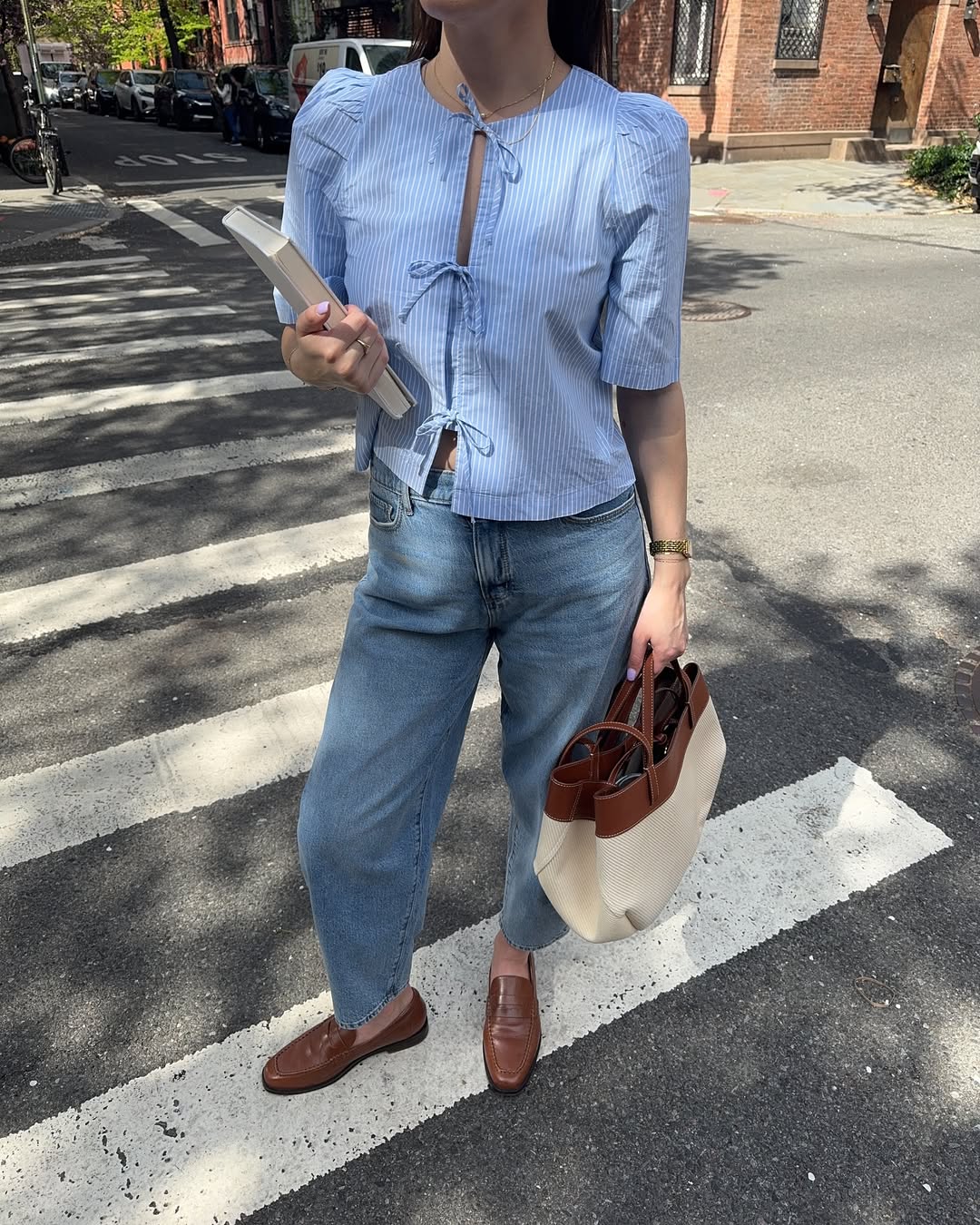
Nothing drains a travel day faster than sore feet. Spring trips are full of uneven streets, long airport corridors, stairs, and detours you didn’t plan for but don’t want to skip.
I once set out for a short walk and ended up crossing half a city. My shoes were new, stylish, and completely wrong. By the time I sat down for coffee, my mood had shifted. The rest of the day felt heavier than it should have.
Medical professionals are direct about why this happens. The Cleveland Clinic explains that foot pain and blisters come from friction, moisture, and poor fit, not how far you walk. Their guidance on blister prevention highlights the value of broken-in shoes, moisture control, and proper support, all of which matter more during travel days than style alone.
Action step: Only pack shoes you have already worn for several hours at home. Pair them with moisture-wicking socks, even in mild weather. Dry feet stay comfortable longer.
When your feet feel steady, the rest of your outfit has room to work. Walking feels lighter. Standing in line feels easier. That’s when bottoms and fabrics either help you glide through the day or quietly fight back.
Pick bottoms that move through the day
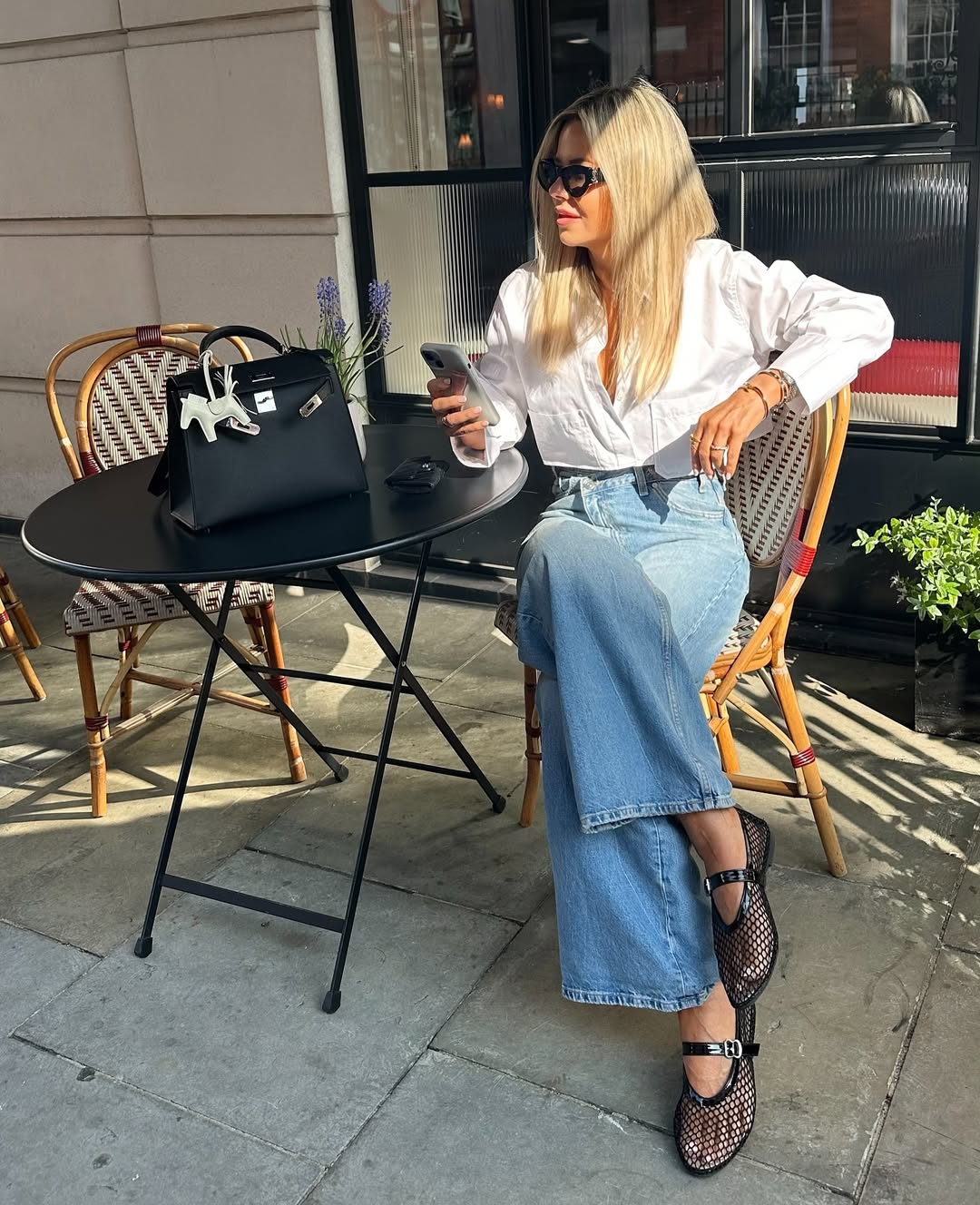
Spring bottoms have to handle more than walking. They need to sit comfortably on trains, flex during long blocks, and stay tolerable while standing in lines you didn’t plan for.
I stopped packing anything that feels even slightly tight when seated. Waistbands that press at lunch never soften by dinner. They only get louder as the day goes on.
I learned this after one trip where a pair of pants felt fine while walking, then became distracting the moment I sat down for a long ride. From that point on, seated comfort became the test that mattered most.
Look for stretch that returns to shape and rises that stay comfortable while sitting. The goal is ease across the whole day, not structure that only works when you’re standing.
Action step: Sit down when trying on travel bottoms. Stay seated for five minutes. Stand up. If your first move is adjusting them, they won’t feel better later.
Once bottoms stop demanding attention, temperature becomes the next quiet challenge.
Wear tops that breathe across temperatures
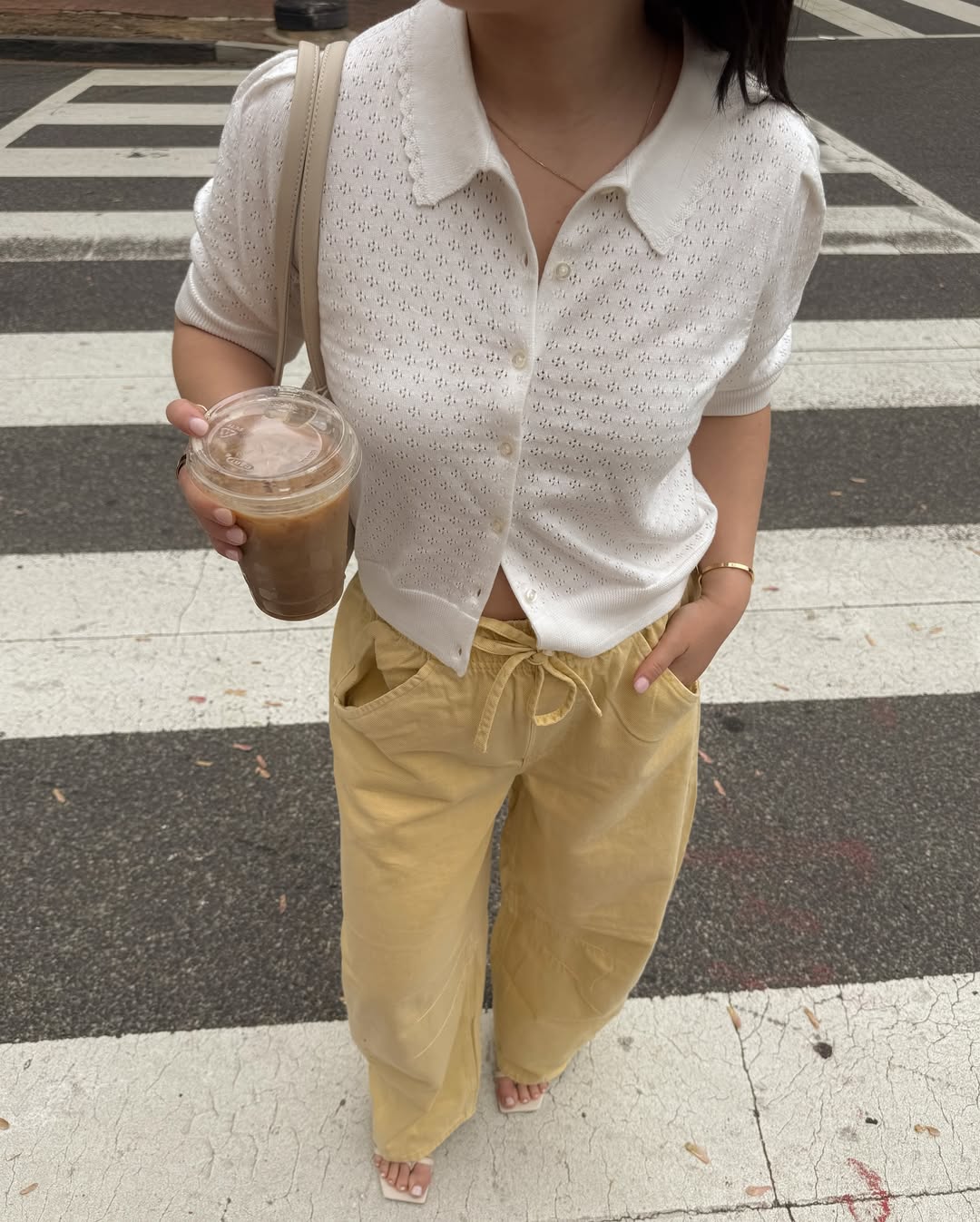
Spring mornings lure you into overdressing. Afternoons make you regret it.
I lean toward tops that manage both moments without fuss. Pieces that feel fine on their own and still work under a layer make the rest of the outfit easier. Sleeves you can push up, necklines that don’t trap heat, and fabrics that release warmth matter more than how a top looks on its own.
Tourism boards often warn travelers that spring brings cool evenings and sudden rain, even in places that feel warm during the day. The Hong Kong Tourism Board’s traveler guidance points out the need for light jackets and adaptable clothing during seasonal shifts, which applies to city trips almost everywhere.
Action step: Pack tops that feel comfortable both alone and layered. If a piece only works in one temperature, it will sit unused or annoy you.
When tops and bottoms work together, small details start deciding how tired you feel.
Use accessories to reduce fatigue
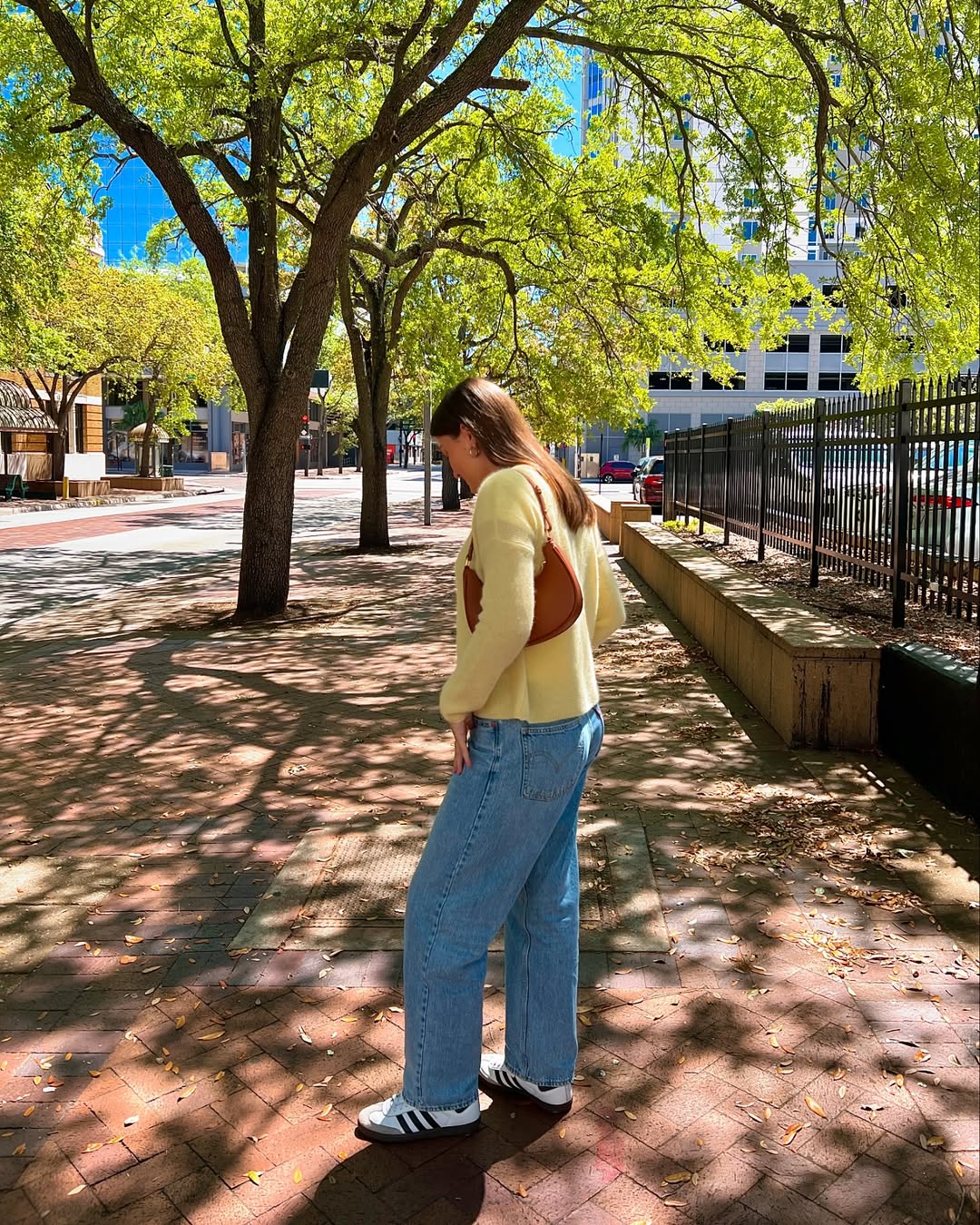
A heavy bag strains your shoulders by midday. A light scarf can make a cold train ride or over-cooled café feel manageable instead of miserable.
I learned this after one trip where a narrow-strap bag left my shoulder aching for days. Since then, I stick with smaller crossbody bags that distribute weight better and don’t demand constant adjusting.
Health-focused travel guidance backs this up. The Centers for Disease Control and Prevention includes practical comfort items like blister care, sun protection, and insect repellent on its traveler packing list, all meant to prevent small issues from becoming day-long problems.
Action step: Choose accessories that reduce physical effort. Wider straps, lighter bags, and multipurpose items matter more than decorative pieces.
When accessories stop pulling at your body, outfits feel easier to live in. That’s why testing everything before you leave matters more than most people think.
Test your outfit before you leave
This step saves more regret than any packing list.
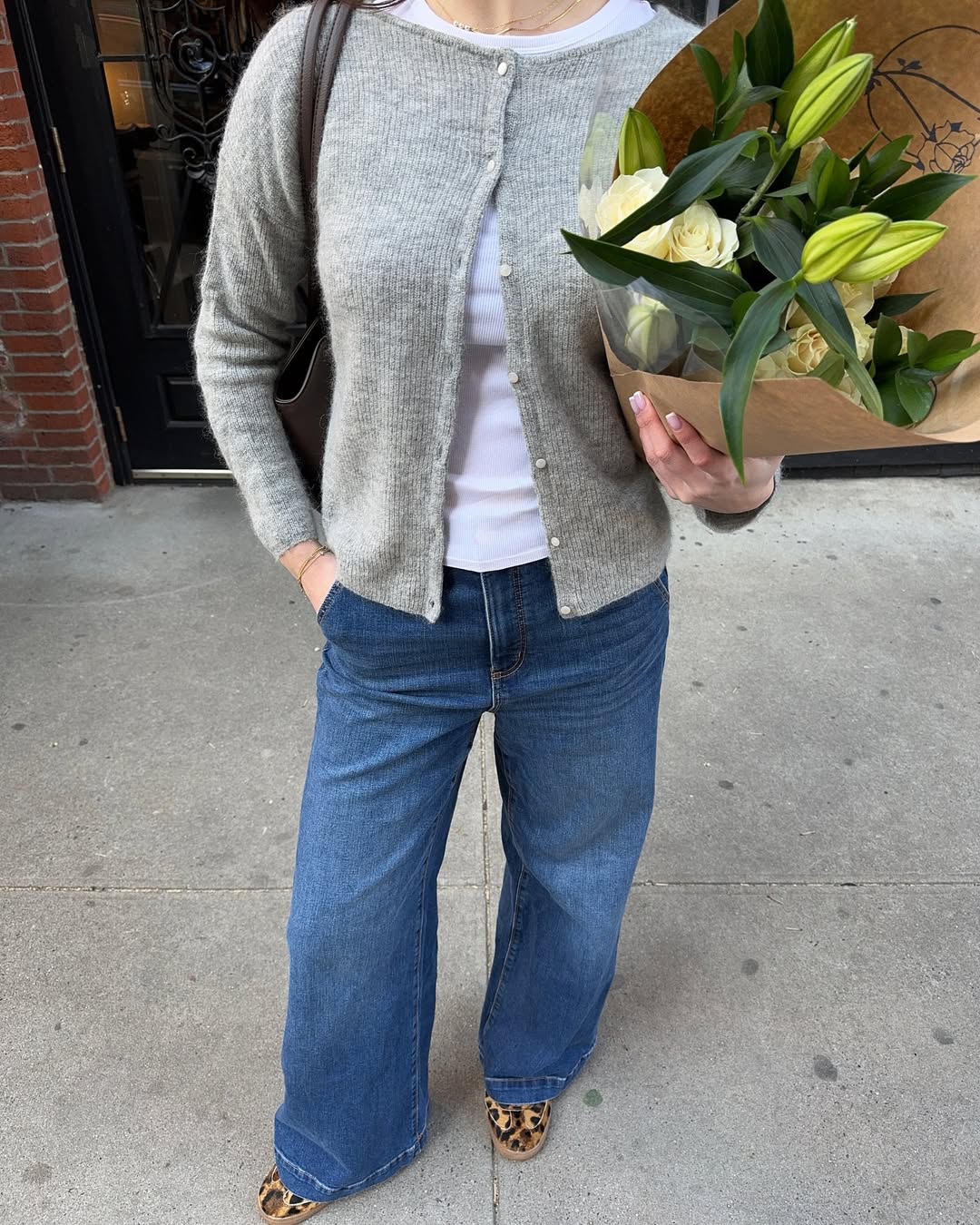
Before a trip, I put on a full outfit and live in it for an hour. I sit, walk, stretch, and carry a bag. If something distracts me at home, it will feel unbearable once I’m tired, hungry, or rushing.
Most outfit mistakes reveal themselves quickly when you slow down enough to notice them.
Action step: Do a one-hour home wear test. Don’t adjust anything during that time. Pay attention to what pulls your focus away from what you’re doing.
Once outfits pass this test, travel days become much easier to plan.
Dress for the journey itself
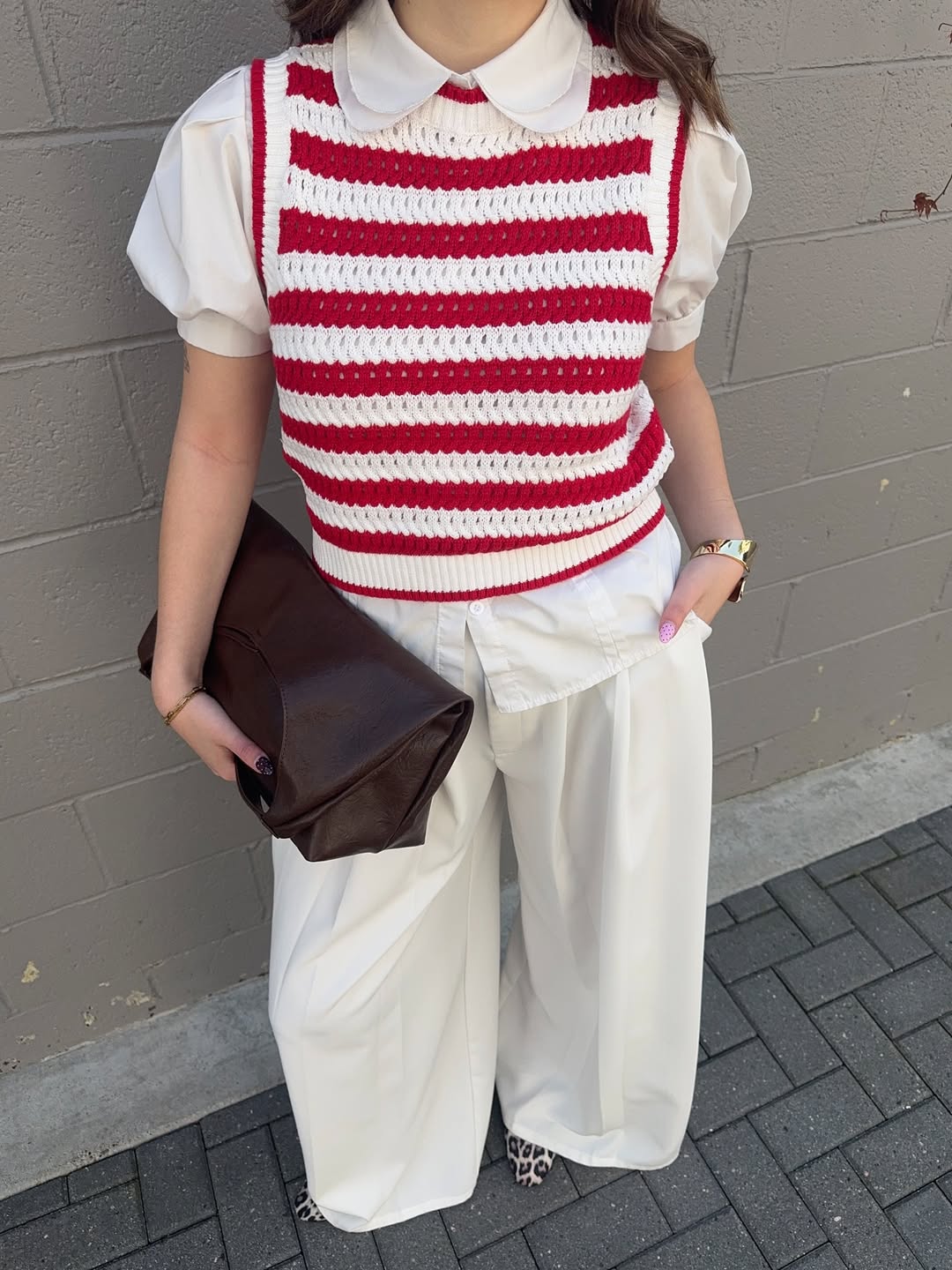
Flights and long train rides demand softness, stretch, and warmth. They’re not sightseeing moments, but they shape how you feel when you arrive.
Editors at Condé Nast Traveler regularly point out that breathable layers, soft waistbands, and temperature-friendly pieces make long journeys more comfortable. Their guidance explains why travel days call for different choices than walking-heavy days.
I now plan travel-day outfits as part of the trip, not an afterthought. When I arrive feeling steady instead of stiff, the rest of the day opens up.
Action step: Build travel-day outfits around comfort first. Add polish through color and fit, not stiffness.
Feeling good lasts longer than looking perfect
When an outfit feels good all day, it shows. You move differently. You stay out longer. You stop thinking about what you’re wearing and start paying attention to where you are.
Spring travel outfits work best when they support the rhythm of the day instead of fighting it. Dress for movement, comfort, and change, and everything else feels lighter.
If you’re planning more outfits, you might also like:
What I Wear in Europe Every Spring to Stay Stylish and Comfortable