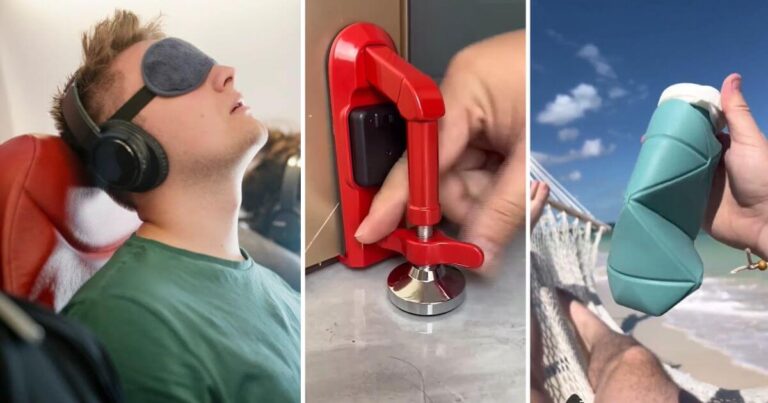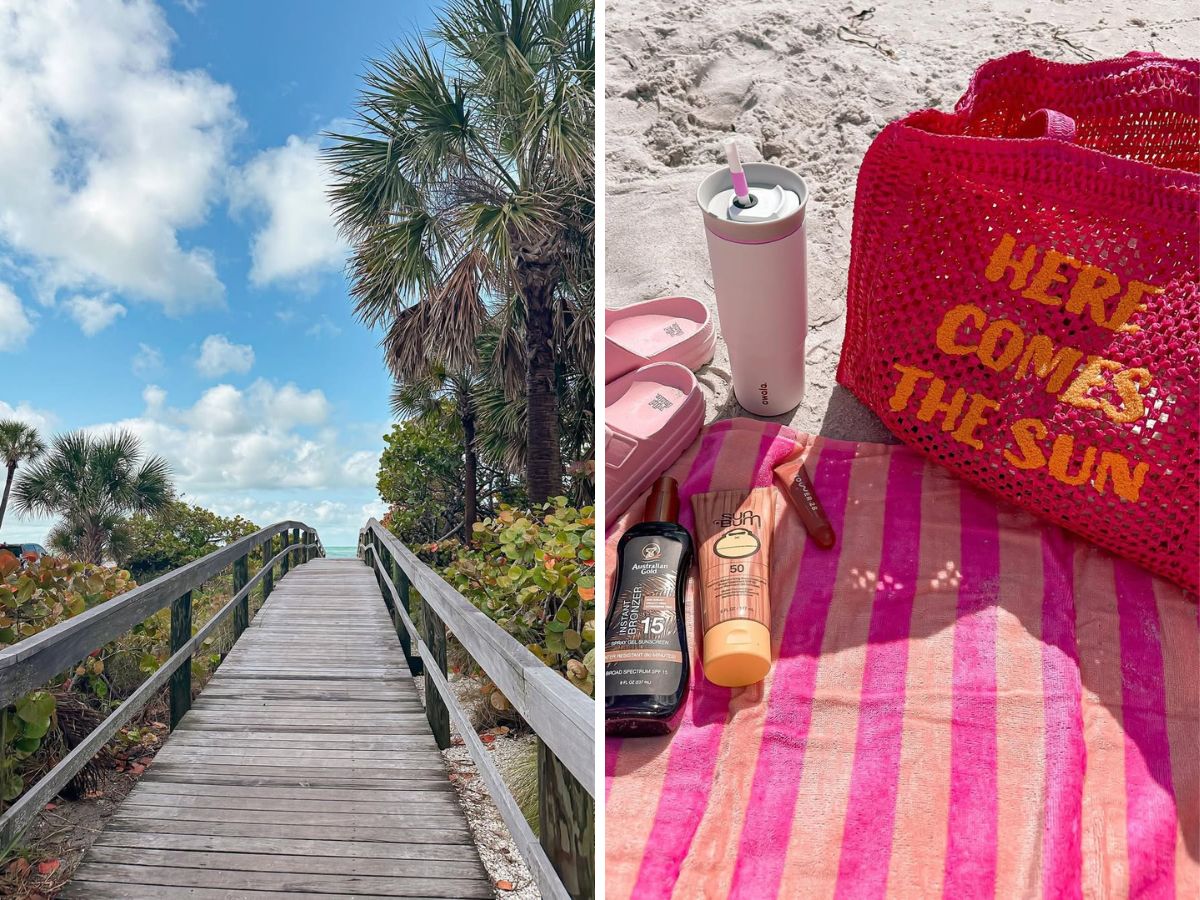
Spring Break Packing Guide for Stress-Free Travel
Spring break packing sounds simple until you are staring at an open suitcase the night before your flight. I have been there more times than I want to admit. The stress usually comes from trying to plan for every possible scenario instead of packing for how trips actually unfold.
After enough rushed nights and overstuffed bags, I noticed something. The trips that felt easiest did not start with better suitcases or longer lists. They started with better decisions made earlier.
This guide is not about stuffing more into your bag. It is about choosing what actually earns its place. When you do that, packing feels lighter, travel days feel calmer, and you stop second-guessing yourself halfway through the trip.
Here is why this approach works, and how you can start using it today.
Start With the Trip, Not the Suitcase
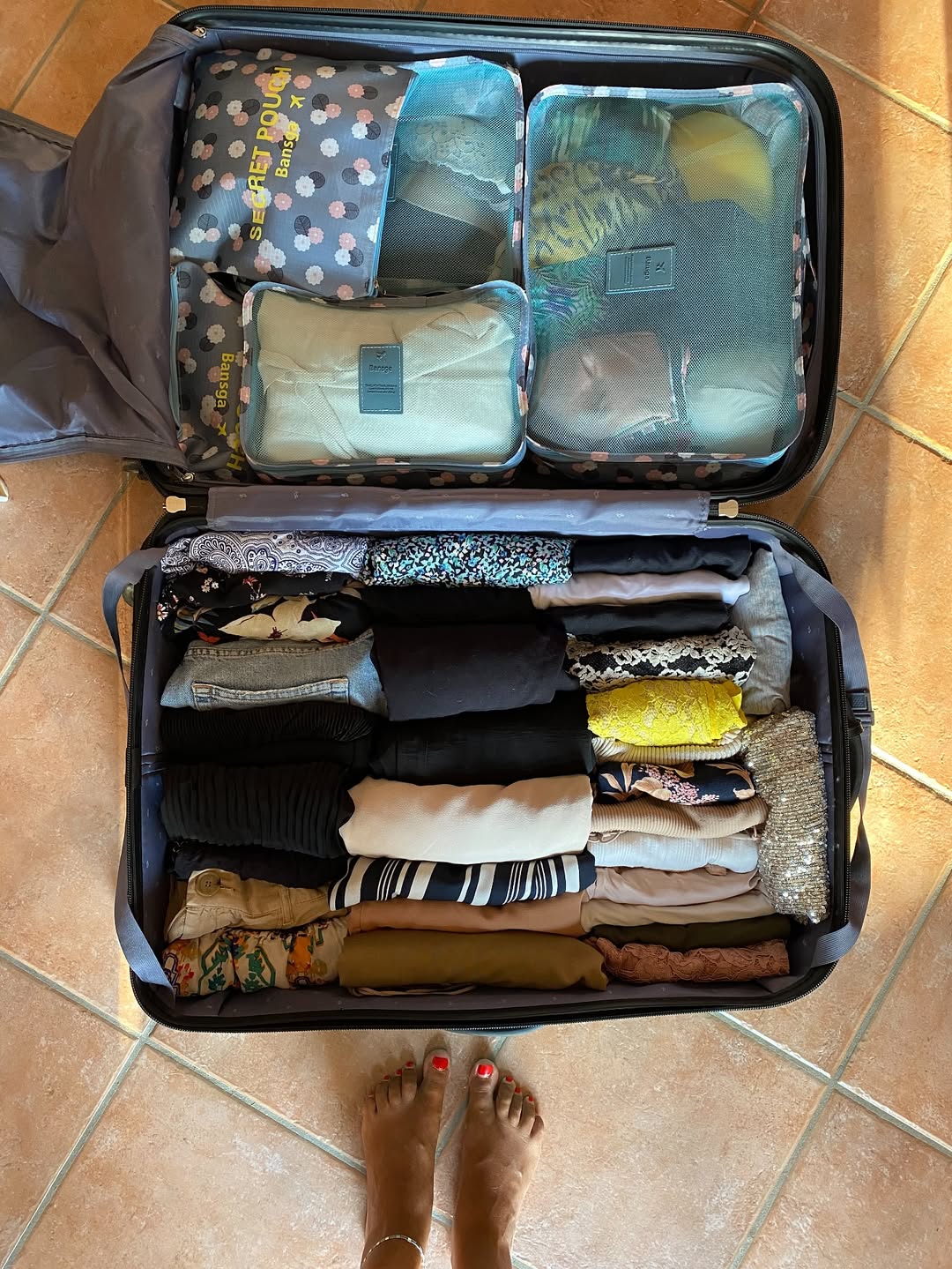
Most packing stress starts with the suitcase. That is the wrong place to begin.
I learned this after packing the same clothes for two very different trips, a beach stay and a city-heavy itinerary. One suitcase worked beautifully. The other left me hauling clothes I never wore and wishing I had planned differently.
Before you touch your bag, pause for a minute and picture your actual days. Not the highlight moments. The normal ones.
Ask yourself three questions.
Where will I spend most of my time?
What will my days mostly look like?
How often will I move from one place to another?
A beach-focused trip rewards light fabrics and repeat outfits you can rotate without thinking. A city-heavy trip asks for comfort first, especially shoes you can walk in for hours. Mixed trips work best when clothes can shift roles without effort.
Once you answer these questions, packing decisions start solving themselves. You stop packing for imaginary situations and start packing for the trip you are really taking.
That clarity matters even more once weather enters the picture.
Pack for Weather Swings, Not Forecasts

Spring weather changes fast. Forecasts shift. Plans stay.
I once packed for a warm spring break in Southern Europe and landed during a cold snap. I was comfortable only because I had packed layers instead of trusting a single temperature range.
The Climate Prediction Center explains that spring outlooks are probabilistic rather than fixed, which is why flexible clothing matters more than exact numbers. NOAA’s seasonal outlooks reinforce this uncertainty, especially during shoulder seasons.
Here is a simple action step you can use today.
Build outfits in layers instead of standalone pieces. A light jacket, a breathable long sleeve, and a short sleeve top cover more situations than bulky sweaters ever will.
This approach saves space and removes the quiet anxiety of wondering if you packed “wrong.” You stay comfortable without overpacking, and your bag stays easier to manage.
Once weather stops driving your decisions, clothing choices become far simpler.
Choose Clothing That Works in More Than One Setting

Single-use outfits quietly sabotage packing plans.
I stopped packing clothes with only one purpose after realizing how often they sat untouched in my suitcase. I did not want to change outfits midday or plan my day around what I packed. Clothes that moved easily from daytime exploring to dinner gave me more freedom and less laundry.
Condé Nast Traveler points out that packing light works best when clothing repeats across different settings rather than serving one narrow role. That idea reshaped how I look at every item before it goes into my bag.
Here is an action step that works immediately.
Lay out outfits instead of individual pieces. If a top works with two bottoms, it earns its place. If it only works once and needs a special shoe or jacket, leave it behind.
Neutral colors help, but comfort matters more. Breathable fabrics and relaxed fits make long days easier and reduce the urge to overpack backups.
Once clothing pulls double duty, shoe decisions become much simpler.
Limit Shoes Without Regret
Shoes feel essential until they turn into dead weight.
I once packed four pairs and wore two. That pattern repeated until I stopped packing for imaginary outfits and started packing for real walking days.
Now I follow one simple rule.
One pair you can walk in for hours.
One pair that feels a bit nicer.
One extra pair only if the trip truly demands it.
Travel + Leisure explains how carry-on restrictions already limit space, which makes shoe choices more important than most travelers expect. Shoes are heavy, awkward to pack, and hard to justify once the trip begins.
Try this before closing your bag.
Line up every pair you planned to pack. Remove anything you would not wear for three straight hours. Remove anything that only works with one outfit. What remains is almost always enough.
When shoes stop taking over your bag, toiletries and accessories stop feeling overwhelming.
Toiletries That Cover Needs Without Taking Over Space
Toiletries cause stress because airport rules punish last-minute decisions.
I learned this the hard way after losing sunscreen at security. It was not the cost that bothered me. It was realizing I could have avoided the hassle with five minutes of prep at home.
Travel + Leisure explains TSA liquid rules clearly, including the mistakes travelers repeat most often. Knowing those limits early changes how you pack and how calm you feel at the airport.
Here is an action step that works right away.
Decant liquids into travel containers and keep them in a single pouch you can pull out without digging. Swap liquids for solid versions when you can. Many hotels and rentals already provide basics, which means you do not need backups “just in case.”
This habit does more than save space. It keeps you moving at security and removes one more decision from an already busy travel day.
Once toiletries are handled, your carry-on starts doing real work.
Carry-On Strategy That Saves Time at the Airport
Your carry-on is not a smaller suitcase. It is your insurance policy.
Delayed bags taught me that lesson early. Everything I needed for the first full day of a trip now stays with me, no matter what.
The Federal Aviation Administration explains that lithium batteries and power banks must stay in carry-on bags for safety reasons. Keeping them close also protects you from dead devices when delays stretch longer than expected.
Try this simple system.
Pack chargers, medications, a spare outfit, and key documents together in one section of your carry-on. Keep that area easy to reach. Avoid burying essentials under clothes you will not touch until later.
When your carry-on is organized this way, long lines and delays feel less disruptive. You know exactly where everything is, even when you are tired.
Once this system is set, paperwork becomes the final piece.
Tech and Documents People Forget Until It’s Too Late
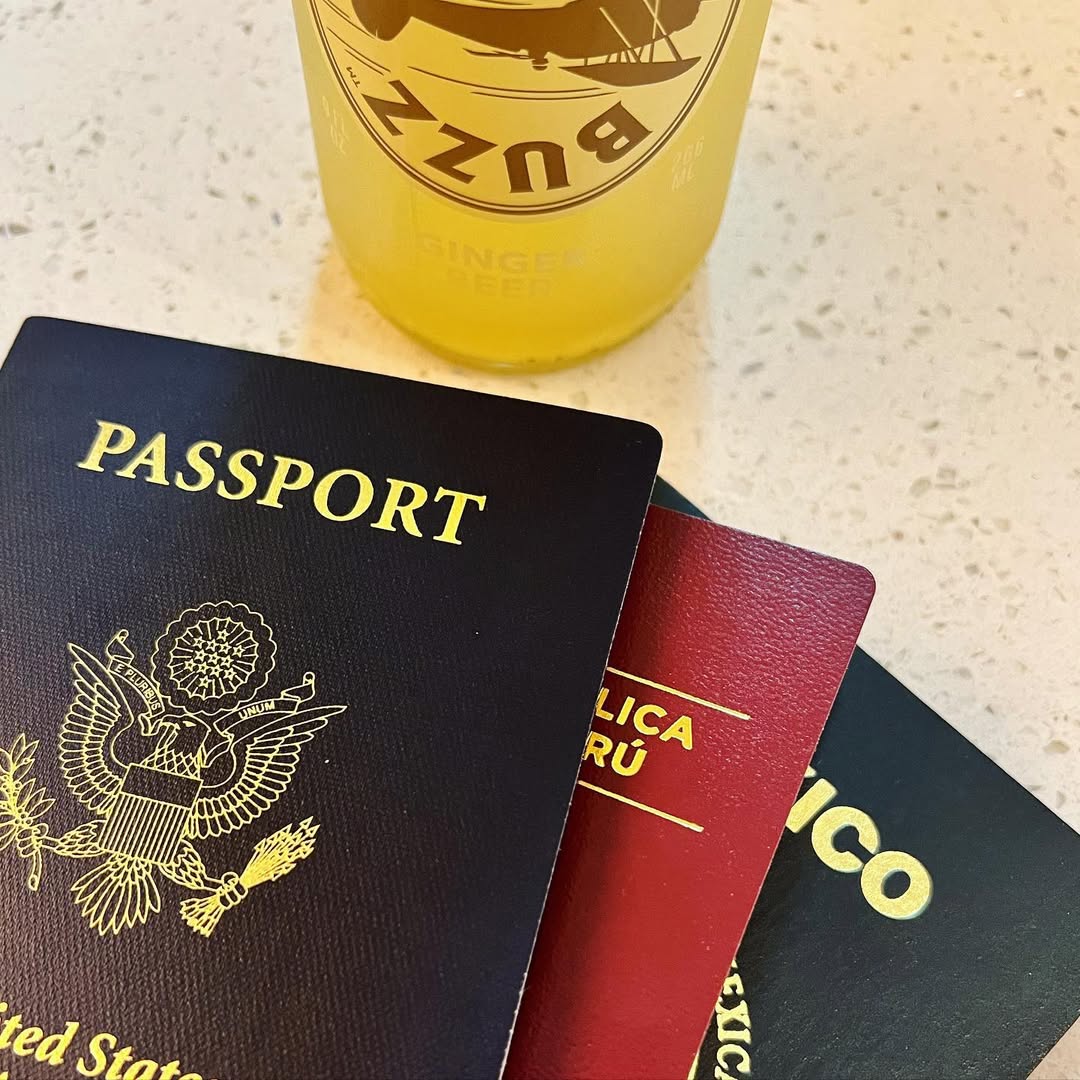
Document stress ruins travel days fast.
I now keep digital copies of my passport, reservations, and insurance stored securely and backed up. That habit saved me during a phone failure abroad, when access mattered more than Wi-Fi.
The U.S. Department of State recommends keeping copies of travel documents and organizing them before departure. Their traveler checklist reinforces how small preparation steps prevent big disruptions.
Here is an action step that takes minutes.
Create a simple travel folder on your phone and in cloud storage. Add screenshots of boarding passes, hotel details, and insurance info. Keep physical copies separate from originals so one loss does not create a chain reaction.
This system gives peace of mind. You stop worrying about what could go wrong and focus on getting where you are going.
At this point, packing is almost done.
Final Check That Prevents Overpacking
This step matters more than it sounds.
Before zipping the bag, I remove three items. Every time. It is not about discipline. It is about honesty.
National Geographic points to repeatable packing systems as a way to avoid one-off decisions that add weight without value. That approach keeps bags lighter and routines simpler.
Try this final check.
Ask one question about each item. If I lost this, would it ruin the trip? If the answer is no, pause before keeping it.
That moment of pause often removes things packed out of habit, not need.
Once the bag closes, the work is done.
Stress-Free Packing Leads to Better Trips

Packing well does not mean packing more. It means packing with intention.
When decisions happen early, travel days feel calmer. You move through airports with less friction. You stop rummaging through bags. You spend more time enjoying where you are.
Spring break should feel like a break, not a test. Pack for how travel actually happens, and the trip starts feeling easier before you even leave home.
Also worth reading:
Spring Travel Outfits That Feel Good All Day
What I Wear in Europe Every Spring to Stay Stylish and Comfortable