Rainy Camping Essentials You Shouldn’t Forget
I still remember the first time rain hit my campsite at the worst possible moment.
It wasn’t a light drizzle. It was the kind of rain that soaks through everything within minutes. My shoes were wet, my backpack felt heavier, and I realized very quickly that I wasn’t prepared for what rain actually does to a camping trip.
If you’ve ever camped in unpredictable weather, you already know how fast things go wrong. One small mistake, and suddenly everything feels harder than it should.
That trip taught me something simple. Rain doesn’t ruin camping. Being unprepared does.
I made a few mistakes that night. The kind that seem small when you pack, but feel huge when everything is wet. I’ll walk you through them so you don’t end up learning the hard way like I did.
Let’s break it down.
Why Rain Changes Everything at the Campsite
Camping in dry weather feels easy. You move freely, your gear stays light, and everything works the way you expect.
Rain flips that completely.
Suddenly, the ground feels soft under your feet. Your clothes don’t warm you the same way. Even simple things like cooking or getting into your tent take longer than they should.
And here’s where it gets serious.
The U.S. Forest Service explains that staying dry is directly tied to body temperature, and wet clothing can raise the risk of hypothermia even in mild conditions.
That means this isn’t just about comfort anymore.
It’s about control.
Control over what stays dry.
Control over what gets wet.
Control over how your body reacts.
Most people don’t think about that until they’re already cold.
You don’t want to be in that position.
So instead of reacting to the rain, you prepare for it before it starts.
And that begins with what you wear.
The First Layer: Staying Dry No Matter What
On that trip, I made the classic mistake.
I packed clothes that looked fine for camping, but the moment rain hit, they stopped doing their job. Within an hour, I could feel the cold setting in.
You don’t notice it right away.
Then suddenly, you do.
Here’s what changed for me after that.
I stopped thinking of rain as something that falls from the sky. It comes from below too. The ground, your gear, even your own damp clothing can keep you wet longer than the rain itself.
So now I build my setup around staying dry from both directions.
The Visit Norway recommends a waterproof outer layer, breathable fabrics, and proper footwear since weather can shift quickly, even on short outings.
In real life, that looks like this.
Skip cotton completely. It holds moisture and makes you colder.
Carry one full set of dry clothes and keep it sealed until you need it.
Take care of your feet. Wet feet can ruin your mood faster than anything else.
Do these three things, and you’ll feel the difference within hours.
Because once your body stays dry, everything else becomes easier to manage.
Now let’s look at where most people lose that advantage.
The Shelter Setup That Actually Works in Rain
Most people think a “good tent” solves everything.
It doesn’t.
I learned that after setting up my tent in what looked like the perfect flat spot. It felt right at the time. No rocks, no slope, easy setup.
A few hours later, water started collecting underneath.
That’s when it clicks.
Flat doesn’t always mean safe.
According to National Geographic, slightly elevated ground and avoiding low areas or spots near water can help prevent pooling and soggy conditions during rain.
That one decision can save your entire night.
Then comes how you set up.
Pull your rainfly tight so water runs off instead of sitting.
Check for gaps before the rain starts, not after.
Leave enough airflow so condensation doesn’t build up inside.
And here’s something people often miss.
Even a great tent can fail if it’s set up poorly. Travel + Leisure notes that airflow, rainfly coverage, and ground protection all work together to keep moisture out.
So it’s not just about what you bring.
It’s about how you use it when conditions turn.
Because once your shelter is compromised, everything else starts to follow.
And that leads to the next problem most people don’t see coming.
Keeping Your Gear Dry Without Stress
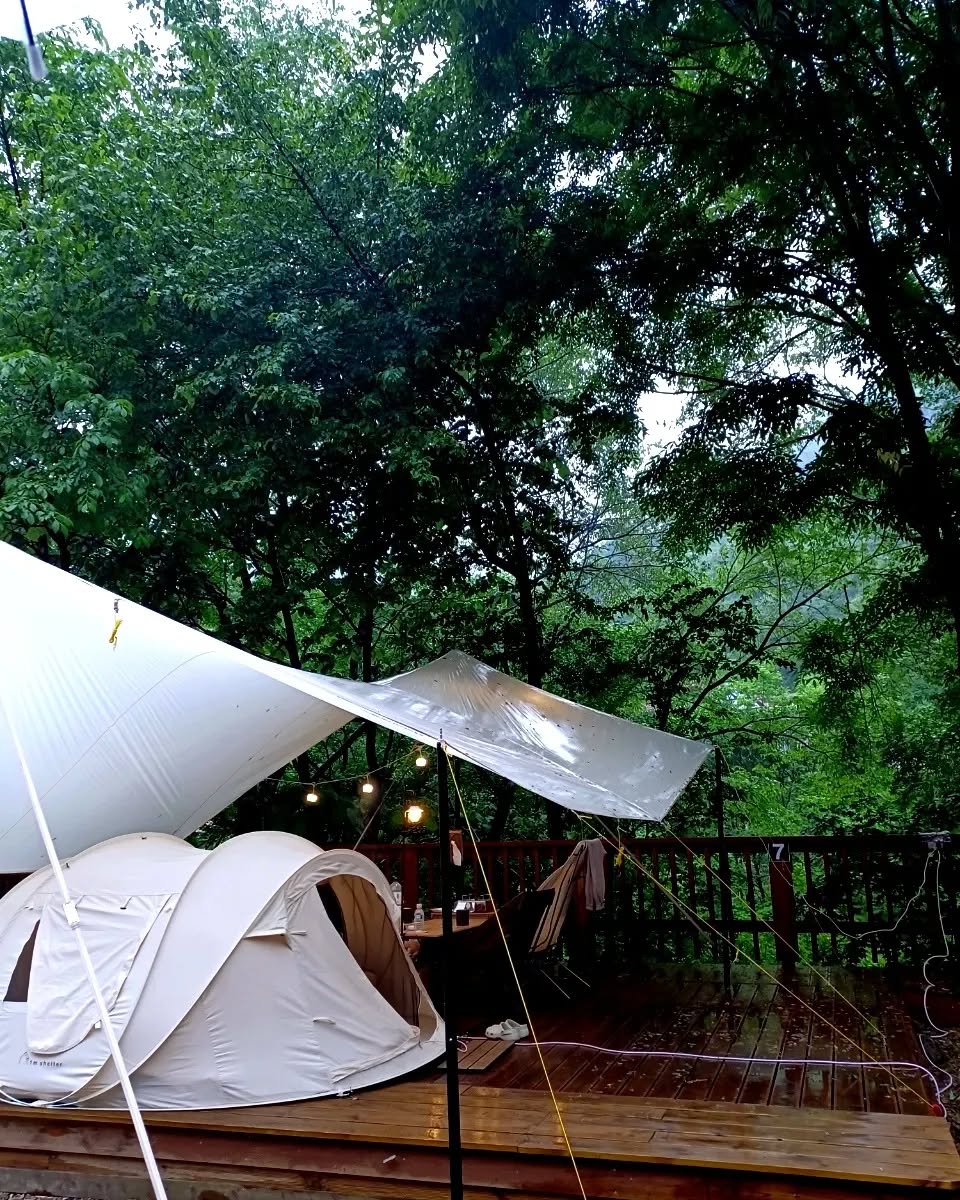
The moment your backpack gets wet, everything inside becomes a problem.
You don’t notice it right away.
Then your clothes feel damp. Your food packaging starts to soften. Small things like matches or electronics stop working when you need them most.
I learned this the hard way after trusting a “water-resistant” bag that couldn’t handle steady rain.
Now I keep it simple.
I split everything into two zones. What absolutely needs to stay dry, and what I can afford to get wet.
Then I protect the first group properly.
Lonely Planet suggests using a waterproof pack cover and lining the inside of your bag with a plastic layer to keep your core items dry.
It sounds basic.
But when the rain doesn’t stop, this is what saves your trip.
Because once your essentials stay dry, you stay in control.
And that matters even more when night hits.
Sleeping Warm Even When It’s Cold and Wet
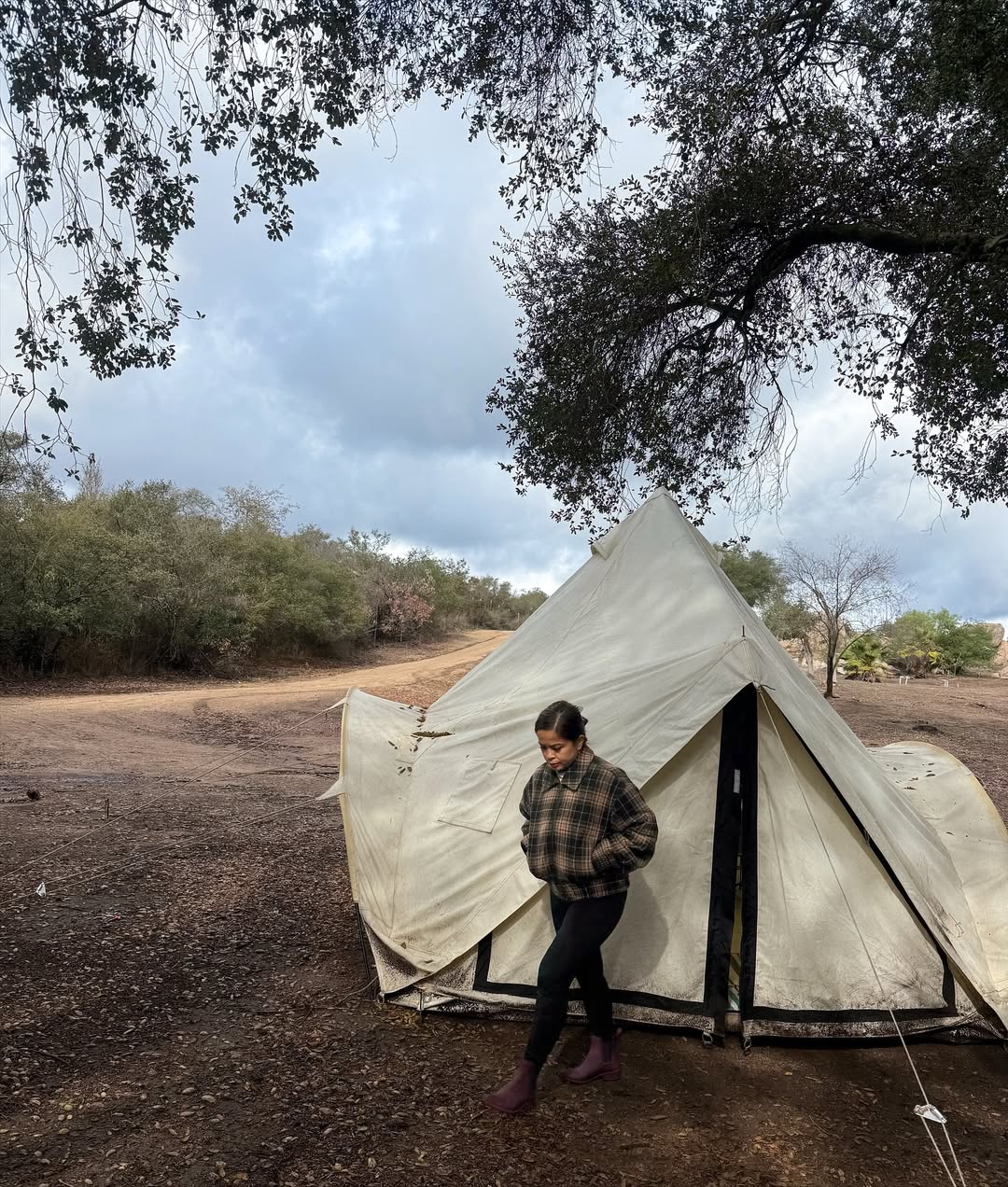
The hardest part of rainy camping isn’t the rain.
It’s the night.
You’re already tired. Everything feels slightly damp. And your body starts cooling down faster than you expect.
That’s exactly what happened to me on my second rainy trip.
My sleeping bag was good. But I didn’t protect it properly. By the time I crawled in, it had already picked up moisture from the air and my gear.
I didn’t sleep well.
And the next day felt twice as hard.
So I changed a few things.
I keep my sleep gear sealed until the last possible moment.
I change into completely dry clothes before getting in, even if it feels like extra effort.
And I never bring damp items into my sleeping space.
Do this once, and you’ll feel the difference immediately.
You fall asleep faster. You stay warm longer. You wake up ready instead of drained.
And once your nights improve, the entire trip feels different.
But there’s another layer most people overlook.
Small Essentials That Make a Big Difference
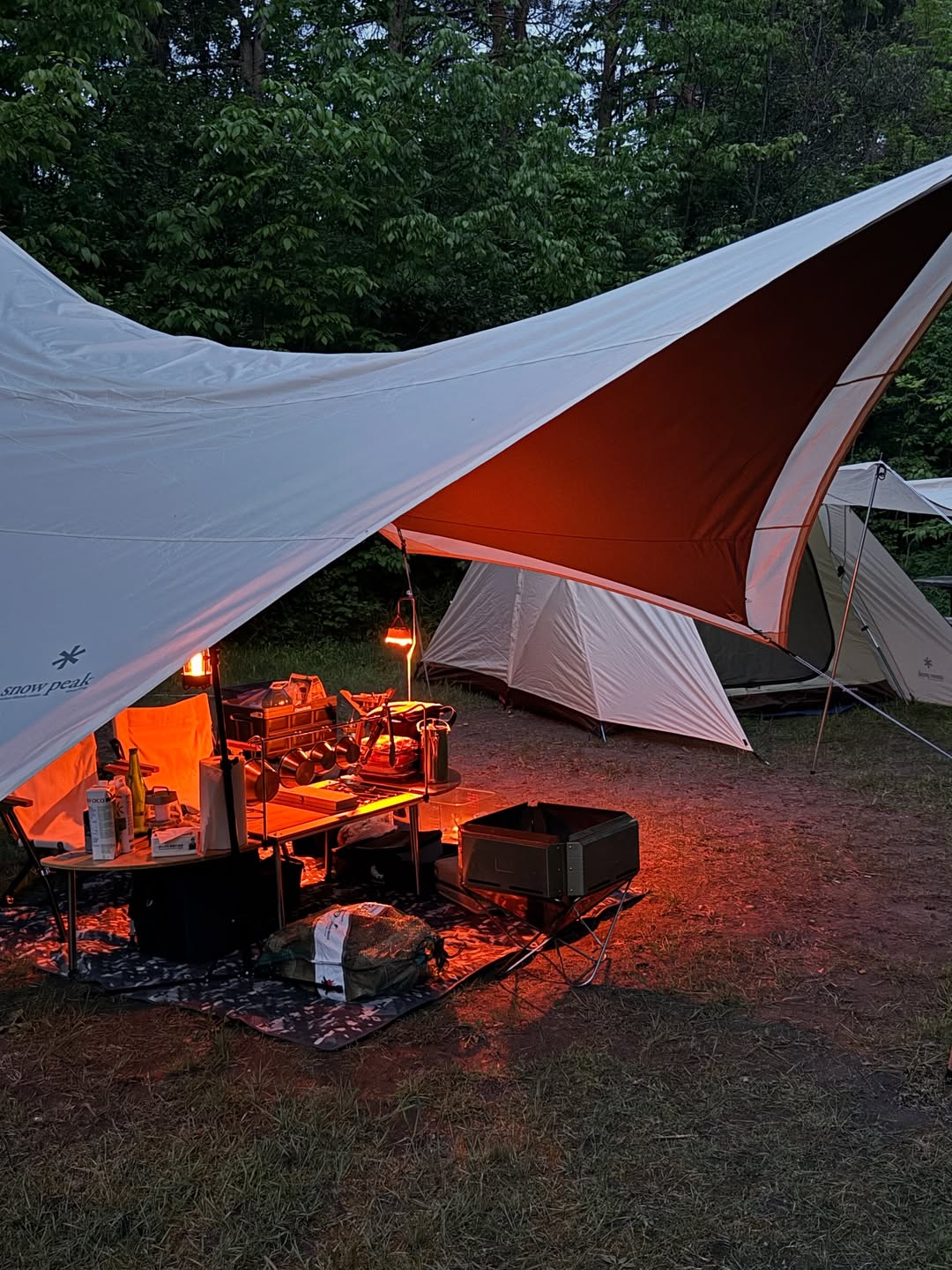
Some things don’t seem important when you pack.
Until you’re in the rain.
A proper light. Dry socks. Something simple to wipe your hands or gear.
You don’t think about them at home.
You think about them when visibility drops and everything feels slower than usual.
I once forgot a reliable light source, and moving around camp in the rain turned into a frustrating mess.
That’s when small details start to matter more than big gear.
Guidance from 100% Pure New Zealand points out the need for items like a torch, warm layers, and protective gear when weather can shift quickly.
And that’s exactly how it plays out.
Rain reduces visibility. It slows your pace. It forces you to rely on whatever you packed without thinking twice.
Get these small things right, and everything else feels easier.
Miss them, and even simple tasks feel harder than they should.
What Most People Forget Until It’s Too Late
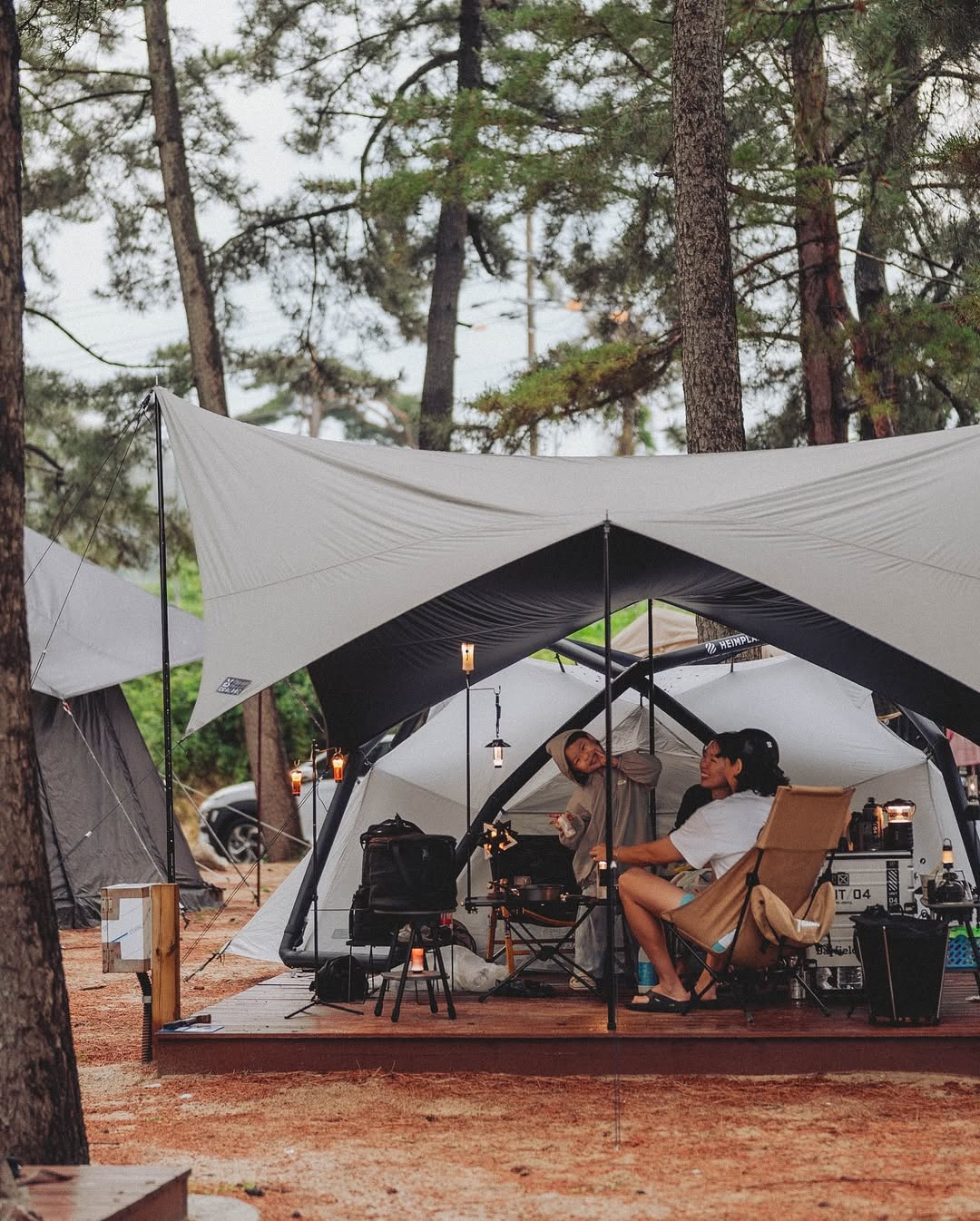
Looking back, the biggest mistakes weren’t dramatic.
They were small.
No extra socks.
Not thinking about how water would move around the tent.
Letting wet and dry gear mix too early.
Each one feels minor when you pack.
Until you’re dealing with it in the rain.
That’s when small gaps turn into real problems.
So now, before every trip, I ask myself one question.
If it rains tonight, am I ready?
That question catches almost everything.
And once you start thinking this way, you stop reacting to problems and start avoiding them.
How to Mentally Handle Rain on a Camping Trip
There’s one part no one prepares you for.
Rain changes your mindset.
At first, it feels like the trip is slipping away. Plans slow down. Movement takes longer. Things don’t go the way you imagined.
It’s frustrating.
But if you stay in that mindset, the whole trip feels heavier than it should.
Once you accept the rain, something shifts.
You slow down.
You notice your setup more. You pay attention to small comforts, like a dry place to sit or a warm layer you saved.
And instead of fighting the conditions, you start working with them.
That’s when the experience changes.
Not because the rain stopped.
But because you stopped expecting it to.
Rain Doesn’t Ruin the Trip
If I had packed better on that first trip, everything would have felt different.
Same rain. Same campsite.
Different outcome.
That’s what this comes down to.
Rain isn’t the problem.
Preparation is.
Get your layers right. Protect your gear. Choose your setup carefully.
Do that, and rain stops feeling like a setback.
It just becomes part of the experience.
Also read: