Italy Outfits for Comfort and Style on the Go
The first morning I stepped out in Rome, I thought I had nailed my outfit. It looked great in the mirror. Clean, simple, very “travel aesthetic.”
By noon, I was exhausted.
Not because of the sights. Because of what I was wearing.
Italy isn’t a place where you casually stroll from one spot to another. You’re walking for hours, climbing steps, crossing uneven streets, and stopping constantly. That gap between how outfits look online and how they actually perform shows up fast.
That’s when I realized something most people don’t talk about. The best Italy outfits aren’t the ones that look good in photos. They’re the ones that still feel good after 15,000 steps.
So I stopped packing for “outfit ideas” and started dressing for real days on the ground.
Here’s what I changed, what actually worked, and how you can build outfits that feel just as good as they look while you’re on the move.
The Real Rule I Follow When Dressing for Italy
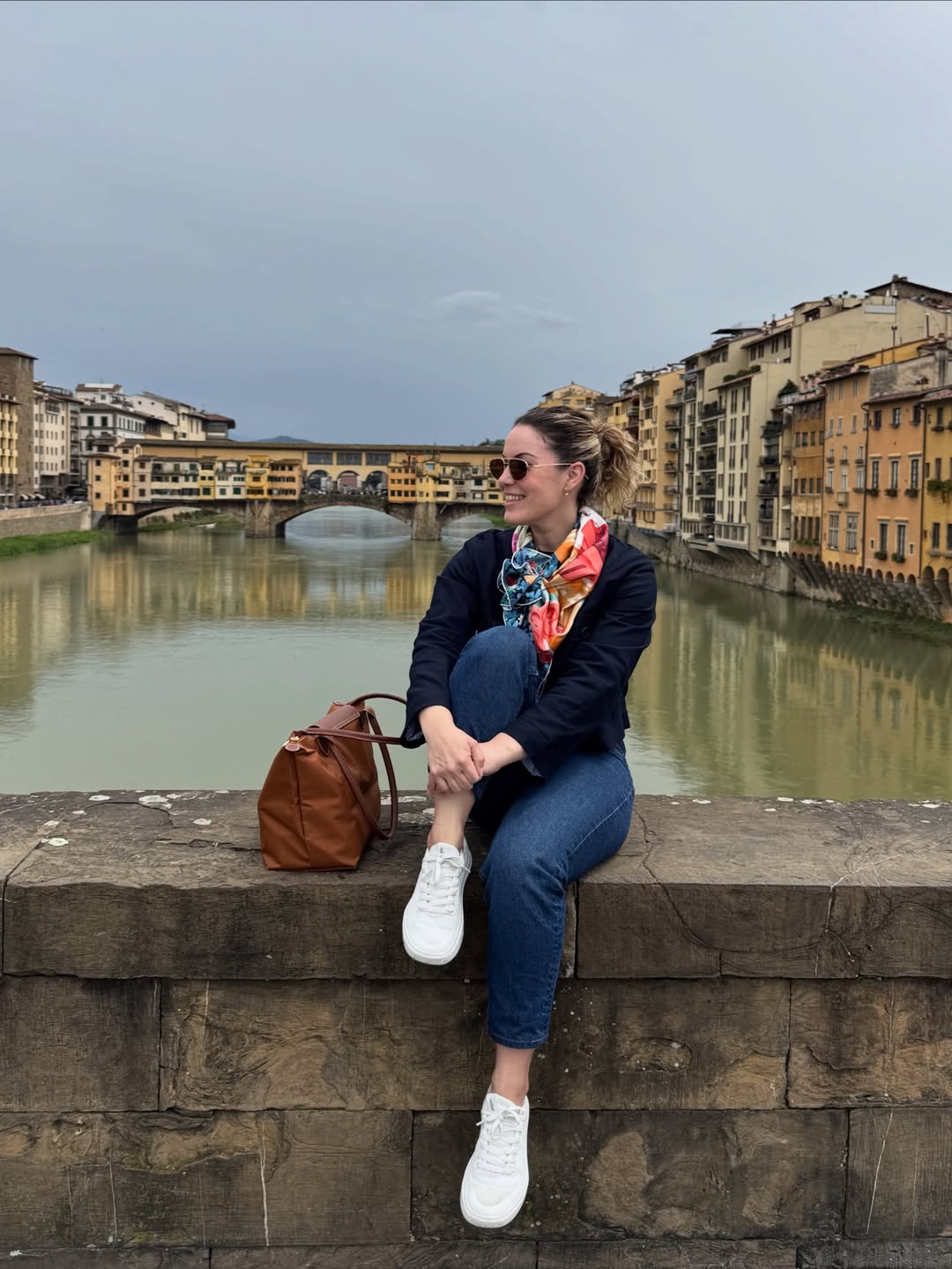
Here’s the rule I stick to now. If I can walk all day in it and still feel confident walking into a café, it makes the cut.
That balance matters more than anything.
The shift happened on my second day in Rome. I realized I wasn’t enjoying the city the way I wanted to. I was adjusting my clothes, thinking about my shoes, feeling slightly off the whole time.
Meanwhile, locals looked effortless.
Nothing flashy. Nothing overdone. Just clean, well-fitted, and relaxed. And according to insights shared in the Ultimate Italy Packing List by Go Ahead Tours, Italians tend to avoid overly casual or sloppy clothing and lean toward polished, easy looks.
That clicked for me.
I stopped packing “outfits” and started building combinations I could actually live in for a full day. Walking, sitting, exploring, eating. No adjustments needed.
If you’re unsure whether something works, try this before your trip. Wear it for a full day at home. Walk, sit, move around. If you forget you’re wearing it, you’re on the right track.
Let’s break this down, starting with the one thing that can quietly ruin your entire day.
Start With Shoes Because They Make or Break Everything
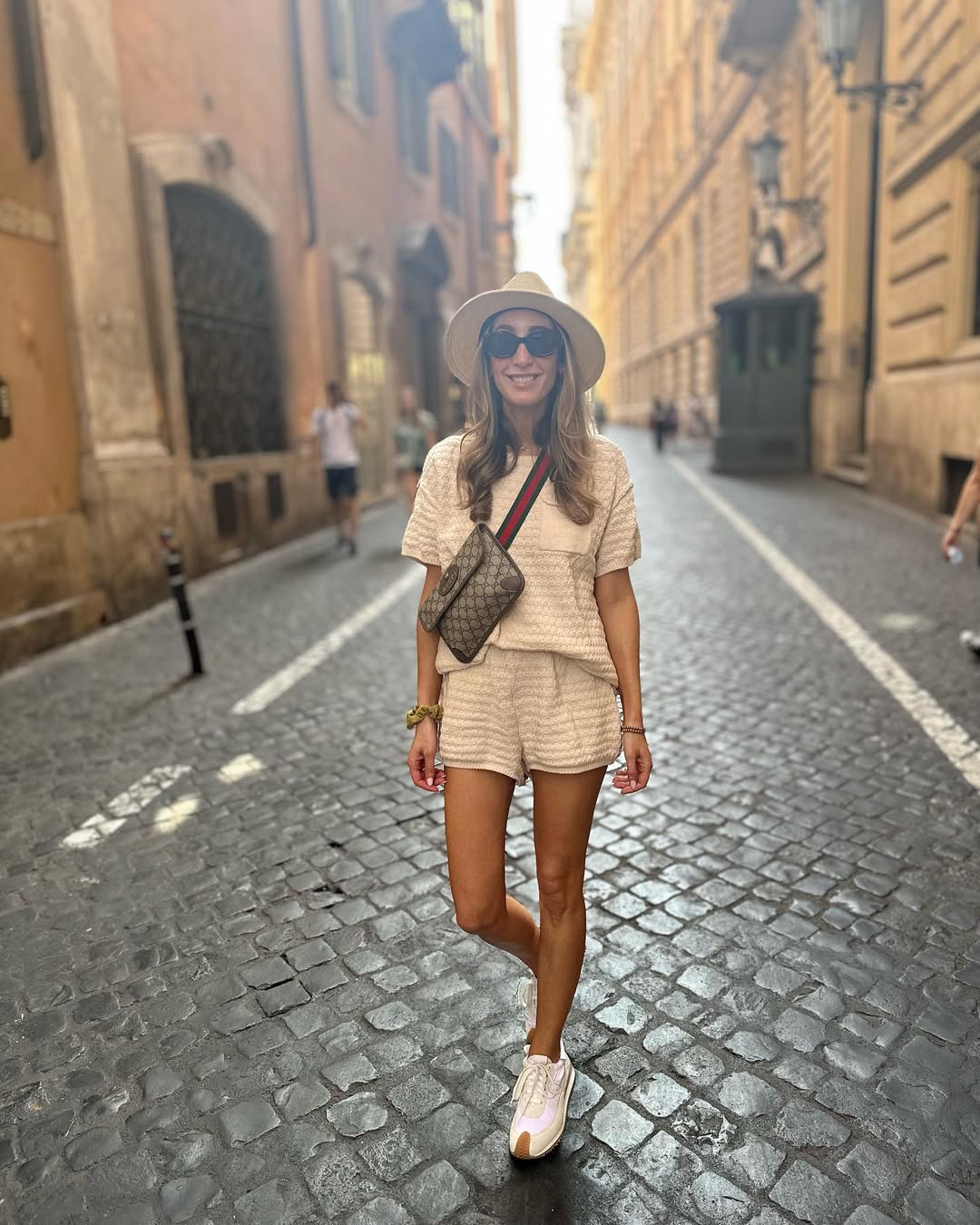
I learned this the hard way in Florence.
I wore a pair of flat shoes that looked great in photos. By mid-afternoon, I was slowing down without even realizing it. Every step felt heavier, and I started cutting walks short.
That’s when it hit me. In Italy, your day is only as good as your shoes.
You’re not just walking from one place to another. You’re walking all day. Up stairs, across cobblestones, through long streets that look short on the map but never are. Italy’s cities are filled with uneven streets and steps, which makes proper footwear non-negotiable.
Here’s what actually worked once I got it right.
I switched to clean white sneakers with proper cushioning. Instantly better. I could walk longer without thinking about my feet. On hotter days, I used cushioned walking sandals, which felt lighter but still supportive.
What I stopped reaching for was just as important.
Thin flats looked nice but offered nothing after a few hours. Heels during the day felt like a mistake within minutes.
If you want a simple test, do this. Walk for 30 to 40 minutes in your shoes before your trip. Not around your house. Outside. If you feel even a little discomfort, it will double in Italy.
Once your shoes feel right, everything else starts falling into place without effort.
Build Around Breathable, Lightweight Fabrics
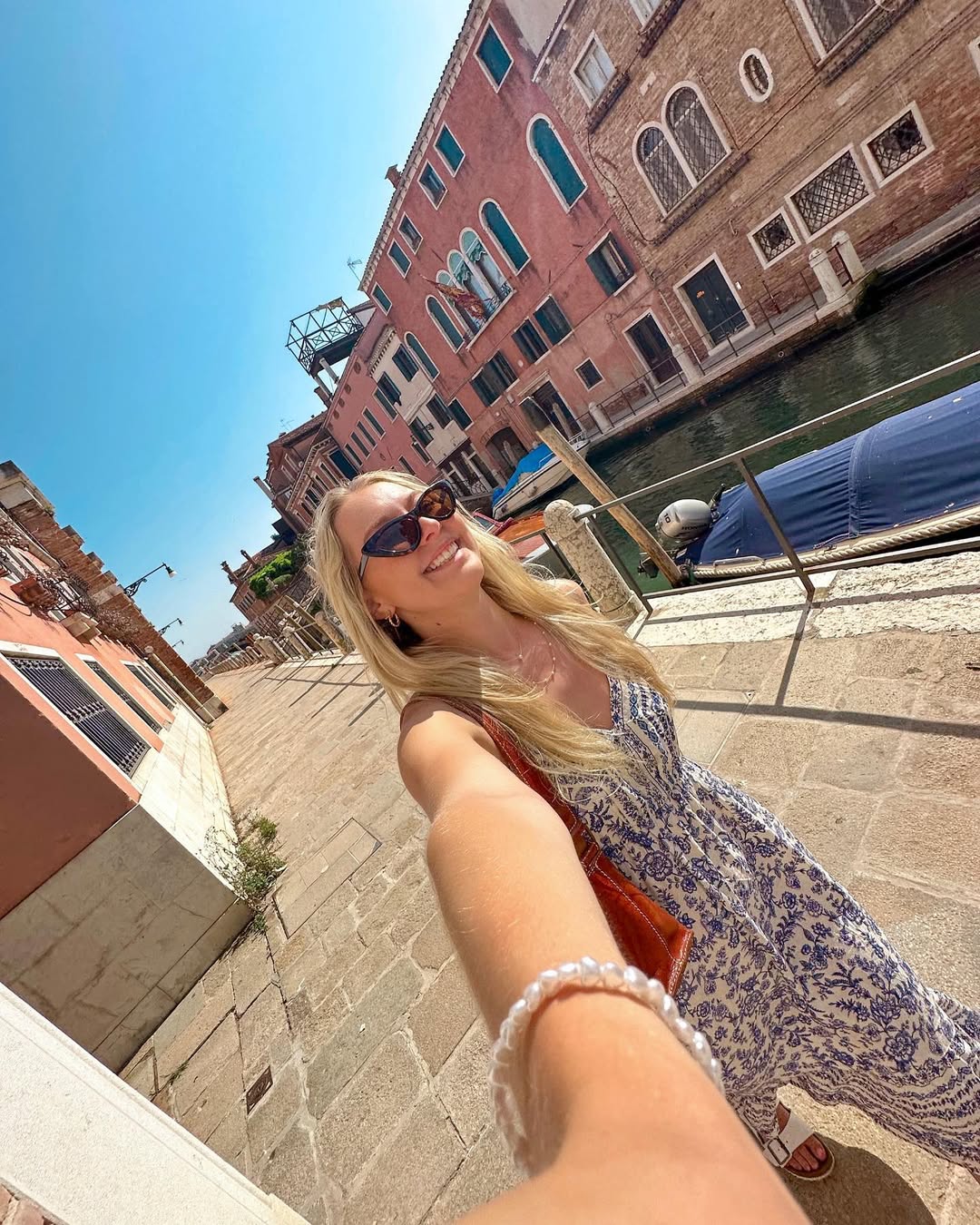
I didn’t expect fabric to matter this much, but it changed how my entire day felt.
On warmer days, I made the mistake of wearing heavier materials. Within an hour, I felt slower, more tired, and slightly irritated without knowing why. The heat sticks to you differently when your clothes don’t breathe.
That’s when I switched to linen and cotton.
Travel guidance from Insight Vacations notes that breathable fabrics like linen and cotton help keep you cool while exploring Italy in warmer weather. You feel that difference almost immediately.
After that, I kept things simple.
Loose linen shirts that don’t cling when you’re walking in the sun
Soft cotton tops that still feel fresh after hours outside
Relaxed trousers or flowy skirts that move easily when you’re on the go
Here’s something you can try right away. Put on one of your travel outfits and stand in the sun for ten minutes. If you feel sticky or heavy, swap the fabric.
Once you get this right, your energy lasts longer through the day.
And when your clothes stop slowing you down, getting dressed becomes a lot easier.
The Outfit Formula That Works Every Time
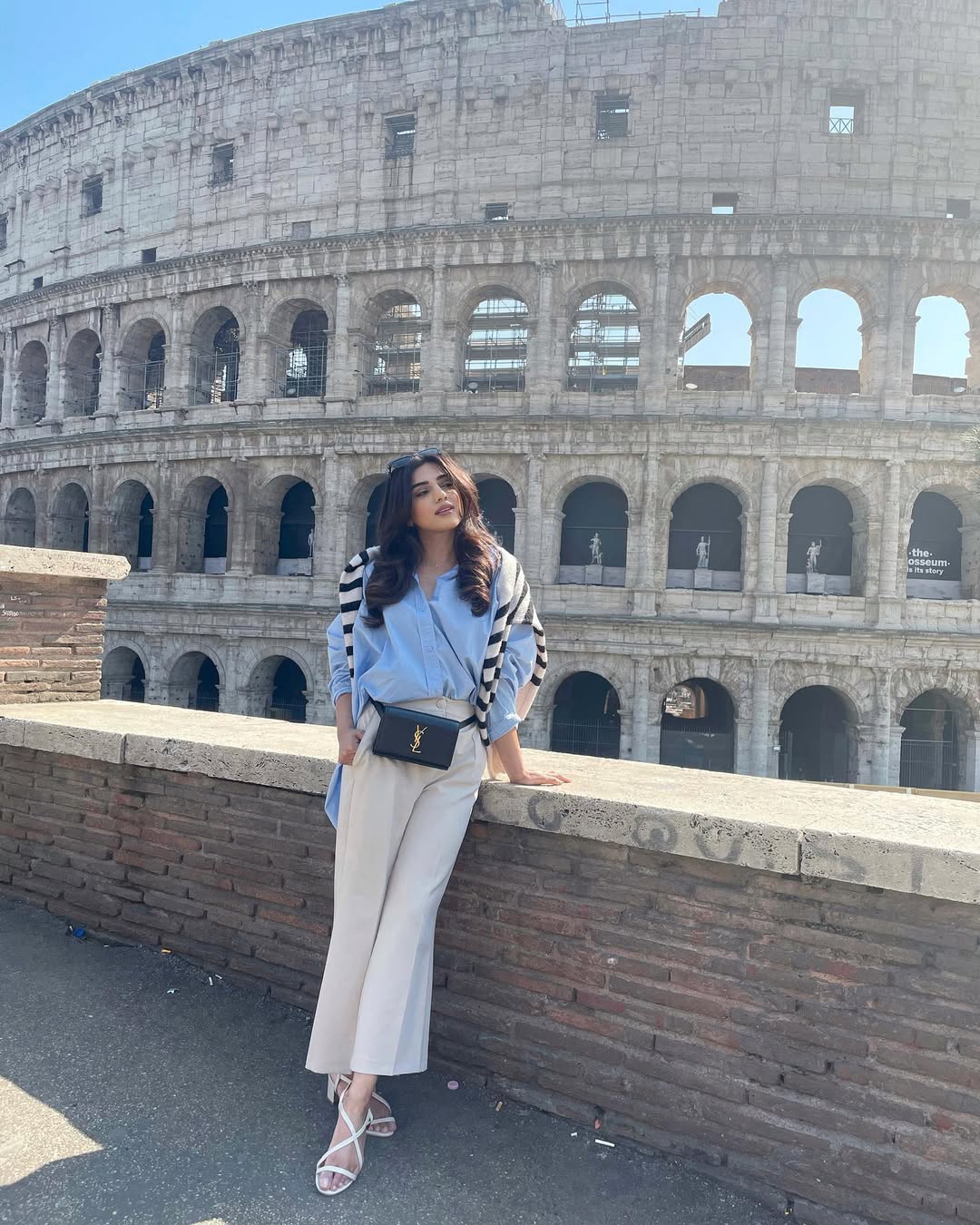
After a few days of overthinking what to wear, I gave up trying to build perfect outfits.
I needed something easier.
So I started following a simple pattern I could repeat without thinking.
A comfortable base
A light layer
One small detail that pulls it together
That’s it.
The first time I tried this, I didn’t expect much. But it worked immediately.
One morning in Rome, I wore a loose linen shirt with relaxed trousers, threw on my sneakers, added a crossbody bag, and stepped out. No second guessing. No outfit changes.
Another day, I wore a simple dress, added a light jacket for the morning, and finished it with sunglasses. Same idea, different pieces.
Here’s what changed. I stopped wasting time deciding what to wear and started enjoying my mornings more.
If you want to try this, build one outfit tonight using this formula. Then swap just one piece tomorrow. You’ll see how quickly it starts to click.
And once you stop overcomplicating it, your outfits start looking better without extra effort.
Now here’s something I didn’t expect to rely on as much as I did.
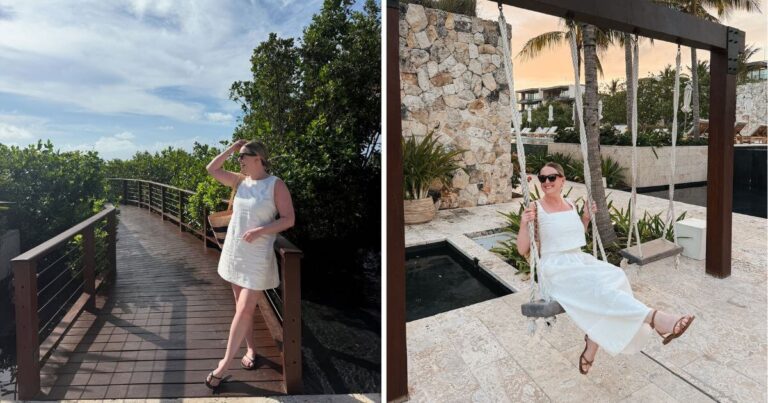
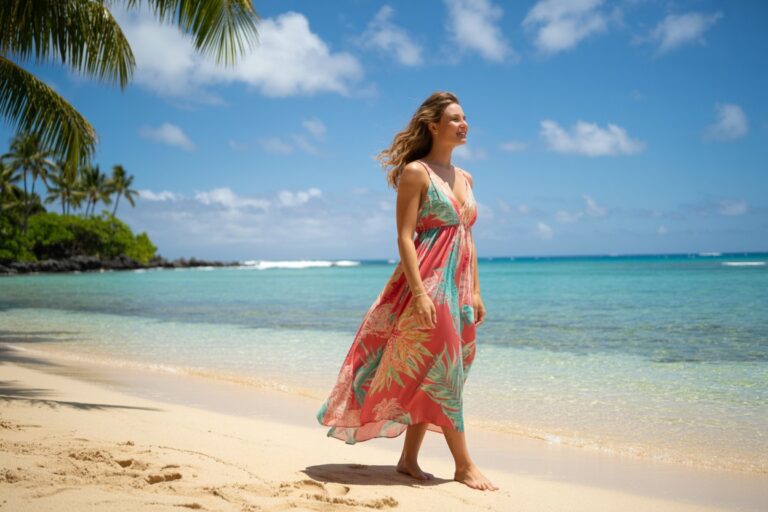
Dresses That Actually Work for Walking All Day
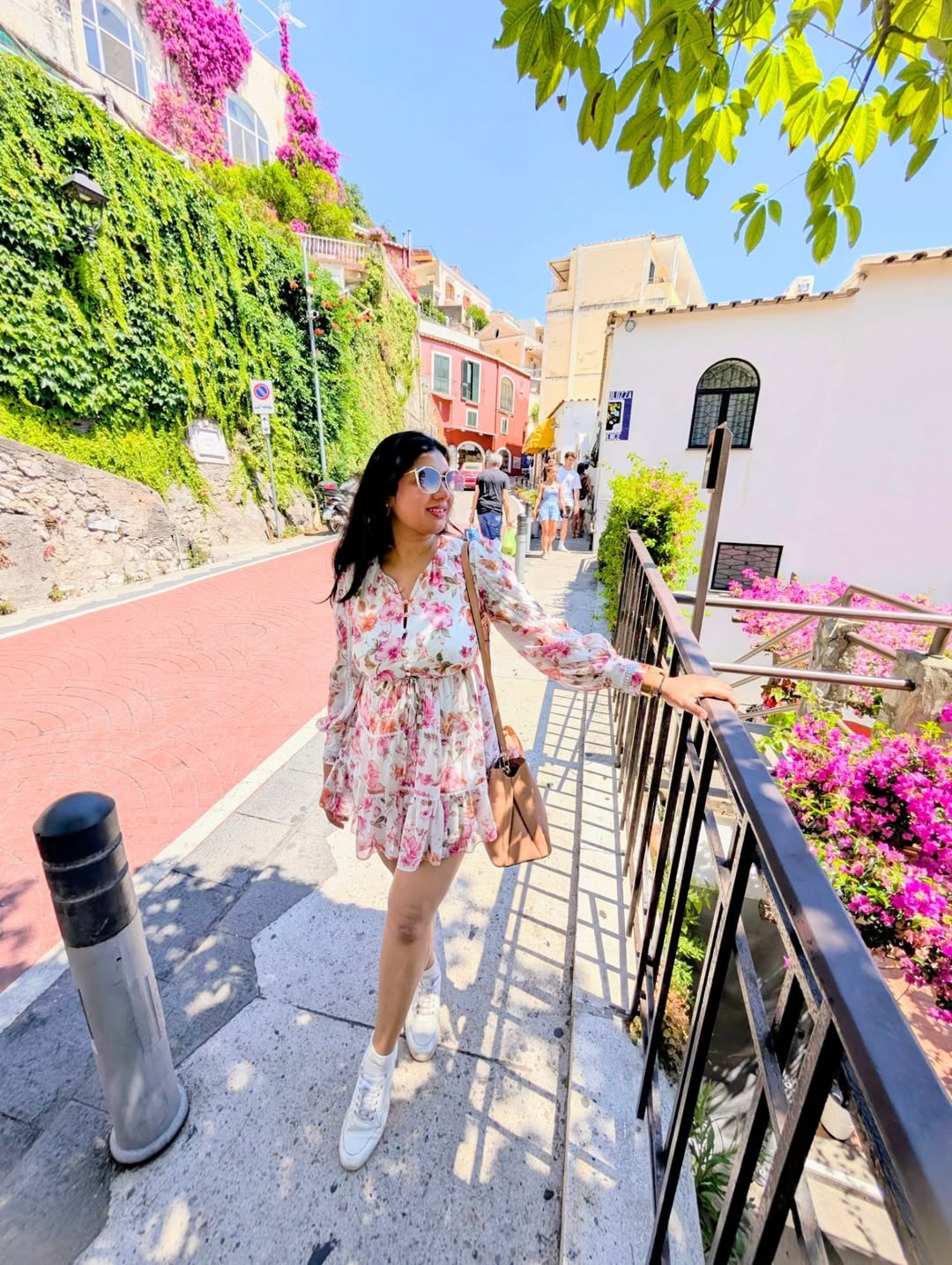
I used to avoid dresses when I traveled.
They felt impractical. Too delicate. Not built for long days.
That changed somewhere between walking through Florence and sitting down at a small café later that afternoon.
I realized I hadn’t adjusted my outfit once.
That’s when it clicked. The right dress makes everything easier.
No matching pieces. No layering stress. Just one piece that works from morning walks to evening plans.
What worked best for me was keeping it simple.
Loose fits that don’t pull when you’re walking uphill or climbing stairs
Breathable fabrics like cotton or linen that stay comfortable in the heat
A length that feels easy when you’re sitting, walking, or stepping into a church
Paired with sneakers, I could walk for hours without thinking about it. With sandals, it felt lighter on hotter days.
Here’s something you can try before your trip. Wear your dress for a full afternoon out. Sit, walk, move around. If you don’t adjust it once, it’s a winner.
And the best part. You’ll always feel ready, whether you’re grabbing a quick coffee or stepping into a nicer place without planning ahead.
Now let’s talk about what happens when the weather shifts.
How I Layer Without Feeling Bulky
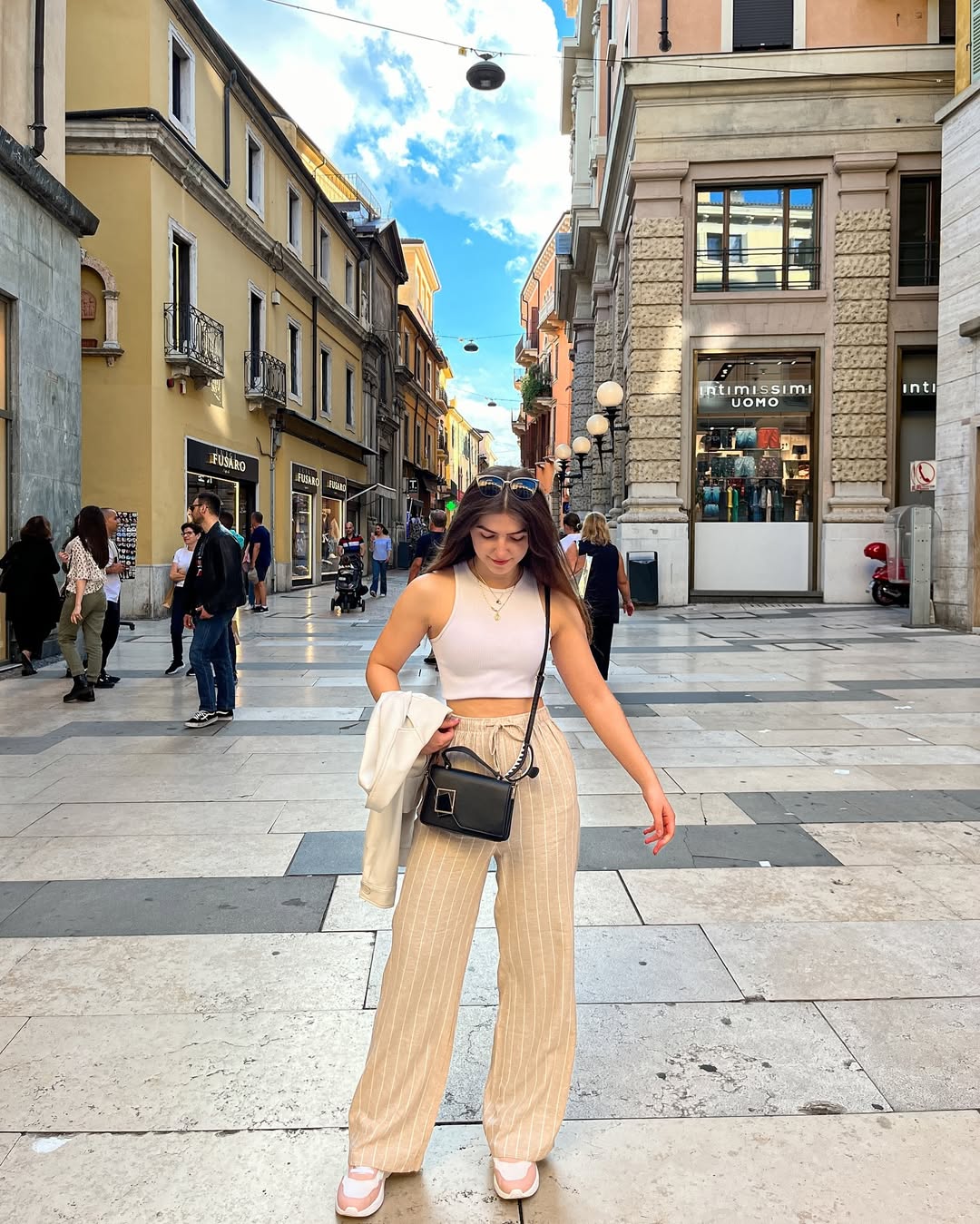
Italy surprised me with how quickly the temperature changed throughout the day.
Mornings felt cool. By midday, it was warm. Evenings dipped again just enough to notice.
At first, I ignored it and ended up uncomfortable either way.
That’s when layering started to make sense.
Travel advice from Collette Travel points out that layering helps adjust to these shifts throughout the day, and once I tried it properly, it made everything smoother.
But the trick isn’t adding more clothes. It’s choosing the right ones.
I stuck to pieces I could carry easily and throw on without thinking.
A light cardigan that fits into my bag without taking space
A denim jacket that works when the air cools down
An overshirt that feels light but still adds enough coverage
One small thing that made a difference. When I didn’t need the layer, I didn’t just stuff it into my bag. I tied it loosely around my shoulders or waist. It kept the outfit looking intentional instead of rushed.
If you want to test this, step outside early in the morning and stay out until evening. If your outfit can handle both without discomfort, you’ve nailed it.
Once layering feels easy, packing becomes much simpler too.
Looking Put-Together Without Overpacking
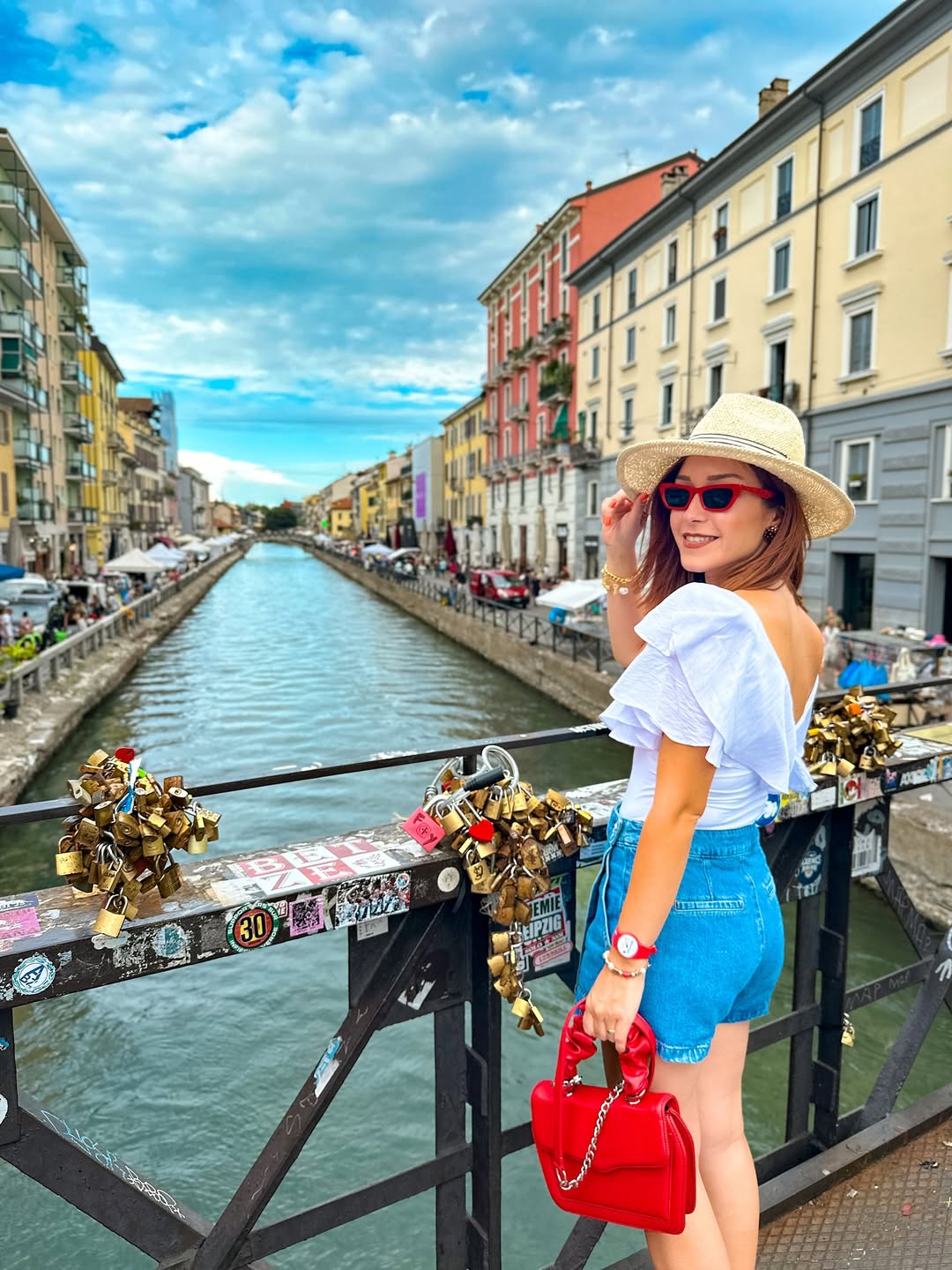
I used to think I needed options.
More outfits. More choices. Just in case.
Half of it stayed untouched.
So I cut everything down and focused on pieces that worked together without effort.
Neutral tones became my base. White, beige, black, soft shades that pair easily. Then I added one or two pieces that gave the outfit a bit of personality.
That’s all I needed.
What surprised me was how quickly getting dressed became easier. I didn’t stand there thinking about combinations. Everything already worked.
Here’s a simple way to try this. Pick three tops and two bottoms that all match each other. Lay them out. You’ll instantly see how many outfits you can create without adding more.
The result felt better in every way. My bag was lighter. My mornings were quicker. And I never felt like I was repeating the same look.
And once that’s in place, the small details start to matter more than extra clothes.
Small Accessories That Change Everything
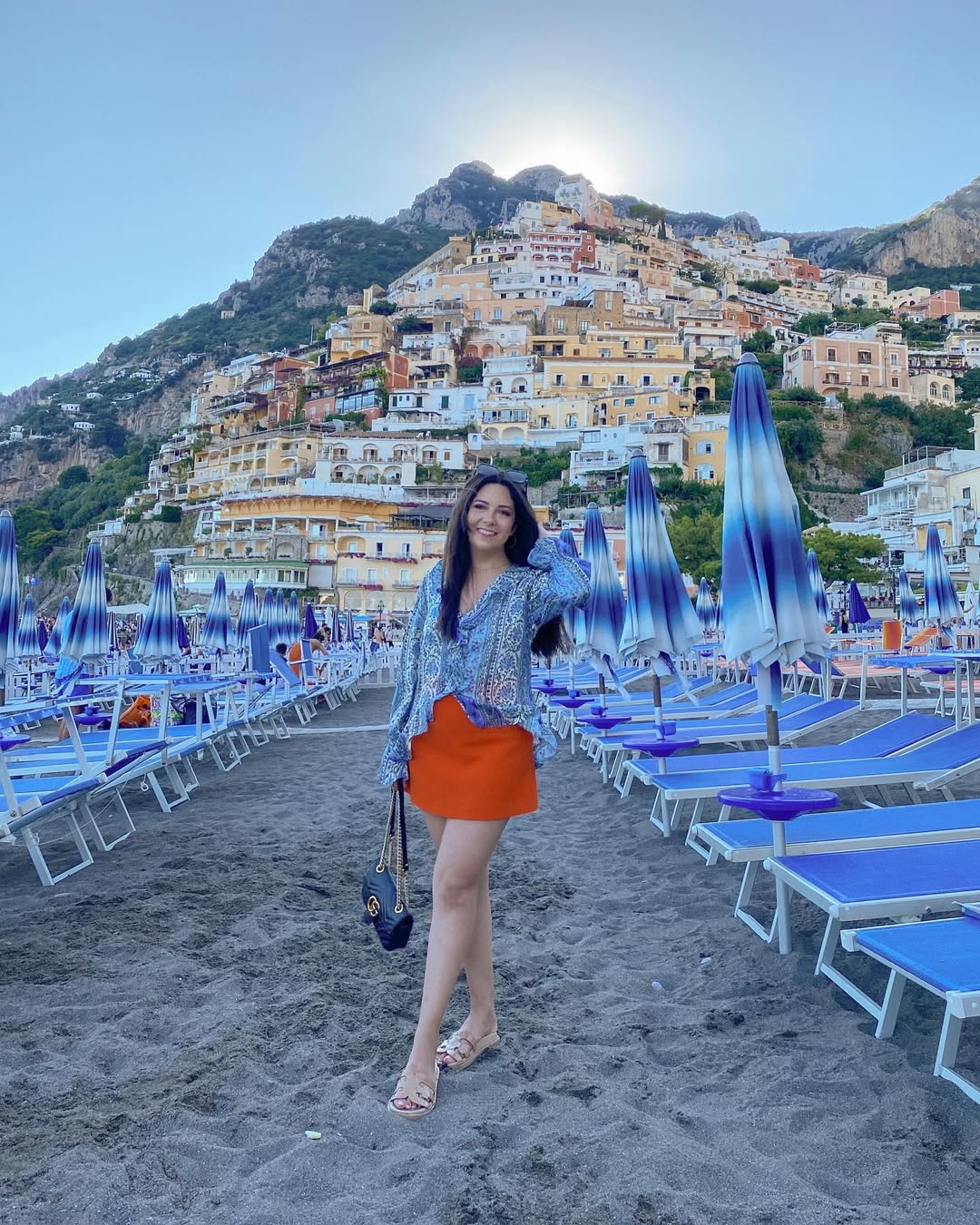
I didn’t think accessories would matter much when I packed for Italy.
Then I noticed something after a few days. I kept reaching for the same two or three things every single morning.
That’s when it clicked. It’s not about having more. It’s about having the right ones.
A crossbody bag quickly became my go-to. I didn’t have to think about it. My hands stayed free, my essentials were always within reach, and I wasn’t constantly adjusting anything while walking. Travel advice from Mama Loves Italy also points out that a medium-sized crossbody bag works well for carrying daily essentials comfortably, and that matched my experience exactly.
After that, I kept things simple.
A good pair of sunglasses made long walks in the sun feel easier and pulled my outfit together without effort. A lightweight scarf turned out to be more useful than I expected. Some days it helped with the sun, other times it worked as a quick extra layer.
Here’s something you can try. Lay out your outfit and add just one accessory. If it feels complete without adding anything else, you’ve got it right.
Once I stopped overpacking accessories, everything felt lighter and easier to manage.
Now let’s talk about what I stopped wearing altogether.
What I Avoid Wearing in Italy (After Learning the Hard Way)
Some outfits look great at home but fall apart the moment you step outside in Italy.
I learned that pretty quickly.
Flip-flops were the first to go. They felt fine for a short walk, but after an hour, I started noticing every step. Heavy fabrics came next. They looked good in the morning but felt uncomfortable once the day warmed up. Tight outfits seemed like a good idea until I had to walk uphill or sit for longer breaks.
But the biggest shift wasn’t about comfort. It was about how I felt in my surroundings.
There was one day when my outfit stood out more than I expected. Not in a good way. I felt slightly out of place, like I didn’t quite belong in the setting around me.
That’s when I understood what travel advice from Italy Explained means when it says dressing very differently from locals can make travelers stand out and feel less at ease.
After that, I kept things simpler and closer to what I saw around me.
Here’s a quick way to check your outfit. If it feels like something you’d wear only for photos, it probably won’t hold up for a full day.
Once I stopped dressing for how things looked online, everything started feeling more natural.
And that becomes even more useful when you move between different parts of Italy.
Dressing for Different Parts of Italy
Not every place in Italy feels the same, but the difference isn’t as big as you might expect.
What changes is the mood, not your entire wardrobe.
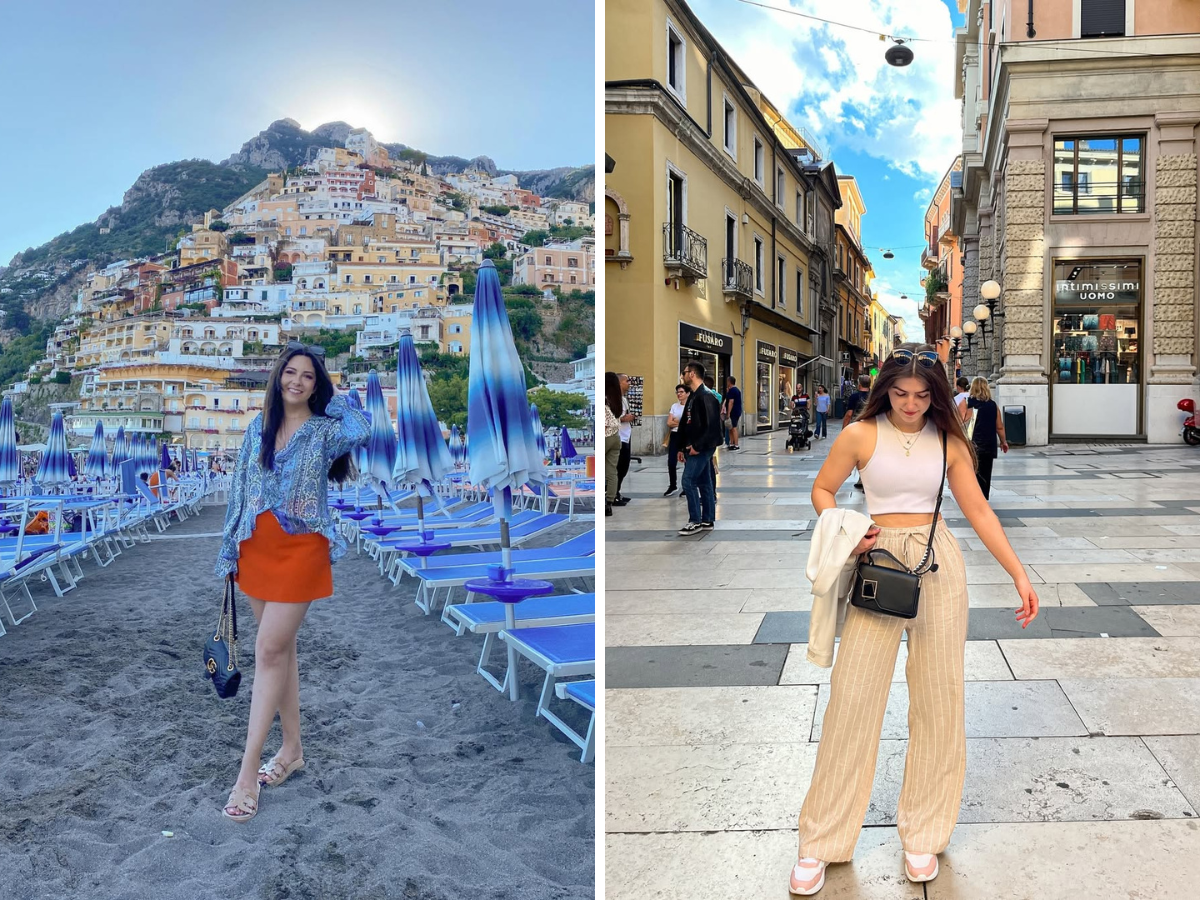
In cities like Rome or Milan, things lean a little more polished. People keep it simple but slightly sharper. Along the coast, everything feels lighter and more relaxed. In the countryside, comfort quietly takes the lead.
At first, I thought I needed separate outfits for each place.
I didn’t.
What worked better was making small adjustments.
On the coast, I swapped sneakers for sandals and leaned into lighter fabrics. In the countryside, I added an extra layer for cooler mornings. In cities, I kept my outfits a bit cleaner and more structured without changing everything.
That was enough.
If you want to test this approach, build one base outfit and tweak just one element depending on where you’re going. You’ll see how flexible your wardrobe becomes without adding anything extra.
And once you start thinking this way, packing feels easier and your outfits start working with you instead of slowing you down.
Final Thoughts: Style Should Never Slow You Down
By the end of my trip, I stopped thinking about outfits completely.
And that’s how I knew I finally got it right.
The days felt easier. I walked longer without noticing it. I didn’t rush back to change before heading out again. Everything I wore just worked in the background while I focused on where I was.
That’s the real goal.
Not outfits that look perfect for a photo, but outfits that let you move freely through your day without distraction.
If you’re packing for Italy, start with this simple mindset. Choose pieces you can walk in, sit in, and spend hours in without adjusting. Keep things breathable, easy to layer, and simple to mix.
Before your trip, try this once. Wear your full outfit for a long day out. Walk, sit, move around, go somewhere busy. If you forget about what you’re wearing, you’re ready.
Because the best outfits in Italy are the ones you don’t have to think about.
They just let you experience everything else.
Also read: