Best Camping Spots in USA You Can’t Miss
I still remember planning my first real camping trip in the US.
I had at least 20 tabs open. National parks, hidden spots, “best campgrounds,” “must-visit places.”
Every option looked unreal.
Mountains. Lakes. Forests. Desert skies.
And somehow, that made it harder.
If you’ve ever felt stuck choosing where to camp, you’re not the only one.
Because the real problem isn’t finding a great spot.
It’s figuring out what kind of camping trip actually fits you.
I learned this the hard way.
I picked places that looked perfect online, but didn’t match what I needed once I got there. Too crowded when I wanted quiet. Too remote when I wanted something easy.
That’s the shift most people miss.
Camping in the US isn’t about finding the “best” spot. It’s about choosing the kind of experience that fits your time, comfort level, and energy.
Once you start thinking this way, the options stop feeling overwhelming.
They start feeling clear.
So instead of giving you another list of campgrounds, this guide will help you figure out what kind of camping trip you actually want, and where in the US that experience works best.
And once you see it that way, everything becomes easier.
How to Choose the Right Camping Spot in the USA
Here is where things start to make sense.
Not every camping trip feels the same. And that’s exactly why people end up picking the wrong one.
I’ve done this more than once.
I once picked a remote site thinking I wanted peace. By the second evening, I was sitting there wishing for something simple. A nearby café. A short walk with a view. Even just a place to grab a hot drink.
Another time, I chose a busy national park expecting energy, and ended up counting how many people walked past my tent every hour.
The place wasn’t wrong.
It just didn’t match what I needed.
So before you even think about locations, slow this part down.
Pause and answer three things honestly.
How much comfort do you want. Tent, car camping, or something easier.
Think about your evenings, not just your days.
What kind of landscape do you feel drawn to. Mountains, forest, desert, coast.
Picture waking up. What do you want to see first.
How much effort are you willing to put in. Easy access or something more remote.
Be honest about how much setup you actually want to deal with.
If you’re unsure, look at your last trip. What felt off.
This matters more than people expect.
The National Park Service explains how camping options range from basic backcountry sites to developed campgrounds with facilities, which is why choosing the setup first makes everything else easier.
Once this part is clear, everything else gets easier.
You stop second-guessing.
And the right kind of place starts to stand out without forcing it.
If You Want Iconic Views (The Classic USA Camping Experience)
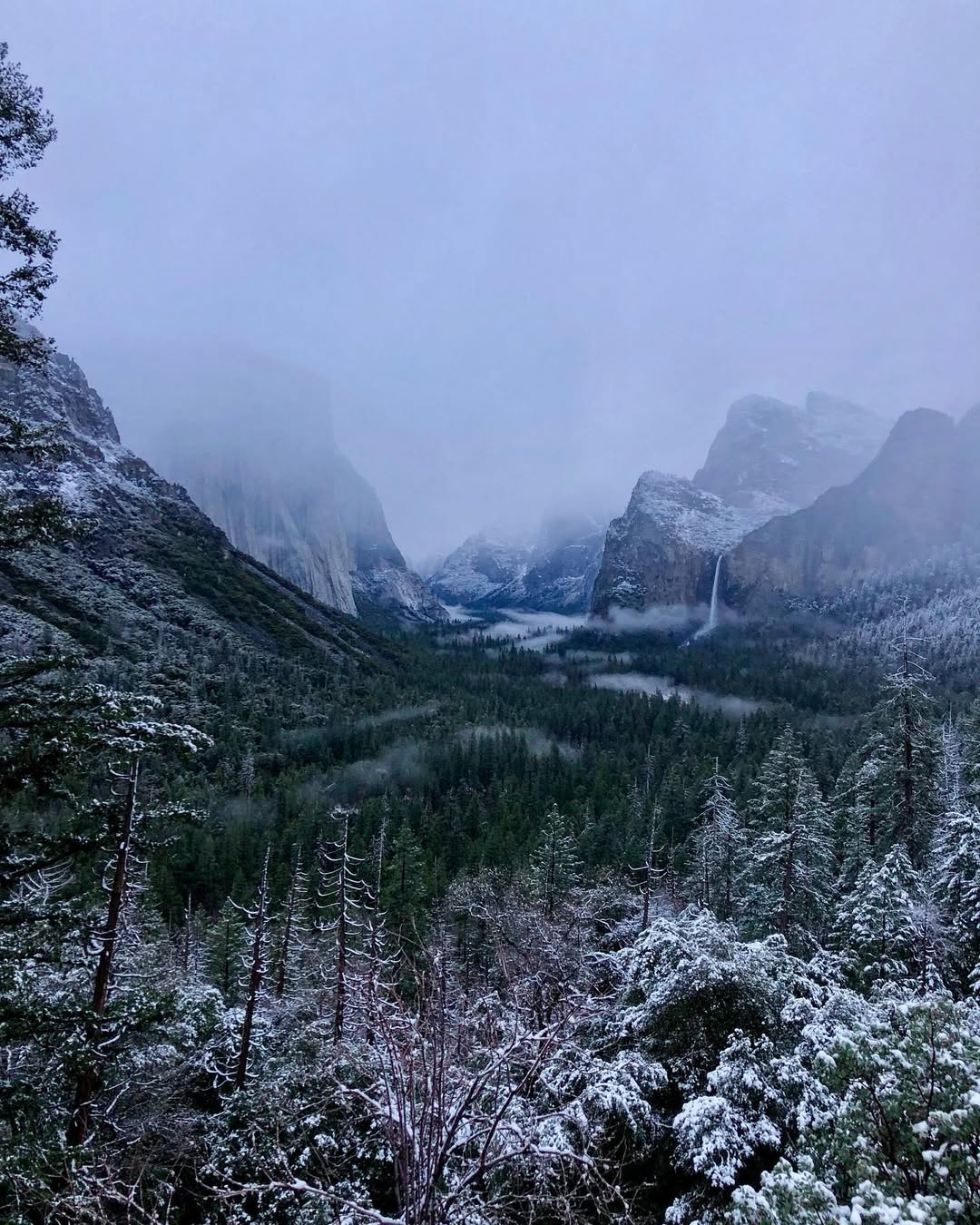
Some places just hit differently.
You wake up, unzip your tent, and for a second you don’t move.
Cold air. Quiet morning. Light hitting the landscape in a way that makes everything look unreal.
I remember one morning where I stood there longer than I planned. Coffee could wait. The view couldn’t.
These are the kinds of places people imagine when they think about camping in the US.
And yes, they’re worth it.
But here’s the part that catches people off guard.
You’re not the only one who wants that view.
According to Travel + Leisure’s roundup of scenic campgrounds, many of the most beautiful spots require booking well in advance because of demand.
So don’t just choose the place.
Choose how you experience it.
Shift your trip slightly earlier or later than peak season.
Arrive midweek instead of Friday evening.
Look for campgrounds just outside the main park entrance.
Even a 20-minute difference in location can change how the place feels.
And here’s something simple that works.
Wake up earlier than you think you need to.
That first hour of the day feels completely different before the crowds arrive.
And if you’re willing to step just a little away from the main areas, things start to feel calmer.
If You Want Peace and Fewer Crowds
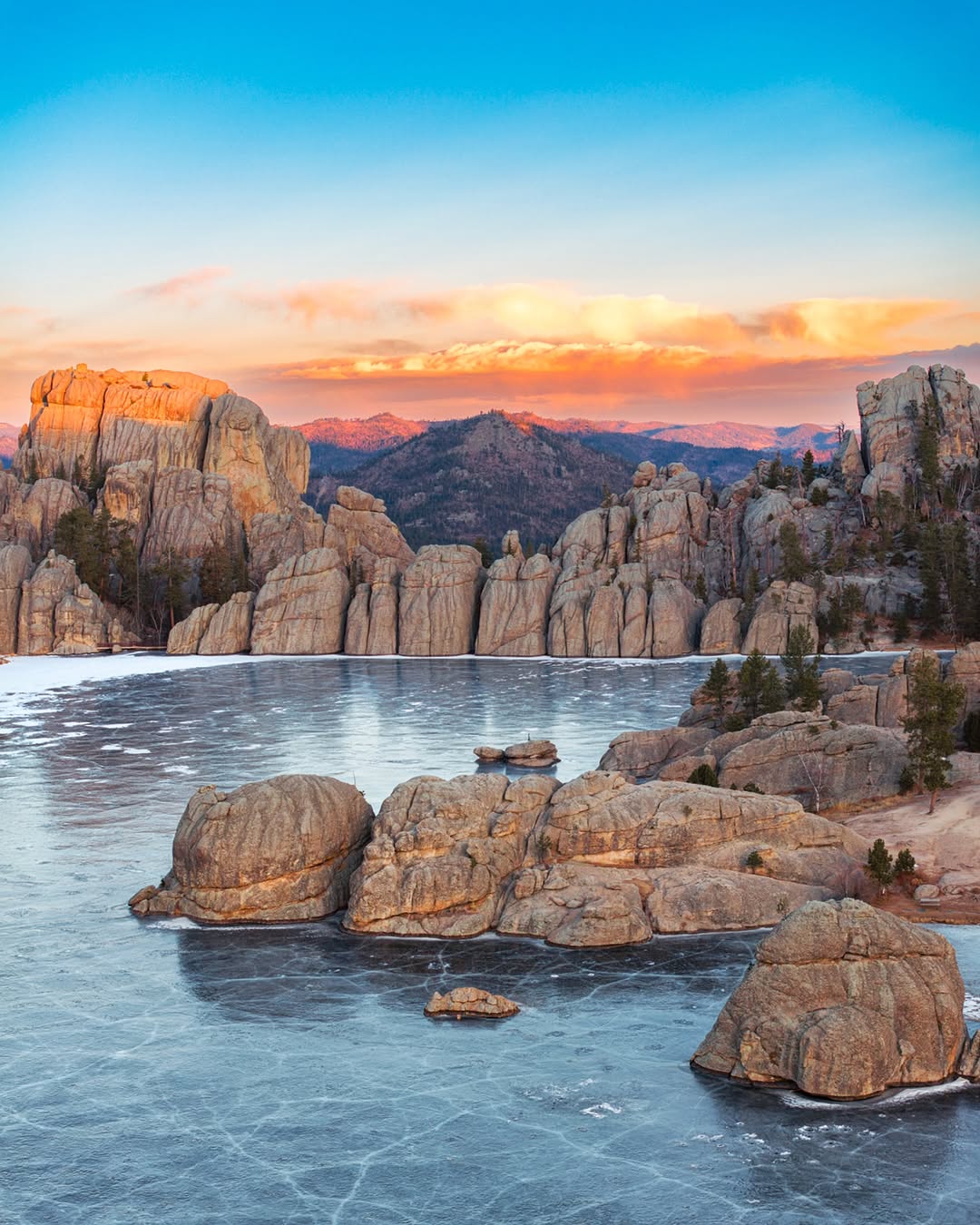
Not every trip needs to feel busy.
Some of the best camping moments happen when nothing is happening.
I’ve had evenings where the only sound was wind through trees and the occasional crack from the fire. No noise from nearby sites. No constant movement around me.
Just space.
That’s where state parks and lesser-known areas come in.
As National Geographic points out, state parks often offer similar landscapes to national parks, but with fewer crowds and easier access.
And once you try it, you notice the difference immediately.
You’re not rushing to get to a viewpoint.
You’re not adjusting your plans around crowds.
You’re just there.
If you want to find these kinds of spots, try this.
Look for national forests near popular parks.
Search state parks within the same region.
Read recent reviews and look for mentions of noise, wait times, or crowd levels.
And here’s a small trick that works more often than people expect.
Zoom out on the map.
The areas just outside the main highlights are often where things feel better.
Because most people stop at the obvious.
And if you want to go even further, there’s another level of camping that changes everything.
If You Want Easy, Beginner-Friendly Camping
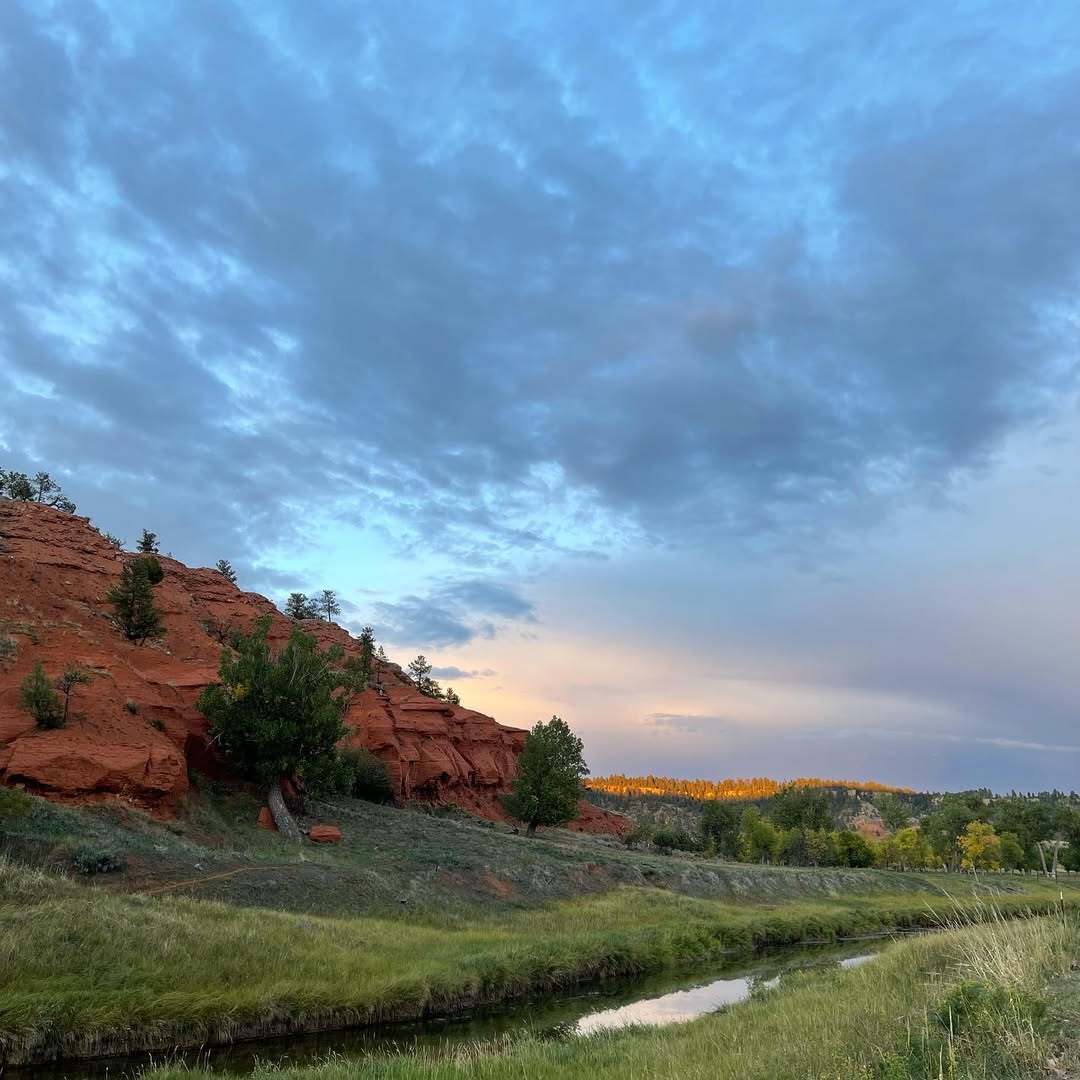
If you’re new to camping, the first trip sets the tone.
It can either feel simple and enjoyable. Or feel like too much at once.
I’ve seen both.
People who started with a basic, well-equipped campground usually came back wanting to go again. People who started with something too remote often didn’t.
So make your first trip easier than you think it needs to be.
Look for campgrounds with restrooms, water access, and clearly marked sites.
Pick a spot where you can park close to where you’ll sleep.
Choose somewhere you can reach without a complicated route.
That way, you can focus on the experience instead of solving problems.
Tourism boards often highlight this difference.Travel Oregon explains how campgrounds range from full-service sites to more rugged setups, which is why starting simple makes such a difference.
Here’s a simple setup that works.
Bring the basics and test them.
Keep meals easy.
Plan one short walk or activity instead of filling the day.
And give yourself time to just sit.
That’s the part most people skip.
Camping isn’t about doing more.
It’s about slowing down enough to enjoy where you are.
By now, you’ve probably noticed something.
This isn’t about chasing the most popular camping spots.
It’s about choosing the kind of experience that actually feels right.
And once you get that right, the more remote and flexible options start to feel a lot less intimidating.
If You Want Remote and Off-Grid Camping
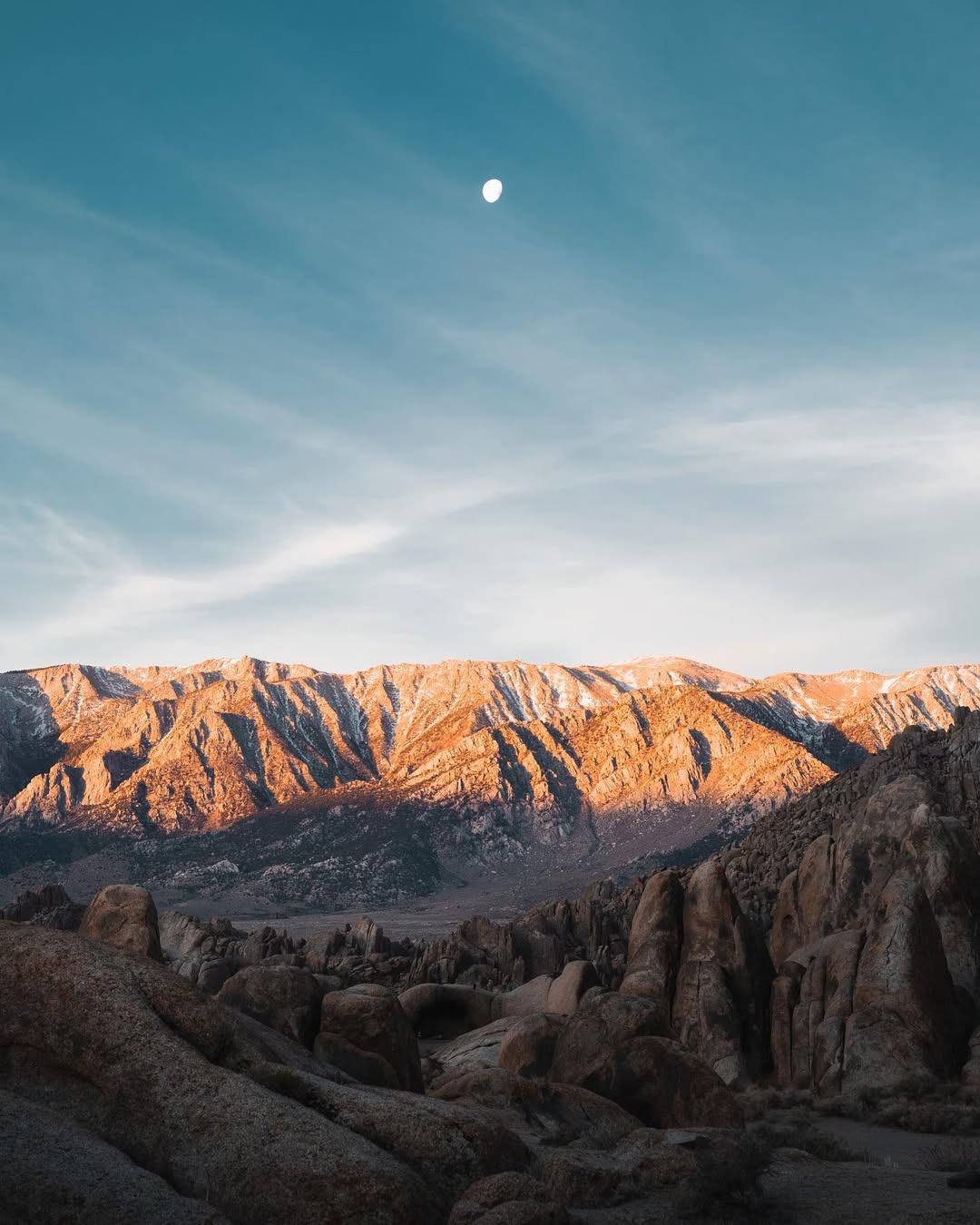
Some trips are about disconnecting in a real way.
No signal. No noise. No one walking past your site every few minutes.
Just you, your setup, and the space around you.
The first time I tried this, I underestimated it.
I thought it would feel like regular camping, just quieter. But it felt different. I noticed things I usually ignore. The way light changes before sunset. How quickly it gets dark. How loud small sounds feel when everything else is silent.
Time slows down in a way that’s hard to explain until you’re there.
That’s what draws people to it.
But this kind of camping also asks more from you.
The U.S. Forest Service explains that dispersed camping usually means no facilities at all</a>. No restrooms. No water. No trash pickup.
So keep your first off-grid trip simple.
Stay within a reasonable distance from a main road.
Carry more water than you think you’ll need, then add a little extra.
Check access routes during daylight hours, not after sunset.
And here’s one thing that makes a bigger difference than people expect.
Arrive earlier than you think you need to.
Setting up in daylight feels calm. Doing it in the dark feels stressful.
I learned that the hard way once, and never repeated it.
If you respect what this kind of camping requires, it can easily become your favorite way to travel.
Best Camping Spots by Landscape (What Actually Fits You)
Here is where most guides overwhelm you.
Long lists. Too many options. Everything sounds like a must-see.
Let’s keep this simple.
Instead of asking where to go, ask what you want your mornings to feel like.
That answer usually gets you closer than any list.
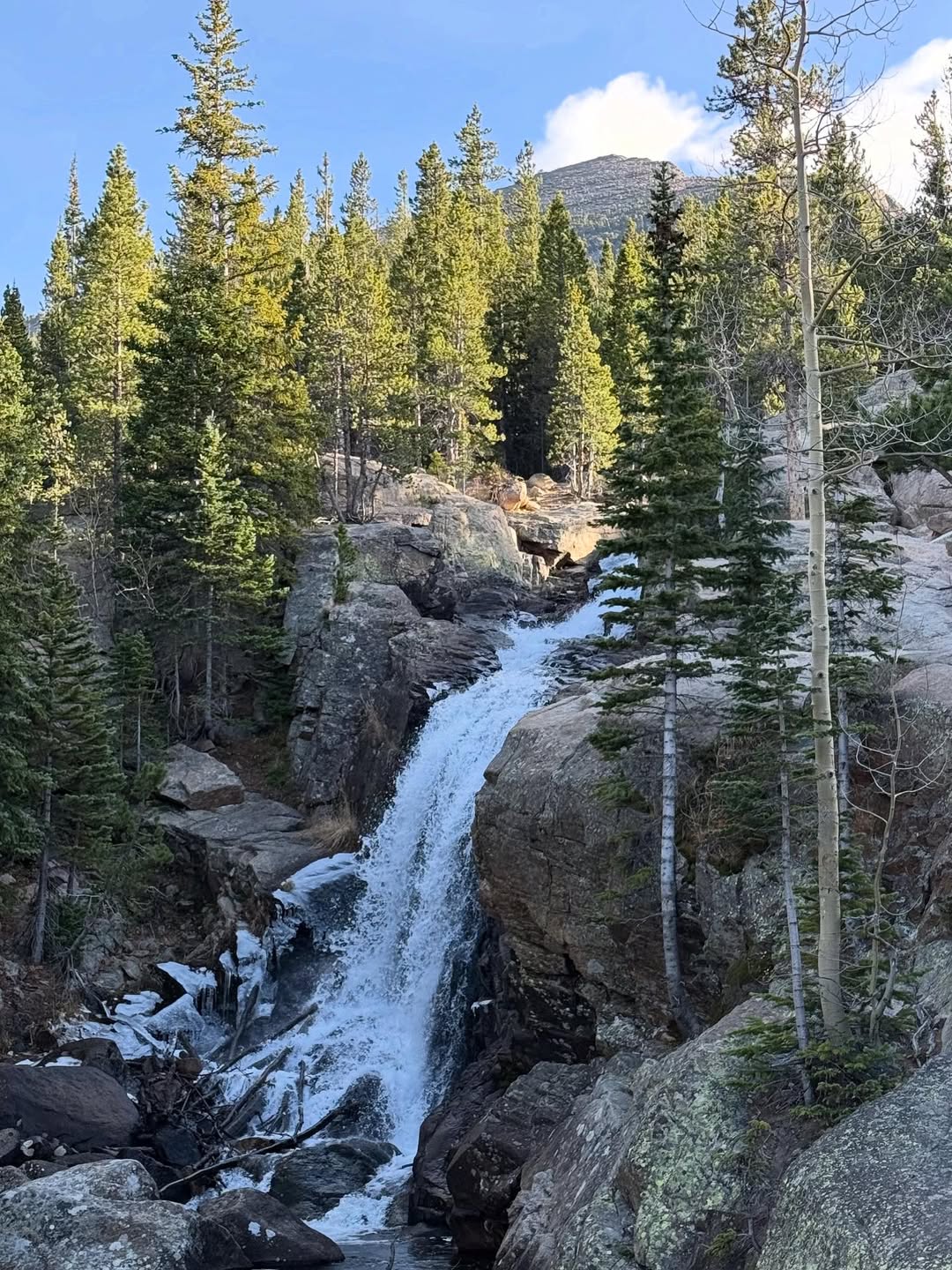
If you want mountains, think of places like the Rockies or Sierra Nevada. Cool air in the morning, wide views, and that feeling of being surrounded by something bigger.
If you want desert, places like Utah or Arizona give you open space, dry air, and night skies filled with stars. The kind where you look up and lose track of time.
If you want the coast, California and Oregon bring that mix of ocean breeze, cliffs, and cooler temperatures that make even summer feel comfortable.
If you want forest, the Pacific Northwest or parts of the Appalachians give you shade, quiet, and that steady calm you only get under thick tree cover.
You don’t need to try all of them in one trip.
Pick the one that matches how you want to feel right now.
And if you’re stuck between options, use this quick check.
Do you want light and openness, or shade and stillness.
That answer usually clears things up fast.
When to Go Camping in the USA (This Changes Everything)
Timing matters more than people expect.
I’ve been to incredible places that felt underwhelming just because I picked the wrong time. I’ve also been to simple spots that felt perfect because everything lined up.
Same place. Completely different experience.
Weather, crowds, and access all change depending on when you go.
And even small timing changes can shift the entire feel of a trip.
The Recreation.gov guidance on campsite reservations points out how quickly popular sites fill and why flexible dates can make a big difference.
So don’t just lock in a destination. Look at your timing with the same care.
Spring can feel quieter, but mornings and nights may still be cold.
Summer is easier for access, but also brings crowds and higher demand.
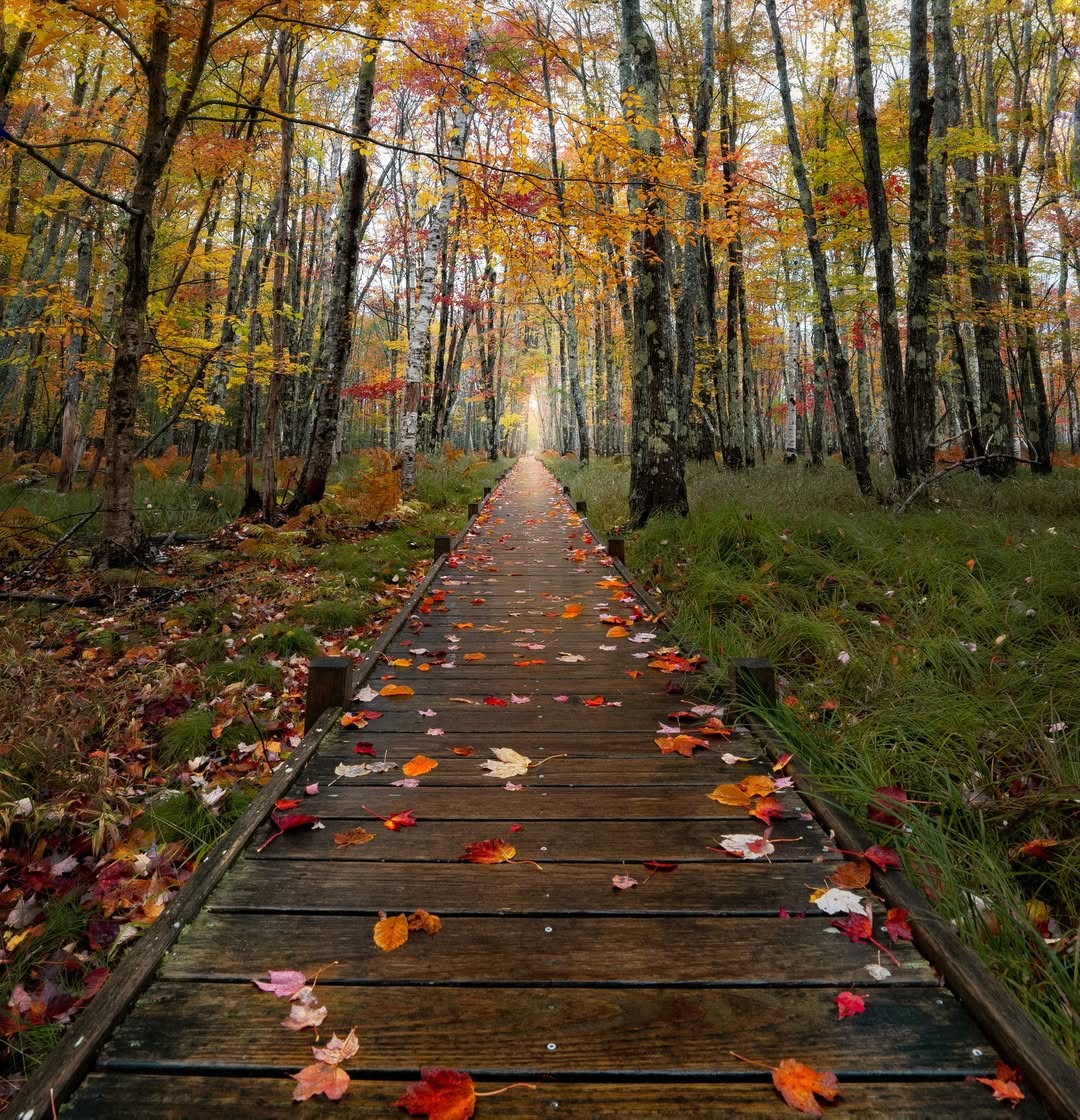
Fall often feels calmer, with better availability and comfortable weather in many places.
Winter works in certain areas, but needs more preparation and the right setup.
If you can, shift your trip slightly.
Even moving it by a week or choosing midweek instead of the weekend can change everything.
Less noise. Less waiting. More space.
And that’s usually what people are actually looking for.
Common Camping Mistakes People Make When Planning Trips
Let’s keep this honest.
Most camping mistakes come from trying too hard to make everything perfect.
I’ve done it.
Packed extra gear I never touched. Planned every hour. Tried to make the trip feel “worth it” by doing more.
It felt productive while planning.
It felt exhausting during the trip.
Another mistake is not realizing how many people are camping now.
According to the KOA Camping and Outdoor Hospitality Report, millions of households go camping each year, which explains why good spots fill faster than expected.
So planning still matters. Just not in the way people think.
Here’s what actually helps.
Pack what you know you’ll use, not what you might need.
Leave space in your day instead of filling every hour.
Check weather, ground conditions, and campsite details before you arrive.
And don’t skip the small things.
Fire rules, quiet hours, and access roads can shape your entire experience.
One quick check before you go can save you a lot of frustration later.
How to Make Any Camping Trip Better
Here is where everything comes together.
Better camping trips don’t come from better locations.
They come from how you experience the time you have there.
Give yourself time to settle in.
Keep your setup simple enough that it doesn’t take over your day.
Pay attention to what’s around you instead of what’s next.
One thing I’ve noticed over time.
The best parts of a trip are rarely planned.
It’s the morning when you don’t rush out of your tent.
The evening when the fire lasts longer than expected.
The short walk that turns into something you didn’t expect.
Those moments don’t need effort.
They need space, and a bit of patience.
Closing thoughts
By the time you start thinking about camping this way, something shifts.
It stops being about finding the most popular spot.
And starts becoming about choosing the experience that feels right for you.
There isn’t one “best” camping spot in the USA.
But there is one that fits exactly what you need right now.
And once you find that, the trip starts to feel right even before you get there.
Also read:
Luxury Camping Destinations Around the World for an Unforgettable Experience
Quick and Easy Camping Meals That Make Outdoor Cooking Simple